
A private night snorkelling experience in the Maldives reveals the reef at its most active and least observed. Guided by an expert and illuminated only by torchlight, this is a calm, carefully managed encounter with marine life that emerges after sunset, experienced far from daytime activity.
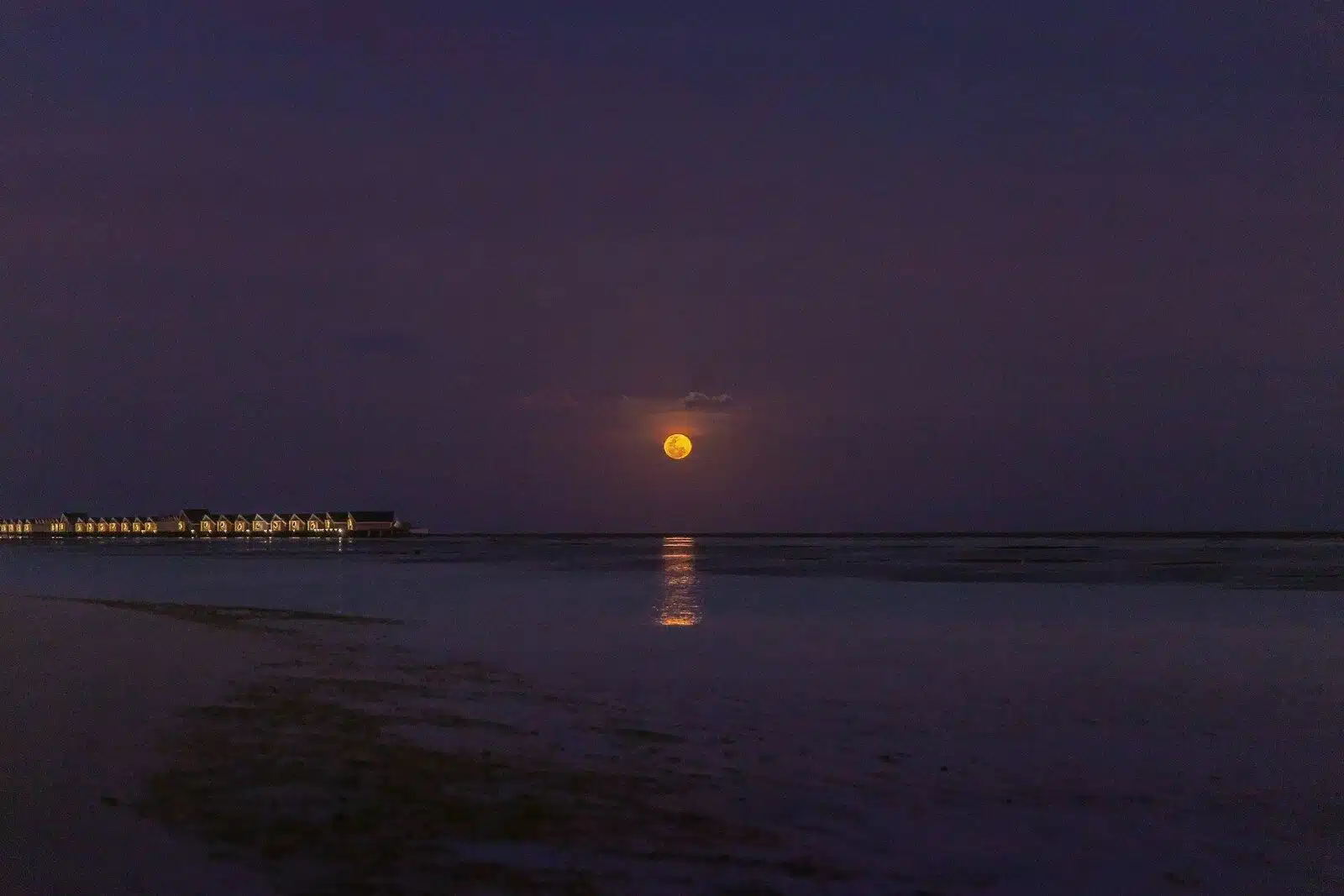
Night falls quickly in the Maldives. One moment the lagoon reflects the last light of the sky, the next it turns opaque and still. From the jetty, the water looks unreadable, its surface giving little away about what lies beneath.
Preparation is deliberate rather than hurried. A guide checks equipment, torches are tested, and expectations are set clearly. This is not about speed or spectacle, but about awareness. Once in the water, movement slows almost instinctively.
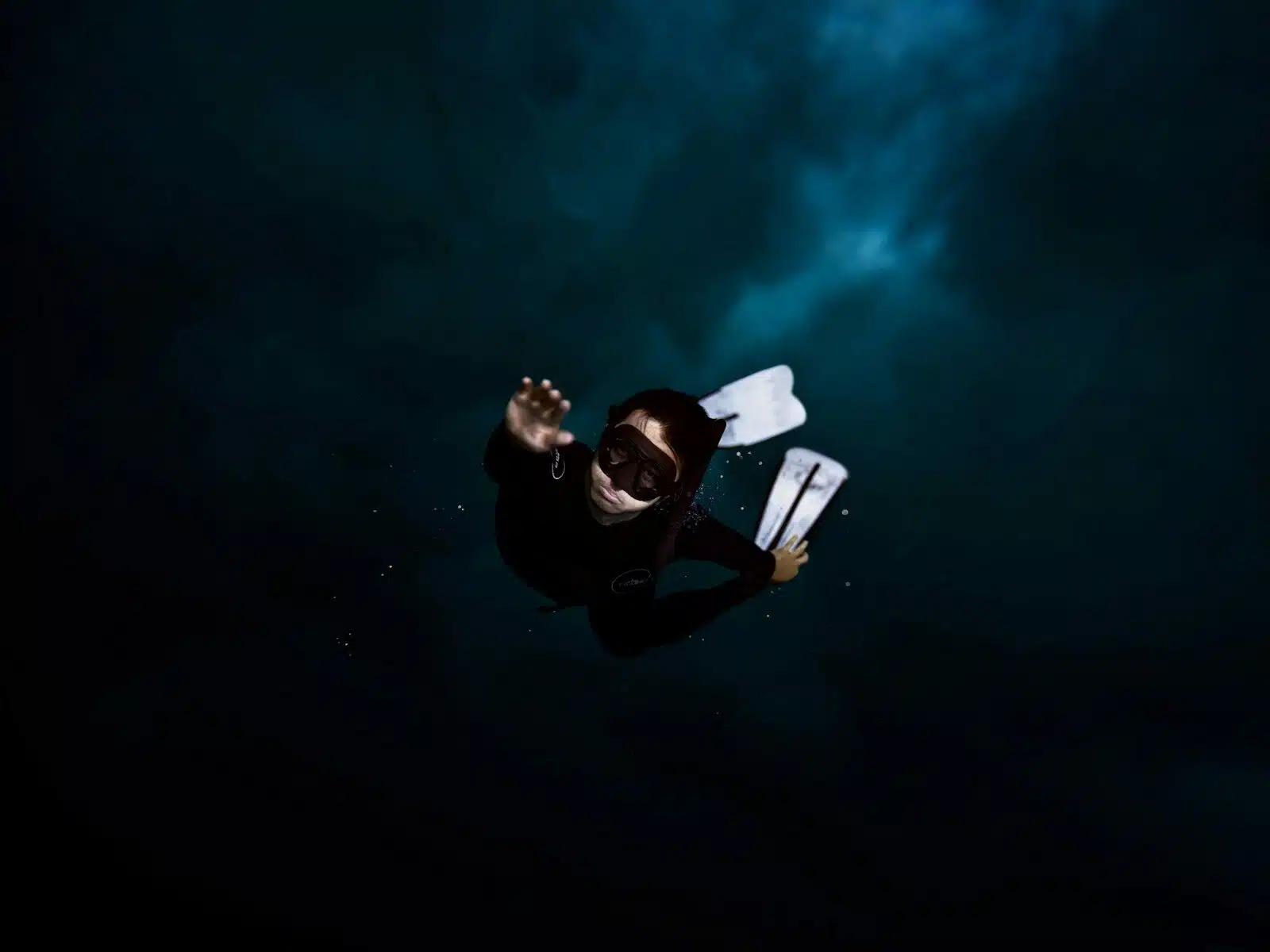
Entering the lagoon at night shifts perspective immediately. Familiar surroundings feel altered, quieter, and more focused. Attention narrows to what the light reveals, and the experience becomes immersive in a way daylight rarely allows.
About Do Not Disturb
Do Not Disturb is a luxury travel company specializing in carefully designed journeys and considered experiences. Each itinerary we build for our clients is informed by real destination knowledge, offering insight into places, cultures, and moments that shape how a trip comes together.
If this destination has sparked ideas, the itinerary can be developed into a private journey tailored to your interests and travel style, with hand-picked stays, thoughtful routing, and experiences curated around what matters most to you.
Environmental Context
Coral reefs operate on a different rhythm after dark. Many species that remain hidden during the day become active once the sun sets, using darkness for feeding and movement. This nocturnal cycle is essential to reef health, balancing daytime activity with nighttime predation and recovery.
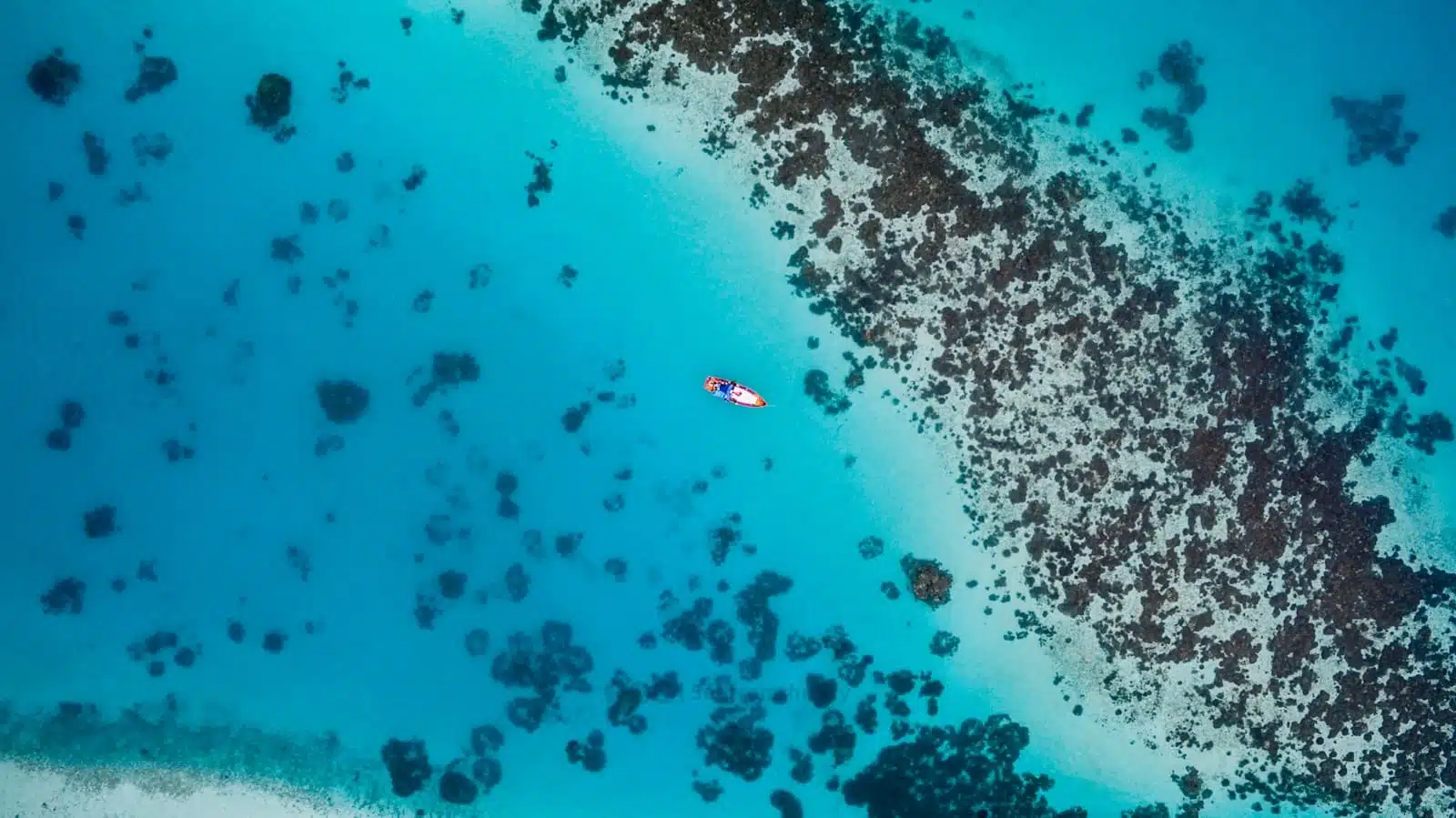
In the Maldives, shallow lagoon reefs and house reefs are particularly well suited to night snorkelling. Calm waters, clear visibility, and gentle currents allow for controlled exploration with minimal disruption. Resorts and local operators follow strict guidelines to protect these ecosystems, limiting numbers and ensuring proper supervision.
Most visitors encounter the reef during daylight hours, when colour appears muted by sunlight and marine life is more dispersed. Night snorkelling remains less common due to safety requirements and environmental sensitivity, which is why access is typically limited to private or closely guided sessions.
Why Private Access Matters
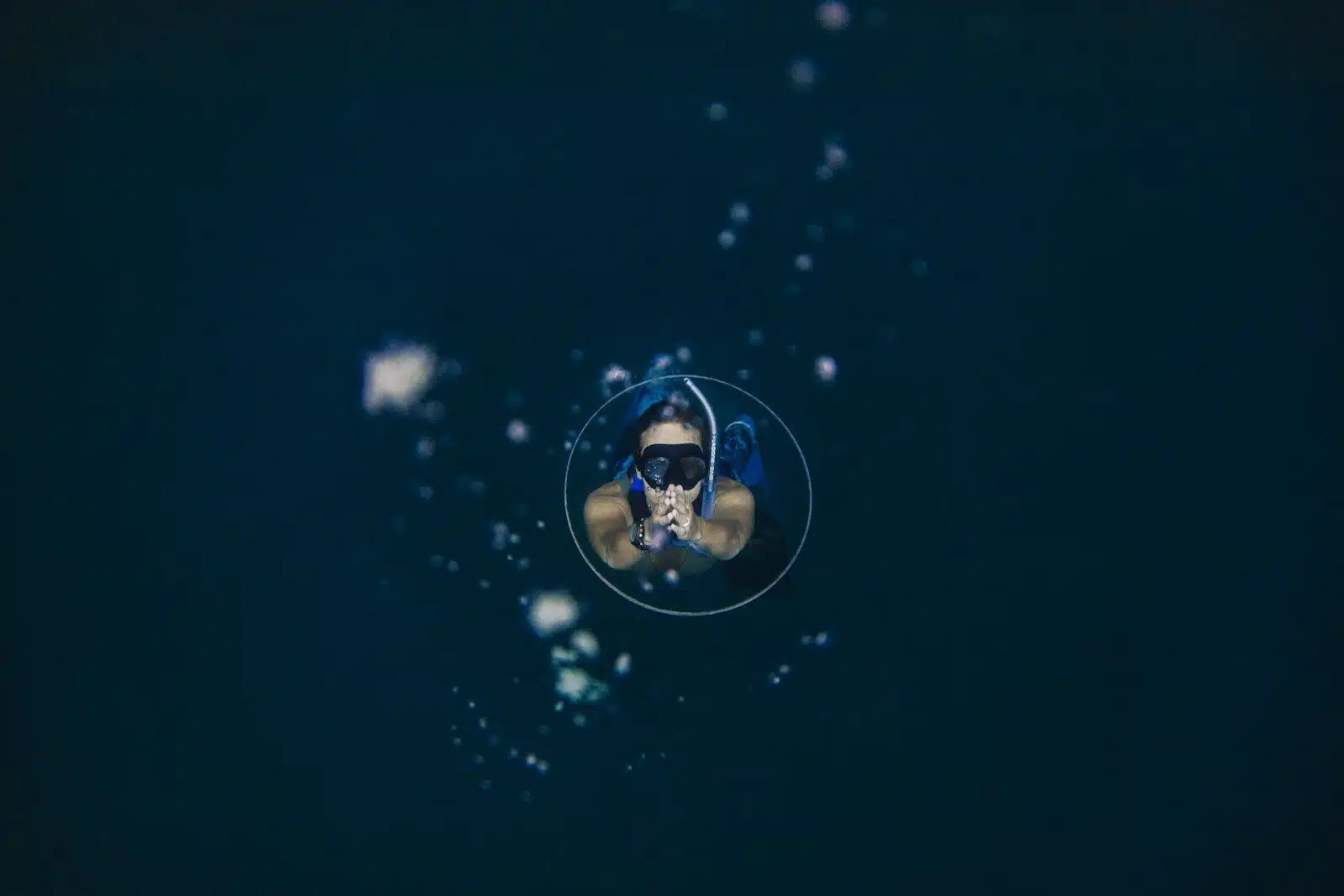
Night snorkelling requires focus, confidence, and clear communication. A private guide allows the pace to be adjusted to individual comfort levels, whether that means staying close to shore or venturing slightly farther along the reef edge.
Privacy also reduces disturbance. Fewer lights in the water mean marine life behaves more naturally, increasing the likelihood of meaningful observation. Instructions are easier to hear, and attention remains on the environment rather than on managing a group.
In contrast, shared excursions often move quickly and cover broader areas. A private session allows time to pause, observe, and adjust without pressure, which is particularly important in low-light conditions.
What You See
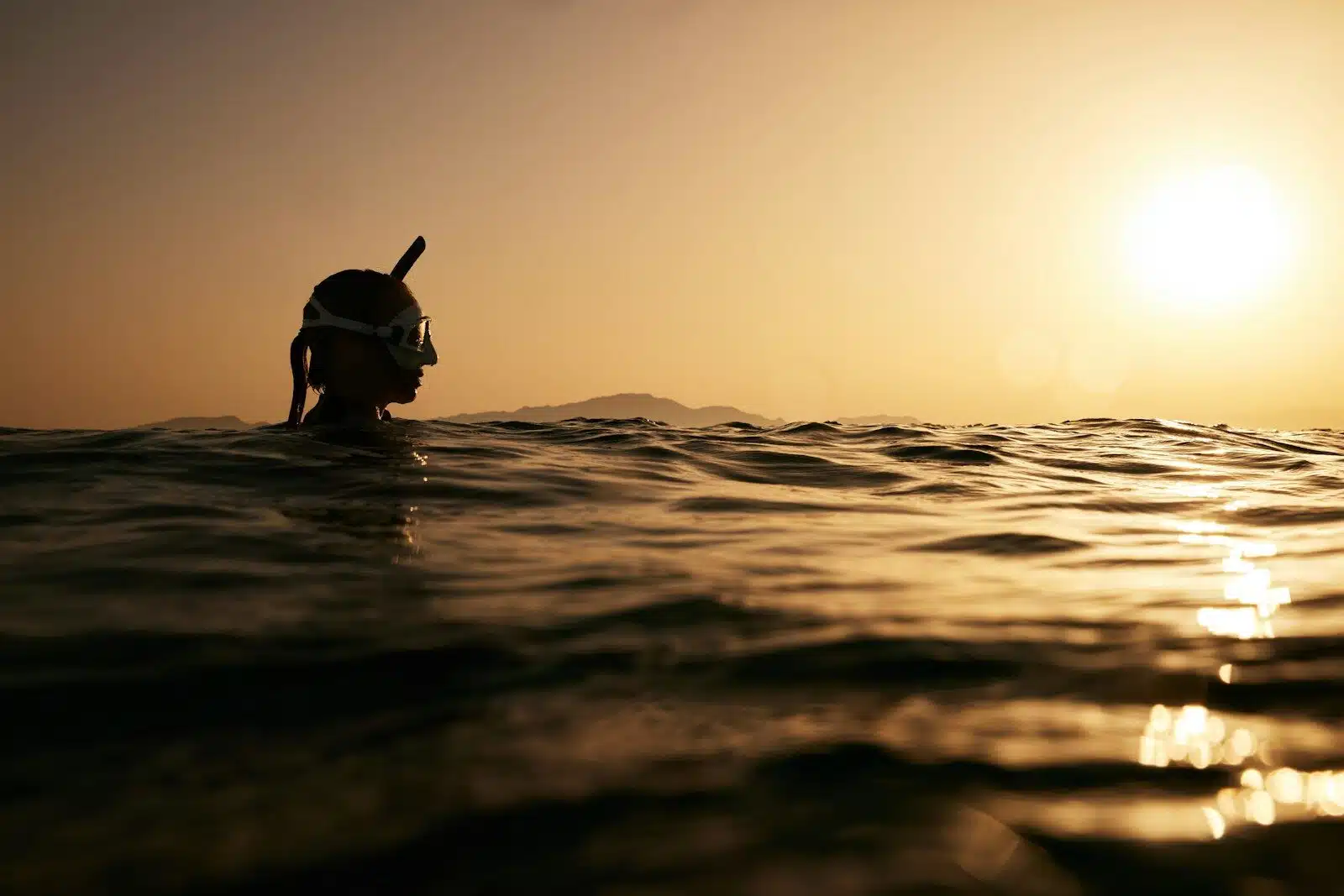
The transformation is immediate. Under torchlight, corals reveal saturated reds, purples, and greens that appear subdued during the day. Fish move differently, some resting within the reef, others actively hunting along its edges.
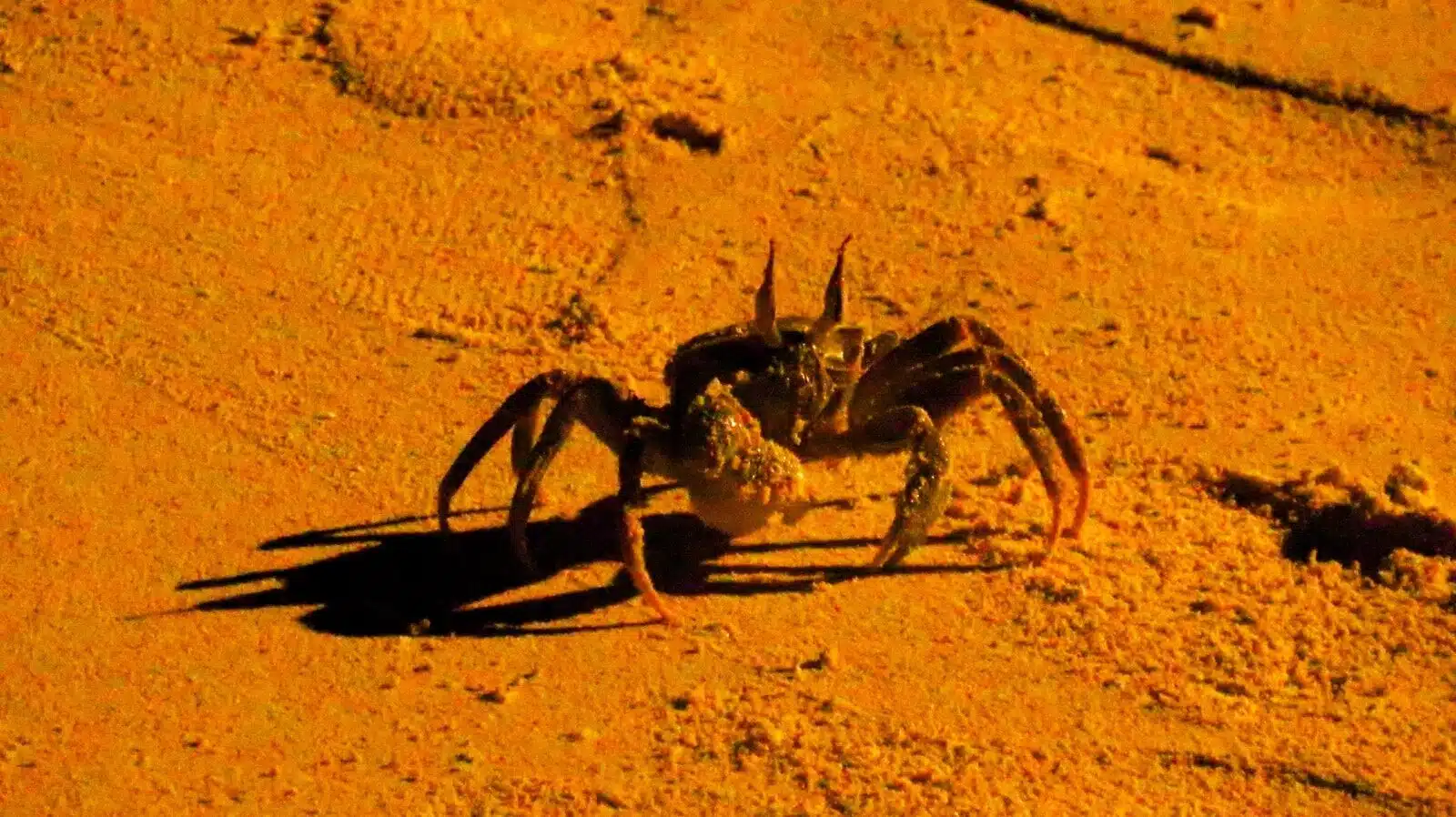
Moray eels are common sightings, weaving through coral crevices with slow, deliberate movement. Octopuses emerge from hiding, their skin shifting texture and colour as they move. Lobsters and crustaceans become visible, navigating the reef floor.
In deeper sections, reef sharks and rays may pass through quietly, their presence calm rather than threatening. The scale feels intimate, shaped by darkness and limited visibility, drawing attention to detail rather than distance.
Bioluminescence
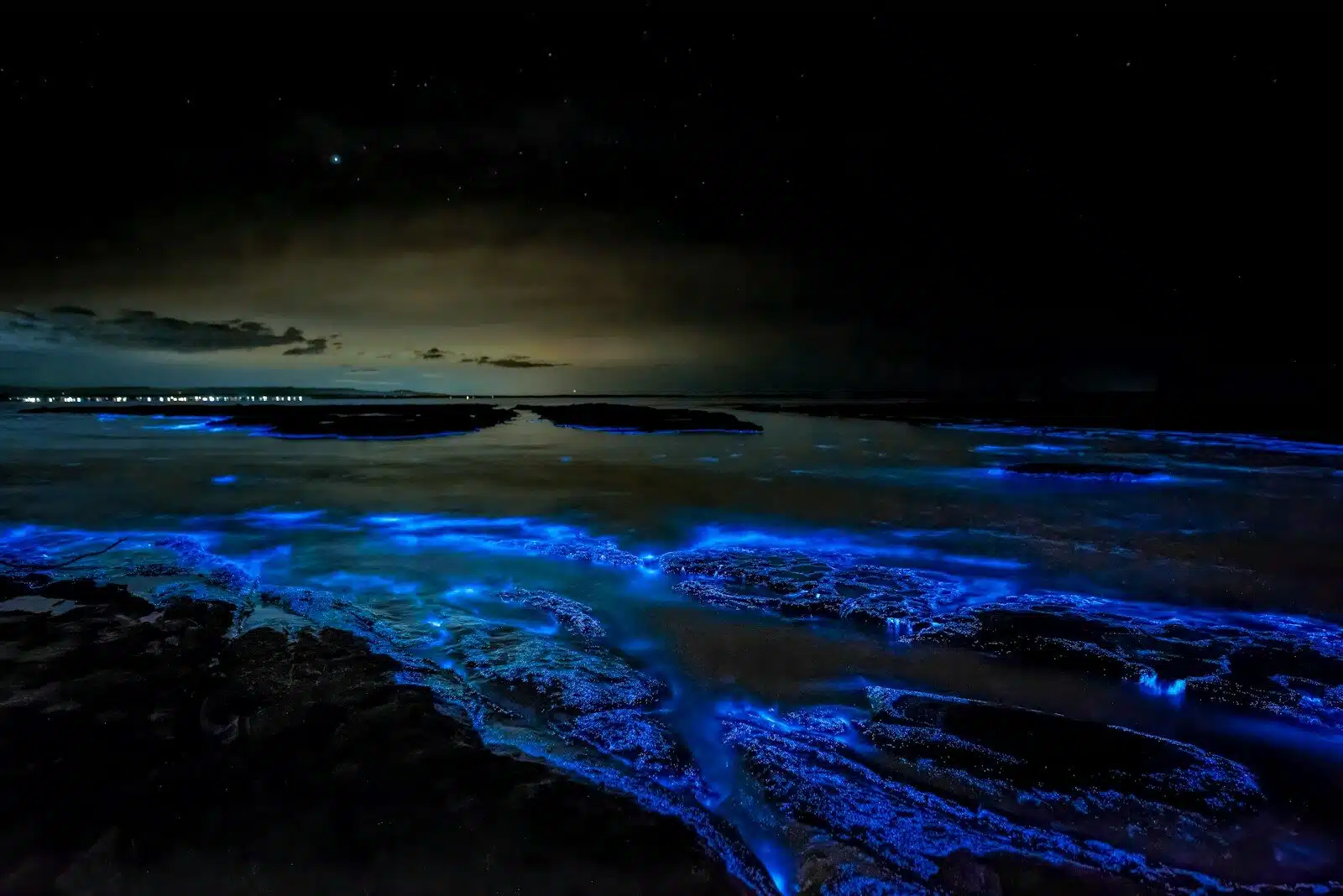
On certain nights, bioluminescent plankton appears in the water. When the torch is switched off briefly and movement slows, tiny points of blue light flicker with each motion. The effect is subtle and fleeting, dependent on conditions and season.
This phenomenon is not guaranteed, but when present it becomes one of the most memorable aspects of the experience. It encourages stillness, rewarding patience rather than activity.
Guides are careful to manage expectations, allowing moments of darkness without forcing them. When it happens, it feels discovered rather than staged.
Safety and Structure
Night snorkelling is always guided. Professional guides carry primary and backup torches, monitor conditions continuously, and remain close throughout the session. Clear entry and exit points are established before entering the water.
Participants are expected to be comfortable with daytime snorkelling. Movement is slow and controlled, with regular check-ins. Wetsuits are often recommended, not for buoyancy but for warmth as water temperatures drop slightly after sunset.
Touching coral or marine life is strictly prohibited. Observation is passive, maintaining distance to protect both participants and the reef itself.
How Private Access Elevates the Experience
During the day, snorkelling often becomes incidental, something fitted between other activities. At night, it becomes the sole focus. Private access reinforces this shift, removing distractions and allowing the environment to dictate pace.
There are no competing lights, no overlapping conversations, and no sense of being rushed back to shore. The experience feels contained and intentional, shaped around awareness rather than exploration alone.
For confident swimmers, this depth of focus transforms how the reef is understood. It becomes a living system rather than a backdrop.
Where It Is Done Well
Resorts with strong house reefs and dedicated marine teams are best placed to offer night snorkelling responsibly. Properties such as Baros Maldives, Mirihi Island Resort, and W Maldives are known for their conservation-led approach and experienced guides.
On select local islands, operators based in Dhiffushi or Maafushi also arrange private sessions at different price points, though conditions and support vary. Resort-based experiences tend to offer more controlled environments and higher levels of oversight.
How Do Not Disturb Makes This Possible
Do Not Disturb arranges private night snorkelling experiences that prioritise safety, environmental responsibility, and timing. Each session is planned around moon phase, water conditions, and individual confidence levels.
Guides are selected for their experience and communication style, ensuring the experience feels calm rather than instructional. Equipment, transfers, and scheduling are handled in advance, allowing the focus to remain on the water itself.
By coordinating closely with resorts and marine teams, Do Not Disturb ensures access is meaningful and considered, not opportunistic.
Ready to plan a private night snorkelling experience in the Maldives and explore the reef after dark with clarity and care? Speak with Do Not Disturb to begin shaping an experience guided by expertise and ease.
Plan your own version of this journey
Speak to Do Not Disturb’s luxury travel experts and turn this moment into something personal.
Related destinations
Suggested articles

The Best Honeymoon Destinations for LGBTQ+ Couples

The Most Romantic Train Journeys for a Slow Honeymoon

Where to Go On Honeymoon? A Guide to Help You Choose
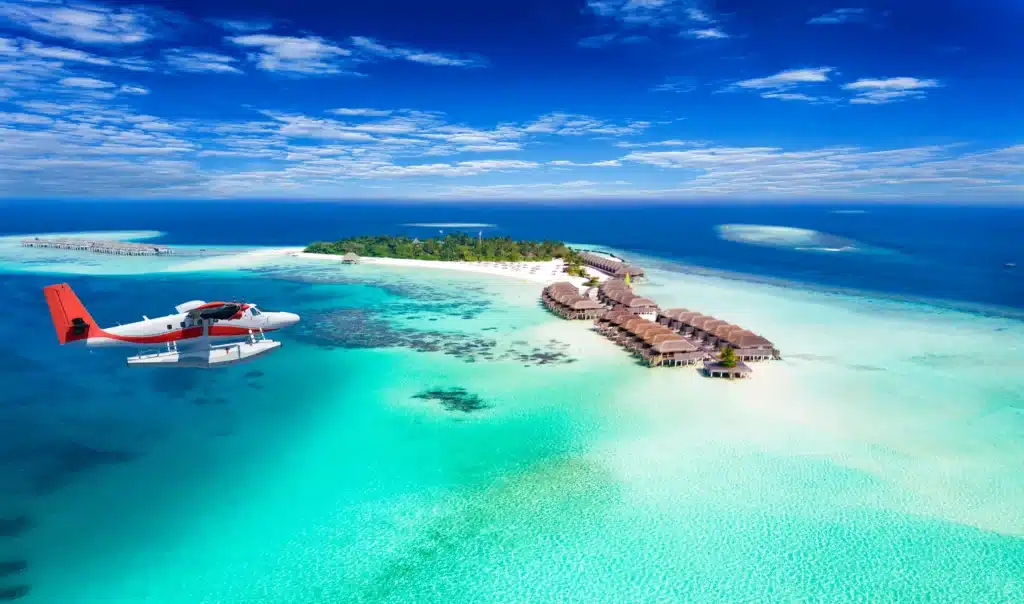
Seaplane, Speedboat or Domestic Flight? Maldives Transfers Explained
Multi-Destination Honeymoons: The Best Pairings for Two Distinct Locations
The Cost of All-Inclusive in the Maldives: Is It Worth It?
Maldives Villa Guide: Beach vs. Overwater

How to Choose the Right Maldives Resort For You
How to Choose a Family-Friendly Maldives Resort
Christmas in the Maldives: What to Expect and is it Worth It

The Best Maldives Resorts for Honeymoons

Maldives vs French Polynesia: Best Honeymoon Destination?

The Maldives Beyond the Villa: Best Activities