
On this page
The Maldives remains the default for island honeymoons, but a growing number of couples are looking past the overwater bungalow formula towards destinations that offer equal measures of seclusion, beauty, and substance. From the coral archipelagos of Mozambique to the volcanic interiors of French Polynesia, these seven alternatives make a compelling case for reconsidering the obvious.
Mozambique: Africa's Overlooked Archipelago
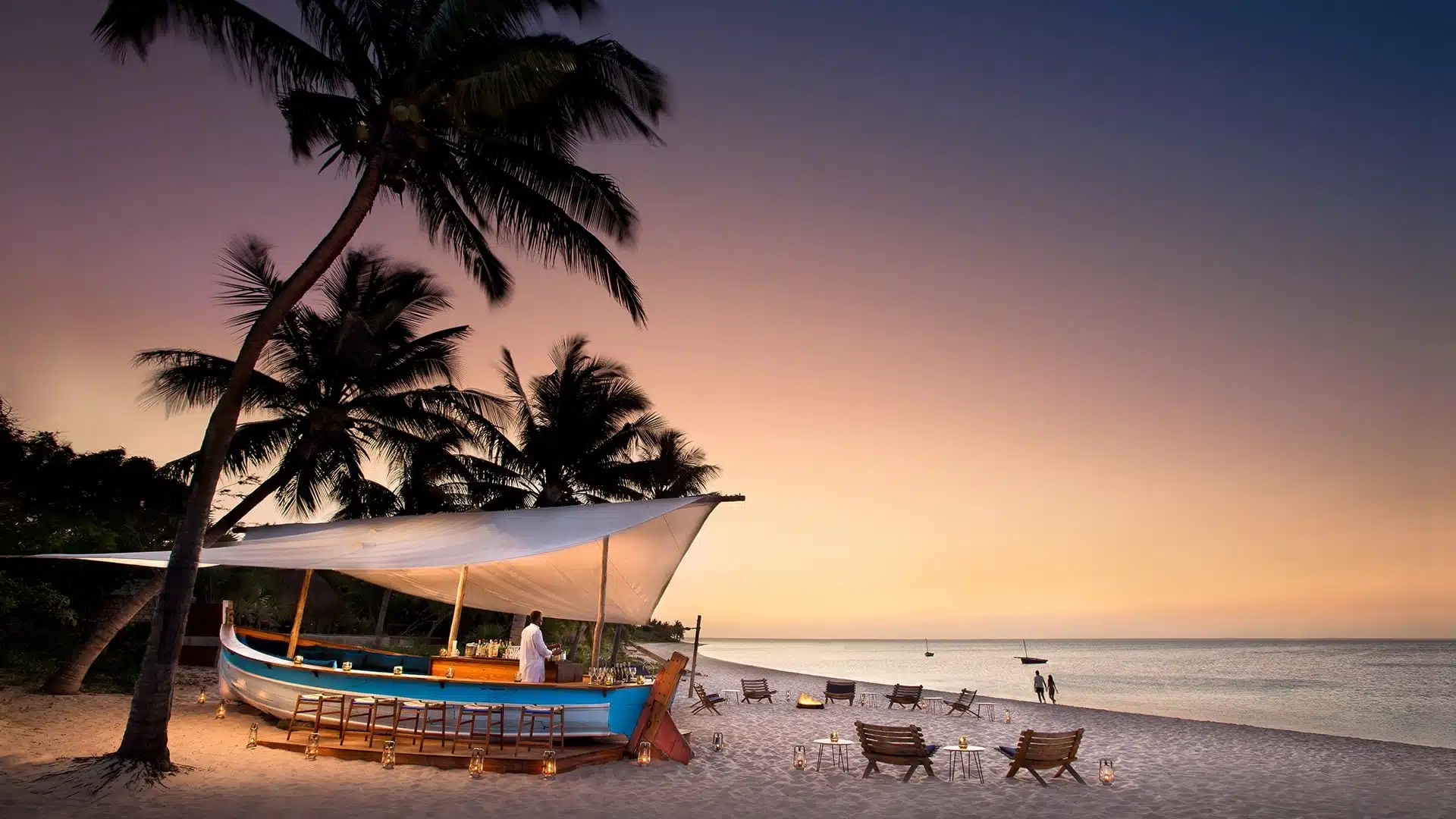
The Bazaruto Archipelago sits roughly 20 miles off the coast of Sofala Province in central Mozambique, comprising six islands within a national park established in 1971. The protected status limits commercial development and restricts fishing across a marine area that supports dugongs, manta rays, and one of the few remaining viable populations of Indo-Pacific bottlenose dolphins on the East African coast.
Tourist infrastructure is deliberately sparse. A small number of high-end lodges operate across the islands, with Benguerra Island holding the highest concentration of credible luxury properties. Access is by light aircraft or private transfer from Vilanculos, which itself has limited scheduled connections from Johannesburg and Maputo.
The combination of protected marine environment, restricted development, and low visitor numbers makes Bazaruto a structurally private destination rather than one that simply markets itself as such. For couples prioritising genuine seclusion alongside substantive natural assets, it represents a meaningful alternative to more saturated Indian Ocean circuits.
The Philippines: Palawan Beyond the Brochure
Palawan’s reputation rests largely on El Nido, but the most compelling access points for honeymooners lie further north, in the Linapacan group and the outer islands of the Calamian archipelago. These clusters sit beyond day-trip range of regular tour operators, and reaching them requires either a liveaboard vessel or a private island property with its own transfer infrastructure.
Liveaboard itineraries in this region typically run between five and ten nights, covering reef systems and uninhabited islands that are inaccessible by any other means. A small number of private island resorts operate in the Calamians, each with limited room counts and exclusive access to surrounding waters. The quality of either option depends significantly on how the itinerary is structured and which operators are involved.
The dry season runs from November through May, with February to April offering the most stable conditions for inter-island travel. Outside this window, the southwest monsoon makes many northern routes unreliable.
Panama: The San Blas Islands on Your Own Terms
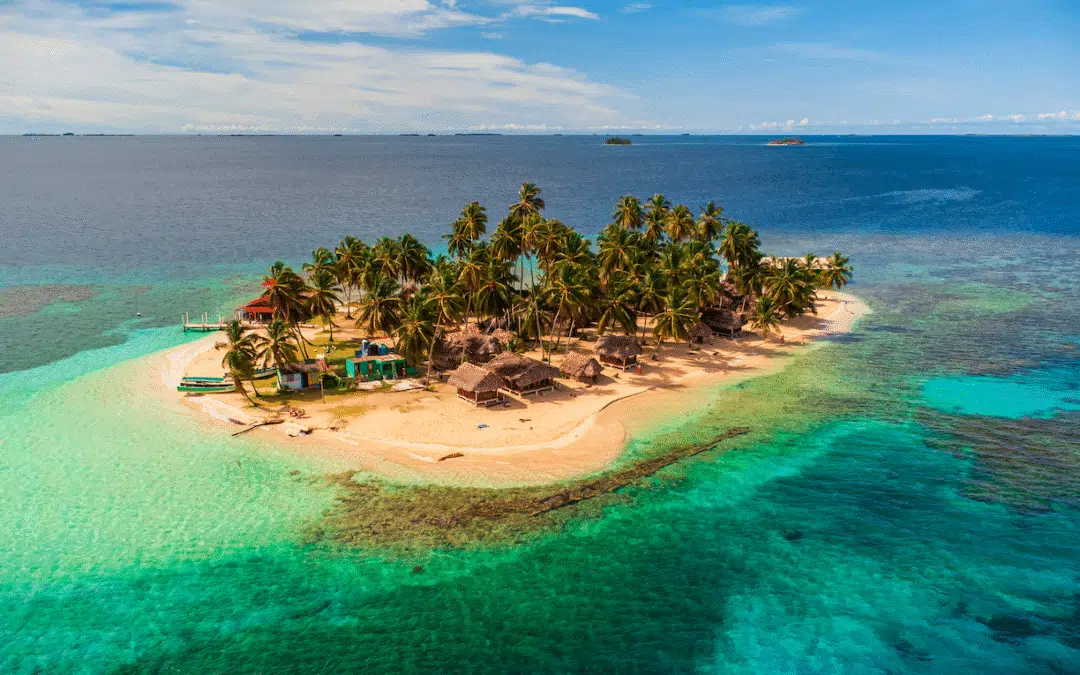
The San Blas archipelago, formally the Guna Yala comarca, comprises around 365 islands off Panama’s Caribbean coast, the majority of which are uninhabited. Crucially, the territory is governed by the Guna people under a recognised autonomous structure, meaning that access, development, and commercial activity are regulated by indigenous authority rather than by the Panamanian state or private resort operators. No international hotel brands operate here.
Accommodation ranges from basic island camps to a small number of more refined lodges, none of which approach the infrastructure of conventional luxury travel. Electricity is typically solar or generator-powered, connectivity is limited, and the physical environment is unmediated. For couples whose priority is genuine remoteness rather than amenity, this is the distinction that matters.
What San Blas offers that few island destinations can is a functioning, self-governing indigenous culture at the foreground of the visit, not a backdrop to it. The quality and appropriateness of any stay depends significantly on how access is arranged and through whom.
French Polynesia: Beyond Bora Bora
Bora Bora accounts for the majority of French Polynesia‘s resort infrastructure, but the archipelago extends across five island groups, two of which offer a substantially different proposition.
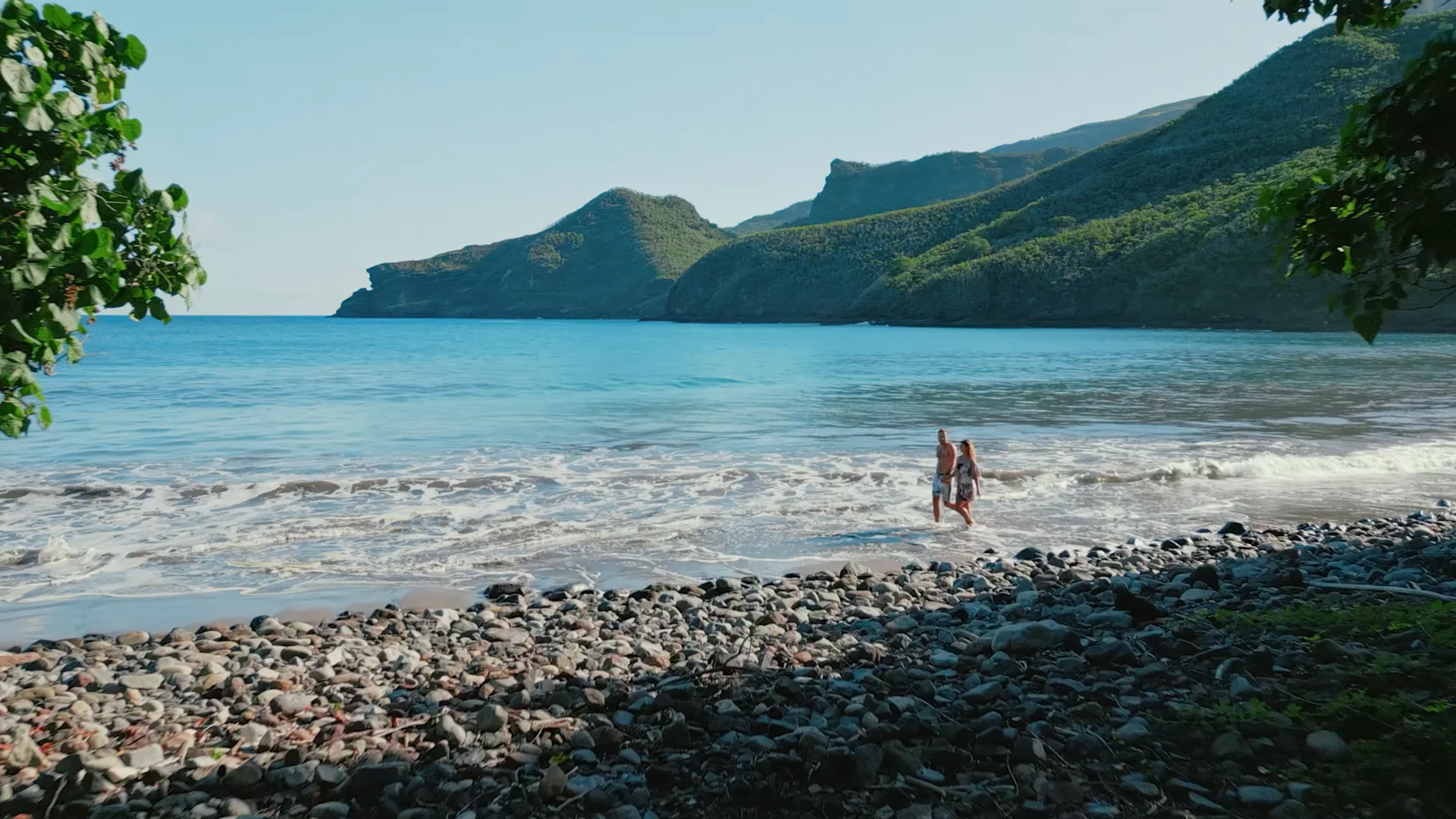
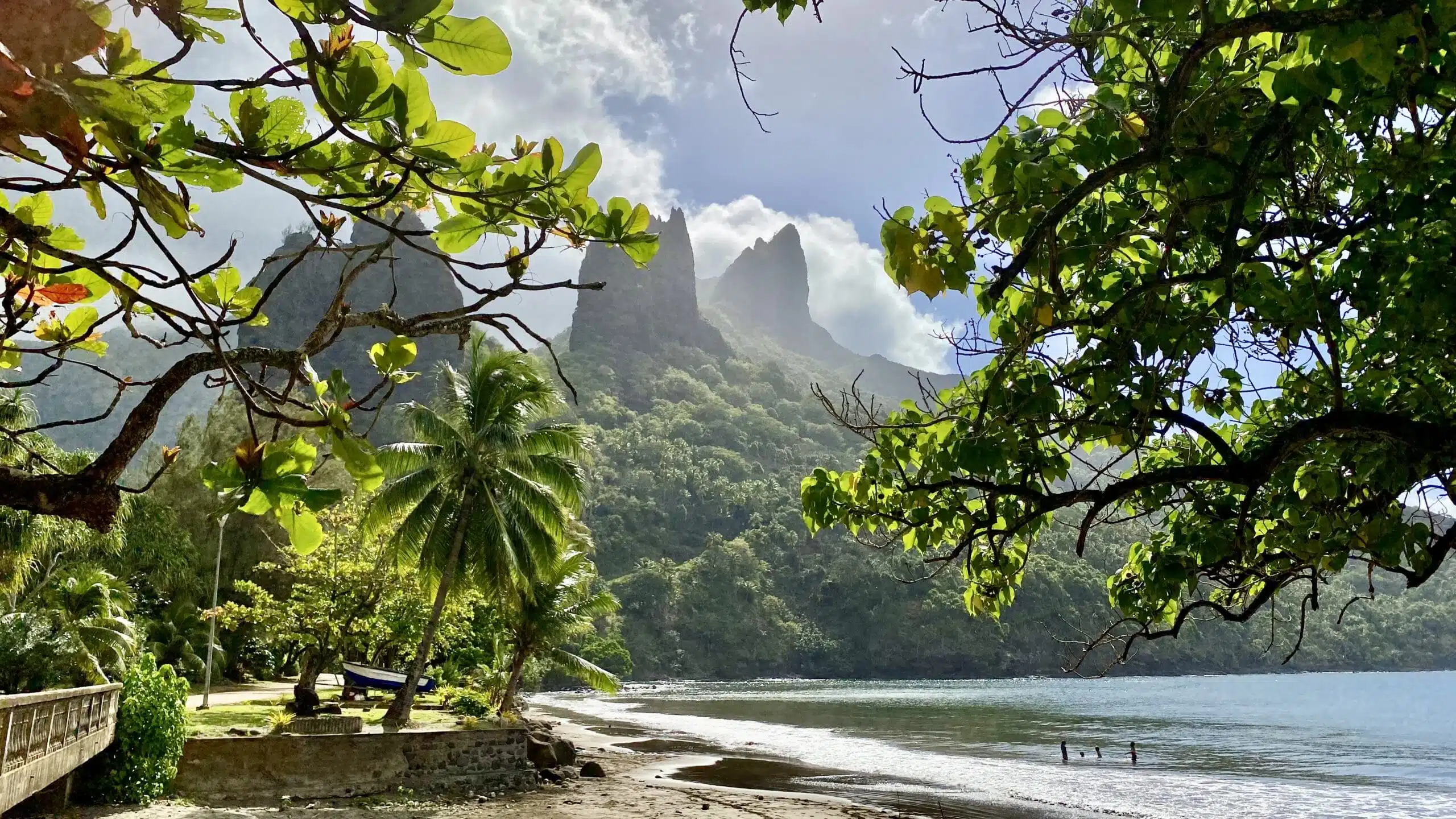
The Marquesas, roughly 1,400 kilometres northeast of Tahiti, are high volcanic islands with no barrier reefs, steep interior valleys, and a concentration of archaeological sites that document one of the Pacific’s most significant pre-European cultures.
The Tuamotu atolls, by contrast, are low-lying coral formations where the primary draw is underwater: the passes at Rangiroa and Fakarava are among the most biodiverse dive sites in the Pacific, with Fakarava designated a UNESCO biosphere reserve.
Neither group has the resort density of Bora Bora, and inter-island logistics within French Polynesia are not straightforward. Air Tahiti operates regional routes, but scheduling, accommodation options, and the sequencing of islands across both groups require coordination that meaningfully affects the quality of the trip.
The Marquesas in particular reward careful planning, given the limited number of properties and the distance between sites of cultural significance.
The Seychelles: Inner Islands vs. Outer Islands
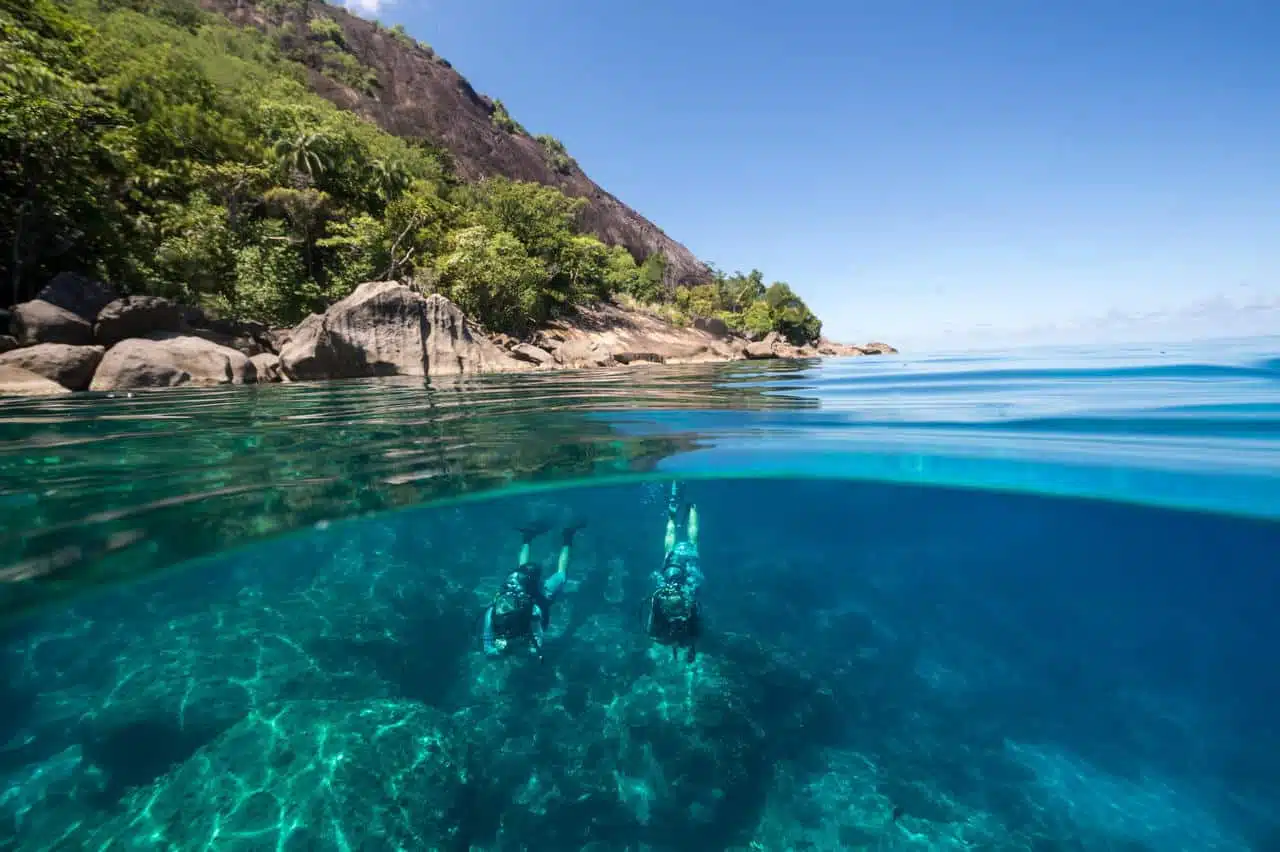
The Seychelles is not a single destination. Mahé and Praslin are well-established, well-serviced, and well-visited. You will find excellent infrastructure and recognised luxury properties here, but not pure seclusion. The distinction that matters is between the inner islands, granitic and accessible, and the outer islands, coral-based, remote, and subject to restricted access.
The Aldabra Group sits roughly 1,000 kilometres southwest of Mahé and includes Aldabra Atoll, a UNESCO World Heritage Site and one of the largest raised coral atolls in the world. Access is limited by permit and logistics, and the number of visitors at any given time is tightly controlled.
For couples unwilling to navigate those constraints, private island buyouts within the inner island chain offer a more structured form of exclusivity. There exist a few properties that operate on a limited-guest model that effectively removes the shared-resort dynamic entirely.
São Tomé and Príncipe: The Gulf of Guinea's Quiet Case
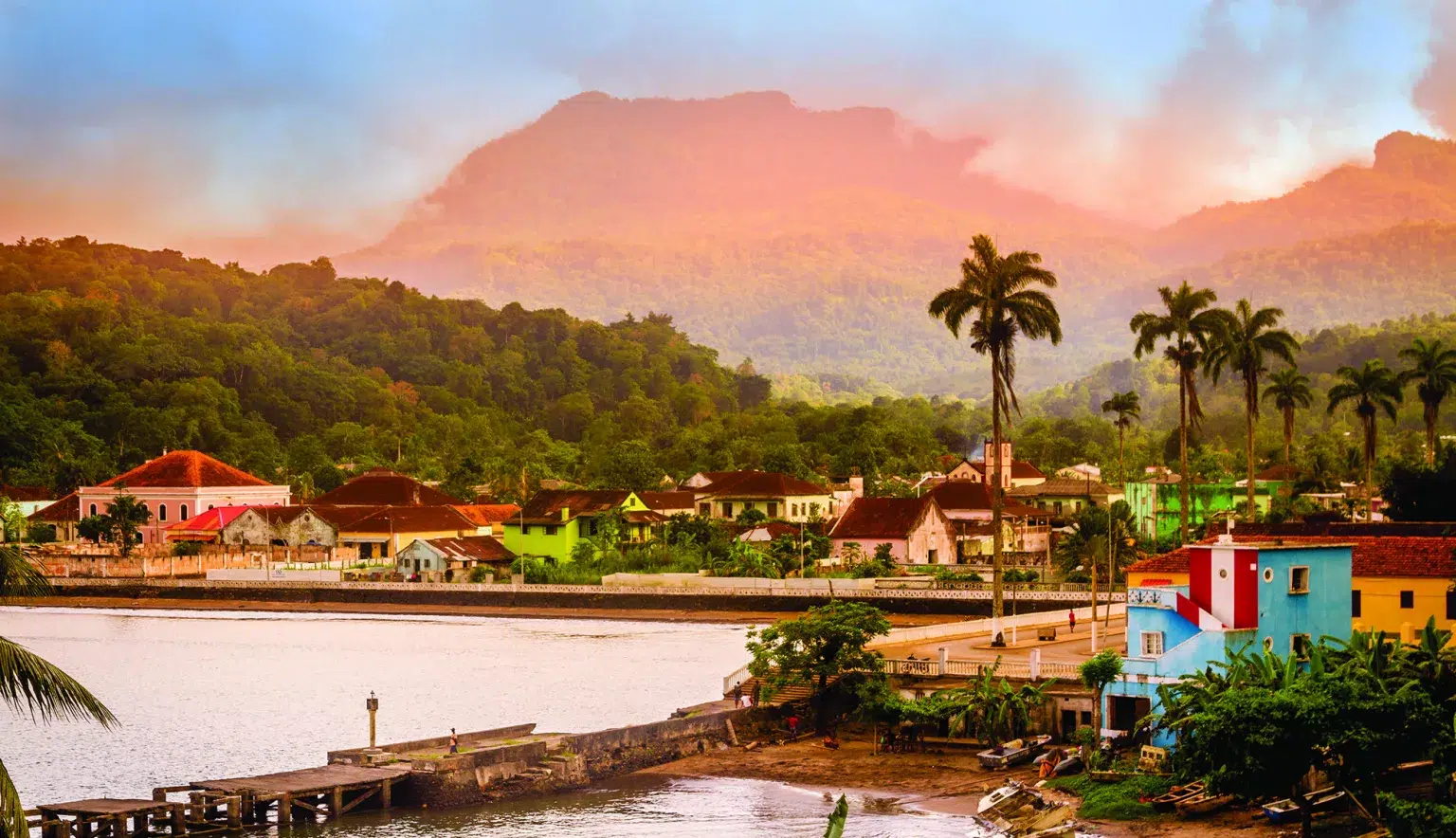
Little known outside specialist circles, this twin-island nation sits off the coast of Gabon in the Gulf of Guinea, a former Portuguese colony where rainforest, cacao plantations, and volcanic peaks have replaced any trace of conventional resort culture. Príncipe, the smaller of the two main islands, is a UNESCO Biosphere Reserve, and its infrastructure remains limited enough that a handful of properties define the entire luxury offering.
Sundy Praia, set within a former cacao estate on Príncipe, pairs colonial-era plantation architecture with direct access to some of the region’s least-visited beaches. On São Tomé itself, smaller lodges built around former roças, working and disused cacao plantations, give couples a working sense of the islands’ agricultural history rather than a curated version of it.
Access requires charter flights and takes real coordination. What the islands offer in return is a version of West Africa that few honeymooners ever see: biodiversity, colonial architecture, and a culture shaped by cacao rather than tourism.
The Faroe Islands: Honeymooning on the North Atlantic's Terms
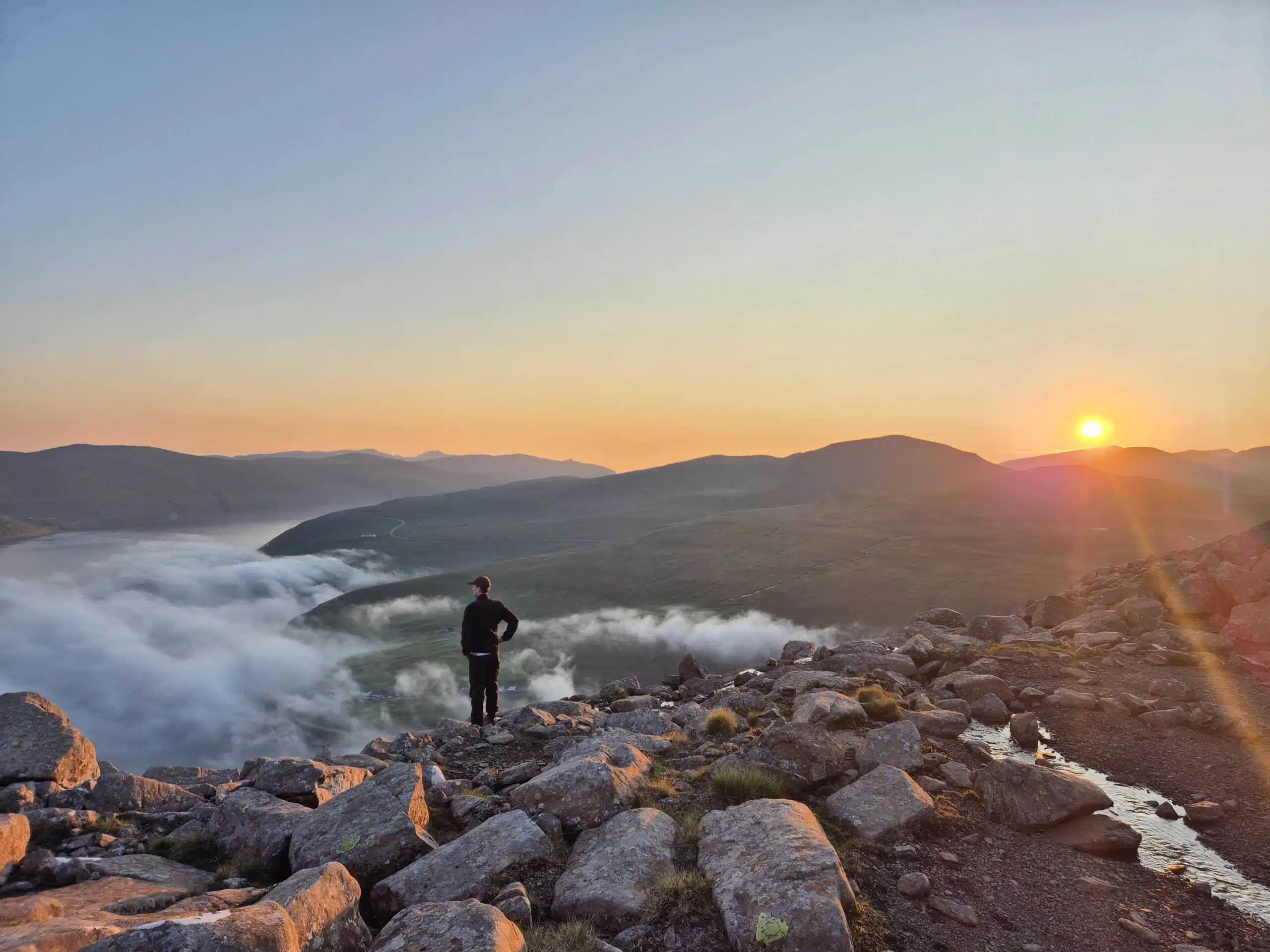
For couples who treat dramatic terrain as the point rather than an inconvenience, the Faroe Islands offer a honeymoon built on entirely different criteria than any other destination in this guide. This self-governing Danish territory, suspended between Iceland and Norway, is defined by sheer basalt cliffs, turf-roofed villages, and a sheep population that outnumbers its human one several times over.
Tórshavn, the capital, anchors the archipelago and gives couples access to Koks, a two-Michelin-starred restaurant built around fermentation, foraging, and a hyperlocal reading of New Nordic cuisine. Beyond the capital, accommodation is intentionally modest: boutique guesthouses and a small number of design-forward lodges, none competing with the scale of a conventional luxury resort.
Access runs through Vágar Airport, with connections from Copenhagen and, seasonally, Reykjavik. Weather is genuinely unpredictable year-round, and the islands reward couples who build slack into their itinerary rather than a fixed schedule.
How to Choose: Matching the Island to the Couple
Each destination covered here serves a different kind of couple. The Bazaruto Archipelago and French Polynesia’s interior islands suit those who want seclusion without sacrificing access to meaningful landscape or wildlife. São Tomé and Príncipe rewards couples with an appetite for cultural and ecological depth. The Faroe Islands are best suited to those who treat remoteness and dramatic terrain as assets rather than inconveniences. Palawan offers the most accessible entry point, with infrastructure that supports comfort without erasing the sense of discovery.
Logistics vary significantly across all five. Some require multi-leg itineraries, seasonal timing, or coordination that is difficult to manage without regional knowledge. Travel windows matter: Bazaruto is best avoided during the southern hemisphere’s cyclone season, and the Faroes offer the most stable conditions between May and August.
The right choice depends less on which destination looks most appealing and more on how a couple wants to spend their time once they arrive.