


On this page
A six-hour small-group experience from Moreton-in-Marsh offers direct access to a private 16th-century thatched cottage and a guided introduction to everyday life in the Cotswolds, centred on local homes, villages, and food traditions.
The journey begins not in a village square or museum courtyard, but at Moreton-in-Marsh railway station, where arrivals from London or Oxford step off the train into a quieter rhythm. From discovery boards and tour buses, the experience moves immediately in the opposite direction. A short drive leads away from the main roads and into a residential lane, where a thatched cottage sits behind a low stone wall.
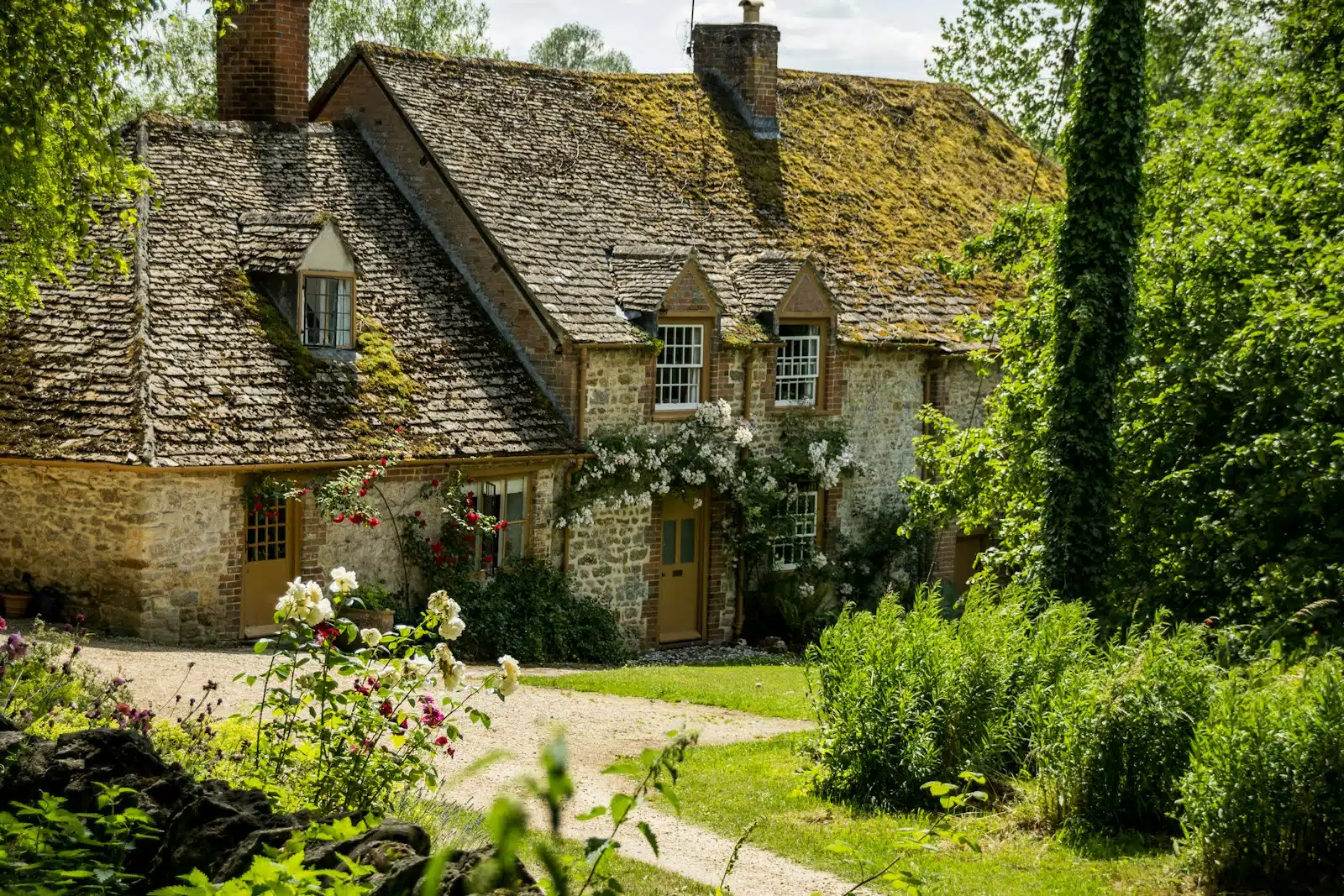
Built around 1580 and protected as a Grade II listed home, the Secret Cottage does not function as a display property. It is lived in, furnished for use rather than effect, and opened for a small number of guests each day. The shift from public to private space is immediate and intentional. This is not an overview of the Cotswolds. It is an invitation inside.
Guests step through the front door into a working home, where the day begins with coffee and pastries shared around a long refectory table. The pace is unhurried, and the setting establishes the tone for what follows. This is a tour structured around how people live here, not how the region is usually presented.
Cultural and Historical Context
The Cotswolds are often described through visual shorthand. Honey-coloured stone villages, rolling fields, and historic market towns appear frequently in travel literature. What is less commonly explored is how these places function today, or how domestic life has shaped their character over centuries.
The Secret Cottage itself dates to the late 16th century, a period when the Cotswolds were shaped by the wool trade and rural household economies. Thatched roofs, thick stone walls, and low ceilings were practical responses to climate and materials, not aesthetic choices. Many homes of this era have been converted into museums or rental properties. Fewer remain private residences that continue to operate as family homes.
By centring the experience inside such a space, the tour places daily life at the forefront. Guests see how historic buildings adapt to modern use, how rooms are organised, and how traditions persist without being preserved for show. The cottage becomes both setting and subject, grounding the wider exploration of the region.
Why Small-Group Access Matters
The experience is limited to a maximum of seven or eight guests. This size is key to the experience. It allows time for conversation and questions without the time limit that defines most day tours in the area.
Transportation is by Mercedes minibus, enabling access to narrow village lanes and residential streets that are closed to larger vehicles. This logistical detail shapes the entire day. Rather than stopping at designated viewpoints or popular photo stops, the route follows working villages and quiet hamlets where daily life continues uninterrupted.
Returning to the cottage between excursions reinforces the sense of continuity. Meals are not scheduled breaks away from the experience but extensions of it. The rhythm of leaving and returning mirrors the way the house itself functions, anchoring the day in one place rather than dispersing attention across a checklist of sights.
What You See
The morning begins inside the cottage, where the refectory table serves as both gathering point and introduction. Coffee and pastries are laid out simply, and the setting encourages conversation rather than orientation briefings. Details reveal themselves gradually. The proportions of the rooms, the thickness of the walls, and the way light enters through small windows establish a sense of scale that differs from public historic buildings.
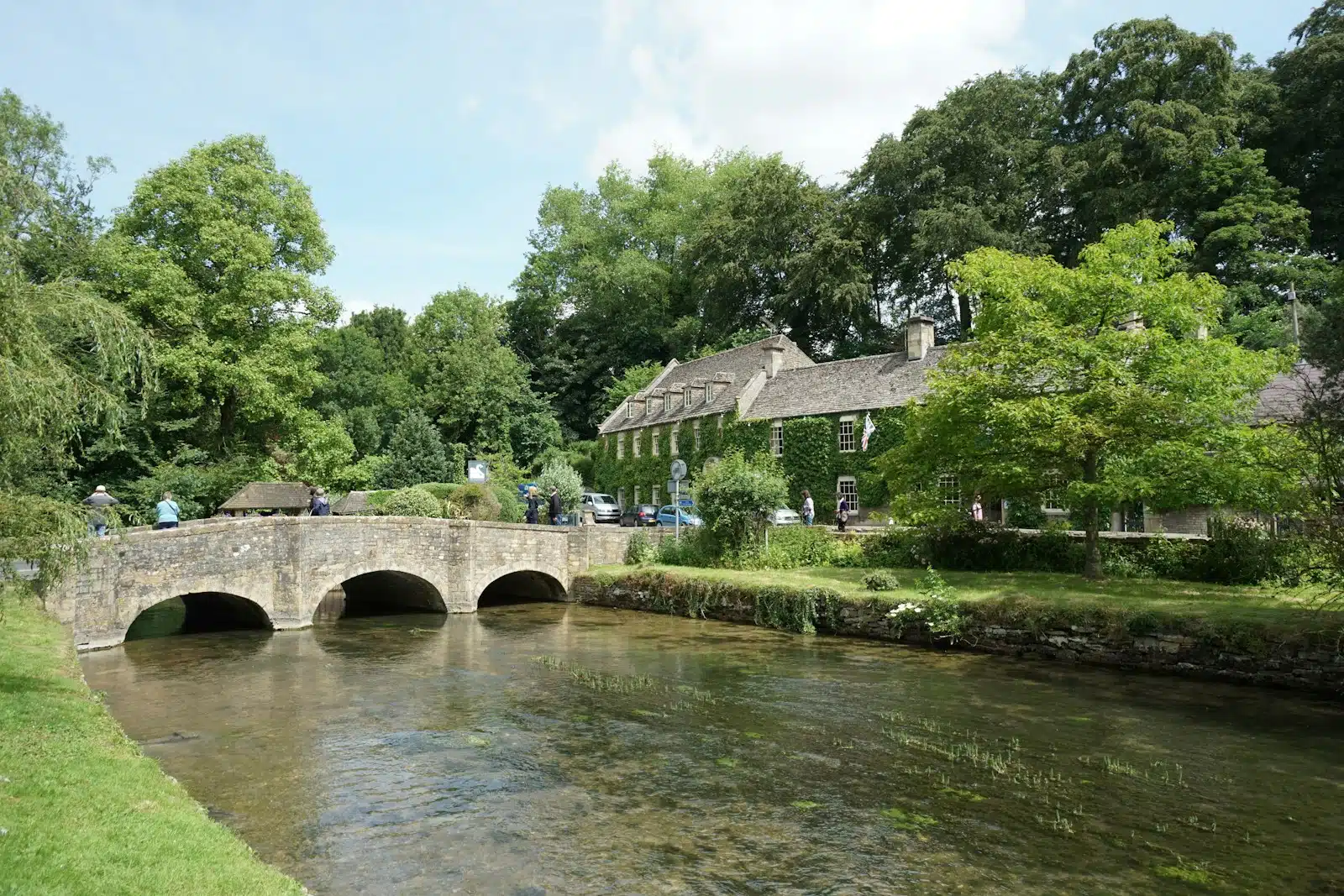
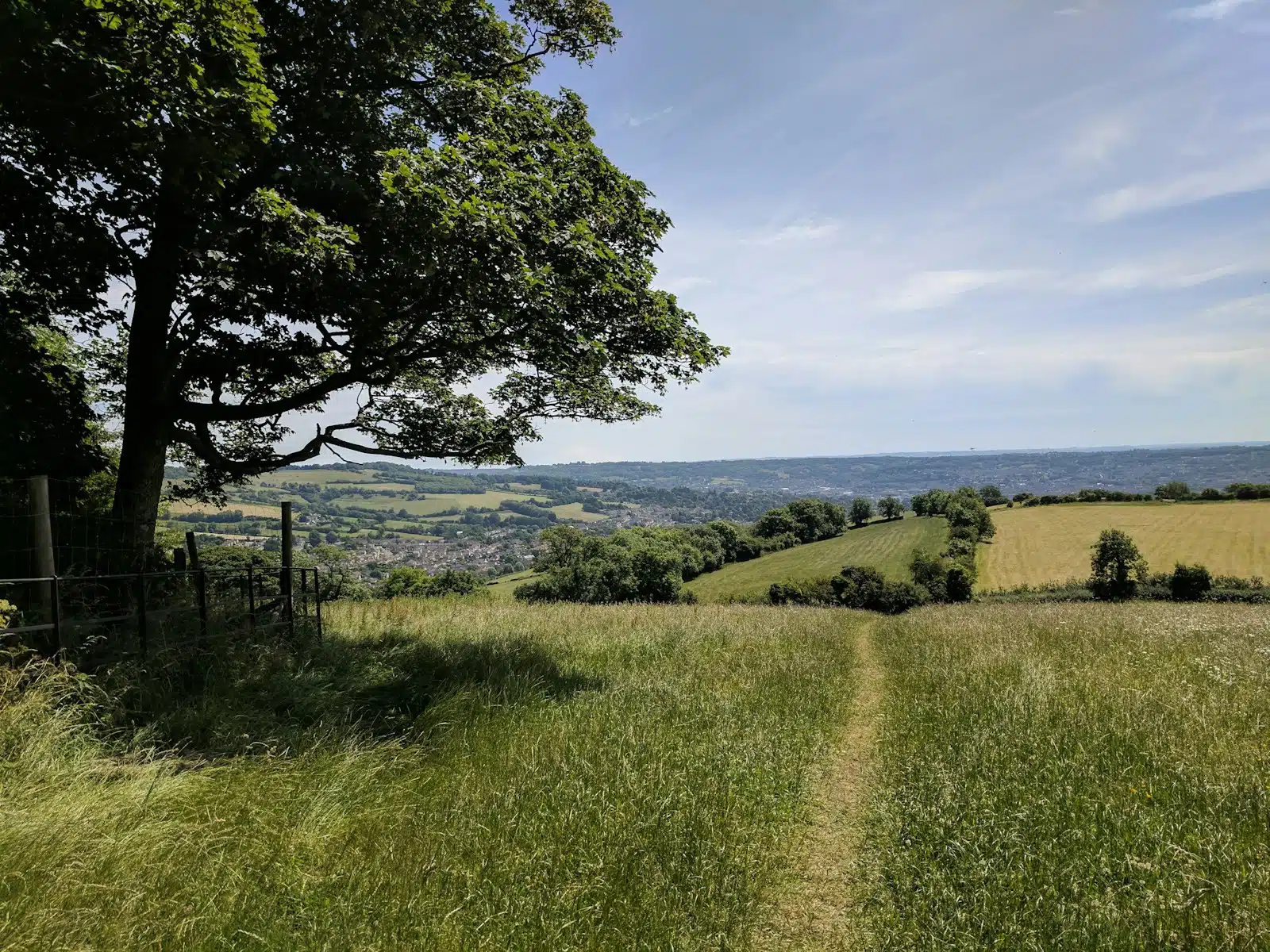
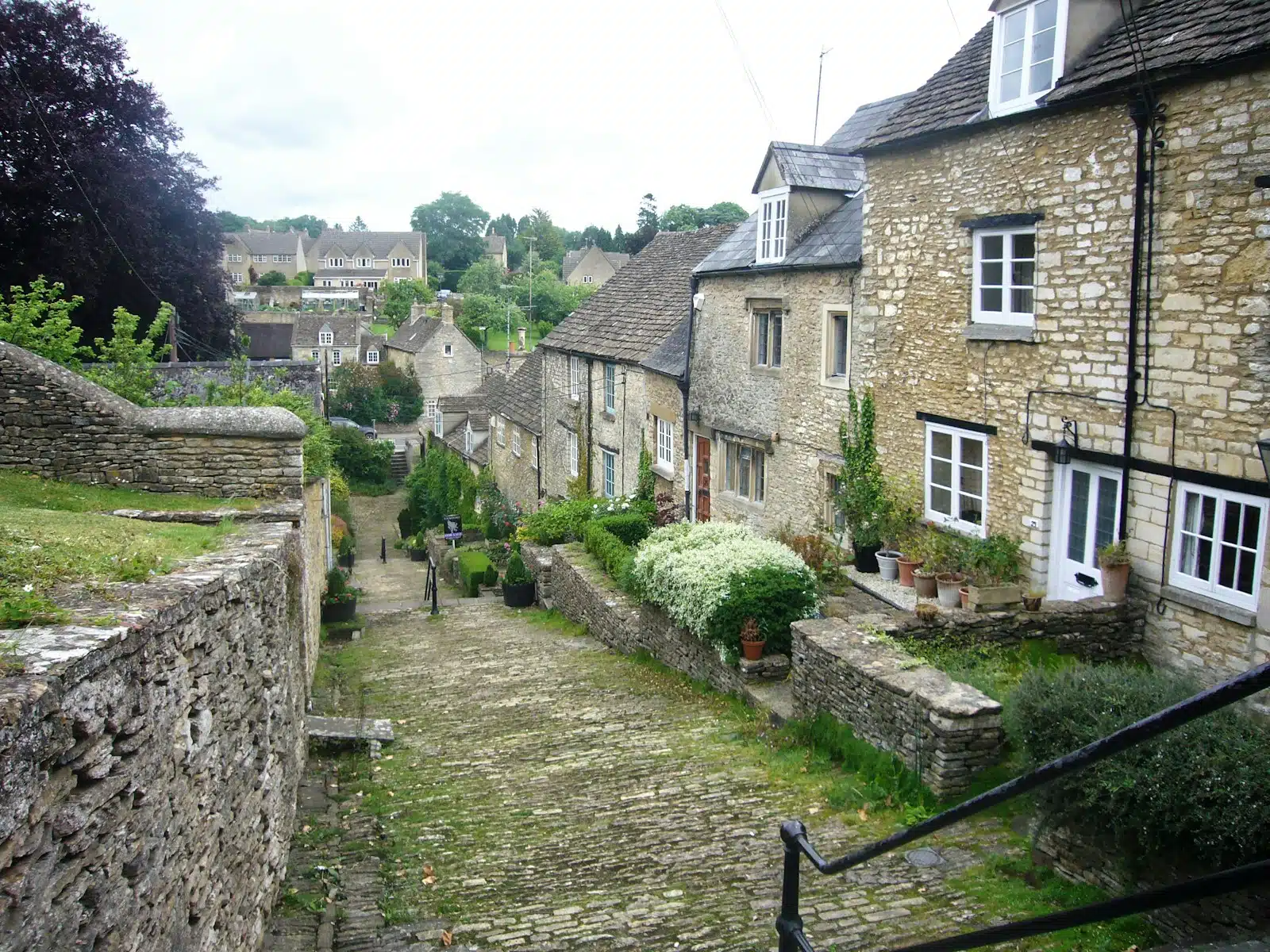
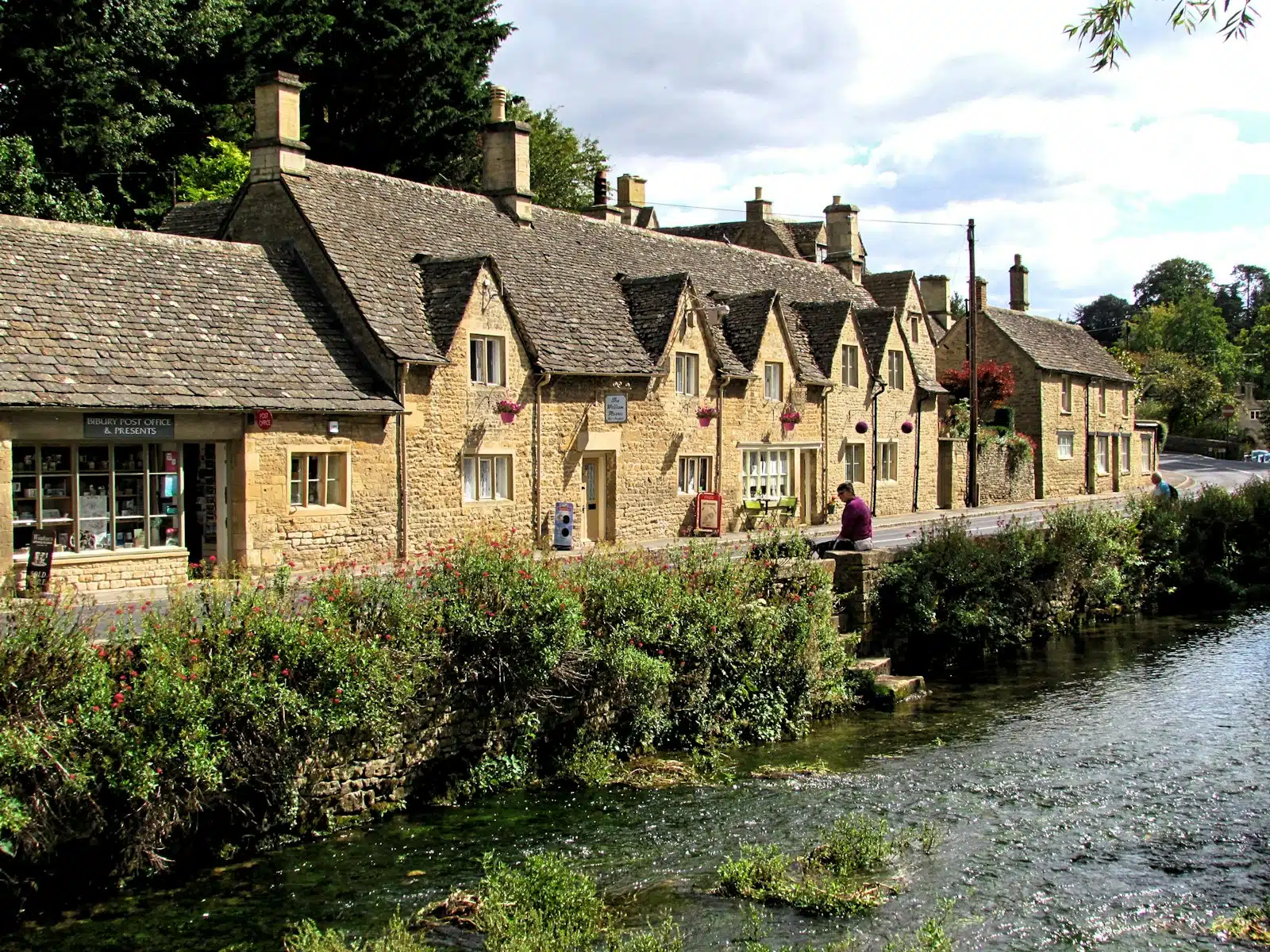
After breakfast, the group sets out to explore surrounding villages. These are not the well-known centres associated with Cotswold tourism, but smaller settlements that remain largely residential. Stone cottages cluster along quiet lanes. Gardens are practical rather than ornamental. Shops, where present, serve local needs.
The guide provides context without narration overtaking observation. Attention is drawn to how villages developed around agricultural patterns, how houses were adapted over time, and how contemporary residents maintain historic properties. The absence of crowds allows for pauses, short walks, and moments of stillness.
Lunch returns the group to the cottage. A buffet of traditional English foods is laid out in the kitchen and dining space. Pork pies, scotch eggs, smoked salmon sandwiches, and similar staples are presented without ceremony. The setting encourages guests to serve themselves, sit where they choose, and remain as long as they wish.
The afternoon continues at a measured pace, with further exploration before concluding back at the cottage. The final gathering is a traditional cream tea. Scones are baked on site in an Aga cooker and served with Cornish clotted cream and strawberry jam. The preparation and presentation reflect domestic routine rather than performance.
The Experience of Time
Tours run from approximately 10:15 to 16:30, but the structure resists the feeling of a fixed schedule. Time is experienced through transitions rather than segments. Morning becomes afternoon without formal markers. Meals are part of the narrative rather than interruptions.
This approach distinguishes the experience from conventional sightseeing. There is no emphasis on covering distance or accumulating landmarks. The focus remains on continuity, with the cottage serving as both beginning and end point.
How Do Not Disturb Makes This Possible
Do Not Disturb curates this experience by securing access that is not available through standard channels. Entry into a private home of this age and status requires trust and careful planning. Group size, timing, and transportation are managed to protect both the property and the experience itself.
Guests are guided from arrival to departure with minimal friction. Train connections, pickup logistics, and pacing are handled in advance. The emphasis remains on ease rather than orchestration. The result is a day that feels cohesive without drawing attention to its structure.
By prioritising access over spectacle, Do Not Disturb aligns the experience with travellers who value depth, context, and calm. The focus is not on exclusivity as a concept, but on creating conditions where observation and understanding can take place naturally.
Ready to plan your Secret Cottage experience in the Cotswolds and explore the region through private access and local context? Speak with Do Not Disturb to begin arranging your visit.