
On this page
A private evening immersion in Kinosaki Onsen offers rare access to Japan’s most storied bath town once the lanterns dim and the streets fall quiet. Guided by a local onsen curator, this after-hours circuit reveals the etiquette, mineral science, and cultural role of communal bathing, experienced in near silence.
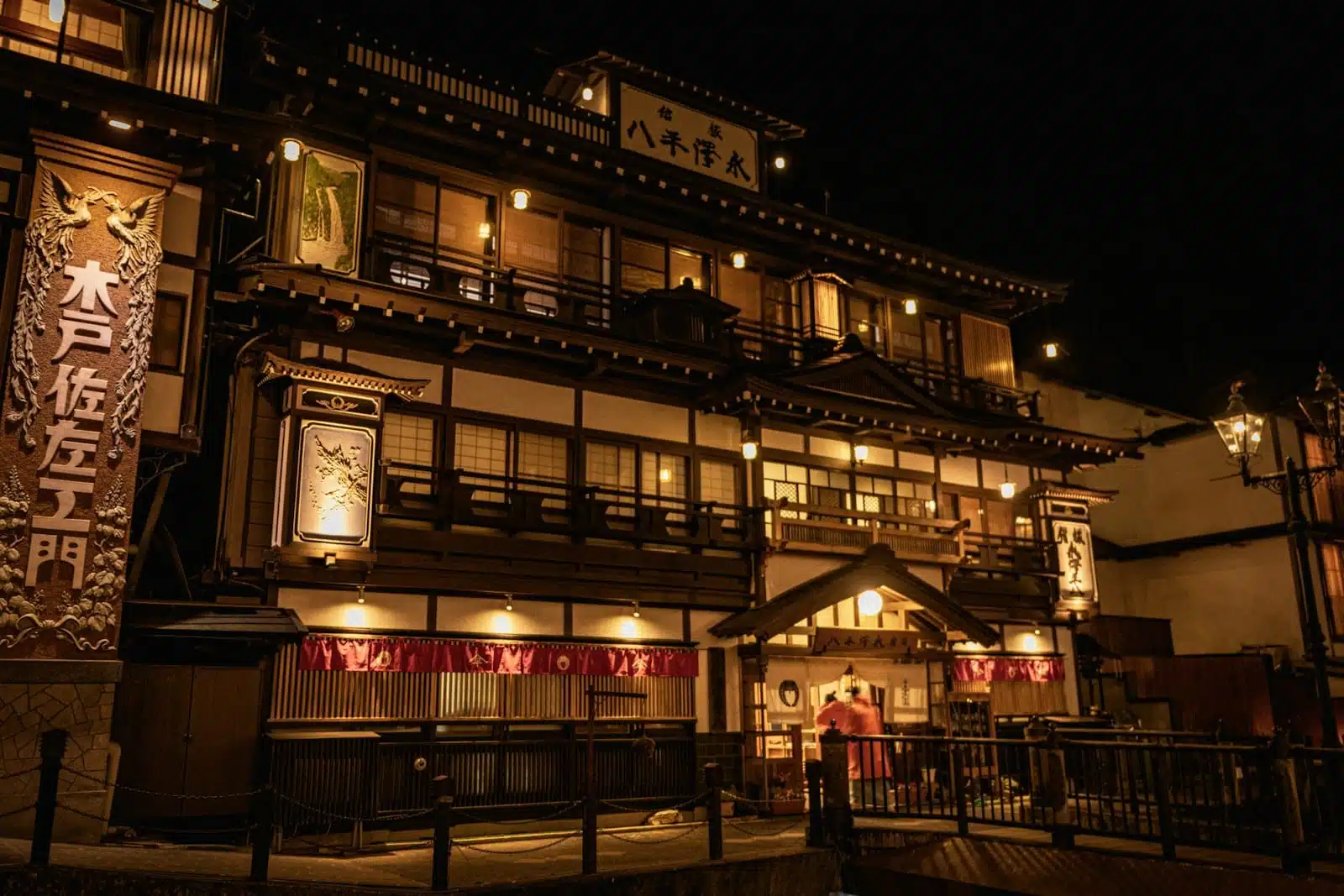
Kinosaki Onsen sits on the northern coast of Hyogo Prefecture, a compact canal town shaped almost entirely by water. For more than 1,300 years, travellers have come here not for temples or views, but to bathe. The town’s seven public bathhouses line a willow-fringed canal, each fed by the same geothermal source, each with its own character and history.
By day, Kinosaki is animated. Guests move between baths in cotton yukata and wooden geta, the sound of footsteps echoing on stone. By early evening, the rhythm changes. Doors close. Steam fades. The streets empty. What remains is a town returning to itself.
This experience begins after the bathhouses have shut to the public. The lights stay low. The water remains hot. With the town quiet, Kinosaki reveals what onsen bathing was always meant to be: deliberate, unhurried, and deeply rooted in daily life.
Cultural and Historical Context
Onsen bathing in Japan is not just a luxury tradition. It is a practical one. Volcanic geography makes geothermal water abundant, and over centuries, bathing became a cornerstone of health, hygiene, and social life. Kinosaki Onsen is one of the clearest surviving expressions of that culture.
Legend holds that Kinosaki’s hot springs were discovered in the eighth century by a Buddhist monk who prayed for a thousand days to relieve local suffering. When the springs emerged, they were believed to offer physical healing and spiritual balance. That belief still shapes the town today.
Unlike resort-style onsen destinations, Kinosaki developed around shared bathhouses rather than private tubs. Guests traditionally stay at ryokan inns and walk between baths, using the town itself as a communal changing room. This structure reinforces an idea central to Japanese bathing culture: the onsen is not a retreat from society, but part of it.
Each bathhouse serves a different purpose. Some emphasise recovery, others longevity, others contemplation. The water throughout Kinosaki is sodium-calcium chloride rich, known for heat retention and muscle relief. Historically, the town attracted injured samurai, laborers, and travellers seeking restoration rather than indulgence.
Modern tourism has preserved the system, but it has also introduced crowds, schedules, and time limits. The after-hours experience restores the original rhythm.
Why Private or Small-Group Access Matters
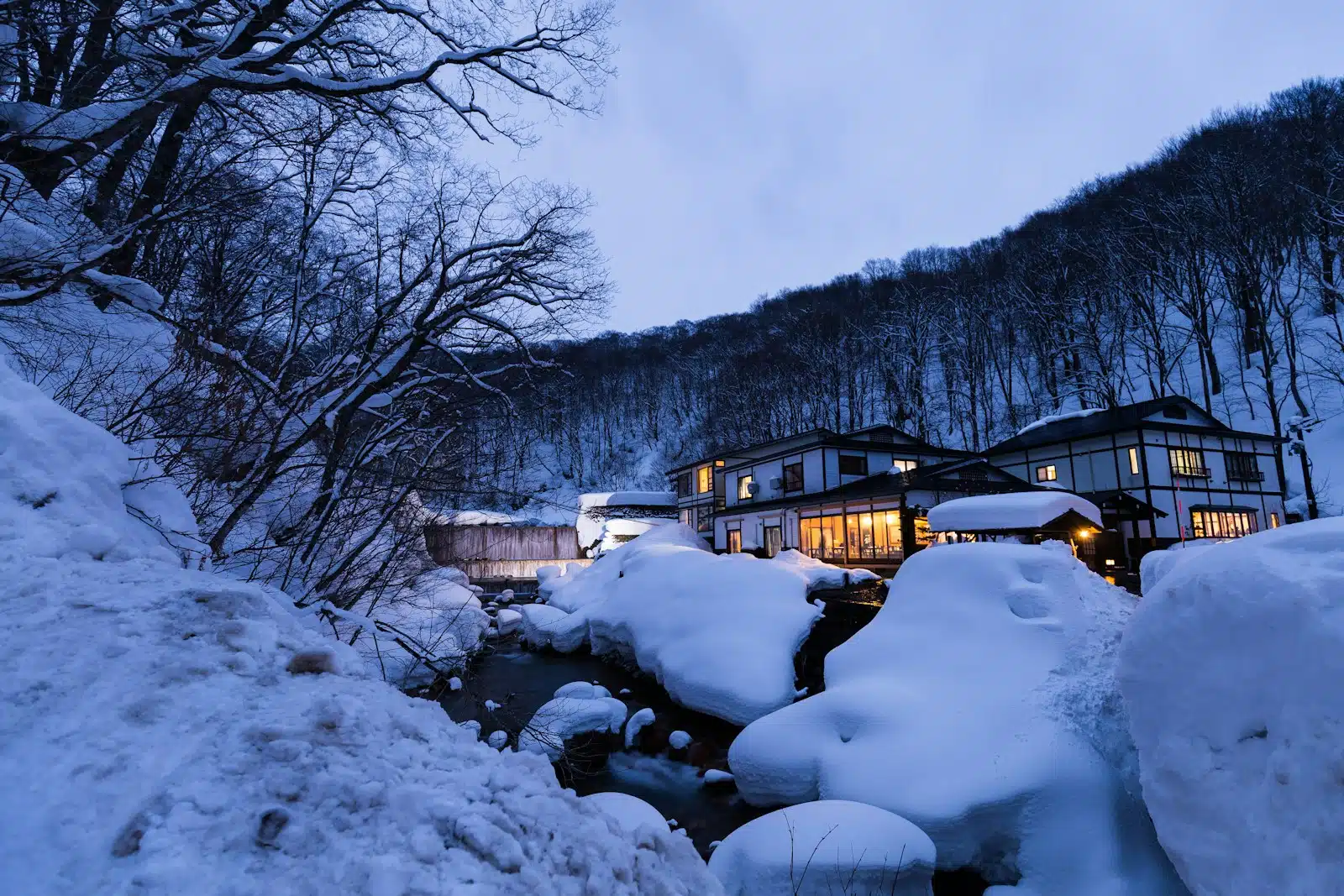
During public hours, Kinosaki’s bathhouses are lively and communal. That energy is part of their charm, but it also shapes how people move through the space. Conversations continue. Time is shared. The experience is social.
After closing, the focus shifts. Without queues or chatter, attention returns to the water, the architecture, and the body’s response to heat. Silence becomes part of the ritual.
Private access also allows for context. Etiquette that is often rushed or unexplained becomes meaningful when introduced deliberately. Why the washing area faces inward. Why towels never enter the bath. Why soaking is still rather than active. These details shape the experience and prevent the self-consciousness many first-time visitors feel.
Most importantly, after-hours access removes pressure. There is no sense of watching or being watched.
What You See
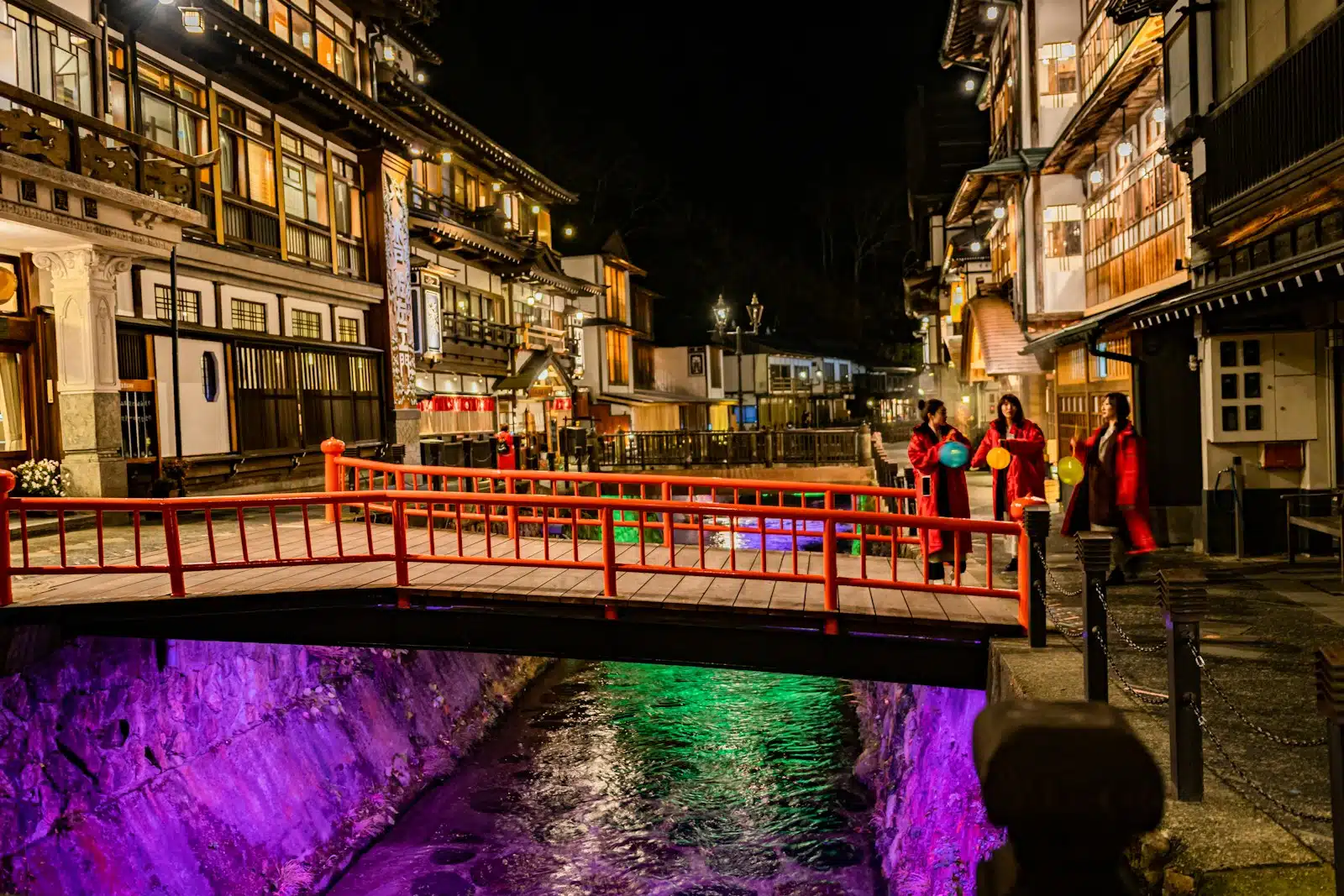
The evening begins with a guided walk through the town. Lanterns cast soft reflections on the canal. Wooden facades creak slightly as temperatures drop. Steam escapes from vents along the street, a reminder that water continues to move beneath the town.
Inside the bathhouses, the architecture is simple and purposeful. Cedar beams darkened by decades of humidity. Changing rooms arranged with quiet symmetry.
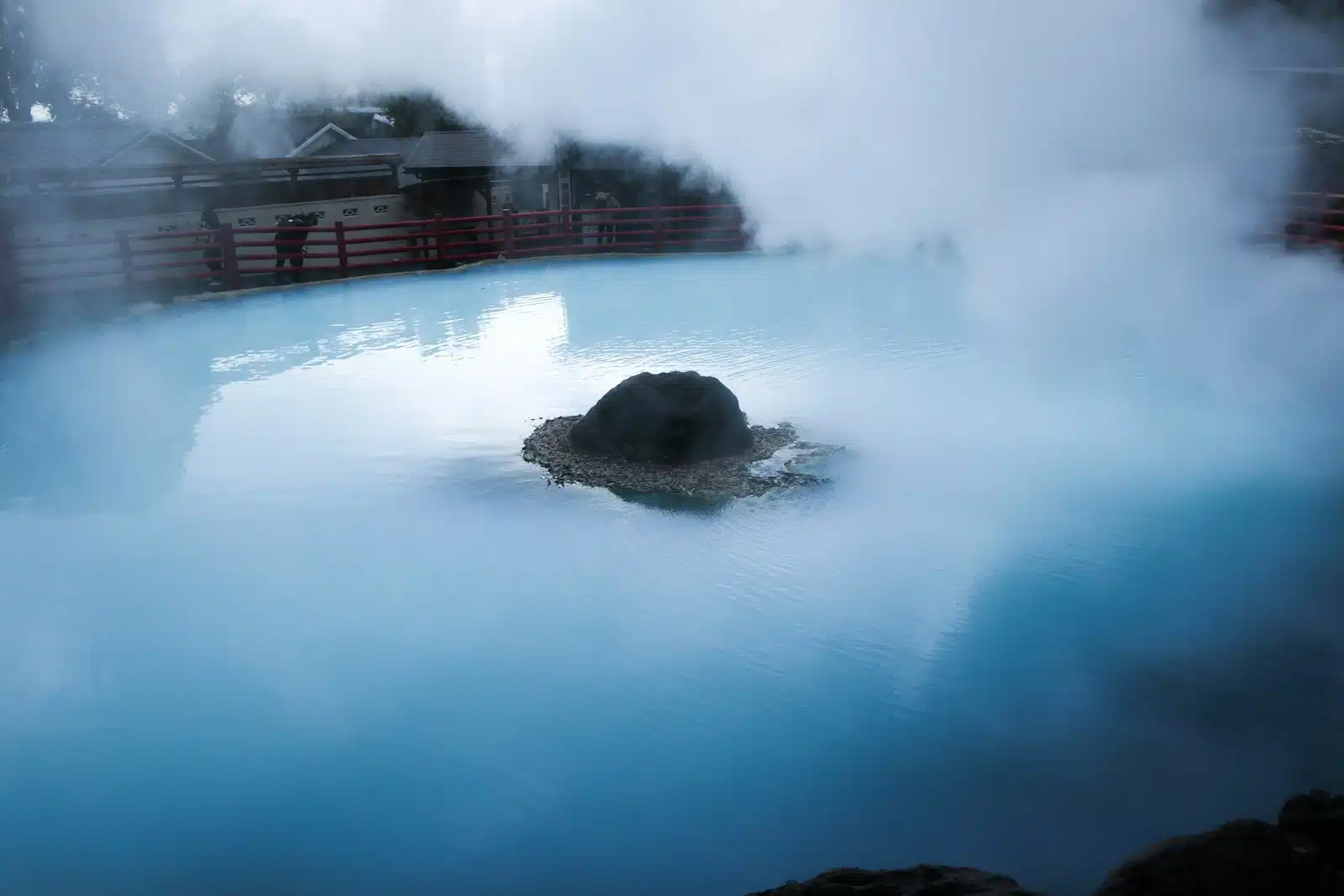
Each bath offers a different sensory profile. One opens to the night air, allowing cool oxygen to mix with rising steam. Another encloses the bather in stone, amplifying heat and stillness. Light is indirect, designed to calm rather than illuminate.
The water itself is clear and faintly mineral-scented. Entering slowly, the heat settles into muscles rather than shocks the skin. Over time, breathing slows. Movement becomes minimal. The baths do not demand attention, but they reward it.
Between baths, the contrast is deliberate. Cool hallways reset the body. Short walks outside sharpen awareness of temperature and sound. The rhythm is one of transition rather than accumulation.
How Do Not Disturb Makes This Possible
Arranging private access in Kinosaki requires longstanding local relationships. The bathhouses are municipally operated and deeply tied to the town’s identity. After-hours use is not advertised and is granted selectively.
Do Not Disturb works directly with Kinosaki’s onsen custodians and local cultural guides to secure access that respects the town’s traditions. Timing is carefully chosen to avoid disruption. Group size is kept intentionally small.
Each experience is paired with a curator fluent in both bathing culture and local history. Logistics are handled discreetly, from ryokan coordination to walking routes and post-bath arrangements.
The result is an experience that feels natural. Nothing is added. Nothing is rushed.
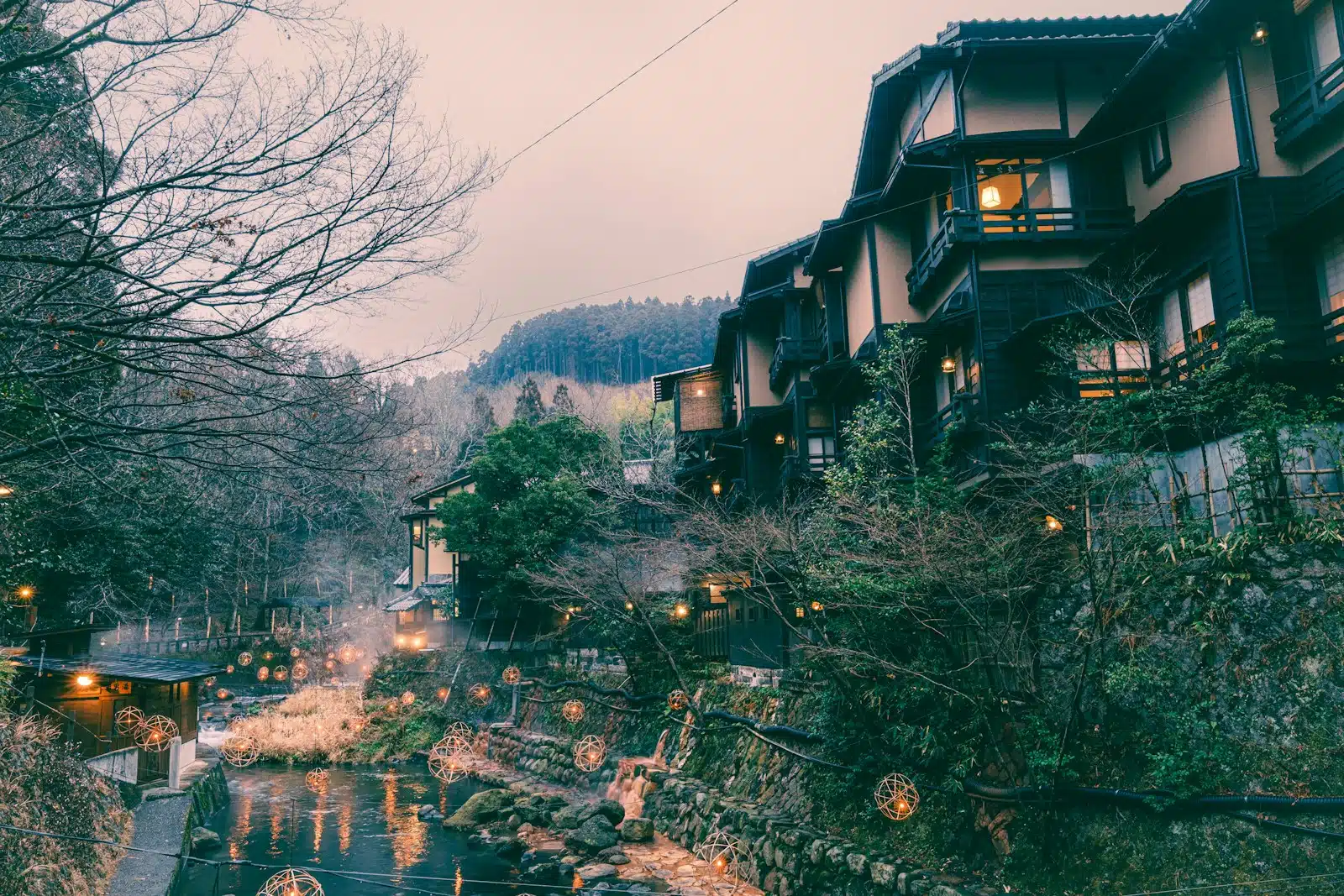
When the final bath is finished and the streets are empty, Kinosaki feels unchanged and yet entirely different. The water has done its work quietly. The body is warm, steady, and alert.
Ready to experience Kinosaki Onsen after hours and explore Japan’s bathing culture? Speak with Do Not Disturb to begin planning your private onsen journey in Japan.