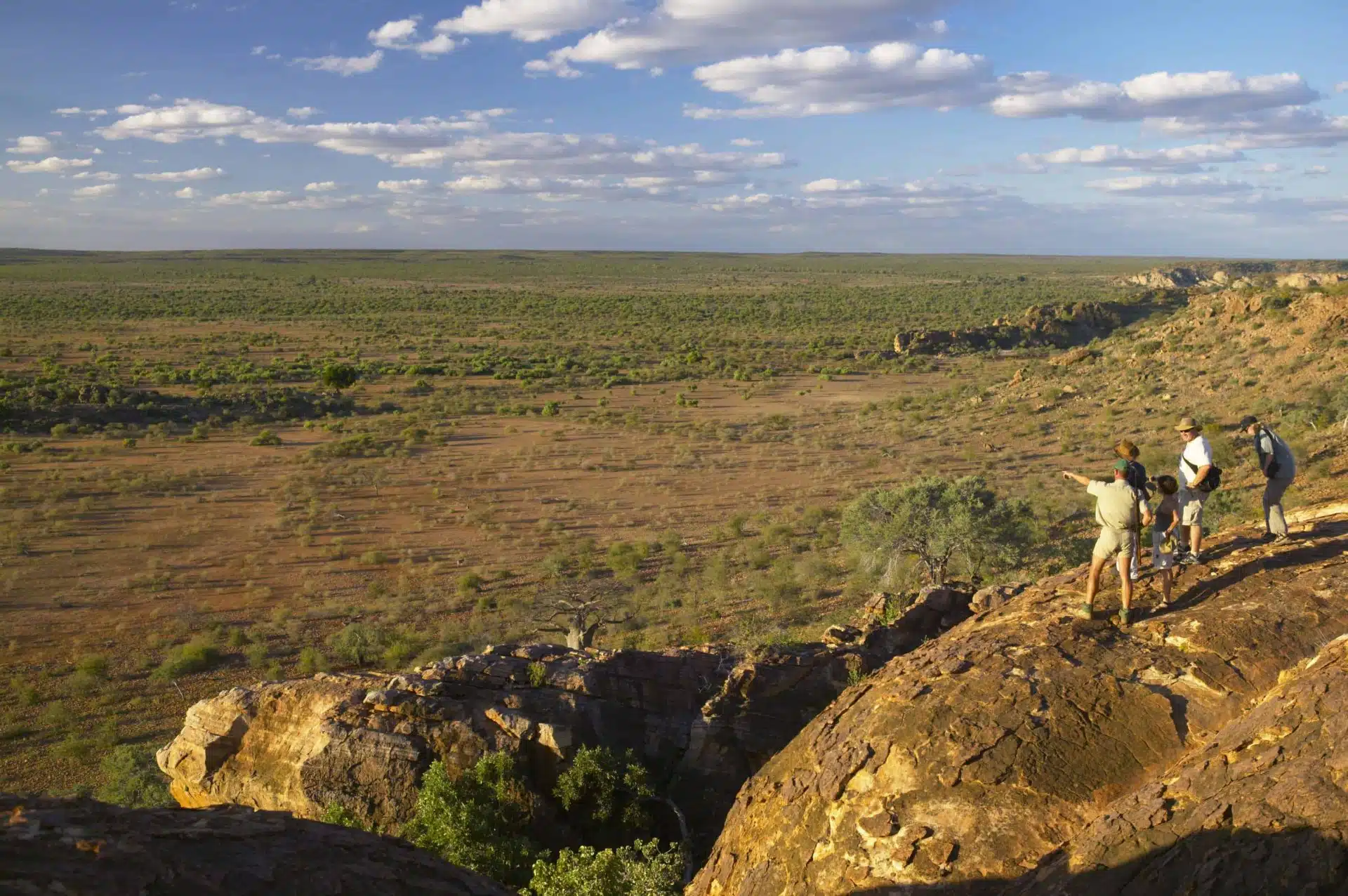


A walking safari through the Tuli Block changes the terms of the encounter. On foot, with a guide and tracker covering the elephant migration corridors along the Limpopo River, the bush reveals itself through sound, proximity, and the detail that only ground level provides. This is one of the least visited wilderness areas in Botswana, experienced at its most direct.
A walking safari through Botswana’s Tuli Block places you in one of the least visited wilderness areas in southern Africa, moving through elephant migration corridors and baobab forests along the Limpopo River on foot, with a guide and tracker reading the landscape ahead of you.
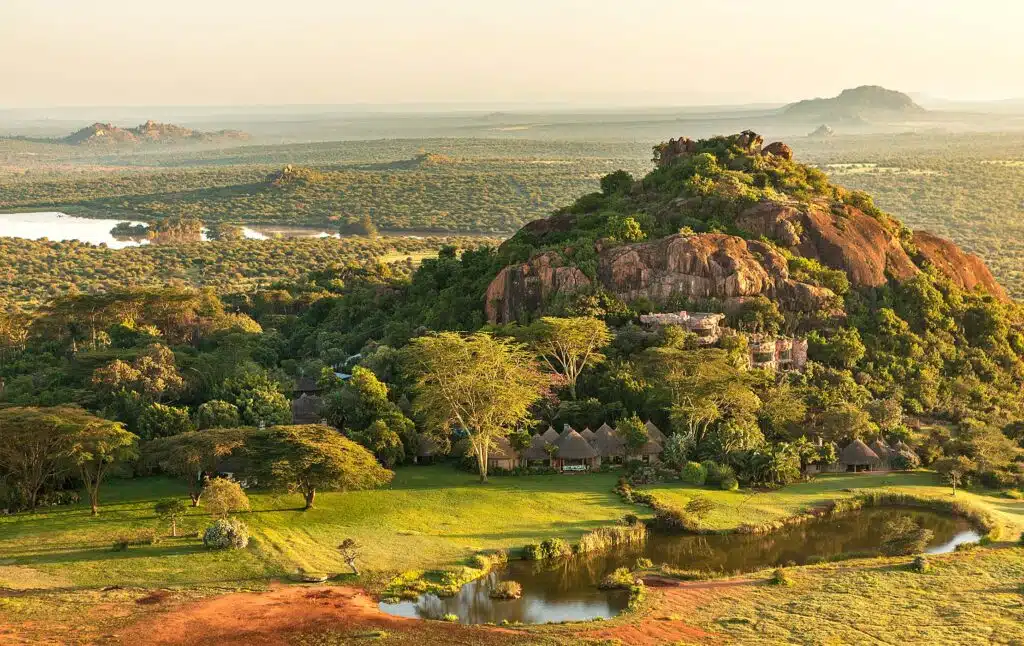
The Tuli Block sits in the southeastern corner of Botswana, at the confluence of the Limpopo and Shashe Rivers where the borders of Botswana, Zimbabwe, and South Africa meet.
It covers the largest privately owned game conservation area in southern Africa, around 300,000 hectares of unfenced wilderness where red sandstone ridges, open mopane plains, and baobab trees that have stood for centuries define a landscape that looks and feels unlike anywhere else in the country.

About Do Not Disturb
Do Not Disturb is a luxury travel company specializing in carefully designed journeys and considered experiences. Each itinerary we build for our clients is informed by real destination knowledge, offering insight into places, cultures, and moments that shape how a trip comes together.
If this destination has sparked ideas, the itinerary can be developed into a private journey tailored to your interests and travel style, with hand-picked stays, thoughtful routing, and experiences curated around what matters most to you.
Cultural and Historical Context
The land that makes up the Tuli Block has been shaped by water, wildlife, and human history across centuries. The Limpopo River, which runs along the southern boundary of the reserve, has served as a migration corridor for elephant herds for generations.
The largest population of elephant on private land in southern Africa moves through this terrain, following routes between the Limpopo and Shashe Rivers that have been in use long before the reserve existed in its current form.
The landscape carries other layers. Dinosaur footprints estimated at 100 million years old have been found in the Tuli region, just across the border at Vhembe. San rock engravings and stone tools record the presence of communities that lived in this landscape long before the colonial era reached it.
The reserve holds all of this alongside the wildlife, which is why time on foot here feels different to a vehicle-based safari. The ground itself is a record of everything that has passed over it.

Why Private or Small-Group Access Matters
Most of Botswana’s national parks do not permit walking safaris. The Tuli Block, as privately owned land, does. A private arrangement means the guide and tracker are accountable to two people, not a group. The route is built around what you want to find. If the tracker picks up a set of lion prints that lead away from the planned route, a private safari follows them.
The terrain amplifies what private access makes possible. Off-road movement is permitted on private land, which means the walking covers ground that a group walking safari, constrained by fixed trails, would not reach.
A tracker working for two people can take the time to explain what a set of prints means, how old they are, and what the animal was doing when it made them. That level of engagement disappears when the same tracker is managing a group.

What You See
The Tuli Block is known as the Land of Giants. Elephant herds of up to 200 individuals move through the migration corridors along the Limpopo, and encountering them on foot changes the relationship with the animal entirely.
The baobab forests that line the Limpopo’s banks are among the most significant features of the landscape. Some of the trees are estimated to be over a thousand years old, with trunks wide enough to shelter several people inside. Walking between them, on dry riverbeds where the sand holds the tracks of everything that has crossed overnight, gives the multi-day safari a sense of cumulative discovery that a single day walk cannot produce.
Lion and leopard move through the reserve year-round, with the open terrain making predator sightings more sustained than in areas of dense bush. Cheetah are present. Wild dog range across the concession. Eland, kudu, zebra, and wildebeest follow the migration routes through the reserve.
Over 350 bird species have been recorded, with the Limpopo’s banks drawing waterbirds and raptors that the open plains do not hold. The Verreaux eagle, one of the most sought-after birds in southern Africa, uses the rocky outcrops of the reserve as hunting ground.

How Do Not Disturb Makes This Possible
Do Not Disturb works with a small number of guides and trackers in the Tuli Block whose depth of knowledge of the reserve is consistent with what a multi-day walking safari requires.
The reserve is less visited than Botswana’s better-known northern wilderness areas, and selecting the right guide, the right timing within the season, and the right routing across the terrain are decisions that determine the quality of the experience.
Ready to plan your walking safari through the Tuli Block and experience Botswana’s most overlooked wilderness on foot? Speak with Do Not Disturb to begin your journey.
Plan your own version of this journey
Speak to Do Not Disturb’s luxury travel experts and turn this moment into something personal.
Related destinations
Suggested articles

Wilderness to Waves: Luxury Honeymoons in Kenya

Why Botswana Is Africa’s Most Exclusive Safari Destination
Tanzania vs. Botswana: Which African Safari Should You Choose?

The Okavango Delta: Africa’s Most Unique Safari Destination

Okavango Delta vs. Kruger National Park: Which Safari Is Right for You?

Two Seasons: When to Go to Fiji and Why It Matters
Plan your honeymoon in Switzerland

How to Travel Through a European Summer Heatwave

Finland’s Sauna Culture Explained

The Best Honeymoon Destinations for LGBTQ+ Couples

The Most Romantic Train Journeys for a Slow Honeymoon
Chianti’s Luxury Villas: Stay Like a Renaissance Noble
Best Luxury Hotels in Finnish Lapland