
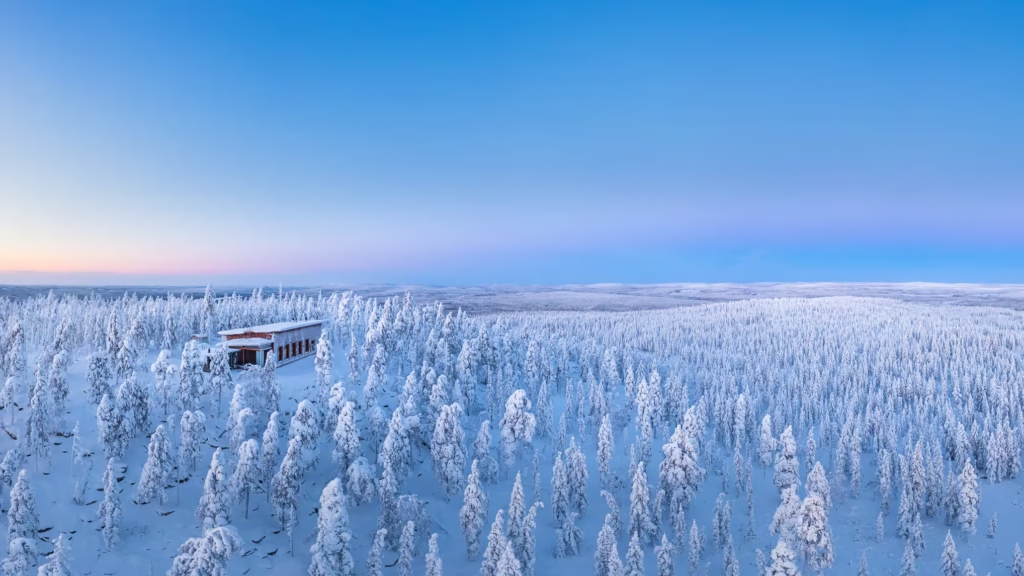
In Finland, the sauna is not a luxury amenity or a wellness trend but a foundational social institution, embedded in daily life across a country of five-and-a-half million people and an estimated three million saunas. For wellness travellers seeking something more substantive than a hotel spa, Finnish sauna culture is a practice with its own architecture, its own etiquette, and a history that predates most of what we now call wellness by several centuries.
The Smoke Sauna: Where the Tradition Begins
The smoke sauna, known in Finnish as *savusauna*, predates the modern chimney sauna by centuries and remains the most culturally significant form of the practice. It operates without a chimney: wood is burned inside the sauna room, and smoke fills the space while it heats before being vented out. The process takes several hours, and the sauna cannot be entered until the smoke has cleared and the stones have reached the correct temperature.
This extended preparation is not incidental. It reflects the original relationship between the sauna and Finnish domestic life, where the sauna served as a space for bathing, healing, and, historically, childbirth. The smoke sauna was the most important room in a Finnish household before the main house was built.
Today, authentic smoke saunas are rare and concentrated in particular regions, notably Savonia in eastern Finland. Access to a well-maintained example, heated correctly and by someone with the relevant knowledge, is not straightforward to arrange.

About Do Not Disturb
Do Not Disturb is a luxury travel company specializing in carefully designed journeys and considered experiences. Each itinerary we build for our clients is informed by real destination knowledge, offering insight into places, cultures, and moments that shape how a trip comes together.
If this destination has sparked ideas, the itinerary can be developed into a private journey tailored to your interests and travel style, with hand-picked stays, thoughtful routing, and experiences curated around what matters most to you.
The Ice Plunge: Cold Exposure as Practice, Not Performance
The cold plunge is not an optional addition to the Finnish sauna ritual; it is the other half of it. Alternating between intense heat and cold water immersion drives cardiovascular response, accelerates muscle recovery, and is understood by practitioners as a form of active regulation rather than shock therapy. In winter, this means cutting an avanto, a hole in the lake ice, and entering water that may sit at or below zero degrees Celsius.
Finnish practitioners approach cold exposure with a measured discipline that distinguishes the practice from the performative cold-water trends that have emerged elsewhere. Entry is deliberate, duration is self-governed, and the sequence of heat and cold is repeated across a session rather than treated as a single event.
The practice is most commonly done in proximity to a lakeside or waterfront sauna, where access to natural water is built into the structure of the experience. The geography is purposeful and shapes how the ritual is understood and observed.

Lakeside Saunas and the Landscape Connection
Finland’s lake district, known as Lakeland or Järvi-Suomi, contains roughly 188,000 lakes across the country’s southern and central interior. The private cabin sauna, typically a small wood-fired structure positioned directly at the water’s edge, is the dominant format in this region. The proximity to water is functional: lake swimming serves as the cooling phase between sauna rounds, replacing the cold plunge pools found in urban or hotel contexts.
Lapland introduces a different set of conditions. The region’s sparse population, extended winters, and access to fell terrain mean that sauna use is often tied to outdoor activity, including ice swimming in frozen lakes or rivers. Seasonal variation is significant; the summer months bring near-continuous daylight, which changes the rhythm of the practice considerably.
Both regions support the cabin sauna tradition, but the experience in each is shaped by geography, season, and the degree of remoteness involved. These variables define the character of the experience itself.

Public Saunas: The Social Architecture of Heat
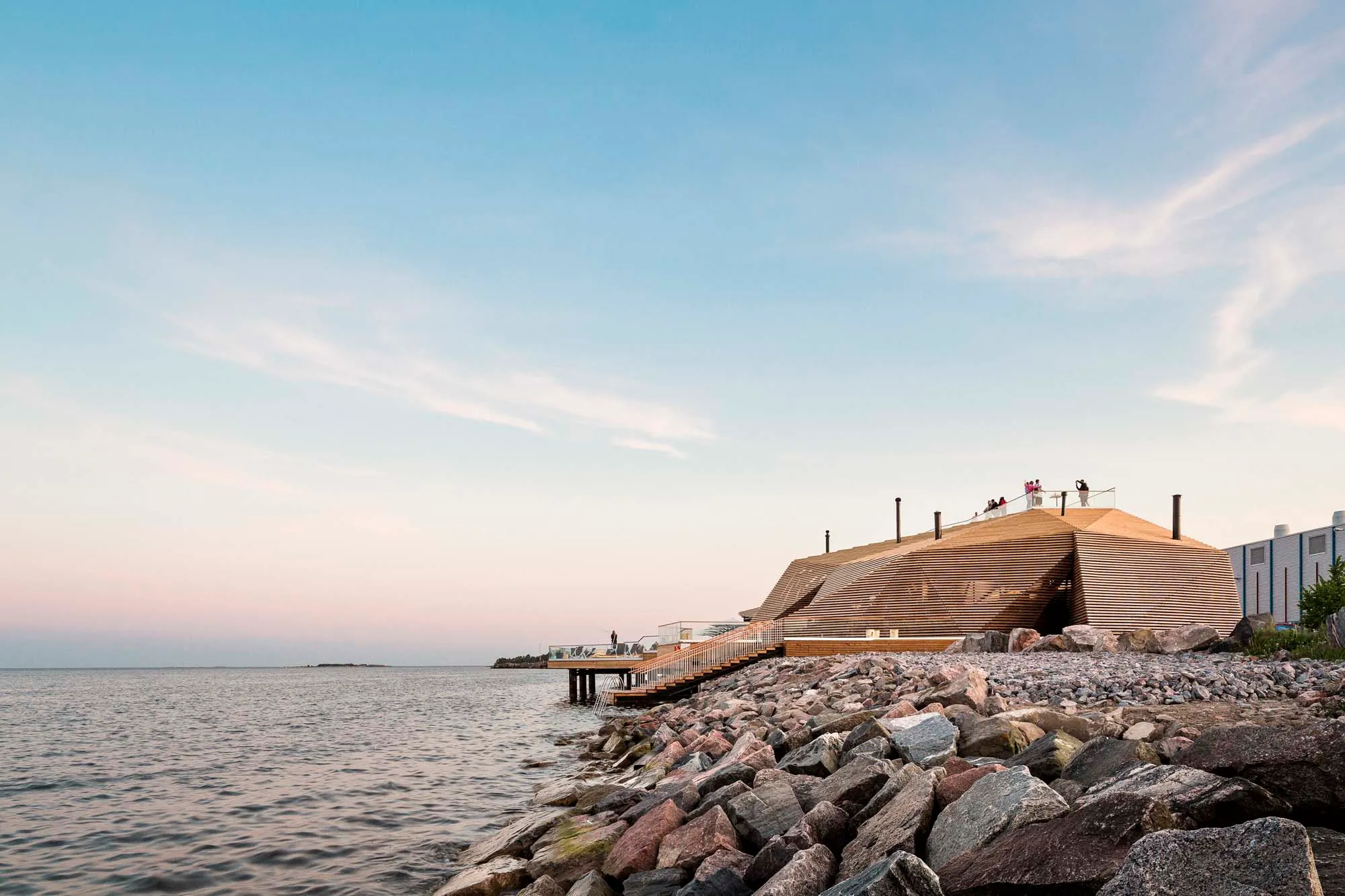
Public saunas declined sharply in Finland through the latter half of the twentieth century as private saunas became standard in apartment buildings. Their recent resurgence in Helsinki and Tampere reflects a deliberate effort to restore the communal function that private saunas cannot replicate. Venues such as Löyly and Allas Sea Pool in Helsinki, and Rajaportti in Tampere, one of the oldest continuously operating public saunas in Finland, have repositioned urban sauna-going as a civic practice rather than a private ritual.
The social conventions governing these spaces are specific and largely unspoken. Conversation is not discouraged, but silence is respected. Nudity is standard in gender-separated sessions, and the absence of clothing carries no social charge, a reflection of Finnish attitudes toward the body as functional rather than symbolic. Hierarchies of profession, age, or status have no place in the sauna, a quality Finns consistently cite as a reason the institution matters.
These spaces are not interchangeable. Each has a distinct character shaped by its history, clientele, and structure, and the experience varies considerably depending on which you enter and how.

Luxury Wellness and the Modern Sauna Experience
A small number of Finnish properties have developed sauna programmes that preserve the structural logic of traditional practice while meeting the expectations of international wellness travellers. Kuru Resort in the Tampere region and Löyly in Helsinki represent two distinct models: the former built around private lakeside access and extended sauna rituals within a wilderness setting, the latter a publicly accessible waterfront facility in the city that has become a reference point for contemporary sauna design without abandoning function.
What separates these properties from standard spa offerings is the retention of core elements: wood-heated löyly, cold-water immersion, and the unhurried pacing that defines the practice as Finns observe it. Amenities are considered rather than excessive, and the sauna remains the primary focus rather than one feature among many.
Access to the most respected retreats, particularly those offering private or guided experiences, depends on timing, availability, and local knowledge. The quality of the experience is closely tied to how it is arranged.

How to Approach Finnish Sauna Culture as a Traveller
The most significant distinction a traveller needs to make is between sauna experiences designed for visitors and those embedded in everyday Finnish life. Hotel saunas and commercial wellness facilities are not without merit, but they operate outside the social context that gives the practice its meaning. Access to a private lakeside sauna, a smoke sauna, or a sauna shared with locals typically depends on personal connection or knowledgeable local mediation rather than direct booking.
The etiquette is largely unspoken but consistent. Nudity is standard in single-sex settings. Conversation is welcome; so is silence. The practice is not structured around relaxation in the spa sense — it is a social ritual with its own rhythm, built around rounds of heat and cold rather than a single passive session.
Seasonally, summer offers the most complete experience, particularly in lakeland regions where lake swimming between rounds is integral to the structure of the visit. Winter sauna culture is practiced just as widely, but the addition of ice swimming changes the character of the experience considerably and is best approached with some preparation and local guidance.
The most rewarding way to engage with Finnish sauna culture is not to treat it as an experience to be arranged, but as a practice to be understood. The access follows from that distinction.
Plan your own version of this journey
Speak to Do Not Disturb’s luxury travel experts and turn this moment into something personal.
Related destinations
Suggested articles
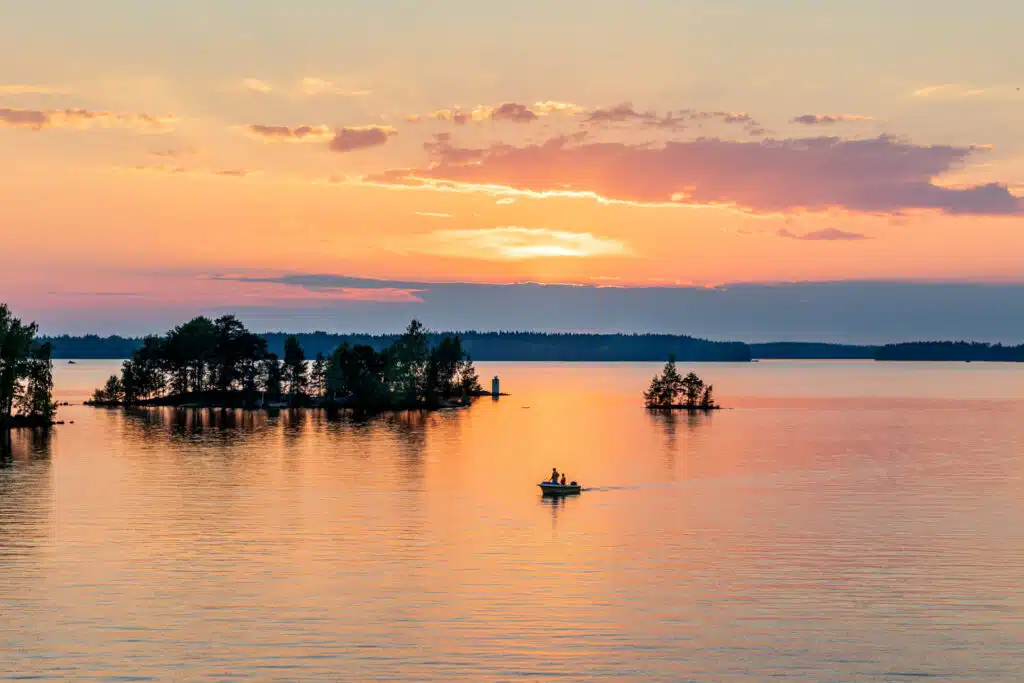
Plan Your Honeymoon in Finland

What Finland Gets Right About Wellness

48 Hours in Helsinki
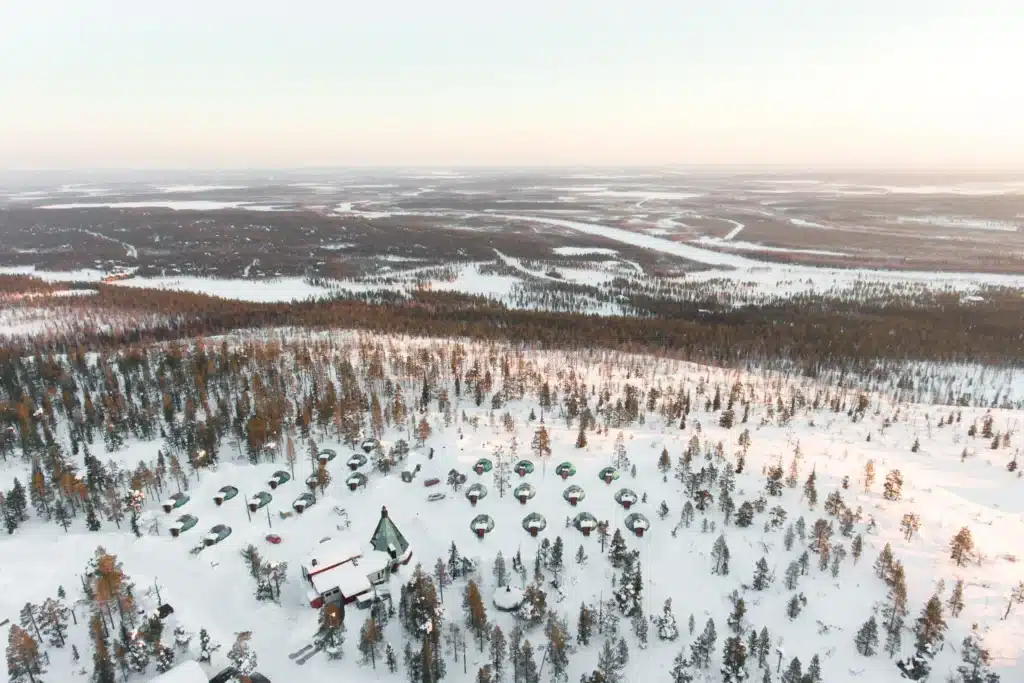
The Truth About Glass Igloos in Finland

Best Glass Igloo Hotels in Finland
Best Winter Sun Honeymoon Destinations in Europe
Portugal vs Spain for Your Honeymoon – Which Should You Choose?
One Island or Two? Splitting Your Maldives Honeymoon Between Resorts

Best Honeymoon Destinations for Autumn

Italy vs Greece for Your Honeymoon – Which is Better?
48 Hours in Lima: Where to Eat, Stay and Explore

A Cultural Honeymoon in Peru: Machu Picchu, Cusco, the Sacred Valley and the Amazon

Peru or Mexico: Which Ancient Civilisation Should You Visit First?