


On this page
A private guided tour of the Tate Modern offers a focused way to navigate its vast modern and contemporary collection, with expert insight and time to engage deeply with the works that matter most to you.
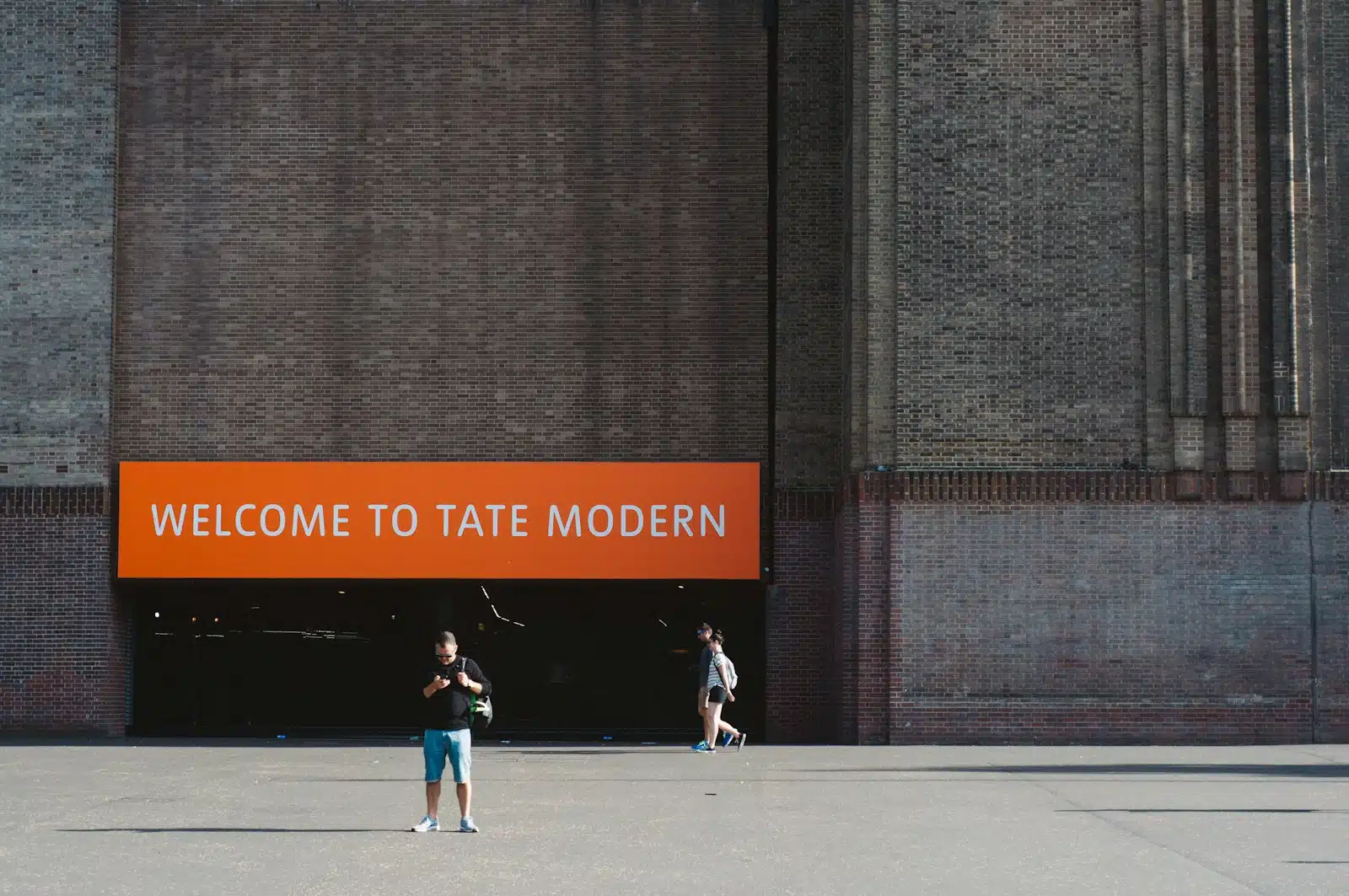
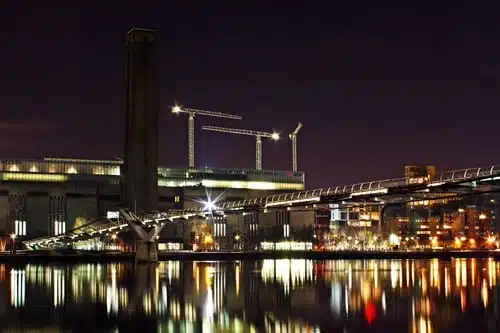
The approach to Tate Modern is familiar to anyone who has walked along the south bank of the Thames, the building’s vast brick façade rising from beside the river. What changes during a private tour is the way you cross the threshold. Rather than being swept along by the rhythm of the crowd, entry feels deliberate, with space to pause and absorb the scale of what was once the Bankside Power Station.
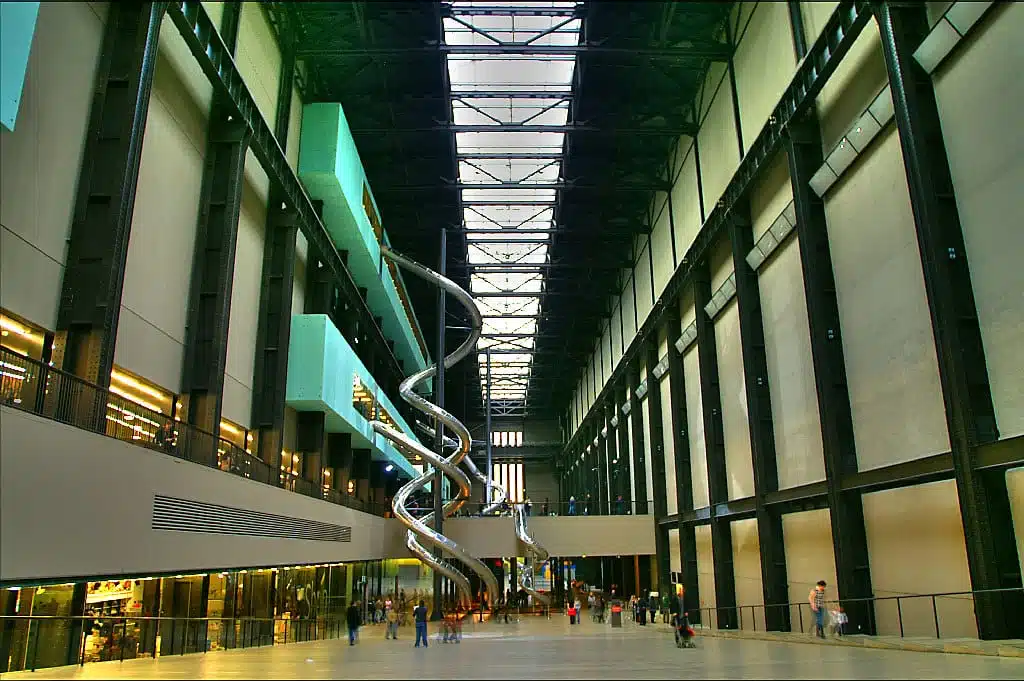
Inside, the shift is immediate. The Turbine Hall opens ahead, its proportions still impressive more than two decades after the gallery’s opening. The sound softens as you move away from the main thoroughfares, guided by someone who understands not only the collection, but also how to move through the building to gain the best experience. The experience here is not about ticking off highlights, but about seeing works you may already know with context and history.
A private tour reframes Tate Modern from a vast public institution into something far more digestible and enjoyable. The experience begins with orientation, an understanding of how the gallery is structured, and a conversation about what draws you to modern art in the first place.
Cultural and Historical Context
Since opening in 2000, Tate Modern has played a defining role in how modern and contemporary art is presented to the public. Housed within a former industrial structure, the gallery challenged the idea that great art belonged only within classical museum spaces. Its conversion marked a turning point for London’s cultural landscape and for the surrounding Bankside area, which has since become one of the city’s most dynamic quarters.
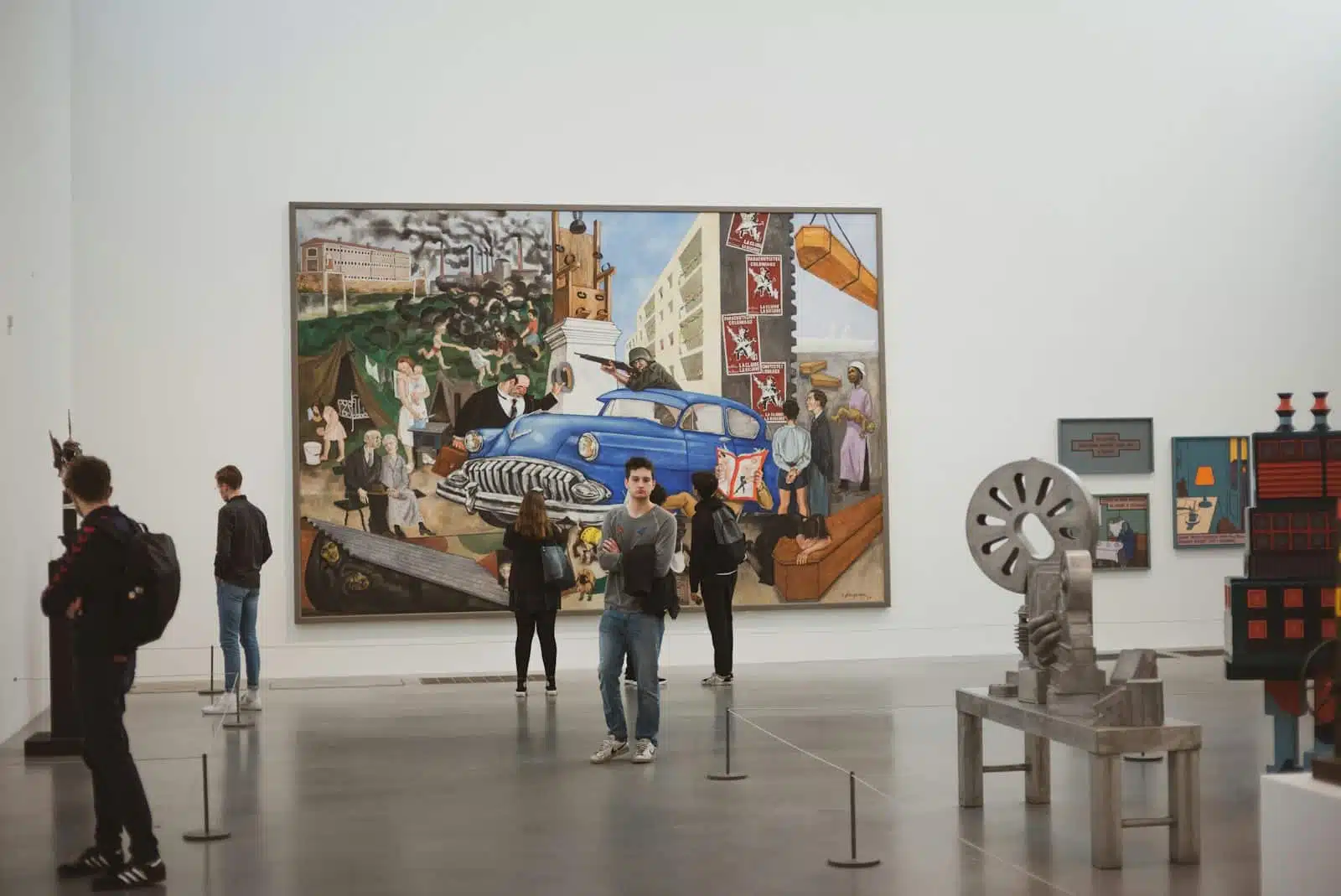
What distinguishes Tate Modern from many other major institutions is its thematic approach to display. Rather than arranging works strictly by date or movement, the collection is organized around ideas, such as power, identity, materials, and social change. This allows artists from different eras and continents to be placed in dialogue with one another, encouraging comparison and fresh interpretation.
The collection itself spans the major currents of twentieth and twenty-first century art, with works by Picasso, Warhol, Dalí, Rothko, and many others forming part of a broader narrative that continues to evolve. Temporary exhibitions and large-scale commissions in the Turbine Hall add another layer, ensuring that no two visits feel exactly the same.
For many visitors, the sheer scale of the building and the breadth of the collection can feel overwhelming. A private tour provides the context needed to understand why certain works matter and how the gallery’s curatorial choices shape the experience.
Why Private Access Matters
Tate Modern is one of the most visited museums in the world, and its popularity is evident from the moment you arrive. Public galleries are designed to accommodate large numbers, which often means that individual works are seen briefly and from a distance, with limited opportunity for reflection.
Private access changes this dynamic. Moving through the galleries with a dedicated guide allows you to slow the pace, spend time with specific works, and ask questions that deepen understanding rather than interrupting the flow. The experience becomes conversational, shaped by curiosity rather than by crowd movement.
This approach is particularly valuable in a gallery that prioritizes ideas and interpretation. Themes such as abstraction, surrealism, or political art benefit from explanation, especially when works challenge traditional notions of beauty or representation. A private guide is able to adapt their focus in real time, responding to what resonates most strongly as the tour unfolds.
What You See
The tour typically begins with an introduction to the building itself, where industrial architecture sets the tone for what follows. The Turbine Hall, with its shifting commissions, often serves as the first point of engagement. Here, scale and materiality take center stage, offering an immediate sense of how contemporary artists respond to space.
Moving into the main galleries, attention turns to key works within the permanent collection. Paintings, sculptures, and installations are discussed not as isolated masterpieces, but as part of a wider conversation. A Picasso might be considered alongside later responses to Cubism, while a Warhol print opens up discussion around mass production, celebrity, and consumer culture.
Light plays an important role throughout the building, filtering through high windows and across raw concrete surfaces. The contrast between intimate gallery rooms and expansive open areas creates a rhythm to the visit, which a private guide navigates with ease.
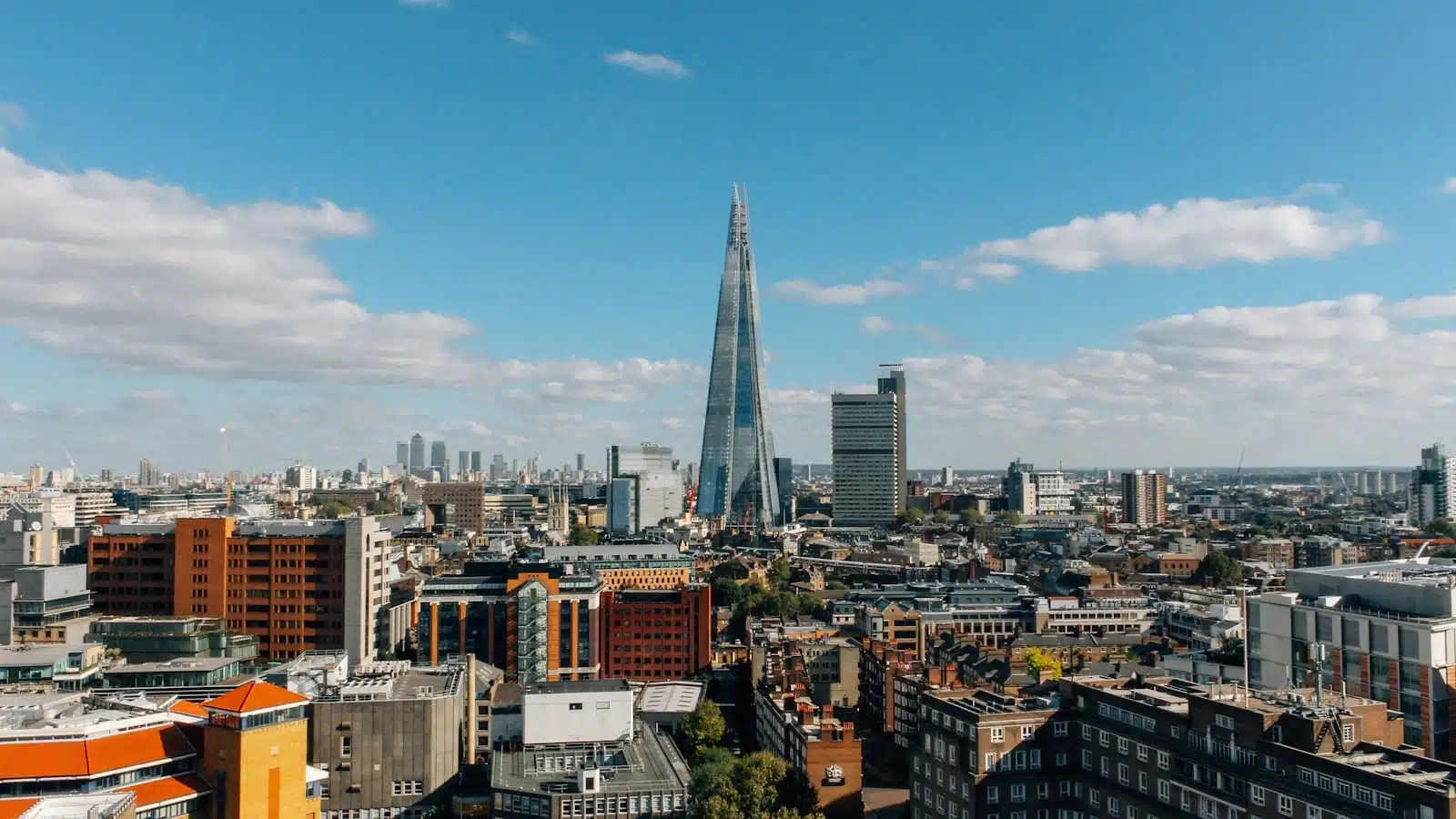
From the upper levels, views across London provide a reminder of the gallery’s place within the city. The river, St Paul’s Cathedral, and the evolving skyline offer a visual pause before returning to the art, grounding the experience in its urban context.
How Do Not Disturb Makes This Possible
Do Not Disturb approaches a private tour of Tate Modern as part of a wider London experience, rather than as a standalone activity. The focus is on thoughtful timing, selecting guides whose expertise aligns with your interests, and ensuring that logistics are handled discreetly.
Arrangements are made so that arrival feels smooth and unhurried, with clear meeting points and guidance on how best to approach the gallery. Tours are shaped in advance through conversation, allowing the experience to reflect specific artistic preferences or areas of curiosity.
Throughout, the emphasis remains on ease. The complexity of coordinating access, expertise, and pacing is managed quietly in the background, leaving you free to engage fully with the art and the space itself.
Ready to plan a private tour of Tate Modern and explore London’s contemporary art scene with clarity and ease? Speak with Do Not Disturb to begin shaping your visit.