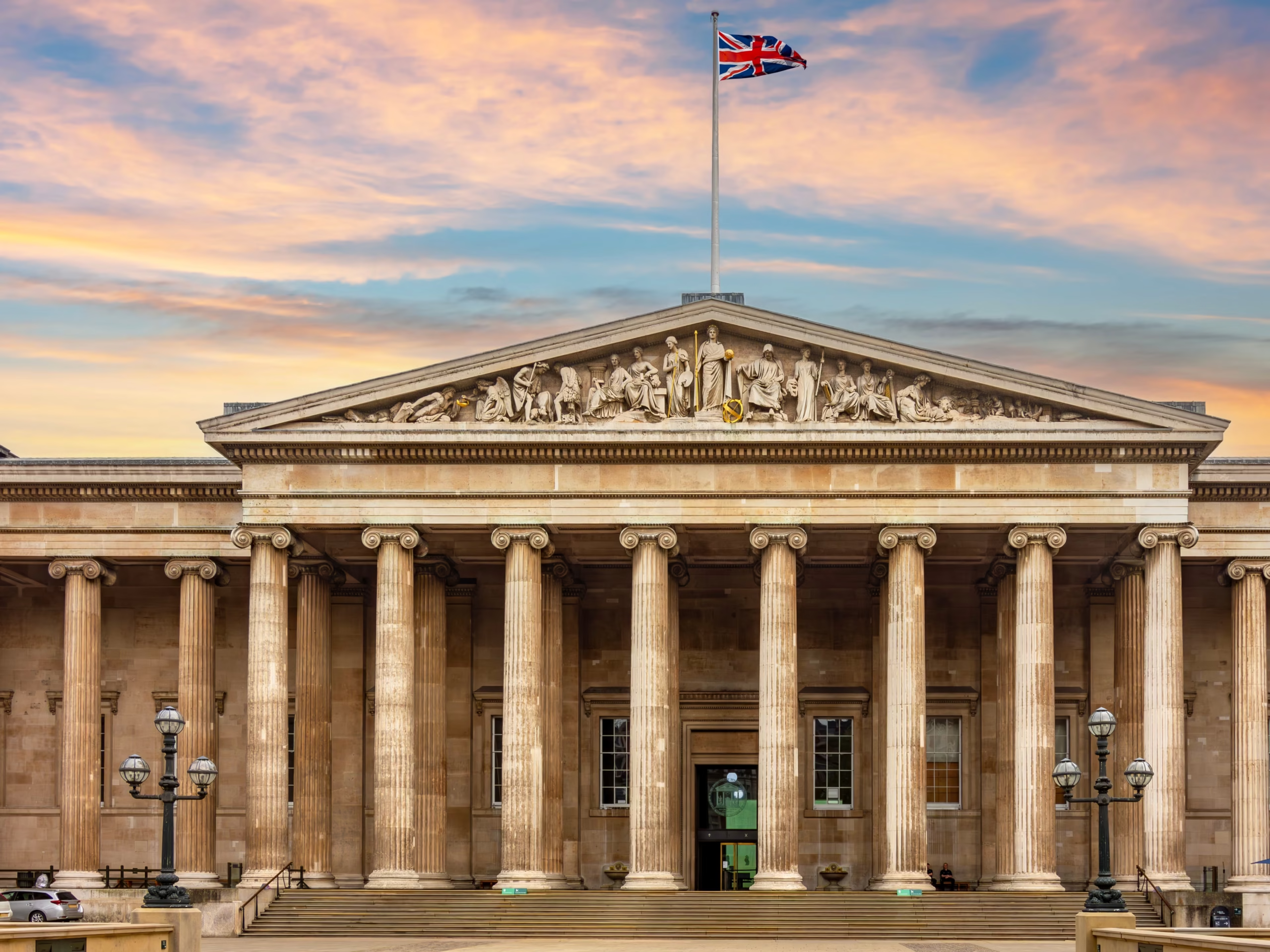


The British Museum receives millions of visitors a year, which makes an empty gallery inside it one of London’s rarest sights. Embark on a private tour before the museum opens to the public, led by a specialist guide and reserved entirely for you.
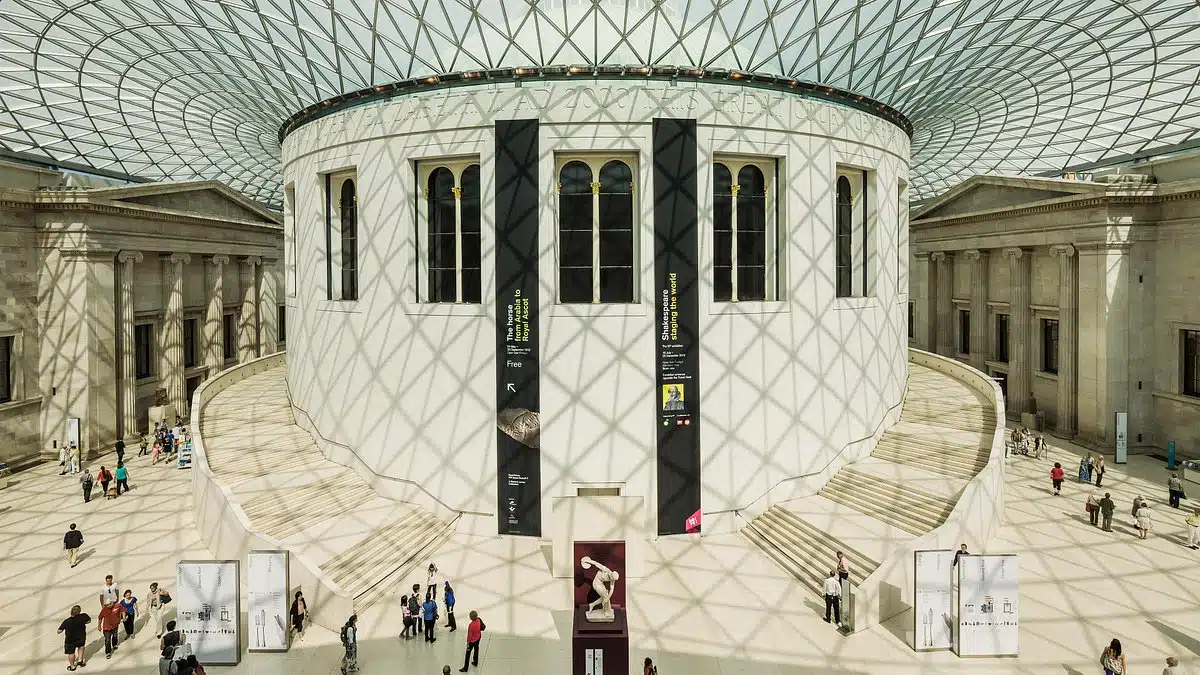
Just after dawn, while the queues that will form later in the day are still hours away, the Museum’s Great Court stands empty beneath its glass roof. No crowds move through the Enlightenment Gallery. No line waits at the Rosetta Stone.
This is not a compressed version of the public visit. It is a different visit altogether, timed to the one part of the day when one of the most visited museums in the world briefly belongs to no one but the people inside it.
For a limited window before opening, that includes you.
About Do Not Disturb
Do Not Disturb is a luxury travel company specializing in carefully designed journeys and considered experiences. Each itinerary we build for our clients is informed by real destination knowledge, offering insight into places, cultures, and moments that shape how a trip comes together.
If this destination has sparked ideas, the itinerary can be developed into a private journey tailored to your interests and travel style, with hand-picked stays, thoughtful routing, and experiences curated around what matters most to you.
Cultural & Historical Context
The British Museum was founded in 1753 on the collection of a single physician, Hans Sloane, and has grown since into one of the most comprehensive surveys of human history under one roof anywhere in the world. Its galleries move from ancient Egypt to classical Greece to the civilizations of Asia and the Americas, often within a few hundred feet of each other.
That range is part of what makes the Museum difficult to see properly during normal hours. The objects that draw the largest crowds, the Rosetta Stone, the Parthenon sculptures, and the Egyptian mummies, sit at the center of galleries built for contemplation, not the volume of visitors they now receive.
A before-hours visit restores something closer to the original relationship between viewer and object. Rooms designed with sightlines toward a single significant piece function as intended when there is no crowd to see around them.

Why Private or Small-Group Access Matters
A standard visit to the Museum means navigating other people’s pace as much as your own, moving around groups, waiting for a clear view, and adjusting a route around whichever gallery has drawn a crowd that hour. A private, before-hours visit removes that entirely.
It also changes what a guide can offer. Without a schedule shared with other visitors, a specialist can slow down at a single object for as long as it holds your interest or skip ahead to something in your own areas of curiosity rather than following a fixed public route.
The Museum’s scale means most visitors see a fraction of what it holds. A private guide, working without a crowd to manage, can shape a route around your specific interests, whether that means Egyptology, classical antiquity, or a narrower thread through a single civilization or period.

What You Experience
Entry is arranged through a private access point ahead of the Museum’s public opening, with your guide meeting you before the day’s first visitors are admitted. The Great Court, usually one of the busiest spaces in the building by midmorning, is at its most striking when empty, its glass roof and the drum of the old Reading Room visible without a crowd moving beneath them.
From there, the route depends on what you want to see. Many visits begin in the Egyptian sculpture gallery, home to the Rosetta Stone and colossal statuary that rewards close, unhurried viewing far more than a passing glance. Others move first to the Parthenon gallery, where the scale and detail of the sculptures are easier to take in without a crowd pressed against the barriers.
Your guide moves at your pace throughout, offering the kind of detail that a general tour has no time for: the specific circumstances of an object’s discovery, the debates still unresolved about a particular civilization, the small details in a carving that are easy to miss and impossible to appreciate from behind a row of other visitors.
Some visits conclude with breakfast inside the Museum itself, served beneath the Great Court’s glass roof before the day’s crowds arrive, extending the sense of having the building to yourselves a little longer.

How Do Not Disturb Makes This Possible
Private, before-hours access to the British Museum is possible through exclusive avenues. Do Not Disturb works with the Museum to secure entry, arrange a specialist guide matched to your interests, and build a route around what you most want to see.
That arrangement extends to the finer details, coordinating breakfast where wanted, confirming which galleries are accessible on a given morning, and timing your visit so that stepping back outside into the day’s first crowds feels like returning from somewhere else entirely.
Plan your own version of this journey
Speak to Do Not Disturb’s luxury travel experts and turn this moment into something personal.
Suggested articles

The Most Romantic Train Journeys for a Slow Honeymoon
Ireland vs Scotland: Which Luxury Escape Fits Your Travel Style?

The Do Not Disturb Guide to Luxury Travel in the UK

How to Plan a Multi-Country Europe Honeymoon
The Chancery Rosewood: Inside London’s Most Exclusive New Hotel

The Best Royal Experiences in Scotland: A Journey Through Royal History

The Best Christmas Markets in England for 2026

Discover Regency England: Jane Austen and Bridgerton Tour

Plan Your UK Heritage Trip: An American’s Guide to Tracing Your Roots
24 Hours in Bath: A Perfect English Experience

Best Winter Sun Honeymoon Destinations in Europe

Portugal vs Spain for Your Honeymoon – Which Should You Choose?

One Island or Two? Splitting Your Maldives Honeymoon Between Resorts