




On this page
For families weighing a luxury European trip, the choice between the United Kingdom and France is rarely about which destination is more beautiful… it’s about which one works harder for you on the ground. From high-speed rail connections to museum queuing strategies, the logistics of traveling with children reveal two countries that reward preparation in very different ways.
The Journey Begins Before You Land: Airports, Arrivals, and First Impressions
Arriving with children sets the tone for everything that follows, and the two countries diverge almost immediately. Heathrow remains one of the busiest airports in the world, which means immigration queues for non-EU travelers can extend well beyond an hour during peak periods. Paris Charles de Gaulle presents its own friction, with a terminal layout that can disorient even experienced travelers. Neither arrival is seamless, but both reward families who understand what to expect before they land.
The ground transfer picture is where meaningful differences emerge. London’s rail connections into the city center are direct and relatively straightforward, while CDG’s RER B line, though efficient, involves more navigation with luggage and young children in tow. Families traveling to central Paris by private transfer often find the journey considerably smoother in practice.
For luxury family travel in the United Kingdom, regional airports such as Edinburgh or Manchester can sidestep London entirely, shortening the gap between landing and settling into the trip itself.

Rails, Roads, and the Art of Getting Around Without Losing Anyone
France‘s TGV network is one of the most family-friendly transport systems in Europe, not because of its speed, but because of its predictability. Routes between Paris, Lyon, Bordeaux, and Marseille run on schedules that make multi-city itineraries genuinely manageable, and dedicated family carriages on certain services reduce the anxiety of traveling with young children across long distances. Luggage, however, remains the traveler’s responsibility at every stage, and navigating a busy Gare de Lyon with multiple bags and children in tow is where preparation separates a smooth journey from a stressful one.
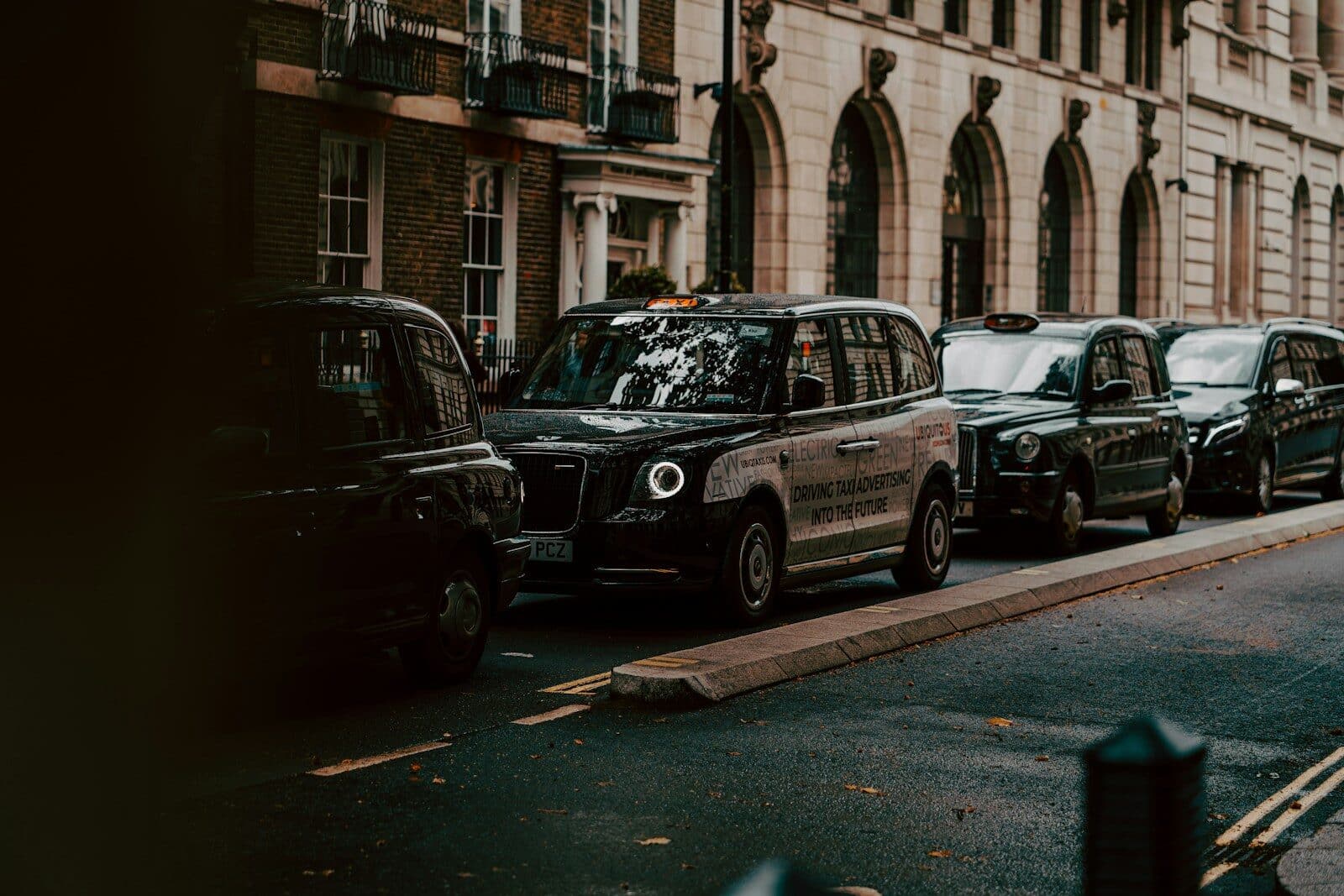
Britain’s intercity rail network connects London to Edinburgh, Bath, and the Cotswolds efficiently, but journey times and service frequency vary considerably by route, and station environments tend to be less forgiving for families moving with volume. For family travel across the United Kingdom, a private driver often proves the more coherent solution, consolidating luggage, eliminating transfers, and allowing itineraries to flex around children rather than timetables.
Where Hotels Earn Their Keep: Family Infrastructure Beyond the Extra Bed
The extra bed and the rollaway cot are the floor, not the ceiling. What separates genuinely family-capable luxury hotels from those that merely tolerate children is the infrastructure that operates around the room: the concierge who knows which museum entrance avoids the longest lines, the babysitting network that has been vetted rather than improvised, and the kitchen that can produce a proper meal at 6pm without treating it as an inconvenience.
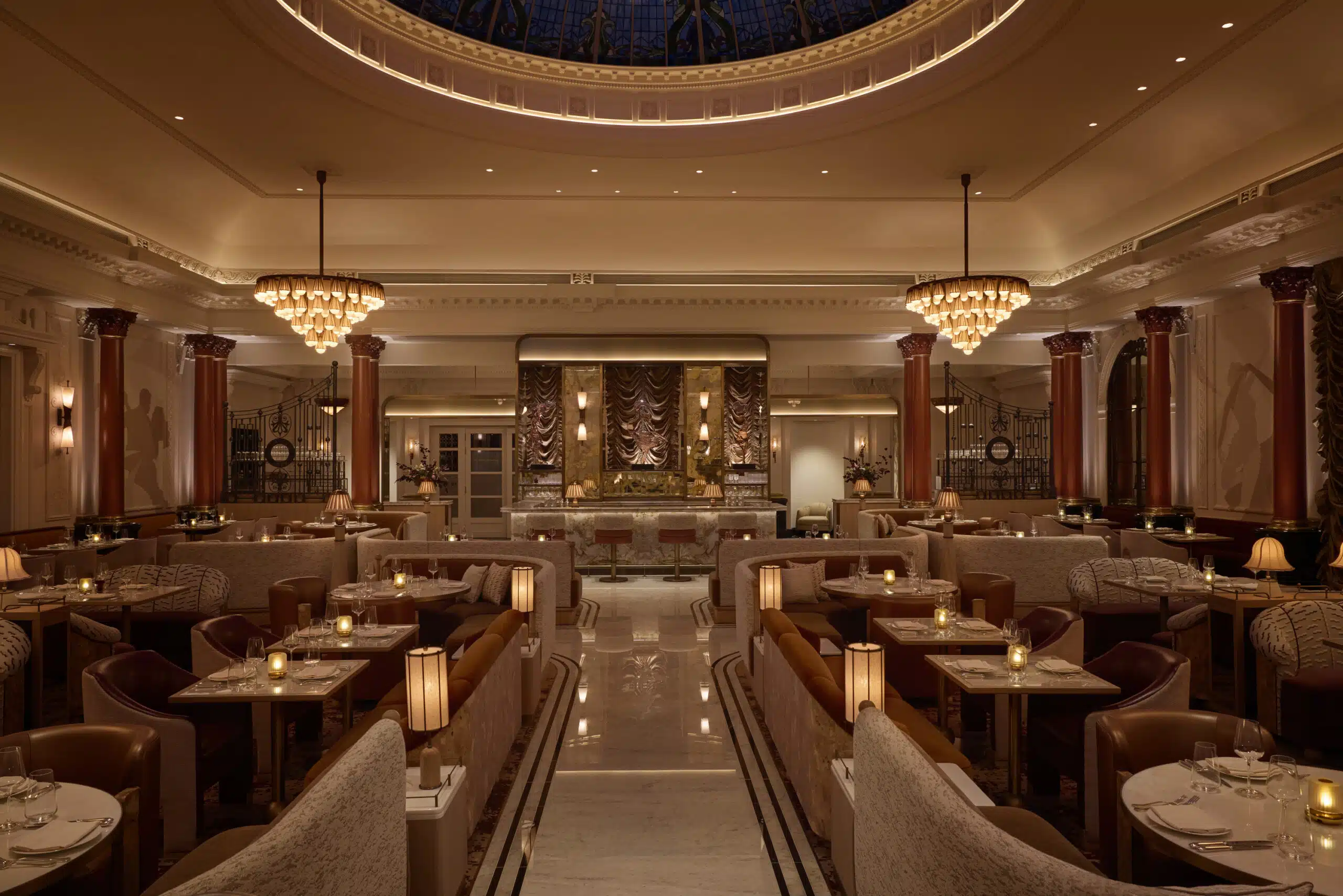
London’s larger luxury properties tend to have this coordination built into their operating model, with dedicated family concierge services and connecting suite configurations that allow parents and children to share a floor without sharing a room. Paris delivers differently. The city’s palace hotels carry a formality that can work in a family’s favor, particularly when that formality extends to structured children’s programming and dining arrangements that don’t require negotiation.
Beyond the capitals, the contrast sharpens. Country house hotels across the United Kingdom have long oriented themselves around multigenerational stays, with grounds, activities, and staffing that reflect genuine familiarity with traveling families rather than seasonal adaptation.

Museums, Parks, and the Patience of Children: Managing Sightseeing Without the Meltdown
Both countries have invested seriously in family programming at their flagship institutions, but the experience of navigating them differs considerably. The British Museum operates with free general admission, which removes one layer of planning friction, though timed entry for major exhibitions is standard and essential to book in advance. The Louvre requires more coordination: timed entry is mandatory, queues at security can be substantial even with a reservation, and the scale of the building itself can overwhelm younger visitors before they reach the galleries that matter. Families who understand this tend to plan shorter, more targeted visits rather than attempting comprehensive coverage.
Where both countries genuinely excel is in their outdoor spaces, which function as necessary counterweights to cultural immersion. London’s Royal Parks, particularly Hyde Park and Kensington Gardens, sit within walking distance of major museums and offer enough open space to reset a fractious afternoon. The gardens of the Loire Valley and the Tuileries serve a similar purpose in France, though traveling in the United Kingdom gives families the particular advantage of proximity, with green space rarely more than a short walk from the next destination.

The Table Question: Dining with Children in Two Countries That Take Food Seriously
France sets the terms at the table, and families need to understand them before they arrive. Lunch runs from noon to 2 p.m., dinner rarely begins before 7:30 p.m., and kitchens in traditional restaurants close firmly between those windows. For families traveling with young children on earlier schedules, this requires genuine adjustment rather than improvisation. The upside is that French restaurant culture, particularly in Paris and Lyon, tends to treat children as diners rather than complications, provided they are seated and engaged with the meal.
The United Kingdom operates with considerably more flexibility. Kitchens in London and beyond typically serve continuously through the afternoon, and the gastropub format, which combines serious cooking with an informal, child-tolerant environment, has no real French equivalent. Families can eat at 5:30 p.m. without apology and find menus that accommodate varied appetites without compromising on quality.
Identifying genuinely family-welcoming restaurants in either country is less about looking for children’s menus and more about understanding which establishments have the pacing and staff attentiveness to make a longer meal work. That knowledge is rarely visible from a website.
Which Country Works Best for Your Family
The more useful question isn’t which country is better for families, it’s which one is better for yours. Younger children, particularly those under 8, tend to find the United Kingdom more immediately navigable: shorter travel distances between cities, English-language signage throughout, and a cultural familiarity that reduces friction on tired afternoons. The logistics bend more naturally around unpredictability, which is the defining feature of traveling with small children.
France rewards families who can move with more intention. Older children with genuine curiosity about history, food, or art will find the country returns that interest in kind. The scale of Paris, the depth of the Loire Valley, the coherence of Provence as a place to slow down and actually absorb, these are experiences that land differently when a child is old enough to hold context.
For families still weighing the fundamentals, luxury travel across the United Kingdom offers a useful starting point for understanding how the country’s infrastructure, culture, and pace align with what families with younger children actually need on the ground.