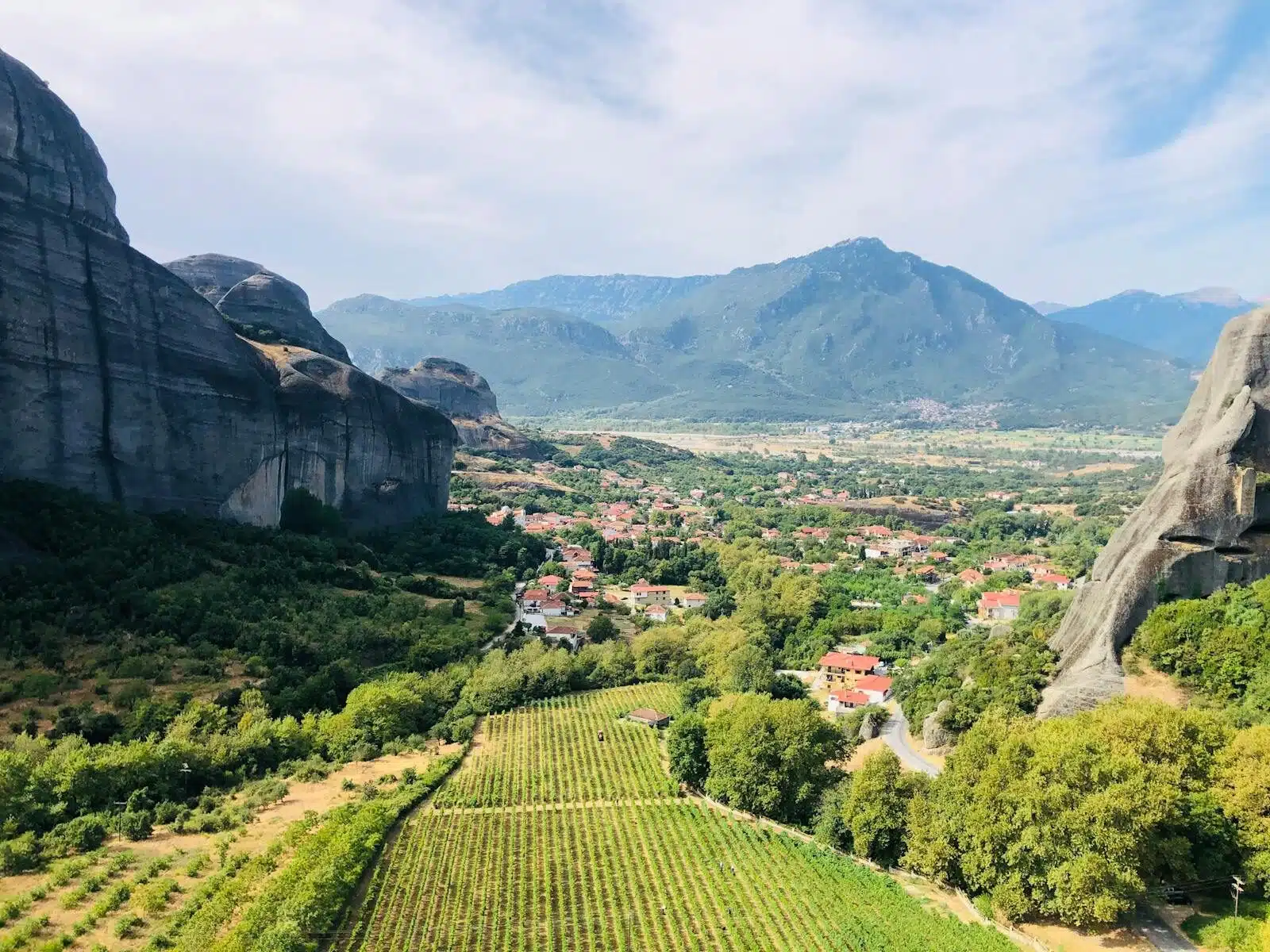


The Peloponnese has been producing wine since antiquity, yet its most compelling cellar experiences remain largely invisible to conventional tourism. This is a guide to the boutique estates where access is earned through arrangement, and where wine travel becomes an exercise in sustained attention.
The Lay of the Land: Understanding Peloponnese Wine Country Before You Arrive
The Peloponnese contains three wine zones of distinct character, each shaped by different elevation, soil type, and dominant variety. Nemea, in the northeast, is the region’s most productive appellation and the primary home of Agiorgitiko — a red grape capable of significant structural range depending on altitude and producer intent. Mantinia sits on a high plateau in Arcadia at around 650 metres, where cooler temperatures preserve the acidity of Moschofilero, a pink-skinned grape producing dry aromatic whites. Laconia, in the south, is less formalised as an appellation but contains estate producers working with indigenous varieties under conditions that differ markedly from the north.
These zones are not adjacent. Nemea to Mantinia is roughly an hour’s drive; Laconia adds considerable distance south. A circuit approach compresses what each area requires: time with individual producers, an understanding of how their decisions differ from neighbours, and visits structured around the estate rather than a schedule.
The Peloponnese rewards itineraries built around two or three estates per zone rather than broad coverage. The most substantive cellar experiences here are not volume operations, and the producers doing the most considered work are rarely the most visible.
About Do Not Disturb
Do Not Disturb is a luxury travel company specializing in carefully designed journeys and considered experiences. Each itinerary we build for our clients is informed by real destination knowledge, offering insight into places, cultures, and moments that shape how a trip comes together.
If this destination has sparked ideas, the itinerary can be developed into a private journey tailored to your interests and travel style, with hand-picked stays, thoughtful routing, and experiences curated around what matters most to you.
Old Vines, Private Ground: Nemea's Agiorgitiko Estates
Nemea sits in the northeastern Peloponnese at elevations between 250 and 900 metres, and its principal grape, Agiorgitiko, produces wines that range from structured reds with significant ageing potential to lighter expressions used in rosé. The variety’s character shifts considerably with altitude and vine age, which is why old-vine parcels — some exceeding 60 years — are treated as distinct assets by serious producers.
Small estates such as Gaia Wines and Skouras operate differently from the appellation’s larger cooperatives. Visits are not walk-in affairs. Where access is granted, it typically involves the winemaker directly: a working conversation across the barrel room, vertical tastings drawn from specific parcels, and context that connects the wine in the glass to decisions made in the vineyard.
What distinguishes these visits is precision of knowledge rather than scale of hospitality. The estates are small enough that the person pouring the wine is usually the person who made it, and that proximity changes what the tasting can actually deliver.
Altitude and Precision: Moschofilero in the Mantinia Plateau
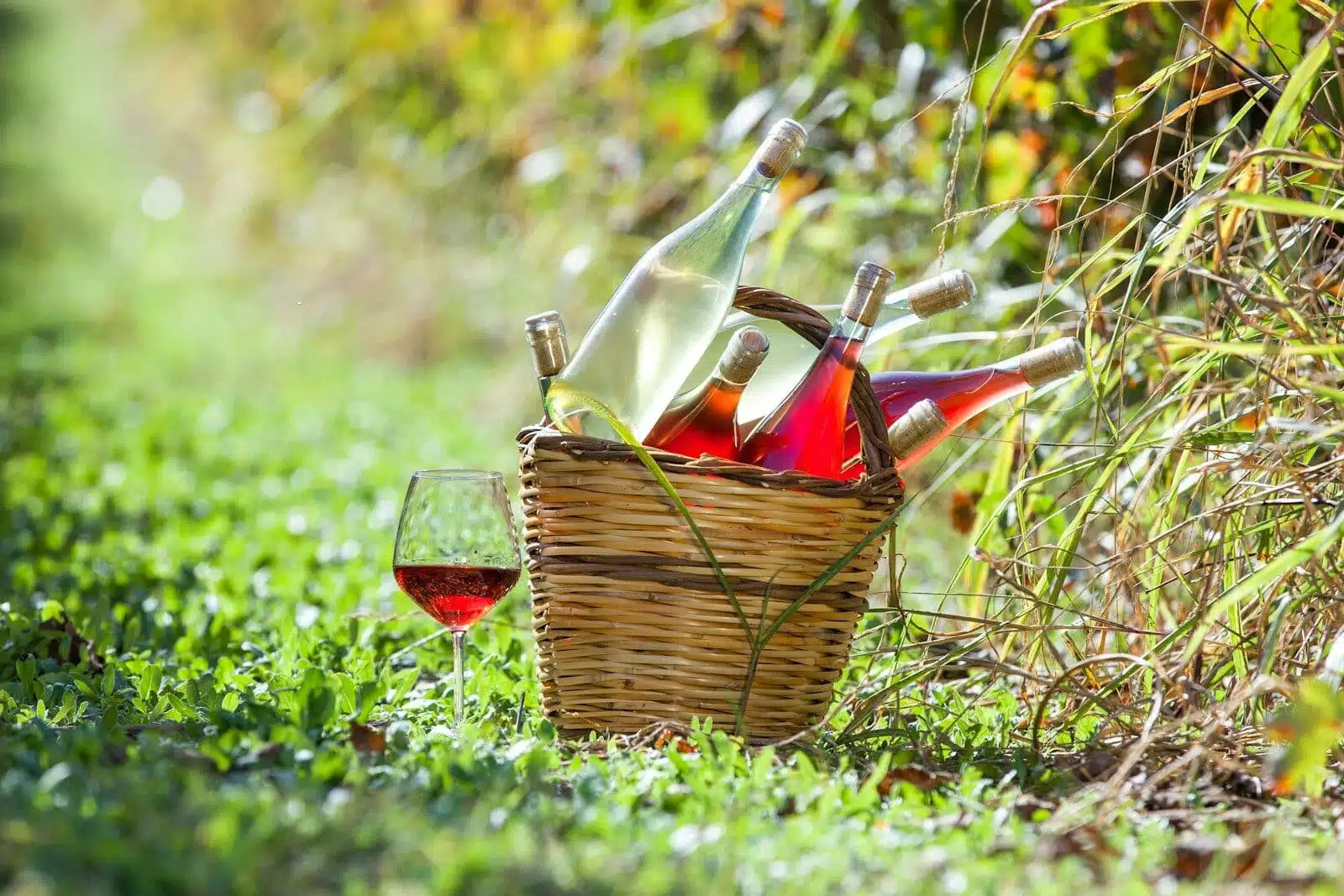
Mantinia sits at roughly 650 metres above sea level, making it one of Greece’s highest-altitude wine zones and the primary growing region for Moschofilero, a pink-skinned grape that produces white and rosé wines of notable acidity and aromatic intensity. The elevation extends the growing season and preserves natural freshness in a way that lower-altitude Peloponnesian zones cannot replicate. Several boutique estates here work with small parcels and maintain production volumes that allow for direct engagement with the winemaking process.
Some producers offer structured blending sessions in working cellars, where participants assess component lots before final assembly. These are not demonstrations — they require decisions about proportion and balance, and the outcomes vary depending on the vintage material available. The format is uncommon in Greece and reflects a level of producer confidence in sharing process rather than simply product.
The contrast with Nemea’s Agiorgitiko is instructive. Where Nemea produces structured, tannic reds at lower elevation, Mantinia’s output is lighter, cooler in character, and technically distinct — a pairing that rewards those covering both regions within a single itinerary.
The Vintner's Table: Meals That Extend the Tasting
At several estates in the Peloponnese, the meal that follows a cellar visit is not a courtesy — it is a continuation of the same argument the winemaker has been making underground. Dishes are chosen to expose specific characteristics of the wines: a barrel-aged Agiorgitiko served alongside slow-braised kid to demonstrate tannin integration, or an unfiltered Moschofilero paired with cured local fish to isolate acidity. The sequence is deliberate, and the winemaker typically remains at the table to explain it.
The food itself draws from the estate’s immediate geography — vegetables from kitchen gardens, olive oil pressed on the property, bread made from heritage wheat varieties still cultivated in the region. These are not decorative choices. They reflect the same localist logic that governs the viticulture, and understanding that connection is part of what the meal is designed to communicate.
These gatherings are small by design, typically limited to the group arranged for the visit. That constraint is structural, not incidental — it determines the level of access and the quality of the conversation that the meal can sustain.
Where to Stay: Converted Farmhouses and Estate Accommodation
Accommodation in the Peloponnese wine regions divides into two categories: properties that happen to be near vineyards, and properties where the host actively shapes how guests engage with the surrounding wine landscape. The distinction matters. An estate-adjacent stay with an informed host can function as a base for introductions, informal tastings, and itinerary adjustments that would otherwise require significant advance coordination.
Converted farmhouses in the Nemea plateau and around the Mantinia highlands tend to offer the closest proximity to working estates. Look for properties where the owner has direct relationships with local producers rather than simply a list of nearby wineries. This is not always visible in the property listing itself.
Proximity alone is insufficient. A property thirty minutes from a significant estate, with a host who can facilitate access, is more useful than one on the estate boundary without that connection. The quality of the stay, in the context of a cellar-focused itinerary, is largely determined by who is managing it.
Timing, Logistics, and How to Arrange Private Access
The most productive window runs from late September through early November, when harvest activity makes producers accessible and the estates are operating at full capacity. The secondary window — February through April — suits those interested in cellar work and post-harvest evaluation, with fewer competing demands on producers’ time. Midsummer visits are possible but less rewarding; many small estates prioritise vineyard management over receiving guests during this period.
The Peloponnese wine zones — Nemea, Mantinia, and the Laconian appellations — are geographically dispersed. Moving between them in a single day is possible but compresses the time available at each estate. A realistic itinerary allocates one zone per day, with no more than two estate visits scheduled, leaving room for the unstructured conversation that defines the better appointments.
Private access to boutique producers is rarely available through standard channels. The estates worth visiting operate on relationship and referral, and the quality of what is offered depends significantly on how the introduction is made.
Plan your own version of this journey
Speak to Do Not Disturb’s luxury travel experts and turn this moment into something personal.
Related destinations
Suggested articles

Where to Go On Honeymoon? A Guide to Help You Choose

Best Area to Stay in Santorini for Couples: Oia, Imerovigli or Fira

Santorini for Couples: Privacy, Views & Where to Stay

Paros vs Naxos: Which One Is Right for You?

Mykonos vs Ibiza: A Question of Culture

The Best Greek Islands for Traveling With Family

Why the Greek Islands Work So Well for Multi-Generational Travel

The Best Greek Islands by Month

Hydra: Greece’s Most Off-Grid Island

The Best Greek Islands for Honeymoons (And Why They’re Not All Santorini)

Santorini Without the Crowds: Is It Still Possible?

Santorini or Mykonos: How to Choose the Best Greek Island for You

The Athens Riviera: Greece’s Glamorous Coastline Beyond the Islands