
The Maldives has more than 170 private island resorts, and the differences between them are significant enough to shape whether a trip exceeds expectations or quietly disappoints. Choosing correctly requires understanding a specific set of variables, and knowing which ones matter most for how you intend to travel.
Start With the Reef, Not the Room
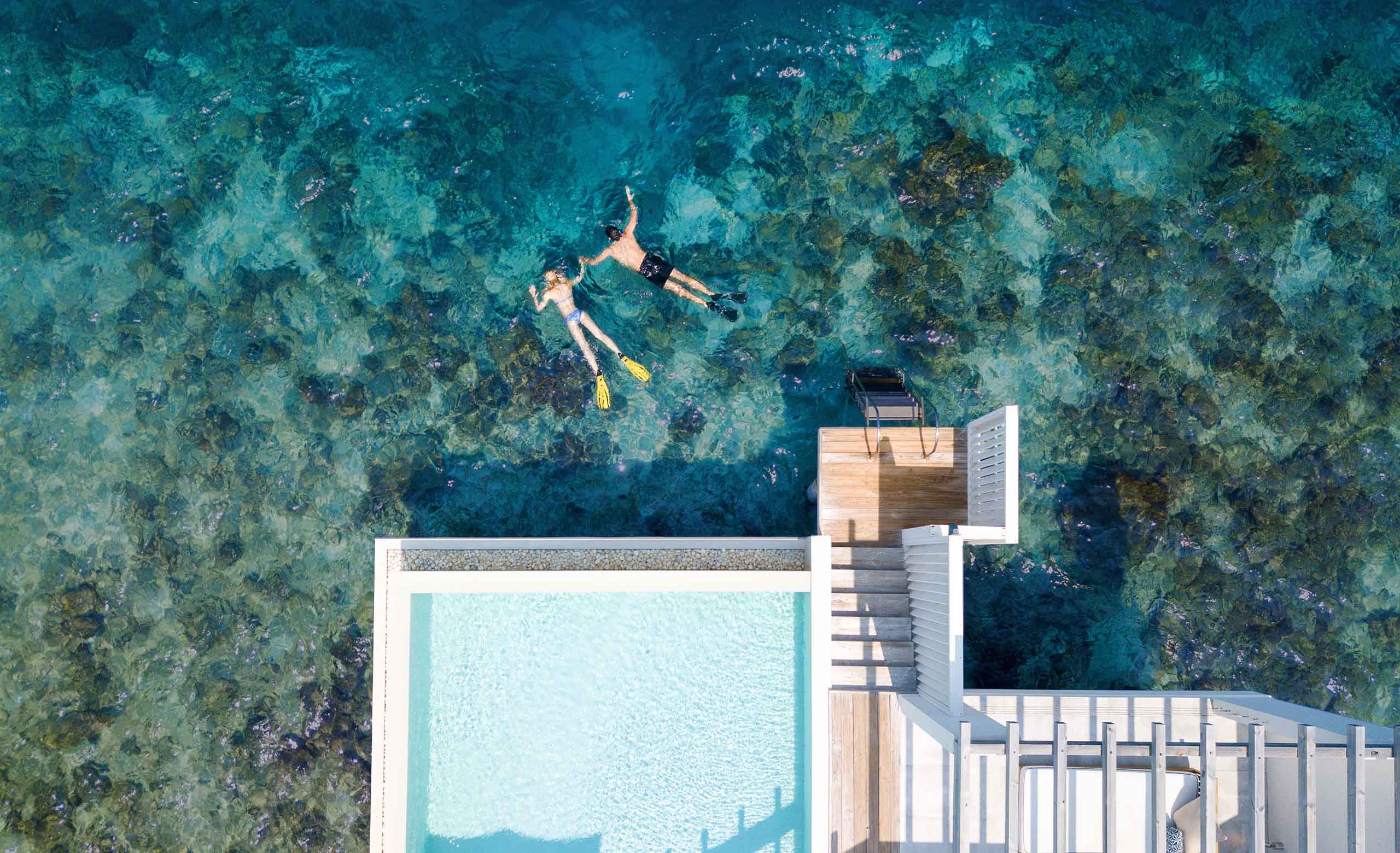
The house reef is the single most important variable in resort selection, and it is frequently overlooked in favor of villa design or F&B offerings. A strong house reef sits close to the shore, drops quickly into deep water, and supports a diverse range of coral and marine life without requiring a boat transfer to reach. Resorts with weak or degraded reefs often compensate with excursion programs, which adds cost and strips away the spontaneity that defines a reef-centered stay.
Access matters as much as quality. The best reefs are reachable directly from the beach or water villa jetty, allowing travelers to snorkel or dive independently at any point during the day. This shapes the rhythm of a stay in ways no other resort feature does.
Reef condition varies significantly across atolls and has been affected unevenly by coral bleaching events. North Malé, South Malé, and Baa Atoll each present different profiles, and individual reefs within those areas vary further still.
About Do Not Disturb
Do Not Disturb is a luxury travel company specializing in carefully designed journeys and considered experiences. Each itinerary we build for our clients is informed by real destination knowledge, offering insight into places, cultures, and moments that shape how a trip comes together.
If this destination has sparked ideas, the itinerary can be developed into a private journey tailored to your interests and travel style, with hand-picked stays, thoughtful routing, and experiences curated around what matters most to you.
Island Size and What It Actually Means
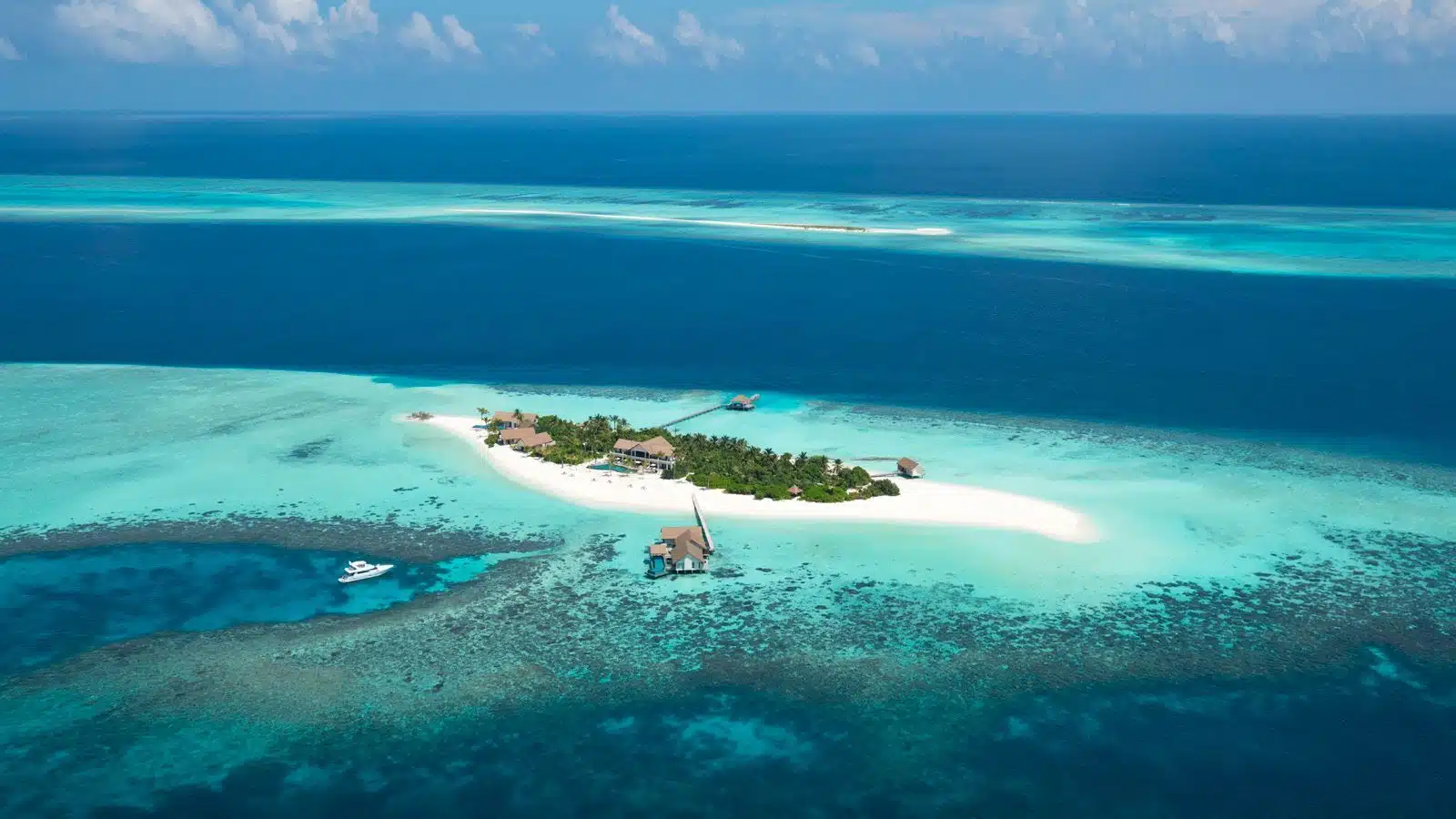
Island size in the Maldives ranges from under one hectare to more than 100, and that range has direct consequences for how a stay functions. Larger islands typically support more villas, more facilities, and longer internal distances. Some require buggies to move between areas. This increases operational complexity and, in most cases, the number of guests on the property at any given time.
Smaller islands concentrate everything within walking distance and tend to accommodate fewer villas by design. This structure limits capacity, which is the primary mechanism behind seclusion, not marketing language or resort category. An island with 20 villas and no buggy transfers operates differently from one with 80, regardless of how either is positioned.
The relevant question is not which island is larger or smaller, but whether the scale matches the intended use. Travelers prioritizing privacy and stillness are generally better served by constrained footprints. Those who value variety in dining, facilities, and activities may find smaller islands limiting.
Villa Categories and How to Read Them
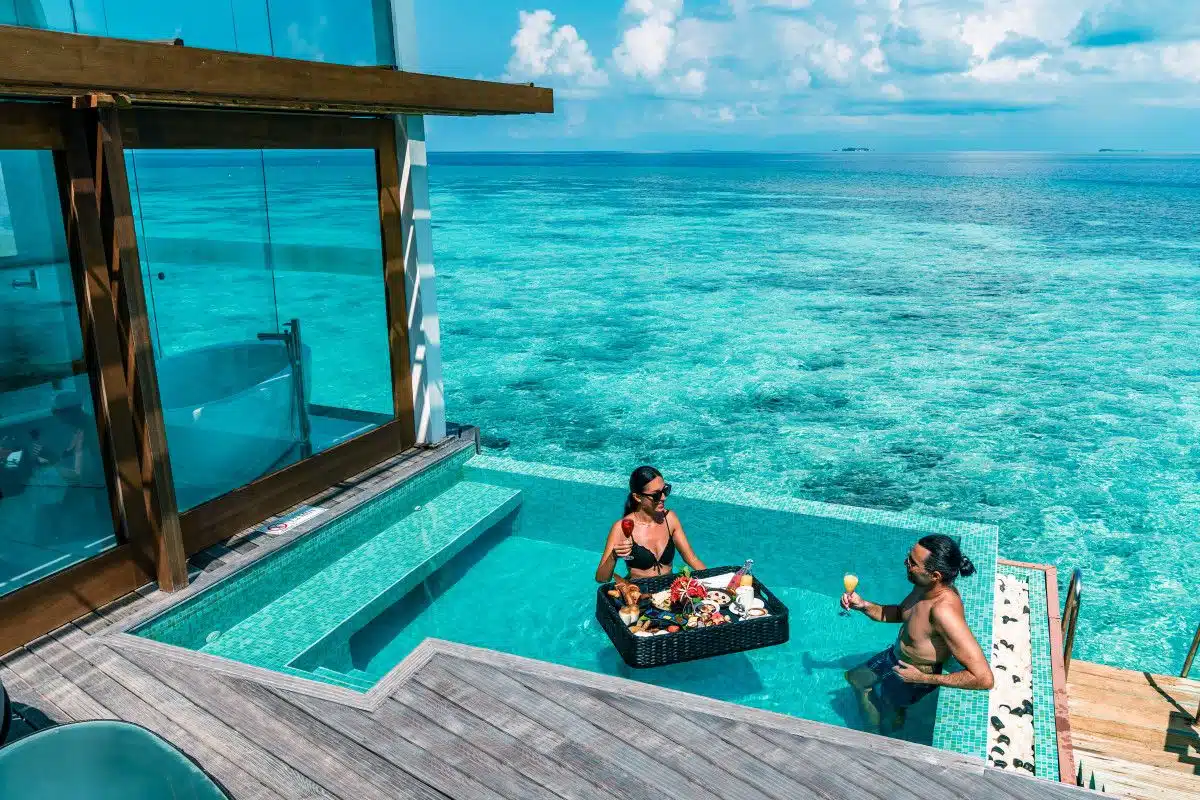
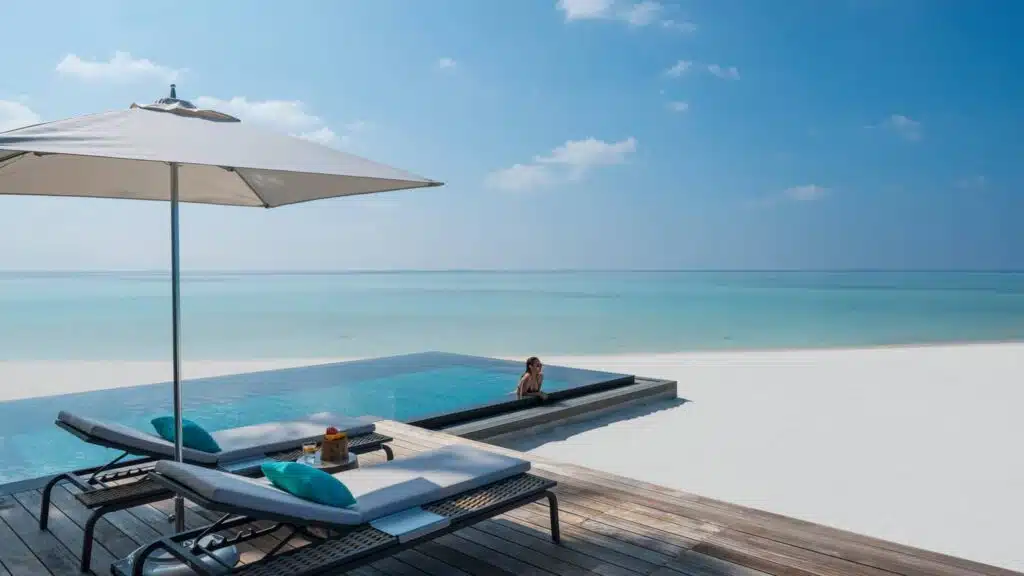
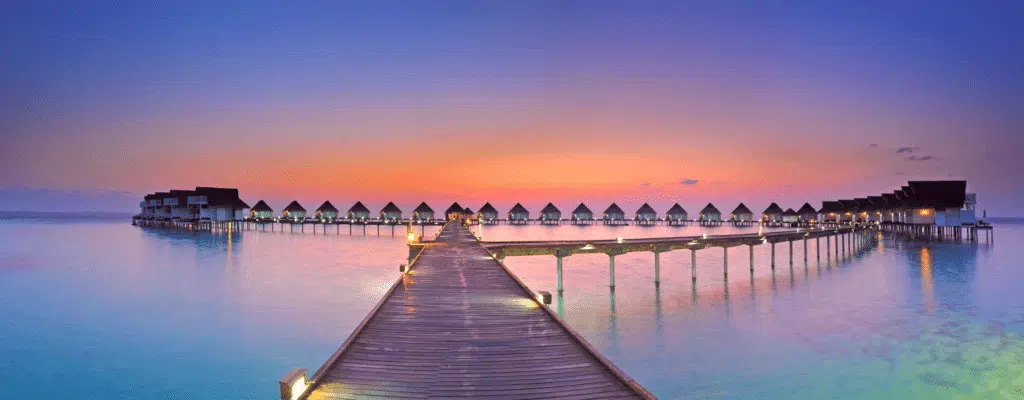
Overwater villas are the most requested category, but they are not universally the best choice. Their primary advantages are direct lagoon access and separation from the main island, which increases privacy. Orientation matters significantly: villas facing west receive direct afternoon and evening light, which affects both comfort and sunset visibility. East-facing villas are cooler in the afternoon but receive morning light directly. Most resorts do not make orientation easy to identify at the booking stage.
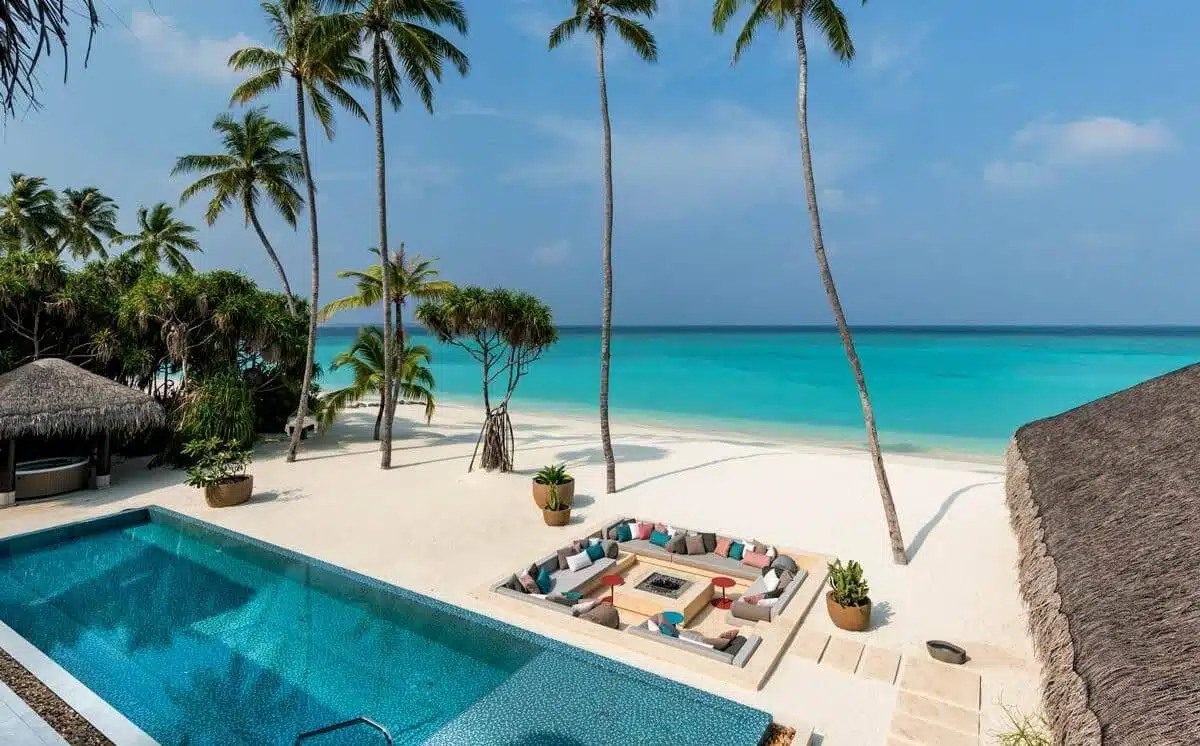
Beach villas offer more direct access to the shoreline and typically more interior space for the price point. They perform best on islands with wide, shallow lagoons, where the water is accessible from the beach without needing a jetty or ladder. Privacy varies considerably depending on how the villas are positioned relative to each other and the resort’s main pathways.
Lagoon villas, where they exist as a distinct category, sit in shallower water closer to the island. They are generally more sheltered and better suited to families or those for whom snorkeling access from the villa matters more than seclusion.
Dining Structures, Atmosphere, and the All-Inclusive Question
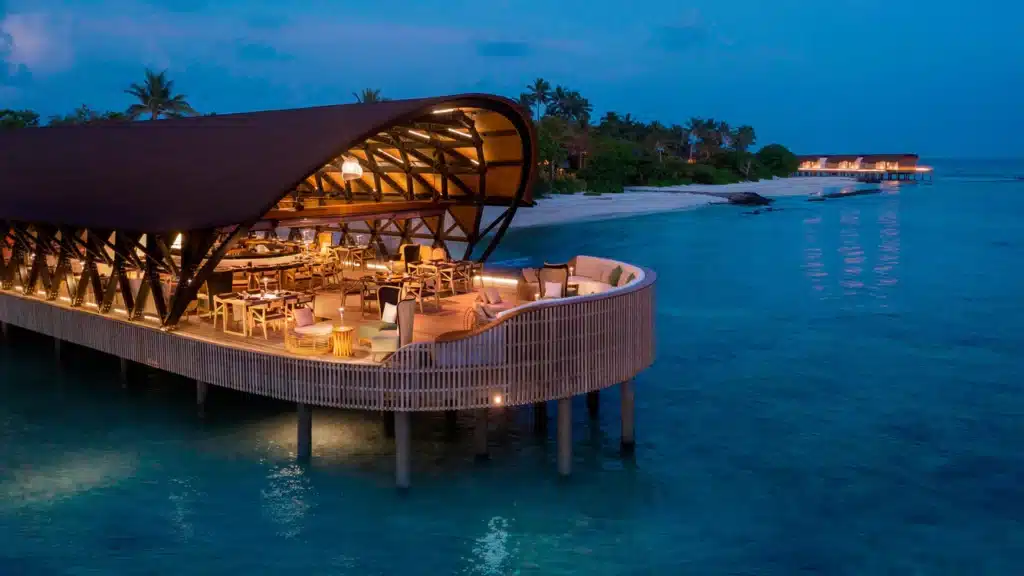
Dining structures vary significantly across resort tiers and directly affect both daily cost and the character of a stay. All-inclusive packages are more common at higher-volume resorts and suit travelers who prefer predictable expenditure, but they rarely reflect the culinary ambition of the property. At upper-tier and ultra-luxury resorts, half-board or room-only arrangements are standard, with dining charged separately across multiple outlets. This model allows for genuine variation in experience but requires a realistic budget for food and beverage, which can be substantial.
The dining format also signals the intended guest. Resorts with a single beachside restaurant and a set menu each evening are designed for simplicity and informality. Those with four or more outlets, including a dedicated teppanyaki counter or a wine-focused tasting menu, are structured around travelers who treat dining as a core part of the stay rather than a convenience.
Where dining matters to you, the outlet count, cuisine range, and pricing model should carry real weight in the selection process.
Transfers, Timing, and the Journey In
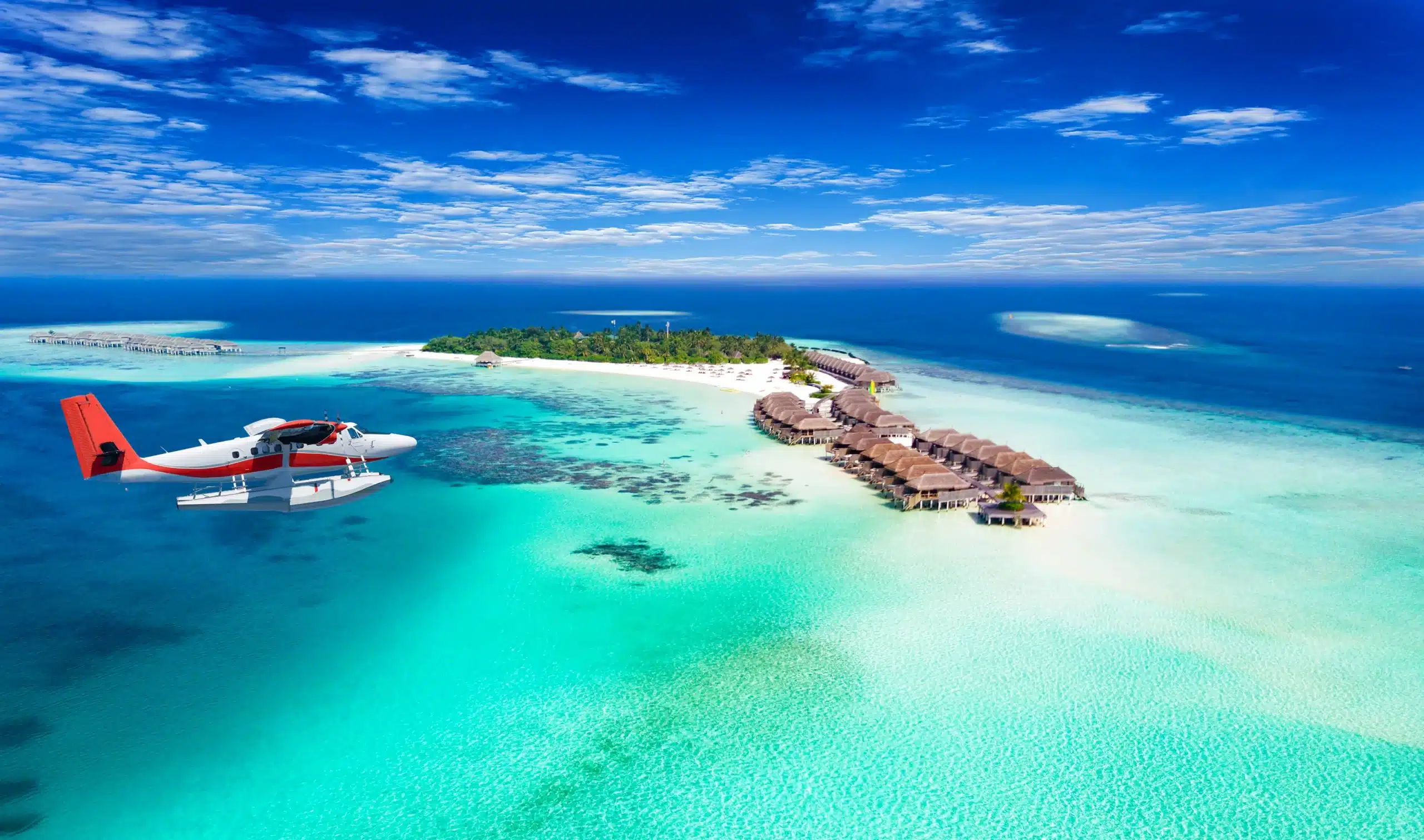
Transfers are not incidental. They determine which resorts are accessible, and they signal where a property sits within the atoll system. Seaplanes operate only during daylight hours and are grounded in poor weather, which affects arrival schedules and, in some cases, departure reliability. Resorts beyond speedboat range from Malé, typically those further into the outer atolls, are seaplane-dependent by geography, not by choice.
Speedboat transfers serve resorts within roughly 30 to 45 minutes of Velana International Airport and are available at any hour, making them more operationally flexible. They are also less affected by weather delays. Proximity to Malé, though, does nothing to diminish a resort’s quality: several of the finest properties in the Maldives sit within speedboat range.
The transfer type connected to a resort reflects its location within the archipelago, and location has direct consequences for reef condition, seclusion, and the overall character of the stay. It is a structural variable, not a logistical footnote.
Matching the Resort to the Traveler
Resort category and price point are useful filters, but they rarely determine whether a resort is the right fit. A family traveling with young children needs shallow lagoons, structured children’s programming, and villa layouts that accommodate multiple occupants without compromising function. A couple prioritizing privacy requires a different set of conditions: overwater or beach villas with meaningful separation from neighboring structures and a resort scale that limits incidental contact with other guests. These are structural considerations, not aesthetic ones.
Group travel introduces further complexity. Resorts that accommodate groups well tend to offer villa clusters, shared dining flexibility, and activity infrastructure that scales. Many resorts are not designed for this, and placing a group in the wrong property creates friction that no level of service can resolve.
The best travel experts match resorts to travel intent rather than working from a fixed shortlist. The relevant variables change depending on who is traveling and how, which is why the selection process begins with those questions, not with the resort.
Plan your own version of this journey
Speak to Do Not Disturb’s luxury travel experts and turn this moment into something personal.
Related destinations
Suggested articles

The Best Honeymoon Destinations for LGBTQ+ Couples

The Most Romantic Train Journeys for a Slow Honeymoon

Where to Go On Honeymoon? A Guide to Help You Choose
Seaplane, Speedboat or Domestic Flight? Maldives Transfers Explained

Multi-Destination Honeymoons: The Best Pairings for Two Distinct Locations
The Cost of All-Inclusive in the Maldives: Is It Worth It?
Maldives Villa Guide: Beach vs. Overwater

How to Choose a Family-Friendly Maldives Resort
Christmas in the Maldives: What to Expect and is it Worth It

The Best Maldives Resorts for Honeymoons

Maldives vs French Polynesia: Best Honeymoon Destination?

The Maldives Beyond the Villa: Best Activities

Maldives vs Bali for a luxury honeymoon