
On this page
In Greece, timing shapes everything, and the right island at the right moment transforms a beautiful trip into something deeply personal.
The Greek islands are often spoken about as a collective. Sun, whitewashed villages, blue domes, long lunches by the sea. Yet each island carries its own rhythm, and that rhythm shifts dramatically across the year. A July Mykonos is not a May Mykonos. An October Santorini feels entirely different from its August counterpart.
Choosing the right island is only half the decision. Choosing the right month is what defines the experience.
Here is how the year unfolds.
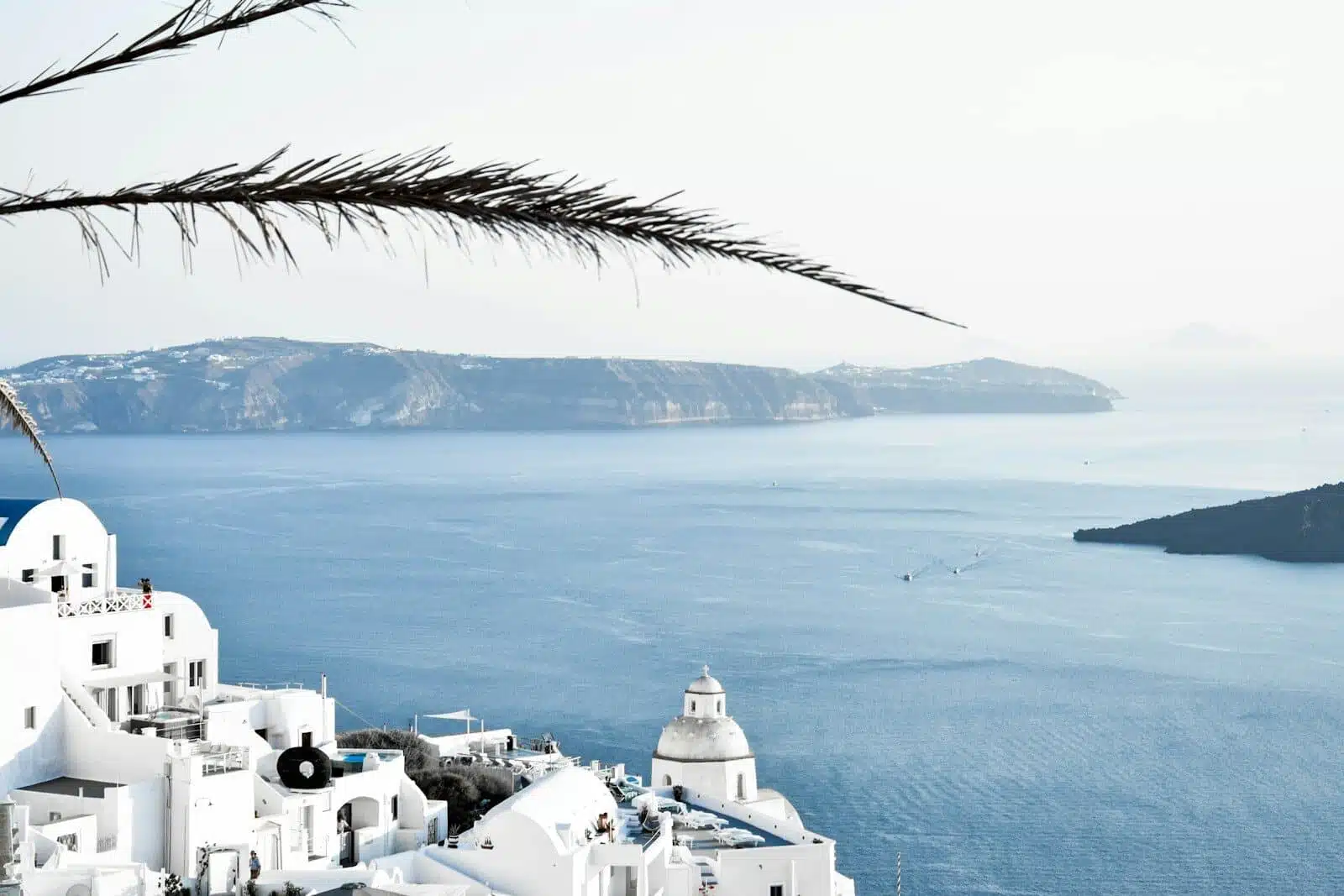
March to April: Crete, Rhodes, and Corfu
Early spring in Greece is about relaxation and space.
Temperatures range between 60 to 70°F, with cooler evenings and bright, dry days. The sea is brisk, but the land comes alive. Wildflowers blanket hillsides. Olive groves glow silver-green. Archaeological sites can be explored without heat or crowds.
Crete excels at this time of year. Its scale offers diversity, from Venetian harbors in Chania to mountain villages and coastal trails. Hiking the Samaria Gorge before peak season feels beautiful rather than crowded.
Rhodes provides layered history within its medieval old town, best appreciated when you can pause without negotiating foot traffic. Corfu, greener and more romantic, carries a softness in spring that feels almost surreal.
For travelers interested in culture, walking, and atmosphere rather than swimming, this is a compelling window.
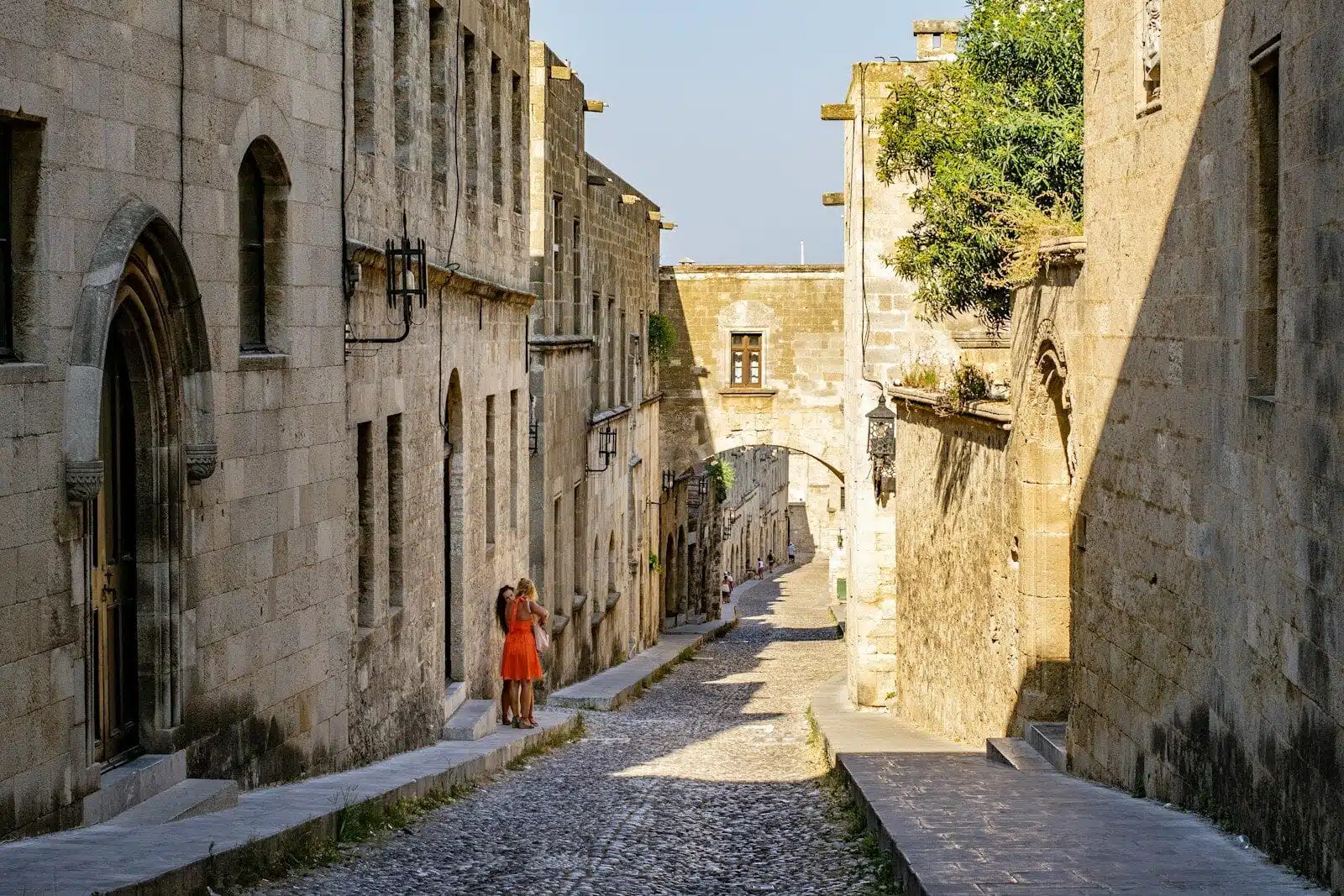
May: Naxos and Milos
Daytime temperatures sit comfortably in the low to mid 70s°F. The sea begins to warm. Ferry schedules expand, yet high summer intensity has not arrived.
Naxos offers wide sandy beaches and fertile inland villages without August pricing or density. The Portara glows at sunset with only a scattering of visitors.
Milos is equally rewarding. Sarakiniko’s sculpted white rock feels almost lunar in the softer spring light. Boat trips to Kleftiko’s sea caves feel personal rather than shared.
For honeymooners and couples seeking space without isolation, May provides freedom. The islands feel open, not crowded.
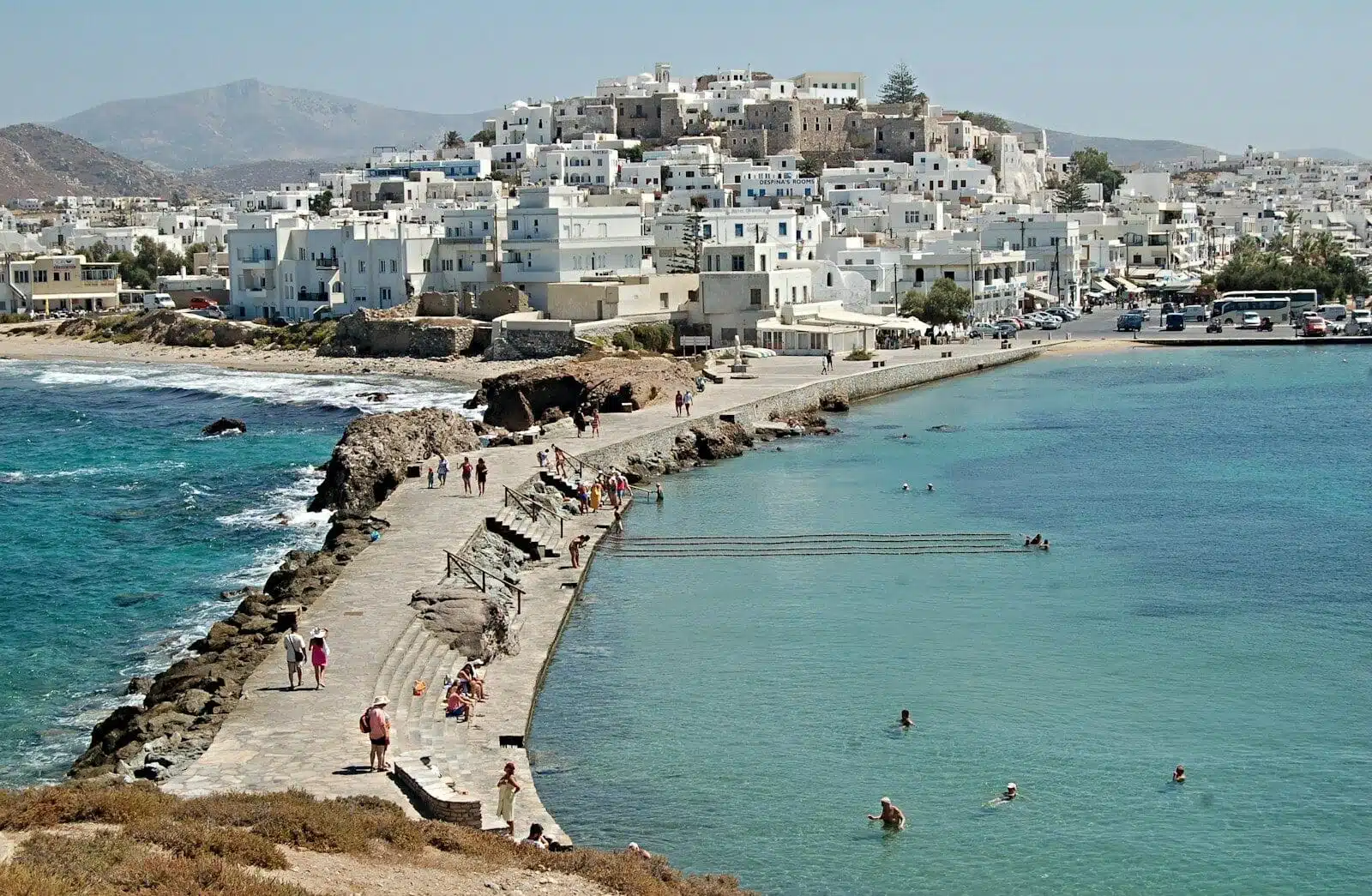
June: Paros and Sifnos
June marks the transition into summer energy.
The water is warm. Evenings stretch long and golden. Restaurants operate at full confidence, yet the peak of international holidaymakers has not fully descended.
Paros balances sophistication and ease. Naoussa’s harbor hums gently at night, while beaches such as Kolymbithres offer sculpted rock formations and clear water.
Sifnos, the gastronomic heart of the Cyclades, is particularly appealing in June. Long lunches spill into late afternoons. Clay-pot dishes emerge slowly from ovens. The atmosphere remains elegant and unhurried.
June suits travelers who want summer vibrancy without the compression of July and August.
July to August: Mykonos and Antiparos
Temperatures rise into the 80s and 90s°F. The meltemi wind cuts through the heat. Beach clubs pulse. Reservations become essential.
Mykonos thrives in this intensity. Its beach scene is beautiful and picturesque. Restaurants and nightlife operate at a global level. For those who want momentum and glamour, there is nowhere better.
Yet even in peak season, alternatives exist. Antiparos, a short ferry ride from Paros, offers a more restrained aesthetic. Whitewashed alleys remain peaceful. Swim spots feel discreet.
July and August demand perfection. The right hotel location, the right timing for transfers, and carefully secured reservations transform potential stress into flow.
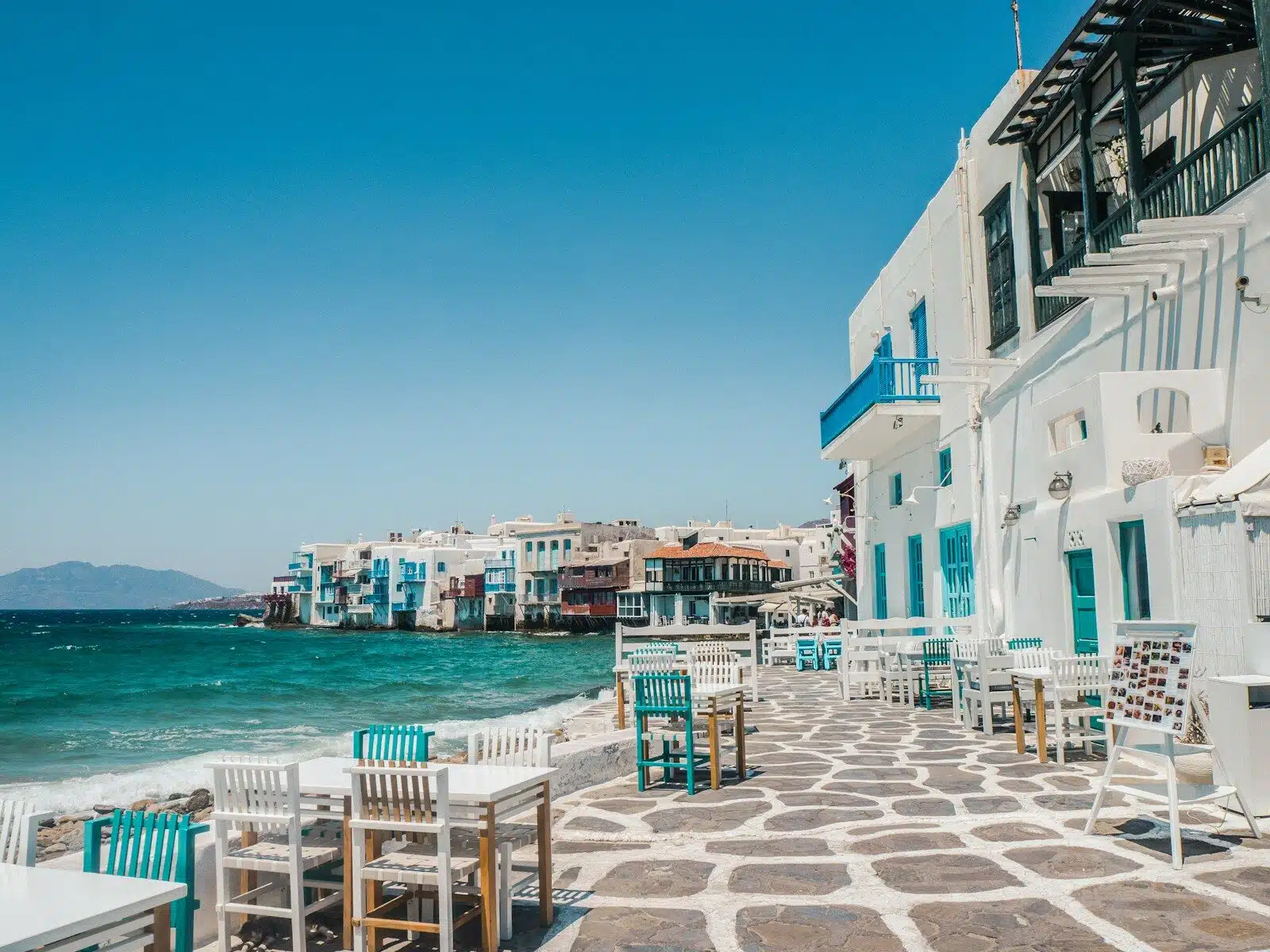
September: Santorini and Folegandros
September is arguably Greece’s best month to visit. The sea retains its warmth from summer. Cruise traffic begins to thin and vineyards enter harvest.
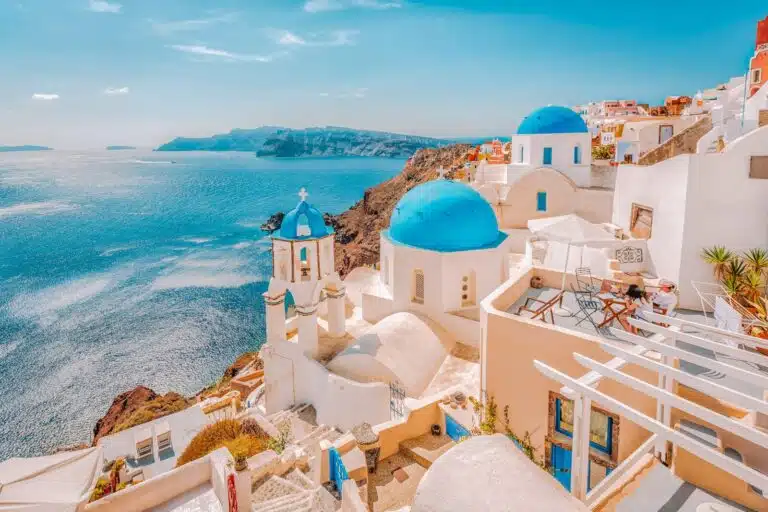
Santorini in September regains its more normal feel. Early morning caldera walks feel like you have control rather than crowded. Sunset views are shared, not fought for.
Folegandros is equally compelling. Its cliffside Chora glows amber at dusk, free from high-summer density. Swimming conditions remain excellent.
For couples and early retirees seeking elegance without spectacle, September delivers.

October: Hydra and the Saronic Gulf
October belongs to the Saronic Gulf.
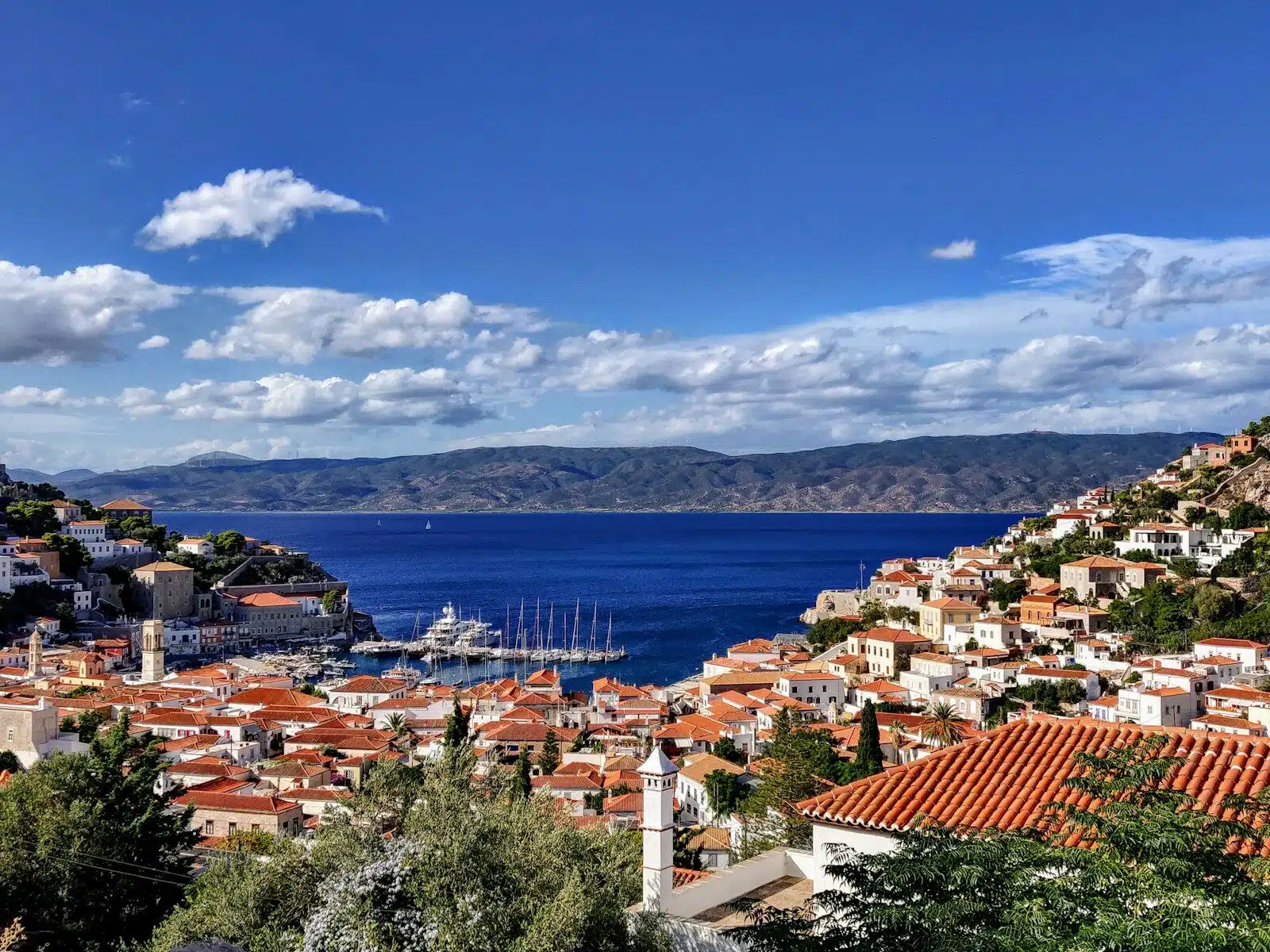
Hydra, with its car-free lanes and stone mansions, settles into a contemplative rhythm. Day visitors diminish. The harbor becomes local again. Swimming remains possible on warm days, particularly in sheltered coves.
Spetses offers neoclassical charm and gentle coastal cycling without traffic congestion.
October suits travelers who value architecture, culture, and atmosphere over beach scenes. The light sharpens. The sea darkens to cobalt.
November to February: Crete and the Larger Islands
Winter in the Greek islands is understated. Many smaller properties close. Ferry schedules are reduced.
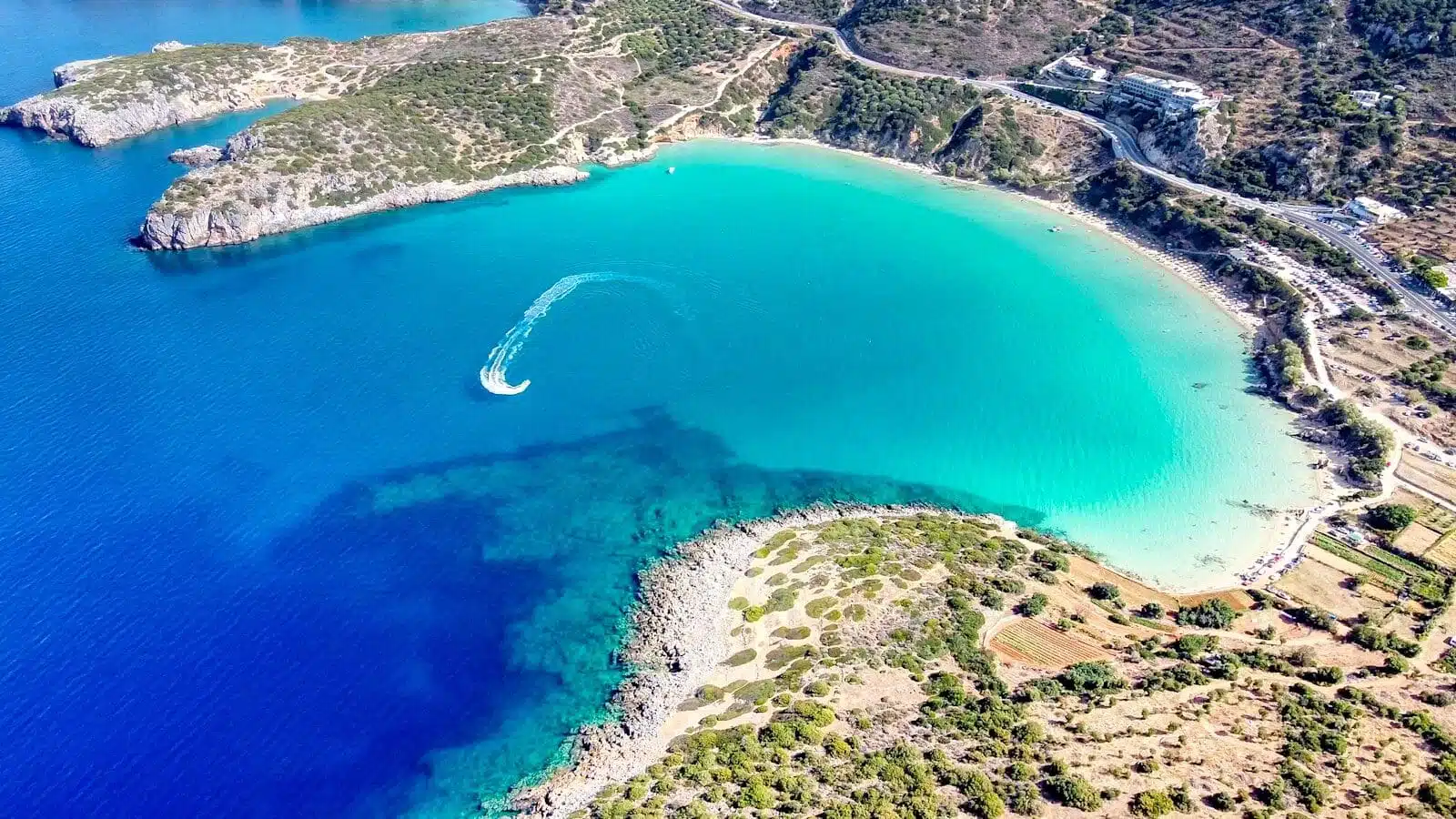
Crete, due to its size, remains viable year-round. Chania’s old town in winter feels cinematic. Mountain villages host local festivals. The coastline becomes dramatic under shifting skies.
This is not swimming season. It is a time for walking, reading, long lunches, and cultural immersion without tourism’s overlay.
For travelers who value authenticity over temperature, winter offers a different Greece entirely.
The Role of Timing
A carefully chosen May in Milos feels intimate. A structured August in Mykonos feels electric. A September Santorini feels balanced. An October Hydra feels poetic.
At Do Not Disturb, we design around seasonality as much as destination. We align islands with your appetite for energy or quiet, pair locations to balance momentum with stillness, and secure properties that preserve privacy even in peak periods.
Because in Greece, the difference between a good trip and an exceptional one is rarely the island itself.
Ready to plan your Greek island escape at precisely the right moment? Speak with Do Not Disturb to curate a journey shaped by season, space, and seamless expertise.