
On this page
Hydra’s car-free streets preserve a rare kind of island calm, where stone, sea, and silence shape the experience.
Just two hours from Athens by hydrofoil, Hydra feels improbably removed from modern Greece.
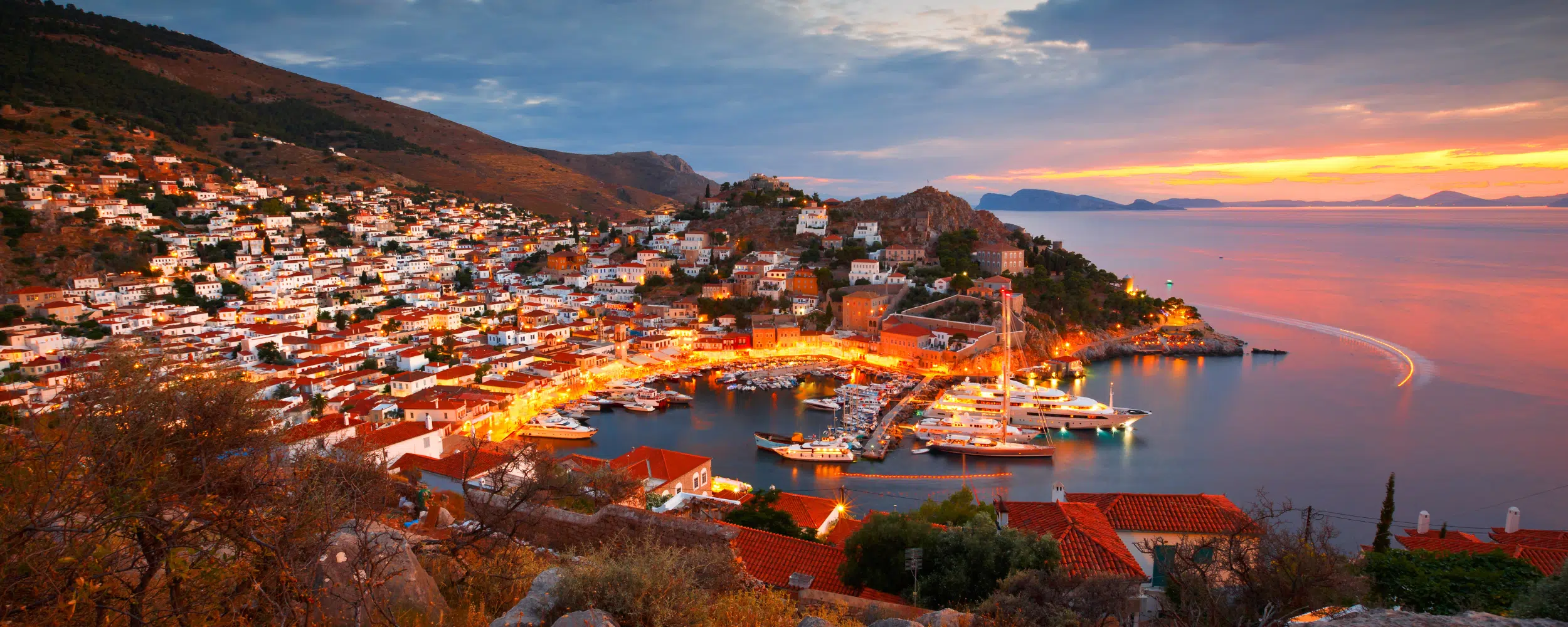
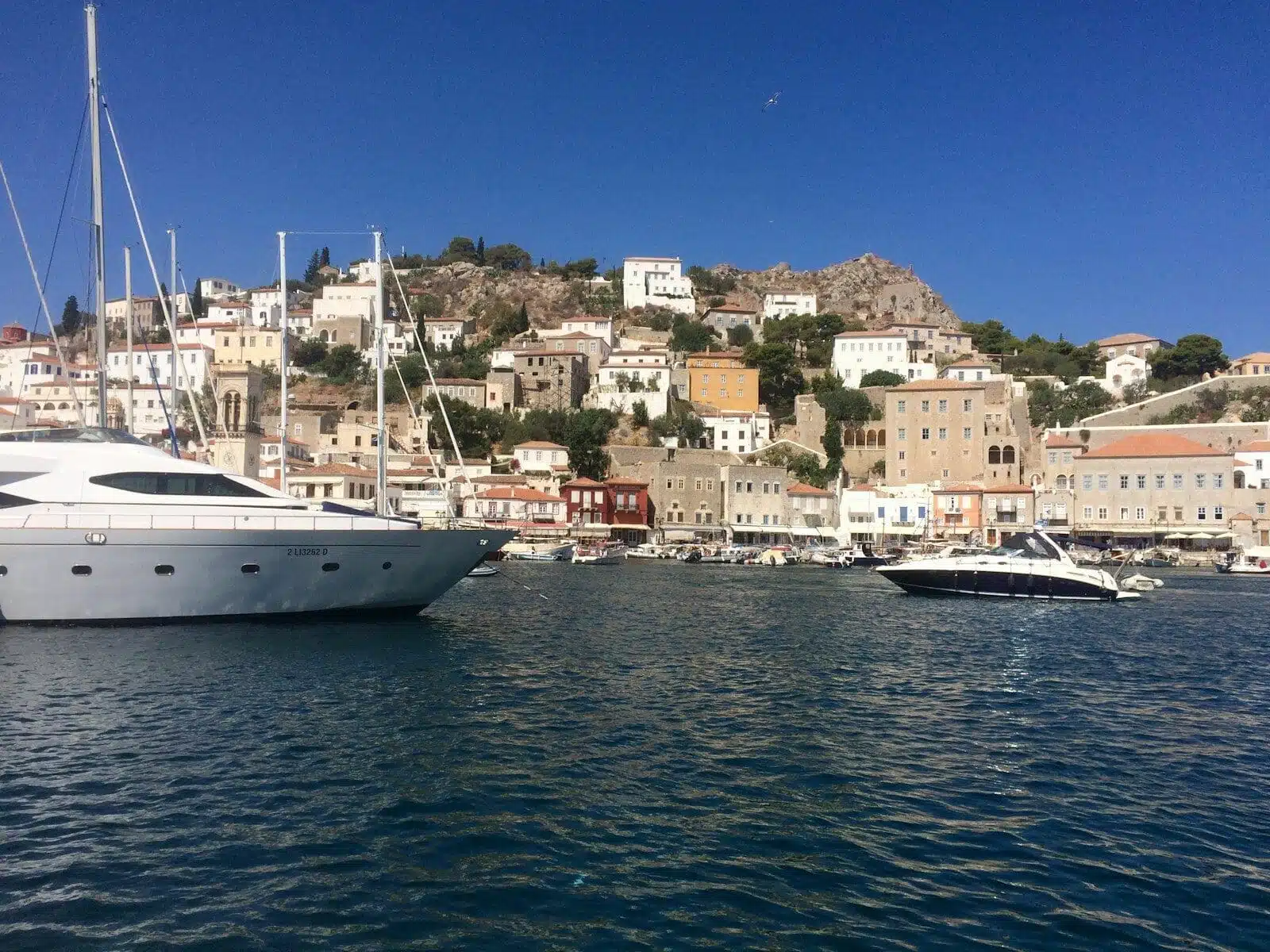
The boat rounds the headland and the harbor reveals itself in a perfect crescent of stone. Tall 18th-century mansions rise directly from the waterfront, their facades weathered to soft shades of ochre and gray. Fishing boats and sleek yachts sit side by side. There are no roads threading behind them. No traffic noise. No scooters weaving through narrow lanes.
Hydra banned motorized vehicles decades ago, and the decision has defined everything that followed.
An Island Designed for Footsteps
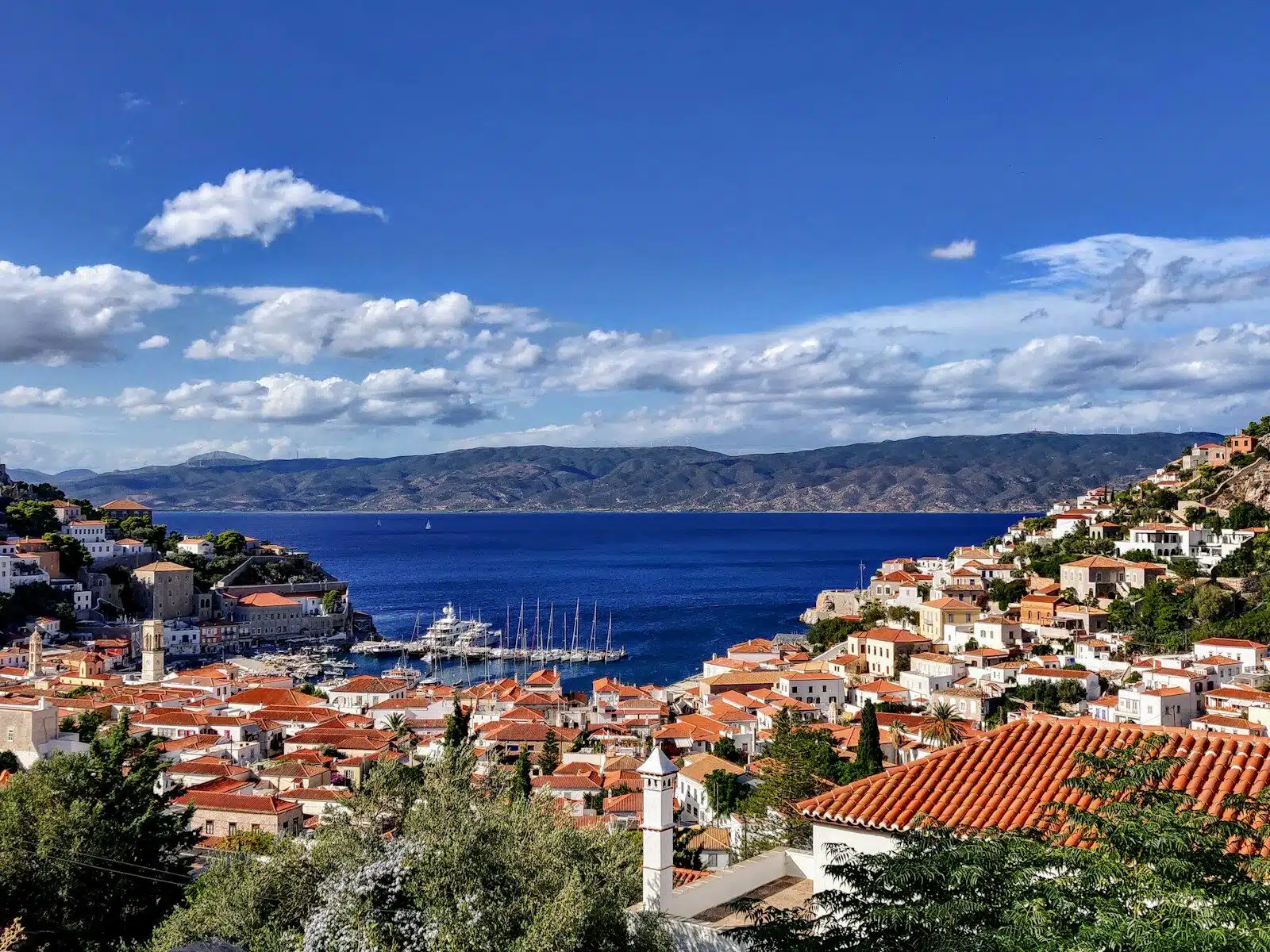
The absence of cars is not an inconvenience. Without asphalt or engines, the island’s scale remains human. Cobbled lanes climb steeply from the harbor into a network of stone staircases and shaded passages. Conversations carry. Church bells sound clear. The rhythm of daily life unfolds at walking pace.
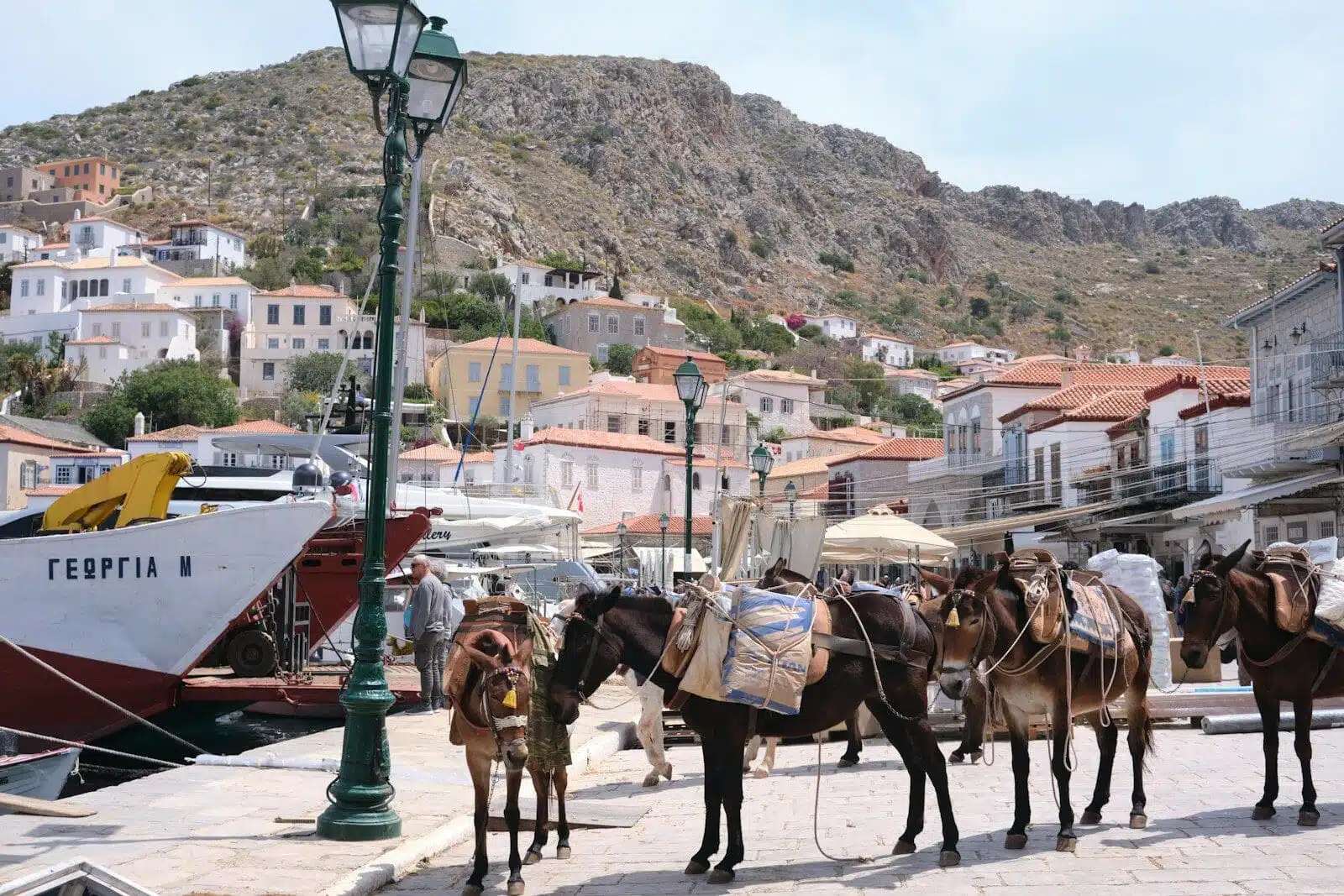
Transport is limited to three options: foot, water taxi, or donkey. Each reinforces the island’s character. Water taxis skim along the rugged coastline to reach hidden coves. Donkeys, patient and sure-footed, navigate narrow alleys that have not changed in centuries.
The Architecture of Wealth and Restraint
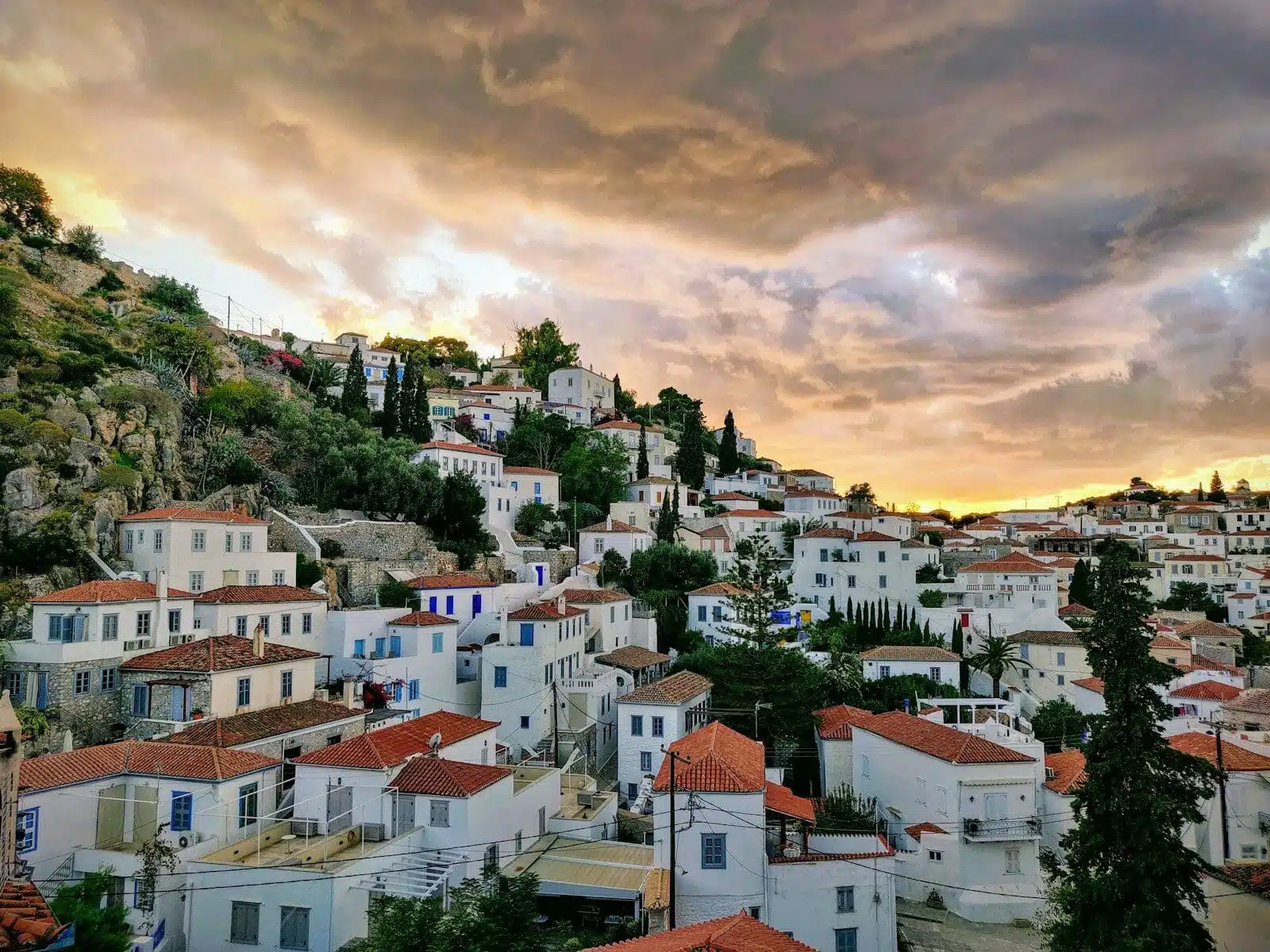
Hydra’s harbor is often described as one of the most beautiful in Greece, and the reason lies in proportion. During the 18th and early 19th centuries, Hydra’s shipowners grew wealthy through maritime trade. They built imposing stone mansions that still encircle the port today, each positioned with confidence above the sea. Thick walls, small windows, defensive design. These were homes shaped by commerce and naval ambition.
The effect is cohesive rather than ornate. There are no sprawling resorts interrupting the line of sight. Strict preservation laws protect the island’s architectural integrity. Renovations must respect the original materials and scale.
As a result, Hydra feels intact. The harbor functions as both social and aesthetic center. Cafés and galleries spill onto the waterfront. Locals gather in the early evening. Visiting yachts moor close enough that conversations drift across decks. It is a rare example of a place where heritage is not curated for tourism. It simply endures.
An Artistic Legacy
Hydra’s clarity of light and isolation from mainland distraction have long attracted artists. In the 1960s, a young Leonard Cohen settled here, purchasing a house above the harbor. The island shaped his early work, its spare beauty reflected in the tone of his writing and music. He was not alone. Painters, poets, and writers gravitated toward Hydra, drawn by its simplicity and quiet intensity.
The DESTE Foundation Project Space occupies a converted slaughterhouse on the island’s edge, a stark industrial building reimagined as a contemporary art venue. Each summer, it hosts ambitious exhibitions that bring international artists into dialogue with Hydra’s austere landscape. The contrast is deliberate. Contemporary installations sit against raw stone and open sea. Visitors walk out onto terraces where art meets horizon.
The Beauty of Rough Edges
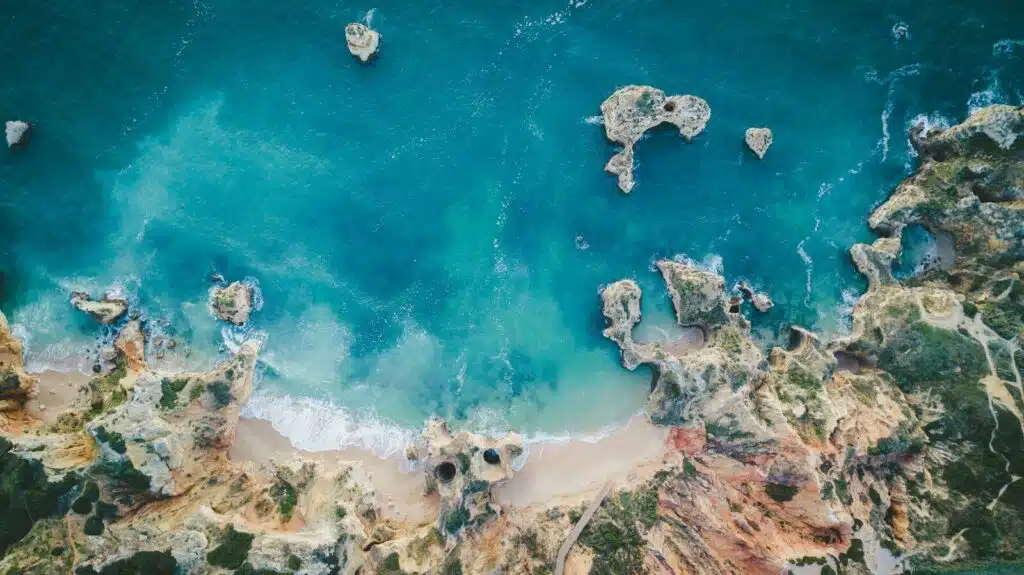
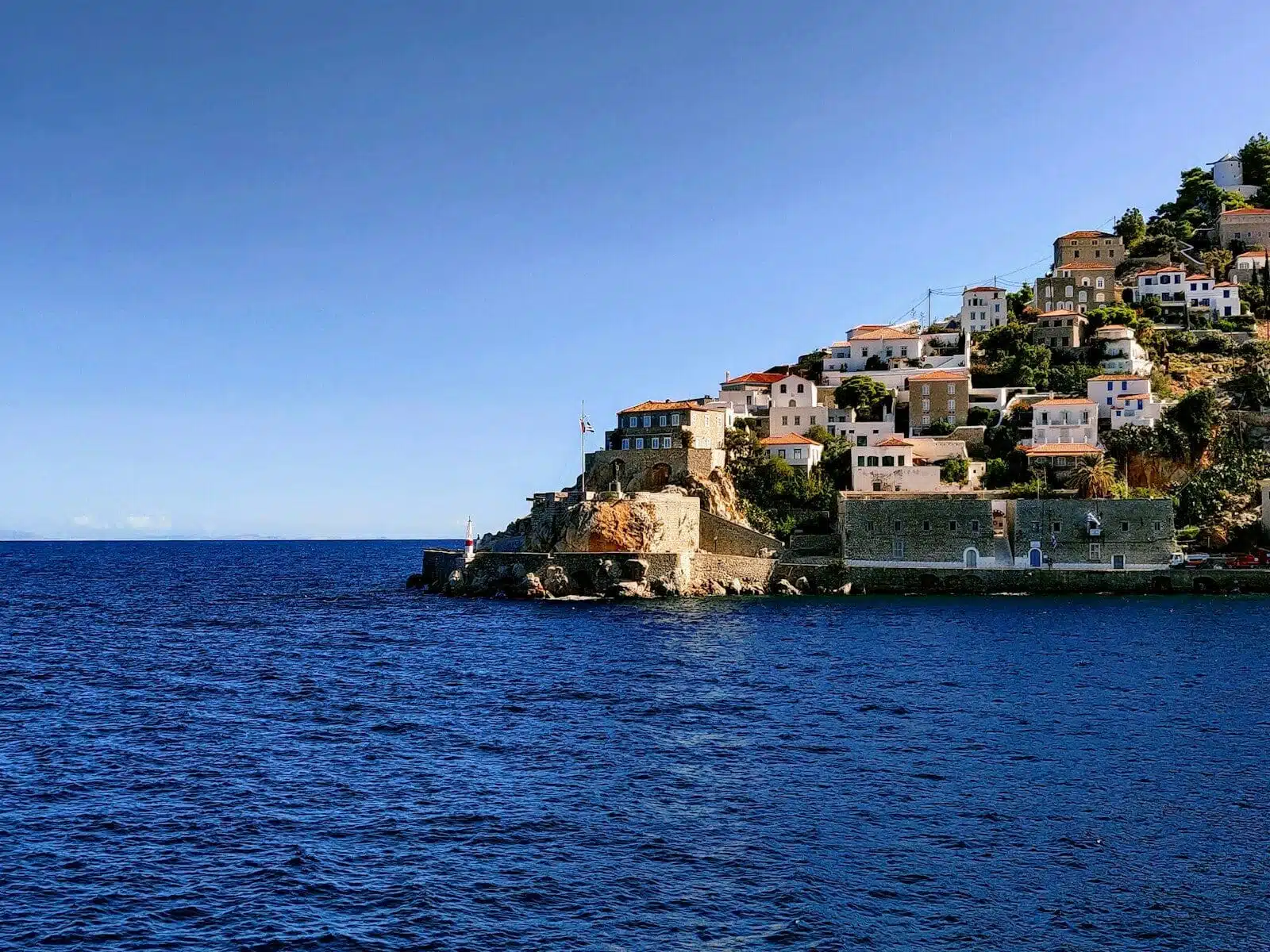
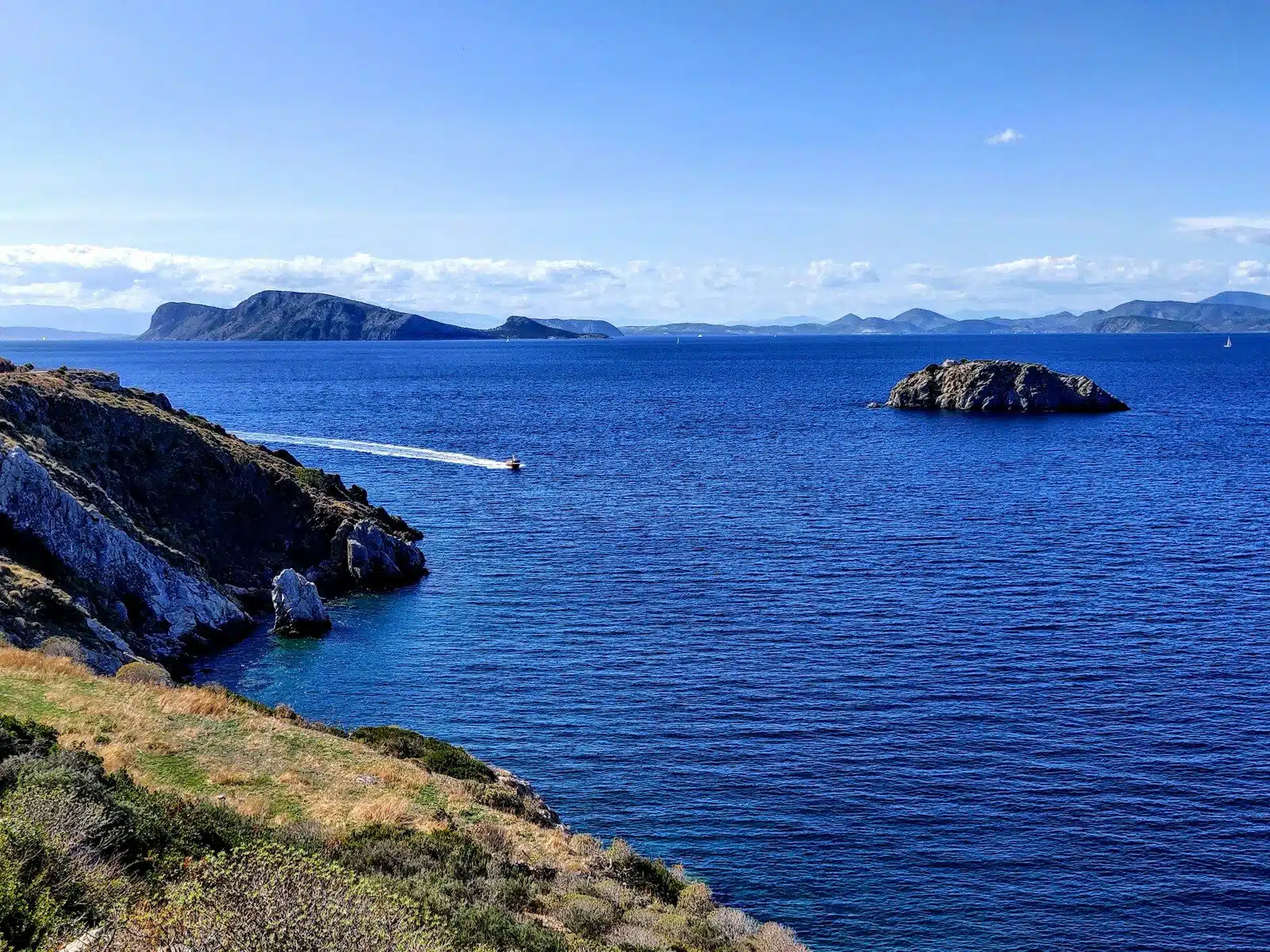
Unlike other Greek islands, Hydra does not compete on beaches. There are no long stretches of sand lined with loungers. The coastline is rugged, composed of rock and shingle. Swim platforms carved into stone lead directly into clear, deep water. Coves feel elemental. For some travelers, this is precisely the appeal.
Without sandy expanses to anchor resort development, Hydra has avoided the mass tourism that reshaped parts of the Cyclades. Hotels remain small. Private houses dominate the hillsides. Even in high season, the island rarely feels overwhelmed. Days revolve around simple pleasures. A morning swim in a stony cove reached by water taxi. A late lunch overlooking the harbor. An afternoon spent wandering galleries or reading on a shaded terrace. Luxury here is aesthetic rather than excessive. It lies in proportion, texture, and silence.
Why It Changes Everything
In most destinations, silence is a rarity. On Hydra, it is constant. Without cars, there is no background hum. Even at the height of summer, evenings settle into a softness rarely found elsewhere. Footsteps on stone replace tires on pavement. The harbor reflects light without disturbance.
For travelers accustomed to frictionless, high-speed environments, that resistance feels radical. It encourages presence without insisting upon it.
A Different Kind of Escape
At Do Not Disturb, we shape Hydra with foresight. We select properties that honor the island’s architectural integrity while offering comfort and space. We arrange transfers that feel seamless, coordinate dining reservations that reflect your pace, and connect you with the island’s cultural calendar when exhibitions or performances align with your stay. There are no cars on Hydra because the island chose continuity over convenience.
That choice preserved its scale, its architecture, and its tempo. It protected a harbor that still functions as a social heart rather than a spectacle. It sustained an artistic community that values light and solitude. In a region defined by spectacle and speed, Hydra offers something quieter. You arrive by boat. You walk uphill. You swim in clear water from stone.
Ready to experience Hydra with clarity and calm? Speak with Do Not Disturb to curate your car-free escape in the Saronic Gulf.