
On this page
Beyond the cruise schedules and sunset queues, Santorini reveals a slower, more intimate rhythm to those who know how to find it.
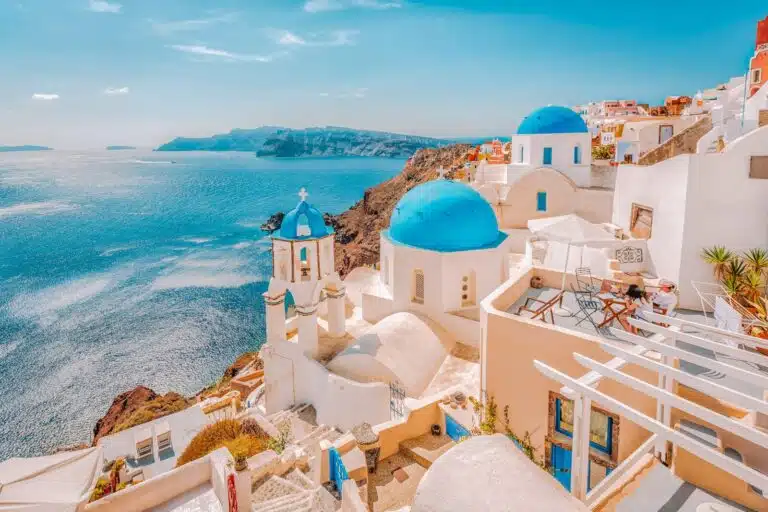
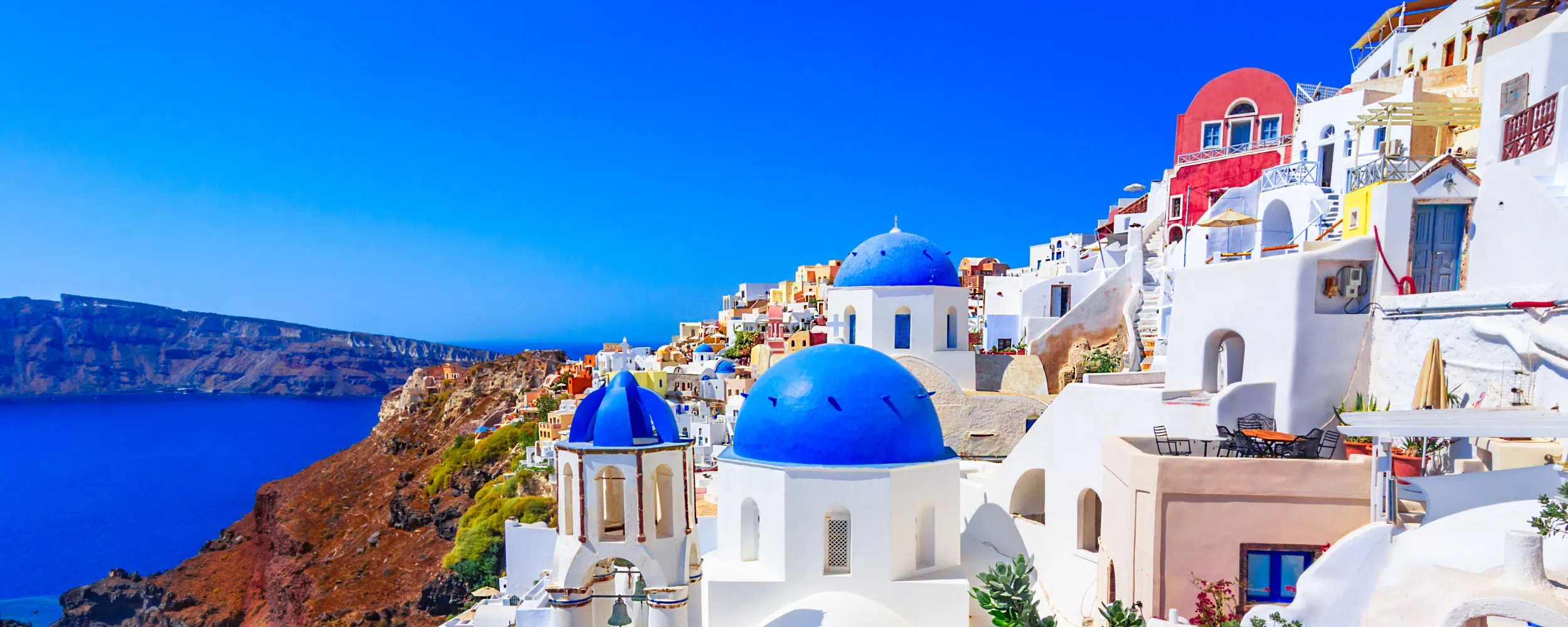
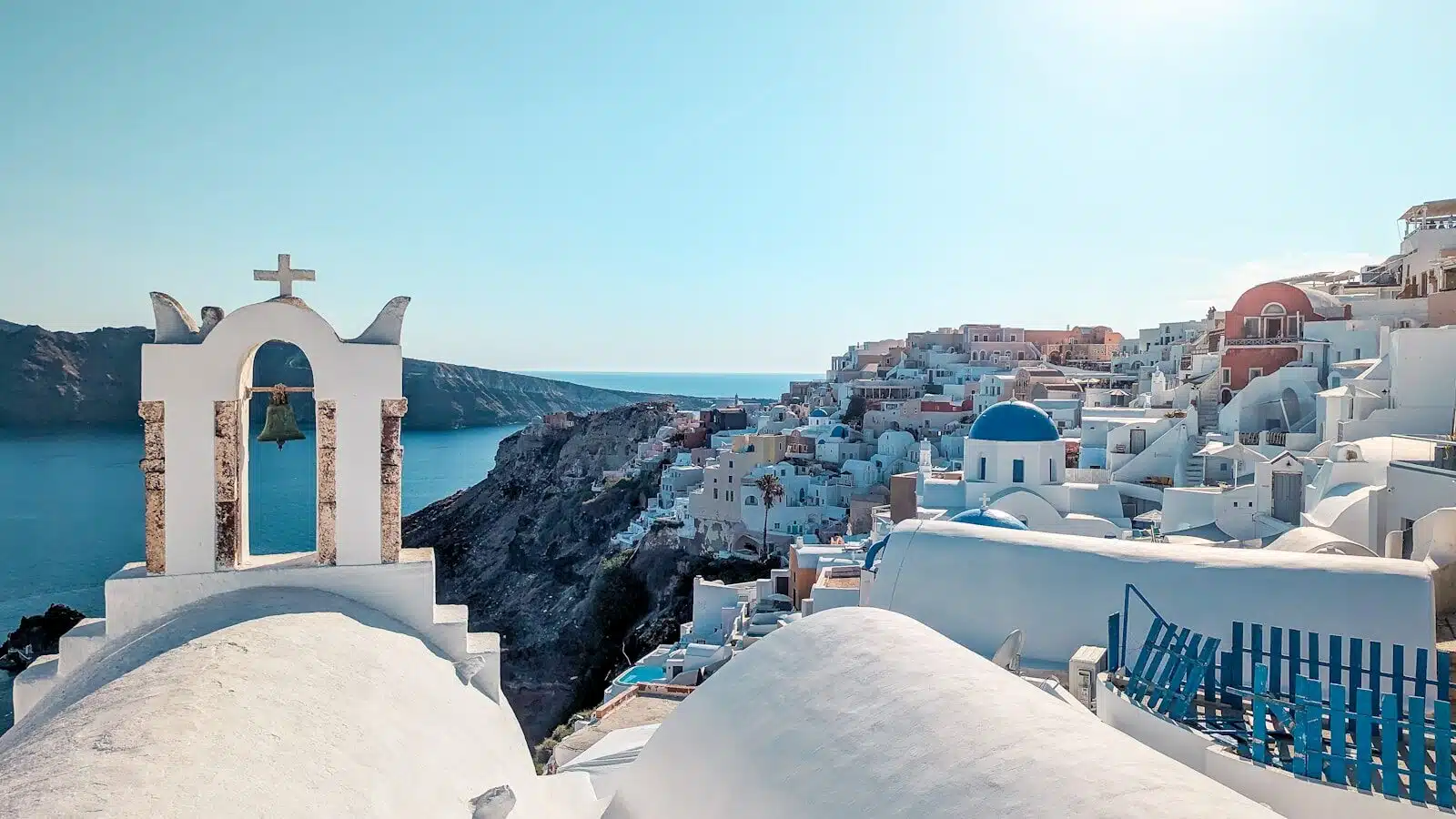
There is a particular light in Santorini just before sunrise. The caldera is washed in pale rose and silver, the sea still, the whitewashed houses holding the night’s coolness in their walls. For a brief window, the island feels almost private.
By mid-morning, the tone shifts. Cruise ships anchor offshore. Coaches unload in Fira. Oia’s narrow lanes thicken with visitors searching for the same view, the same photograph, the same moment.
The question is not whether Santorini is crowded. In high season, it is. The real question is whether it can still feel personal. The answer is yes, but only if you approach it differently.
Understand the Island's Rhythm
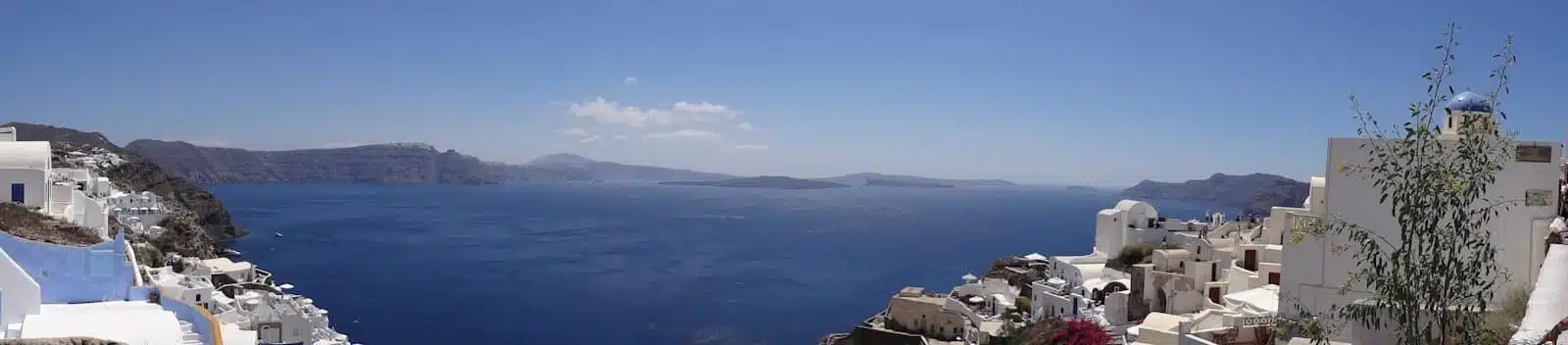
Santorini’s congestion follows a pattern. The official cruise schedules dictate the busiest hours, typically between 10:00 a.m. and 5:00 p.m., when thousands of day visitors funnel into Fira and Oia. Restaurants fill quickly, terraces become crowded, and the narrow marble paths slow to a shuffle.
An early start changes the experience. Walking the caldera path from Imerovigli to Fira at 7:00 a.m., you pass only the occasional runner or café owner setting out chairs. All you can hear is church bells. The scent of bougainvillea lingers in the cool air. By the time the first tour groups arrive, you are already elsewhere, perhaps back at your hotel for breakfast overlooking the sea.
Evenings offer a similar opportunity. After sunset, when cruise passengers return to their ships, the streets regain a sense of ease. Reservations at the right restaurants ensure you are not navigating long waits or crowded terraces.
Choose Your Base Carefully
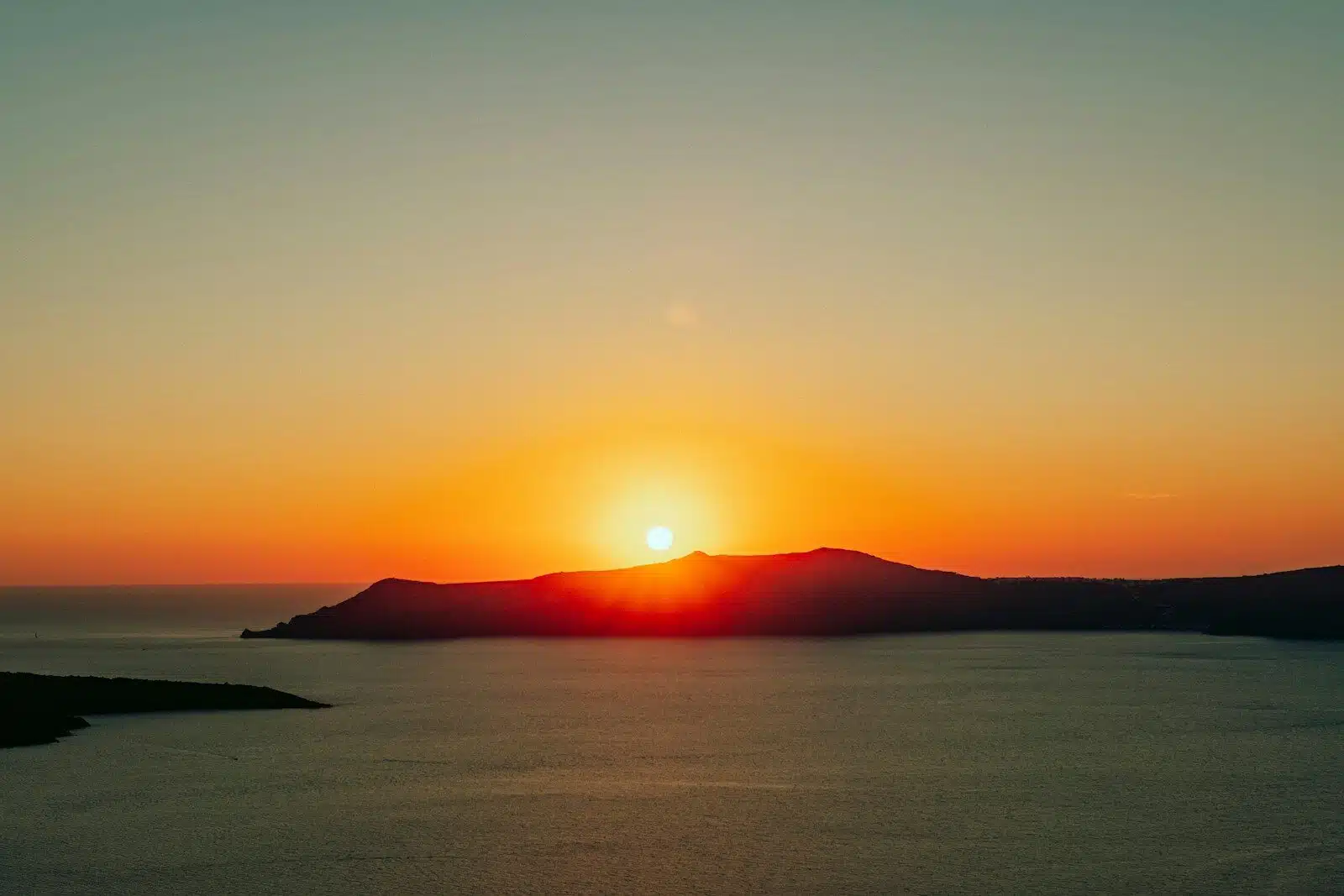
Oia remains the island’s most photographed village. Its sunset views are undeniable, but so are the crowds. Fira, as the island’s commercial center, offers energy but little respite during peak hours.
Imerovigli offers something different. Known as the Balcony of the Aegean, it sits along the caldera ridge between Fira and Oia, with uninterrupted views across the volcanic basin. Crucially, it lacks the dense retail streets and cruise group concentration of its neighbors. The atmosphere is quieter, and the feel is very relaxing.
A thoughtfully chosen hotel here provides the same cinematic perspective without the constant foot traffic. Private terraces, plunge pools carved into the cliff, breakfasts served without rush. You retain access to the iconic views while stepping away from the intensity.
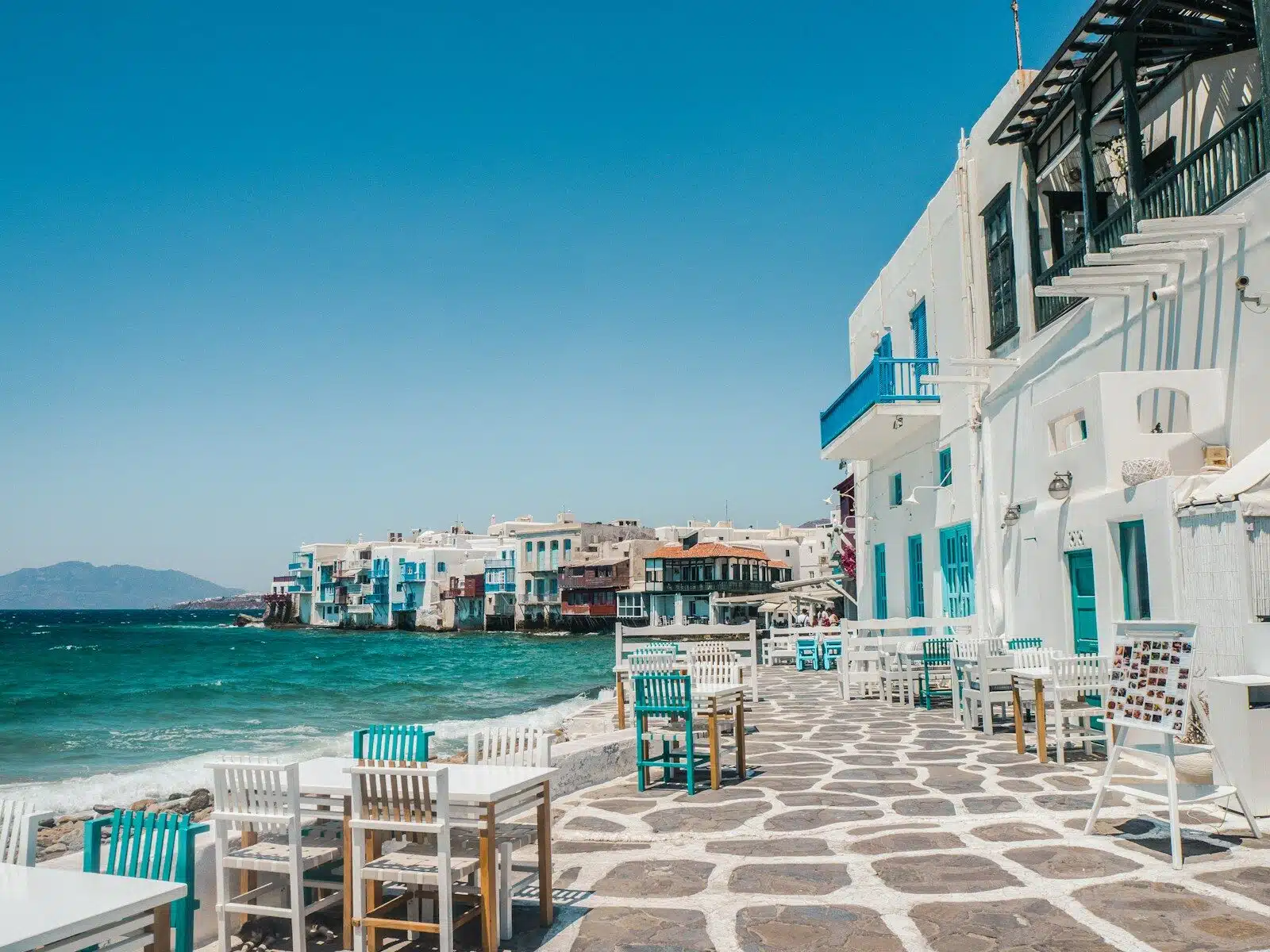
For travelers who prefer complete separation from the caldera circuit, the island’s southern and eastern coasts offer a different rhythm. Perivolos and Kamari provide long stretches of black sand beach and a more local feel. From here, you can visit the caldera towns on your own terms, then retreat to space and simplicity.
Move Independently
Transport shapes the day. The central bus terminal in Fira becomes congested quickly during high season. Timetables rarely align with a crowd-avoidance strategy, and waiting in line under the midday sun diminishes the sense of escape.
A small rental car or discreet private driver offers more freedom. You move when you choose, pause where you wish, and adjust plans fluidly. The island is compact, yet its narrow roads and winding turns reward familiarity. With the right support, transitions feel easy rather than stressful.
Driving south toward Akrotiri, for example, reveals a different Santorini. The prehistoric ruins offer insight into the island’s Minoan past, and the adjacent Red Beach, visited early or late, feels striking rather than crowded. Inland, the road to Pyrgos climbs gently through vineyards and whitewashed houses, far removed from the caldera’s busiest stretches.
Look Beyond the Cliffside
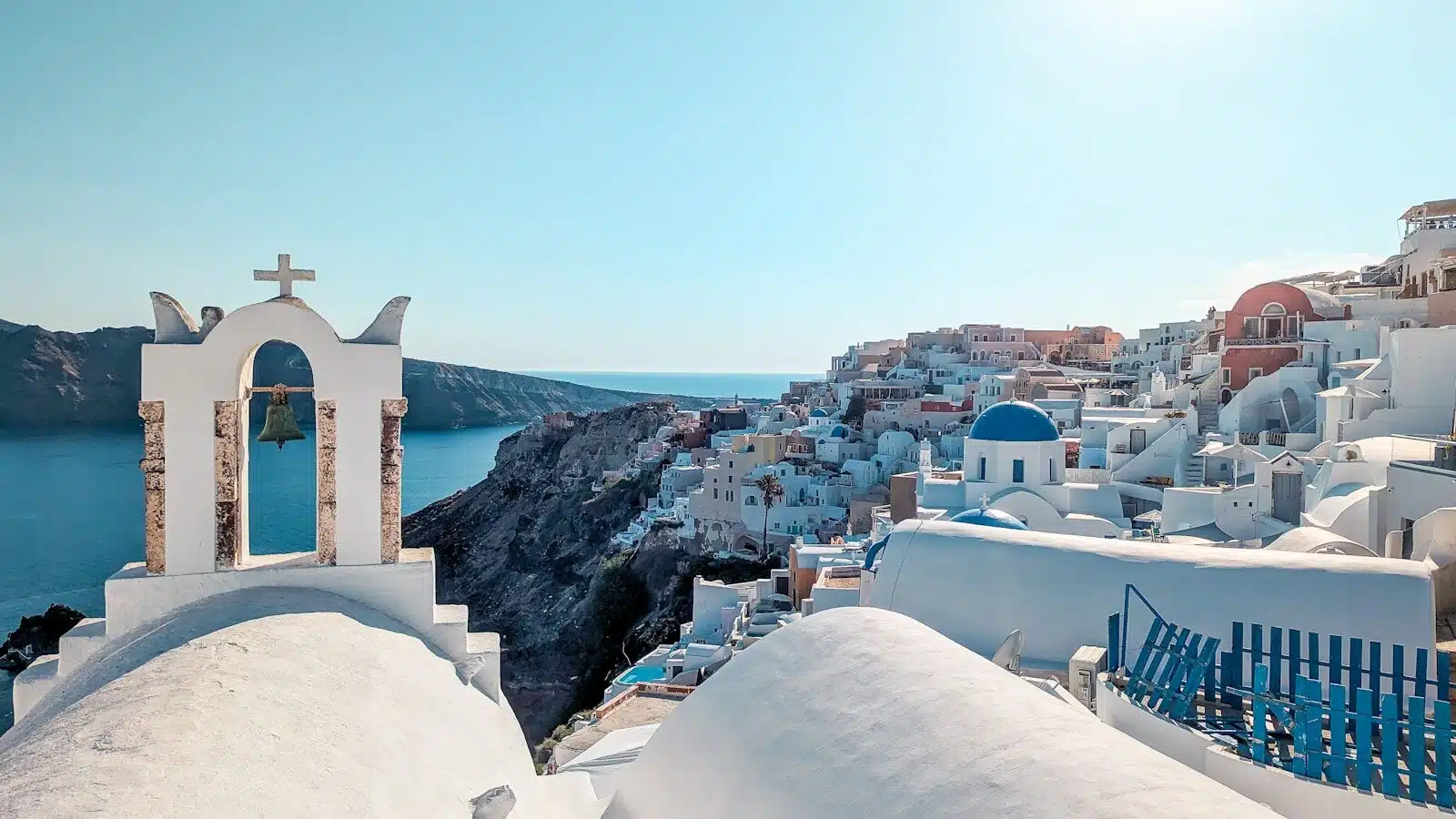
Santorini’s global image rests on its caldera. Yet the island’s interior holds much of its authenticity. Pyrgos sits at the island’s highest point, a medieval village wrapped around a Venetian castle. Its alleys are narrow and winding, built for shade and defense centuries ago. Blue-domed chapels appear unexpectedly at corners. From the top, the entire island unfolds in a quiet panorama.
Megalochori offers another layer. Vine-covered courtyards, bell towers, and traditional cave houses define its character. Cafés open onto small squares where conversation flows more naturally than cameras click. Spending an afternoon in these villages reframes Santorini. You begin to understand it as a community and culture far better.
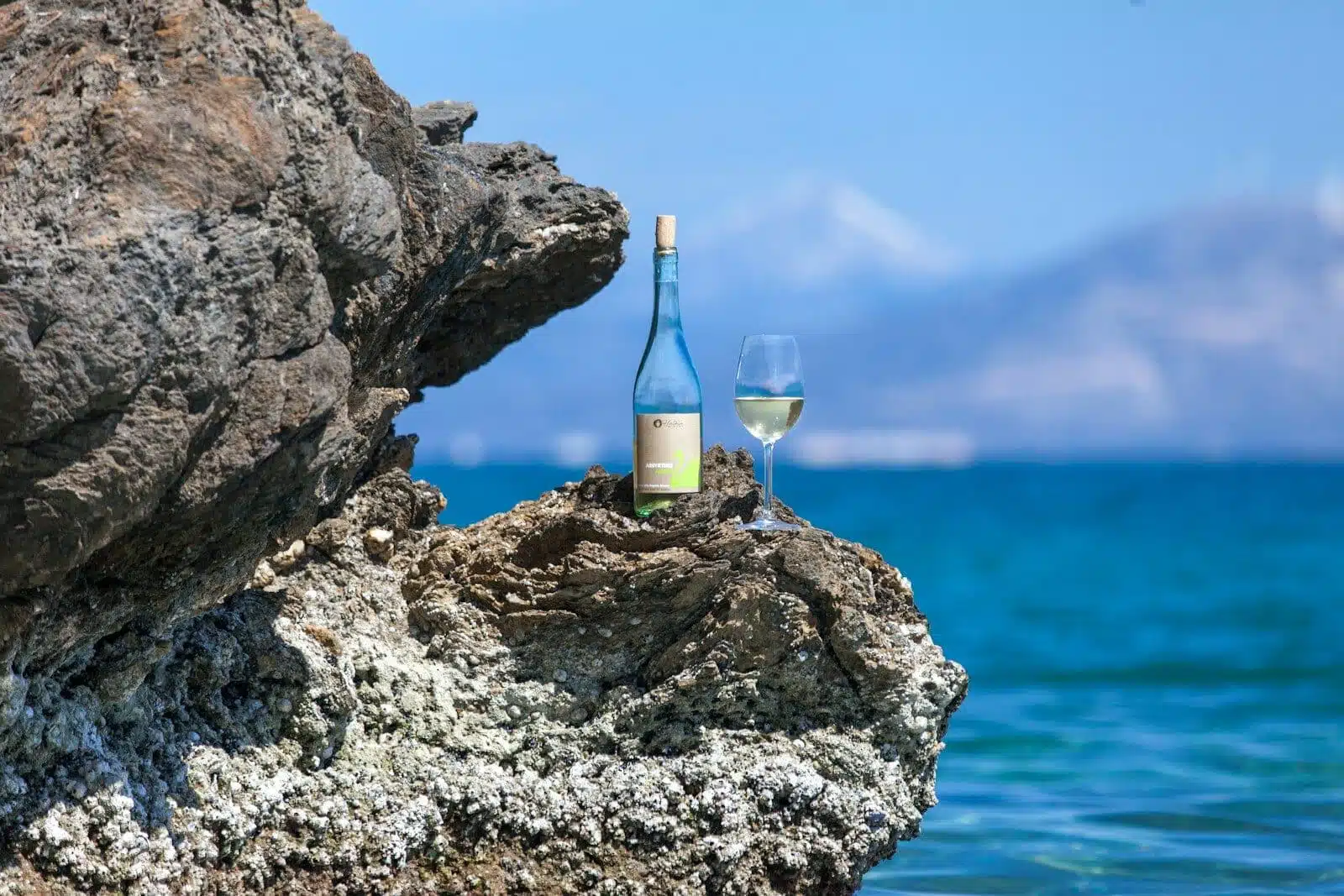
The island’s wine culture also rewards deeper understanding and exploration. Indigenous grape varieties such as Assyrtiko thrive in volcanic soil, trained low to the ground in basket shapes to protect against wind. Private tastings at smaller estates provide context and calm, far removed from the larger, busier tasting rooms.
Cross the Water
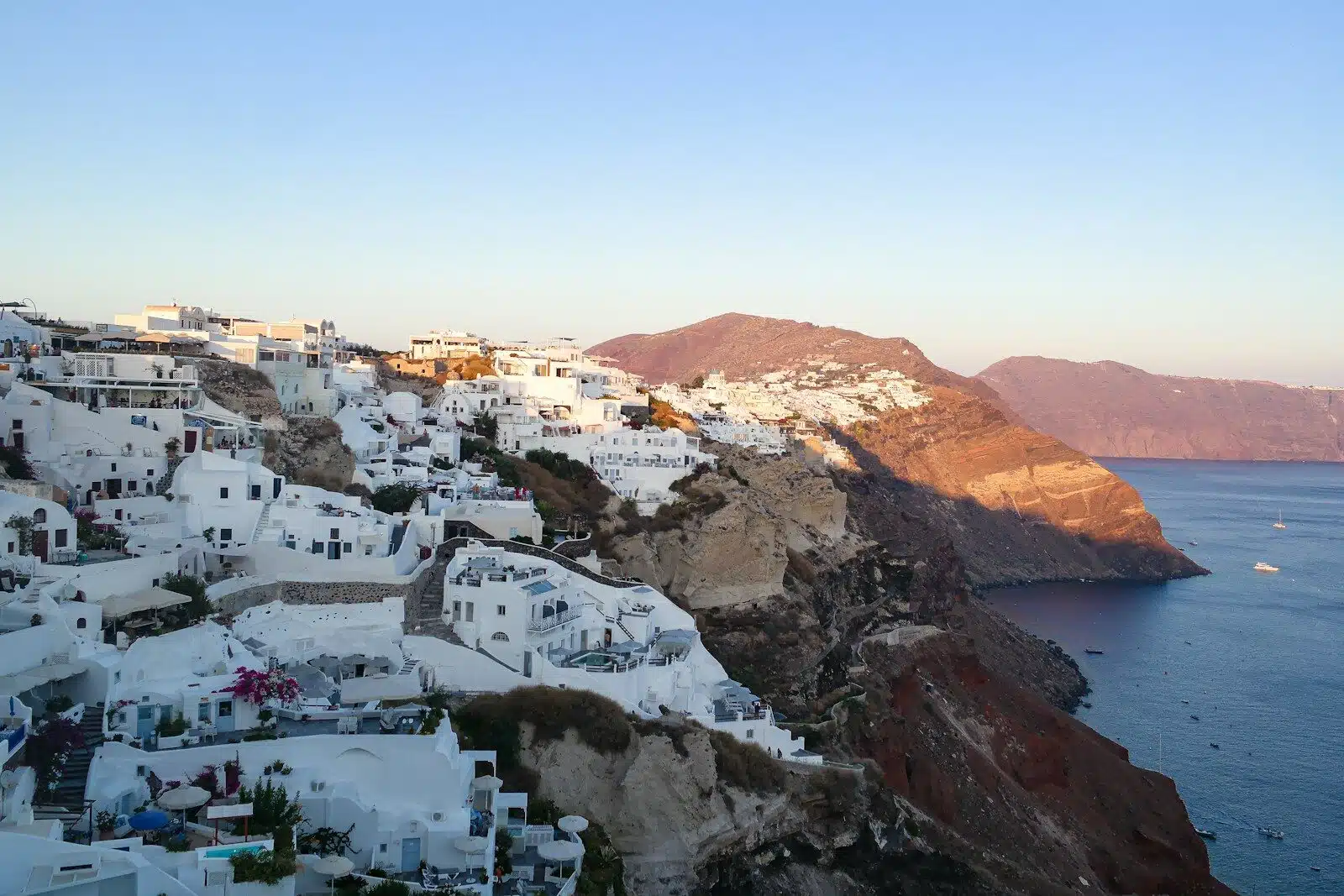
For a complete shift in perspective, take the short ferry from Ammoudi Bay to Thirassia. The crossing lasts minutes, but the atmosphere changes immediately. Thirassia faces Santorini across the caldera yet feels almost untouched. White houses dot the hillside. Donkeys still climb narrow paths between harbor and village. From a simple taverna terrace, you look back at Santorini’s famous cliffs, now distant and serene. The view is the same one cruise passengers photograph, but from the opposite side, without the crowd.
Timing Is Everything
A crowd-free Santorini is not about visiting in winter, though the island from November to March carries its own stark beauty. It is about mastering timing within any season.
May, early June, and late September to October provide the most reliable balance of warm weather and manageable visitor numbers. July and August are busier, but even then, the island offers moments of stillness for those who know when and where to look.
Dinner reservations set after 8:30 p.m., private boat charters departing early in the morning, guided walks scheduled at first light. These decisions transform the experience.
How Do Not Disturb Makes It Seamless
Santorini rewards knowledge and punishes assumption. Without careful planning, even the most beautiful hotel can feel exposed to noise and foot traffic. The right villa, positioned discreetly, restores privacy. The right transfer prevents you from ever standing in a queue.
At Do Not Disturb, we design Santorini with intention. We secure rooms with genuine seclusion, arrange private transfers that bypass bottlenecks, and schedule experiences around cruise arrivals rather than against them. Wine tastings, sailing charters, and restaurant reservations are timed with precision.
You simply wake, step onto your terrace, and let the island unfold at its quietest.