
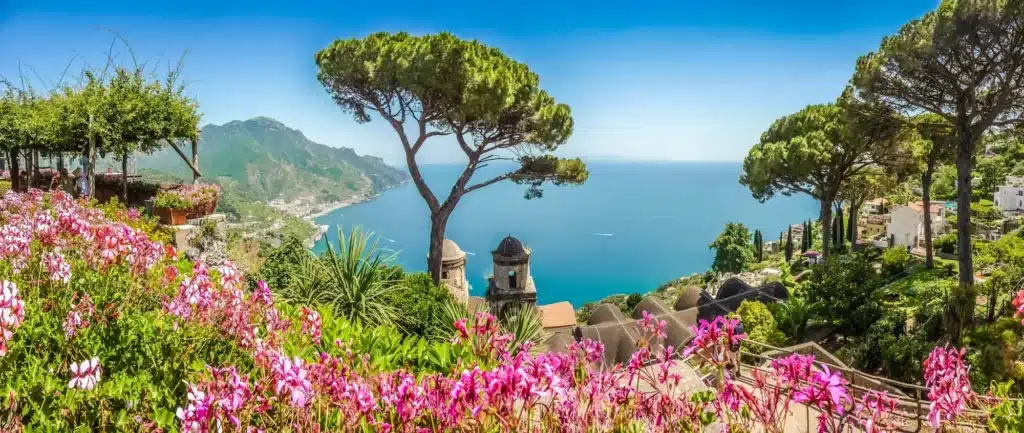
Florence does not perform romance; it simply exists in a state of it. Romance is layered into every palazzo facade, every candlelit trattoria, every view that opens without warning above the rooftops. For couples who travel with intention, Florence poses the ideal Italian honeymoon destination.
Where to Stay: Boutique Hotels Built for Two
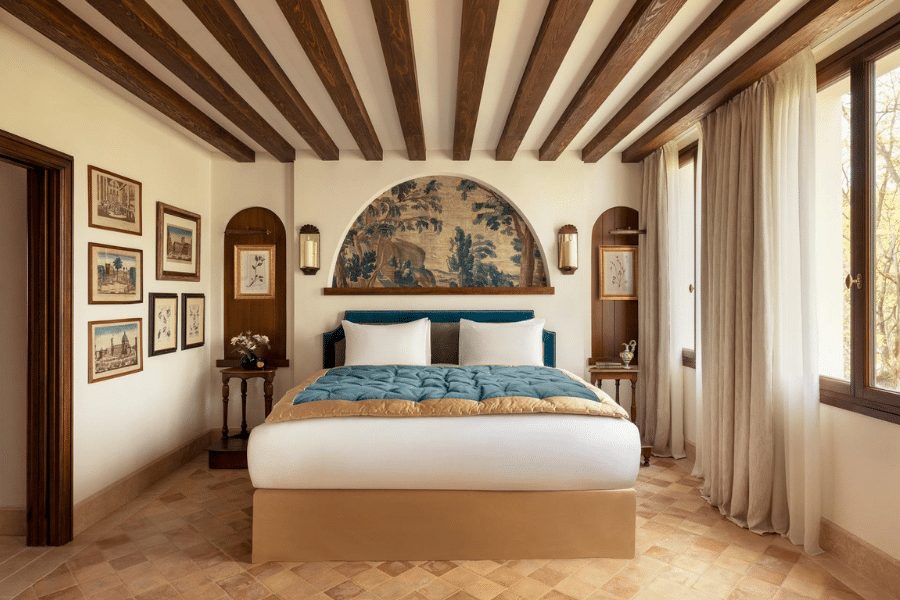
Florence’s most considered boutique hotels occupy historic buildings within the centro storico, placing guests within walking distance of the city’s principal sites without the scale or anonymity of larger properties. For a romantic stay, this proximity matters: the rhythm of the city becomes part of the stay itself, rather than something accessed by transfer.
Smaller properties in Florence tend to operate with higher staff-to-guest ratios, which translates directly into more attentive, less transactional service. This discretion is particularly relevant for honeymoons or anniversary travel, where the quality of attention shapes the experience as much as the room itself.
The most sought-after options in this category are not widely marketed and are not straightforward to access independently. Many maintain long-standing relationships with specialist travel advisors, and availability at the right room category is rarely guaranteed without prior connection. The difference between a well-located room and the right room, in a city this dense with options, is largely a matter of how the stay is arranged.
About Do Not Disturb
Do Not Disturb is a luxury travel company specializing in carefully designed journeys and considered experiences. Each itinerary we build for our clients is informed by real destination knowledge, offering insight into places, cultures, and moments that shape how a trip comes together.
If this destination has sparked ideas, the itinerary can be developed into a private journey tailored to your interests and travel style, with hand-picked stays, thoughtful routing, and experiences curated around what matters most to you.
Private Art, Without the Crowd
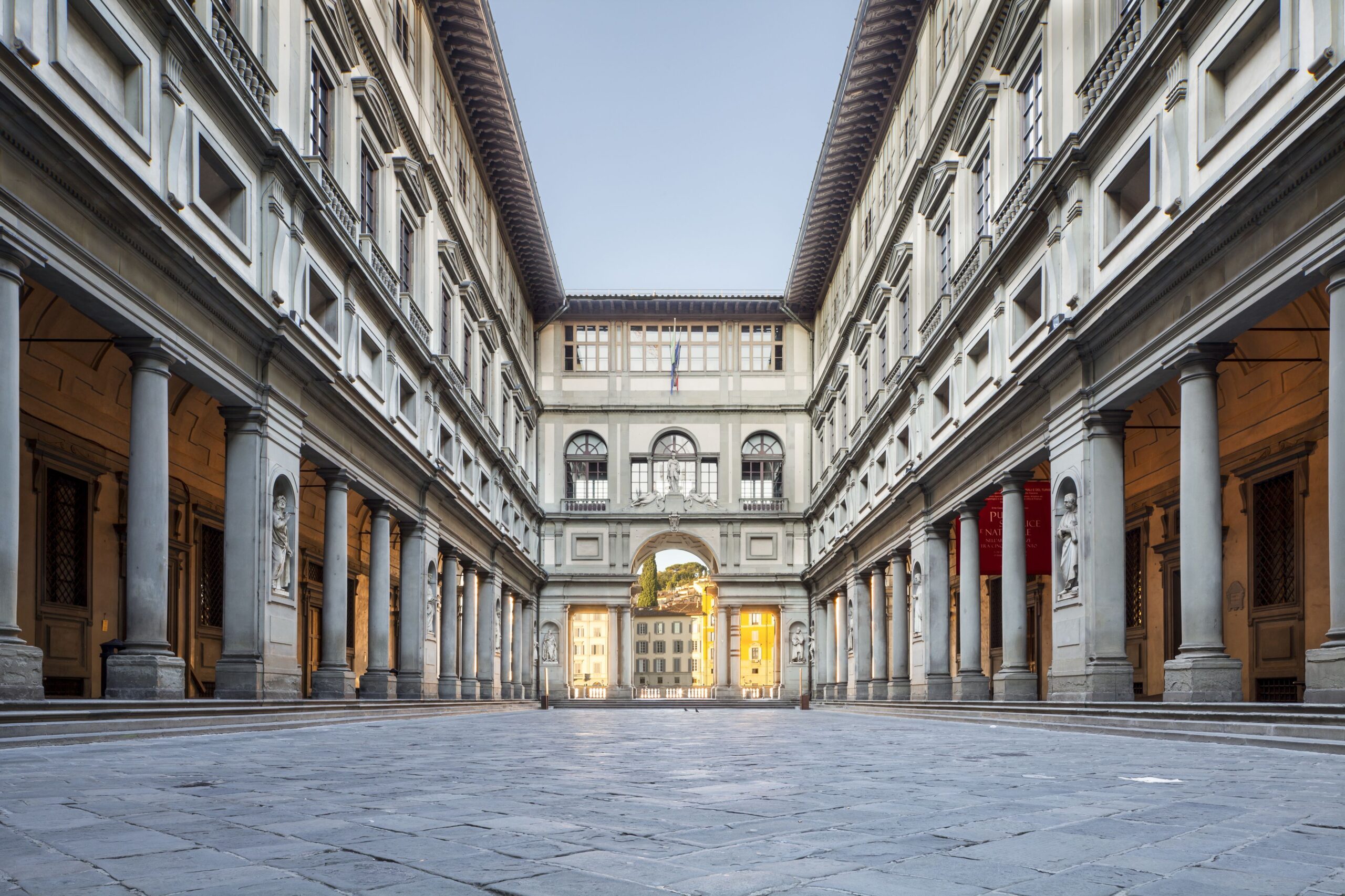
Florence’s public galleries are among the most visited in Europe. The Uffizi holds the world’s most significant collection of Italian Renaissance painting; the Accademia contains Michelangelo’s David alongside a largely overlooked collection of musical instruments and unfinished sculptures. In standard conditions, neither permits the kind of attention the work demands.
Early-entry and after-hours access exist for both institutions, as do private guided visits structured around a couple’s specific interests rather than a general itinerary. These arrangements require local coordination and are not available through standard ticketing channels.
Beyond the major institutions, Florence has a number of private collections housed in historic palazzi, some still family-owned, that receive visitors by appointment only. Access to these is relationship-dependent and varies by collection. For couples who want engagement with the art rather than proximity to it, this tier of access is where Florence’s cultural depth becomes genuinely apparent.
The Gardens That Ask You to Slow Down
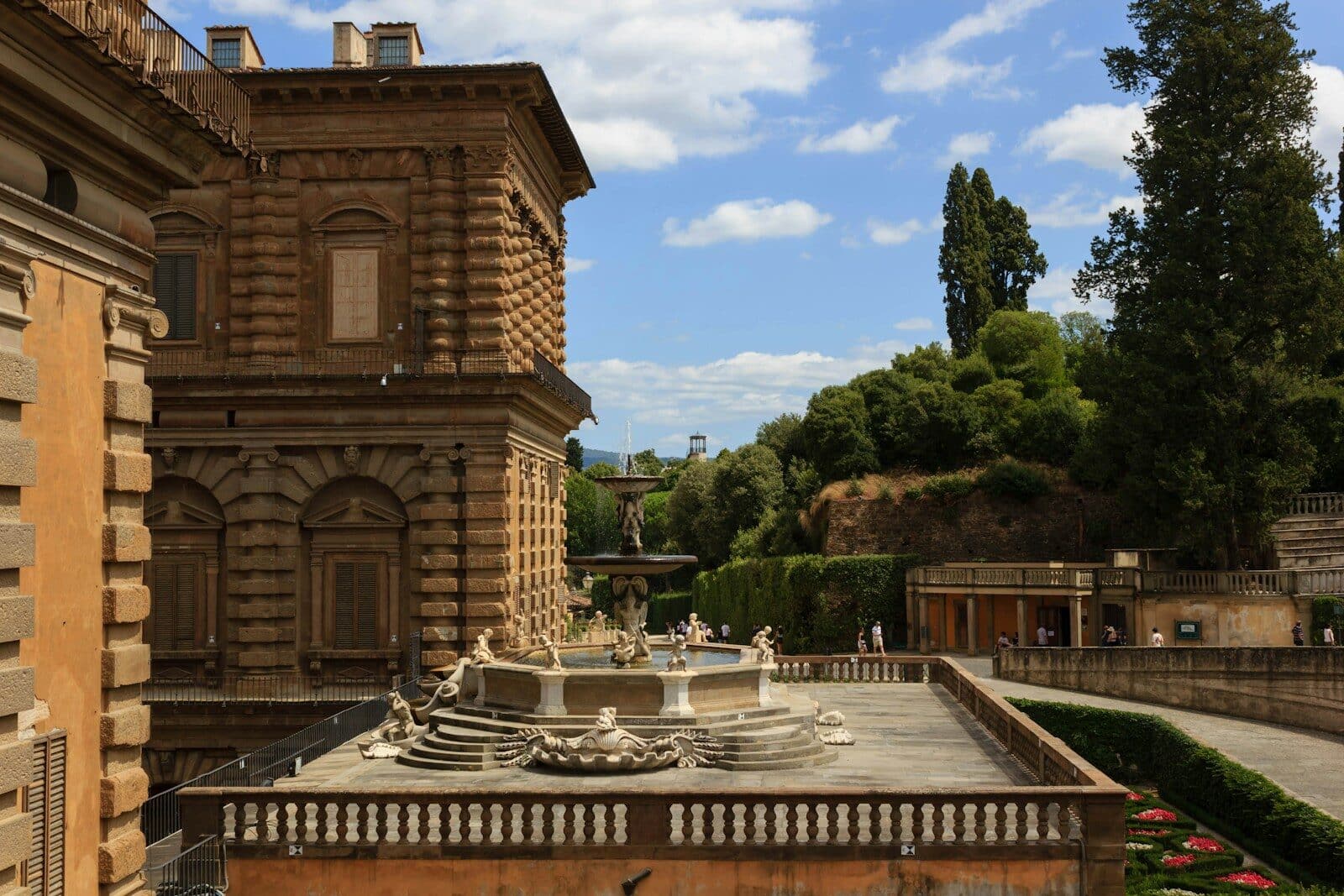
Florence’s historic gardens are not incidental to the city’s cultural offer. They are designed spaces with clear architectural intention, built to provide structured retreat from urban density. Boboli, behind the Pitti Palace, is the most visited and the most formal, organised around a central axis with fountains, grottos, and elevated terracing that frames the city below. Bardini, a short walk east, is smaller and less trafficked, with a wisteria pergola and views across to San Miniato al Monte that justify the climb.
Villa Medicea di Castello, located north of the centre in the suburb of Castello, is the least visited of the three. A Medici property dating to the fifteenth century, its garden is a rare example of Renaissance design largely intact, structured around symbolic geometry rather than ornament.
All three require time rather than energy. For couples building an itinerary around Florence’s museums and churches, the gardens function as a necessary counterweight, spaces where the pace of the visit can be reset without leaving the city’s historical frame.
Sunset and the City: The Viewpoints Worth Finding
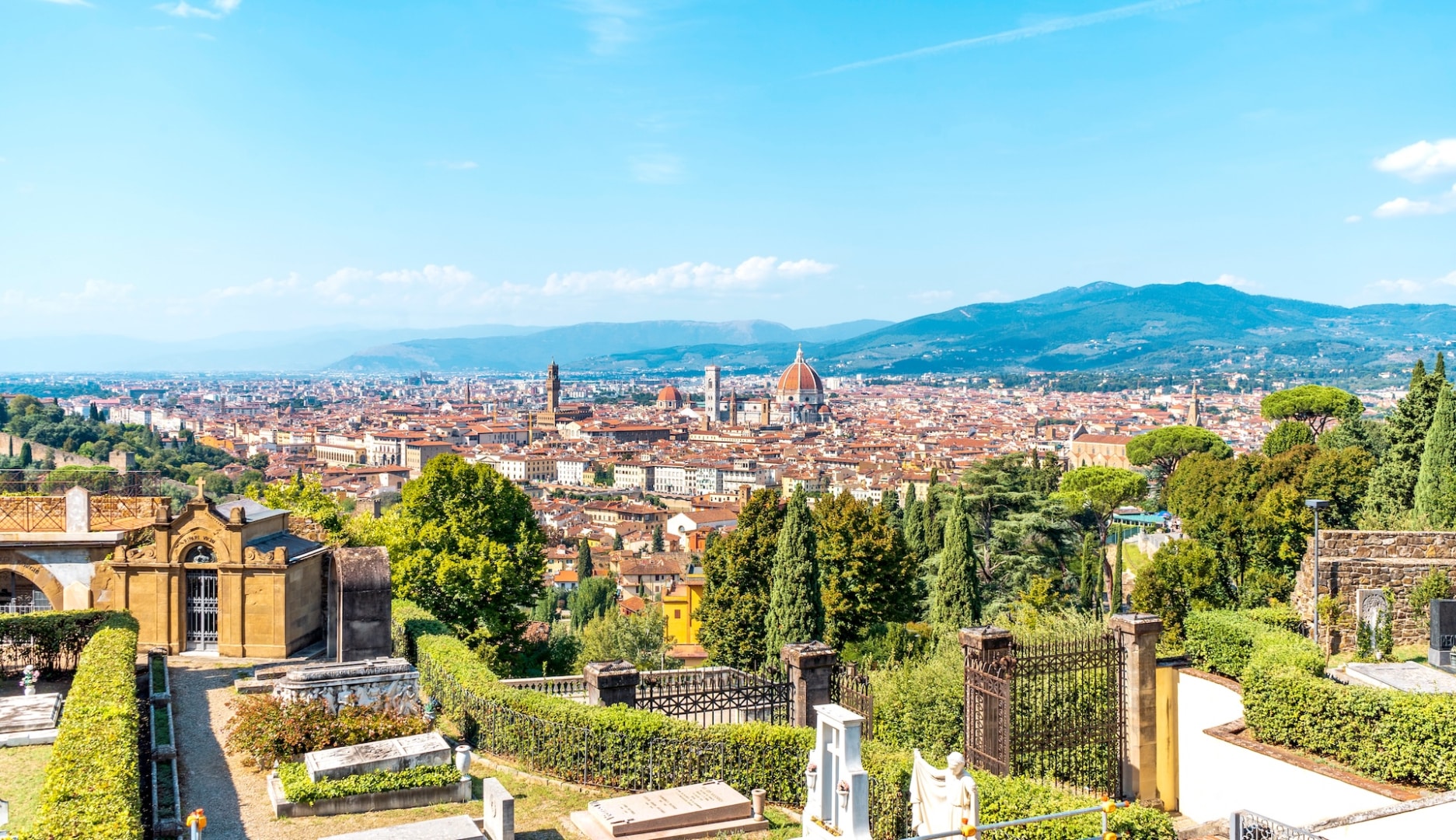
Piazzale Michelangelo is the most visited sunset point in Florence, positioned on the south bank of the Arno with an unobstructed panorama of the historic centre. Its elevation and orientation make it structurally well-suited for late afternoon light, but its popularity means it functions more as a public gathering area than a measured vantage point.
San Miniato al Monte, a short walk uphill from Piazzale Michelangelo, offers a materially different experience. The Romanesque church sits higher and further from the road, with a forecourt that frames the city without the density of the piazzale below. The site closes at dusk, which defines the window available.
For couples who prefer privacy over panorama, select hotel terraces in the Oltrarno and along the northern hillside provide elevated views with controlled access. These positions vary considerably in what they frame and how they are oriented, and the quality of the vantage depends significantly on which property and which terrace is chosen.
Where to Eat: Intimate Restaurants Over Spectacle
The most rewarding dining in Florence tends to happen away from the centro storico. Oltrarno, on the south bank of the Arno, holds a concentration of owner-led trattorias where menus are short, ingredients are sourced locally, and tables are few. These are not destination restaurants in the conventional sense; their value lies in consistency and proportion rather than profile.
Wine-forward osterie offer a different structure. Several operate as hybrid spaces, part enoteca, part kitchen, where the wine list shapes the menu rather than the reverse. Pairing is taken seriously, and the format suits couples who want to eat well without committing to a long tasting menu.
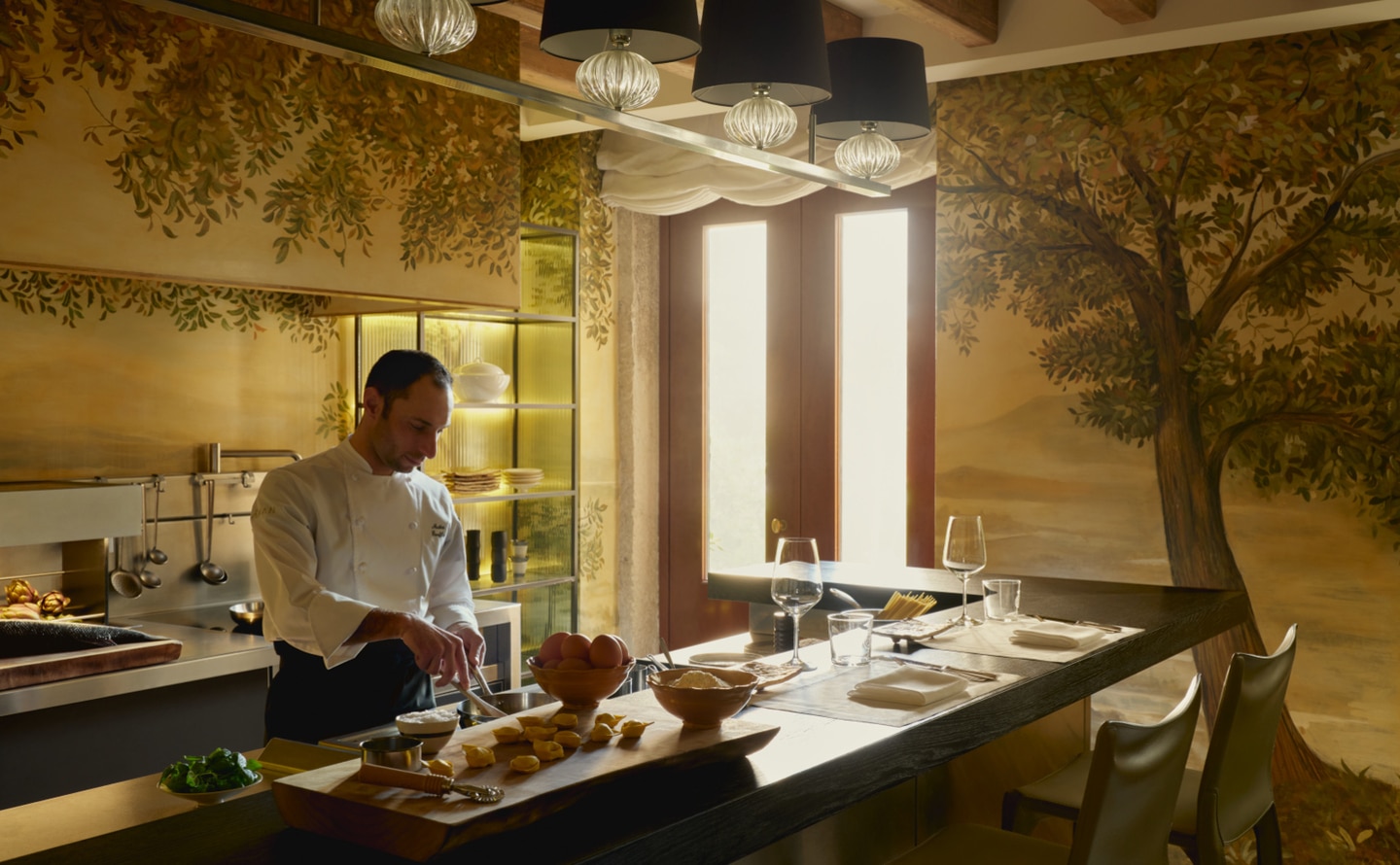
For a more private arrangement, a chef dinner held within a rented palazzo is a legitimate option in Florence, given the city’s density of historic private properties available for short-term use. The quality of this kind of experience depends entirely on the sourcing of both the property and the kitchen, which is not straightforward to coordinate independently.
The Slow Cultural Moments That Define a Florence Honeymoon
The best part of a Florence itinerary is often what is left unscheduled. The Mercato di Sant’Ambrogio, smaller and less visited than the Centrale, offers a more accurate picture of daily Florentine life. A morning spent there, followed by time in one of the city’s independent bookshops along Via dei Servi or around Piazza della Repubblica, gives the day a different kind of structure, one built around the city rather than its monuments.
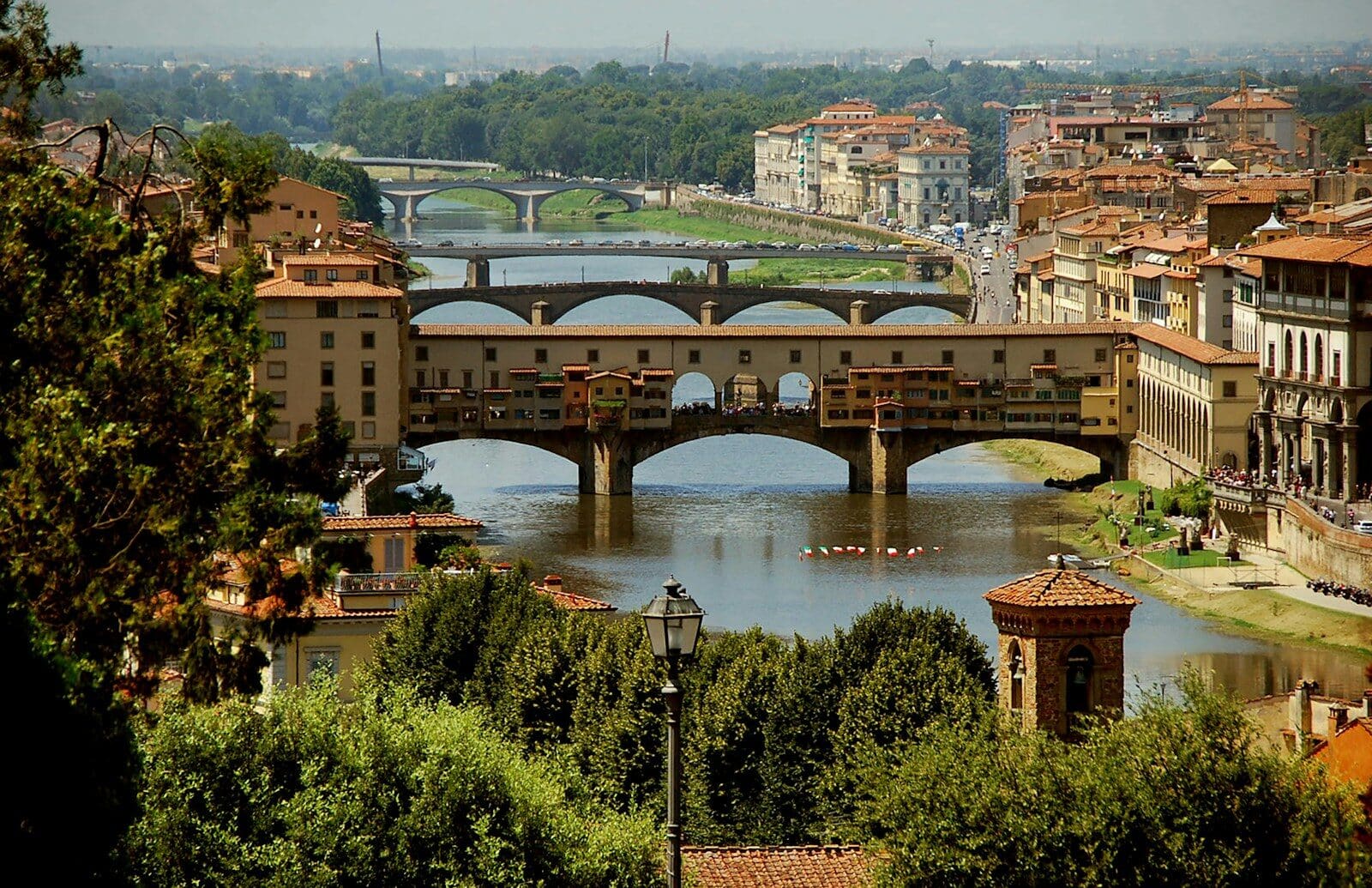
The Ponte Vecchio is best understood early, before the jewelry shops open and foot traffic builds. Its history as a working market bridge, occupied by goldsmiths since the 16th century, is more legible at that hour than at any other.
Florence is the ultimate destination for couples who treat unhurried time as a deliberate choice rather than a gap between activities. The city’s most distinctive quality is its density of detail, and that detail requires time to register properly.
Plan your own version of this journey
Speak to Do Not Disturb’s luxury travel experts and turn this moment into something personal.
Related destinations
Suggested articles
Chianti’s Luxury Villas: Stay Like a Renaissance Noble
Venice for Art Lovers: Palaces, Churches and Private Views
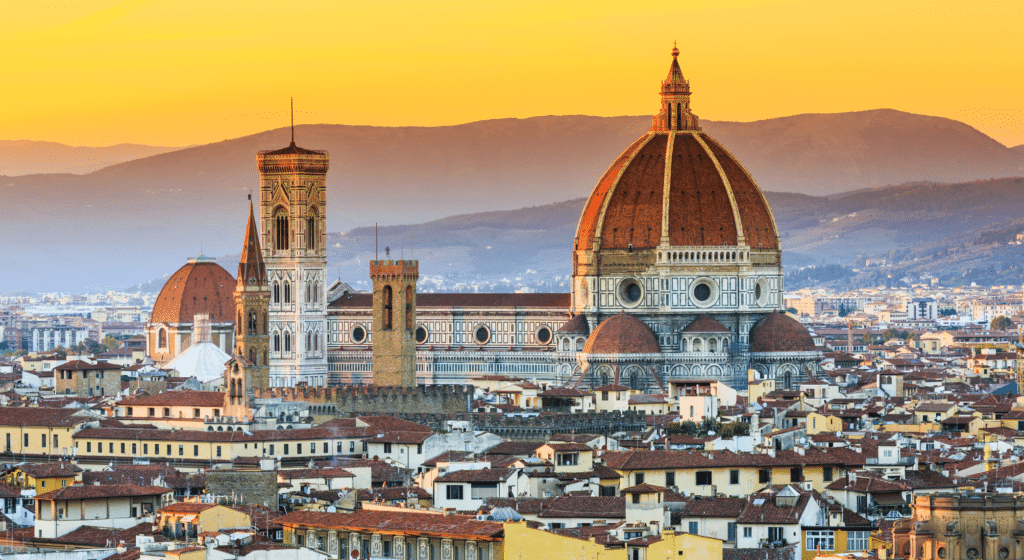
Experiencing Florence Without the Crowds
Lake Como vs Lake Garda: Which Italian Lake Is Right for You?
Venice Without the Crowds: Is It Possible?
Sardinia vs Sicily: Which Italian Island Is Right for You?
Portofino and the Italian Riviera: Italy’s Most Stylish Coastline
Beyond Rome: Italy’s Most Beautiful Cities
Beyond Amalfi: Contrasting Sorrento and Ravello
Positano vs Ravello: Where to Stay on the Amalfi Coast
The Amalfi Coast Without the Crowds: Is It Possible?
Can You Visit Rome Without the Crowds? The Honest Answer
The Caravaggio Churches of Rome: An Insider’s Guide