
The Amalfi Coast offers no shortage of places to spend money well, but Positano and Ravello represent two fundamentally different arguments for how a luxury trip here should feel. Choosing between them is less a matter of preference and more a question of what kind of traveller you actually are.
Two Coasts, One Coastline
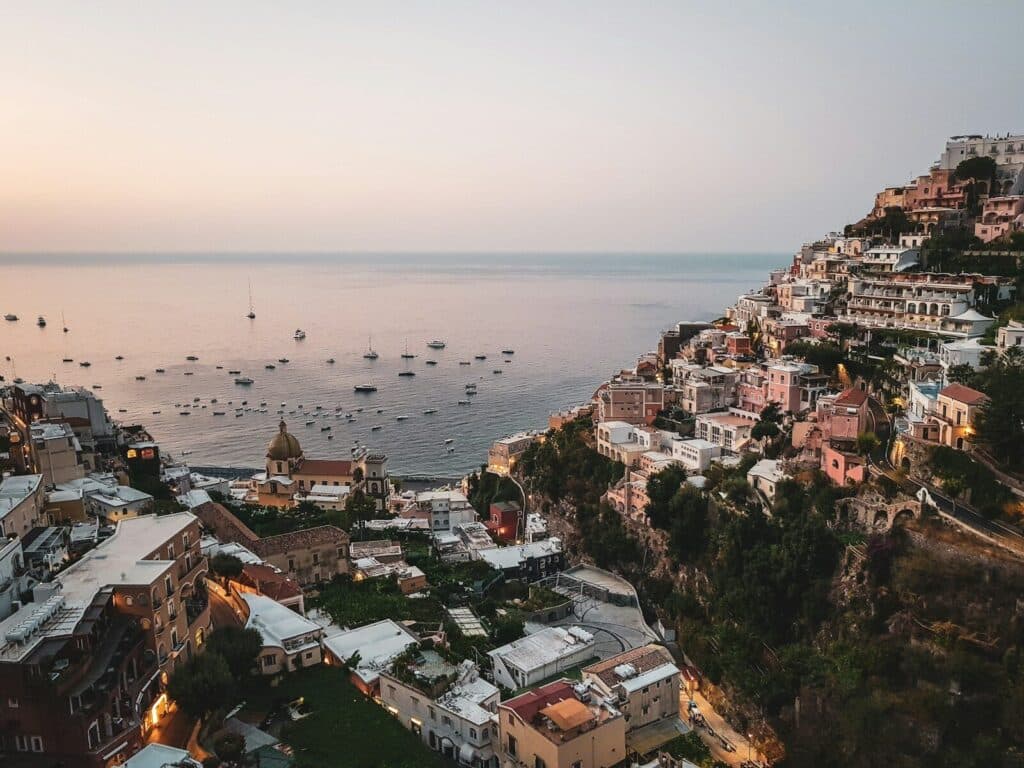
Positano sits directly on the water, its buildings stacked against near-vertical cliffs that descend to a small beach and a working harbor. Elevation here is relative; the town climbs steeply, but the sea is always close. Access is structured around a single coastal road, the SS163, which determines how guests arrive, how long transfers take, and how much of the surrounding coast is realistically reachable.
Ravello sits approximately 350 meters above sea level, connected to the coast by a narrow road that branches inland from Amalfi town. It has no beach and no direct seafront access. What it has is distance, both physical and structural, from the activity concentrated along the waterfront below.
That difference in elevation is not incidental. It determines the pace of a stay, the type of property that can be built, the privacy available to guests, and the relationship between accommodation and landscape. For luxury travellers, it is the most consequential variable when comparing the two.
About Do Not Disturb
Do Not Disturb is a luxury travel company specializing in carefully designed journeys and considered experiences. Each itinerary we build for our clients is informed by real destination knowledge, offering insight into places, cultures, and moments that shape how a trip comes together.
If this destination has sparked ideas, the itinerary can be developed into a private journey tailored to your interests and travel style, with hand-picked stays, thoughtful routing, and experiences curated around what matters most to you.
The Hotels: Spectacle vs. Seclusion
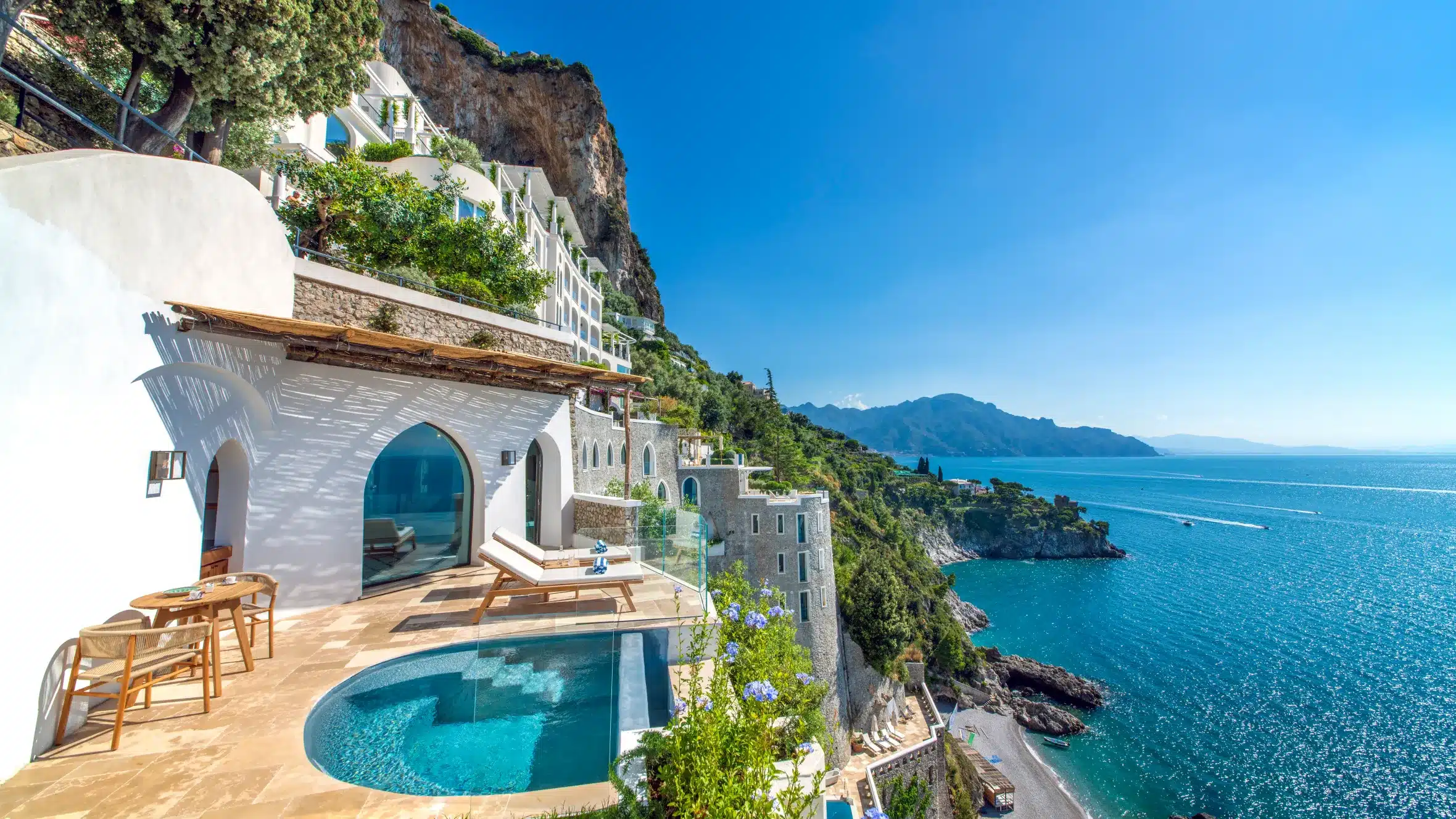
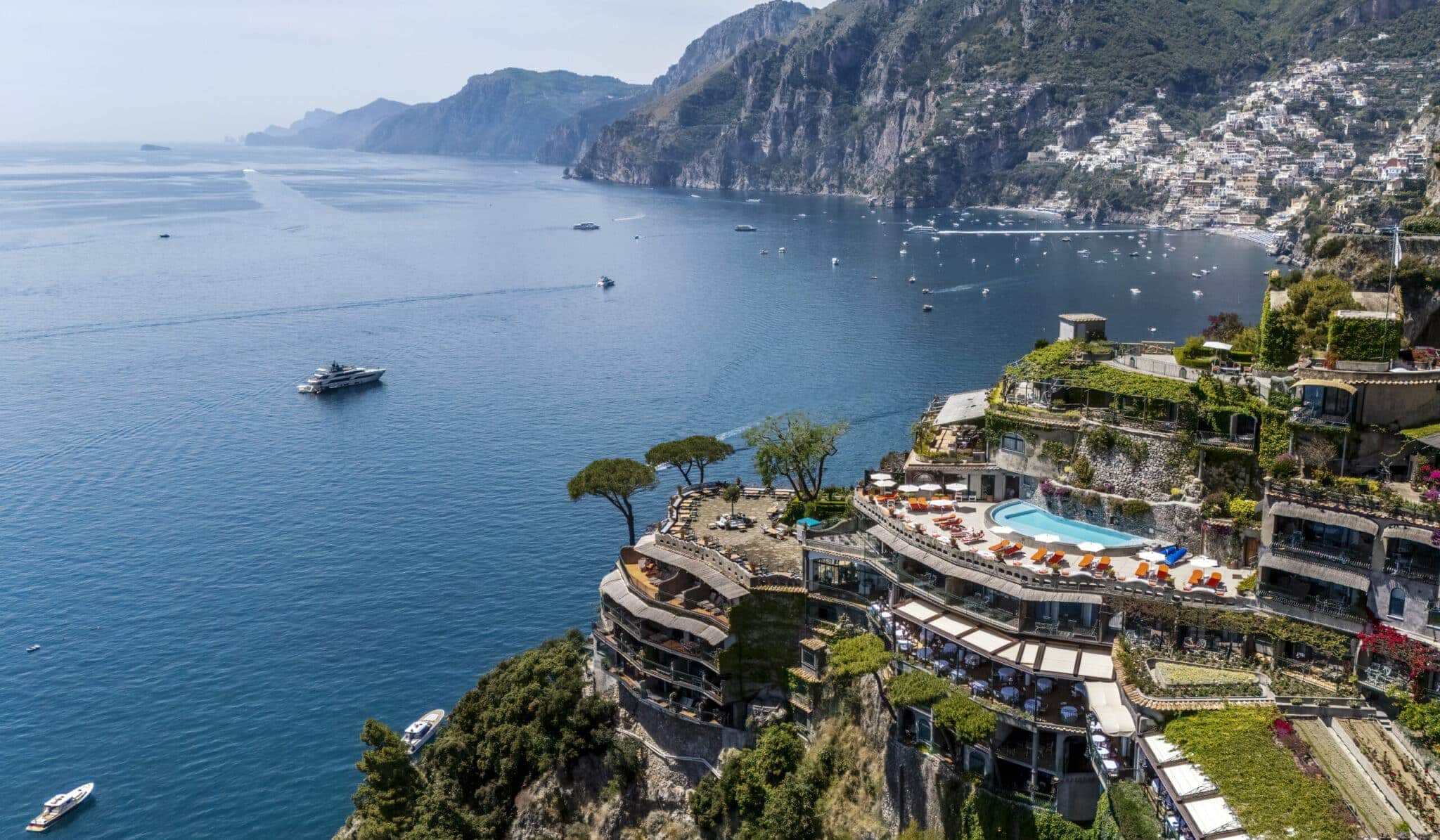
Positano’s hotels are built into a steep hillside that descends directly to the sea. Properties such as Le Sirenuse and Il San Pietro di Positano occupy terraced positions that make the view a structural feature of the room, not an added benefit. The trade-off is verticality: most guests will navigate stairs, lifts, and narrow paths as a matter of daily routine. Access to the beach is possible, but it is not effortless.
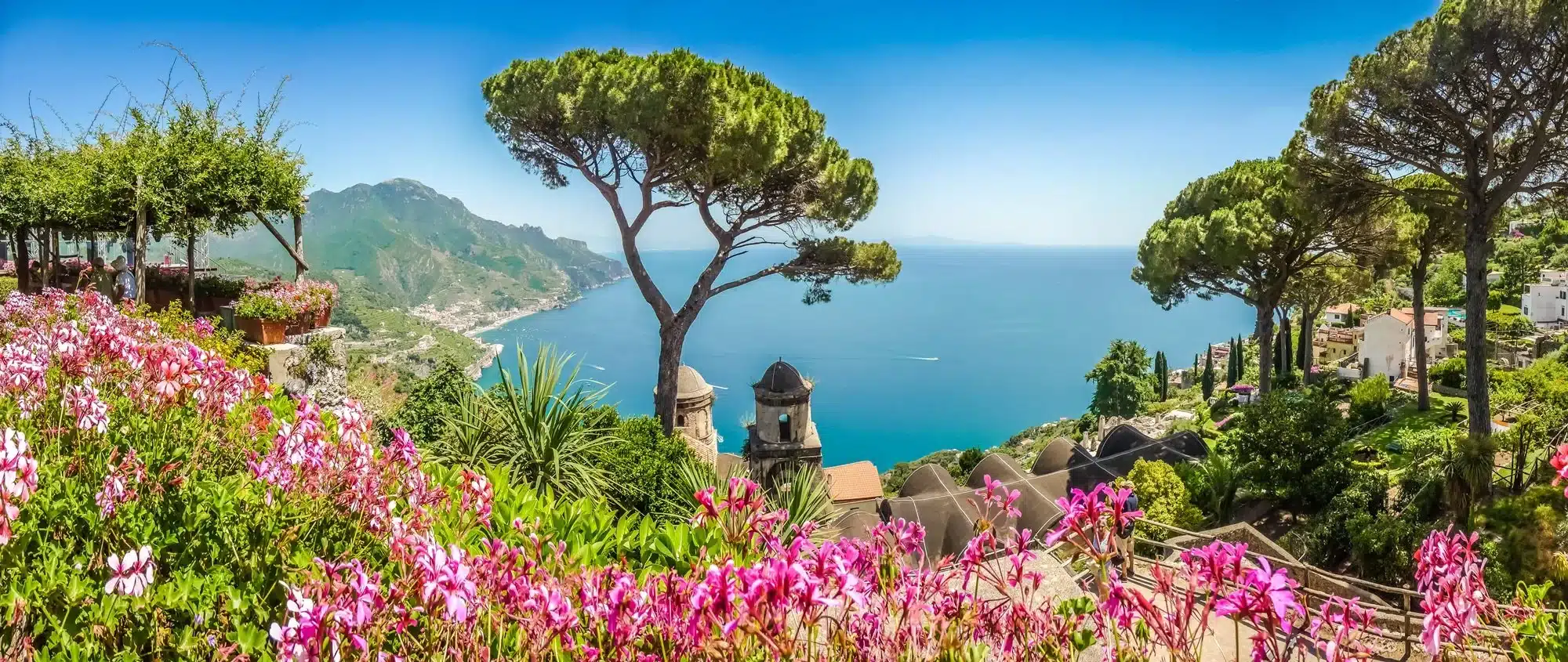
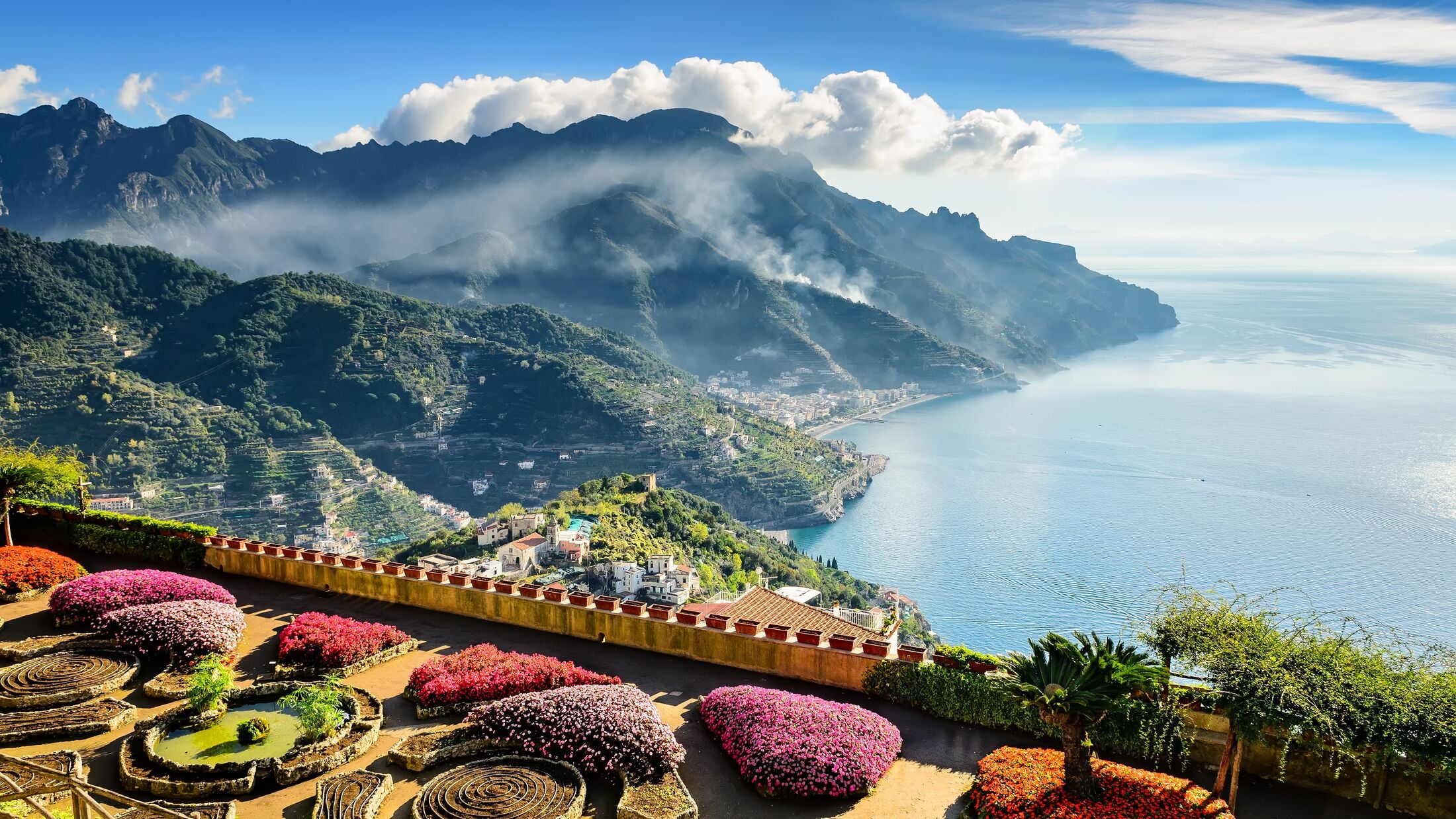
Ravello sits on a ridge approximately 350 meters above the coastline, and its hotels reflect that remove. Palazzo Avino and Villa Cimbrone operate within historic structures set around formal gardens, with the sea visible at a distance rather than immediately below. There is no beach access from the town itself.
The distinction is not one of quality but of orientation. Positano places guests within the landscape; Ravello places them above it. Which position suits a given traveller depends on whether proximity or perspective is the priority.
Views, Atmosphere, and the Question of Romance
Positano’s appeal is visual and immediate. The town is built into a near-vertical hillside, with its layered architecture, beach, and harbor compressed into a single sightline. For couples, this creates a setting where the landscape is constantly present, framing meals, walks, and terraces alike. The effect is concentrated rather than expansive.
Ravello operates on different terms. Positioned around 350 meters above sea level, it offers a panoramic relationship with the coastline rather than an immersive one. Villa Cimbrone and Villa Rufolo, both accessible to visitors, have long established the town’s reputation for elevated, composed views. The distance from the water is not a limitation; it is the point.
The distinction matters for how a trip is structured. Positano suits travellers who want the coast as a constant backdrop to activity. Ravello suits those who prefer to observe it from a remove, with more space, less movement, and a pace that is harder to find at sea level.
Getting There and Getting Around
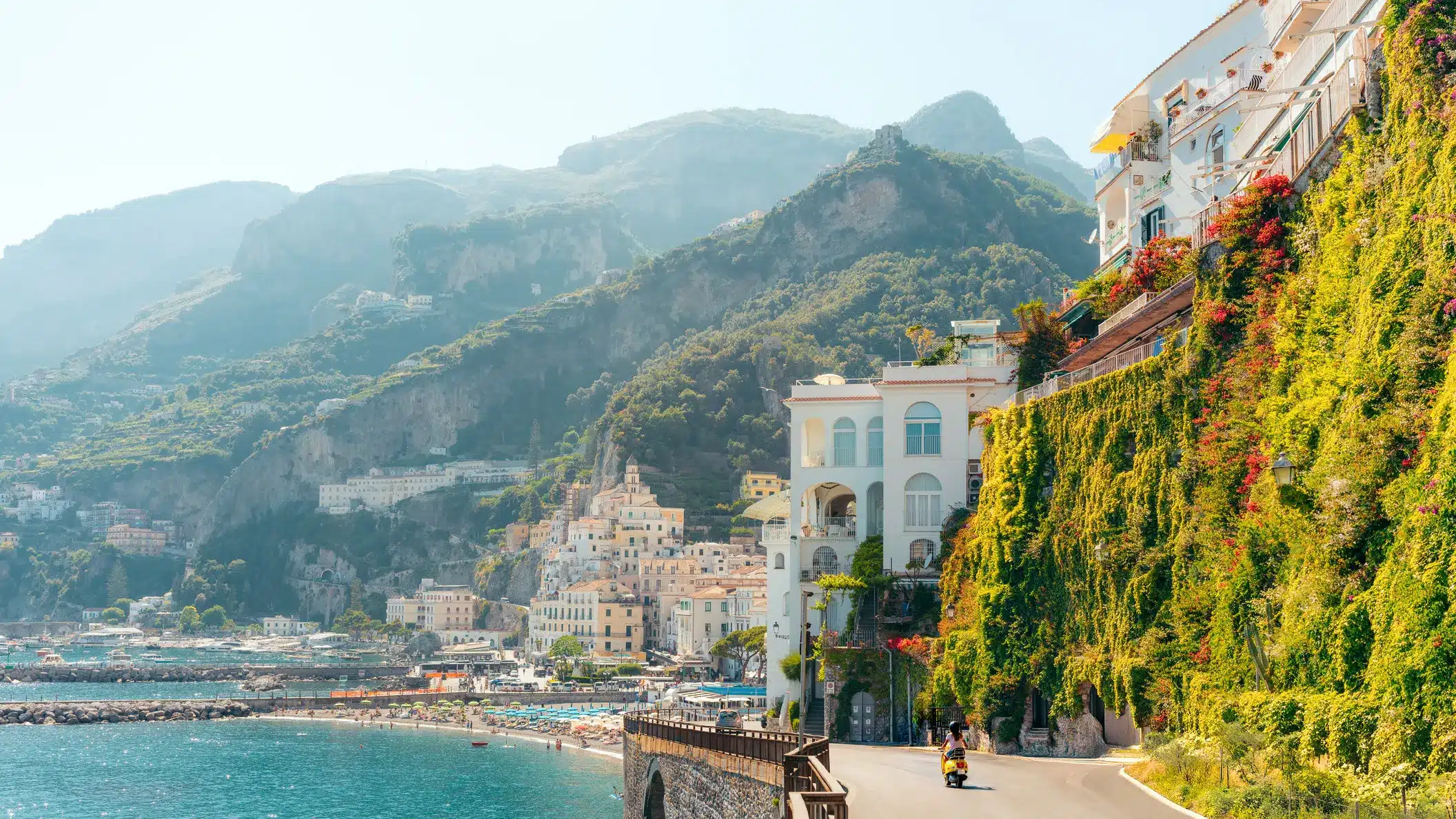
Access to the Amalfi Coast is genuinely constrained. The SS163, the single coastal road connecting most of its towns, is narrow, frequently congested, and shared by buses, delivery vehicles, and private cars. For Positano, road access is direct but slow in peak season, and the town itself is built on a near-vertical hillside, meaning movement within it is almost entirely on foot and involves significant stair climbing. Ferries from Naples, Salerno, and Sorrento offer a practical alternative for arrival, and many properties at the water’s edge are more efficiently reached by sea than by road.
Ravello sits roughly 350 meters above sea level and is not served by ferry. Reaching it requires either the road through Ravello’s base town of Scala or the more commonly used approach via Amalfi. Private transfers are the standard arrangement for guests at serious properties. The town’s elevation removes it from coastal traffic entirely, which is part of what defines the experience there, but it also means that spontaneous movement between Ravello and the coast requires planning.
Dining and the Table as Destination
Positano’s dining scene is built around the waterfront. Restaurants such as La Sponda and Next2 hold serious culinary reputations, but the majority of options along the seafront prioritise location over everything else. The result is a dining landscape where quality varies considerably and the view frequently does more work than the food.
Ravello operates differently. Dining here is largely anchored to the town’s historic villas and their affiliated restaurants, where the kitchen tends to receive as much attention as the setting. The format is more structured, the menus more considered, and the experience less contingent on tourist footfall.
For travellers who treat the meal as a primary objective rather than an accompaniment to the day, Ravello offers a more reliable framework. Positano can deliver exceptional dining, but identifying where requires local knowledge. In Ravello, the concentration of quality within a small number of well-established venues makes the decision considerably more straightforward.
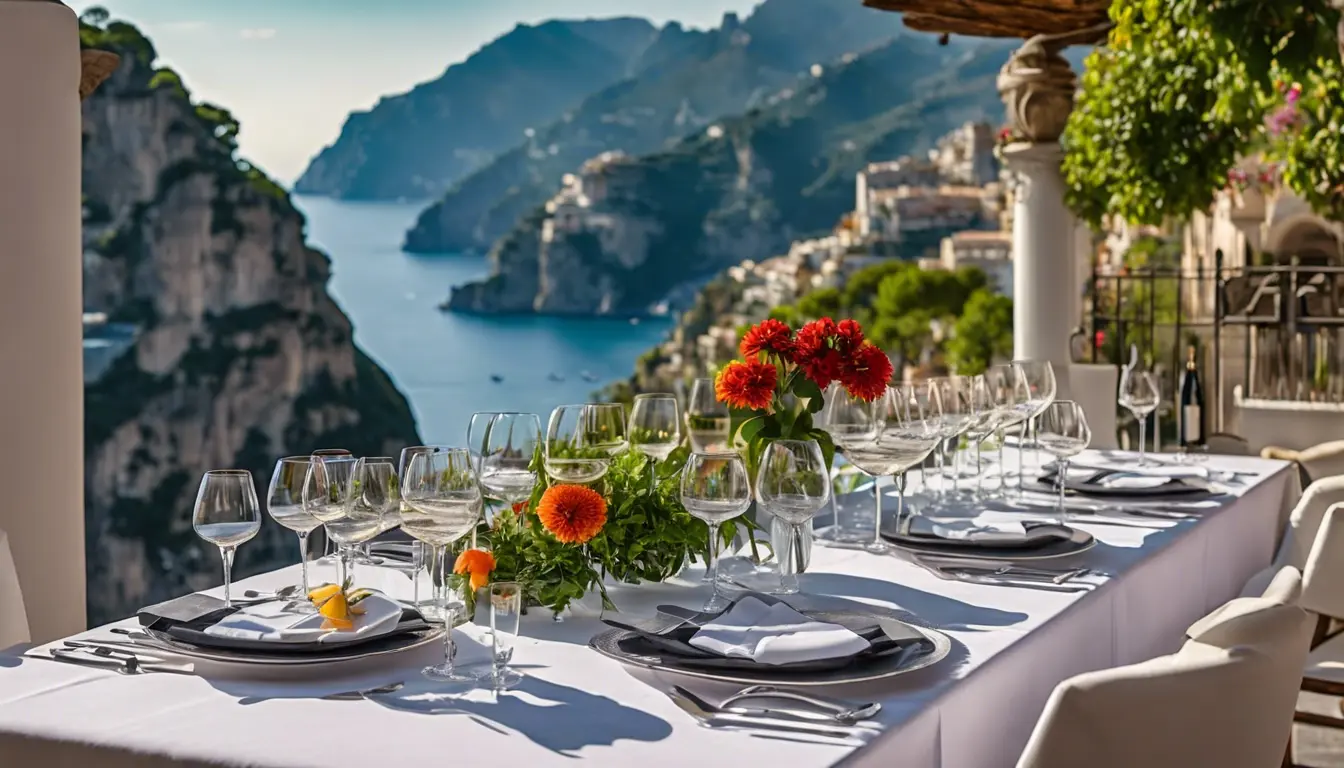
The Verdict: Matching the Destination to the Traveller
Positano suits travellers who want the Amalfi Coast as a complete, self-contained experience: waterfront access, a concentrated dining and retail scene, and a setting that functions as the destination itself. It works best for those who are comfortable with densely placed architecture, willing to navigate steep terrain, and not dependent on quiet as a condition of rest.
Ravello is the more deliberate choice. Its elevation removes it from the coastal circuit, and that separation is the point. Travellers who prioritise cultural programmeming, architectural heritage, and a pace that allows for sustained attention will find more here than in Positano. The town suits those who treat accommodation as a base for engagement rather than a backdrop for leisure.
Neither destination is a compromise. Positano delivers spectacle with infrastructure to match. Ravello delivers depth, but only to those who seek it out. The distinction is not about budget or taste; it is about how well you plan and what you expect from the place.
Plan your own version of this journey
Speak to Do Not Disturb’s luxury travel experts and turn this moment into something personal.
Related destinations
Suggested articles
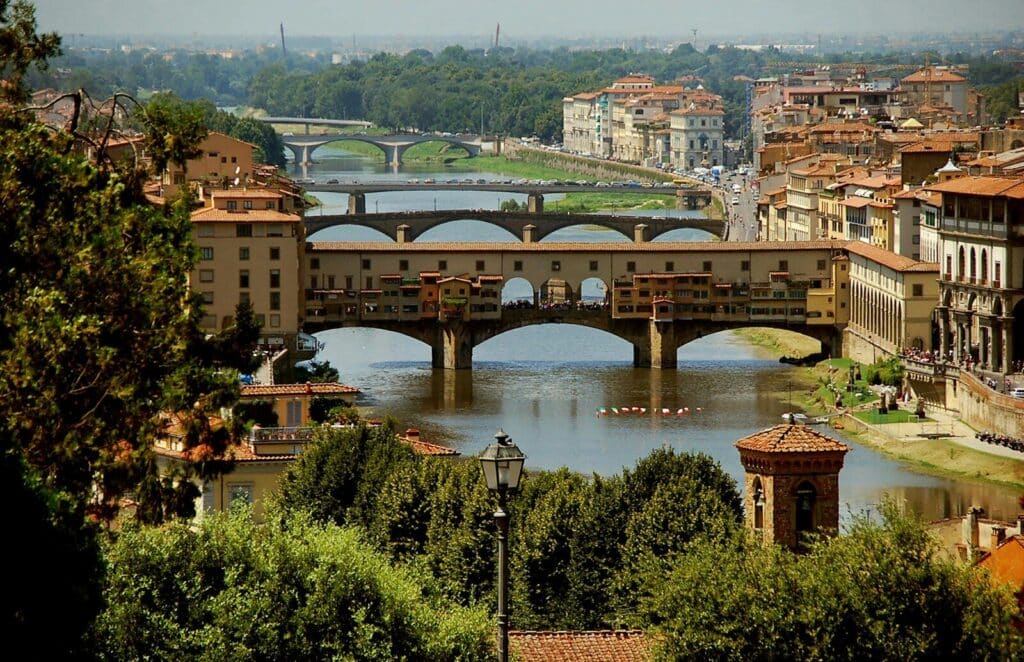
Romantic Florence: The Ideal Italian Honeymoon
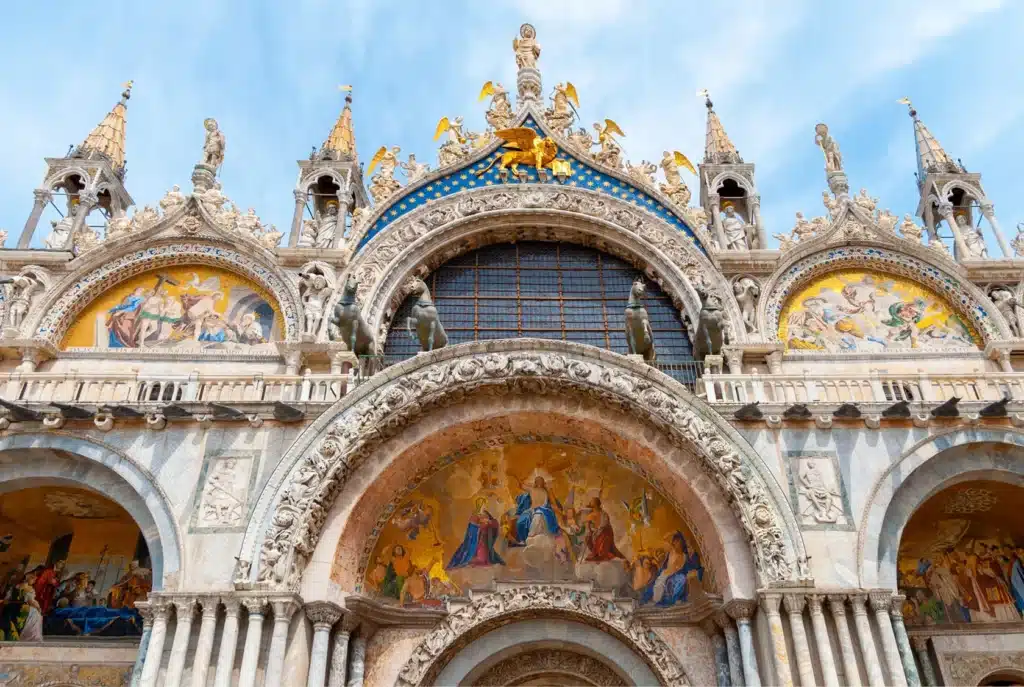
Venice for Art Lovers: Palaces, Churches and Private Views
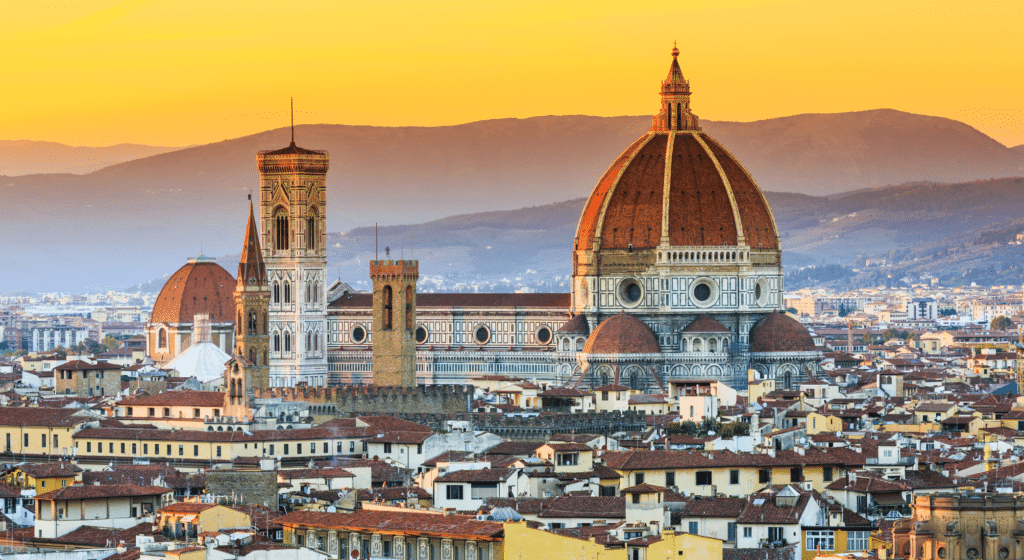
Experiencing Florence Without the Crowds
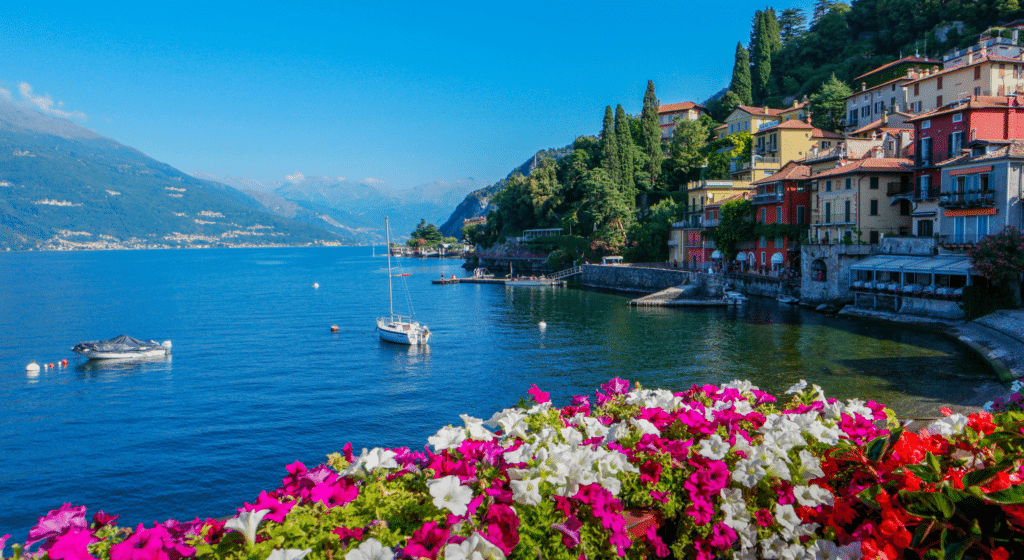
Lake Como vs Lake Garda: Which Italian Lake Is Right for You?
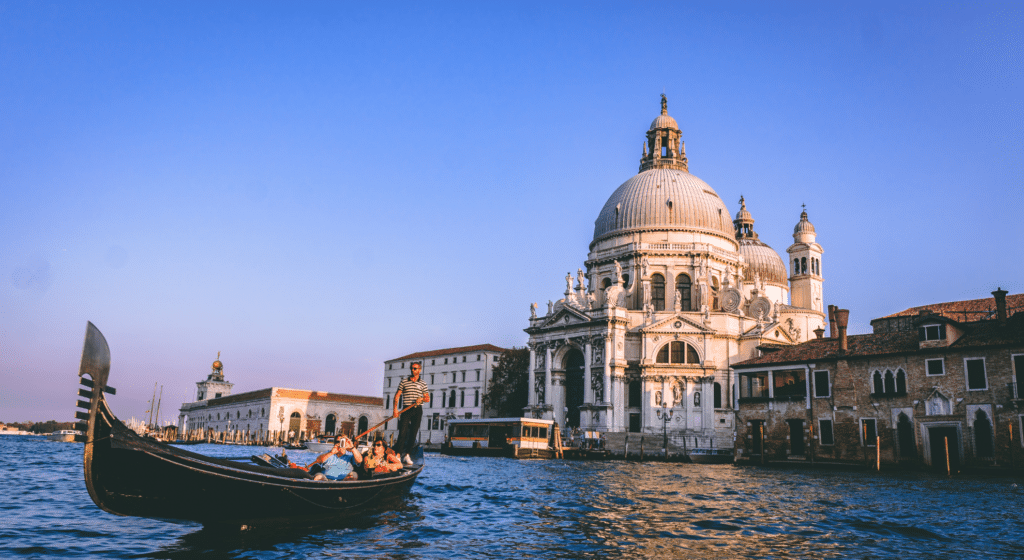
Venice Without the Crowds: Is It Possible?
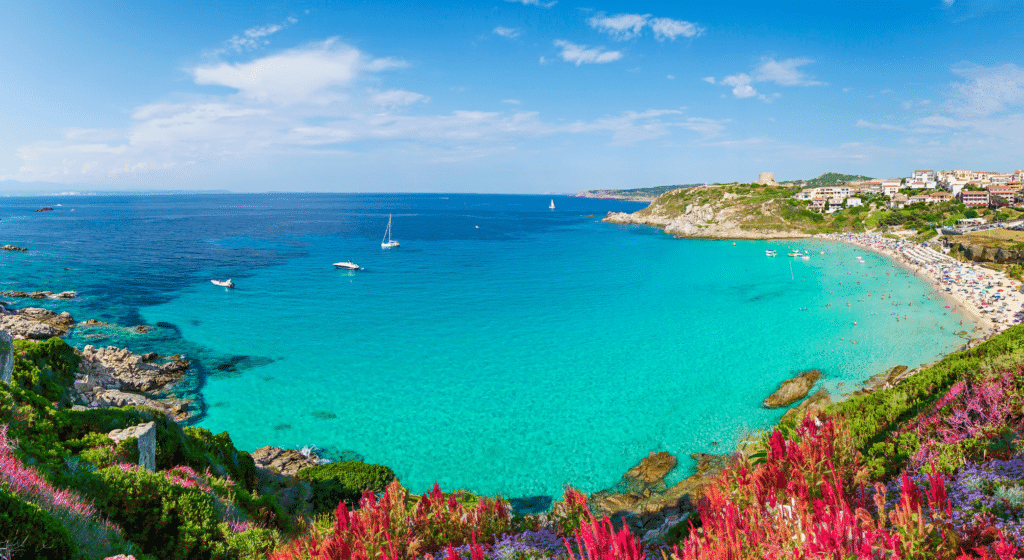
Sardinia vs Sicily: Which Italian Island Is Right for You?
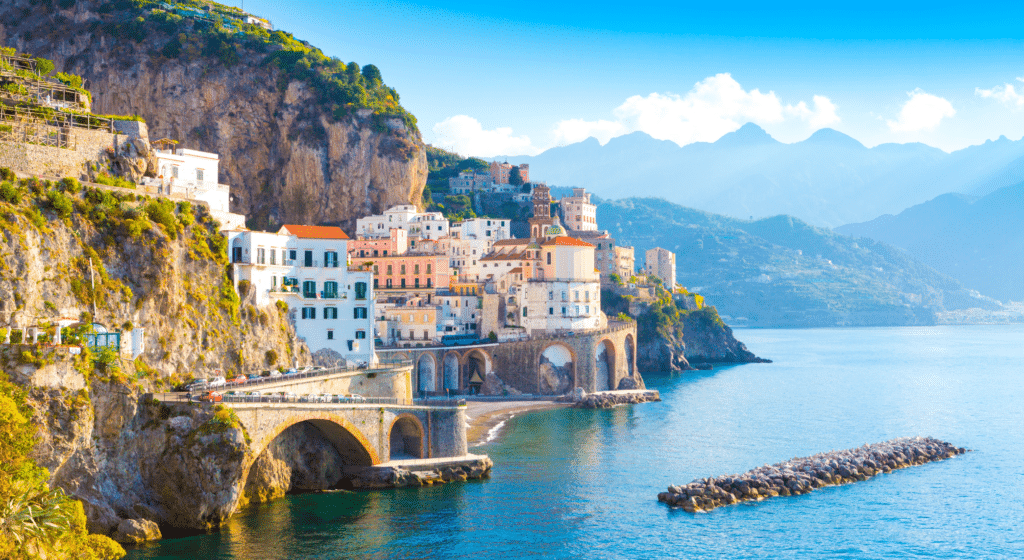
Portofino and the Italian Riviera: Italy’s Most Stylish Coastline
Beyond Rome: Italy’s Most Beautiful Cities
Beyond Amalfi: Contrasting Sorrento and Ravello
Positano vs Ravello: Where to Stay on the Amalfi Coast
The Amalfi Coast Without the Crowds: Is It Possible?
Can You Visit Rome Without the Crowds? The Honest Answer
The Caravaggio Churches of Rome: An Insider’s Guide