
A private morning at a working Tahitian pearl farm in the Tuamotu Archipelago, covering the full cultivation cycle from grafting to harvest with the farmer who manages it daily.
The Tahitian black pearl is cultivated exclusively in French Polynesia, in the black-lipped oyster known as Pinctada margaritifera, and the atolls of the Tuamotu Archipelago hold the most established farming operations in the country.
The first pearl farm in French Polynesia was officially established in 1968 on the Manihi Atoll, and the industry has since expanded across the atolls of Rangiroa, Fakarava, and Ahe, where the isolated lagoons, limited tidal exchange, and nutrient-rich water create conditions that are specific to this part of the Pacific and that determine the quality and character of the pearl produced within them.
Most visitors to French Polynesia encounter the Tahitian pearl in a boutique or market, where the finished product sits in a glass case with no visible connection to the process that produced it. A private morning at a working farm in the Tuamotu Archipelago, with the farmer who manages that process daily, produces a different kind of understanding. The pearl is the same object at the end of the visit. What changes is the knowledge of what it took to get there.
About Do Not Disturb
Do Not Disturb is a luxury travel company specializing in carefully designed journeys and considered experiences. Each itinerary we build for our clients is informed by real destination knowledge, offering insight into places, cultures, and moments that shape how a trip comes together.
If this destination has sparked ideas, the itinerary can be developed into a private journey tailored to your interests and travel style, with hand-picked stays, thoughtful routing, and experiences curated around what matters most to you.
Cultural and Historical Context
The pearl oyster has been present in the lagoons of French Polynesia for several thousand years, and the Polynesian people harvested wild oysters for their mother-of-pearl shell, known in Tahitian as nacre, long before the cultivation of the pearl was developed. The name margaritifera is taken from the Latin word for pearl, margarita, and the oyster was recognized across the Pacific for the quality of its shell before the value of the pearl it could produce was understood.
Cultured pearl farming began as a consequence of Japanese grafting expertise meeting the specific conditions of the Polynesian lagoon. The grafting process, in which a nucleus of shell material is inserted alongside a small fragment of mantle tissue from a donor oyster to stimulate the formation of a pearl sac, was developed in the early 20th century and applied to the Pinctada margaritifera in the Tuamotu Archipelago from the 1960s onward. French Polynesia now produces the majority of the world’s cultured black pearls, with the Tuamotu atolls as its primary production zone.
The Tahitian black pearl is not black in the conventional sense. The colour ranges from silver-gray through green, peacock, and aubergine to near-black, determined by the genetics of the donor oyster, the depth at which the host oyster is grown, the water temperature and chemistry of the lagoon, and the thickness of the nacre deposited across the cultivation period. No two Tahitian pearls are identical, and the range of colour and luster within a single farm’s harvest reflects the specific conditions of the lagoon where they were grown.
Why Private or Small-Group Access Matters
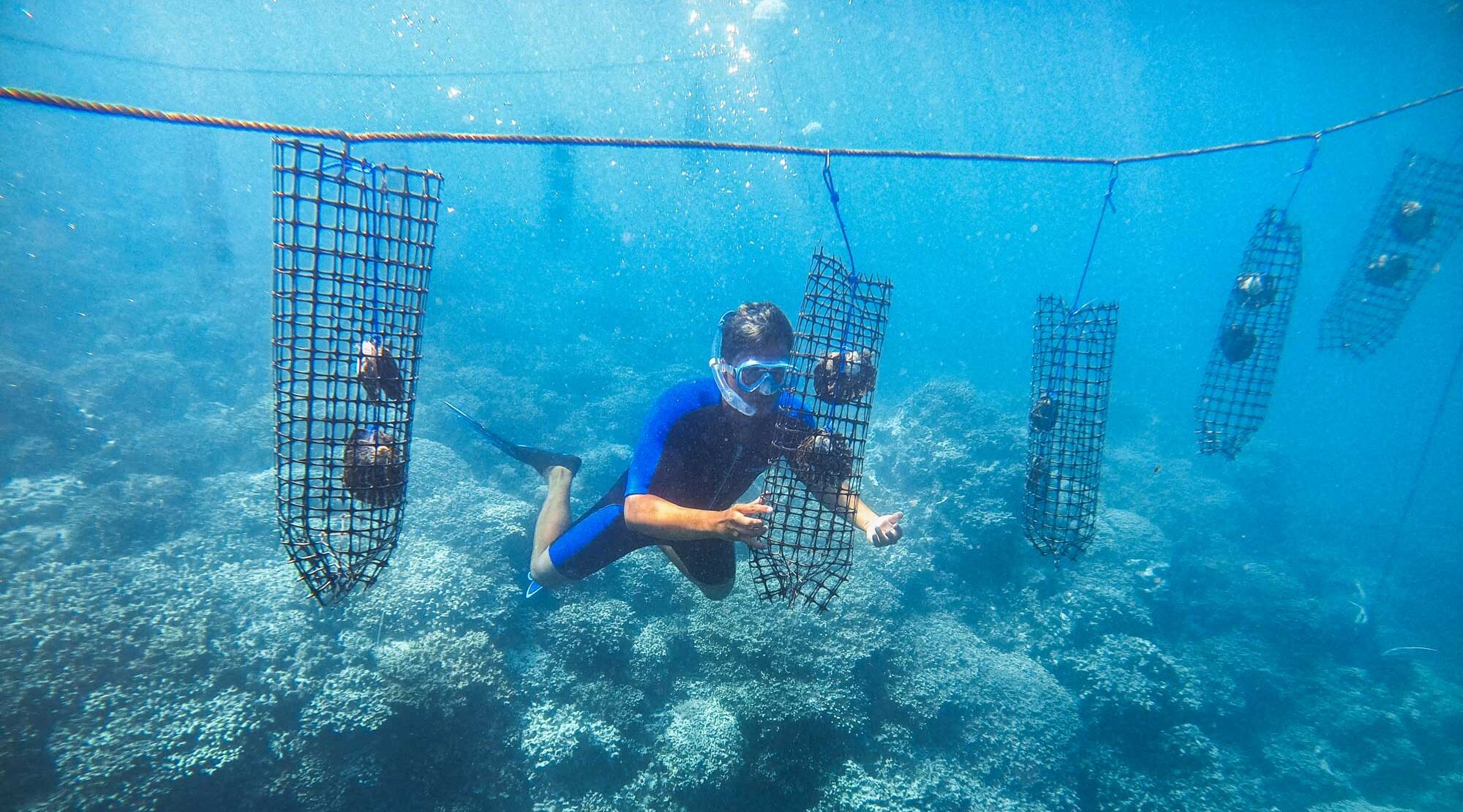
A private morning at a working farm in the Tuamotu Archipelago operates on different terms. The farmer is not performing. The grafting, the cleaning of the oyster lines, and the water quality checks that happen on the morning of the visit are the work the farm requires that day regardless of whether visitors are present. The access is to a working environment rather than a visitor format, and the difference between the two is the difference between watching pearl cultivation and understanding it.
The farmer’s knowledge of the specific lagoon conditions that affect the harvest is not available in any boutique conversation. The relationship between tidal exchange, the depth at which the oysters are suspended, seasonal plankton density, and the nacre thickness that results from those conditions is knowledge built across years of daily observation that a private morning gives the farmer the time to share in full.
What You See
The farm operates on lines of suspended baskets between six and ten meters below the lagoon surface, hauled up on a regular schedule for inspection and cleaning. The grafting operation opens the shell of a mature oyster approximately an inch wide and inserts a spherical nucleus alongside a small square of mantle tissue from a donor oyster, all in under a minute.
The success rate varies between farms and seasons, and the farmer explains what the variables are and why conditions on a given morning affect the likelihood of pearl formation. Grading covers size, from 8 to 18 millimeters, shape, surface quality graded A through D, luster, and colour. Colour is noted but not graded, as all natural Tahitian pearl colours are considered of equal value. The farmer holds each pearl against a gray background under natural light, the only condition under which the full range of colour in the nacre is visible.
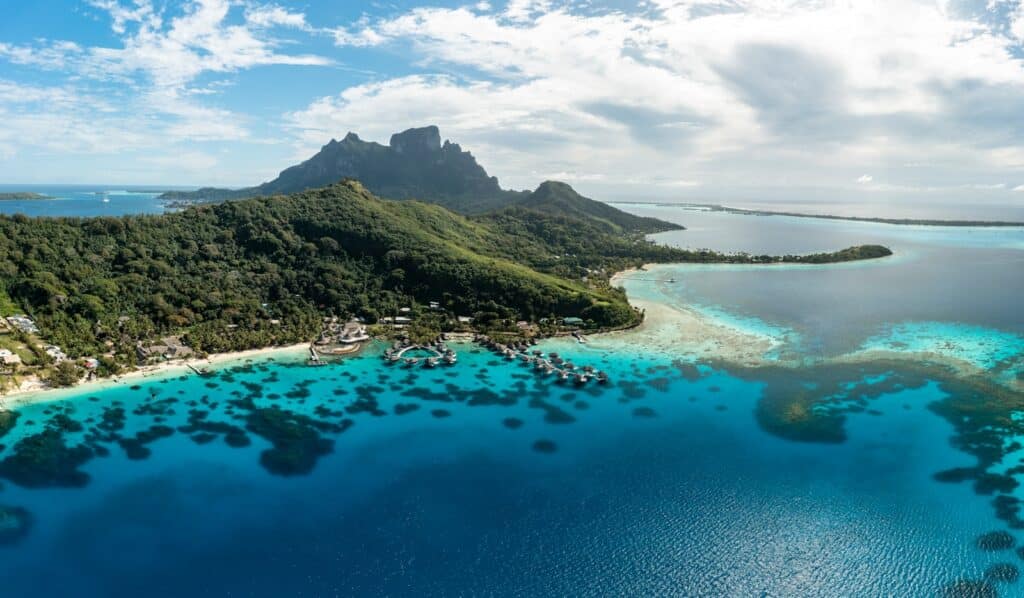
The Tuamotu atolls are the result of the same geological process that formed Bora Bora’s barrier reef, carried further until the original volcanic island disappeared below the surface, leaving only the reef and the lagoon it encloses. That lagoon’s depth, tidal exchange, and nutrient content determine the quality of the nacre produced within it. The farmer knows which sections produce the best nacre and why, and walking the farm with that knowledge changes how the landscape reads.
How Do Not Disturb Makes This Possible
Do Not Disturb works with a small number of working pearl farms in the Tuamotu Archipelago whose farmers have the knowledge, the willingness, and the time in their production calendar to receive private guests within a working context rather than a visitor format. The selection of the farm and the timing of the morning are based on the farm’s own grafting and harvest schedule, which produces the most complete version of the cultivation cycle visible on a single morning.
Access to the Tuamotu Archipelago requires a flight from Papeete to the relevant atoll, and Do Not Disturb coordinates the full logistics of the visit, from the flight connection to the boat transfer to the farm and the return, as part of a broader French Polynesia itinerary.
Ready to plan your private morning at a Tuamotu pearl farm and experience one of French Polynesia’s most significant industries from the inside? Speak with Do Not Disturb to begin your journey.
Plan your own version of this journey
Speak to Do Not Disturb’s luxury travel experts and turn this moment into something personal.
Related destinations
Suggested articles
Bora Bora vs Maldives: The Ultimate Luxury Showdown
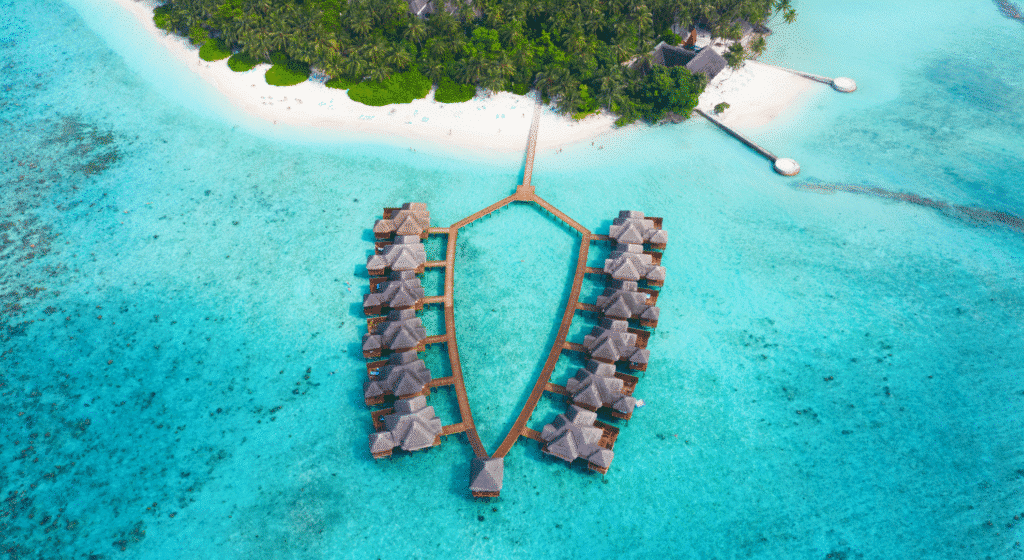
Bora Bora vs Maldives: Which is Better?
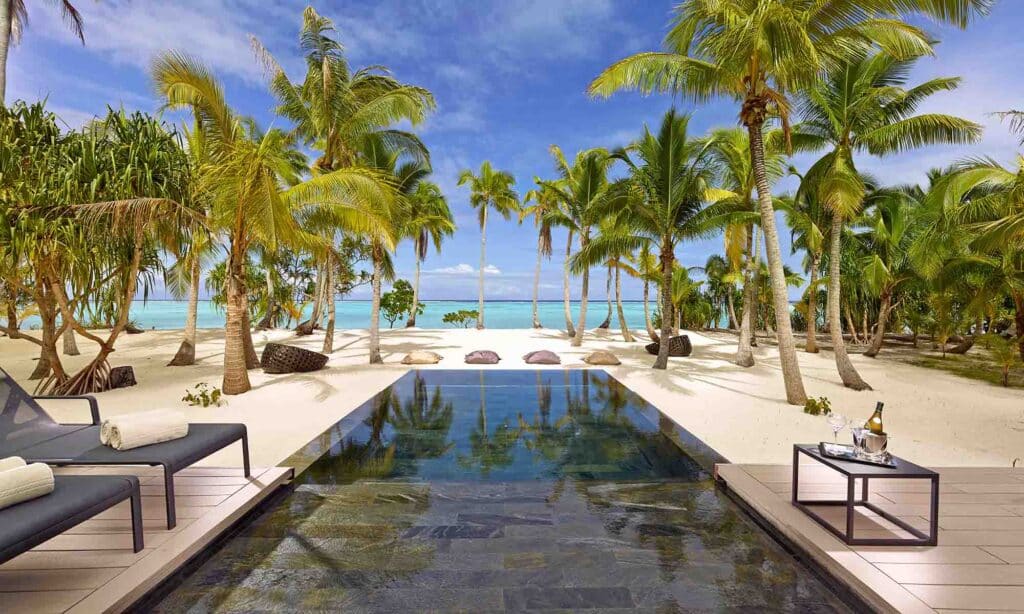
How The Brando Became the World’s Leading Private Eco-Resort
Wilderness to Waves: Luxury Honeymoons in Kenya
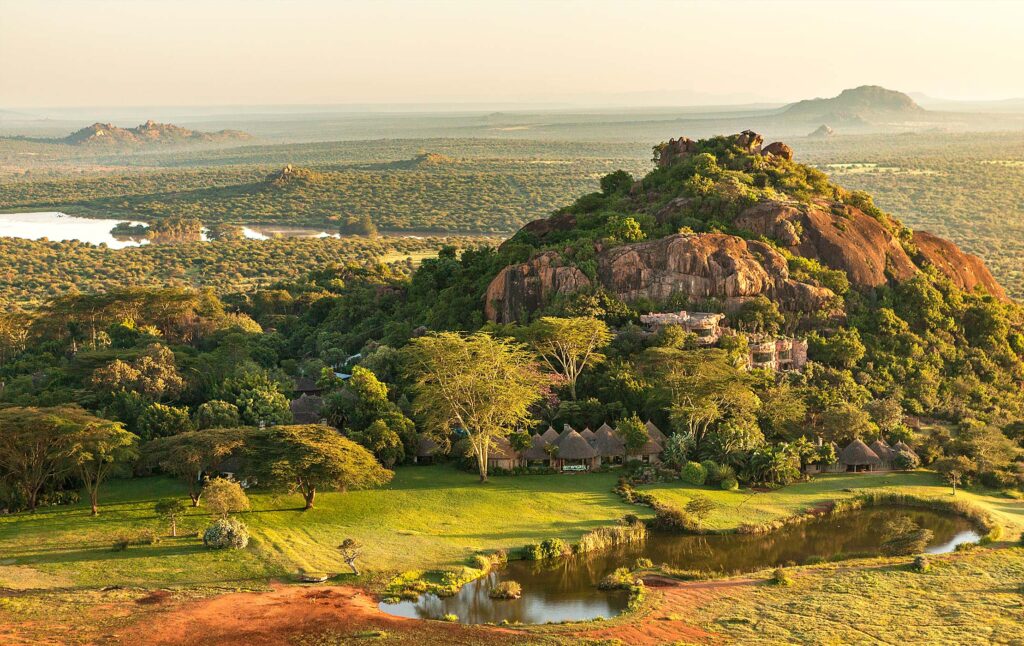
Luxury Safaris: Why Laikipia Is Kenya’s Best-Kept Secret
Positano vs Ravello: Where to Stay on the Amalfi Coast
Chianti’s Luxury Villas: Stay Like a Renaissance Noble
Romantic Florence: The Ideal Italian Honeymoon
Venice for Art Lovers: Palaces, Churches and Private Views
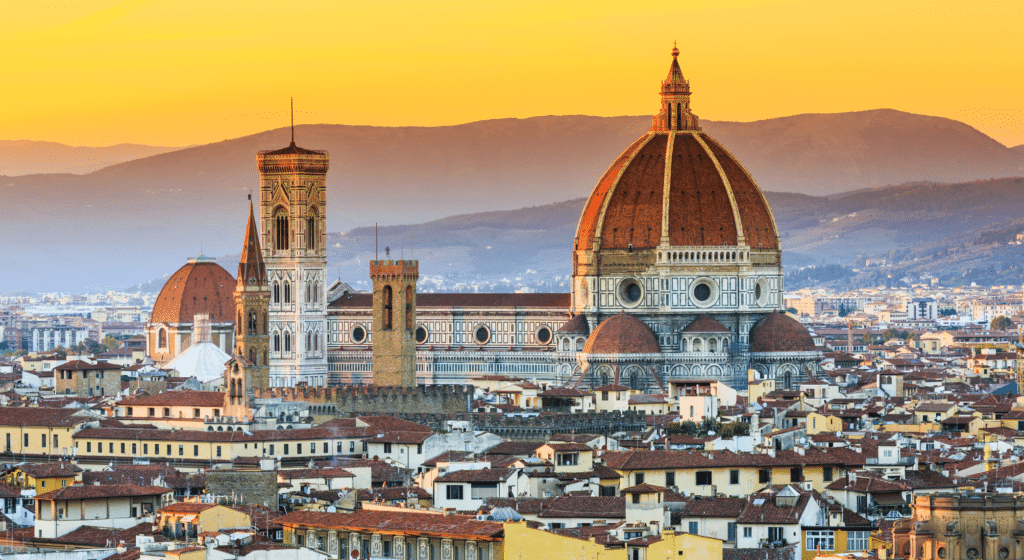
Experiencing Florence Without the Crowds
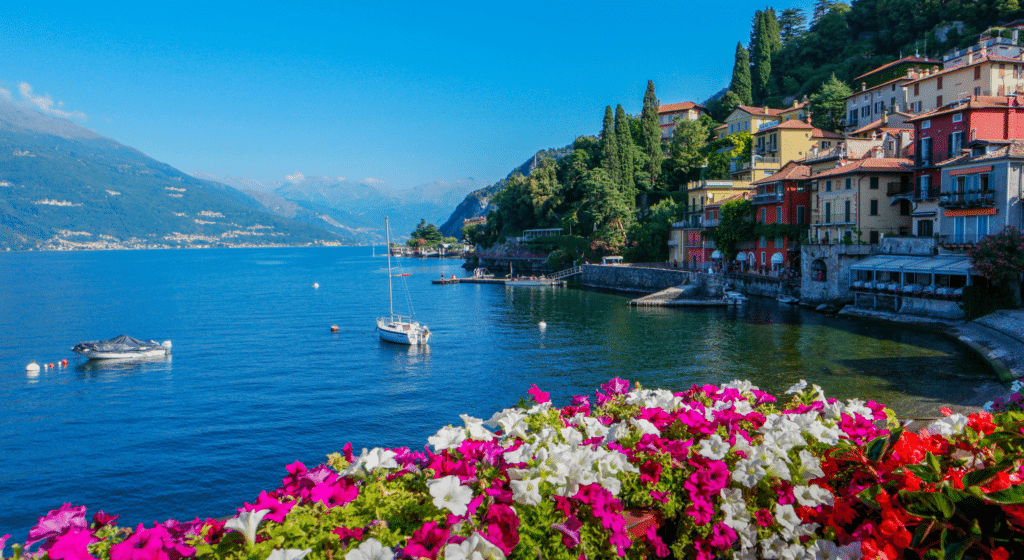
Lake Como vs Lake Garda: Which Italian Lake Is Right for You?
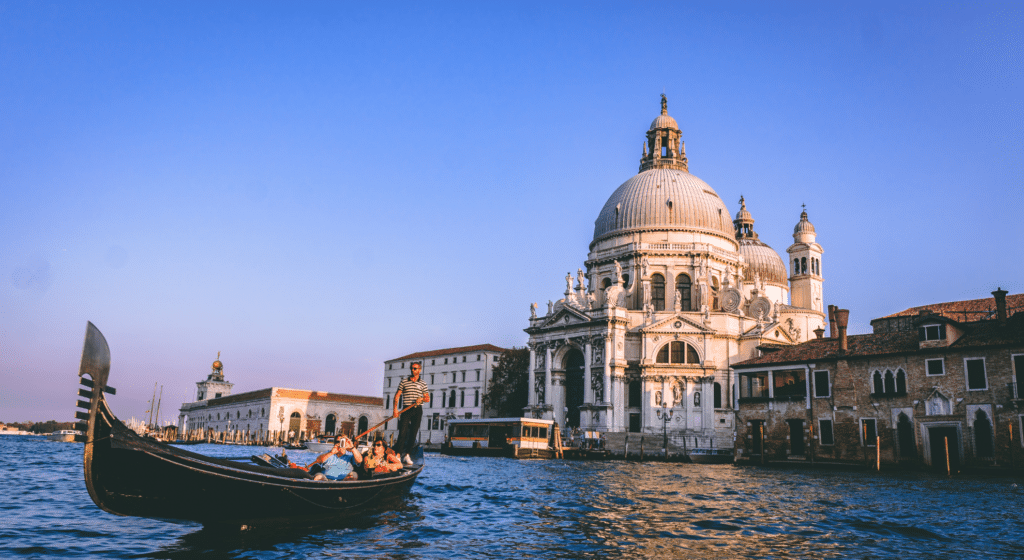
Venice Without the Crowds: Is It Possible?
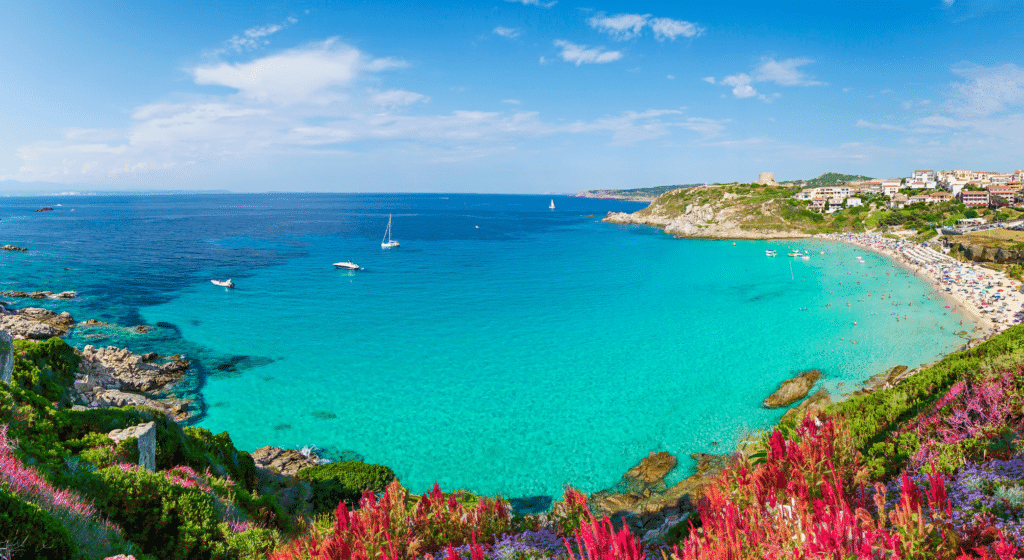
Sardinia vs Sicily: Which Italian Island Is Right for You?