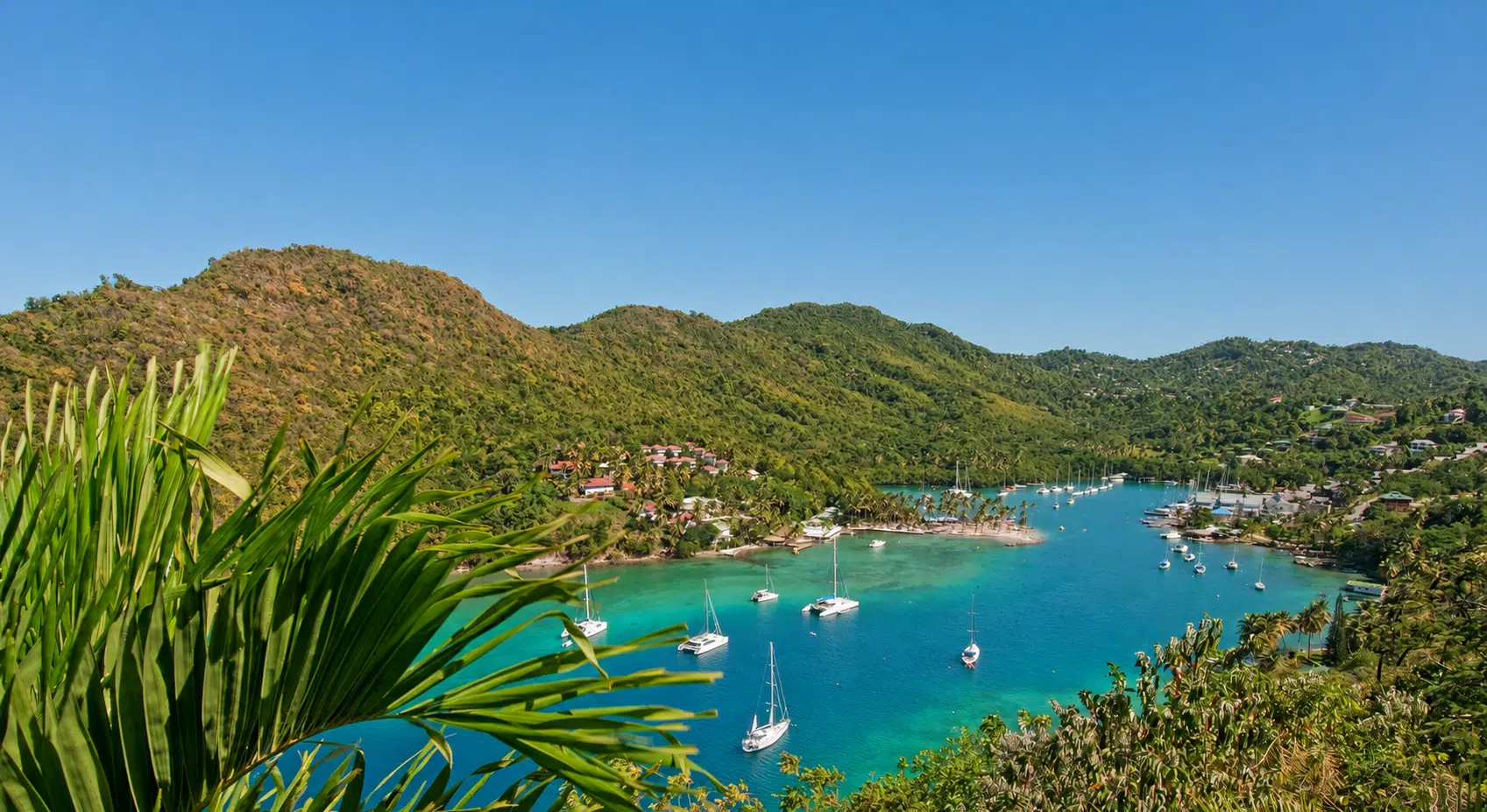

St Lucia packs more variety into a single island than almost anywhere else in the Caribbean. Over the course of a week, it is possible to move between yacht-filled bays, volcanic peaks, rainforest-covered mountains, hidden beaches, and some of the region’s most sought-after hotels, all without ever feeling rushed.
Arriving in the North: Rodney Bay and the First Two Days
Most international arrivals land at Hewanorra International Airport in the south, meaning the transfer north to Rodney Bay takes around 90 minutes by road. Helicopter transfers are available and cut that time significantly, worth considering if you are arriving late or want to avoid the drive entirely.
Cap Estate, at the island’s northern tip, sits above Rodney Bay and offers a quieter entry point with proximity to Cas en Bas beach and the Saint Lucia Golf Club.
The first day is best kept simple. Rodney Bay Village and Reduit Beach are both within easy reach and provide a good introduction to the island’s scale and layout. Reduit is one of the few beaches in St Lucia with consistently calm water and organised facilities.
By day two, Gros Islet, the small fishing town adjacent to Rodney Bay, is worth an hour on foot. It gives context to the area’s development without requiring significant time or planning.
About Do Not Disturb
Do Not Disturb is a luxury travel company specializing in carefully designed journeys and considered experiences. Each itinerary we build for our clients is informed by real destination knowledge, offering insight into places, cultures, and moments that shape how a trip comes together.
If this destination has sparked ideas, the itinerary can be developed into a private journey tailored to your interests and travel style, with hand-picked stays, thoughtful routing, and experiences curated around what matters most to you.
Into the Rainforest: A Day in the Interior
The Soufrière region is where St Lucia’s volcanic character becomes impossible to ignore. The drive south takes around 45 minutes, the landscape shifting from resort coastline to dense tropical forest before the twin peaks of the Pitons come into view above the treeline. The Sulphur Springs at Sulphur Springs Park are the most accessible expression of the island’s geology, a working volcanic site with thermal mud pools and a sulphurous atmosphere that is unlike anything else in the Caribbean.
Gros Piton is open to guided hiking, a four-hour return ascent that is steep and physically demanding. The Edmund Forest Reserve offers a quieter alternative, with guided trails through old-growth rainforest and genuine ecological depth. The aerial tram at Rainforest Adventures crosses the canopy on a fixed gondola route for those who want the elevation without the exertion.
A day spent here reframes the rest of the trip. The interior and the coast are the same small island, but they feel like different worlds, and the contrast is part of what makes a week in St Lucia worth the length.
The Pitons and Soufrière: Slowing Down in the South
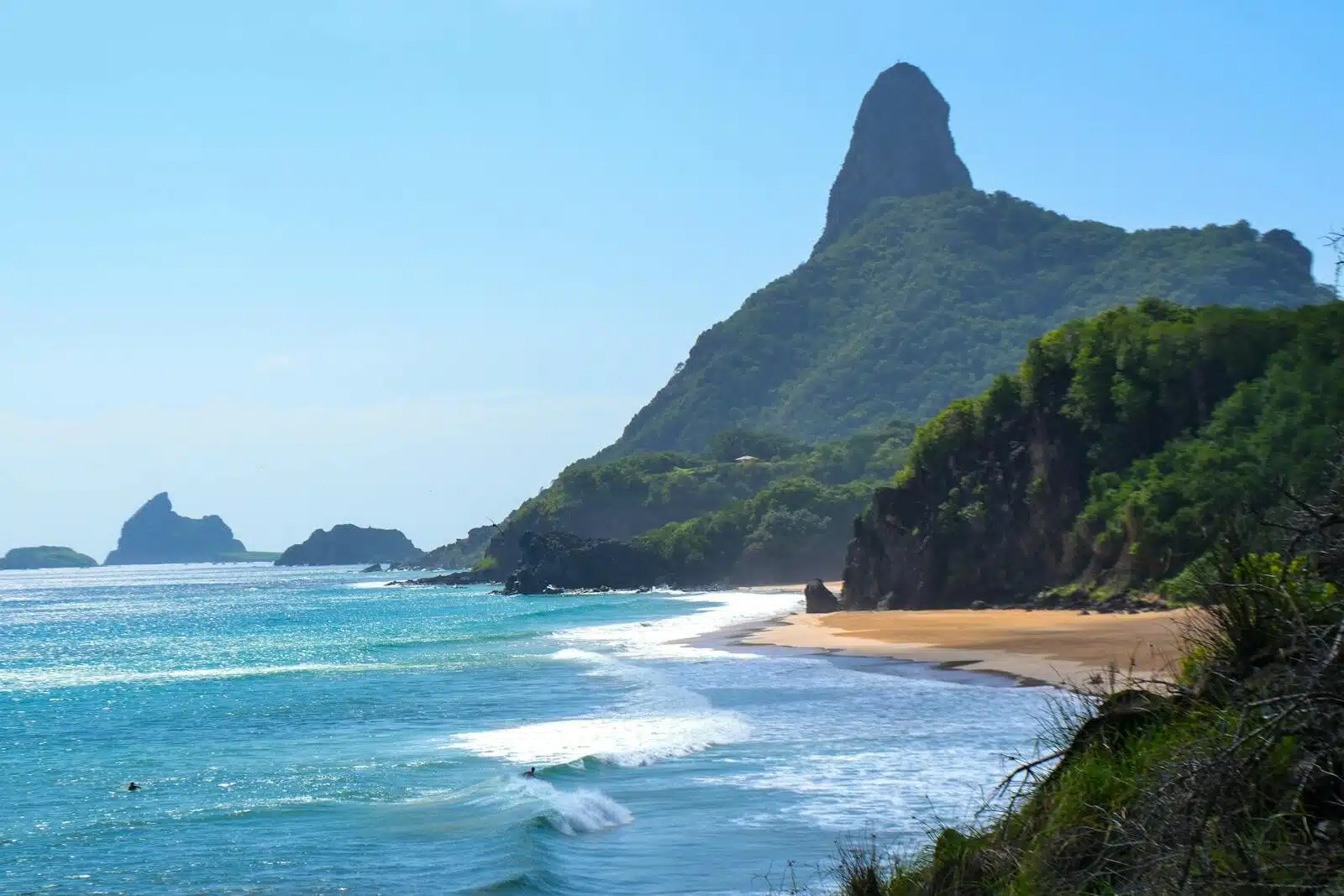
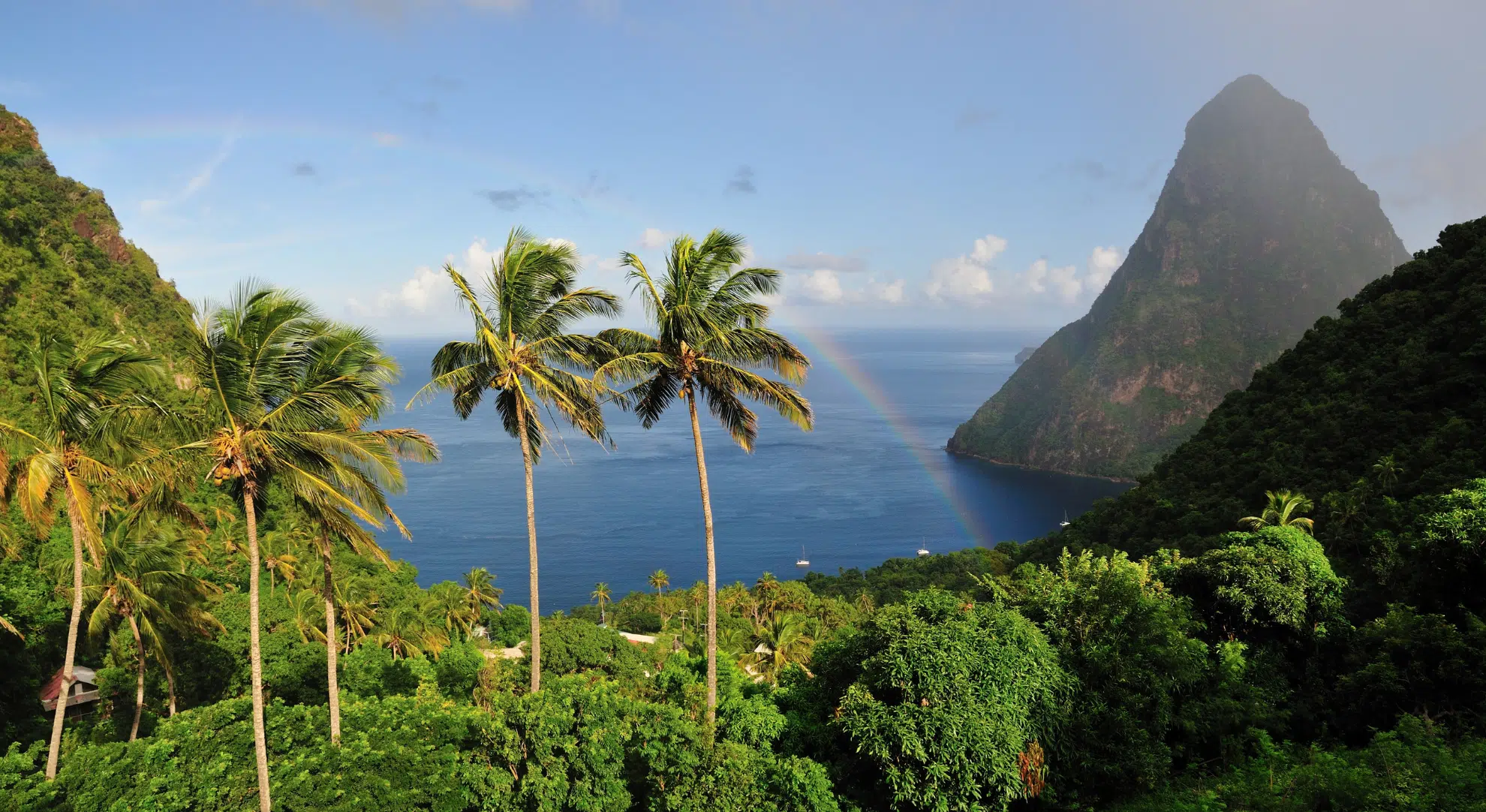
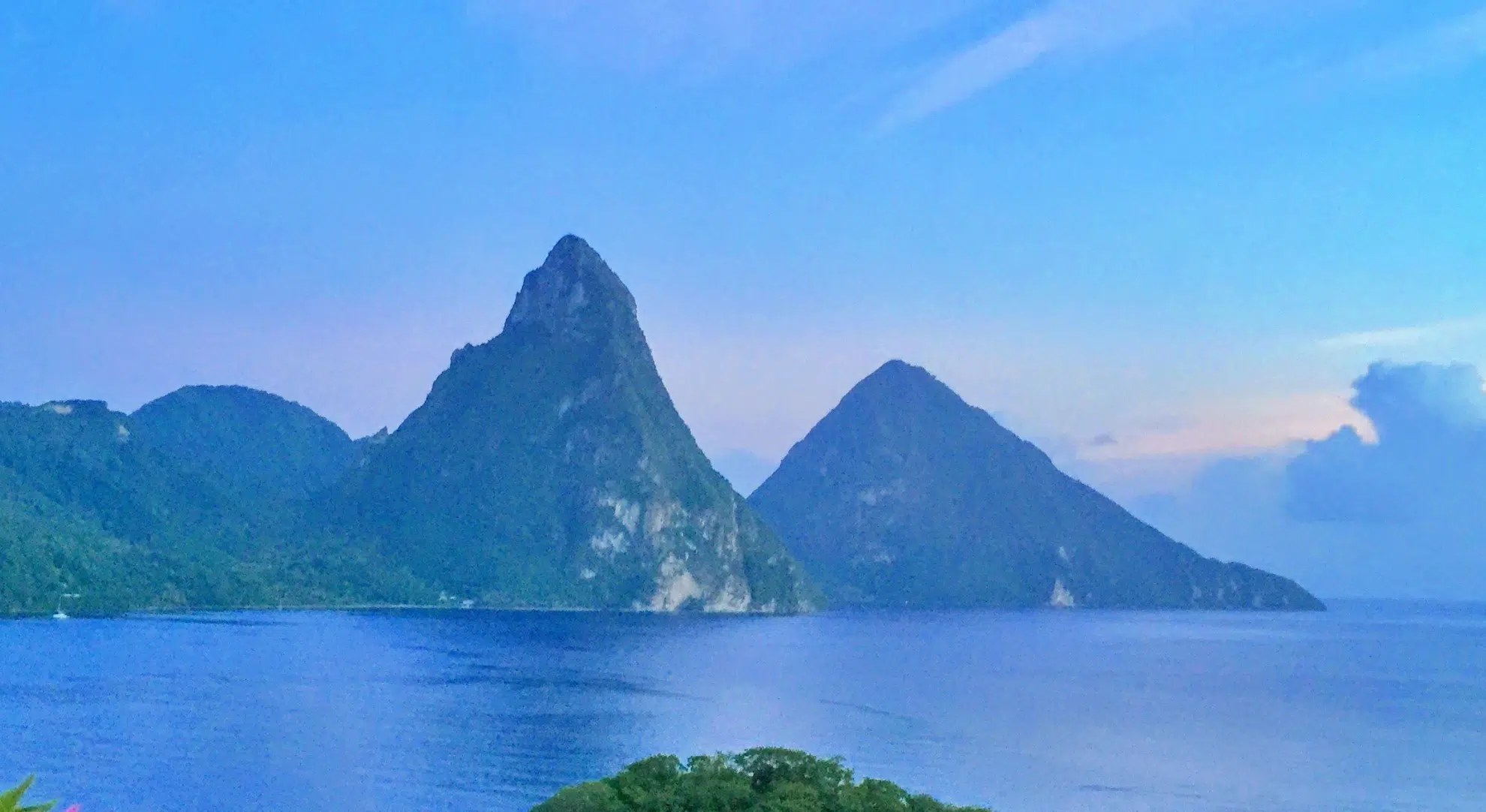
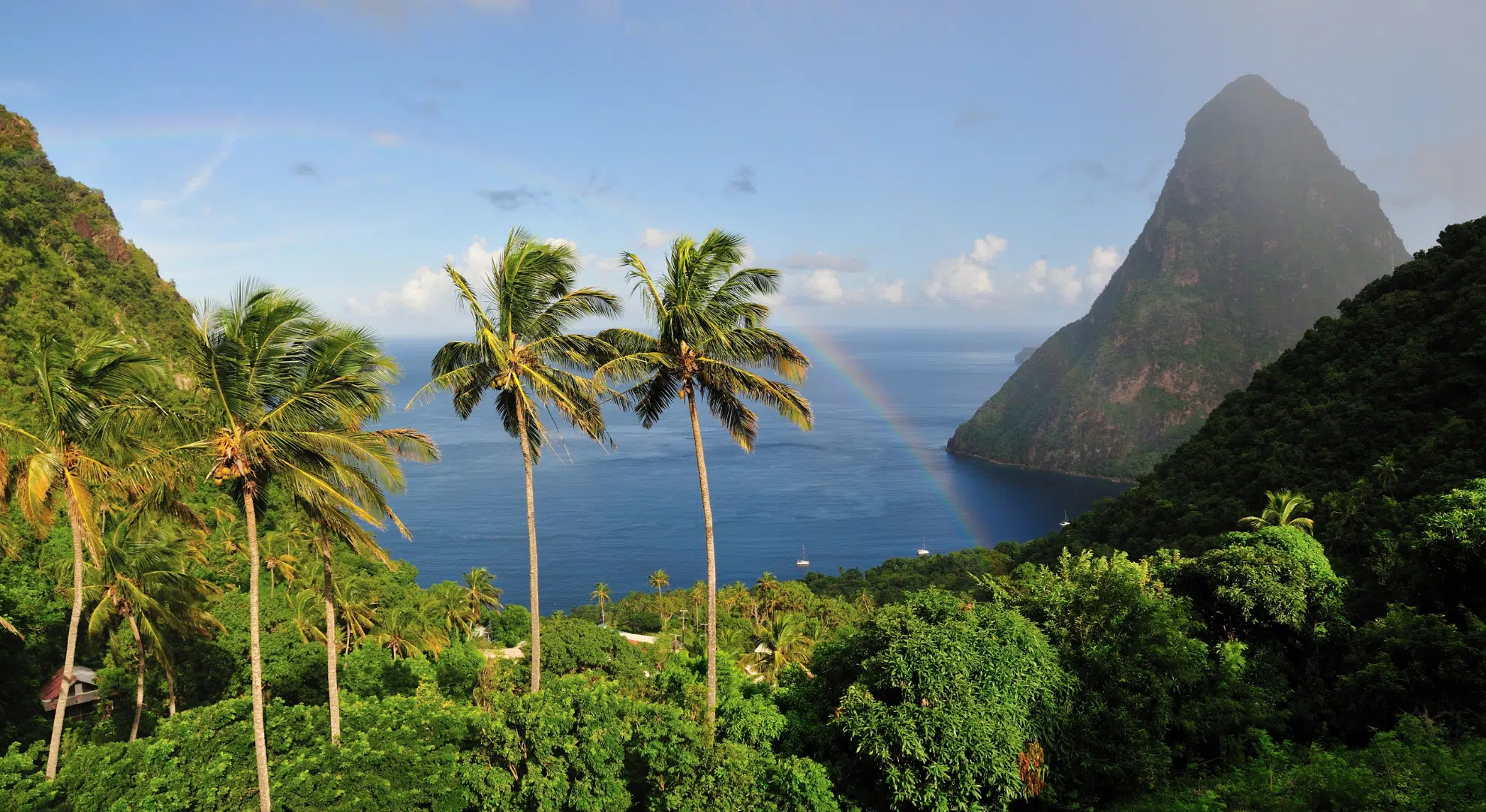
The southern end of St Lucia operates on different terms. Soufrière sits within the UNESCO-designated Pitons Management Area, a designation that limits development and shapes what is possible here. The Pitons are volcanic plugs rising directly from the coastline, and their presence defines the geography of every property in the area. Two nights is the minimum to do this part of the island justice.
The main draws are geological rather than coastal. The drive-in volcano at Sulphur Springs is the only such site in the Caribbean accessible by road, and the Tet Paul Nature Trail offers structured access to elevated terrain with direct sightlines to both peaks. The botanical gardens at Diamond Falls are compact but historically significant, developed originally for the French colonial garrison in the 1780s.
Accommodation options near Soufrière are limited in number but not in quality. The best properties sit within the Pitons Management Area itself, where positioning and access are tightly controlled and rarely replicated.
A Day on the Water: Sailing the West Coast
A full-day sail along the west coast is the most efficient way to understand St Lucia’s geography. Viewed from the water, the relationship between the Pitons, the volcanic ridge, and the coastal settlements becomes legible in a way that no inland road can replicate. The west coast’s calmer leeward waters make this a practical route year-round.
The choice between a shared catamaran and a private charter is a meaningful one. Catamarans typically follow a fixed route with scheduled stops at Anse Cochon or Anse Chastanet for snorkelling, alongside a visit to the Soufrière sulphur springs. A private charter allows the itinerary to be adjusted around tides, group size, and specific interests, and tends to attract a different level of crew knowledge and onboard provision.
Snorkelling quality varies considerably by stop and season. The reefs around Anse Chastanet are among the most intact on the island, partly due to proximity to the protected marine reserve. Where you stop, and when, is not incidental.
Where and What to Eat: Dining Across the Week
Dining in St Lucia follows the geography of the island. In the north, around Rodney Bay and Gros Islet, the Friday night street party at Gros Islet village offers grilled fish and local rum at open-air stalls, informal and rooted in how locals actually eat. The marina strip covers a broader range of preferences, from Creole kitchens to more international menus.
Further south, the Soufrière area carries the strongest concentration of estate-based dining. Ladera Resort’s open-air restaurant operates without a western wall, positioning it directly above the Piton valley. The setting is structural rather than decorative. Jade Mountain Club, on the same property, is reserved for resort guests and requires advance booking.
The most distinctive meals on the island tend to be tied to specific estates or private properties rather than standalone restaurants. These are not always publicly listed and are best arranged in advance through a specialist who knows which tables are worth securing.
The Final Day
Most visitors schedule departure transfers with no buffer, losing the final morning to logistics. Positioning yourself in the north on the last night, closer to George F.L. Charles Airport, changes that calculation. A late checkout becomes viable, and the morning stays yours.
Rodney Bay is a practical base for a final day: the marina, a concentration of restaurants that need no advance planning, and an easy run to the airport. If the week has been weighted toward Soufrière, the contrast is also worth something. The north reads as a different island.
A week in St Lucia covers a lot of ground for a small island. The version that stays with you is the one that was planned with enough care to leave room for the unexpected. Speak to a Do Not Disturb specialist to start building yours.
Plan your own version of this journey
Speak to Do Not Disturb’s luxury travel experts and turn this moment into something personal.
Related destinations
Suggested articles
Plan Your Honeymoon in St Lucia

The Pitons, St Lucia: Everything You Need to Know Before You Visit
Beyond the Maldives: Seven Islands for a Different Kind of Honeymoon
Multi-Destination Honeymoons: The Best Pairings for Two Distinct Locations
Where to Go On Honeymoon? A Guide to Help You Choose
Wilderness to Waves: Luxury Honeymoons in Kenya
Luxury Safaris: Why Laikipia Is Kenya’s Best-Kept Secret
Positano vs Ravello: Where to Stay on the Amalfi Coast
Chianti’s Luxury Villas: Stay Like a Renaissance Noble

Romantic Florence: The Ideal Italian Honeymoon
Venice for Art Lovers: Palaces, Churches and Private Views

Experiencing Florence Without the Crowds

Lake Como vs Lake Garda: Which Italian Lake Is Right for You?