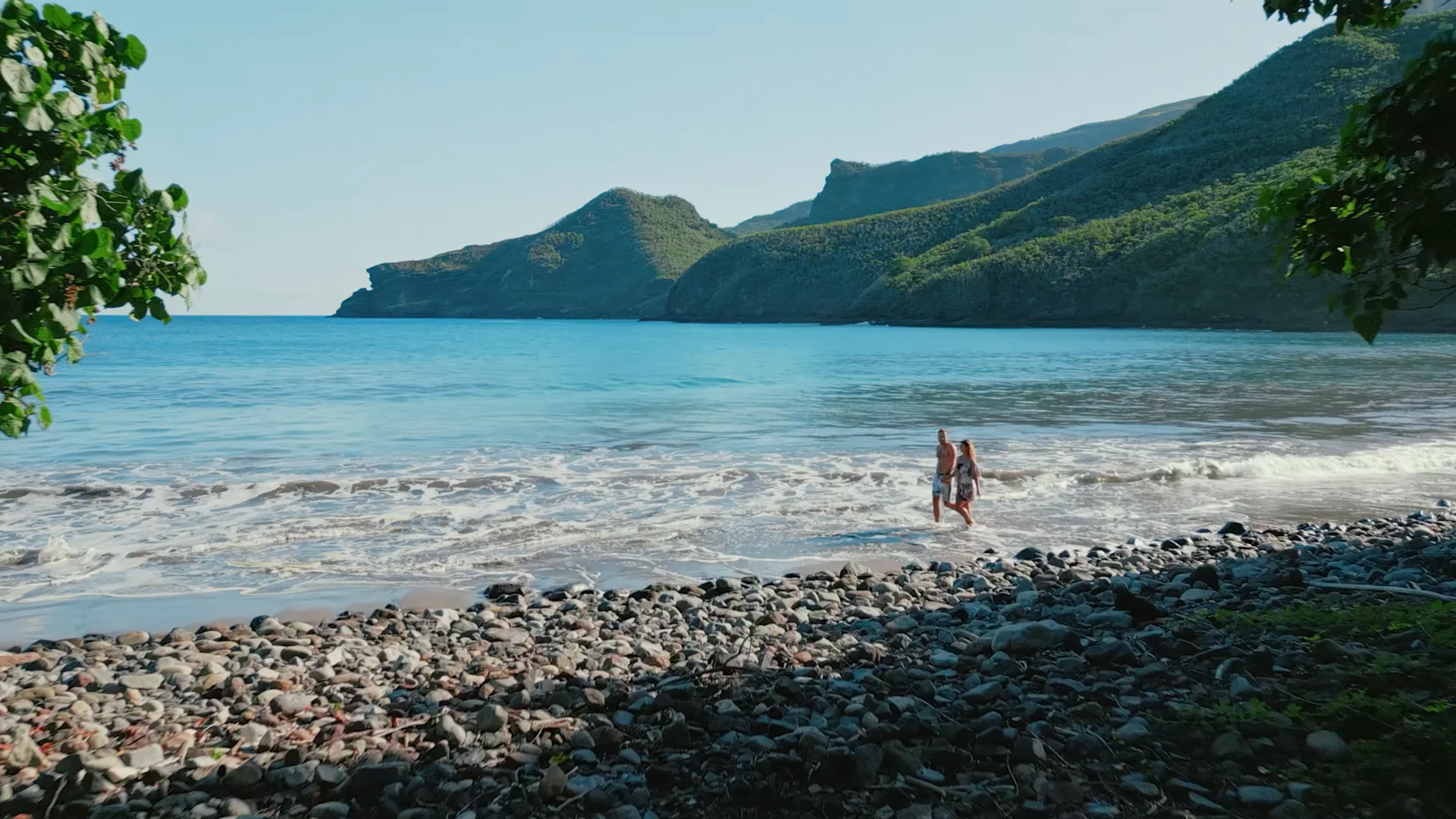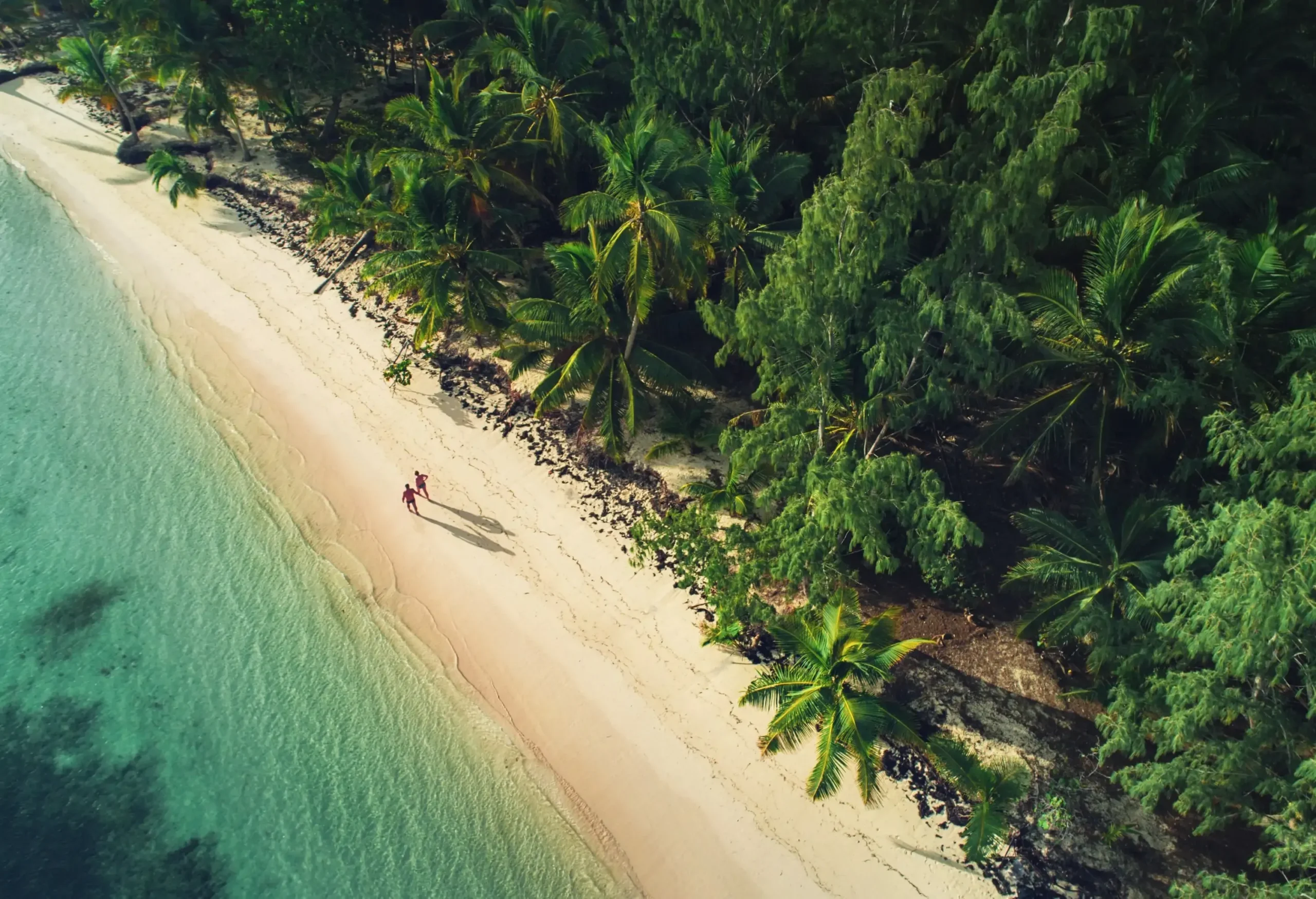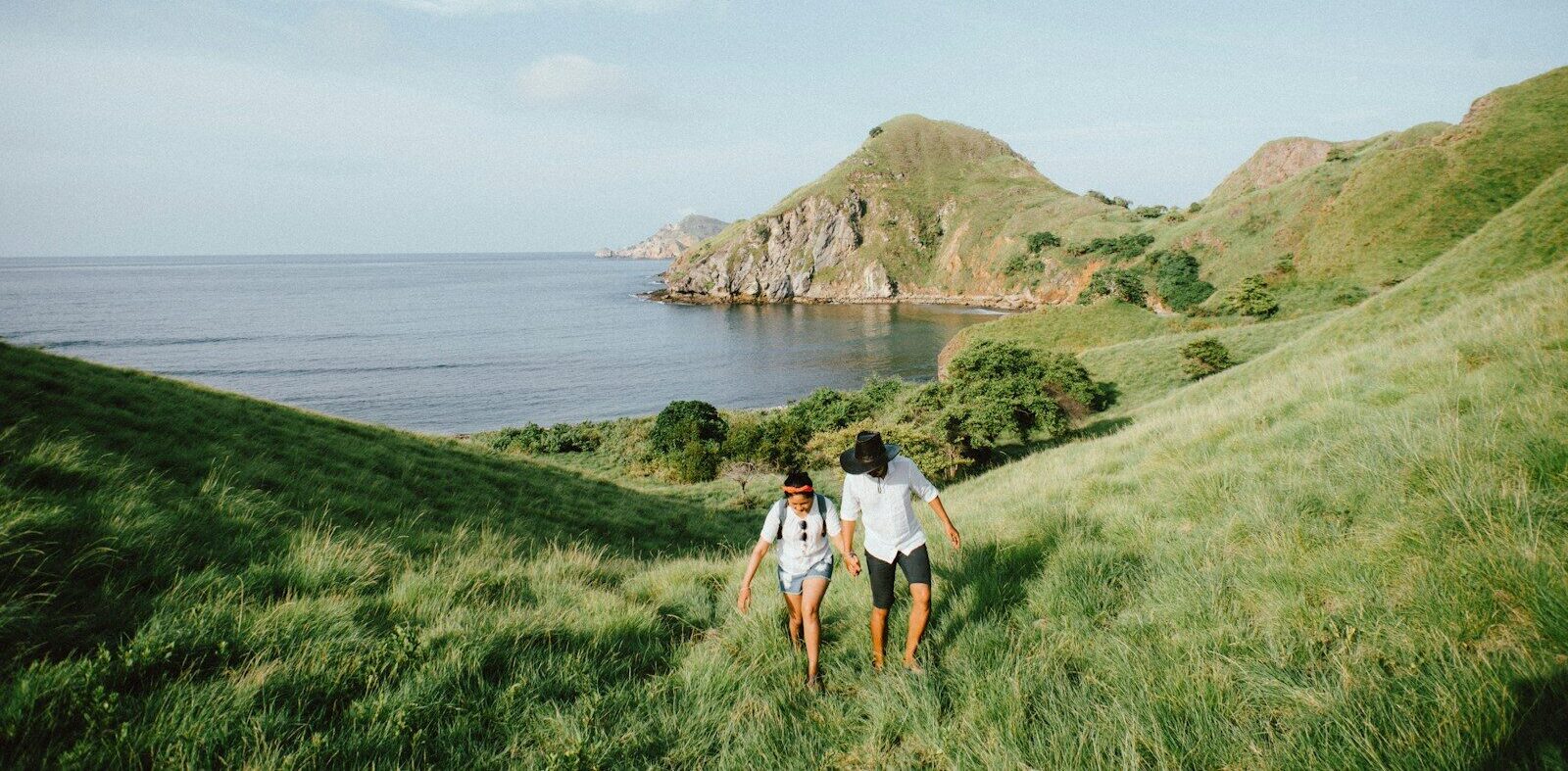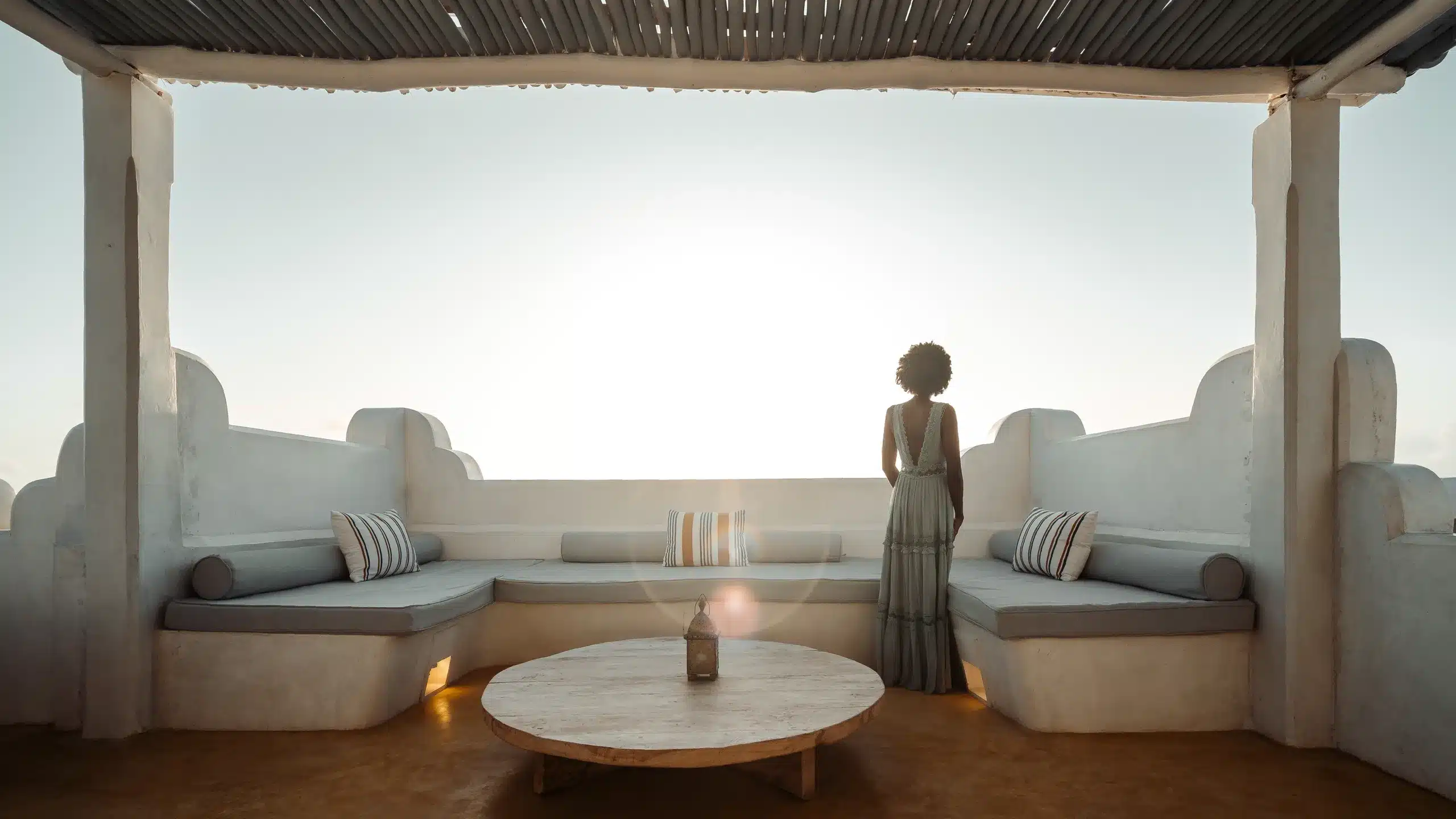

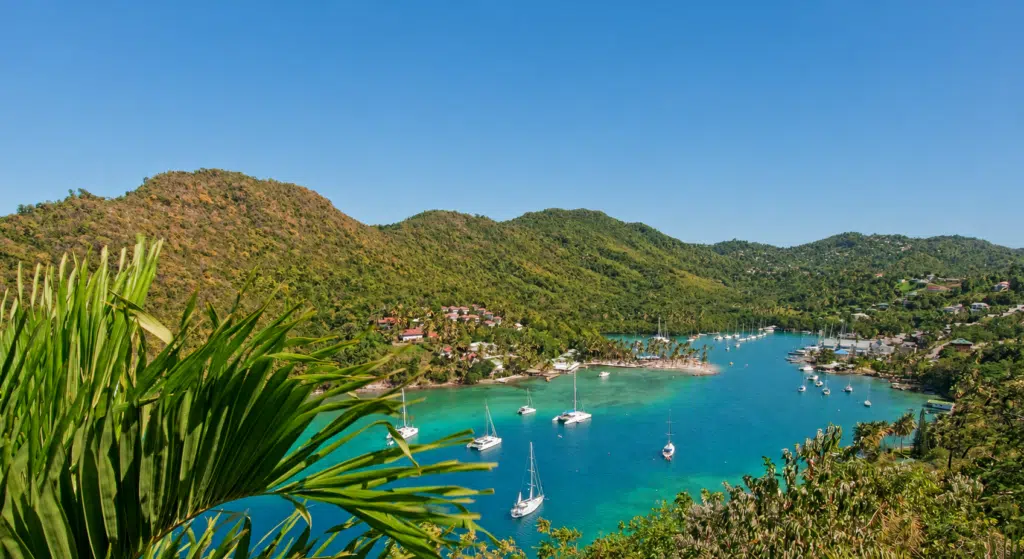
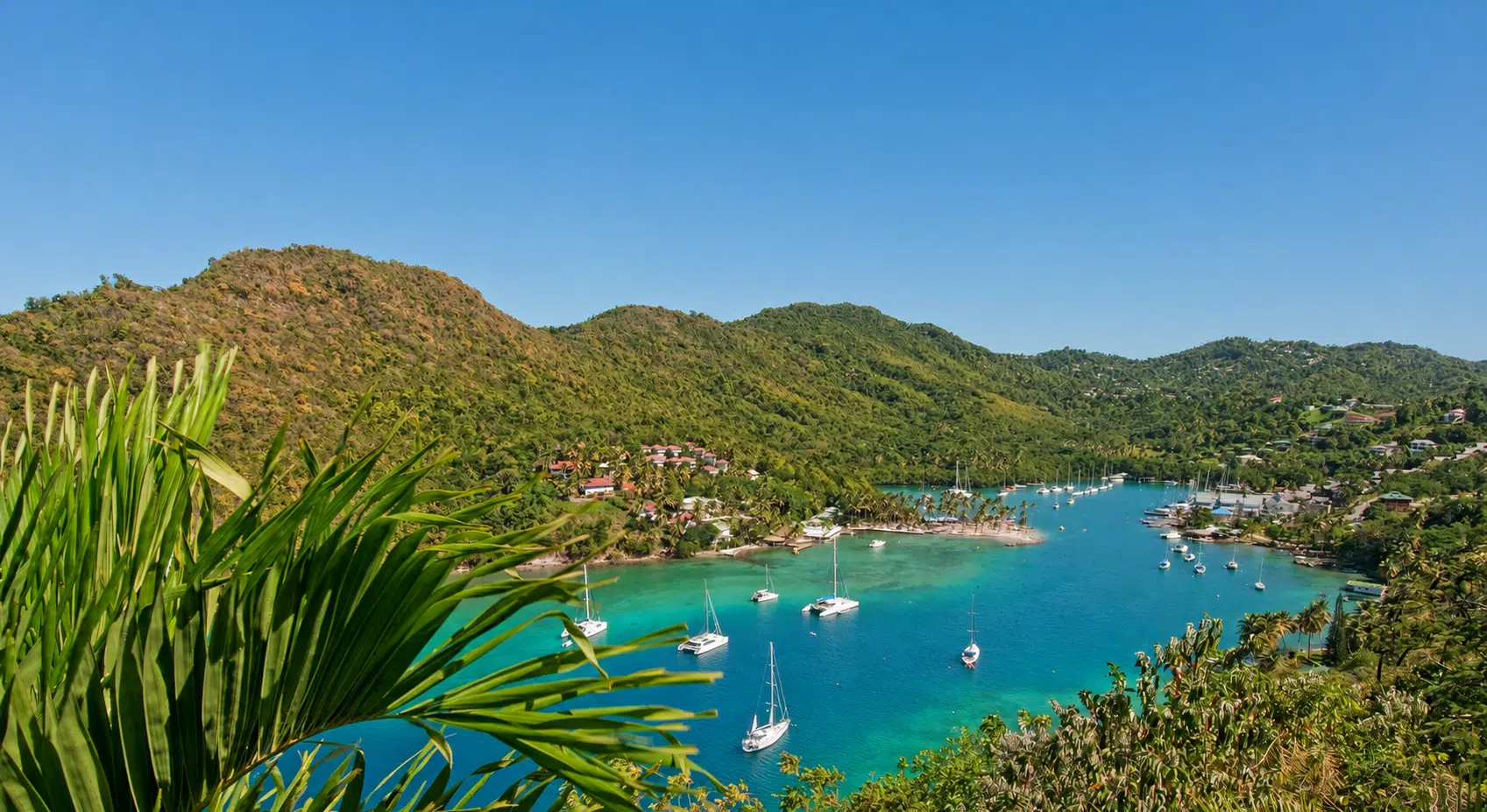
St Lucia has quietly become one of the Caribbean’s most compelling destinations for wellness travel, where volcanic terrain, dense rainforest, and a slower pace of island life create conditions that few other places can replicate. From luxury spa resorts anchored beneath the Pitons to thermal springs hidden in the interior, the island rewards travellers who come not to fill a schedule, but to reset one.
Why St Lucia Works for Wellness
St Lucia’s suitability for wellness travel is partly geological. The island sits on an active volcanic system, which produces natural hot springs, sulphur vents, and mineral-rich soils that support a level of biodiversity uncommon in the Caribbean. The Piton Management Area, a UNESCO World Heritage Site, covers a significant portion of the island’s southern interior and remains largely undeveloped, which limits the kind of resort density that defines more commercialised destinations in the region.
Tourism in St Lucia has historically concentrated in a smaller number of high-value properties rather than expanding through volume. This has preserved the character of the interior and kept certain areas of the island relatively inaccessible without local knowledge or established connections.
The island also has a functioning tradition of plant-based medicine rooted in its Creole heritage, which informs some of the more considered wellness programmemes available here.

About Do Not Disturb
Do Not Disturb is a luxury travel company specializing in carefully designed journeys and considered experiences. Each itinerary we build for our clients is informed by real destination knowledge, offering insight into places, cultures, and moments that shape how a trip comes together.
If this destination has sparked ideas, the itinerary can be developed into a private journey tailored to your interests and travel style, with hand-picked stays, thoughtful routing, and experiences curated around what matters most to you.
Luxury Spa Resorts Beneath the Pitons
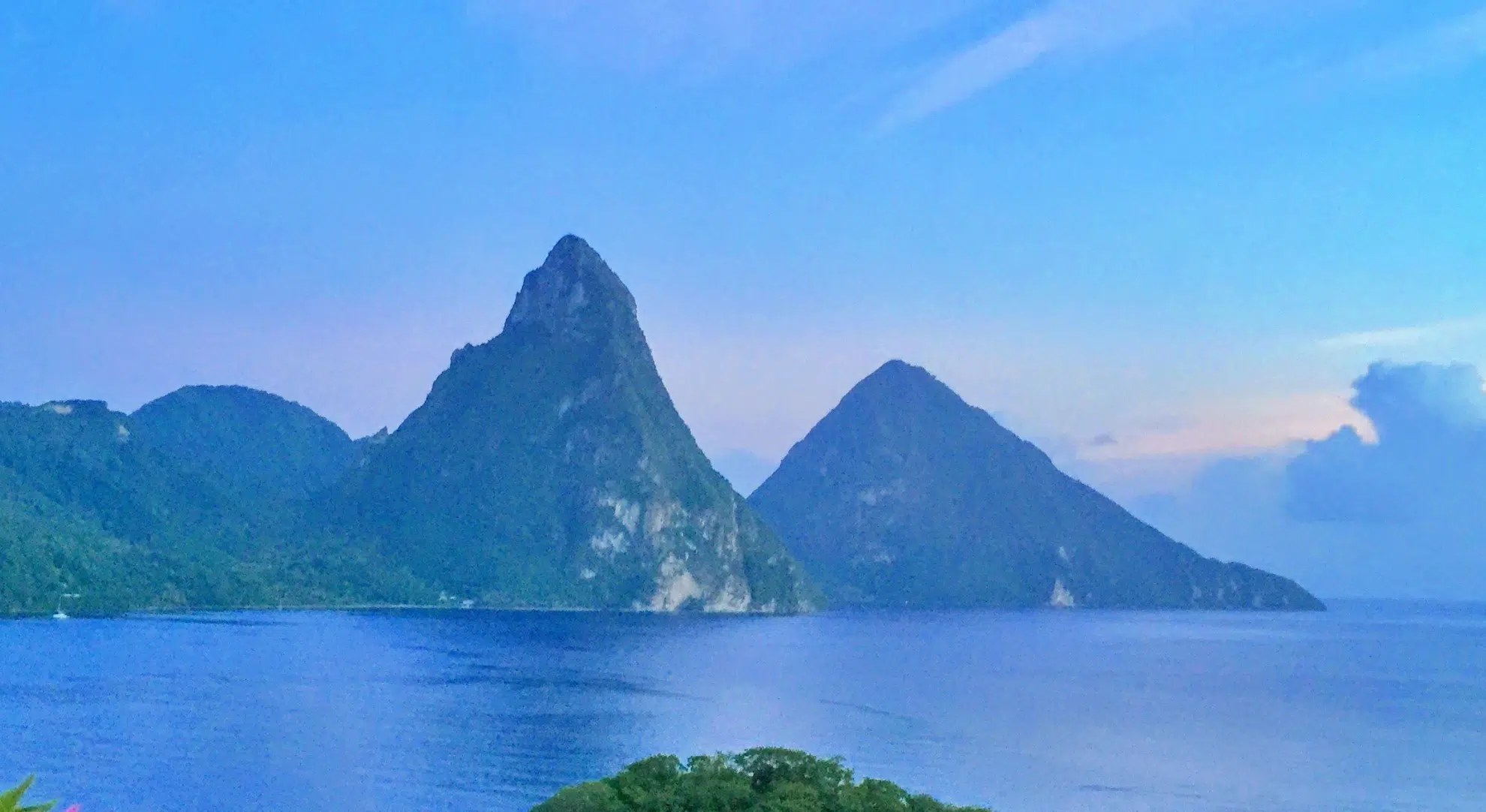
The Soufrière area holds the island’s most significant concentration of high-end wellness properties, and the geography is directly relevant to what they offer. The Pitons — UNESCO-listed volcanic spires rising from the southwest coast — create a microclimate that supports dense tropical vegetation, including many of the botanical species used in treatment programmemes at properties such as Jade Mountain and Anse Chastanet. Both operate integrated spa facilities where locally sourced ingredients, including cocoa, coconut, and indigenous herbs, are incorporated into structured treatment menus rather than used as decorative additions.
The volcanic geology also shapes the wellness offering in a more direct sense. Sulphur-rich thermal springs in the surrounding area have historically informed hydrotherapy and mineral bathing elements at several properties, distinguishing the region’s spa culture from resort wellness elsewhere in the Caribbean.
Access to the more considered programmemes depends significantly on how a visit is structured. The properties vary in depth of offering, and the distinction between a spa hotel and a wellness-oriented retreat is not always apparent from the outside.
The Thermal Springs of Soufrière
The thermal springs at Sulphur Springs sit within the caldera of what is often described as the world’s only drive-in volcano, a few kilometres north of Soufrière. The waters are rich in sulphur, calcium, and magnesium — minerals associated in traditional Caribbean wellness practice with skin conditioning and muscular relief. Public bathing pools have operated here for decades, drawing both locals and visitors to waters that reach temperatures of around 40°C.
The more considered thermal experiences are found at properties in the Soufrière corridor, several of which have developed private spring-fed facilities using the same geothermal source. These settings allow for longer, more structured engagement with the waters, typically integrated into broader treatment programmemes rather than offered as standalone access.
The distinction between the public site and the curated alternatives is significant. Both draw from the same volcanic geology, but the quality and context of the experience varies considerably depending on how access is arranged and what surrounds it.
Yoga Retreats and Rainforest Immersion
Yoga retreats in St Lucia are structured around the island’s interior as much as its coastline. Dedicated retreat centres in the rainforest zone, particularly in the elevated areas around Soufrière and the Fond Doux estate, use altitude and consistent humidity as environmental factors that directly affect breathwork and physical practice. Sessions are typically held in open-sided structures that sit within the forest canopy, where natural light and ventilation vary across the day and shift the conditions of practice in ways that climate-controlled studios cannot replicate.
Resort-based programmes at properties such as Jade Mountain and Anse Chastanet integrate yoga within broader wellness schedules, offering structured daily sessions alongside access to thermal and hydrotherapy facilities. These programmes vary considerably in depth and instructor quality, and the distinction between a curated retreat and a standard resort add-on is not always apparent from surface-level descriptions.
The most substantive programmes tend to be smaller, independently run, and not widely marketed. Access to these depends on current scheduling and on knowing where to look.
Slower Travel as a Wellness Framework
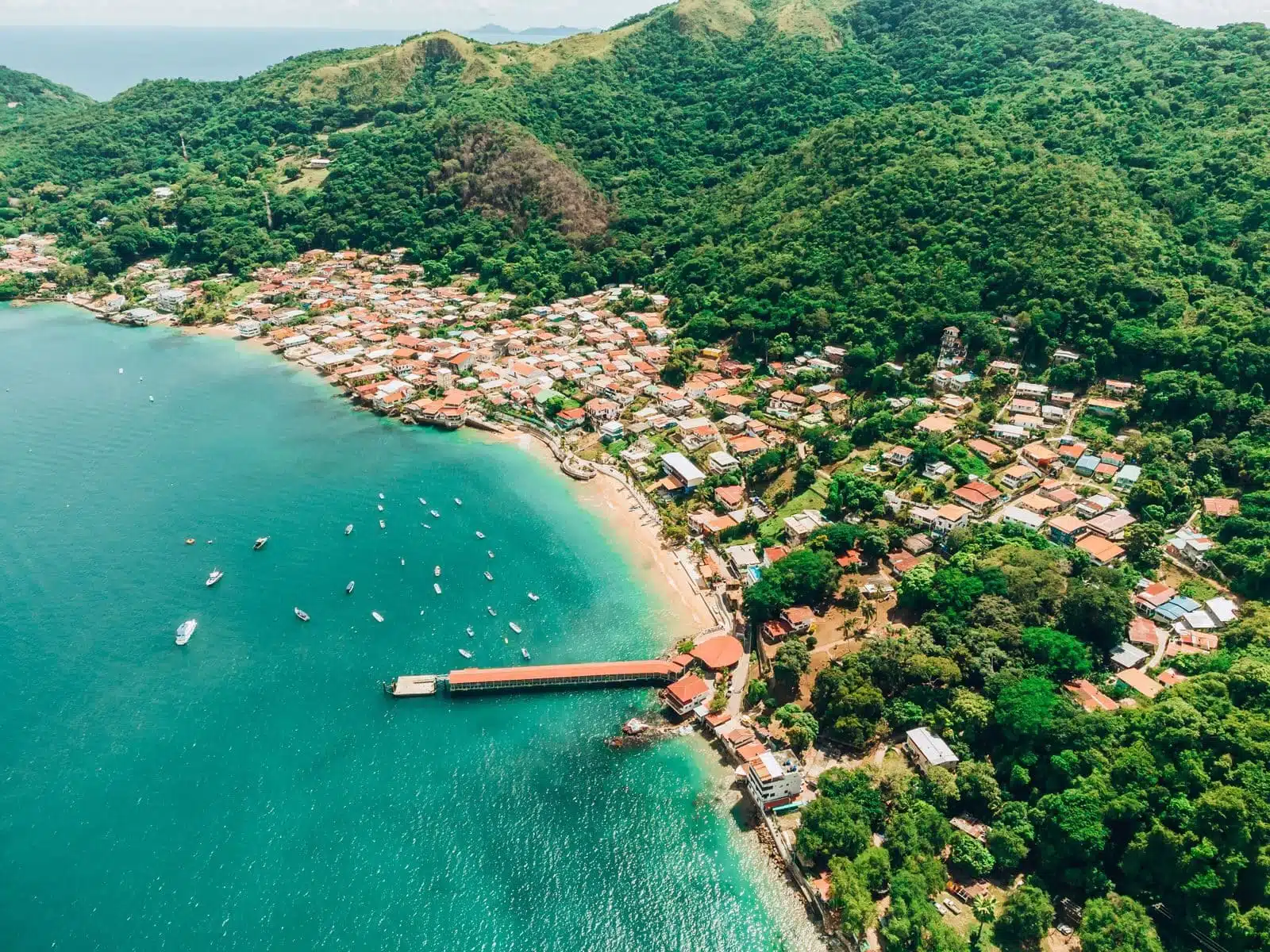
One of the most overlooked aspects of St Lucia is that the island encourages travellers to slow down. The dramatic topography that makes the landscape so striking also shapes how people move through it. Roads wind through mountains, dip into rainforest valleys, and follow the contours of the coastline, turning even short journeys into scenic experiences rather than simple transfers.
Away from the resort enclaves, villages such as Anse La Raye and Dennery offer a glimpse of a different rhythm. Fishing boats still dictate the pace of the day, local markets remain part of daily life, and restaurants often rely on ingredients sourced from nearby farms and fishing communities. Cocoa, breadfruit, dasheen, and fresh seafood continue to play an important role in the island’s culinary identity.
For travellers seeking a genuine sense of escape, these experiences can be as restorative as any spa treatment. Spending time in the island’s smaller communities, lingering over a long lunch, or exploring the rainforest interior offers a connection to St Lucia that extends well beyond the resort gates.

Planning a Wellness Trip to St Lucia
Timing can have a significant impact on a wellness-focused trip to St Lucia. The dry season, from December through April, brings warm temperatures, lower humidity, and the most reliable conditions for hiking, sailing, and exploring the island’s rainforest interior. May and June are often considered something of a sweet spot, offering many of the same advantages with fewer visitors and a more relaxed atmosphere.
Location matters just as much. While Rodney Bay in the north offers beaches, restaurants, and easy access to marinas and nightlife, the island’s most distinctive wellness experiences are found further south. Around Soufrière, beneath the towering Pitons, visitors have access to volcanic hot springs, mineral-rich mud baths, rainforest trails, and some of the Caribbean’s most immersive retreat-style properties.
Not every wellness experience in St Lucia takes the same form. Some travellers may be perfectly content with daily spa treatments and a slower pace at a luxury resort. Others are drawn to more structured retreats that combine movement, nutrition, mindfulness, and nature-based experiences. The latter often require advance planning, particularly during peak season, but can provide a much deeper connection to both the landscape and the island itself.
Plan your own version of this journey
Speak to Do Not Disturb’s luxury travel experts and turn this moment into something personal.
Related destinations
Suggested articles
Plan Your Honeymoon in St Lucia

The Pitons, St Lucia: Everything You Need to Know Before You Visit
Beyond the Maldives: Seven Islands for a Different Kind of Honeymoon
Multi-Destination Honeymoons: The Best Pairings for Two Distinct Locations
Where to Go On Honeymoon? A Guide to Help You Choose
Wilderness to Waves: Luxury Honeymoons in Kenya
Luxury Safaris: Why Laikipia Is Kenya’s Best-Kept Secret
Positano vs Ravello: Where to Stay on the Amalfi Coast
Chianti’s Luxury Villas: Stay Like a Renaissance Noble

Romantic Florence: The Ideal Italian Honeymoon
Venice for Art Lovers: Palaces, Churches and Private Views

Experiencing Florence Without the Crowds

Lake Como vs Lake Garda: Which Italian Lake Is Right for You?