



9 days
|$5795

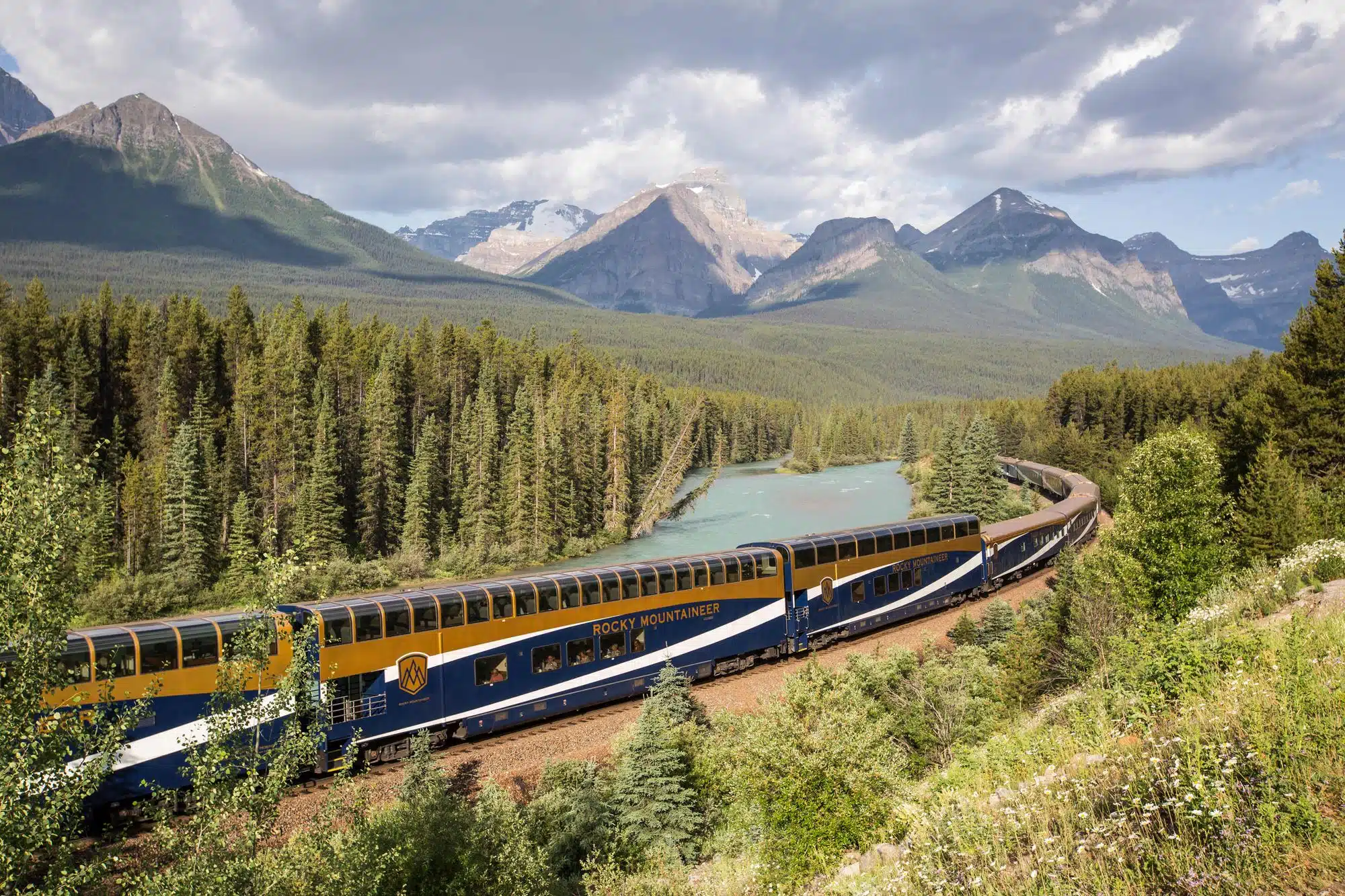
You might wonder if the Rocky Mountaineer is worth the time. It is. This is a daylight-only journey through the Canadian Rockies, with glass-dome views of glaciers, lakes, and wildlife you simply can’t see any other way.
The Rocky Mountaineer isn’t just a train journey, it’s two full days of slowing down and taking in the Canadian Rockies properly. You travel by daylight in glass-dome coaches, so every river, glacier, and mountain pass is right in front of you.
Running since 1990, it has carried over two million passengers and is widely considered one of the world’s great rail journeys, and for many travelers, a key reason to visit western Canada in the first place.
Do Not Disturb is a luxury travel company specializing in carefully designed journeys and considered experiences. Each itinerary we build for our clients is informed by real destination knowledge, offering insight into places, cultures, and moments that shape how a trip comes together.
If this destination has sparked ideas, the itinerary can be developed into a private journey tailored to your interests and travel style, with hand-picked stays, thoughtful routing, and experiences curated around what matters most to you.
The Rocky Mountaineer operates exclusively during daylight hours. This is not a minor operational detail but the entire design philosophy of the experience. Every other long-distance train journey involves a calculation: sleep or watch. The Rocky Mountaineer removes that calculation entirely.
When darkness falls, the train stops. Passengers disembark, check into hotels in Kamloops or Quesnel depending on the route, sleep, and reboard in the morning. The scenery never passes by while you can’t see.
The coaches are optimized for observation and dining rather than sleeping. The service model is built around daylight hours and the rhythm of a long, well-paced meal combined with continuous forward motion through extraordinary terrain.
For anyone researching Rocky Mountaineer, this is what to expect: the daytime-only model is the single most important thing to understand before you book. It is a fundamentally different product from what most people associate with luxury rail travel.
9 days
|$5795
10 days
|$10250
The Rocky Mountaineer offers two service classes, and the difference between them is more architectural than cosmetic. If you are weighing up Rocky Mountaineer GoldLeaf vs SilverLeaf, here is what actually separates them.
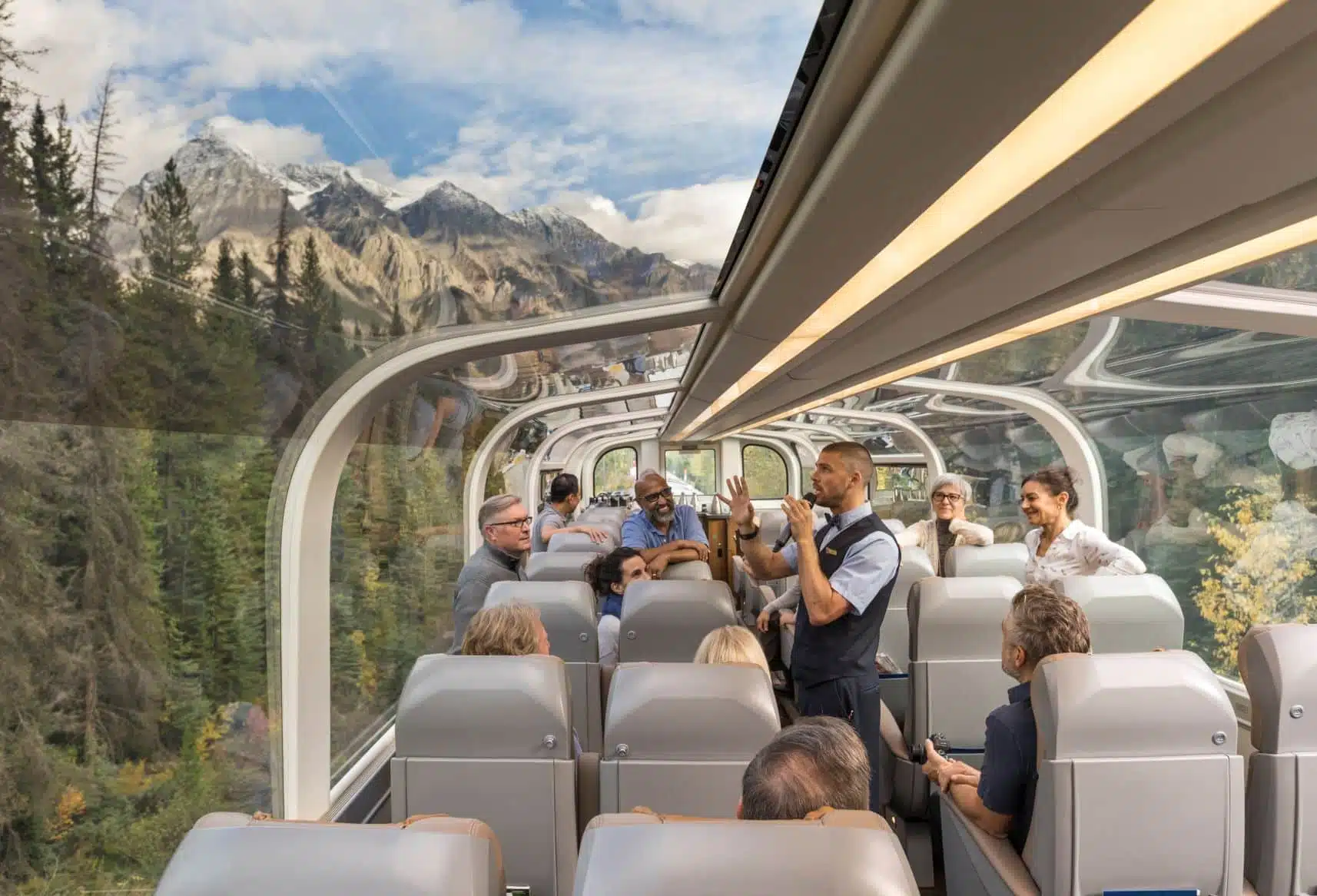
It operates on a bi-level glass-dome coach. The upper level is given entirely to observation seating, with panoramic windows that curve overhead to capture the full arc of the sky. The lower level is a dedicated dining room, where meals are served at tables with full service throughout the journey.
Passengers move between the two levels freely, which means watching the scenery and eating are separate experiences rather than one compromising the other. GoldLeaf coaches also include an outdoor viewing platform at the rear, which in the right conditions is the best seat on the train.
This operates on a single-level glass-dome coach. Meals are served at your seat rather than in a separate dining room. The service is attentive and the views are identical, but the sense of occasion is measurably different.
For travellers choosing this as the centrepiece of a luxury rail travel North America itinerary, GoldLeaf is the right choice. SilverLeaf makes sense for those who want the core experience at a more accessible price point.
Both classes benefit from what the Rocky Mountaineer does better than almost any comparable scenic train in Canada: the hosting. The onboard teams are knowledgeable, engaged, and treat the terrain outside as something worth explaining in depth. Across two full days of travel, that matters.
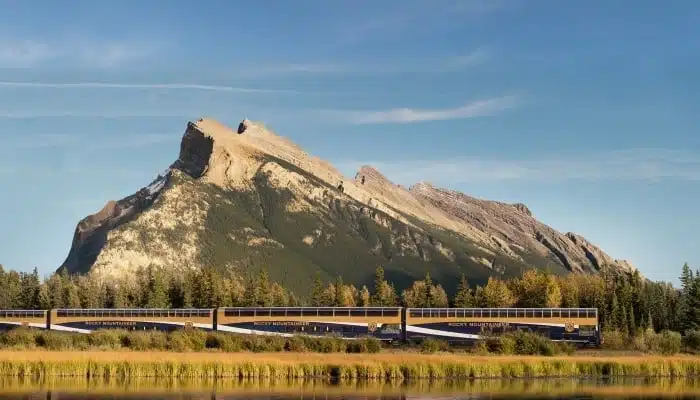
The Rocky Mountaineer runs three distinct routes through the Canadian Rockies by rail, each with a different character. They are not interchangeable, and the choice between them will define your experience.
Vancouver to Banff by train, tracing the route of the original Canadian Pacific Railway through the Fraser Canyon and into the Rockies.
The Spiral Tunnels near Field, where the train loops inside the mountain to manage the gradient of Kicking Horse Pass, are among the most extraordinary pieces of railway engineering in the world. The canyon sections are dramatic in a different way: sheer rock faces, the rushing green of the Fraser River below, terrain that has barely changed since the railway first cut through it.
For first-time visitors, combining the train with Banff and Lake Louise is the natural choice.
Vancouver to Jasper via the Yellowhead Pass, following the Thompson and North Thompson rivers before climbing into the northern Rockies.
The scale here is different: wider valleys, a greater sense of wilderness, mountains that give you more room to look at them. Jasper is a better base for wildlife than Banff, and this route, combined with time in Jasper National Park, makes for a coherent itinerary with a consistent character.
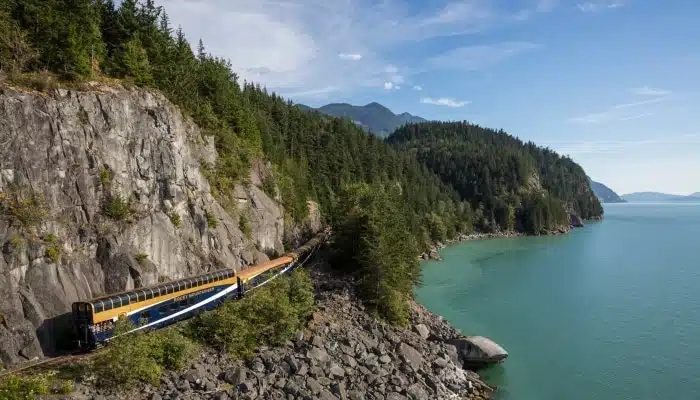
The most distinctive of the Rocky Mountaineer routes, running from Vancouver to Jasper via the Whistler Sea to Sky Climb, one of the most visually arresting stretches of track on the entire network.
The first day moves through the temperate rainforest of the Coast Mountains before the landscape transitions through the interior of British Columbia, tracing old gold rush territory. It takes two days longer than the other routes and arrives in Jasper from the west.
For travelers who have already done the Banff circuit and want a different dimension of the Canadian Rockies by rail, this is the route worth considering.
It is also worth noting that the Rocky Mountaineer now operates a US route, Rockies to the Red Rocks, running between Denver and Salt Lake City through the Colorado Rockies. A very different landscape from the Canadian routes and a strong option for travelers building a broader North American rail itinerary.
The train works best as the spine of a Canadian Rockies trip rather than the whole of it.
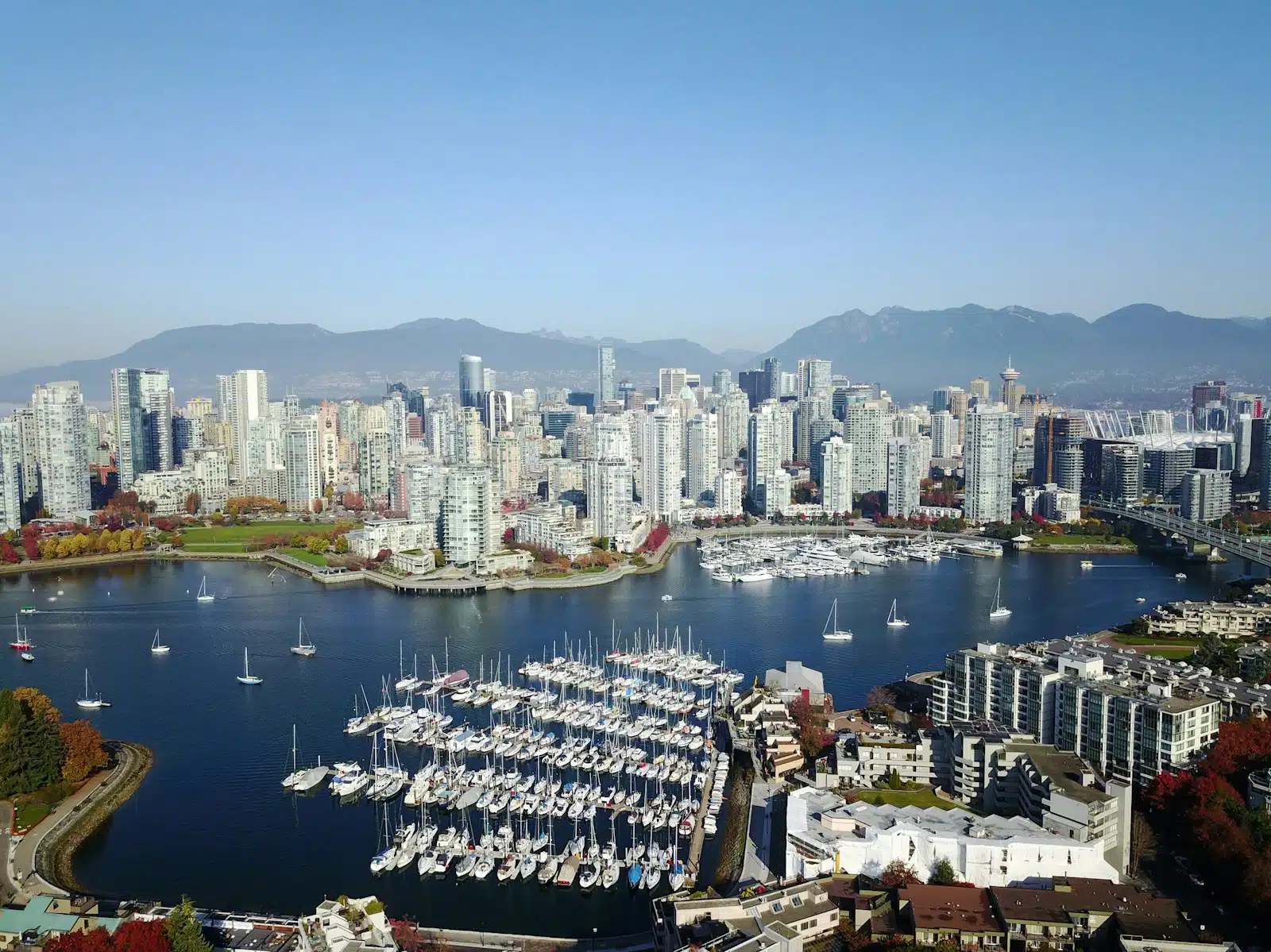
Vancouver deserves more than a transit night. The city is one of the most visually striking in North America, and two or three days here is worth building in.
At the eastern end, Banff and Jasper offer very different experiences. Banff is more developed and home to the Fairmont Banff Springs, one of the more remarkable hotel situations in Canada. Jasper is quieter, wilder, and better for wildlife. The Icefields Parkway connecting the two is among the most dramatic road journeys in the world and makes a strong case for splitting time between both parks.
The combination of the Rocky Mountaineer with an Alaska cruise has become a well-established itinerary. Vancouver serves as the hub for both, the landscapes complement each other, and the logistics are clean.
For those wanting to extend further, combining the Rocky Mountaineer with VIA Rail’s cross-country Canadian, Vancouver to Toronto across the prairies, boreal forest, and Great Lakes, produces one of the great extended train through the Rockies experiences available anywhere. Most people only make that trip once, which is reason enough to do it properly.
A few practical points worth knowing before you book.
Seats on the right-hand side of the train heading eastbound offer better views through the Fraser Canyon on the First Passage to the West route. The outdoor viewing platform on GoldLeaf coaches gets busy at key moments, so arrive early when the train approaches the Spiral Tunnels or the most dramatic canyon sections.
Book as early as possible. Popular departure dates in July and August sell out well in advance, and GoldLeaf availability goes first. Spring and autumn departures offer more flexibility and, in September, often better light.
If you are combining this with Vancouver and Banff, plan at least ten to twelve days total to avoid feeling rushed at either end.
Do Not Disturb can handle the full itinerary: hotels before and after, transfers, extensions to Jasper or Alaska, and any combination of the routes. Get in touch to start planning.
Speak to Do Not Disturb’s luxury travel experts and turn this moment into something personal.
Related destinations
Suggested articles





Tell us how you want to feel, we’ll take it from there.
“Our trip was truly magical and full of core memories that will last us a lifetime.”
Michael • Bora Bora Honeymoon

“We just returned from an incredible journey through Ireland, and we couldn’t have had a better experience”
Brad • Ireland Adventure
“This was a flawless experience. They took all our thoughts and perfectly curated the most beautiful honeymoon.”
Kris • Sicily Honeymoon
Our team brings over 35 years of experience in luxury travel, shaping bespoke journeys for discerning clients worldwide. The reviews below reflect the trust placed in us and the experiences we continue to create.
See more reviews on Trustpilot
 5 min read
A Maldives honeymoon usually comes down to one early decision. Stay on a single island for the full trip, or divide the time between two resorts with different characters.
 6 min read
Most honeymoon planning defaults to summer, or to whichever destination is warmest on the day of the wedding. Autumn deserves its own shortlist. It is grape harvest in Italy, dry season settling in across the African plains, the last stretch of Caribbean heat before winter rates arrive, and a handful of weeks in Japan that […]
 5 min read
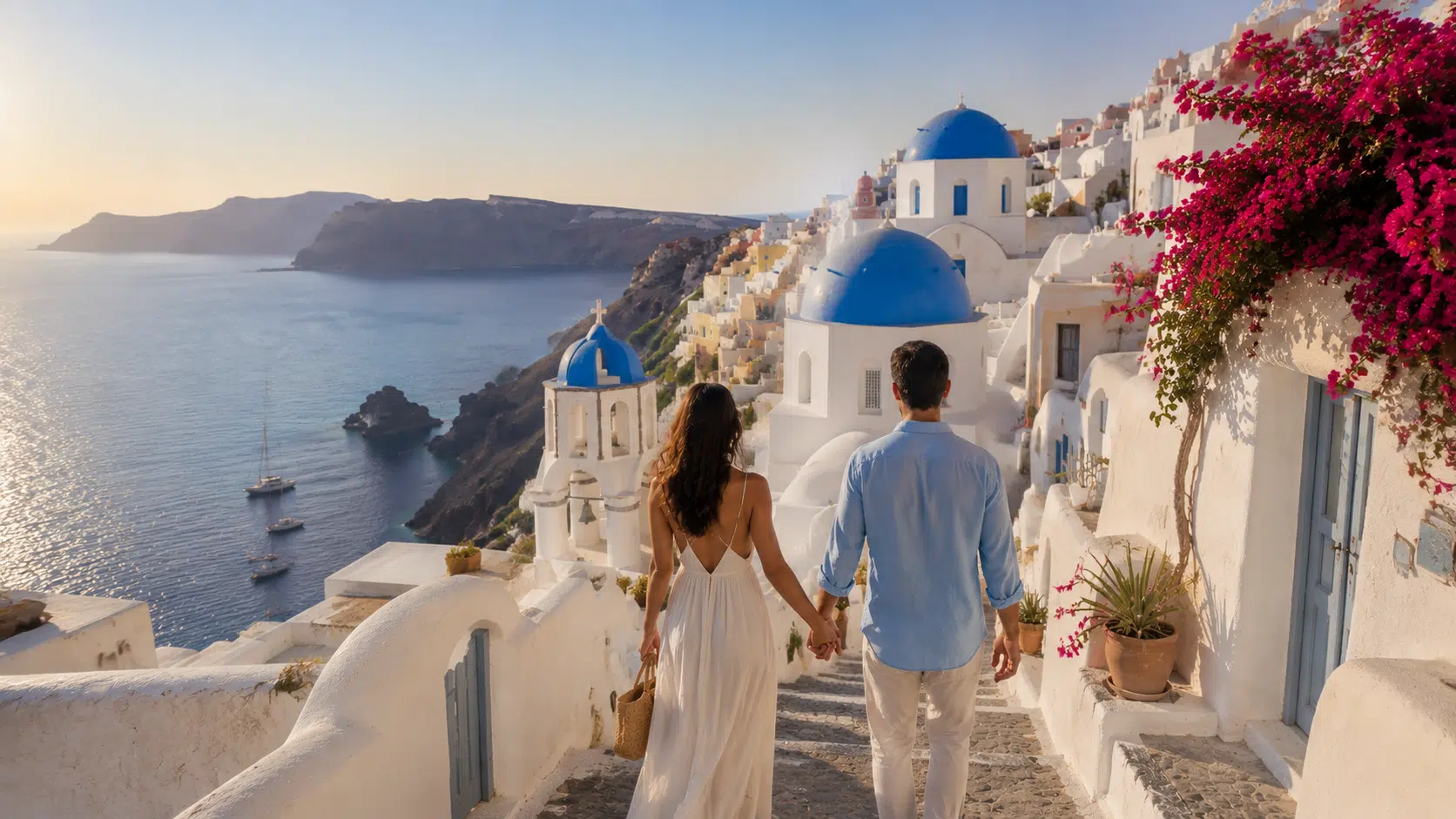
Italy or Greece for your honeymoon? Compare city hopping, beaches, culture, food, weather, and cost to find the right fit for the two of you.
 2 min read
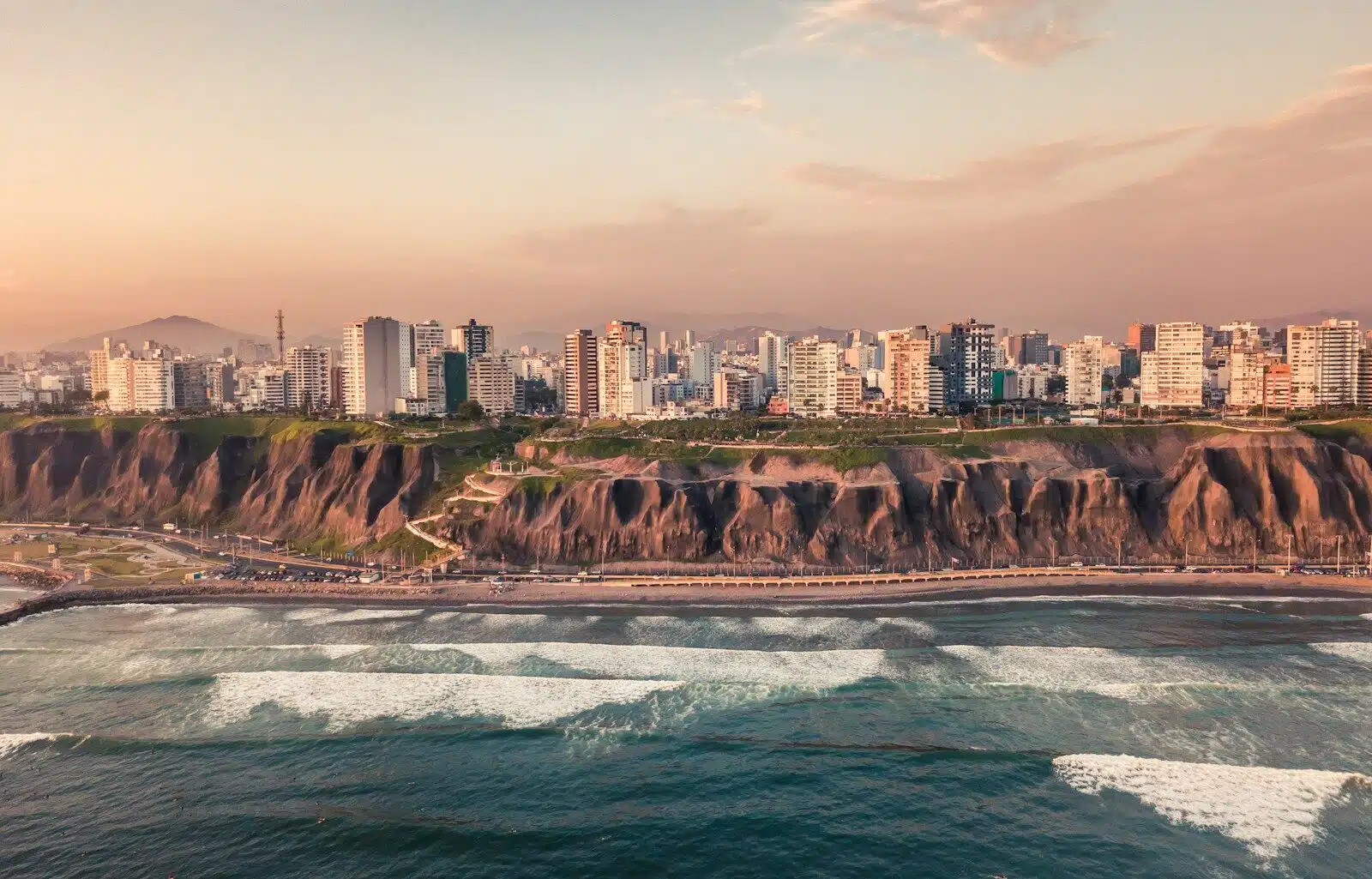
A decade ago, Lima was a single overnight before the flight to Cusco. Now, a two-day trip can be filled with clifftop parks, spectacular culture, and some of the best cooking in the Americas.
Planning your trip should feel effortless.
You share what matters, whether it’s a destination, a feeling, or a moment worth celebrating.
Your dedicated expert shapes a thoughtful, private itinerary tailored entirely around you.
Every detail handled. Every moment considered. Support before, during, and after your journey.

Answer a few quick questions and we’ll craft a journey as unique as your state of mind.
Ask us anything.
