On this page
From a private dawn visit to the Nasrid Palaces to an after-hours evening inside the Mezquita, our guide to planning a honeymoon in Andalusia. Ten to fourteen days, the cities and coastline, and the experiences worth doing properly.
There is a moment in the Albaicín district of Granada, somewhere between dusk and dark, when the Alhambra across the valley begins to glow gold against the Sierra Nevada. The streets are quiet, the jasmine is doing its work on the air, and it becomes briefly unclear which century you are standing in.
Andalusia produces this kind of moment with regularity. For a honeymoon, few destinations in Europe offer the same combination of variety and atmosphere. The cities are world-class and romantic. The countryside is extraordinary. And the pace of life, the long lunches, the late dinners, the Andalusian commitment to time well spent, suits two people who want an excuse to slow down.
The broad shape of a honeymoon here tends to resolve itself around the same elements: the three great cities of the interior, a village or two in the hills, and somewhere on the coast to finish.
Seville
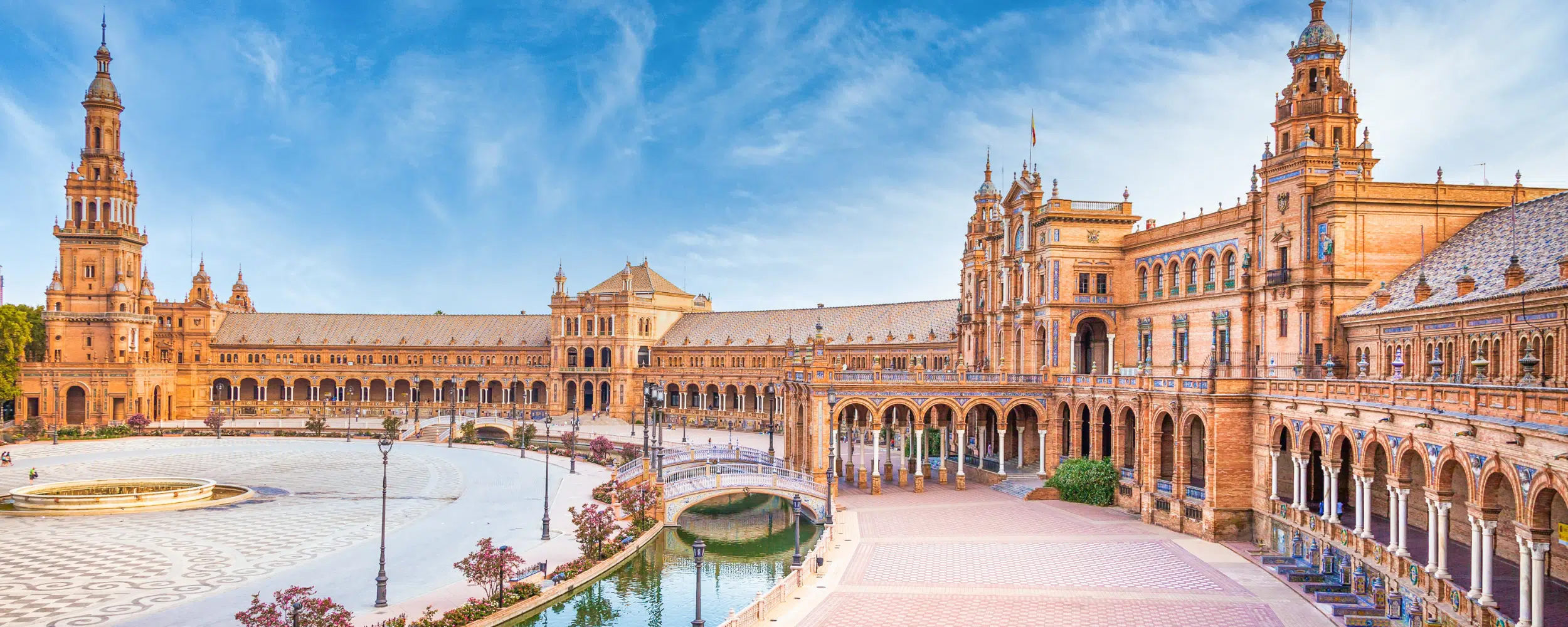
Start in Seville. The city is the most immediately seductive of the three. The Santa Cruz quarter, the old Jewish neighborhood that winds between the cathedral and the Alcázar palace, is the most romantic urban district in Spain. Streets too narrow for cars, walls hung with flowering plants, and small squares that open unexpectedly as you turn corners.
The Real Alcázar is one of the most beautiful buildings in Europe and consistently underrated relative to the Alhambra. The gardens behind the palace, planted with orange trees, fountains, and long shaded pathways, are where you want to spend the afternoon. In the evenings, a private horse-drawn carriage through the Maria Luisa Park at sunset seems slightly too obvious until you actually do it, at which point it is simply perfect.
Flamenco here is its own subject. Skip the tourist tablaos and find a smaller venue in the Triana district across the river, where the performers are local and the audience is mixed. The difference is considerable.
Where to stay:
Hotel Alfonso XIII remains the most prestigious address in the city, a Moorish-Renaissance palace with an interior courtyard that is one of the best hotel spaces in Spain. For something more intimate, Hacienda de San Rafael, an hour south in the olive groves, offers total quiet and genuine privacy. Two nights in Seville followed by two nights at Hacienda is a combination that works very well.
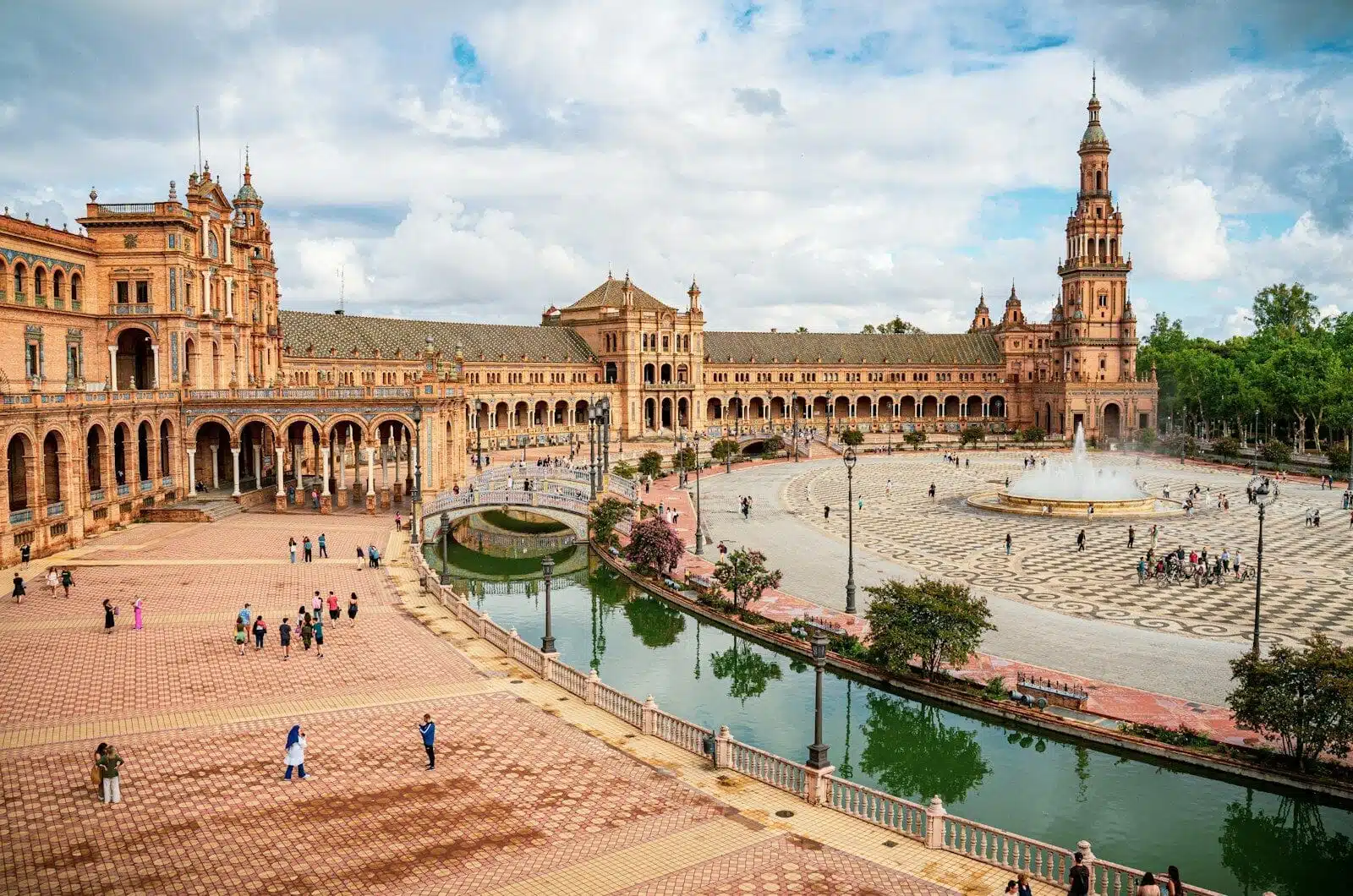
Córdoba
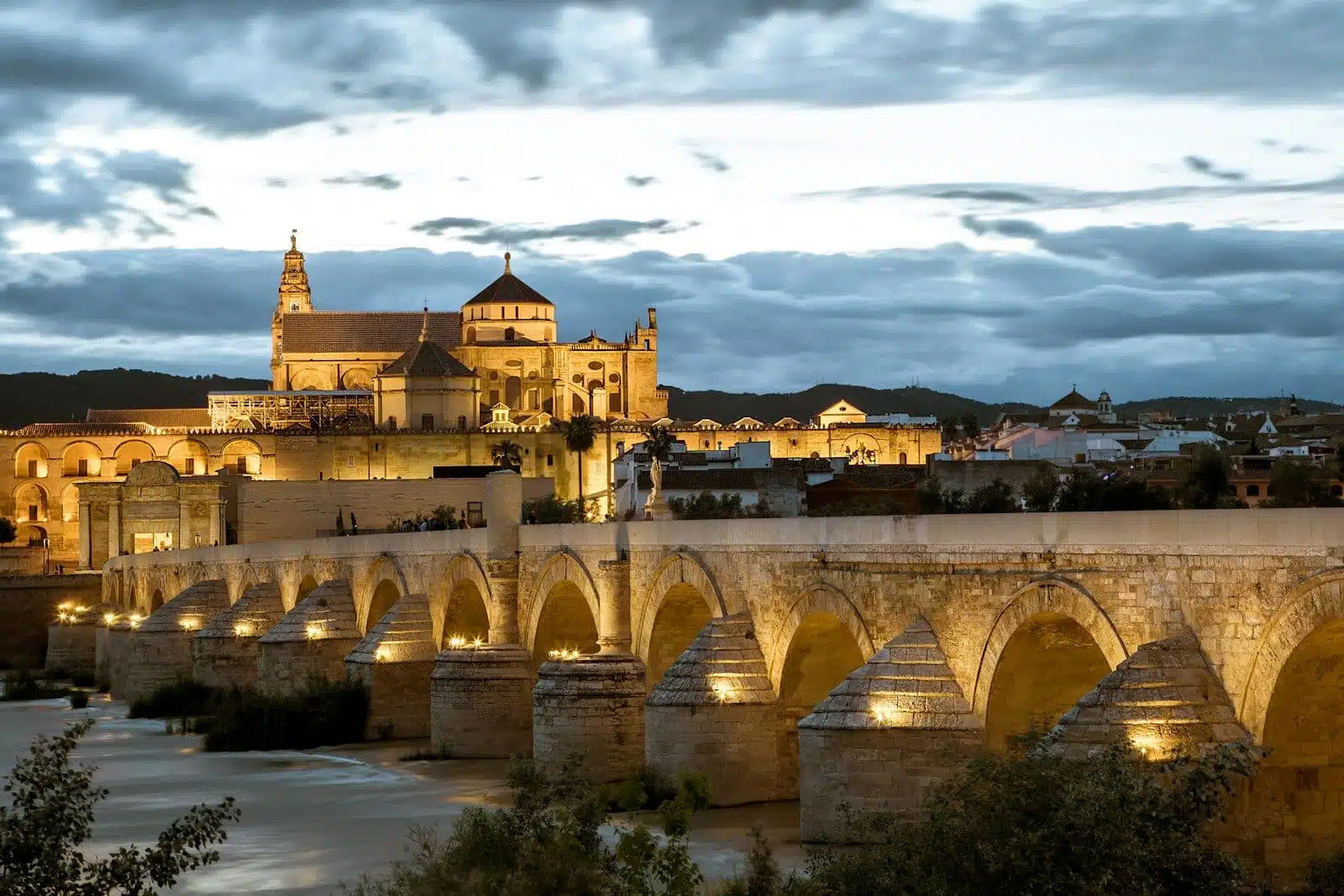
Córdoba is a quieter city than Seville, smaller, and its pleasures are more interior. The Mezquita-Catedral is the reason most people come, and it deserves every superlative applied to it. The mosque was begun in 785, expanded repeatedly over the following centuries, and reached its present scale in the tenth century with the completion of the extraordinary golden Mihrab. A Renaissance nave was inserted into the center of the prayer hall in 1523, a decision Charles V reportedly regretted when he saw the result. The coexistence of these two traditions in a single building is deeply strange and deeply moving.
A standard daytime visit is impressive. The El Alma de Córdoba night visit is something else. Each evening, after the crowds have cleared, the building opens to a small group for an after-hours experience that uses strategic lighting to reveal its layers in a way that flat afternoon light rarely achieves. Photography is not permitted, which keeps the atmosphere intact. The experience runs for about 75 minutes and tends to stay with people. Do Not Disturb arranges access as part of a Córdoba itinerary.
End the evening at the Hammam Al Ándalus, traditional Arab baths beneath the old city. Candlelit pools, vaulted ceilings, and the quiet of an underground space: it is an experience rooted in the city’s own history.
Where to stay:
Hotel Hospes Palacio del Bailío, a 17th-century palace built over Roman ruins, with rooms arranged around interconnected courtyards. Book a palace suite rather than a standard room.
Granada
Granada is the emotional climax of the Andalusian honeymoon, and it earns that position. The city sits at the foot of the Sierra Nevada, and the combination of the mountain backdrop, the Moorish architecture, and the particular intensity of the light produces an atmosphere more concentrated than anywhere else in the region.
The Nasrid Palaces inside the Alhambra are the finest surviving example of Islamic architecture in Europe. A private dawn visit, entering at the first available slot before the main body of visitors arrives, transforms the experience. The courtyards are quiet, the reflective pools are still, and the architecture comes into focus in a way that simply is not possible later in the day. Do Not Disturb arranges private guiding and priority entry timed precisely around the complex’s opening.
For the evening, walk up to the Mirador de San Nicolás in the Albaicín at dusk and watch the palace change color as the sun goes down. Then head to Sacromonte for cave flamenco: a small audience, candlelight, performers within arm’s reach. It is about as far from the tablao experience as it is possible to get.
Where to stay:
The Parador de Granada, a 15th-century convent built within the Alhambra grounds, has a location that is simply irreplaceable. It is not the most luxurious option in the city, but waking up inside the complex changes the entire experience. Book a Garden Suite with Do Not Disturb now.

The White Villages and the Coast
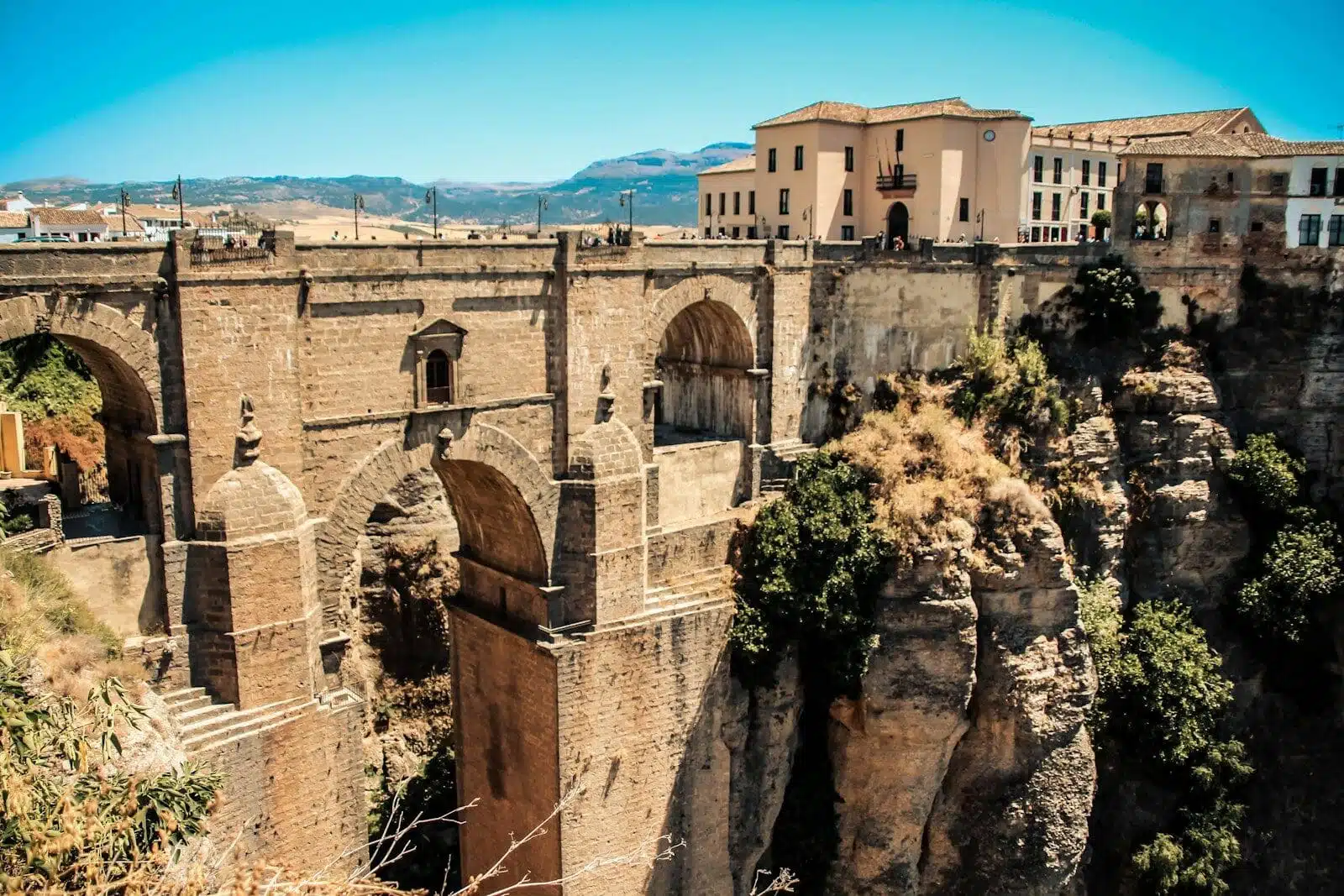
The Pueblos Blancos of the Serranía de Ronda offer a different Andalusia entirely: whitewashed villages on limestone ridges, cork forests, and a pace of life that makes the cities feel rushed. Ronda, split by a 100-meter gorge crossed by the 18th-century Puente Nuevo bridge, is the most dramatic. Sunset drinks on a terrace overlooking the gorge is one of the region’s great experiences. Vejer de la Frontera, near the Atlantic coast, is less visited and more itself. The Bluefin tuna here is exceptional.
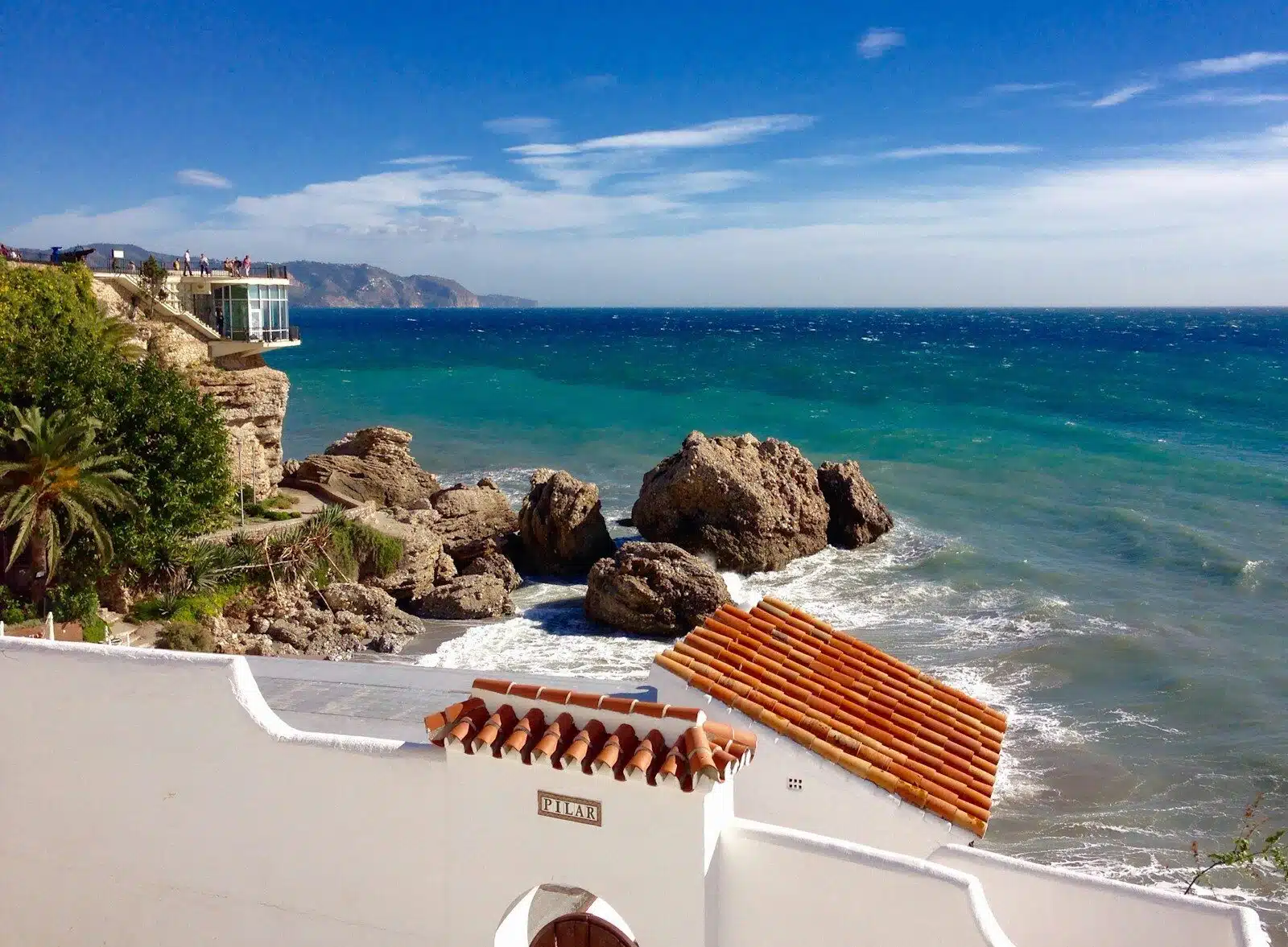
On the coast, Finca Cortesin near Casares is widely considered one of the finest hotels in Europe: remote, beautifully calm, with views toward Gibraltar and Morocco across the strait. Two or three nights here at the end of the trip rounds things off well. OKU Andalusia in Sotogrande, which opened in 2025, offers a more contemporary alternative for couples looking for something wellness-focused and design-led.
On Slowing Down
Andalusia operates on its own schedule and the honeymoon that tries to resist this will have a harder time than one that accepts it. Lunch is at two, sometimes three. Dinner rarely begins before nine. You can eat earlier; however, it is Spanish custom to eat later in the evening.
Sobremesa, the practice of remaining at the table long after the meal has ended, is not a concept that needs explaining to two people on a honeymoon. It is simply what happens when the food is good, the wine is right, and there is nowhere else you need to be.
How Do Not Disturb Designs an Andalusian Honeymoon
A honeymoon across Seville, Córdoba, and Granada, with private guiding, dawn access to the Alhambra, an evening inside the Mezquita, and the right properties throughout, requires the kind of local knowledge and established relationships that make the difference between a trip that works and one that exceeds expectations.
Do Not Disturb has those relationships across the region. The itinerary is built around what you want, whether that is cities and culture, mountains and coast, or some particular combination of all of it.
Ready to start planning your honeymoon in Andalusia? Speak with Do Not Disturb and we’ll design an itinerary that goes beyond the obvious.