
On this page
Explore Cairo with a private art historian, moving through the city’s museums, mosques, and antiquities at an unhurried pace.
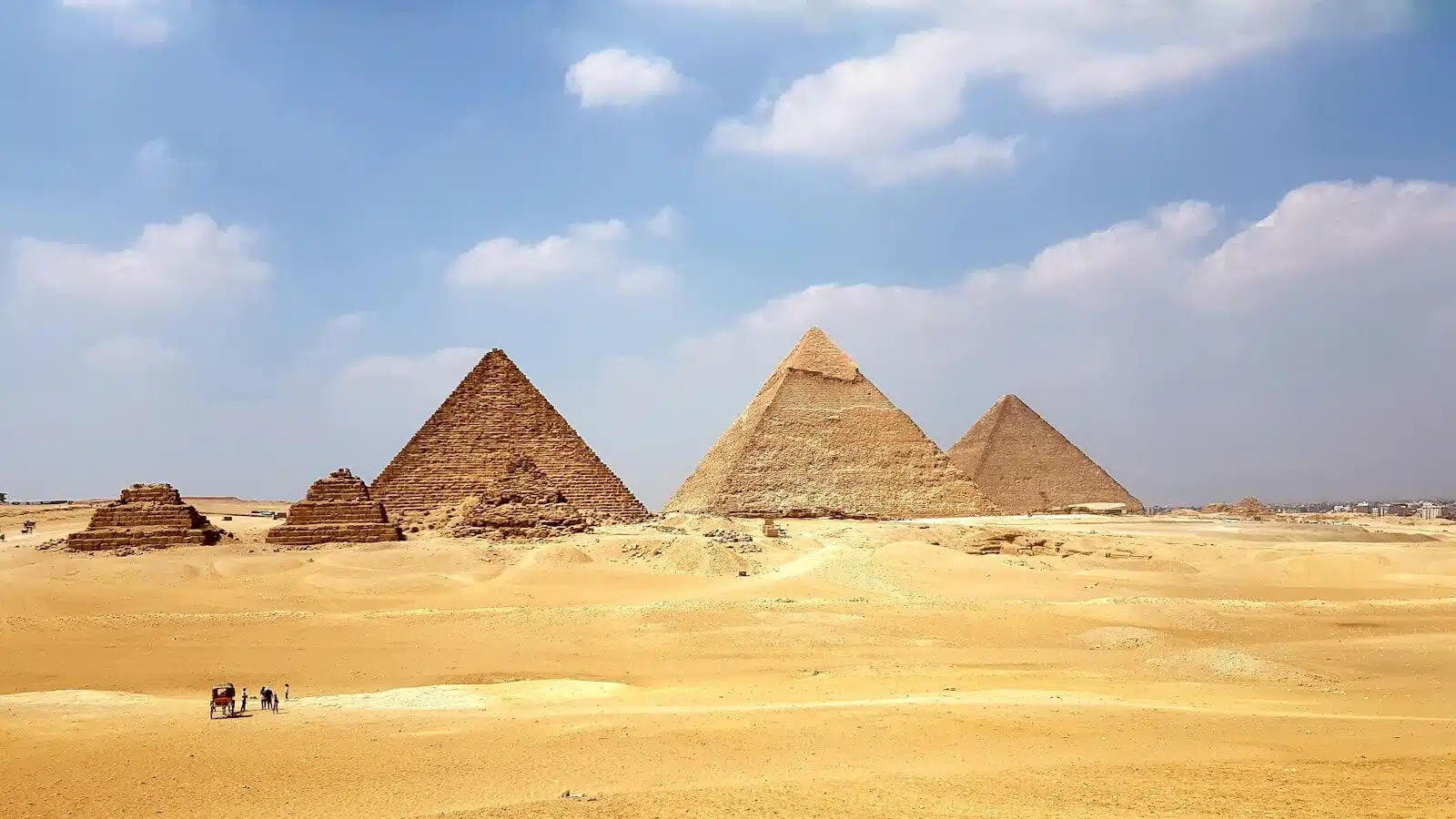
Cairo holds more than 7,000 years of history across a single day’s walking distance, from the Grand Egyptian Museum’s newly unified antiquities to the mosques and markets of the old Islamic city. A private art historian moves through the collections and the streets together, connecting objects in glass cases to the buildings and neighborhoods that shaped them.
What You See
The Grand Egyptian Museum opened in November 2025, the largest museum in the world dedicated to a single civilization. A hanging obelisk stands at the entrance, and inside, an 83-ton statue of Ramesses II dominates the Grand Atrium, the first artifact moved into the building. The Tutankhamun collection, more than 5,000 objects, is displayed here in full for the first time in history, the golden funerary mask, the solid gold inner coffin, and the golden throne among them.
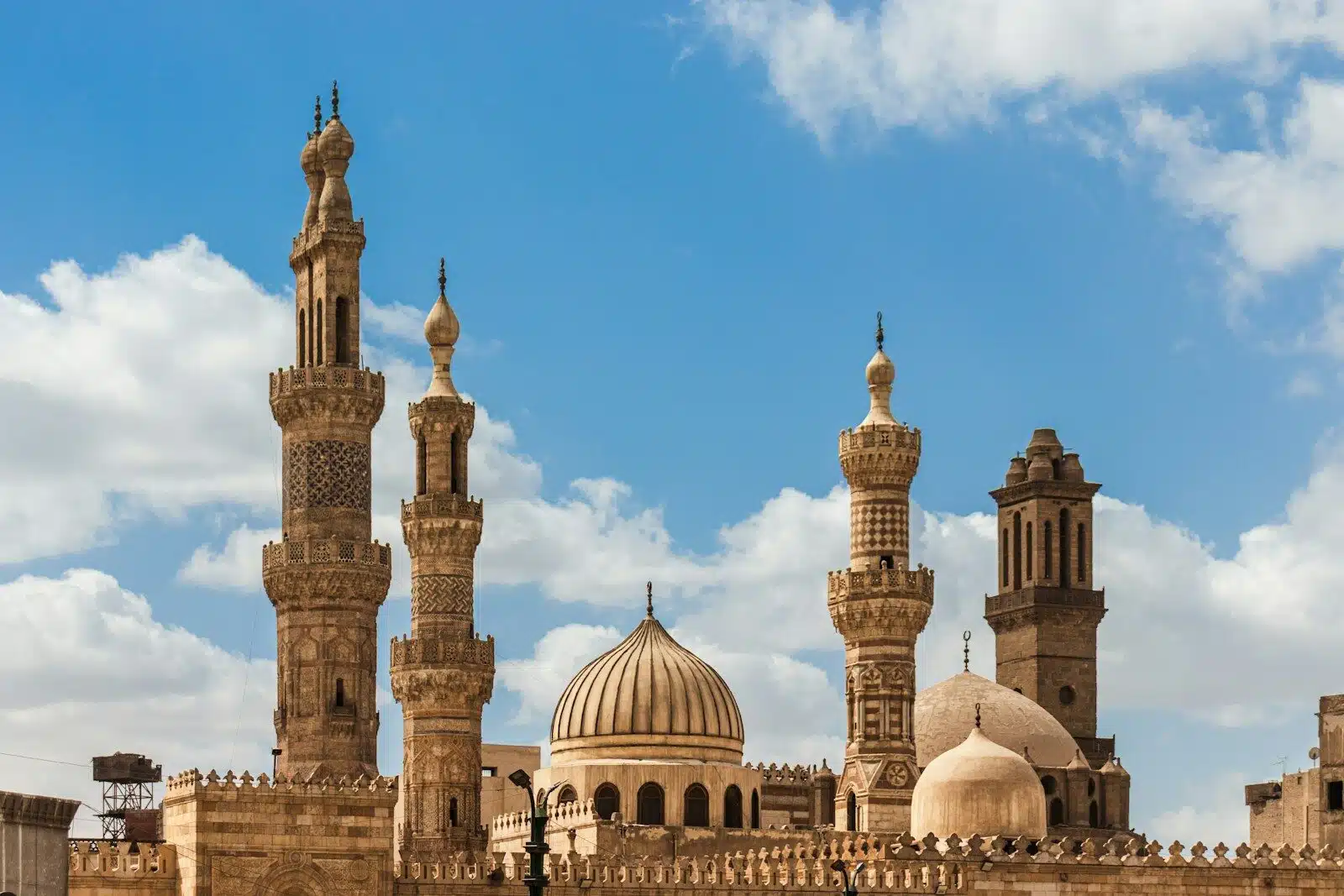
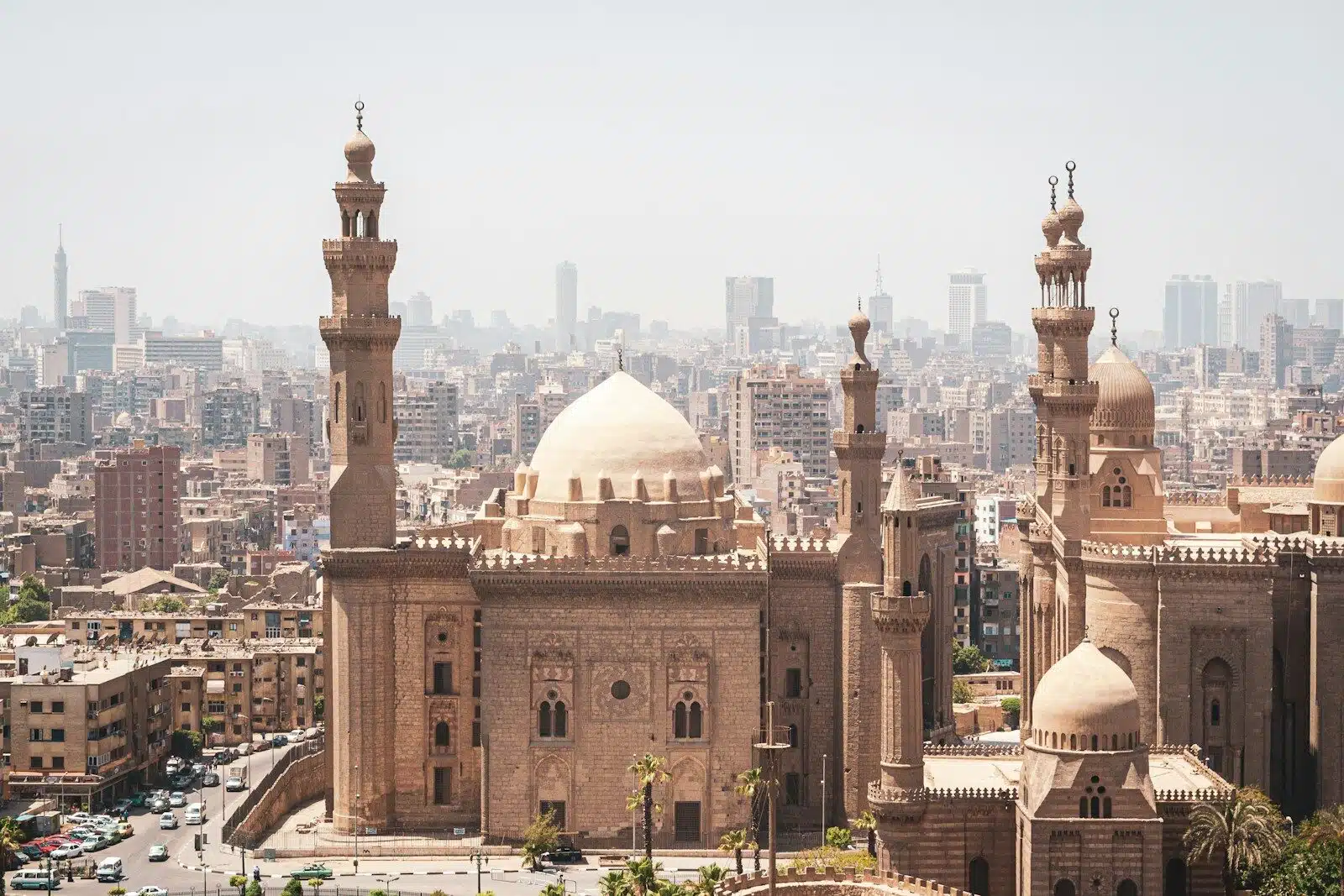
Beyond the museum, Islamic Cairo holds more than 600 medieval monuments across a UNESCO-listed old city. The Mosque-Madrasa of Sultan Hassan, built from recycled stone taken from the Giza Pyramids, once functioned as a school teaching all four schools of Sunni jurisprudence. Nearby, Al-Azhar Mosque, founded in 970, grew into one of the world’s oldest universities.
What You Experience
Khan el-Khalili unfolds as a market built on the site of Fatimid royal tombs, its alleys shaped by centuries of trade and rebuilding under Mamluk and Ottoman rule. El-Fishawy Café, open since 1773, sits at its heart, once the writing haunt of Nobel laureate Naguib Mahfouz, who set a novel within the market itself.
In Coptic Cairo, the Hanging Church rests suspended over the walls of an old Roman fortress, its glass floor panels revealing the structure below. The Ben Ezra Synagogue, once a church, later became world-renowned for a discovery of over 300,000 medieval Jewish manuscripts found hidden in its storeroom.
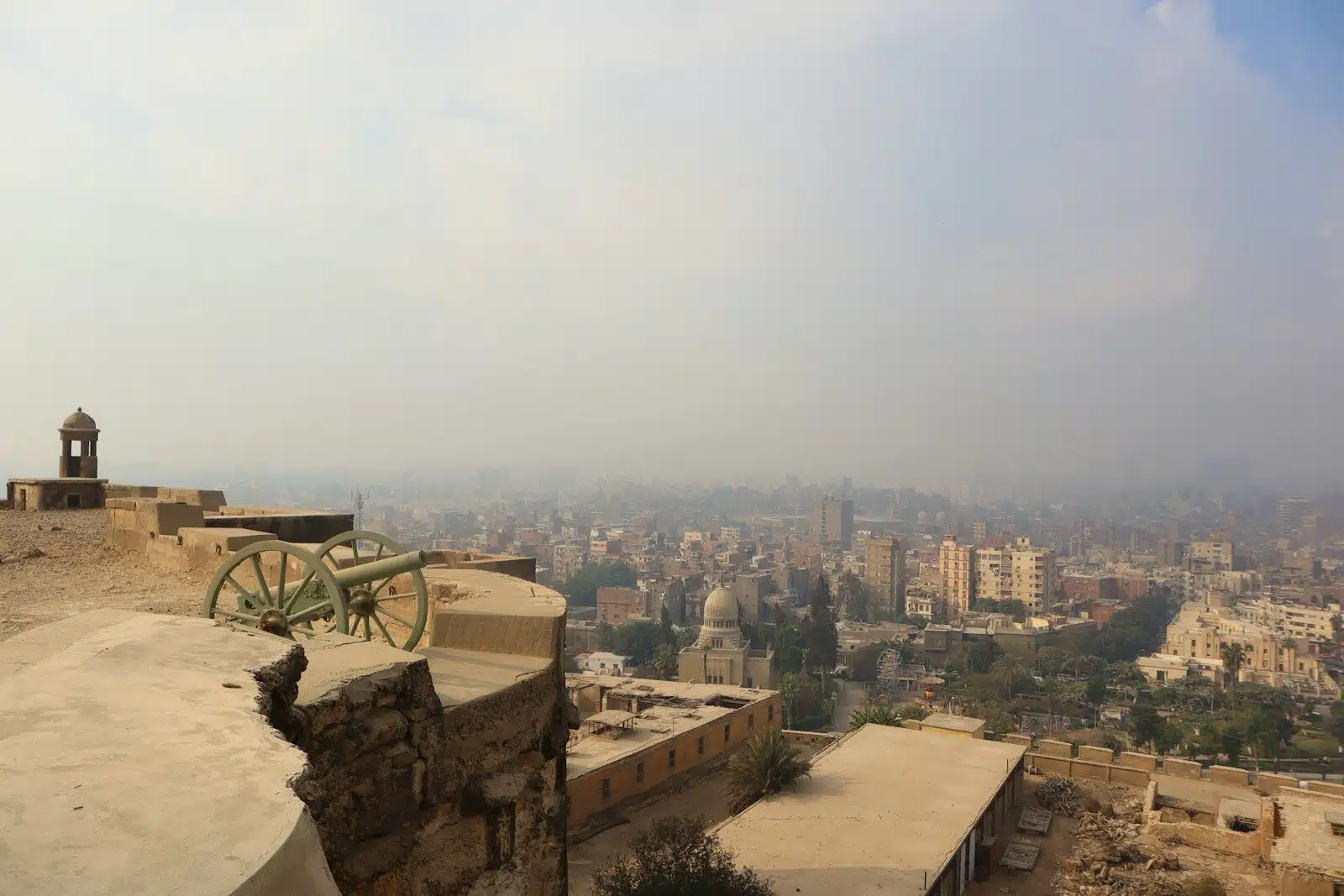
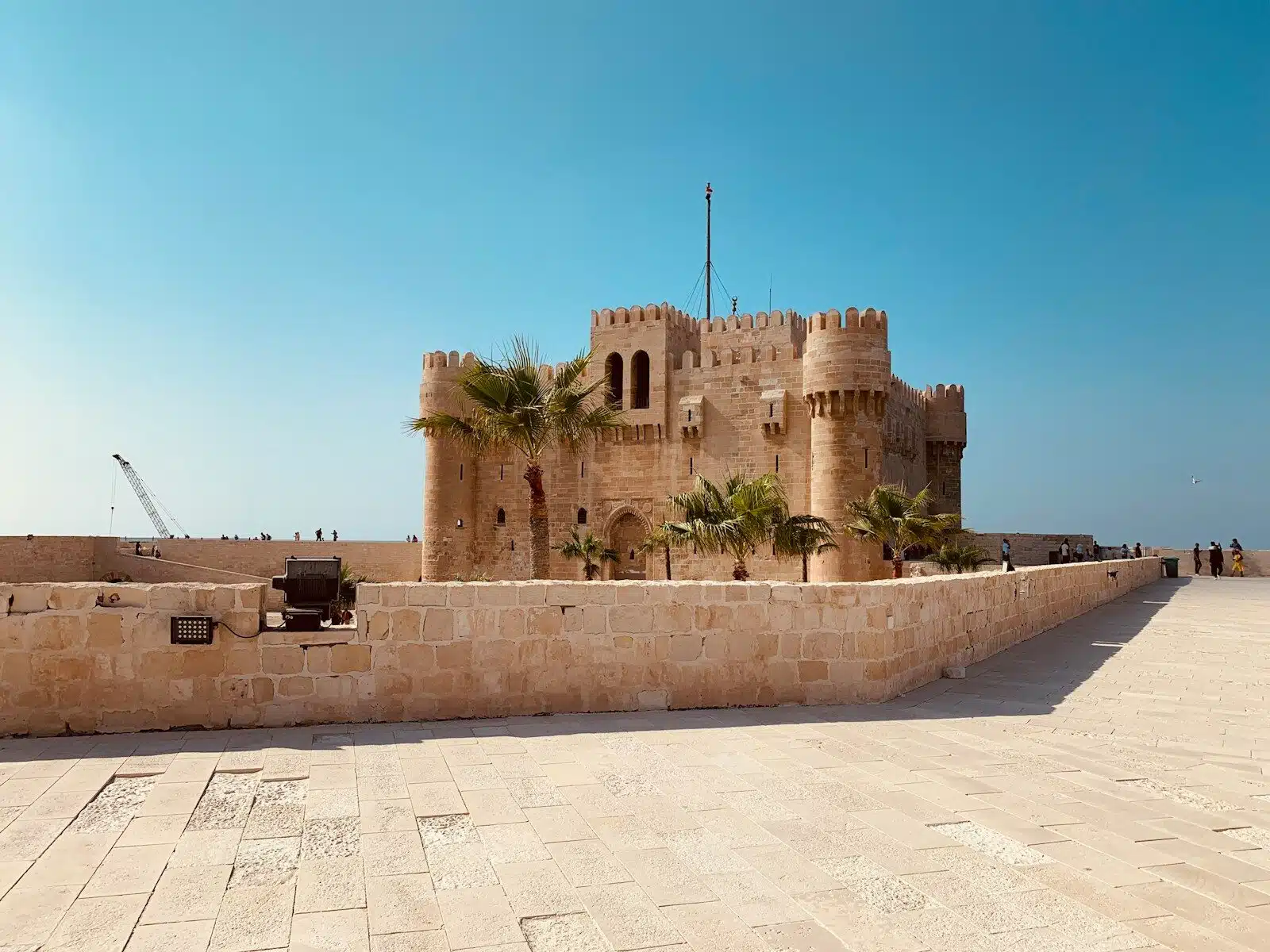
Above the city, the Citadel and its Alabaster Mosque command views that reach the Pyramids on a clear day, the mosque’s twin minarets the tallest in Egypt.
Why Private Access Matters
A private art historian threads these sites into a single narrative rather than a list of stops, explaining how a Ramesses statue in the museum connects to the mosque built centuries later from recycled pharaonic stone, or how the Coptic churches sit layered directly on Roman foundations. The pace can shift with the day, more time with a single collection at the museum, or a slower walk through Khan el-Khalili’s older passages, guided by what draws attention rather than a fixed schedule.
Commonly Asked Questions
What happened to the Tutankhamun collection?
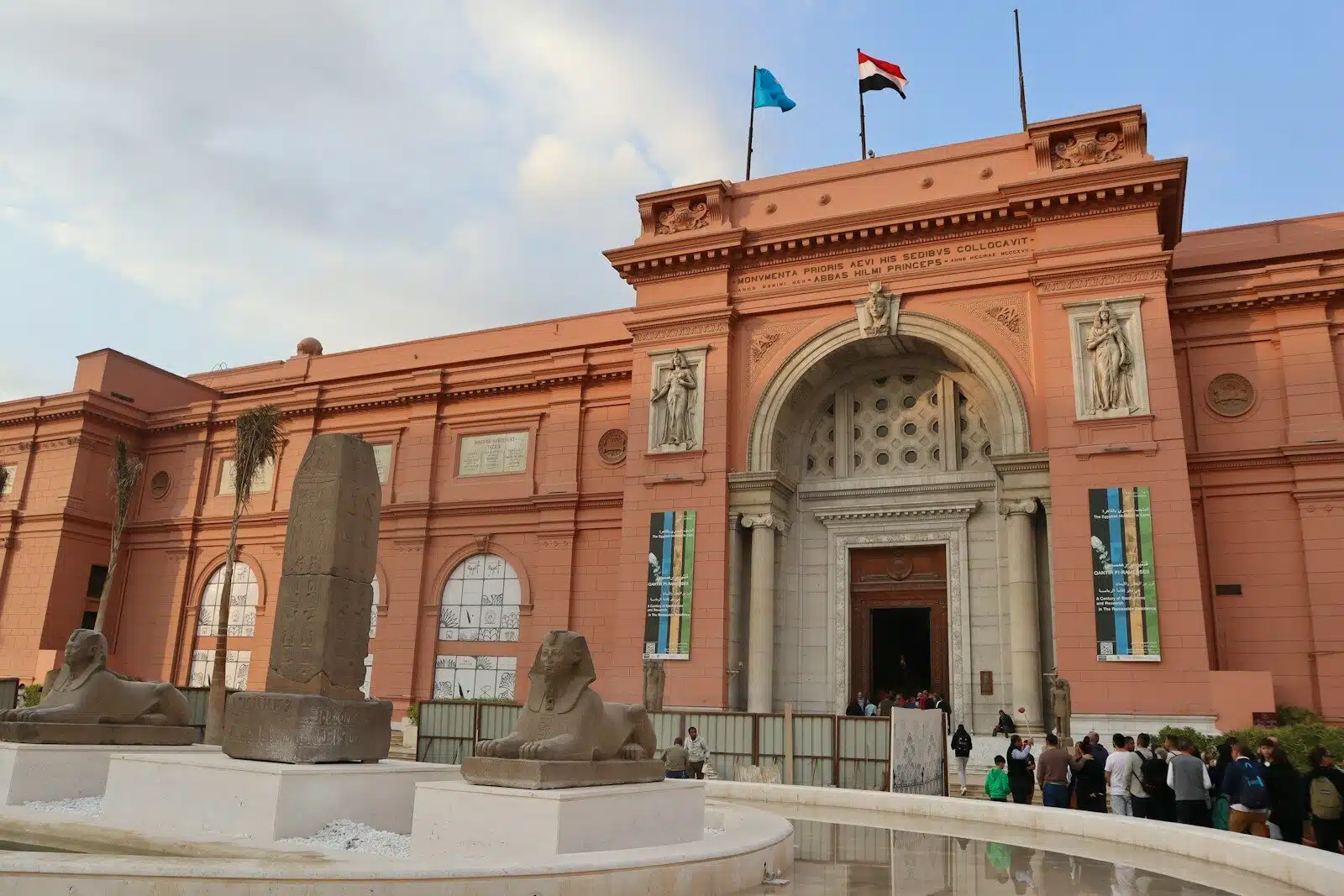
The full collection, more than 5,000 objects, has relocated to the Grand Egyptian Museum in Giza, displayed together for the first time. The original Egyptian Museum at Tahrir Square remains open, still holding more than 170,000 other artifacts.
What is Islamic Cairo?
A UNESCO World Heritage old city holding more than 600 medieval monuments, including the Mosque-Madrasa of Sultan Hassan and Al-Azhar Mosque, one of the world’s oldest universities.
What is Khan el-Khalili?
A centuries-old bazaar in the heart of Islamic Cairo, built on the site of earlier Fatimid royal tombs and shaped by successive periods of Mamluk and Ottoman rule.
Is Coptic Cairo worth visiting?
The quarter holds some of the world’s oldest churches, built directly into the walls of a Roman fortress, alongside a synagogue famous for a major manuscript discovery.
How Do Not Disturb Makes This Possible
Do Not Disturb arranges a private art historian to guide the day, connecting the museum’s collections to the city’s mosques, markets, and churches. The visit sits within a wider Cairo itinerary, shaped around the pace and interests of the group rather than a fixed route.
Start Planning Your Cairo Visit.