On this page
Greater Kruger is often discussed as a single destination, but it is really two different safari experiences sharing one ecosystem. Kruger National Park and the private reserves along its western boundary sit on unfenced land, so wildlife moves freely between them, yet the rules, the pace, and the feel of a stay differ considerably depending on which side of that invisible line a traveler chooses.
Understanding the Landscape: One Ecosystem, Different Rules
Kruger National Park is a public national park, run by South Africa’s national parks authority, with an extensive network of roads, rest camps, and set gate times. It is open to day visitors and self-drivers as well as guided safari guests. Bordering its western edge are private reserves, including Sabi Sand, Timbavati, and Klaserie, most of which dropped their fences with Kruger decades ago to allow animals to move across the boundary freely. These reserves are privately owned and operate under their own rules, and they are accessible only to guests staying at lodges within them, not to day visitors.
Wildlife Access: Volume, Vehicles, and Off-Road Privilege
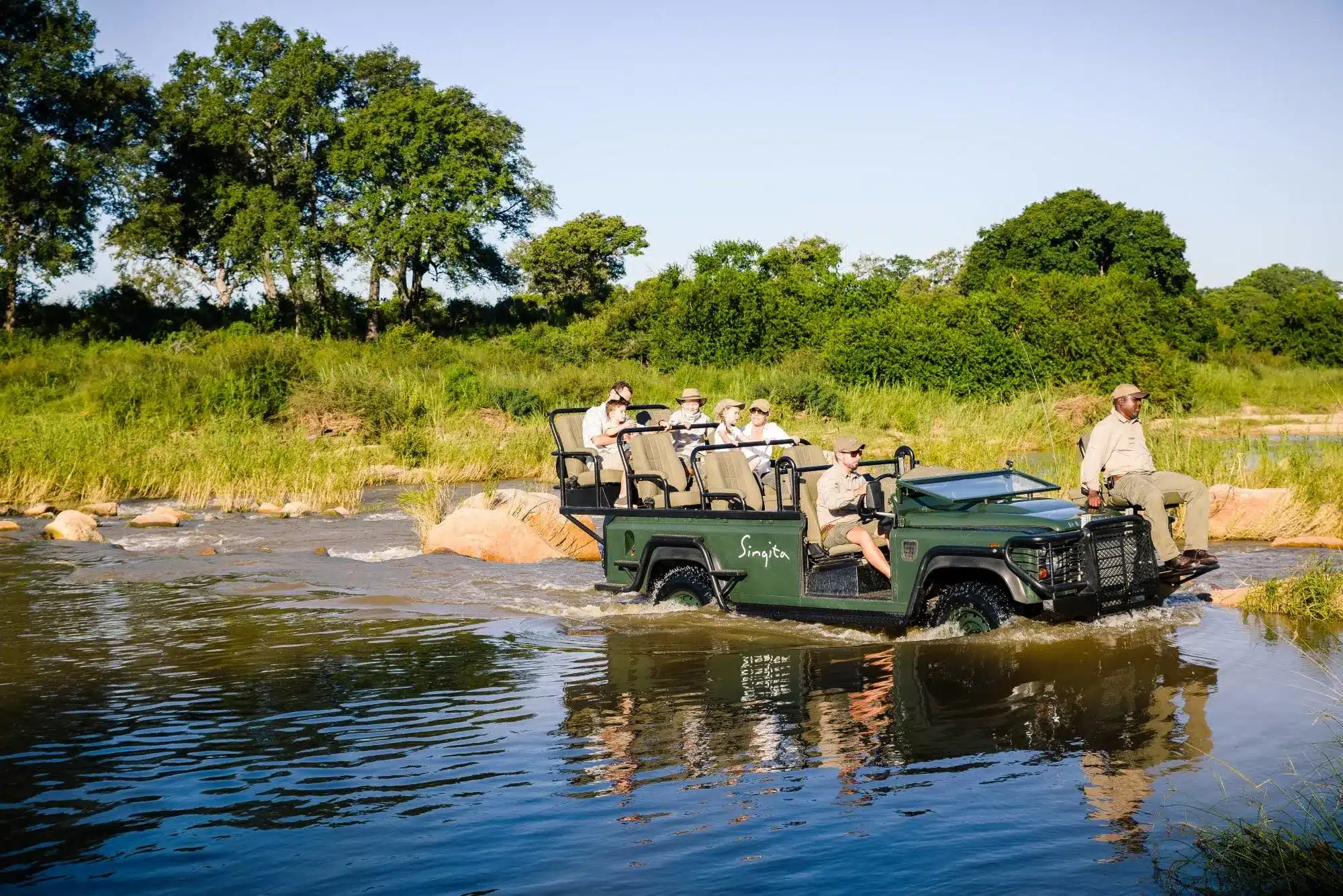
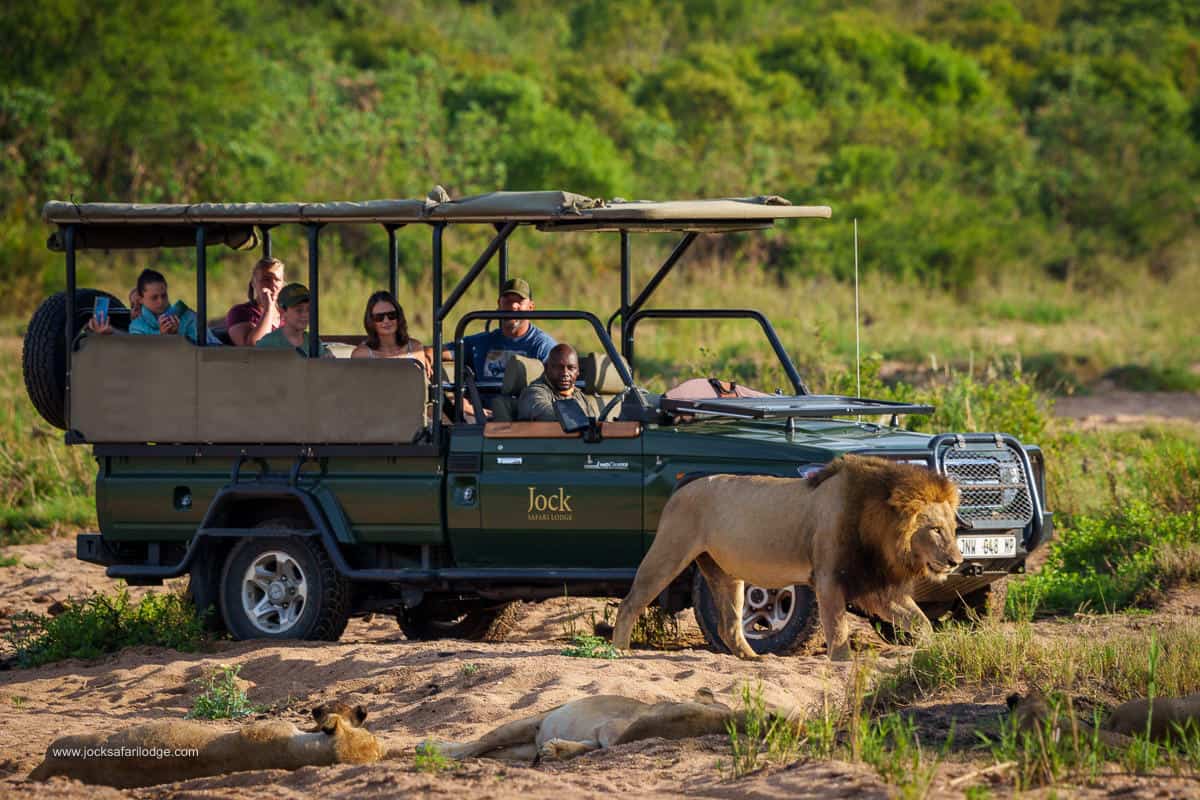
In Kruger, vehicles stay on established roads, and a good sighting can draw several vehicles from different lodges and self-drive visitors alike, since the park is open to the public. In the private reserves, guides can drive off-road to follow an animal or position for a better view, and each reserve limits the number of vehicles allowed at a single sighting. The result is fewer vehicles, closer access, and a guide with far more freedom to work with what the bush is actually doing that day.
The Private Reserves: What Sabi Sand, Timbavati, and Klaserie Each Offer
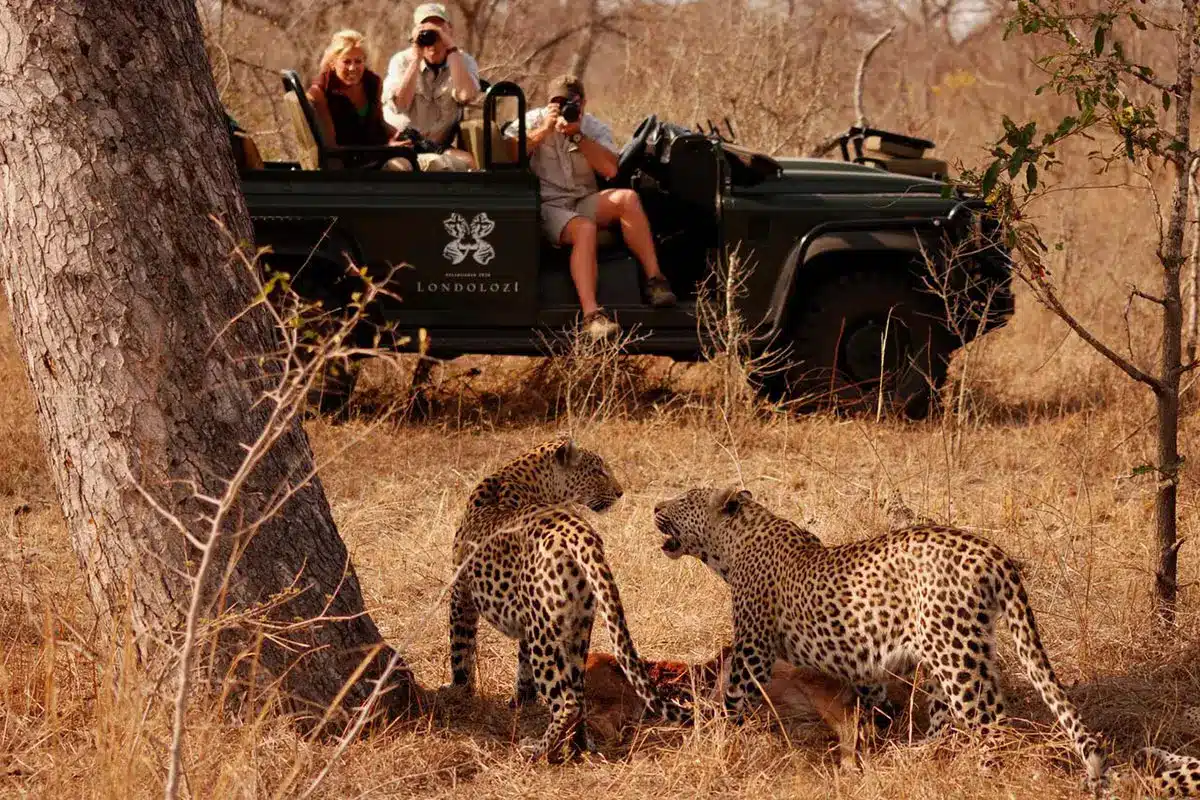
The three reserves have distinct characters despite sharing the same ecosystem. Sabi Sand is the best known and the most established, built from a consortium of old farms and widely regarded as the most reliable place in Africa for leopard sightings. Timbavati, which began taking shape in the 1950s and removed its fence with Kruger in the early 1990s, offers strong Big Five viewing with fewer vehicles and a somewhat quieter, more understated feel. Klaserie is quieter still: lower in lodge density, more wilderness-driven, and particularly well suited to walking safaris and travelers who have safaried before and want more space and less structure.
After Dark: Night Drives, Walking Safaris, and What Kruger Cannot Offer
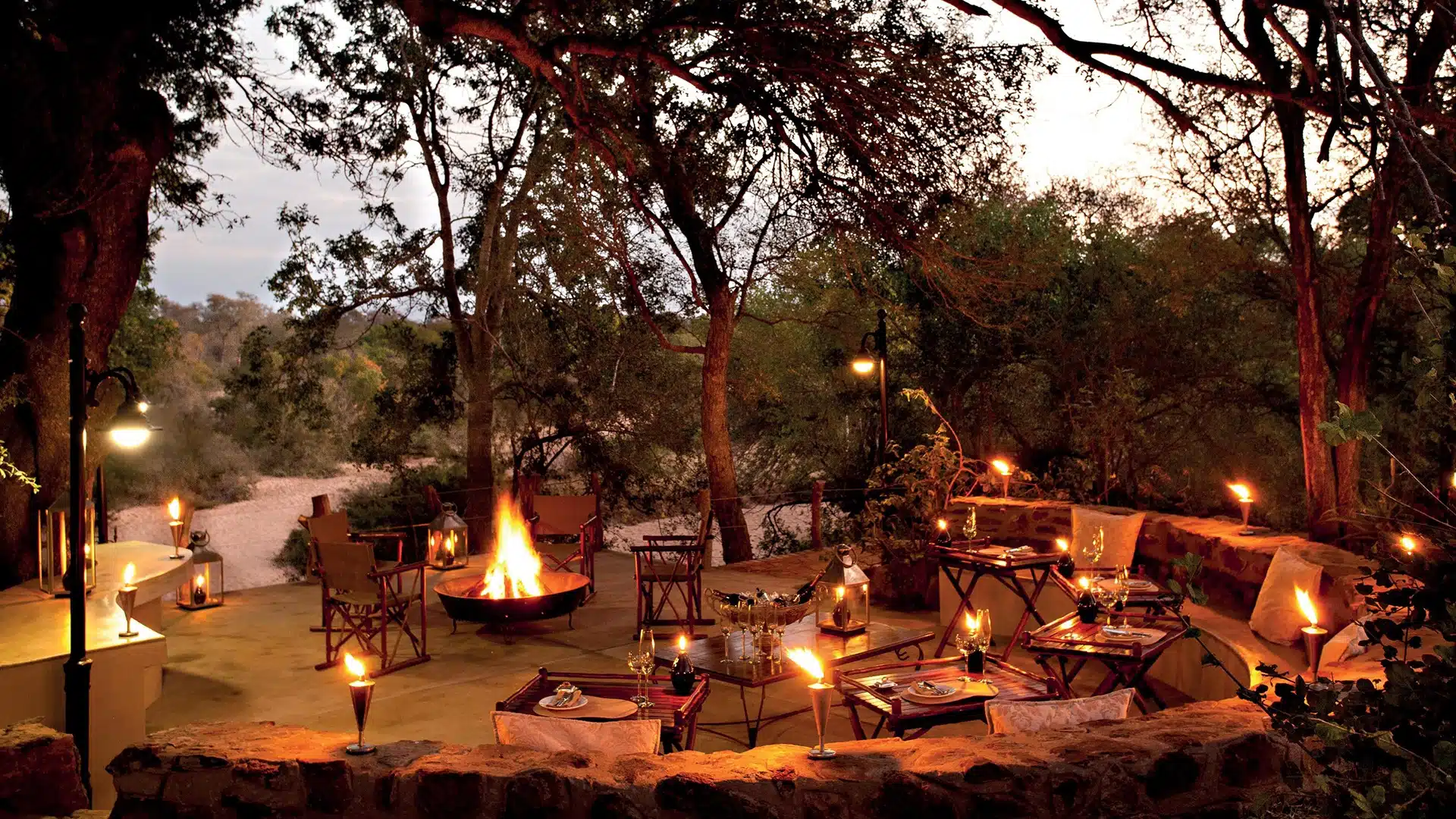
Kruger’s rest camps operate on fixed gate times, and independent visitors cannot drive off-road or after dark. The private reserves allow both. Night drives, using a spotlight to find nocturnal species that rarely appear during the day, and guided walking safaris, which shift the experience from vehicle-based viewing to tracking on foot, are available in the reserves but not to the general public within Kruger itself. For travelers who want more than daytime game drives, this is often the deciding factor.
Lodge Style, Privacy, and the Shape of Each Day
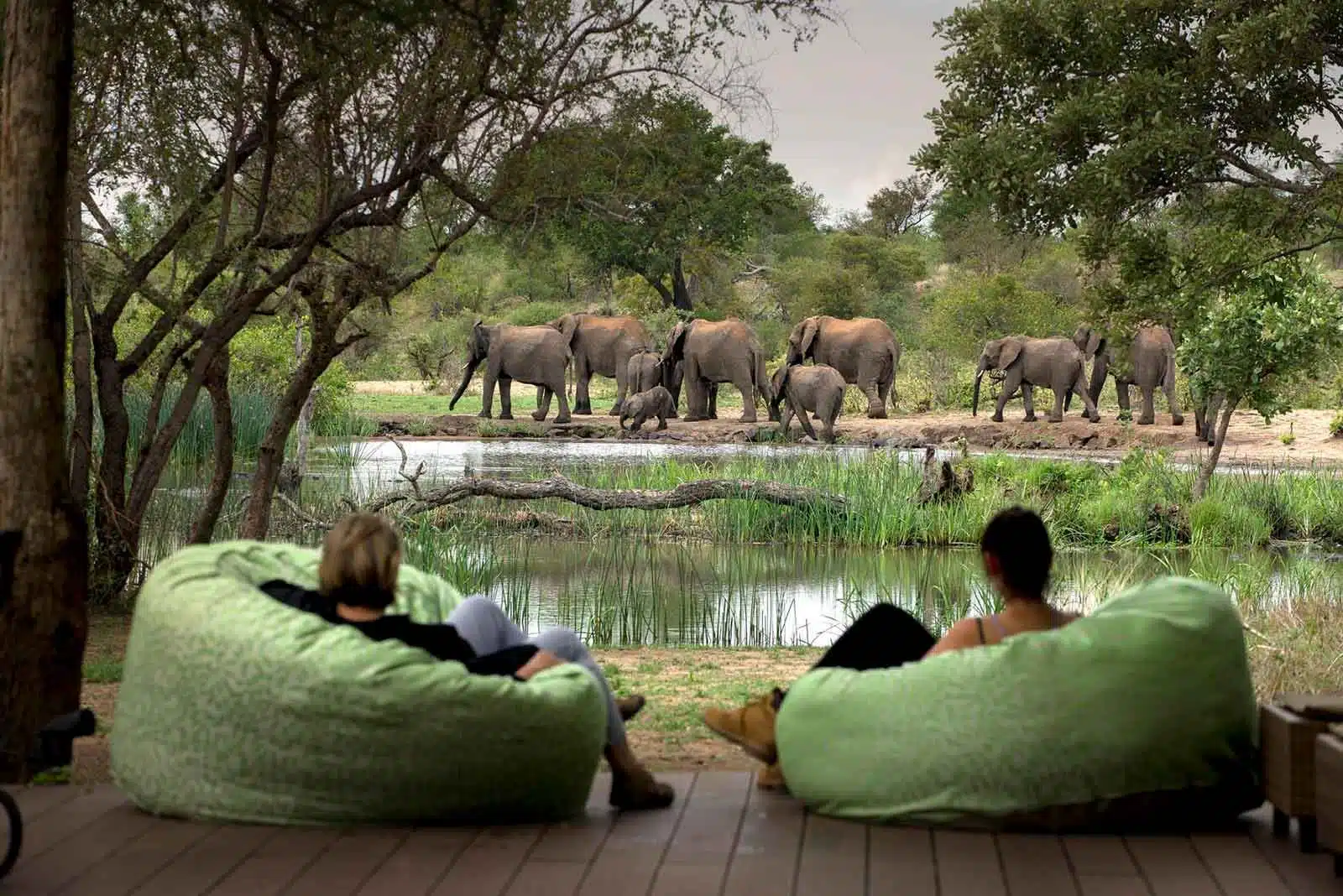
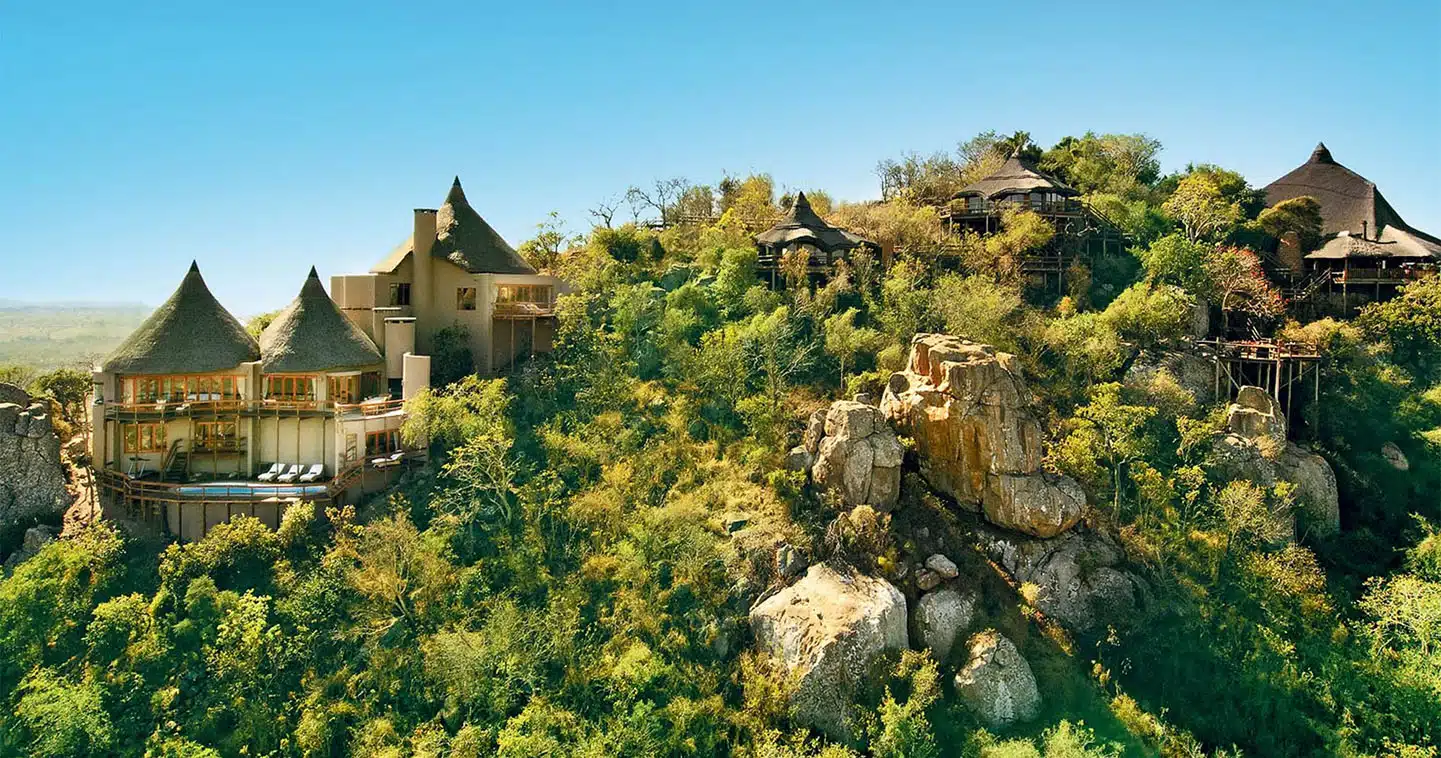
Kruger’s rest camps range from simple, self-catering options to more comfortable accommodations, but they remain public spaces shared with day visitors and other guests passing through. Private reserve lodges are exclusive to their own guests, typically smaller and more intimate, and built around a set daily rhythm: an early game drive, a break through the heat of the day, and a second drive into the evening, uninterrupted by day-trippers or passing traffic.
Which Option Suits You: A Practical Framework for the Decision
Kruger suits travelers who want scale, independence, and the option to self-drive or move between rest camps at their own pace, often at a lower cost than a private reserve stay. The private reserves suit travelers who want close, uncrowded wildlife encounters, off-road tracking, and the option of night drives and walking safaris, typically at a higher price point that reflects the smaller guest numbers and exclusive access. Many travelers combine the two: a stay in a private reserve for the intimacy of the experience, paired with time in Kruger itself for the scale of the park.