



On this page
Kruger National Park is one of Africa’s most accessible wildlife destinations and one of the most rewarding, but first-time safari travelers consistently arrive prepared for the wrong things. The wildlife guides and the packing lists cover the obvious ground; what follows is the part that usually gets left out.
The Hours Nobody Warns You About
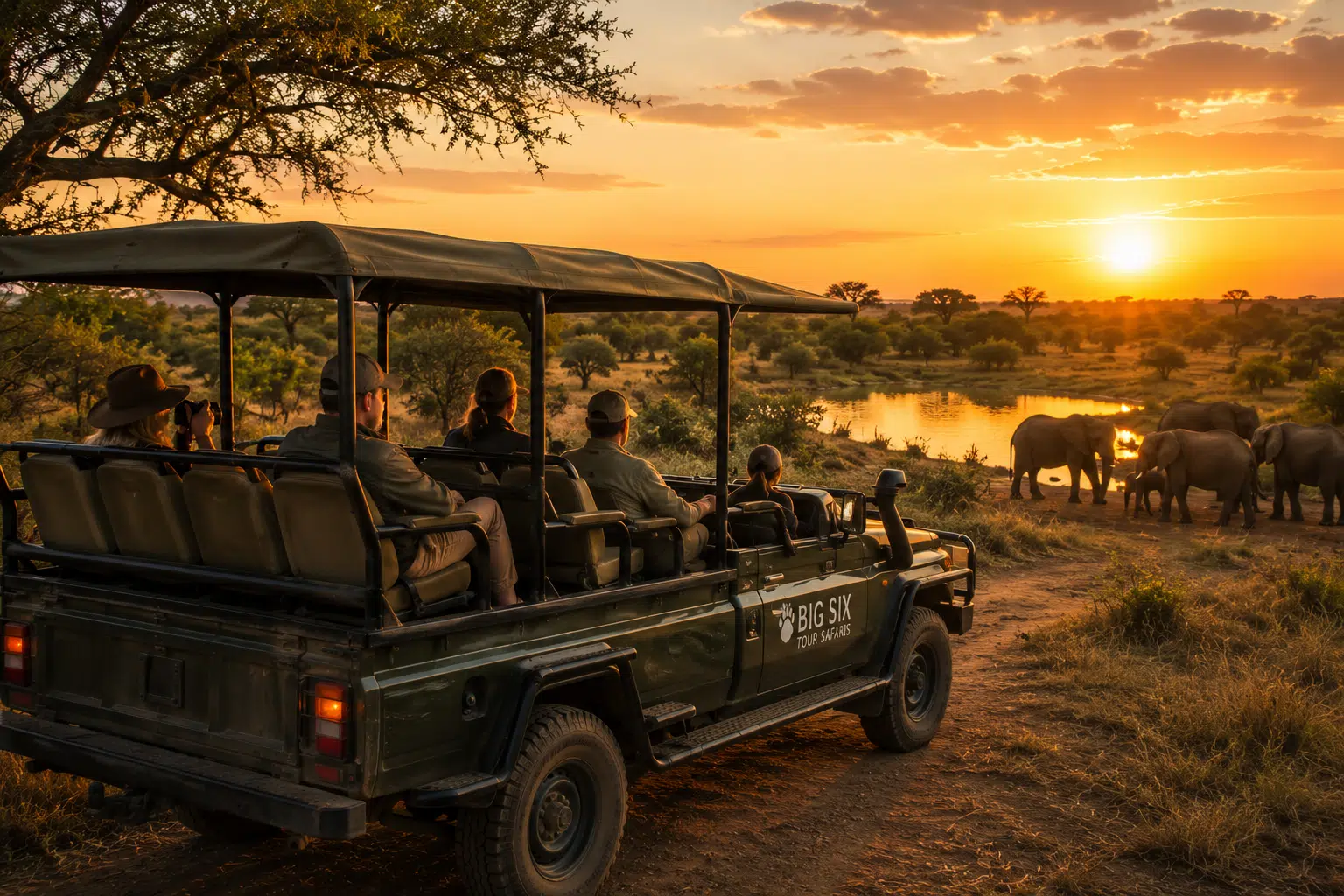
A safari runs on the animals’ schedule, not the traveler’s. Wake-up calls before five in the morning are standard, timed to reach the bush while the air is still cool and the wildlife is most active.
A typical day includes a morning drive, a mid-morning brunch back at camp, a quiet stretch through the heat of the afternoon, and then a second drive into the evening that often ends with dinner well after dark.
First-time travelers who expect a more relaxed pace, or plan to sleep in, tend to find the rhythm jarring for the first day or two. By day three, most guests have become used to it.
What to Pack When Space Is the Constraint
Charter flights into Kruger’s bush airstrips carry strict limits, typically around 20 kilograms total per person, including hand luggage, and bags must be soft-sided with no wheels or rigid frames, since hard suitcases will not fit the aircraft’s hold. That single rule shapes the whole packing list.
Neutral, lightweight layers work best: mornings are cold enough for a jacket, afternoons are hot enough for short sleeves, and dark colors are worth avoiding, since they absorb heat and attract insects more than khakis, olives, and browns do.
Most lodges offer daily laundry, so packing for three or four days rather than the full length of the trip is usually enough.
Dust, Insects, and the Conditions You Will Actually Face
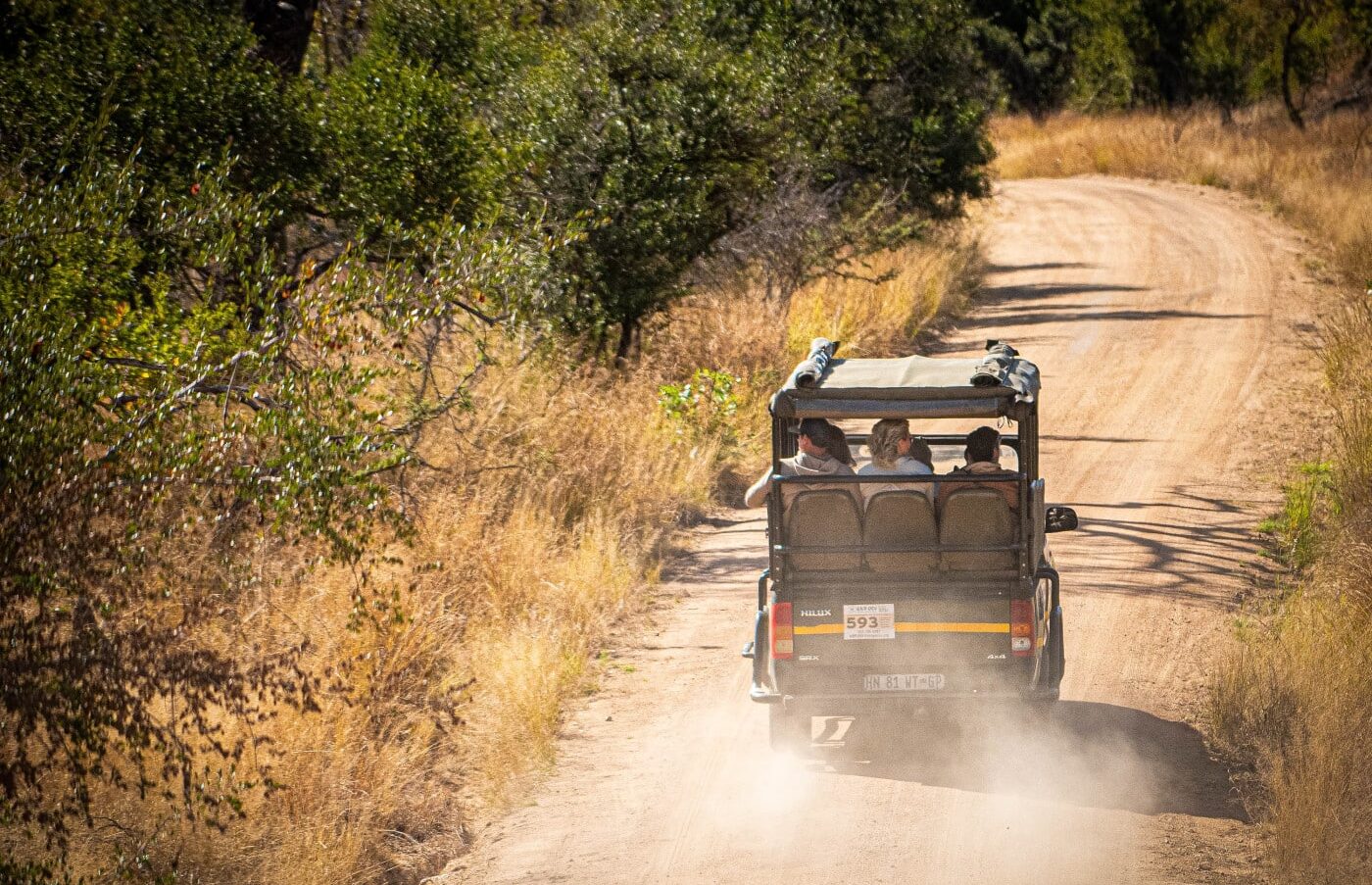
Kruger’s roads are largely unpaved, and dust finds its way into everything from camera bags to clothing over the course of a drive.
Evenings bring insects, particularly in the warmer months, and Kruger sits within a malaria risk area, so travelers should speak with a doctor about prophylaxis well before departure rather than deciding once they arrive.
Sun exposure is the other underestimated factor: open vehicles offer little shade, and a wide-brimmed hat and proper sunscreen matter more here than on most trips.
Photography in the Field: Managing Expectations and Equipment
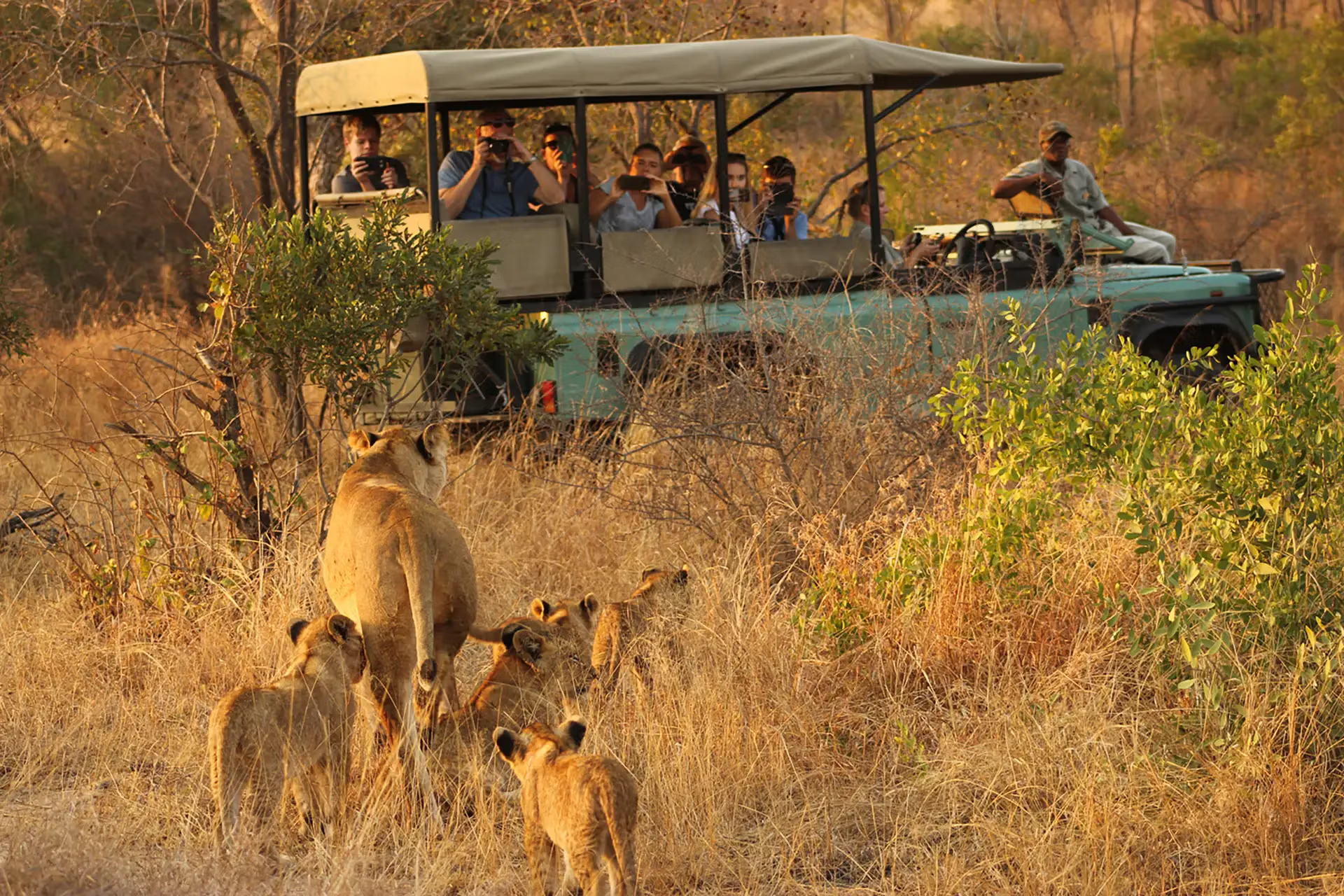
The wildlife photography that circulates online is rarely a single lucky frame. It is the product of long lenses, stabilized shooting positions, and a fair amount of patience. A monopod or bean bag makes a real difference in a moving vehicle, and it is worth remembering that heavier camera equipment eats into an already tight luggage allowance.
Early morning and late afternoon light gives the best results by a wide margin, which is one more reason the early wake-ups are worth keeping.
Tipping, Guides, and the Relationships That Shape the Experience
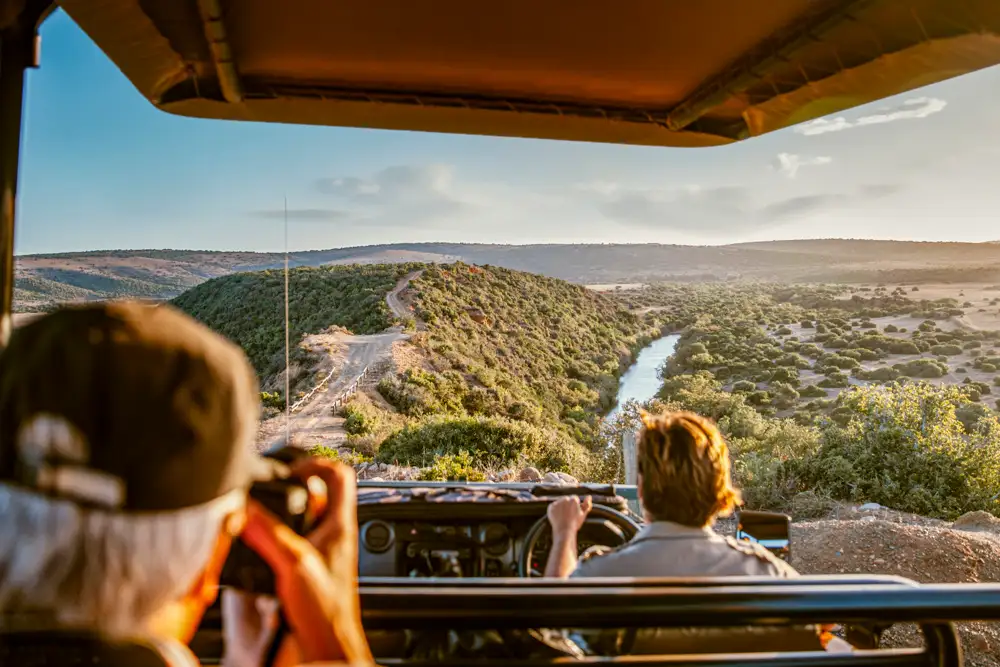
Guides and trackers are typically tipped separately, and cash is generally preferred over card. Exact amounts vary by lodge and length of stay, and a Do Not Disturb specialist can walk through what is appropriate before departure rather than leaving guests to guess on arrival.
What matters more than the amount is the relationship itself: guides who get to know a group over several days tend to go further to find the sighting a particular traveler cares about, whether that is a specific species or simply more time spent quietly watching one animal rather than moving on.
Asking questions and showing genuine interest in the guide’s knowledge tends to shape the trip as much as anything on the itinerary.
Why the Best Moments Are Never on the Itinerary
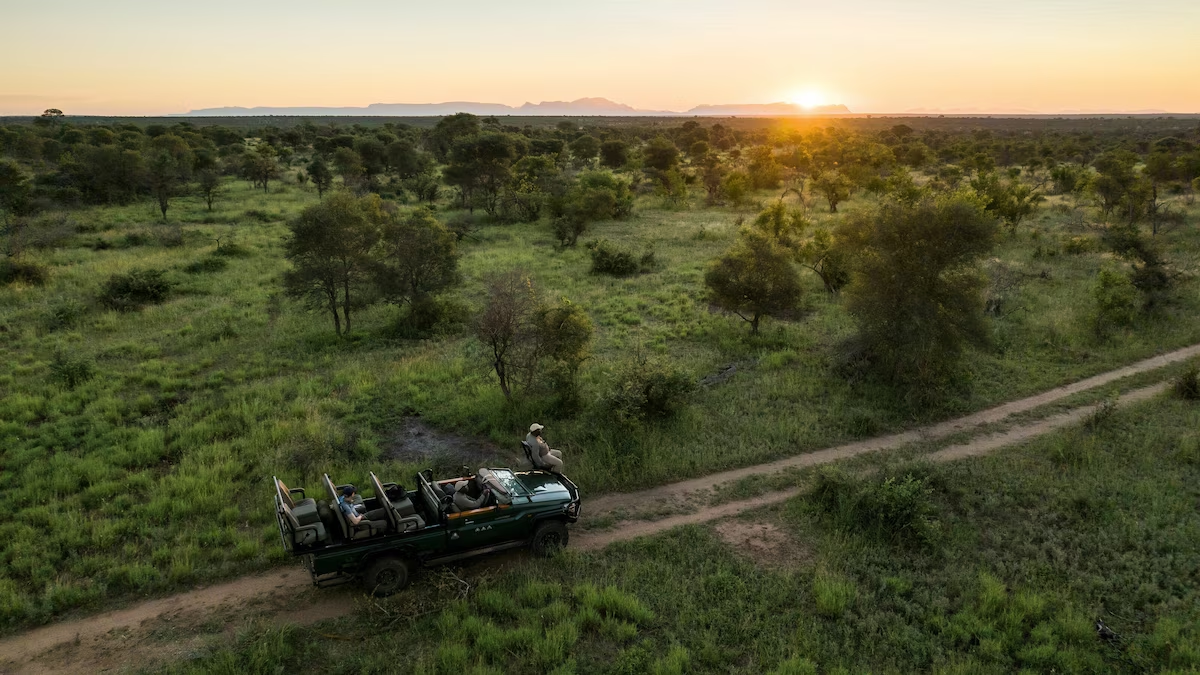
No itinerary can schedule a leopard crossing the road at dusk or a young elephant testing its trunk against a fallen branch while the rest of the herd looks on.
The moments travelers remember most are rarely the ones planned in advance. They are the ones a good guide recognizes and slows down for, and the ones a traveler notices because they have stopped checking a list and started paying attention.