

A genuine village visit in Fiji looks nothing like the cultural shows staged nightly at many resorts, and understanding the difference matters both for the experience itself and for the community on the other side of it.
The Sevusevu
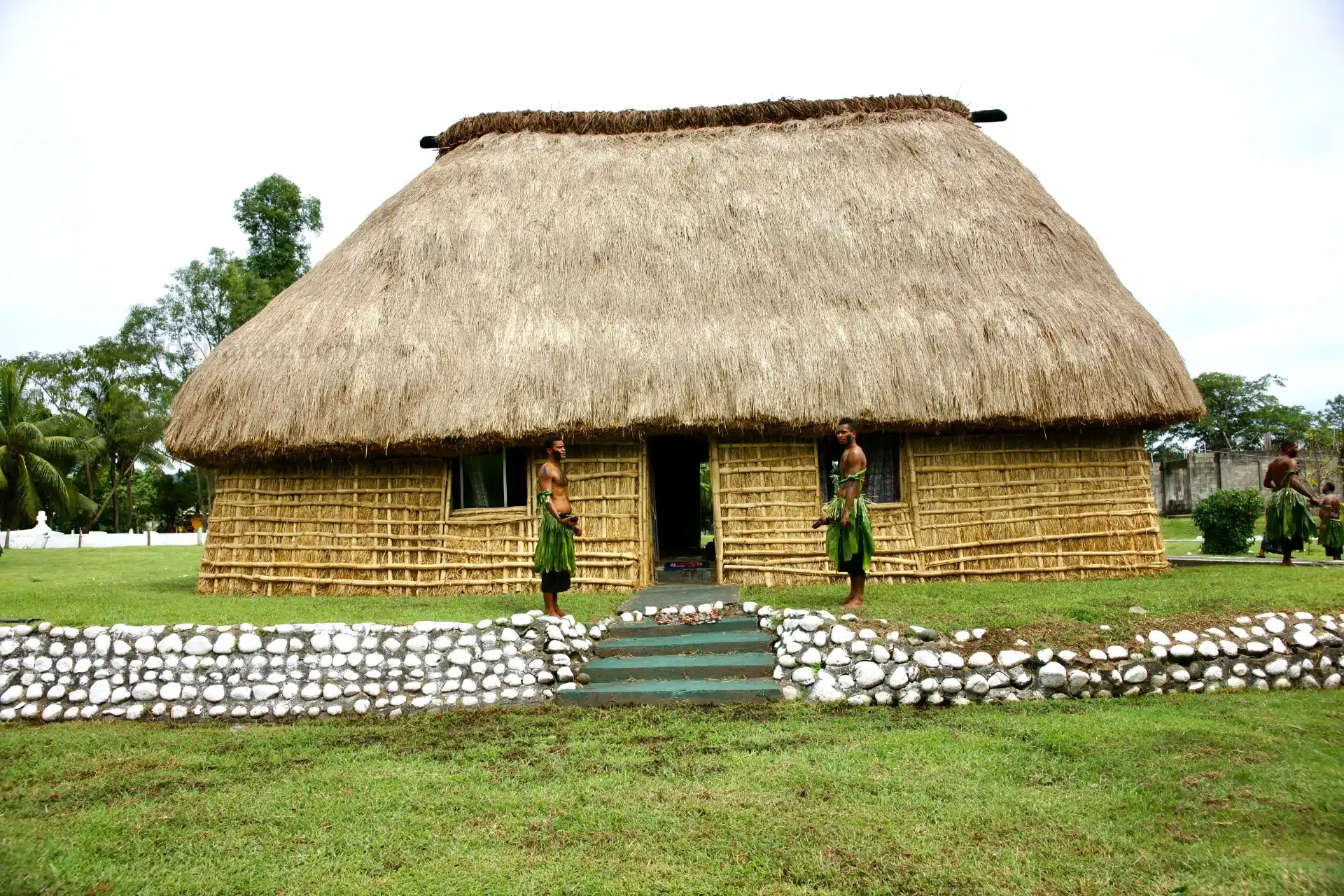
The starting point is the sevusevu, the traditional presentation of waka, dried kava root, to a village chief, which remains the correct and expected way to enter a Fijian community as a guest rather than a spectator. It’s a genuine protocol, not a photo opportunity: a visitor is formally welcomed, the kava is accepted by the chief or a designated spokesperson, and only then does the visit properly begin. Skipping this step, or having it performed as a demonstration rather than an actual exchange, is usually the clearest sign that a “cultural visit” has been staged for tourists rather than arranged with a community.

About Do Not Disturb
Do Not Disturb is a luxury travel company specializing in carefully designed journeys and considered experiences. Each itinerary we build for our clients is informed by real destination knowledge, offering insight into places, cultures, and moments that shape how a trip comes together.
If this destination has sparked ideas, the itinerary can be developed into a private journey tailored to your interests and travel style, with hand-picked stays, thoughtful routing, and experiences curated around what matters most to you.
The Kava Ceremony Itself
Once accepted, the kava is prepared in a large wooden bowl called a tanoa, mixed with water, and served in a coconut shell cup, the bilo, passed hand to hand around a seated circle. Convention calls for a single clap before receiving the cup, draining it in one go, and three claps afterward, a rhythm that becomes familiar within a round or two. Conversation typically follows, and a longer visit often includes a shared meal or a demonstration of weaving or traditional cooking.

Etiquette That Matters Throughout
Respect extends beyond the ceremony itself. Shoulders and knees are typically expected to be covered, hats come off before entering a village, and touching someone’s head is considered disrespectful, regarded in Fijian custom as a sacred part of the body. Sitting rather than standing during the kava ceremony is customary, and accepting a bowl when offered, even a small amount, is part of participating properly rather than observing from a distance.

Staged Versus Genuine
Arranged well, a village visit unfolds without a fixed schedule pressing on it, conversation and shared time taking priority over ticking through a set list of activities. Arranged poorly, it becomes a stop on a bus route: a performance timed to a cruise ship’s departure, disconnected from the community actually living there. The difference usually comes down to how the visit is arranged in the first place, directly with a village and its leadership, rather than booked as a generic excursion through a resort activities desk.

Why It's Worth Getting Right
For a traveler, the reward for arranging this properly is a genuinely different kind of morning than the rest of a Fiji itinerary offers, less about scenery and more about the people who make the country what it is. That’s worth arranging with real care rather than defaulting to whatever’s easiest to book through a resort’s standard excursion list.
Plan Your Own Visit to a Fijian Village
Plan your own version of this journey
Speak to Do Not Disturb’s luxury travel experts and turn this moment into something personal.
Related destinations
Suggested articles

Beyond the Mamanucas: Planning a Multi-Region Fiji Trip

Diving Rainbow Reef: Taveuni in Luxury

Best Winter Sun Honeymoon Destinations in Europe

Portugal vs Spain for Your Honeymoon – Which Should You Choose?

One Island or Two? Splitting Your Maldives Honeymoon Between Resorts

Best Honeymoon Destinations for Autumn

Italy vs Greece for Your Honeymoon – Which is Better?

48 Hours in Lima: Where to Eat, Stay and Explore

A Cultural Honeymoon in Peru: Machu Picchu, Cusco, the Sacred Valley and the Amazon

Peru or Mexico: Which Ancient Civilization Should You Visit First?
The Best Time to Visit Machu Picchu for Fewer Crowds

Why So Many Travelers Fall for Kanazawa
Kyoto or Kanazawa – Which Is Better for Traditional Japan?