



On this page
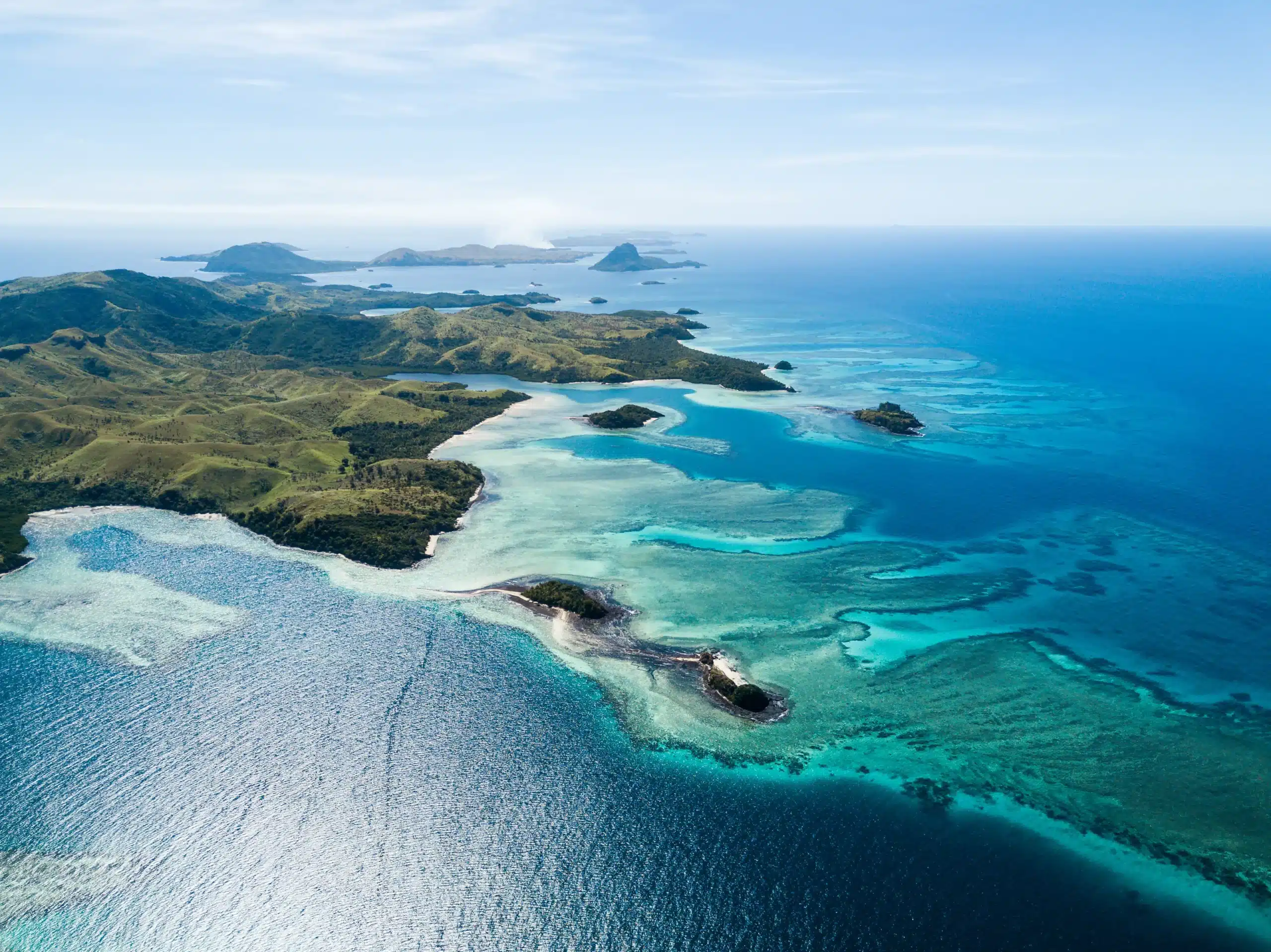
Most first-time Fiji itineraries stay within the Mamanuca and Yasawa Islands, and it’s easy to see why: they’re the most accessible part of the country, a short boat or seaplane ride from Nadi, and they deliver on exactly what most people picture when they imagine Fiji: white sand, calm lagoons, and a resort built almost entirely around the water. For those who want to venture beyond, there are over 30 islands to choose from.
What Lies Further Out
Fiji is considerably larger and more varied than the western corridor suggests, and a longer trip has real reason to venture further. Taveuni, to the northeast, trades lagoon for rainforest: waterfalls, dense green interior, and some of the country’s most respected diving in the Somosomo Strait. Vanua Levu, Fiji’s second-largest island, remains far less developed than Viti Levu, and its town of Savusavu, along with its volcanic hot springs, offers a genuinely quieter alternative to the western resort scene.
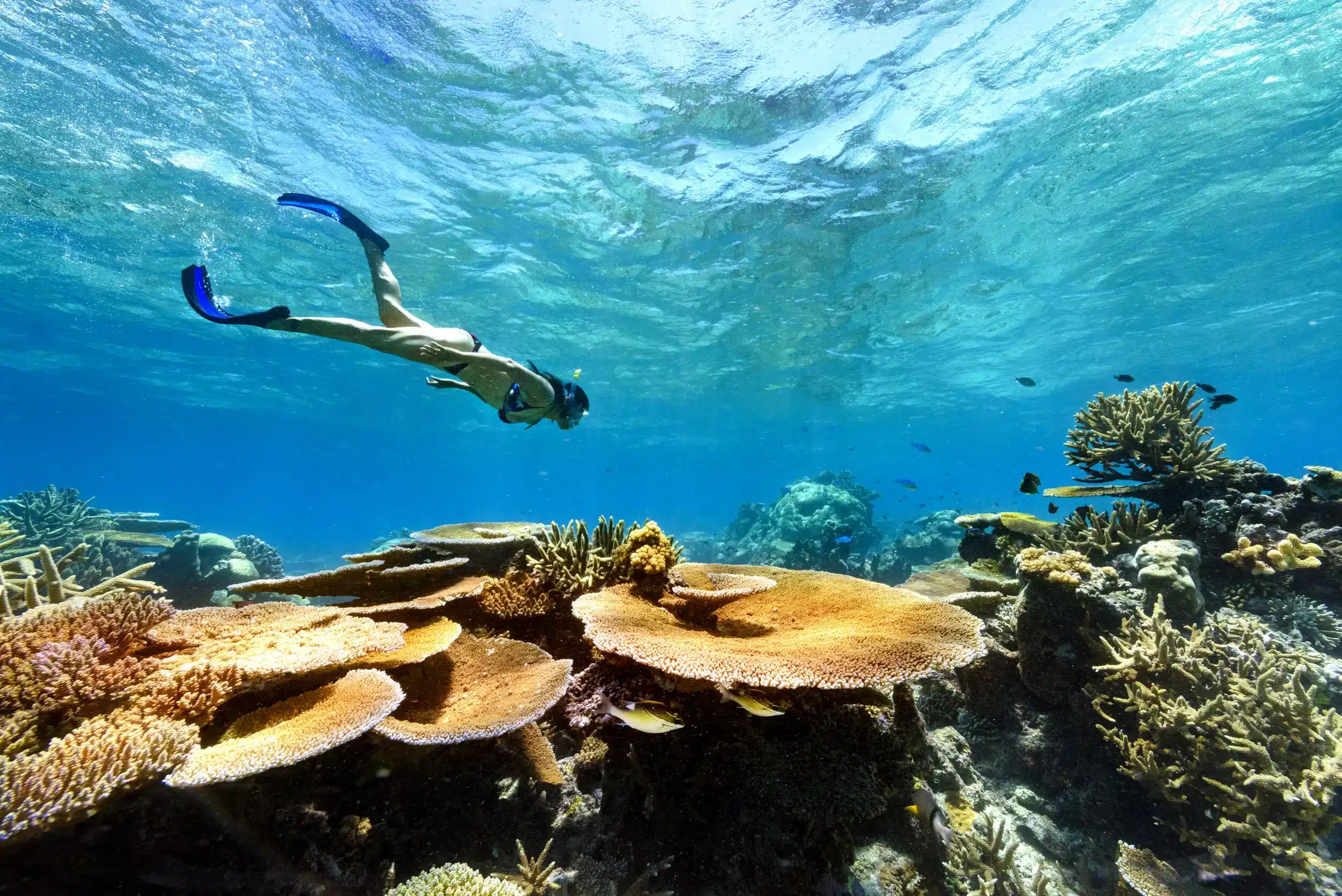
Further south, two islands hold experiences found nowhere else in the country. Beqa Island’s lagoon is home to a reliable, well-managed shark dive and to the Sawau people’s firewalking tradition, a genuine cultural practice tied to a specific legend rather than a resort performance. Kadavu, further south still, holds the Great Astrolabe Reef, the world’s fourth-largest barrier reef and one of the least-dived stretches of coral in the country, precisely because so few visitors make it that far.
The Cost of Covering More Ground
The trade-off for seeing more of the country is time and logistics. Moving between regions means a domestic flight, a longer boat transfer, or both, and Taveuni in particular runs on a more limited flight schedule than the western islands, which means a multi-region itinerary needs real buffer days built in rather than back-to-back transfers.
A trip trying to cover the Mamanucas, Taveuni, and Vanua Levu in under two weeks will likely spend more time in transit than the experience is worth; a trip built around ten days or more has room to actually settle into each place before moving on to the next.
Matching the Route to the Trip
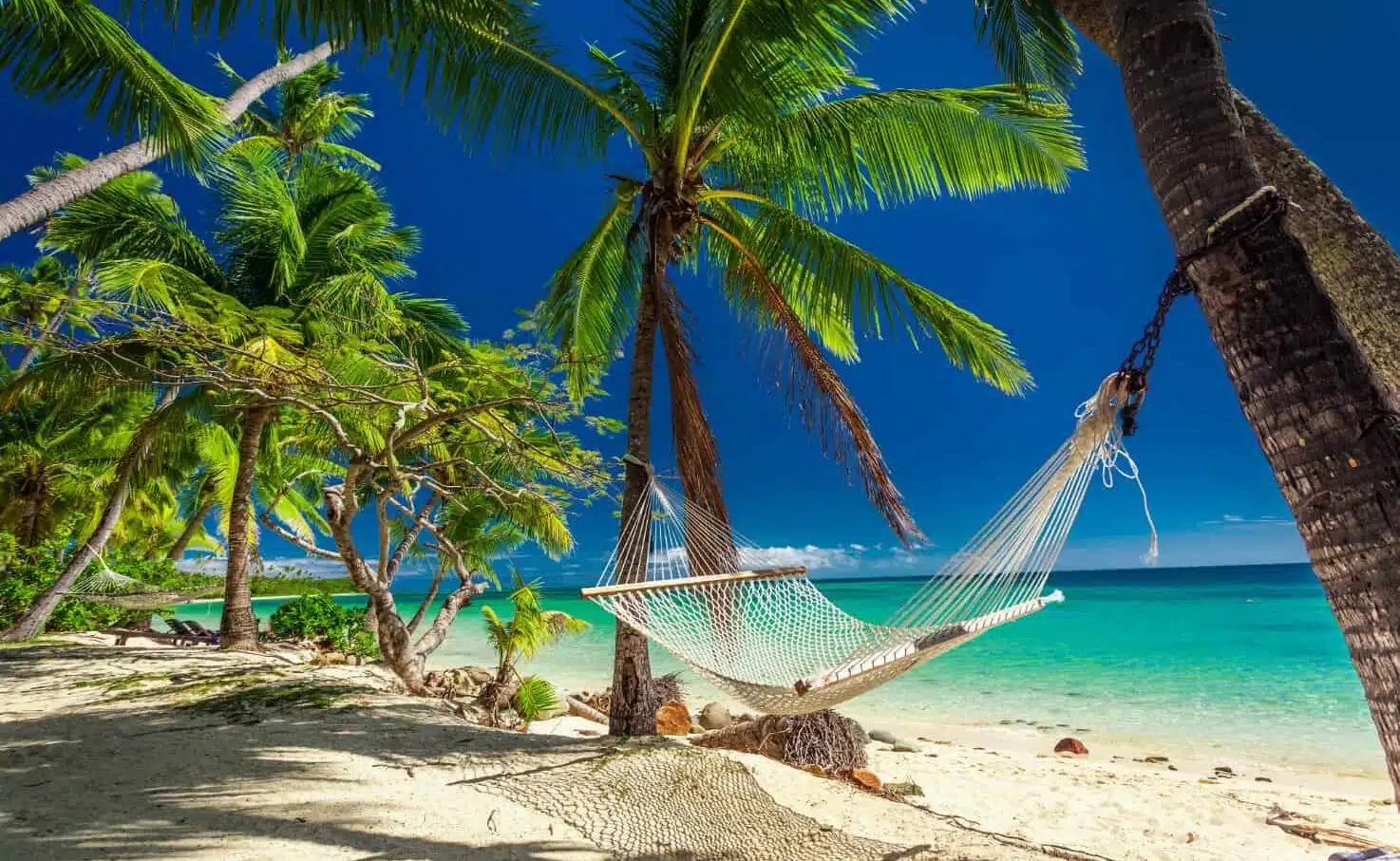
The right combination depends entirely on what the trip is for. A honeymoon or a first visit often does better staying within one region and going deeper rather than wider, since the appeal of Fiji’s lagoons holds up well without needing a second or third region to compete with it. A longer, more adventurous trip, particularly one built around diving or a genuine interest in Fiji beyond its beaches, is exactly where a multi-region itinerary earns its added complexity.
Either way, the planning matters more here than in a single-island trip, and it’s worth building the route with someone who knows which transfers are worth the time and which regions are better left for a return visit rather than squeezed into a single itinerary.
Plan Your Fiji Trip With Our Experts