
While the Masai Mara dominates Kenya’s safari conversation, Laikipia Plateau has quietly assembled one of Africa’s most compelling luxury wildlife destinations across its network of private conservancies. Here, exclusivity is structural rather than marketed; it takes the form of land, access, and a conservation model that keeps the crowds out by design.
A Different Kind of Safari Geography
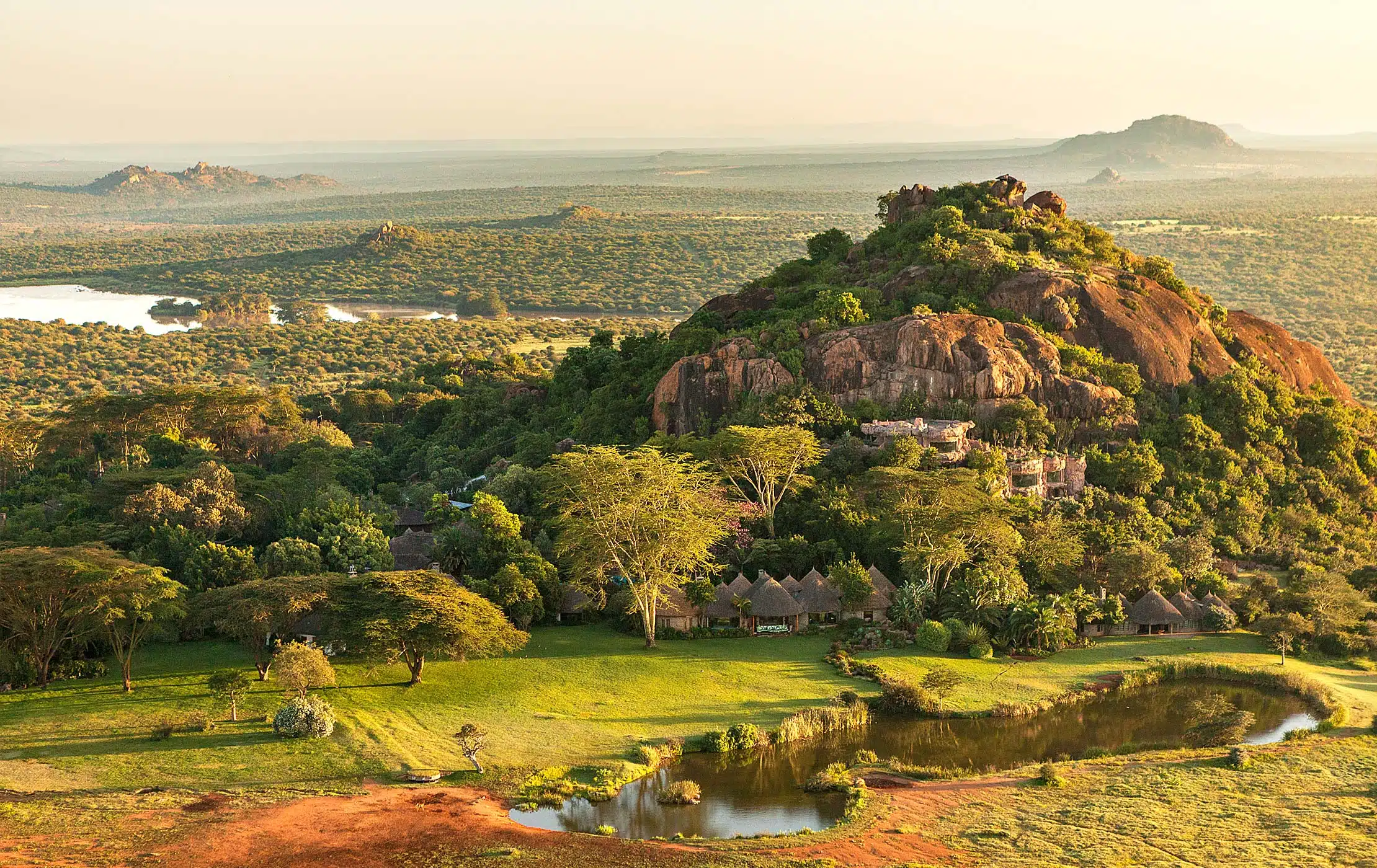
The Laikipia Plateau sits at elevations between 1,600 and 2,500 meters on the northwestern slopes of Mount Kenya, covering roughly 9,500 square kilometers of semi-arid savannah, rocky escarpments, and riverine forest. Its position north of the equator and above the Rift Valley places it outside the seasonal migration corridors that define southern Kenya’s safari calendar, which means wildlife is resident year-round rather than transient.
The plateau’s altitude moderates temperatures significantly compared to lower-lying circuits such as Amboseli or the Mara, and its semi-arid ecology supports a distinct species composition. Black and white rhino populations here are among the most significant in Kenya, alongside large elephant herds, wild dogs, and reticulated giraffes, a species largely absent from the country’s more visited parks.
Laikipia is not a national park. It functions as a mosaic of private and community conservancies, a structure that directly shapes what kind of safari is possible there and how access to it works.
About Do Not Disturb
Do Not Disturb is a luxury travel company specializing in carefully designed journeys and considered experiences. Each itinerary we build for our clients is informed by real destination knowledge, offering insight into places, cultures, and moments that shape how a trip comes together.
If this destination has sparked ideas, the itinerary can be developed into a private journey tailored to your interests and travel style, with hand-picked stays, thoughtful routing, and experiences curated around what matters most to you.
The Private Conservancy Model
Laikipia’s exclusivity is a product of land tenure, not marketing. The plateau operates as a patchwork of private ranches and community conservancies, each controlling access independently. Properties such as Lewa Wildlife Conservancy, Ol Pejeta, and Borana manage their own wildlife corridors, set their own visitor limits, and determine which activities are permitted within their boundaries. The result is a landscape where guest numbers are structurally capped, not seasonally managed.
This model has a direct effect on the safari experience. Because each conservancy functions as a self-contained ecosystem with its own management protocols, activities that are prohibited in national reserves, including night drives, off-road tracking, and walking safaris, are standard here. Access to specific areas and to specific guides is determined by the conservancy, not by a centralized booking system.
The conservancy structure also underpins Laikipia’s wildlife density. Coordinated anti-poaching operations and cross-boundary wildlife movement agreements have made the plateau one of Kenya’s most significant habitats for black rhino, elephant, and wild dog.
Wildlife Beyond the Usual Inventory
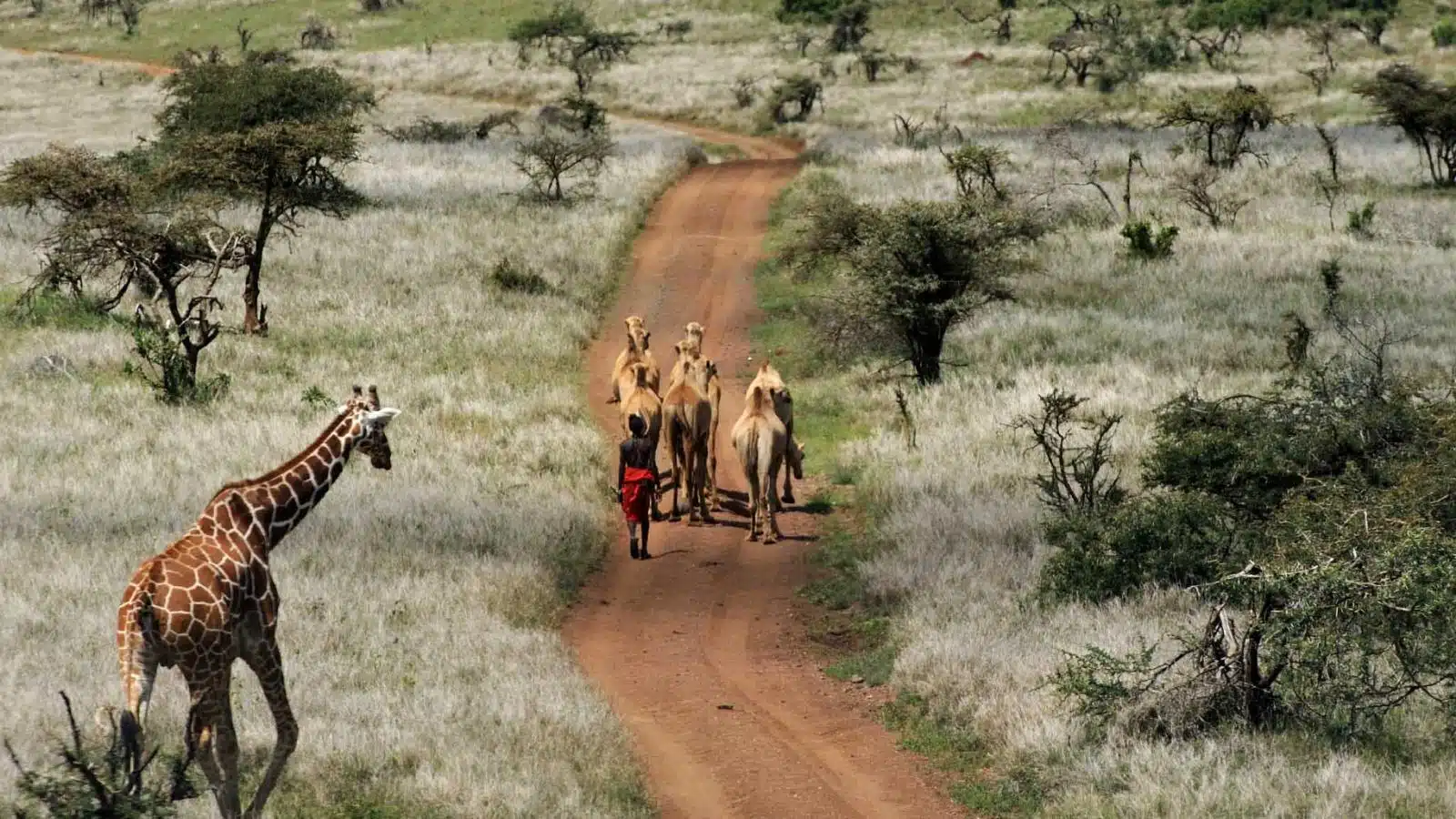
Laikipia holds one of Kenya’s largest populations of black rhino outside a national park, alongside the majority of the country’s remaining Grevy’s zebra, a species now classified as endangered. African wild dog packs, absent from most of East Africa’s high-profile circuits, range across several of the plateau’s conservancies. This concentration of threatened species is not incidental; it reflects decades of coordinated conservation investment by landowners operating under shared management frameworks.
For a safari, this translates into meaningful distinctions. Sightings of species like Grevy’s zebra or wild dog are genuinely rare elsewhere in Kenya, and the conditions here, low vehicle density and large unfenced land areas, allow for extended, undisturbed observation that the Mara’s busier corridors rarely permit.
The plateau also supports healthy populations of elephant, lion, leopard, and reticulated giraffe, giving it a broad wildlife inventory alongside its rarer credentials. The combination is unusual at this scale within a private conservancy model.
The Lodges: Considered, Not Conspicuous
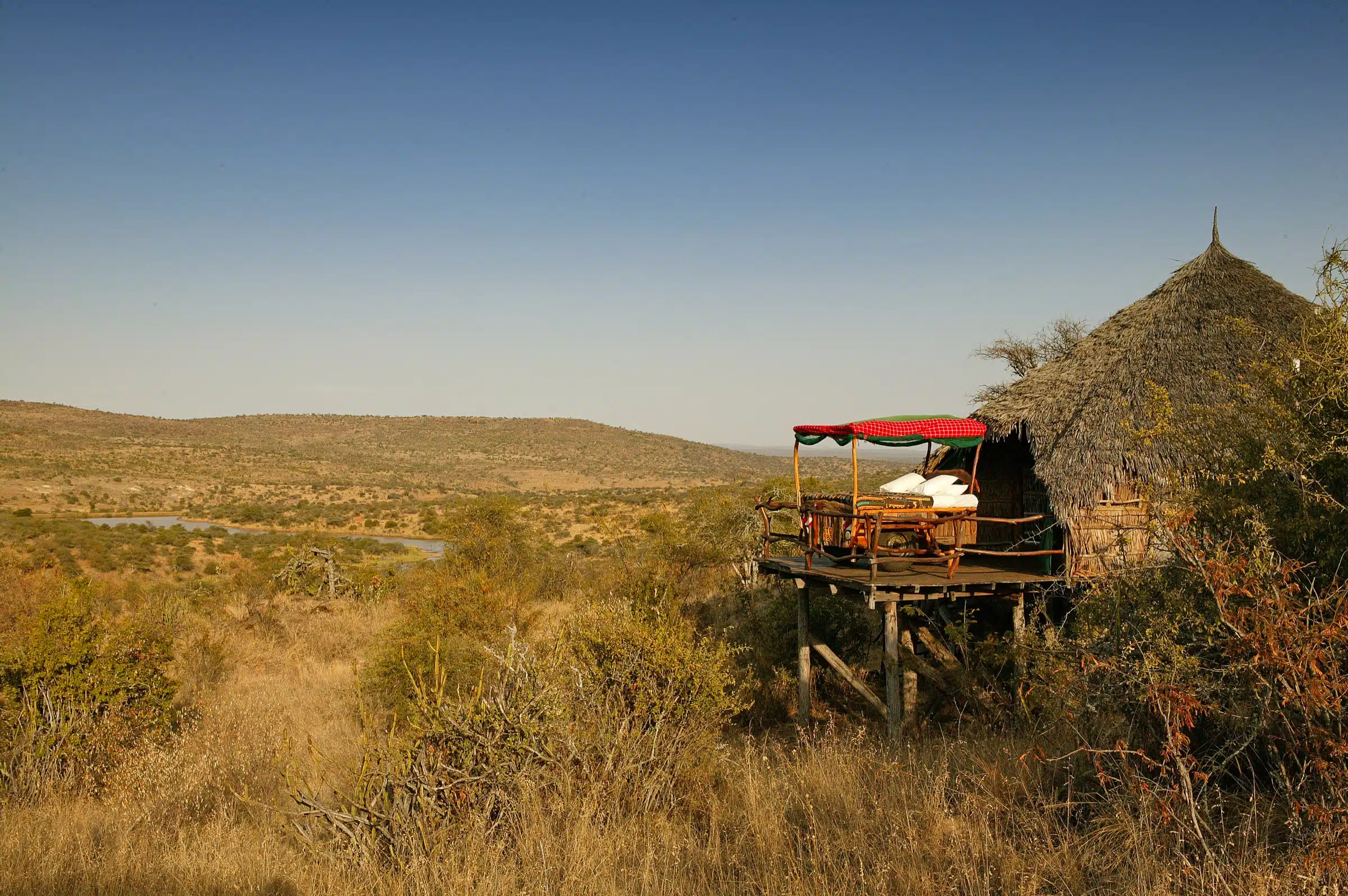
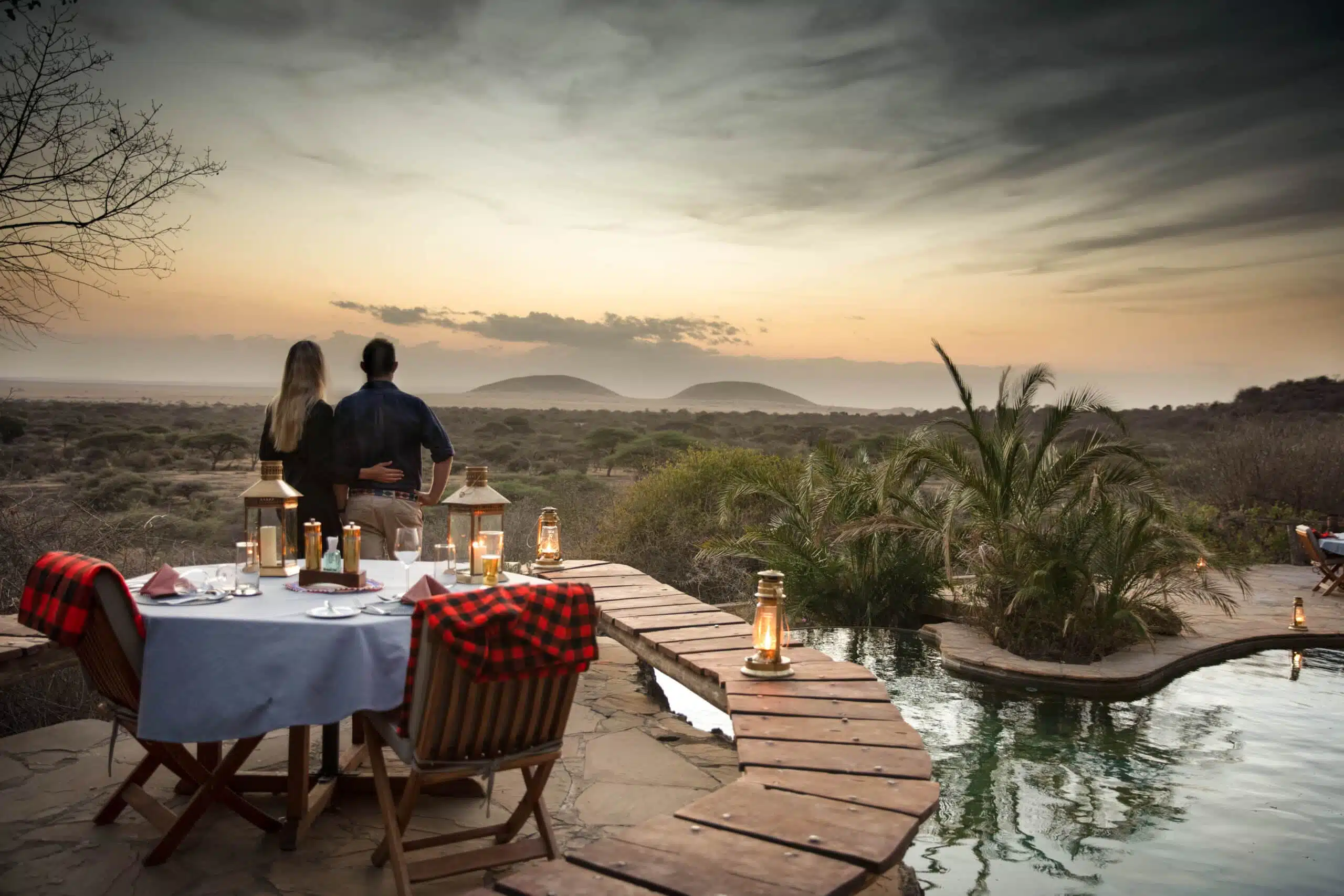
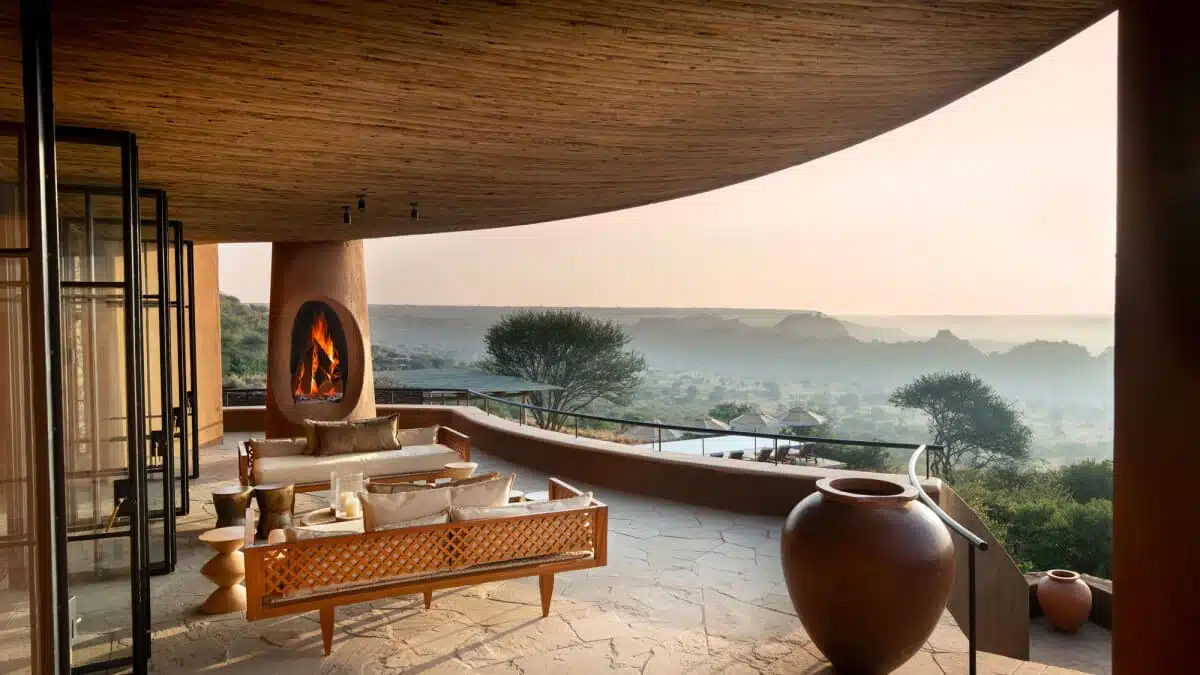
Laikipia’s leading properties share a common architectural logic: low footprint, high specification, and a deliberate absence of the resort conventions found elsewhere in Kenya’s luxury circuit. Ol Malo, Segera Retreat, and Lewa Wilderness each occupy distinct conservancy land, and their design reflects the operational priorities of those landscapes rather than a generic safari aesthetic. Room counts are low by intention, and the ratio of land to guest is a defining feature of the experience.
The conservancy structure shapes what guests can access. Because most properties sit within or adjacent to privately managed land, activities are not constrained by the park regulations that govern shared reserves. Night drives, walking safaris, and off-road tracking are standard rather than exceptional, and itineraries can be adjusted around specific wildlife or conservation activity in ways that fixed-route operations cannot accommodate.
Several properties, including Segera, integrate significant art collections and conservation research functions into the guest experience, adding a layer of programmatic depth that distinguishes them from properties where wildlife viewing is the sole focus.
Activities That Extend Beyond the Vehicle
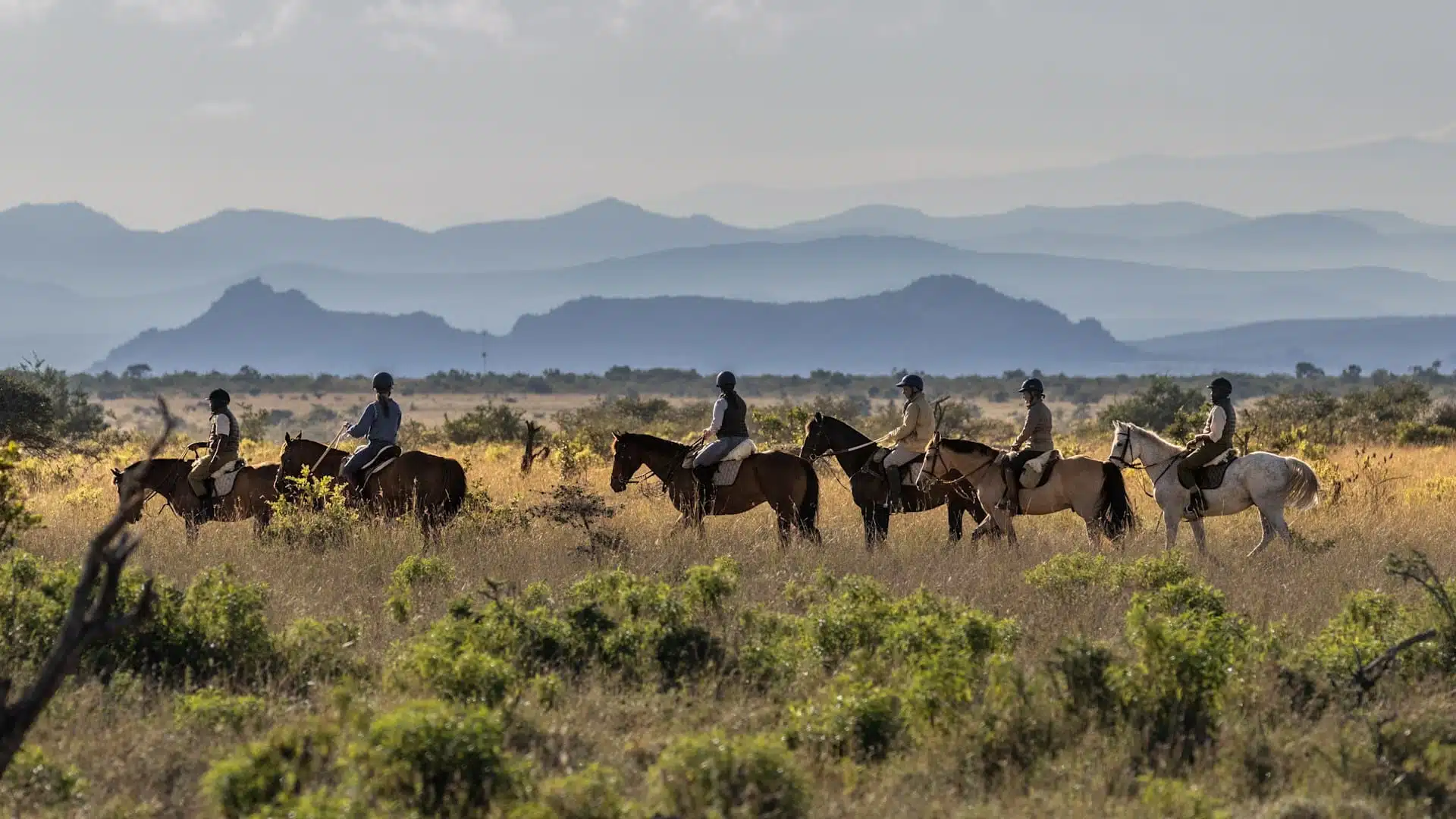
Laikipia’s private conservancies permit activities that national parks and most reserves do not. Walking safaris are conducted with armed rangers and trackers, moving at ground level through terrain that a vehicle cannot interpret in the same way. Horseback riding is available on several properties, including Segera and Ol Malo, and allows guests to move among wildlife without the visual and auditory presence of an engine. Both formats require small group sizes and are structured around the specific landscape of each conservancy rather than a standardized itinerary.
Night game drives are also permitted across most private land in Laikipia, a significant distinction from the Masai Mara and Amboseli, where they are prohibited. This extends the operational hours of a safari and provides access to species and behaviors that are absent from daytime game drive records.
The range of available formats means a Laikipia itinerary can be structured around different modes of access across consecutive days, which is not possible in most of Kenya’s other major wildlife areas.
When to Go and How to Plan
Laikipia operates year-round, but the dry seasons, January to March and July to October, offer the most reliable wildlife viewing. Water sources concentrate during these months, making animals easier to locate across the open plateau. The long rains, April to June, reduce accessibility on some conservancies and limit light aircraft operations, though rates are lower and certain properties remain open to guests who prioritize value over conditions.
Most itineraries pair Laikipia with the Masai Mara or the Kenyan coast. A logical structure places Laikipia first, using the plateau’s walking safaris and horseback activities to establish a different register before moving to the Mara’s larger predator concentrations. Flight times between regions are short, typically under two hours by light aircraft, making multi-destination itineraries practical.
Access to the best-positioned conservancies is not straightforward. Properties vary significantly in what they offer, and the connections required to secure the right combination of camps are not easily replicated without prior knowledge of the region.
Plan your own version of this journey
Speak to Do Not Disturb’s luxury travel experts and turn this moment into something personal.
Related destinations
Suggested articles

Why Kenya Is Perfect for a Luxury Honeymoon
Wilderness to Waves: Luxury Honeymoons in Kenya

Kenya vs. South Africa for a First Safari

Serengeti vs. Maasai Mara: Which Luxury Safari Is Right for You?
Cairo for Luxury Travelers: Pyramids, Palaces & Grand Hotels
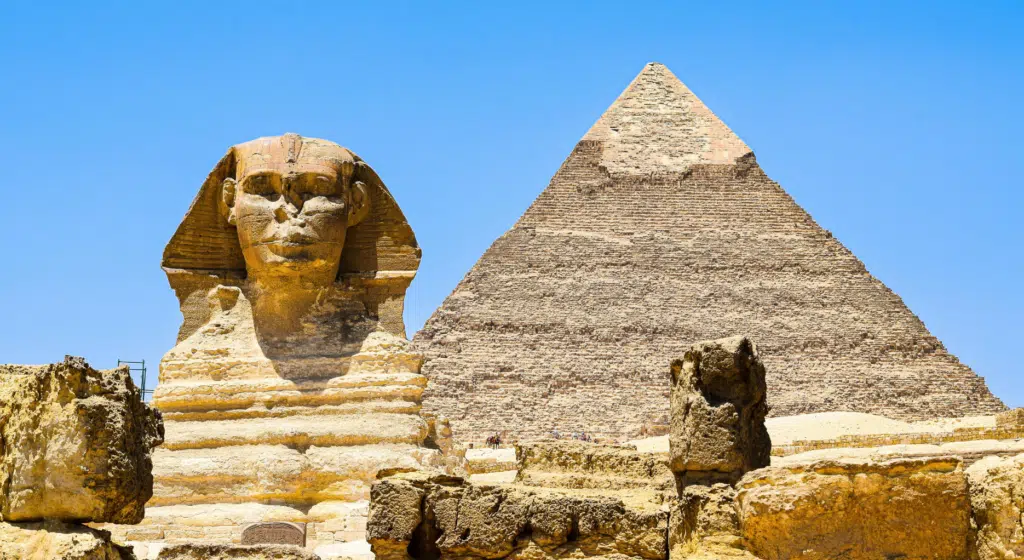
A Luxury Journey Through Ancient Egypt

Cleopatra’s Egypt: Alexandria, Cairo & the Nile
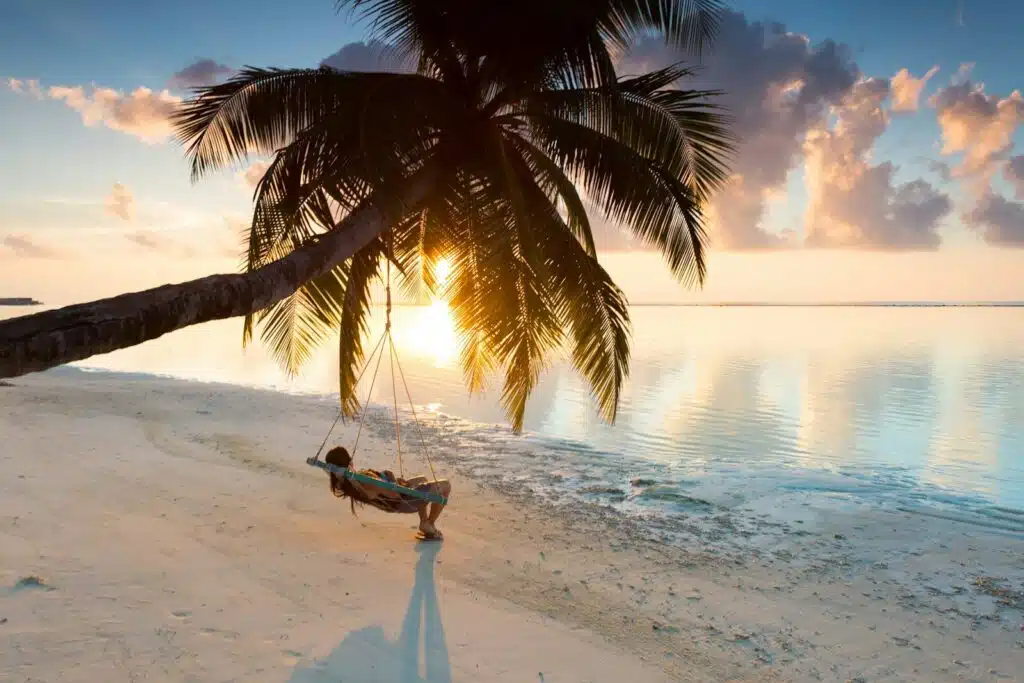
Maldives Luxury Resorts: The Newest Openings
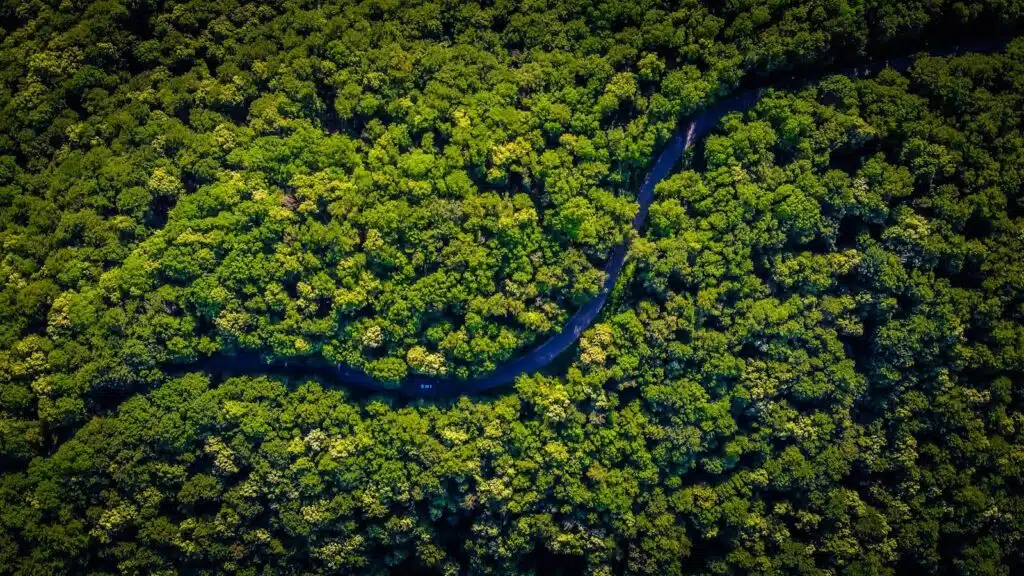
The Best Temples to Visit Beyond Angkor Wat
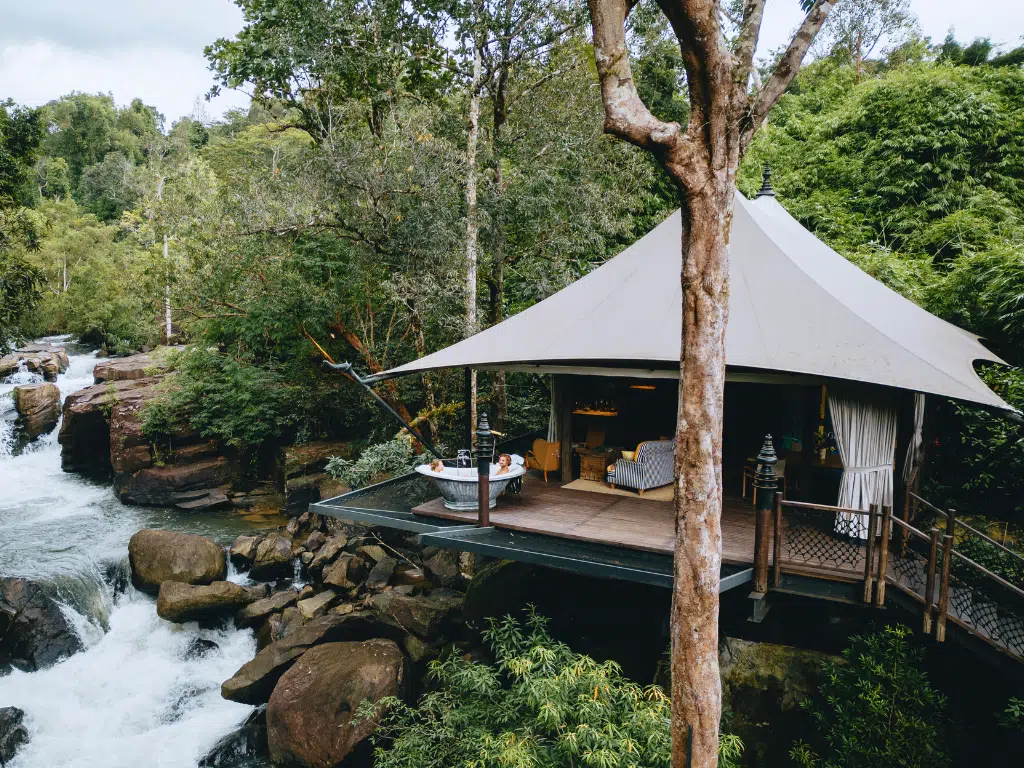
The Cardamom Mountains: Cambodia’s Wildest Luxury Escape
Two Seasons: When to Go to Fiji and Why It Matters
Plan your honeymoon in Switzerland
How to Travel Through a European Summer Heatwave