
On this page
Kyoto, Osaka, Hiroshima, Kanazawa and Takayama. Japan’s most rewarding itineraries rarely begin and end in Tokyo, they move through cities where the food runs centuries deep and a slower pace tell a different story to the capital.
Kyoto
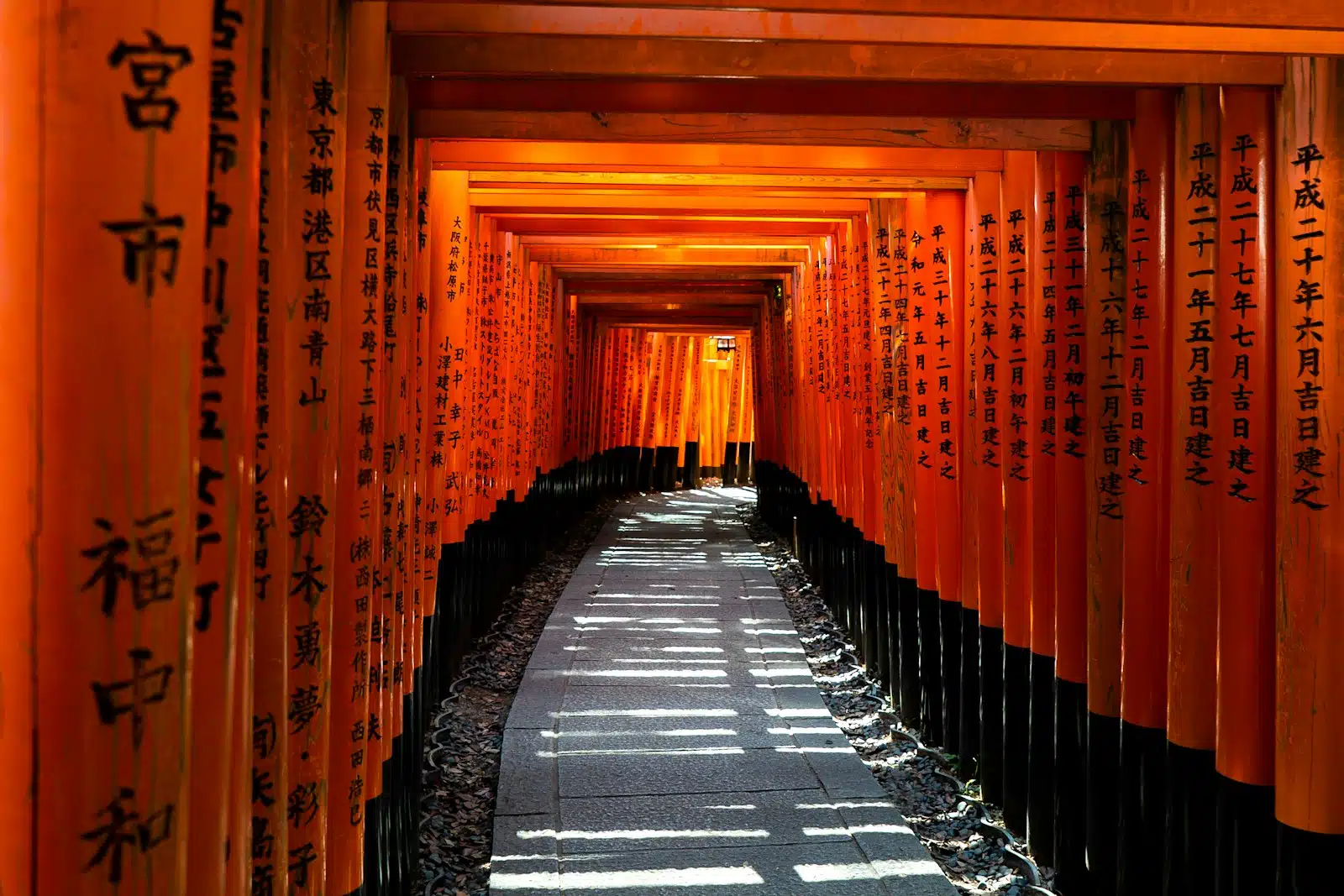
Kyoto served as Japan’s imperial capital for over a millennium, and that history is still structurally present. The city holds more than 1,600 Buddhist temples and 400 Shinto shrines, many of which remain active religious sites rather than preserved monuments. Neighbourhoods such as Gion and Nishiki retain their pre-modern street layouts, and machiya townhouses — traditional merchant residences built to strict proportional codes — still define large sections of the urban fabric.
The city is also the origin point of kaiseki, Japan’s most codified haute cuisine tradition, in which multi-course menus are built around seasonal produce and strict preparation hierarchies. Kyoto remains the benchmark for this format, with a concentration of practitioners unmatched elsewhere in the country.
What sets Kyoto apart from Tokyo is not age alone, but how much sits in close range. A good itinerary here is about sequencing, knowing which districts, temples, and dining traditions connect, rather than simply covering ground. Get the order right and the city opens up.
Osaka
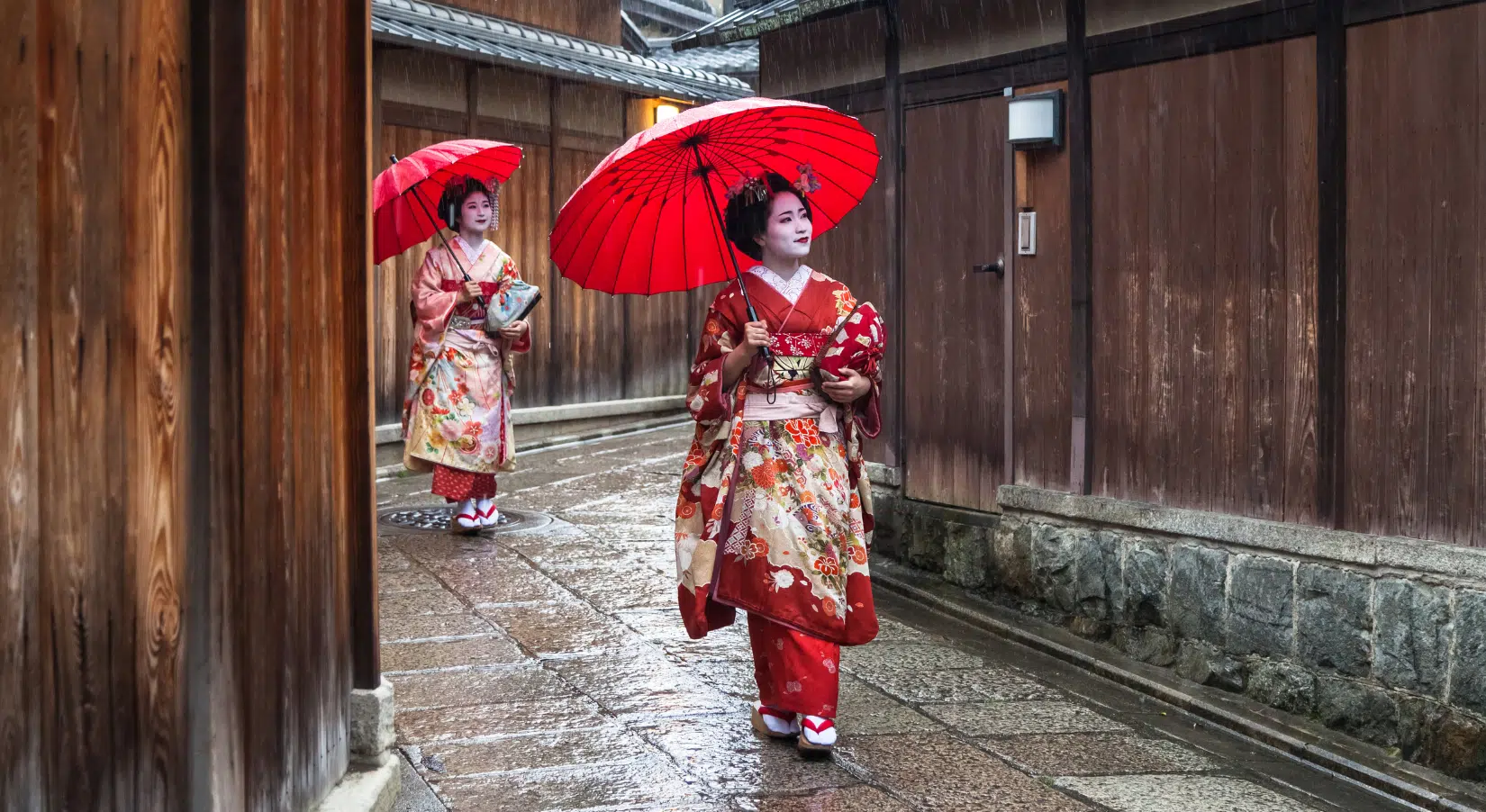
Osaka’s food culture runs on a principle locals call kuidaore, roughly “eat until you drop,” which works less as a motto and more as the organizing logic for how the city is built and how people move through it. Dotonbori concentrates street-level eating along a single dense corridor. Kuromon Market, in use since the early 19th century, supplies professional kitchens and walk-through eating alike. The two areas serve different functions and reward different approaches.
The dishes most associated with Osaka, takoyaki, okonomiyaki, and kushikatsu, are not tourist constructs. They reflect a broader preference for affordable, high-volume, counter-based eating that cuts across social lines. This is where Osaka diverges most clearly from Tokyo. The social register is looser, directness is the norm, and the gap between a neighborhood kitchen and a destination restaurant is narrower than in the capital.
Eat where the locals queue and Osaka rarely lets you down.
Kanazawa
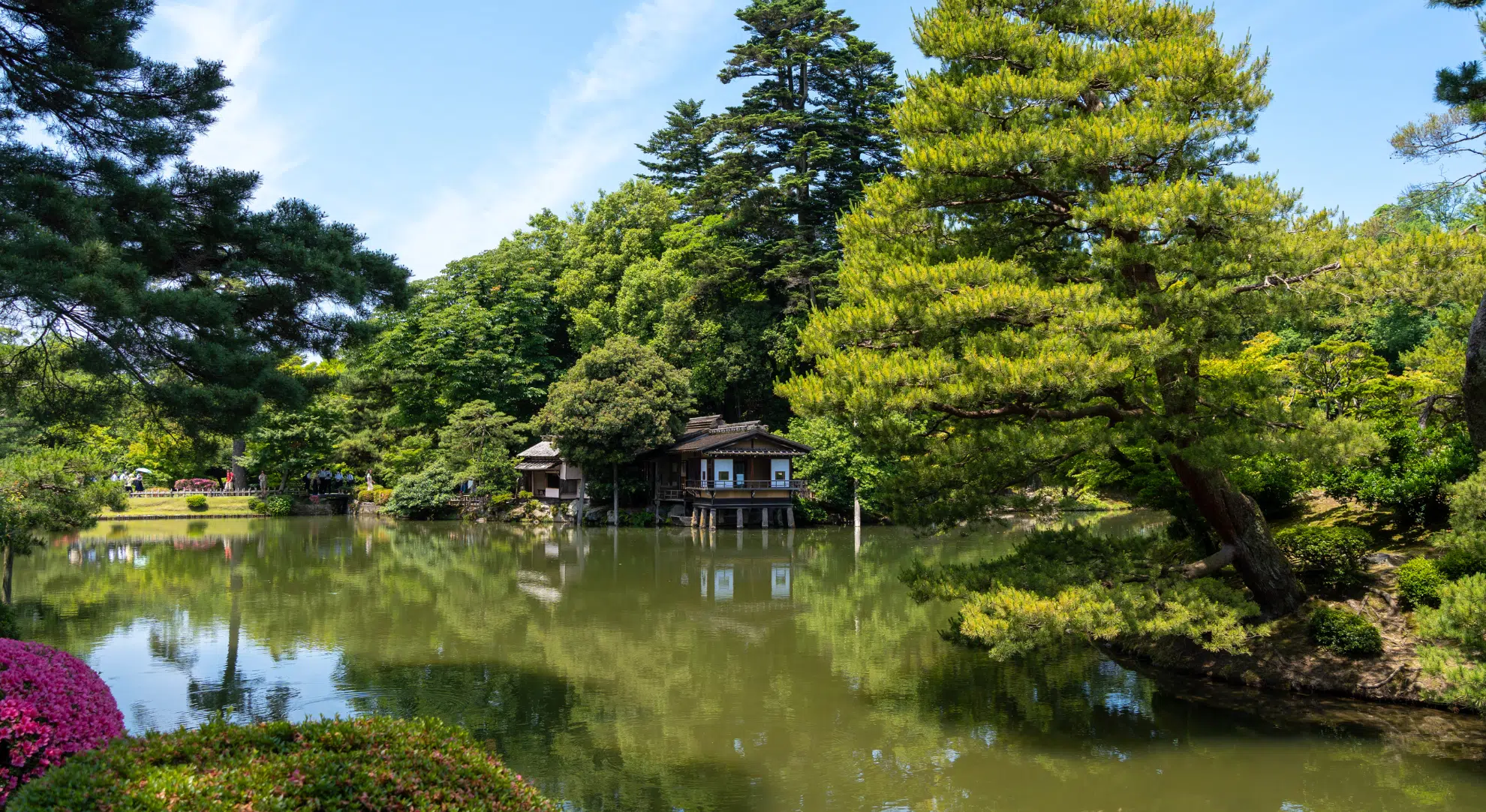
Kanazawa sits on the Sea of Japan coast and remains, despite its significance, one of the least visited major cities in the country. Its historical districts — Higashi Chaya and the samurai quarters of Nagamachi — are among the best-preserved in Japan, largely because the city escaped wartime bombing. That preservation extends to living cultural practice: Kanazawa holds the highest concentration of traditional craft industries outside Kyoto, with recognised schools of Kenzan-style ceramics, Wajima and Yamanaka lacquerware, and Kaga Yuzen silk dyeing all rooted here.
The city is also one of the few remaining centres of Noh theater, a form with which it has had a continuous relationship since the Edo period, when the ruling Maeda clan used patronage of the arts as a political instrument.
The 2015 Hokuriku Shinkansen extension brought Kanazawa within two and a half hours of Tokyo. International visitor numbers have not yet caught up with that access, which makes now a good time to go, before they do.
Tours we recommend

Hiroshima
Hiroshima is defined, in part, by the Peace Memorial Park and Museum — one of the most architecturally and historically significant sites in Japan. The park was designed by Kenzo Tange and built on land deliberately left clear at the hypocenter of the 1945 atomic bomb. The museum’s documentation is precise and extensive. Visiting requires time and intention; it is not a site that rewards a rushed itinerary.
The city beyond the memorial is substantive in its own right. Hiroshima-style okonomiyaki differs structurally and technically from the Osaka version, and the city has a concentrated dining culture built around it. Specialist restaurants are found throughout the Nagarekawa and Okonomi-mura areas.
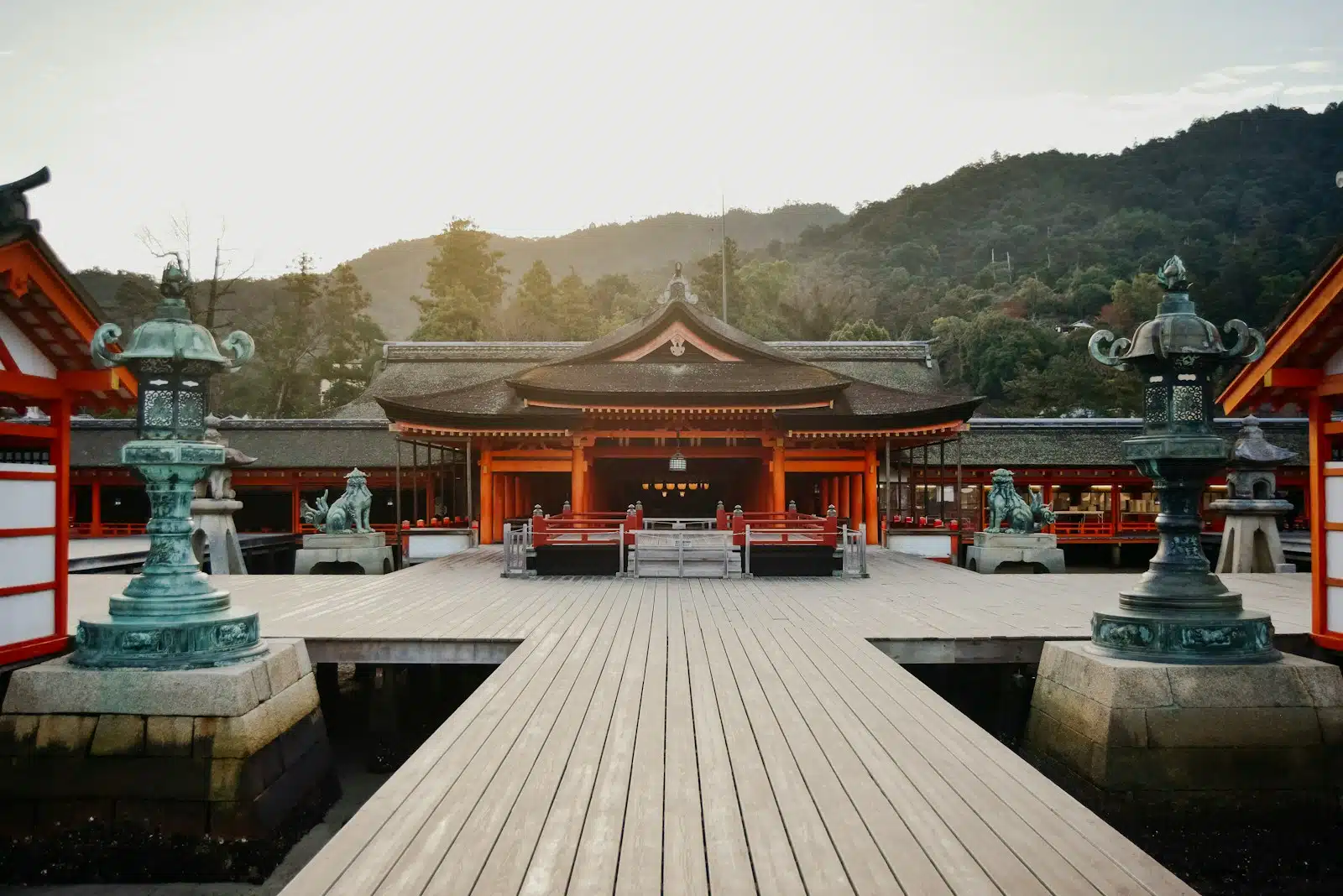
Miyajima Island, accessible by ferry from the city, is home to Itsukushima Shrine, a UNESCO World Heritage Site known for its torii gate positioned over tidal water. The island also holds Daisho-in temple complex, which receives considerably less attention but rewards the additional time.
Takayama
Takayama sits in the Hida highlands of Gifu Prefecture, roughly three hours from Nagoya by limited express. The journey is the first signal that this is a different kind of stop. The city’s Sanmachi Suji district preserves an Edo-period merchant town layout largely intact: dark timber facades, narrow street grids, and sake breweries still operating behind the cedar ball markers that signal active production. This concentration of pre-modern urban fabric is rare in Japan and gives Takayama a coherence that most historic districts lack.
The surrounding region extends the itinerary’s range. Shirakawa-go, a UNESCO-listed cluster of gassho-zukuri farmhouses with steep thatched roofs built to shed heavy mountain snowfall, sits within reach and represents a form of rural architecture with no close equivalent in the country.
Takayama takes more logistical effort than anywhere else in this guide. That effort is also what keeps it off standard itineraries, and what makes the trip worth building around.
How to Build the Itinerary: Sequencing These Cities Intelligently
The cities in this guide connect along a single rail corridor. Kyoto and Osaka anchor the Kansai region and work well as a paired base, with Nara an easy day trip from either. Hiroshima lies further west along the Sanyo Shinkansen corridor, with Miyajima a short ferry crossing from Hiroshima port. Kanazawa sits on the Sea of Japan coast, reached most efficiently via the Hokuriku Shinkansen from Tokyo, or as a northern extension before or after Kyoto.
Realistic time allocations: two to three nights in Kyoto, two in Osaka, one in Nara, two in Hiroshima, and two in Kanazawa. Compress these much further and you end up with a surface-level trip that misses the cultural infrastructure each city is built around.
The stronger principle is depth over distance. An itinerary sequenced by cultural logic, pairing cities with related histories, complementary food traditions, or contrasting urban forms, will produce a more coherent journey than one built around shaving travel time off the trip to Tokyo.