
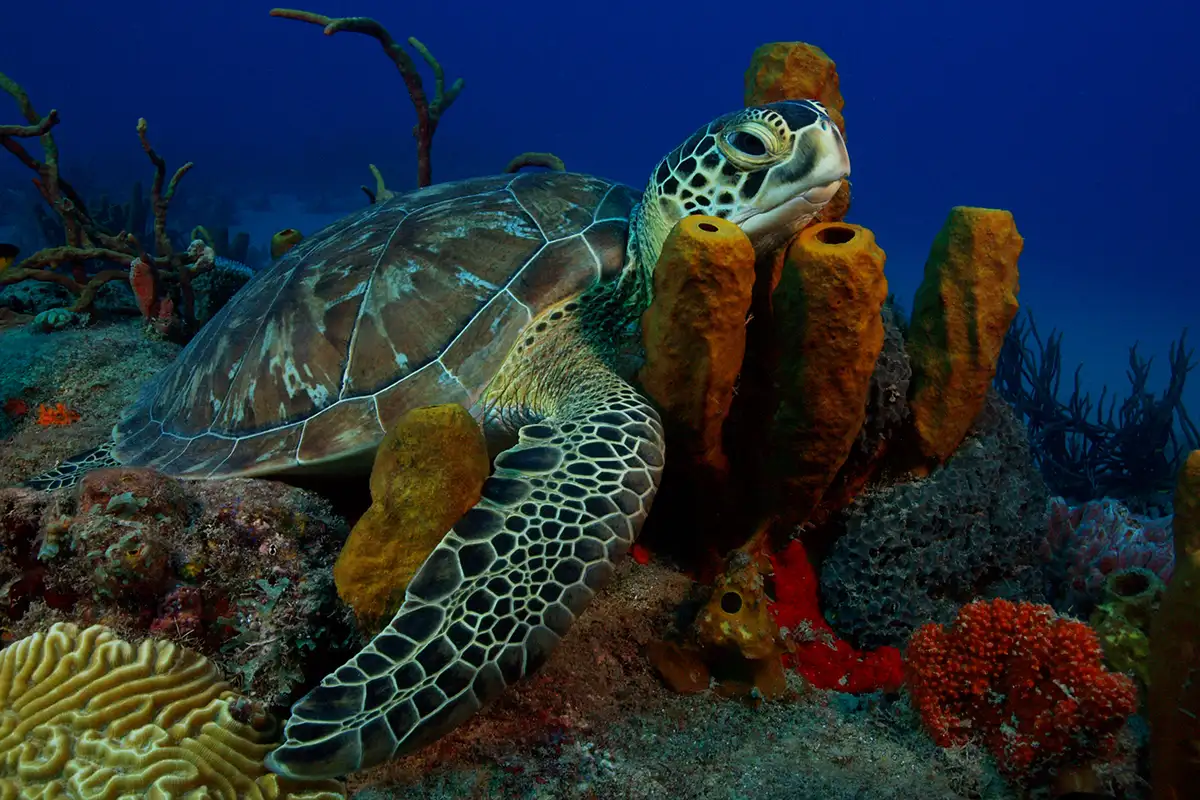
In the shallows of the St Barthélemy Natural Reserve, green sea turtles move through seagrass beds at close range, surfacing occasionally before returning to feed. The water is clear enough to watch them from above without going under. The experience depends entirely on knowing where to go and when.
Thanks to the St Barthélemy Natural Reserve, the island’s waters support a healthy and accessible population of wild sea turtles, making it one of the most reliable places in the Caribbean to encounter them in their natural habitat.
The St Barthélemy Natural Reserve, established in 1996, protects 1,200 hectares of marine environment across five sectors of the island’s coastline, and it is within these protected waters that green and hawksbill turtles move freely through seagrass beds, coral formations and shallow bays.
Around 70 individual turtles have been recorded in the waters of the Grand Cul de Sac lagoon alone. These are wild animals in open water, not a managed attraction. It requires the right location, the right timing and a guide who understands both.
About Do Not Disturb
Do Not Disturb is a luxury travel company specializing in carefully designed journeys and considered experiences. Each itinerary we build for our clients is informed by real destination knowledge, offering insight into places, cultures, and moments that shape how a trip comes together.
If this destination has sparked ideas, the itinerary can be developed into a private journey tailored to your interests and travel style, with hand-picked stays, thoughtful routing, and experiences curated around what matters most to you.
Cultural and Historical Context
The St Barthélemy Natural Reserve was established in 1996 in response to growing pressure on the island’s marine environment. Saint Barthélemy reserve was a deliberate act of protection, drawing a boundary around the island’s most ecologically significant waters.
St Barthélemy Natural Reserve covers 1,200 hectares across five sectors of the coastline and is managed by a dedicated team responsible for monitoring marine life, enforcing conservation rules and maintaining the conditions that make the reserve one of the clearest and most biodiverse stretches of water in the Caribbean.
For many visitors, the turtles are the reason. Sea turtle numbers across the Caribbean were severely depleted by centuries of hunting and habitat loss, and the green and hawksbill turtles now found in the waters of St Barts are a direct result of the protection the reserve affords them. Encountering them in the wild, on their own terms, is a different experience from the staged encounters offered elsewhere in the region.
Water temperature sits at a consistent 26 degrees Celsius year-round, with visibility reaching 20 to 30 metres on a calm day. The best months run from December through June, when winds are low and turtle activity in the shallower bays is at its most consistent. During the rainy season from July to November, conditions can be more variable, though encounters remain possible throughout the year.

Why Private or Small-Group Access Matters
The St Barthélemy Natural Reserve draws visitors year-round, and the most popular snorkeling spots see their share of traffic during peak season. The difference between a good encounter and a memorable one often comes down to timing, positioning and knowing how to move in the water.
A private boat departure allows both to be chosen around conditions rather than fixed schedules, arriving at Anse de Colombier or Grand Cul de Sac in the calmest part of the day, before or after the main flow of visitors.
A guide with genuine knowledge of turtle behaviour knows which areas of a bay are most likely to produce encounters at a given time, and how to enter the water without disturbing the animals.
The difference between drifting quietly alongside a green turtle feeding in the shallows and watching the same animal swim away from a crowded group is entirely a matter of approach. Private access creates space for the experience to unfold at its own pace. There is no group to keep up with and no guide dividing attention between ten people at once.

What You See
Anse de Colombier on the northwestern tip of the island is the most celebrated of the three. The beach itself is accessible only by boat or via a 20-minute trail from Flamands Beach, and that effort keeps the bay quieter than the island’s more accessible shores.
The seagrass beds in the bay’s shallower water are a favoured grazing ground for green turtles, and the surrounding rocky formations provide cover for stingrays, lobsters, octopuses and barracuda. Arriving by boat in the early morning, before the day’s visitors arrive on foot, makes this a particularly still experience.
Grand Cul de Sac on the eastern coast is the island’s most turtle-dense location, with around 70 individuals recorded in the lagoon. The bay’s calm, shallow water and seagrass coverage create ideal conditions for prolonged observation, and the site’s protected status means the turtles move with a confidence and ease that is immediately apparent to anyone entering the water.
Île Fourchue, a small uninhabited island accessible only by boat around eight kilometres northwest of Gustavia, is the most remote of the three sites and the one most likely to deliver a quieter, more personal encounter. Hawksbill turtles are regularly seen here, alongside sea fans, parrotfish and the occasional reef shark at a safe distance.

How Private Access Elevates the Experience
The St Barthélemy Natural Reserve draws visitors year-round, and the most popular snorkeling spots see their share of traffic during peak season. The difference between a good encounter and a memorable one often comes down to timing, positioning and knowing how to move in the water.
A private boat departure allows both to be chosen around conditions rather than fixed schedules, arriving at Anse de Colombier or Grand Cul de Sac in the calmest part of the day, before or after the main flow of visitors.
A guide with genuine knowledge of turtle behaviour knows which areas of a bay are most likely to produce encounters at a given time, and how to enter the water without disturbing the animals.
The difference between drifting quietly alongside a green turtle feeding in the shallows and watching the same animal swim away from a crowded group is entirely a matter of approach. Private access creates space for the experience to unfold at its own pace. There is no group to keep up with and no guide dividing attention between ten people at once.

How Do Not Disturb Makes This Possible
Do Not Disturb works with a small number of local operators in St Barts who know the reserve well. Access is arranged around conditions rather than fixed departure times, and the guides selected have years of experience with the island’s marine environment and a commitment to the reserve’s conservation principles.
Logistics are handled in advance: boat transfer, equipment, timing and any additional elements the day might call for. Guests arrive at the water ready to be in it. Everything else is taken care of.
Ready to plan your swim with sea turtles in the protected waters of St Barts? Speak with Do Not Disturb to begin your journey.
Plan your own version of this journey
Speak to Do Not Disturb’s luxury travel experts and turn this moment into something personal.
Related destinations
Suggested articles
Plan Your Honeymoon in St Barths
A Week in St Barths: The Perfect Luxury Experience

How St Barths Became the Benchmark for Caribbean Luxury
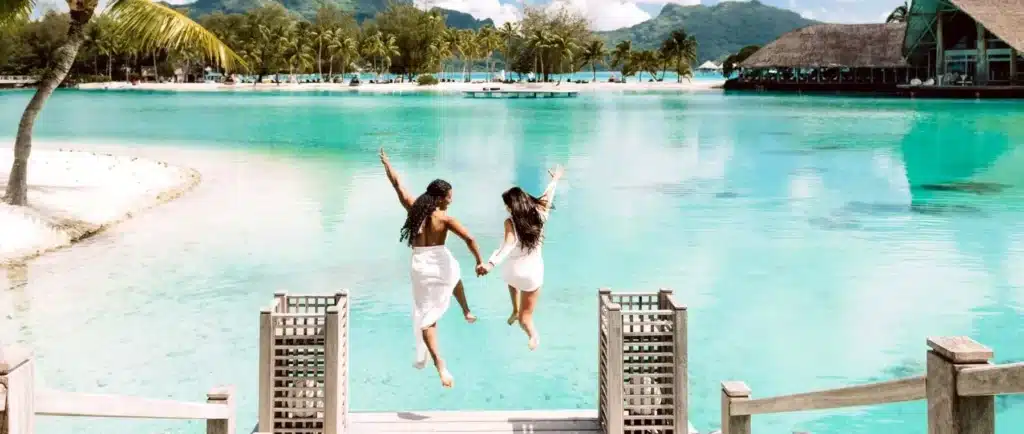
The Best Honeymoon Destinations for LGBTQ+ Couples

The Most Romantic Train Journeys for a Slow Honeymoon
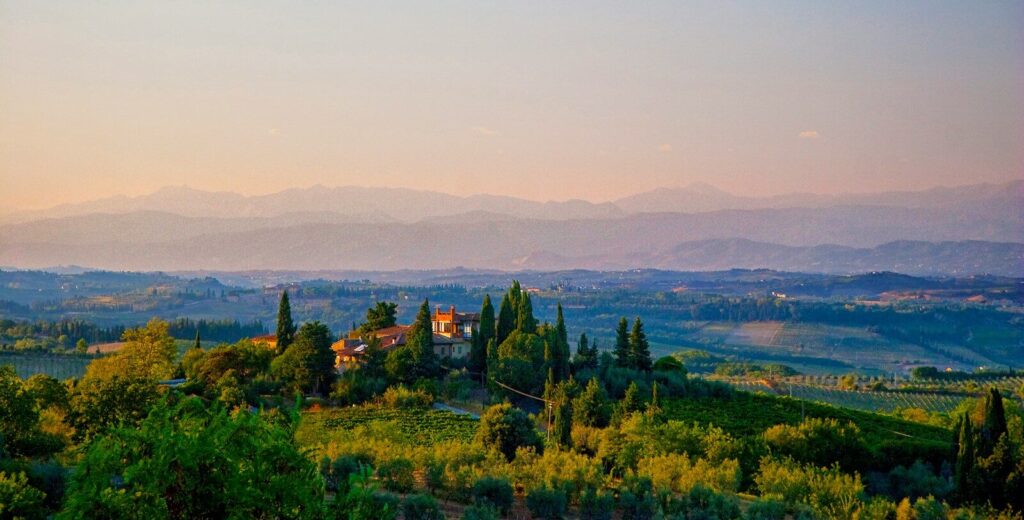
Chianti’s Luxury Villas: Stay Like a Renaissance Noble

Best Luxury Hotels in Finnish Lapland
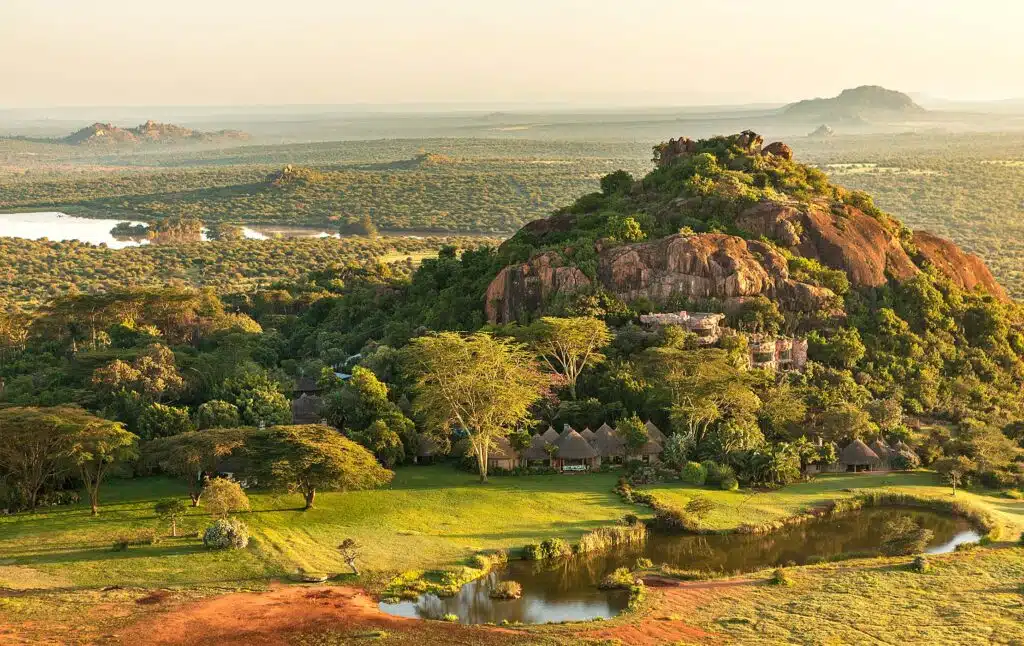
Luxury Safaris: Why Laikipia Is Kenya’s Best-Kept Secret
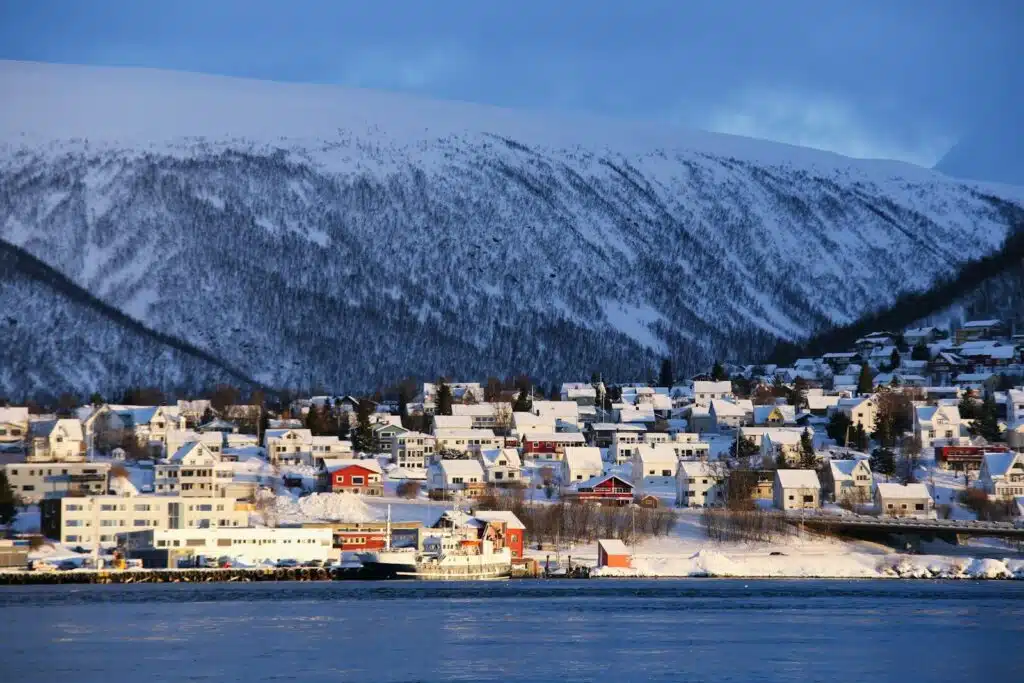
Tromsø: The Gateway to Arctic Norway
Where to Go On Honeymoon? A Guide to Help You Choose

Why Kenya Is Perfect for a Luxury Honeymoon

Lake Como vs Lake Garda: Which Italian Lake Is Right for You?
The Norwegian Fjords: A Luxury Traveler’s Guide