
Pain de Sucre sits five minutes from Gustavia harbor by boat, holding five distinct dive sites within its surrounding waters. It is the most dived location in Saint Barthélemy, accessible to beginners in its shallower sections and to advanced divers at the Kayali wreck at 30 metres.
The site sits within the St Barthélemy Natural Reserve, and nearly 30 years of protection shows in the water.
The boat leaves Gustavia and Pain de Sucre comes into view almost immediately, the rock rising from the water just south of the town. The descent begins at the mooring buoy, with the first coral formations visible within seconds of going under.
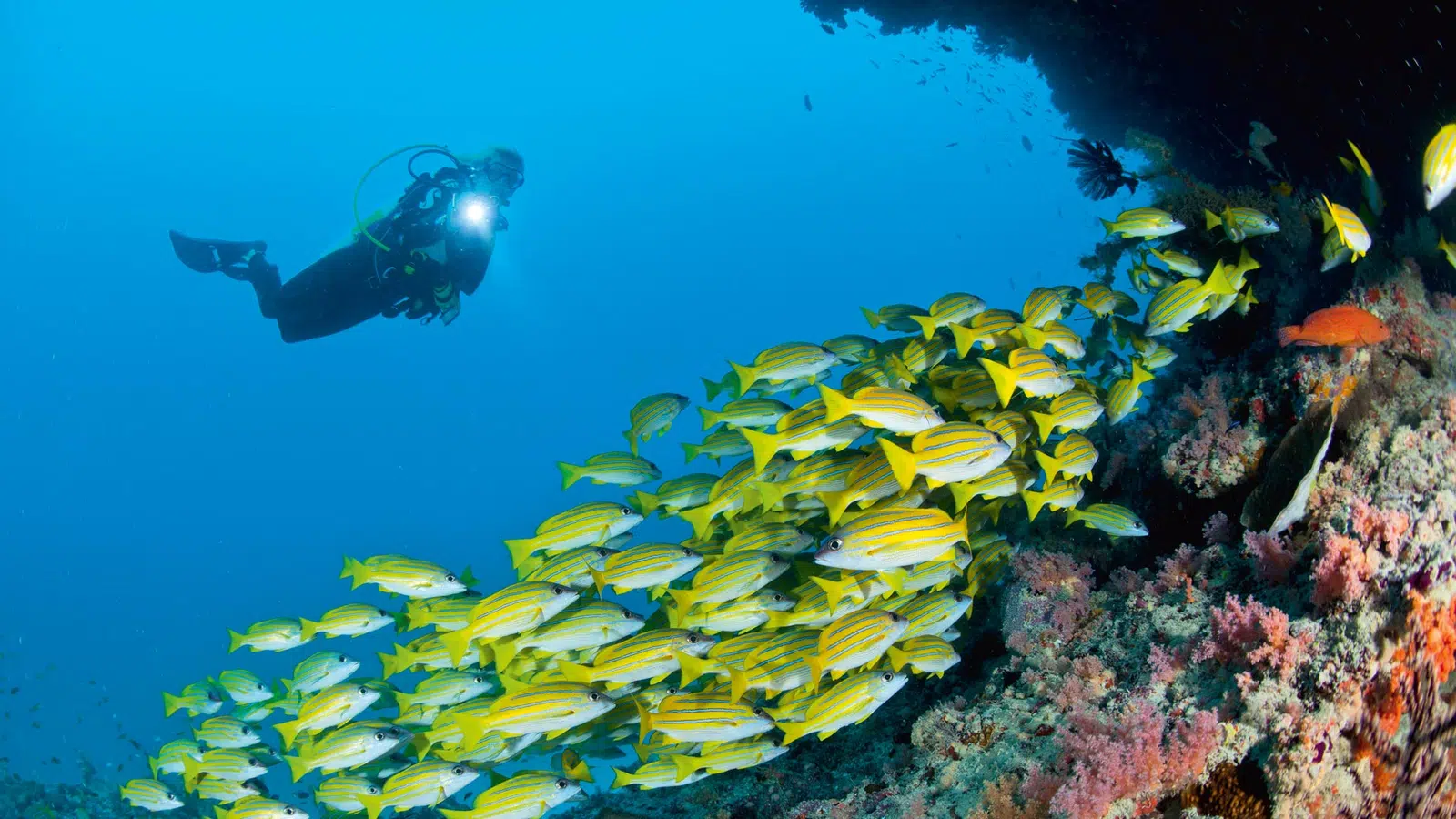
The water is clear enough that the reef below is apparent from the surface, the light reaching the coral formations below and the fish moving through them.
The islet’s volcanic rock continues below the waterline into a series of tunnels, caverns and arches that make up the most varied underwater terrain in the waters around St Barts.
For those with the certification to go deeper, the Kayali sits at 30 metres. A 40-metre cargo ship sunk in 1994, it has spent the years since becoming something else: a structure covered in sponges and soft corals, home to groupers, moray eels and lionfish, and circled on most dives by spotted eagle rays. It is the most significant wreck dive in St Barts.

About Do Not Disturb
Do Not Disturb is a luxury travel company specializing in carefully designed journeys and considered experiences. Each itinerary we build for our clients is informed by real destination knowledge, offering insight into places, cultures, and moments that shape how a trip comes together.
If this destination has sparked ideas, the itinerary can be developed into a private journey tailored to your interests and travel style, with hand-picked stays, thoughtful routing, and experiences curated around what matters most to you.
Cultural and Historical Context
Saint Barthélemy sits on a volcanic base, and that geology shapes every dive site around it. The underwater landscape is not flat reef but a series of rocky outcrops, coral formations, swim-throughs and walls that change character with depth. Pain de Sucre is the clearest expression of that on the island.
The St Barthélemy Natural Reserve, established in 1996 and renamed the Réserve Nicole Aussedat in honor of its founder, covers Pain de Sucre and the surrounding Gros Ilets as one of its five protected sectors. Within the reserve, fishing is prohibited, anchoring is restricted to designated mooring buoys and jet ski traffic is banned.
Dive boats moor on buoys rather than dropping anchor, protecting the reef below. After nearly 30 years of protection, the site is in noticeably better condition than comparable locations elsewhere in the Caribbean.
Visibility at Pain de Sucre averages between 20 and 30 metres, with the best conditions running from November through June. Water temperature stays between 25 and 29 degrees Celsius year-round. The site works across all certification levels, from beginner divers in the shallower sections to advanced divers at the Kayali, which requires a minimum Advanced PADI certification.
The Kayali is one of four wrecks in the waters around St Barts. Sunk deliberately in 1994, it sits upright on the seabed at 30 metres, fully penetrable and thoroughly colonised. Groupers, moray eels and lionfish move through the interior. Spotted eagle rays circle the exterior. Sea turtles have been recorded at the site consistently since the wreck went down.

Why Private or Small-Group Access Matters
Pain de Sucre is busy. The boats from Gustavia’s dive operators run there regularly, and on a busy morning multiple groups can be in the water at the same time, moving through the same coral tunnels and gathering at the same sections of the Kayali.
A private guided dive removes that. Departure is chosen around the conditions of the day, not a shared schedule. A guide assigned to the group paces the dive around what they find in the water rather than moving a larger group through a fixed route.
At the Kayali, that matters: a private guide can spend time at the sections of the wreck most likely to produce encounters and adjust the dive profile based on the experience of the divers in the water.
For beginners, the shallower sections of Pain de Sucre offer a first open-water dive in conditions that are forgiving: calm water, good visibility and a reef that produces encounters at every depth.
For advanced divers, the Kayali is the objective, and the quality of the dive depends on arriving at the right moment and moving through the wreck with someone who knows it.

What You See
The dive begins on the outer walls of the islet, where the volcanic rock drops into coral-covered ledges. Sea fans extend from the walls at depth. Butterflyfish, angelfish and parrotfish move through the coral in numbers consistent with a healthy, protected reef. Schools of barracuda circle the outer sections of the site.
The tunnels and caverns cut through the rock formation at various depths, passable in single file and lit from both ends in the shallower sections. Lobsters sit in the darker recesses. Nurse sharks rest on the sandy floor below. The arches that connect the tunnels open into sections where the visibility extends far enough to take in the full scale of the underwater structure.
At 30 metres, the Kayali lies on the seabed. The hull is intact but covered to the point that it reads as reef from a distance. The superstructure is still recognisable: a working vessel of the kind that moved through Caribbean waters in the early 1990s, now standing still on the sand with 30 years of marine colonisation on every surface. The interior is accessible with a torch and produces close encounters with groupers and moray eels. Spotted eagle rays move around the exterior, sometimes in pairs.

How Do Not Disturb Makes This Possible
Do Not Disturb works with a small number of dive operators in St Barts chosen for the experience of their guides and their knowledge of Pain de Sucre and the Kayali across different conditions and seasons.
Timing is arranged around the conditions of the day, certification requirements for the Kayali are confirmed in advance and all equipment and logistics are handled before anyone enters the water.
For guests who want to combine the dive with a private charter or an afternoon in Gustavia, that is all part of the same arrangement. Do Not Disturb plans the full day, not just the part that happens underwater.
Ready to plan your private dive at Pain de Sucre and explore the Kayali shipwreck in St Barts? Speak with Do Not Disturb to begin your journey.
Plan your own version of this journey
Speak to Do Not Disturb’s luxury travel experts and turn this moment into something personal.
Related destinations
Suggested articles
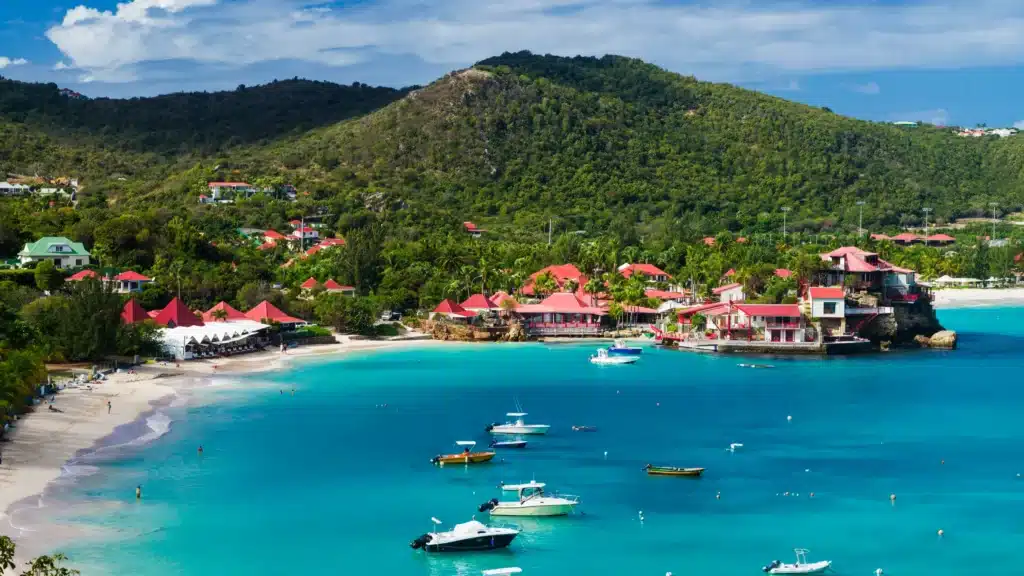
Plan Your Honeymoon in St Barths
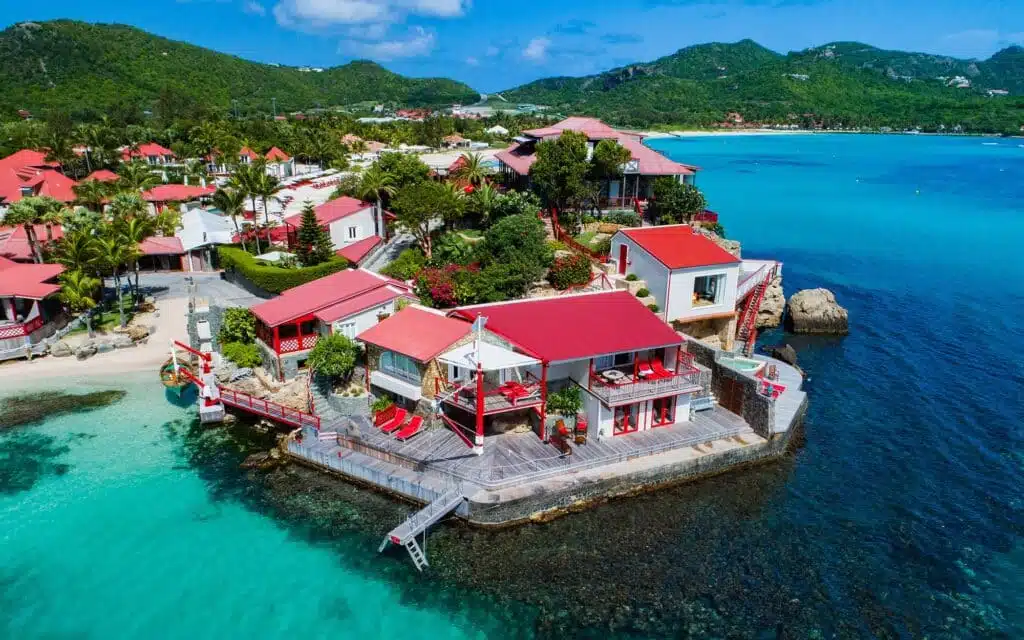
A Week in St Barths: The Perfect Luxury Experience
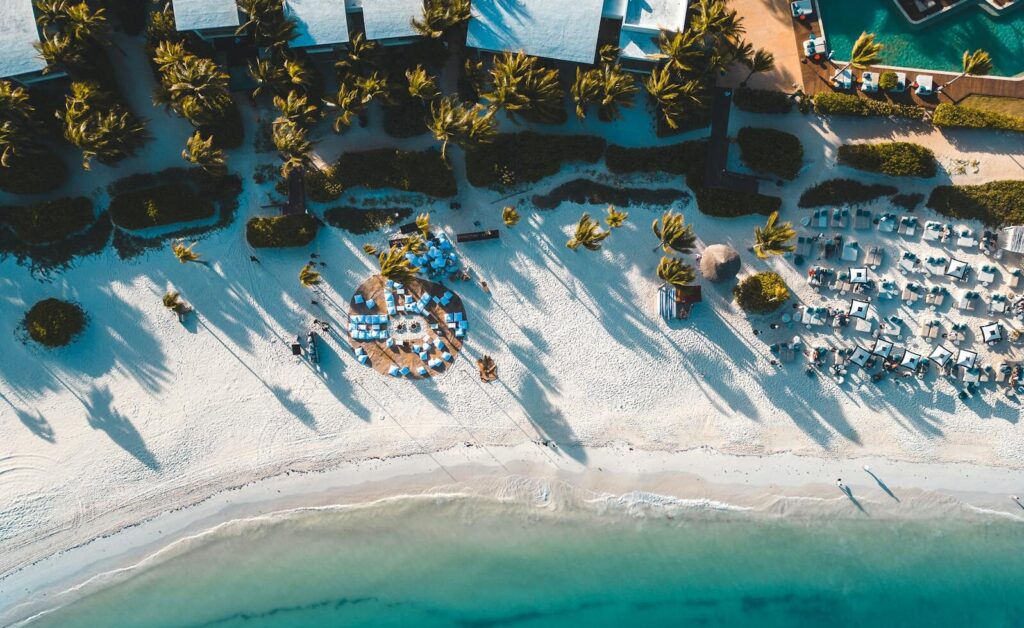
How St Barths Became the Benchmark for Caribbean Luxury
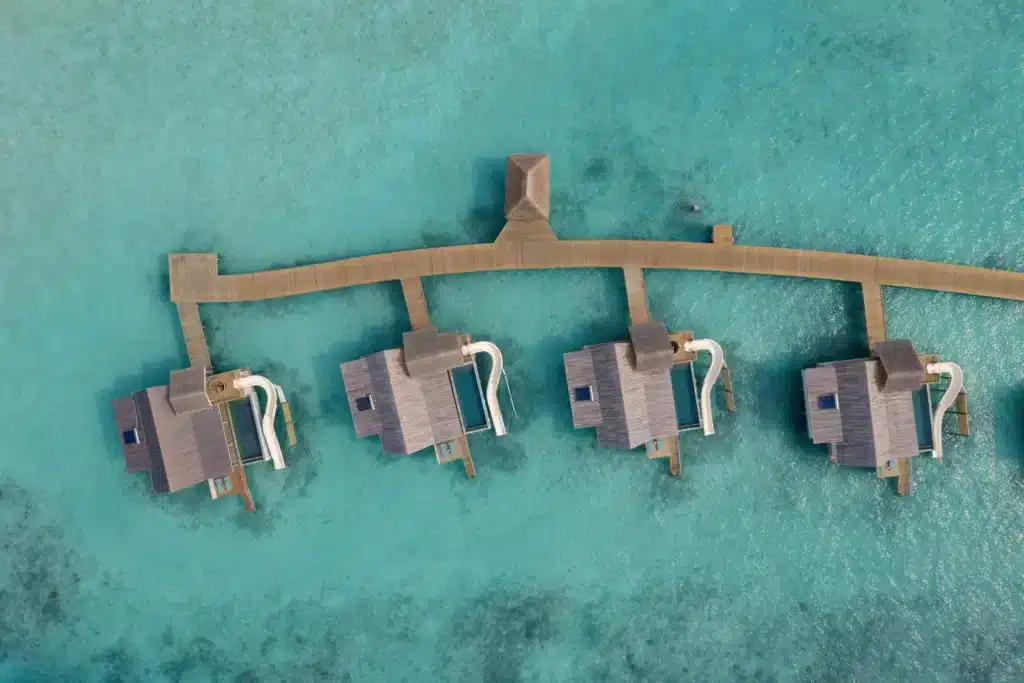
One Island or Two? Splitting Your Maldives Honeymoon Between Resorts

Best Honeymoon Destinations for Autumn

Italy vs Greece for Your Honeymoon – Which is Better?
48 Hours in Lima: Where to Eat, Stay and Explore

A Cultural Honeymoon in Peru: Machu Picchu, Cusco, the Sacred Valley and the Amazon

Peru or Mexico: Which Ancient Civilisation Should You Visit First?
The Best Time to Visit Machu Picchu for Fewer Crowds
Why So Many Travellers Fall for Kanazawa
Kyoto or Kanazawa – Which Is Better for Traditional Japan?
What Is a Kissaten? Inside Japan’s Historic Coffee Shop Culture