
On this page
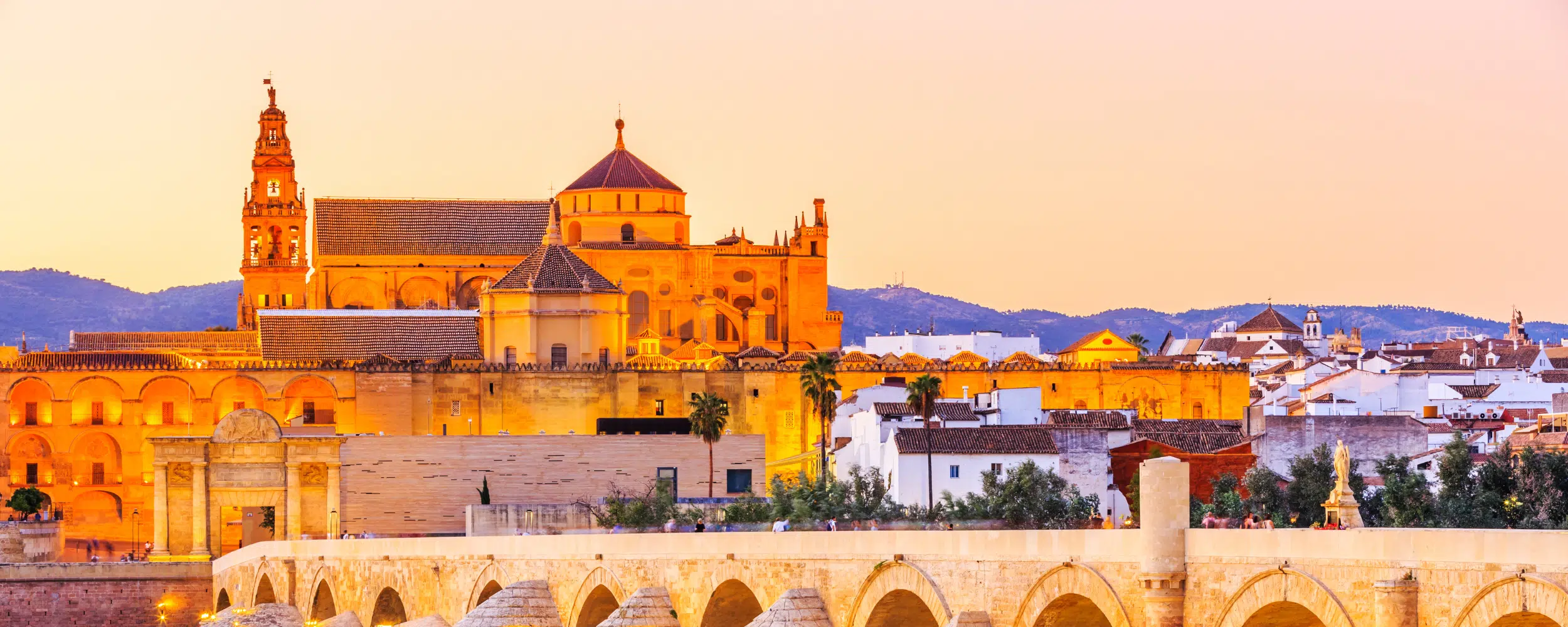
Each evening, after the daytime crowds have gone, the Mezquita-Catedral in Córdoba opens to a small group of visitors for El Alma de Córdoba, an after-hours experience that uses light and sound to reveal 1,200 years of architectural history in rare quiet.
Córdoba is quieter after dark. The heat of the day has lifted, the streets around the old city have slowed, and the great mosque-cathedral on the banks of the Guadalquivir sits in a stillness that is hard to imagine during opening hours. This is when the night visit begins.
El Alma de Córdoba, which translates as The Soul of Córdoba, is an after-hours experience limited to between 80 and 100 visitors per session. It is not a guided tour in the conventional sense. The building itself does most of the work, through carefully designed lighting that moves through the interior in sequence and an audio guide that explains what you are looking at as each new section is revealed.
The Mezquita rewards attention. It has been a Visigothic basilica, the second-largest mosque in the medieval world, and a Catholic cathedral, and the evidence of each transformation survives in the same walls, arches, and columns. In the flat light of a busy afternoon, those layers can be difficult to read. At night, lit precisely and experienced in relative quiet, the building is at its peak.
Cultural and Historical Context
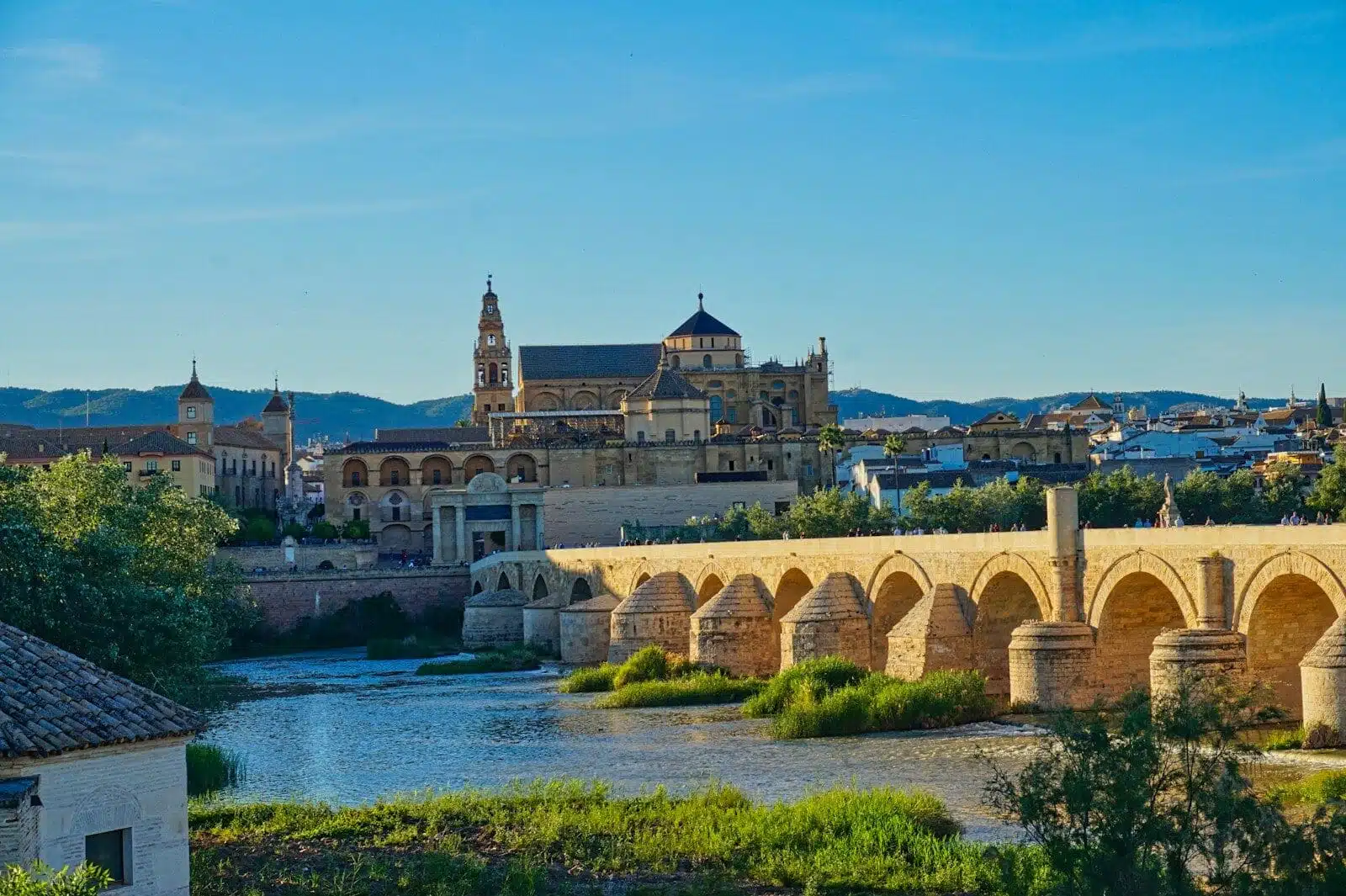
The Mezquita-Catedral is one of the most significant buildings in Europe, though its significance is not always easy to absorb on a standard visit. The structure has been in more or less continuous use for over 1,200 years, and its architectural history is the history of the Iberian Peninsula in concentrated form.
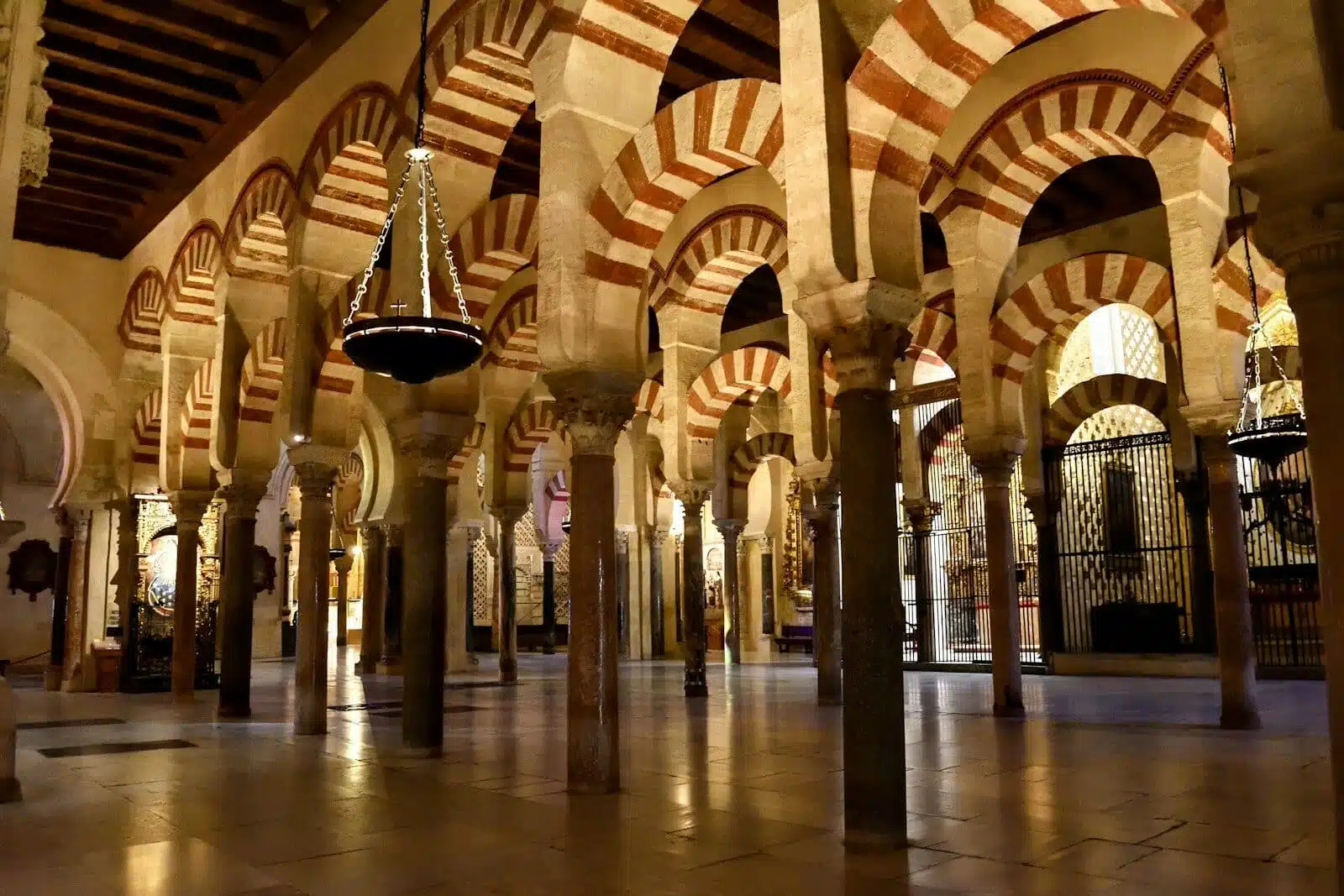
The site began as a Visigothic church in the sixth century. After the Umayyad conquest of Spain, Abd al-Rahman I purchased the building and began construction of a mosque on the site in 785. His successors expanded it repeatedly over the following two centuries, eventually creating a prayer hall of extraordinary scale, supported by over 800 columns of marble, jasper, and granite in a forest-like grid that extends across the entire floor.
The most celebrated element of the mosque is the Mihrab, the ornate prayer niche indicating the direction of Mecca, completed in the tenth century under al-Hakam II. Its golden mosaics were created by craftsmen sent from Constantinople, and the geometry of the surrounding decoration represents the highest point of Umayyad art in Spain.
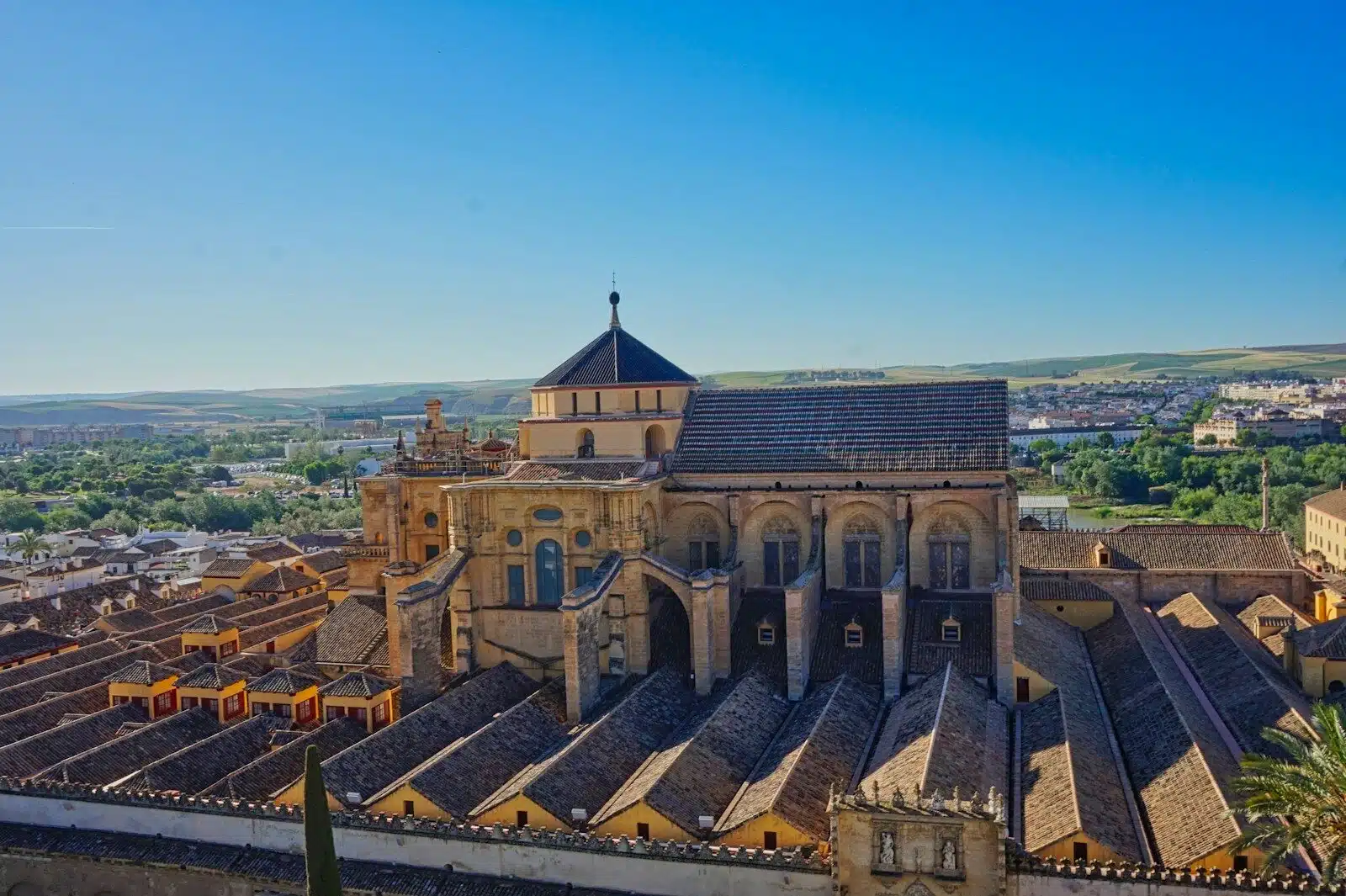
When Córdoba fell to Ferdinand III in 1236, the mosque was consecrated as a cathedral. For two centuries the building continued largely unchanged. Then in 1523, a Renaissance nave and choir were inserted directly into the centre of the prayer hall, a decision that the Holy Roman Emperor Charles V reportedly regretted when he saw the result. The Christian additions are architecturally accomplished in their own right, but the juxtaposition remains jarring to some visitors and fascinating to others.
Today the Mezquita-Catedral is among the most visited monuments in Spain. During the day visitors move through in large numbers, and the sheer scale of the space absorbs the crowds without the intimacy disappearing entirely. But certain elements, the Mihrab’s mosaics, the height of the Renaissance choir, the detail of the arches, are genuinely easier to read in different light and at a slower pace.
Why the Night Visit Matters
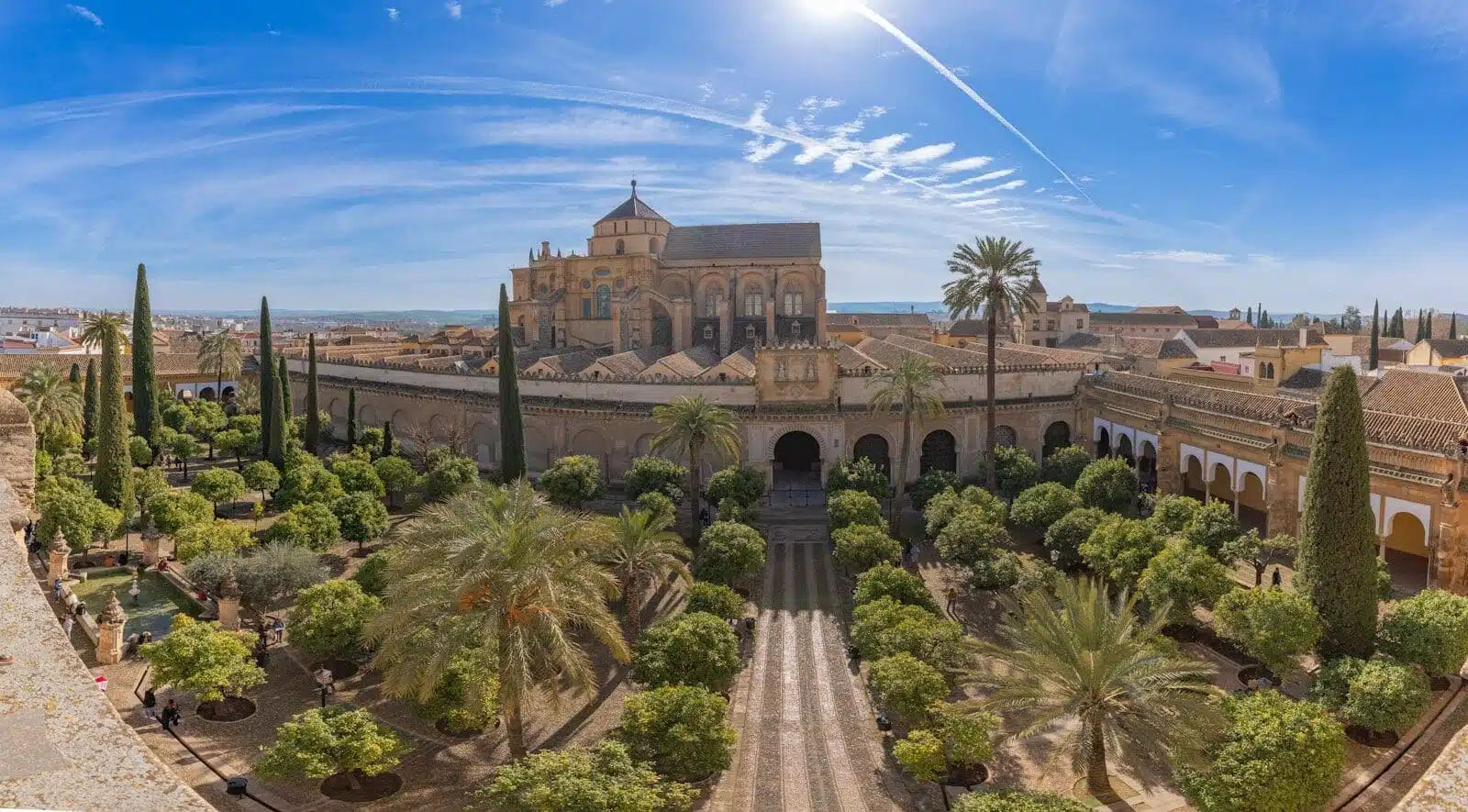
The El Alma de Córdoba experience begins in the Patio de los Naranjos, the courtyard of orange trees that fronts the mosque on its northern side. An introductory film traces the building’s history from its Visigothic origins to the present, giving visitors a timeline before they enter.
Inside, the lighting is introduced in stages. Sections of the forest of columns are illuminated in sequence, drawing attention to the rhythm of the arches and the grain of the stone. The Mihrab is lit to bring out the gold of the mosaics in a way that the ambient light of daytime rarely does. The Renaissance nave is seen from new angles.
The audio guide is synchronised to the lighting sequence and is available in multiple languages. The experience runs for approximately 60 to 75 minutes and feels neither rushed nor drawn out. Sessions run twice nightly, typically at 9:00 PM and 10:30 PM in spring and autumn, though the schedule adjusts with the seasons.
Photography is not permitted during the visit. This is not an arbitrary restriction. It keeps the atmosphere intact and means that every person in the room is actually looking at the building rather than at a screen.
What You See
The forest of columns is the defining image of the Mezquita, and the night lighting is designed around it. During the day the repetition of the arches creates a hypnotic effect but one that is hard to focus on when the space is full. At night, with strategic illumination and far fewer people, the scale becomes easier to grasp and the variation within the pattern, the different stone types, the repairs, the slight shifts in alignment across successive building phases, becomes visible in a way it often is not.
The Mihrab stops most visitors. In daylight the golden mosaics are impressive but can appear flat depending on where the sun is. Lit from below and from the sides at night, the tesserae catch the light individually and the decoration takes on a depth that changes the experience of looking at it. The horseshoe arch and the surrounding stonework read more clearly too.
The Renaissance cathedral in the centre of the building is harder to love for some visitors, but seen at night it has a grandeur that is easier to appreciate outside the context of crowds. The choir stalls, the carved mahogany an exceptional piece of work in its own right, and the soaring vault above are all given space by the lighting sequence.
The Patio de los Naranjos, where the visit begins and ends, is a good place to sit for a moment after the interior. The orange trees have been here in various plantings since the mosque was built, and the courtyard has a composure that prepares you well for what is inside.
How Do Not Disturb Makes This Possible
El Alma de Córdoba sessions are limited and book out quickly, particularly across spring and autumn when demand in Córdoba is highest. Securing places at the right session, coordinating with an evening in the city, and combining the visit with private guiding or dinner reservations requires planning.
Do Not Disturb arranges access to the night visit as part of a broader Córdoba experience, handling ticketing, timing, and any additional private context guests want before or after. Specialists familiar with the history of Al-Andalus can provide deeper background on the architectural and political history of the building than the audio guide alone offers.
To arrange after-hours access to the Mezquita-Catedral as part of a private Córdoba itinerary, speak with Do Not Disturb. We’ll secure your places and build the rest of the evening around it.