
Napa still sets the benchmark for American wine travel, but it is far from the only place doing it well. Across the US, a handful of regions have built serious reputations for specific grapes, distinct climates, and style of hospitality.
Willamette Valley, Oregon
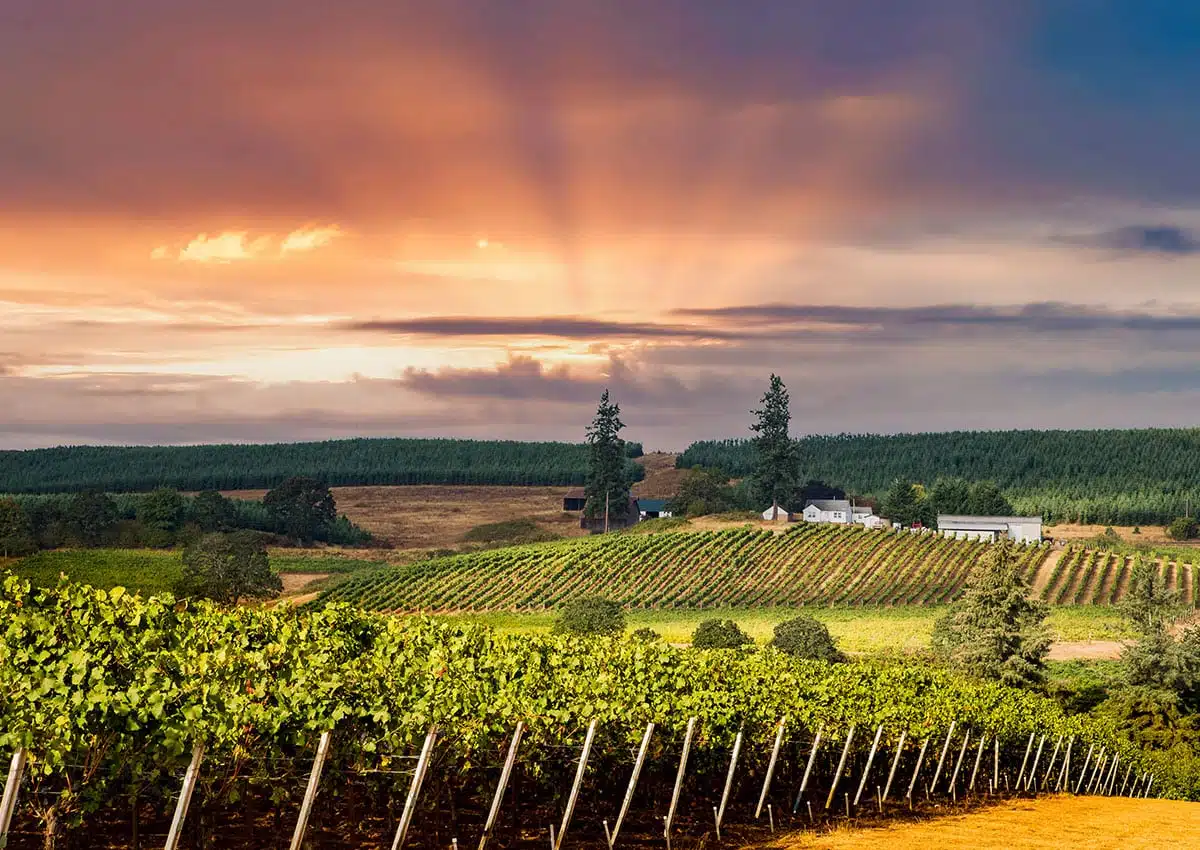
Just south of Portland, the Willamette Valley has become the centre of Pinot Noir production in the US outside California. The climate is cool and wet through winter, with long daylight hours in summer, which allows grapes to ripen slowly and develop structure without losing acidity.
The valley is divided into subregions such as Dundee Hills and Eola-Amity Hills, each producing slightly different styles depending on soil and elevation. Expect lighter, more restrained Pinot Noir compared to California, often with earthier notes and a sharper edge.
Tastings tend to be appointment-based, and many are led by small producers rather than large estates. It is common to move between a handful of wineries in a day, with distances short and routes scenic. Harvest season in early fall is the most active time to visit, when production is underway and cellars are open.
About Do Not Disturb
Do Not Disturb is a luxury travel company specializing in carefully designed journeys and considered experiences. Each itinerary we build for our clients is informed by real destination knowledge, offering insight into places, cultures, and moments that shape how a trip comes together.
If this destination has sparked ideas, the itinerary can be developed into a private journey tailored to your interests and travel style, with hand-picked stays, thoughtful routing, and experiences curated around what matters most to you.
Finger Lakes, New York
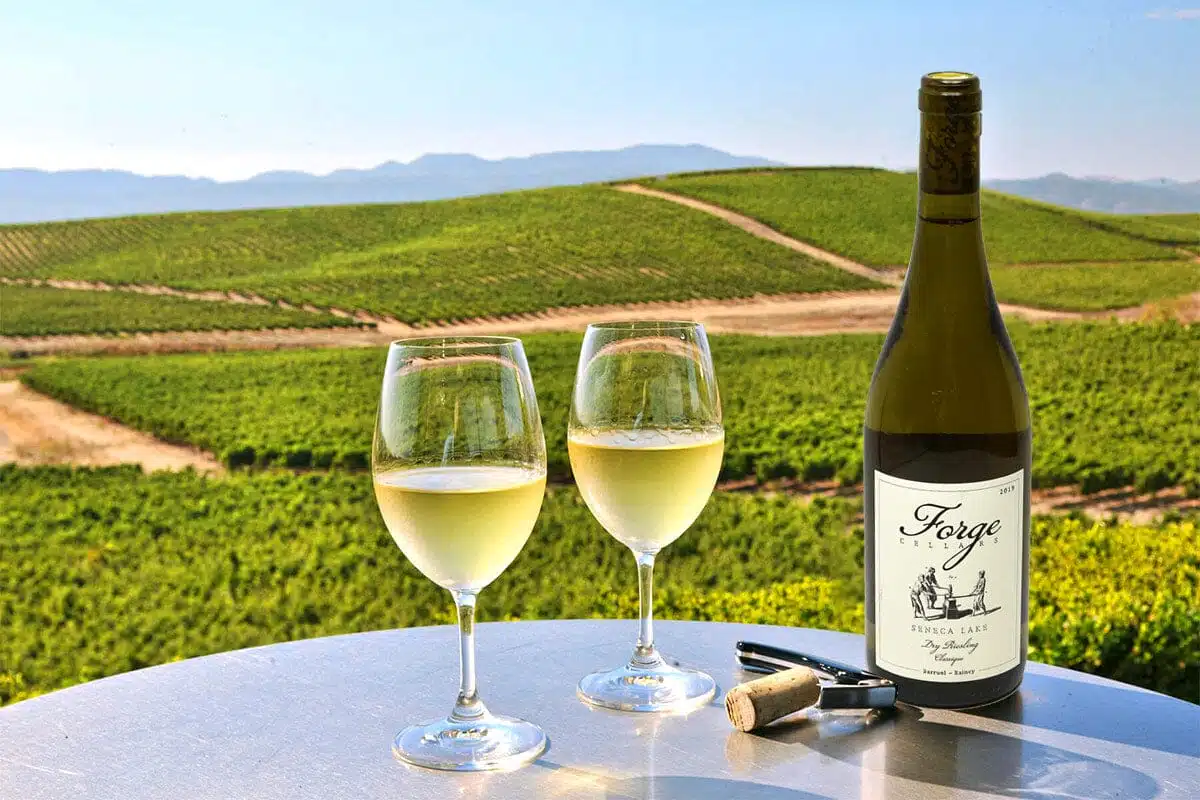
Located around long glacial lakes such as Seneca and Keuka, the Finger Lakes benefits from deep water that moderates temperature through the growing season. This reduces frost risk and extends ripening time, which is key for white varietals.
Riesling is the standout here, often produced in a dry or off-dry style with strong acidity and mineral character. Many producers focus almost entirely on it, refining technique rather than diversifying widely. There is also growing interest in sparkling wine, with some houses adopting traditional methods.
Wineries are spread along lake edges, so most itineraries follow a loop around a single lake rather than jumping between regions. The area has seen a noticeable shift in recent years, with more design-led tasting rooms and restaurants that pair directly with local wines. It remains relatively compact, so it works well over two or three days.
Paso Robles, California
Positioned on California’s Central Coast between Los Angeles and San Francisco, Paso Robles is defined by extremes in temperature. Hot days and significantly cooler nights help grapes retain acidity while still reaching full ripeness.
The region is known for Rhône varietals such as Syrah, Grenache, and Mourvèdre, alongside bold Zinfandel and Cabernet Sauvignon. The diversity comes from its varied soils and microclimates, with over ten distinct sub-AVAs influencing flavor profiles.
Paso also stands out for its scale and layout. Vineyards are spread across wide, open land, and many wineries have built contemporary tasting spaces designed for longer visits. It is common to combine wine tastings with food experiences, as the local dining scene has grown alongside the wine industry. The Pacific coast is about a 30-minute drive, which adds another layer to a stay here.
Texas Hill Country, Texas
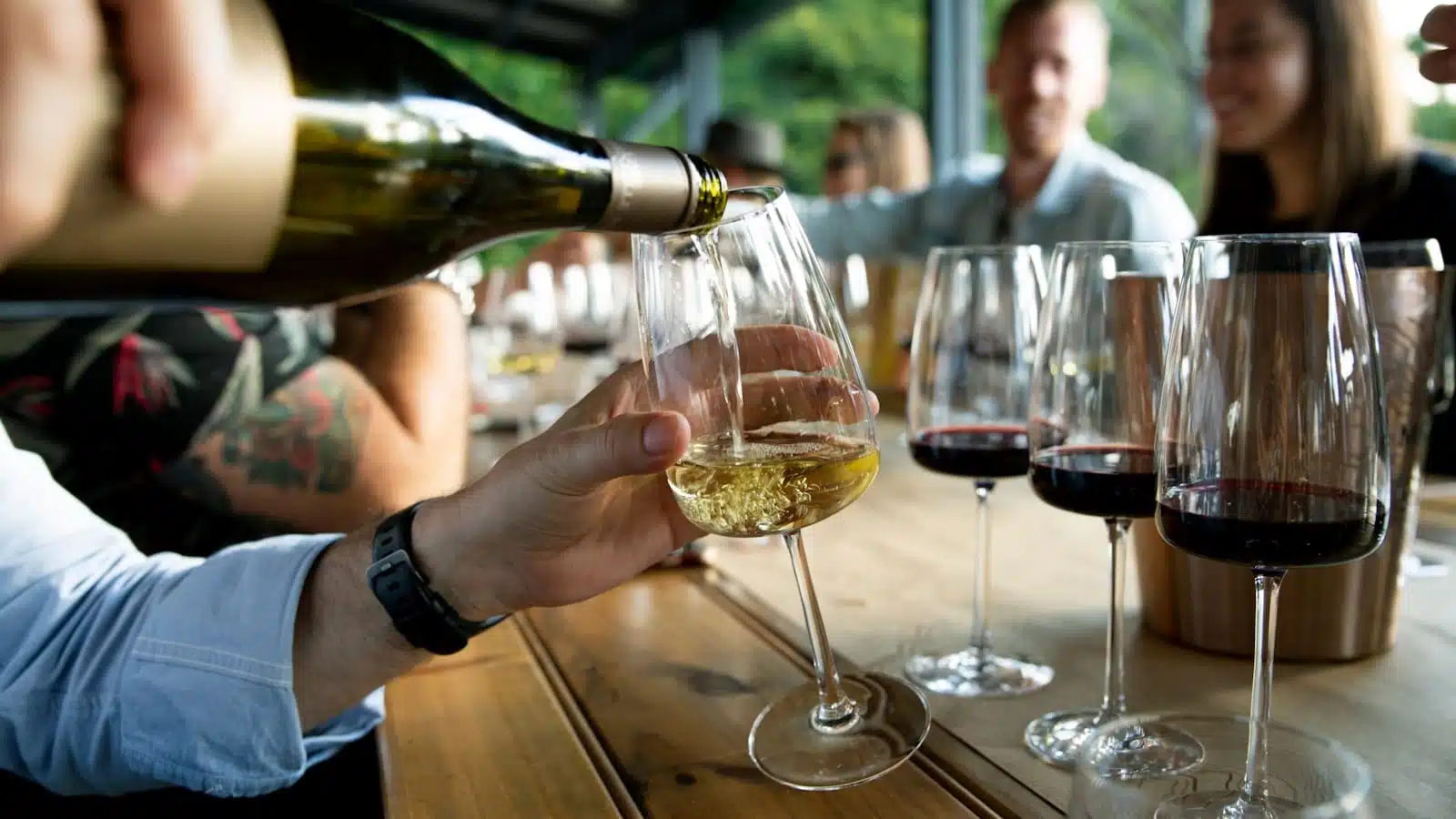
Centreed around Fredericksburg, the Texas Hill Country is one of the fastest-growing wine regions in the US, now home to more than 50 wineries. The climate is hot and dry, which favors Mediterranean varietals such as Tempranillo, Mourvèdre, and Viognier.
Unlike more established regions, many producers here source grapes from across Texas, including higher elevation vineyards in the west, then vinify them locally. This gives the region a broader range of styles, but also a less rigid identity.
The main wine route runs along Highway 290, where tasting rooms are clustered within short driving distances. It is one of the more accessible regions to navigate, and visits often feel informal, with fewer barriers between guests and producers. Spring and fall are the best times to visit, avoiding peak summer heat.
Walla Walla Valley, Washington
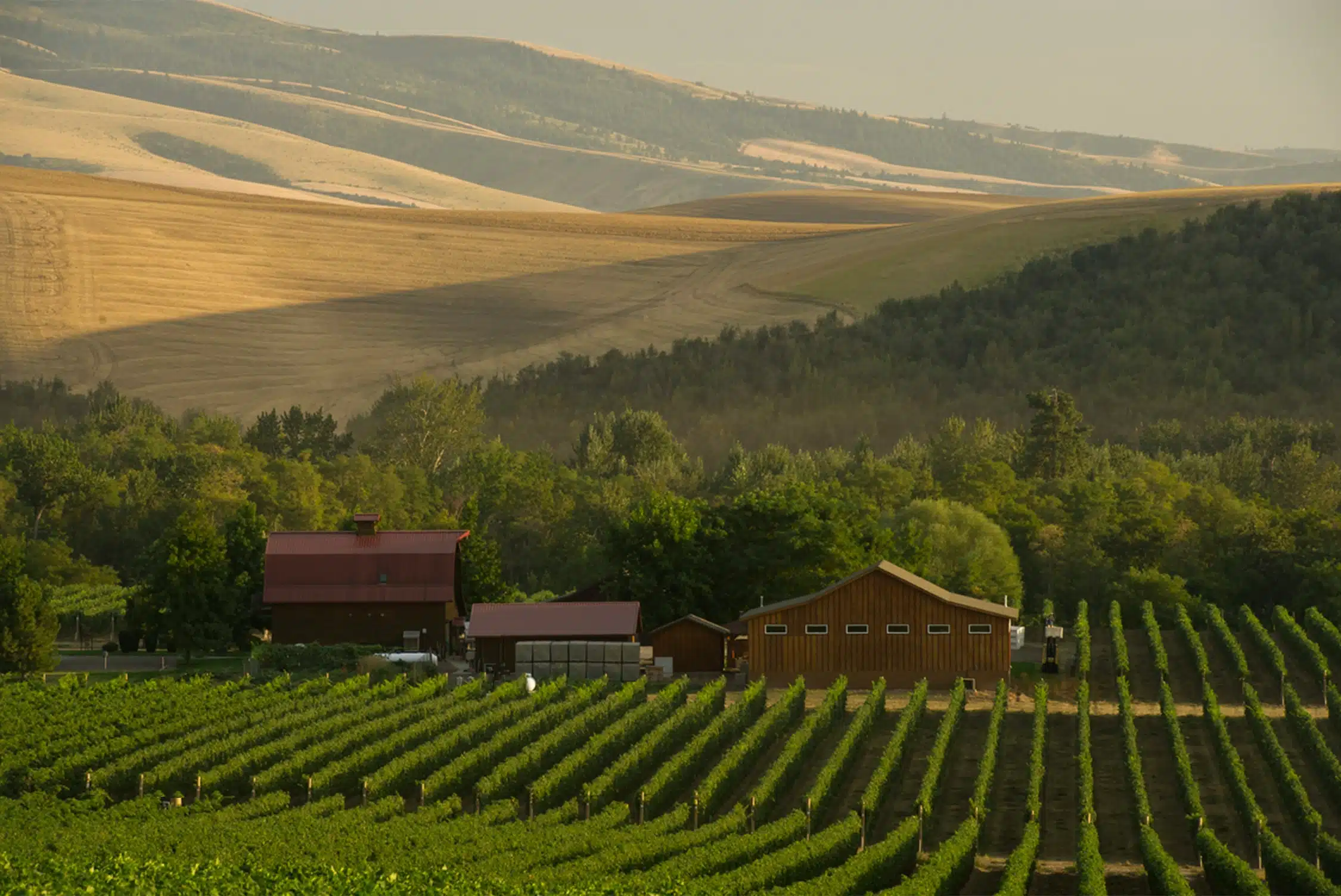
Set in southeastern Washington, near the Blue Mountains, the Walla Walla Valley has become one of the most respected wine regions in the Pacific Northwest. The area benefits from a long growing season and a dry climate, supported by irrigation from nearby rivers.
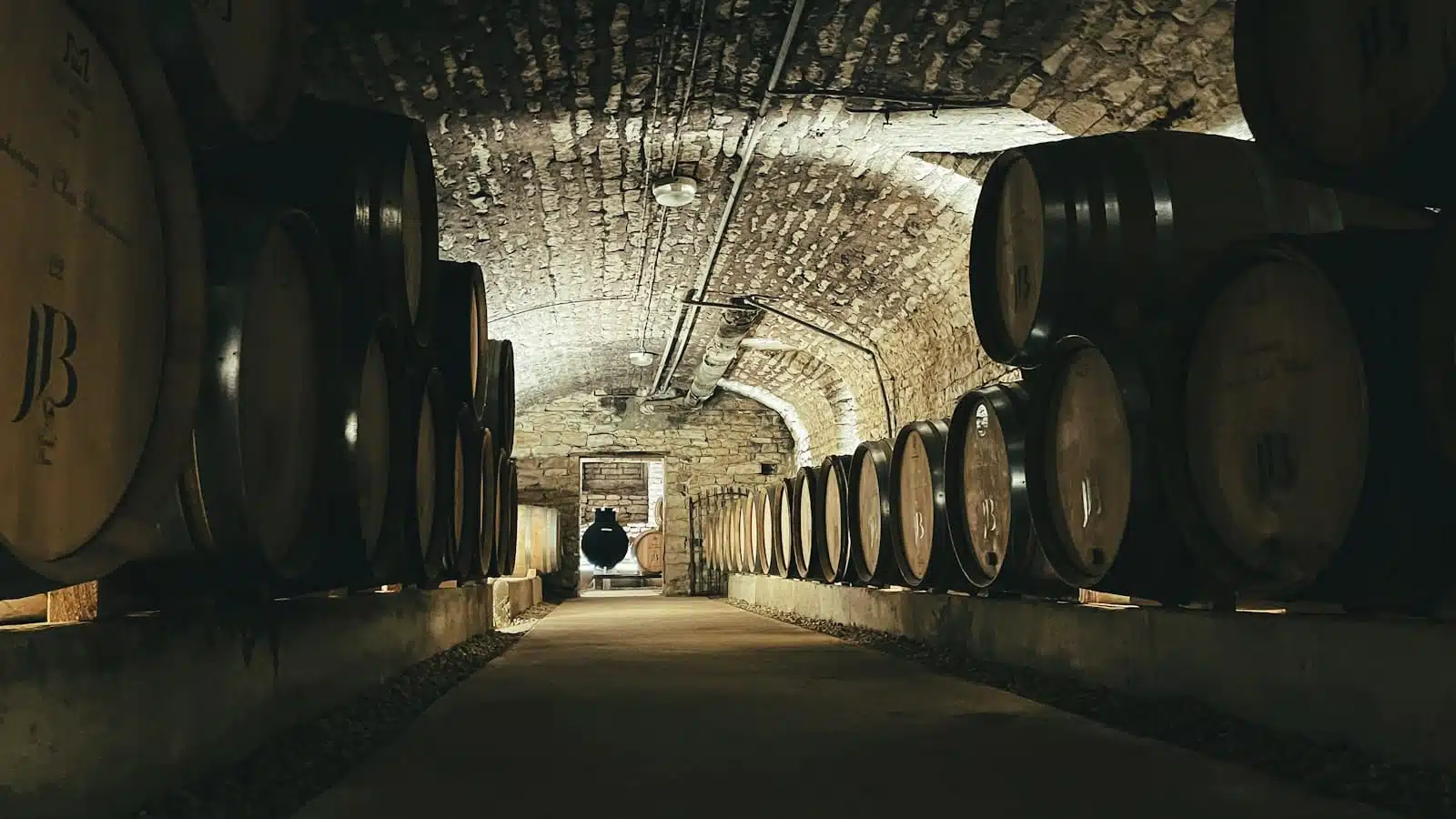
Cabernet Sauvignon and Syrah dominate production, often resulting in structured, full-bodied wines with strong aging potential. The valley’s soils vary between loess, basalt, and river rock, which contributes to noticeable differences between vineyards.
What sets Walla Walla apart is the concentration of small, high-quality producers. Many tasting rooms are located either in converted downtown spaces or directly on vineyard sites, and visits often involve direct interaction with winemakers. The town itself has developed a strong restaurant scene, with menus designed to reflect the wines being produced locally.
Plan your own version of this journey
Speak to Do Not Disturb’s luxury travel experts and turn this moment into something personal.
Related destinations
Suggested articles
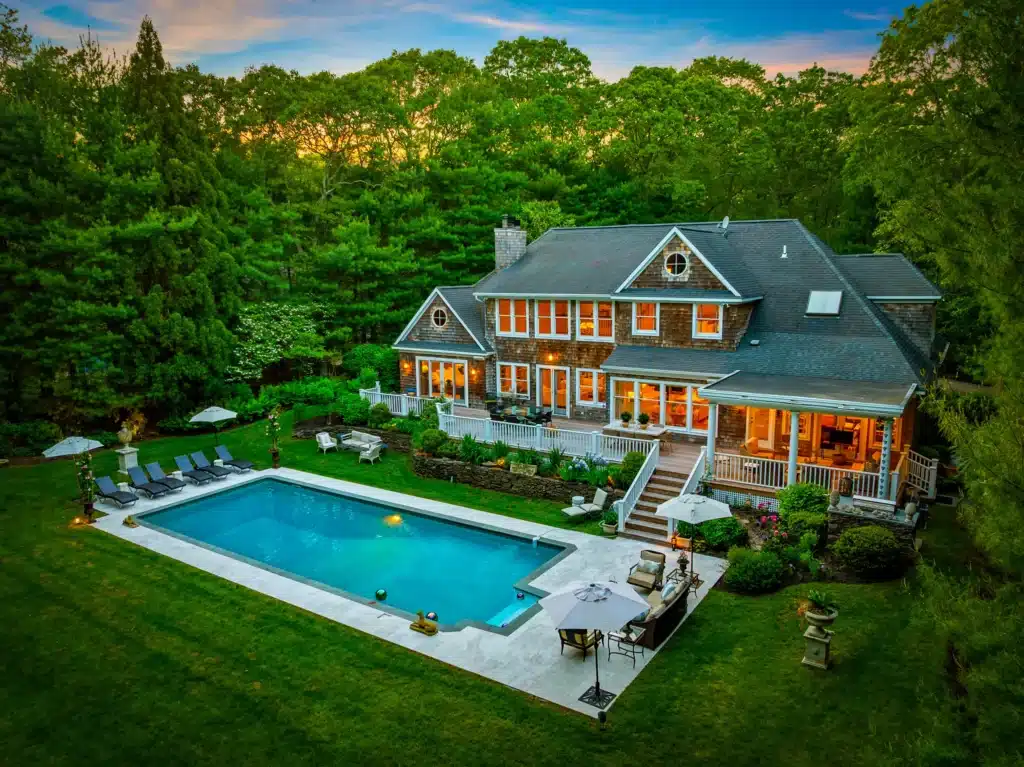
The New American Riviera: Where the US Does Coastal Luxury Best
Cairo for Luxury Travellers: Pyramids, Palaces & Grand Hotels
A Luxury Journey Through Ancient Egypt

Cleopatra’s Egypt: Alexandria, Cairo & the Nile

Maldives Luxury Resorts: The Newest Openings
The Best Temples to Visit Beyond Angkor Wat
The Cardamom Mountains: Cambodia’s Wildest Luxury Escape
Two Seasons: When to Go to Fiji and Why It Matters
Plan your honeymoon in Switzerland

How to Travel Through a European Summer Heatwave

Finland’s Sauna Culture Explained

The Best Honeymoon Destinations for LGBTQ+ Couples

The Most Romantic Train Journeys for a Slow Honeymoon