

On this page
Discover the New American Riviera, from Montecito to Nantucket and the Hamptons.
The idea of an “American Riviera” is not new. It began with Santa Barbara, a stretch of coastline that, for over a century, has drawn comparisons to the Mediterranean for its climate, architecture, and pace of life. Just beyond it, Montecito quietly became something even more rarefied.
Montecito has been “the thing” for a long time, just not in a way that was ever marketed. It built its reputation through long-term residents rather than visitors, with estates hidden behind hedges, private beach clubs, and a rhythm that leans residential over resort. This is old American coastal luxury at its most established. It does not announce itself, and that is exactly the point.
What has changed is not Montecito, but the emergence of other destinations across the US that now deliver a similar sense of place, privacy, and design. The American Riviera is no longer a single location. It is a standard.
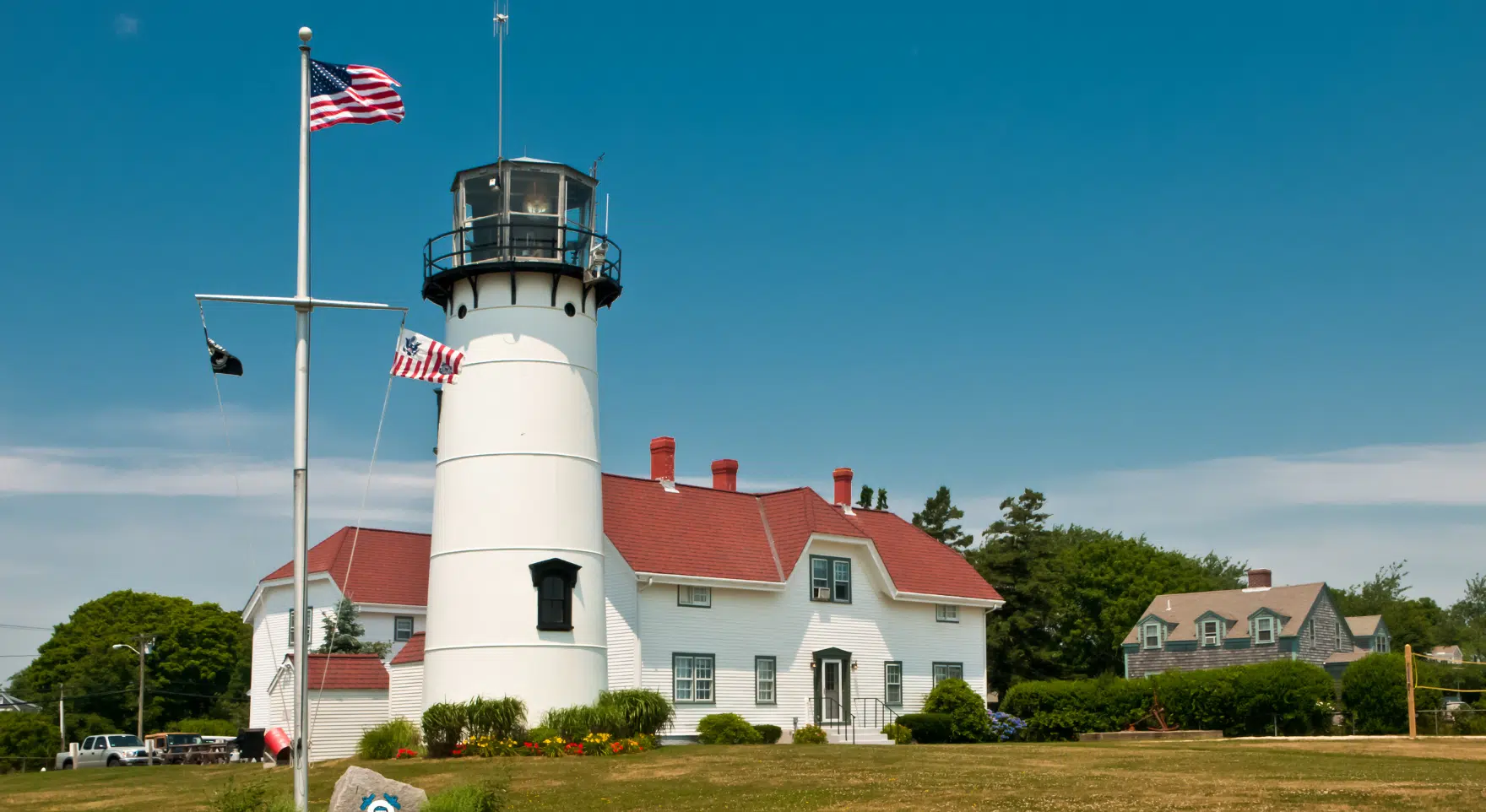
Montecito, California
Set along the coast just south of Santa Barbara, Montecito has spent decades refining a very specific kind of luxury. Large-scale estates sit between the mountains and the ocean, often owned across generations, with architecture that draws from Spanish and Mediterranean influences.
There is very little visible infrastructure for tourism. Hotels exist, but they are discreet, and much of the area feels intentionally shielded from short-term turnover. The social life is equally contained, centred around private clubs, long-standing restaurants, and routines that favour familiarity over novelty.
It remains one of the clearest examples of American wealth expressed through space and understatement rather than access.
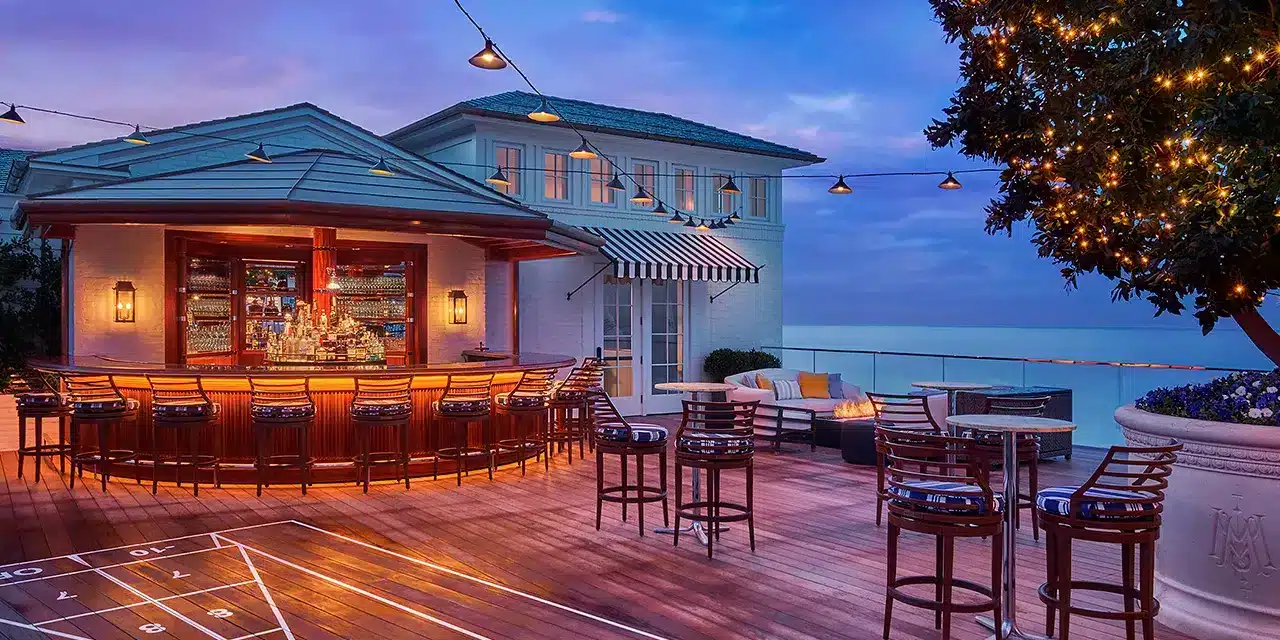
Nantucket, Massachusetts
On the East Coast, Nantucket offers a different interpretation of coastal luxury, one rooted in history rather than climate.
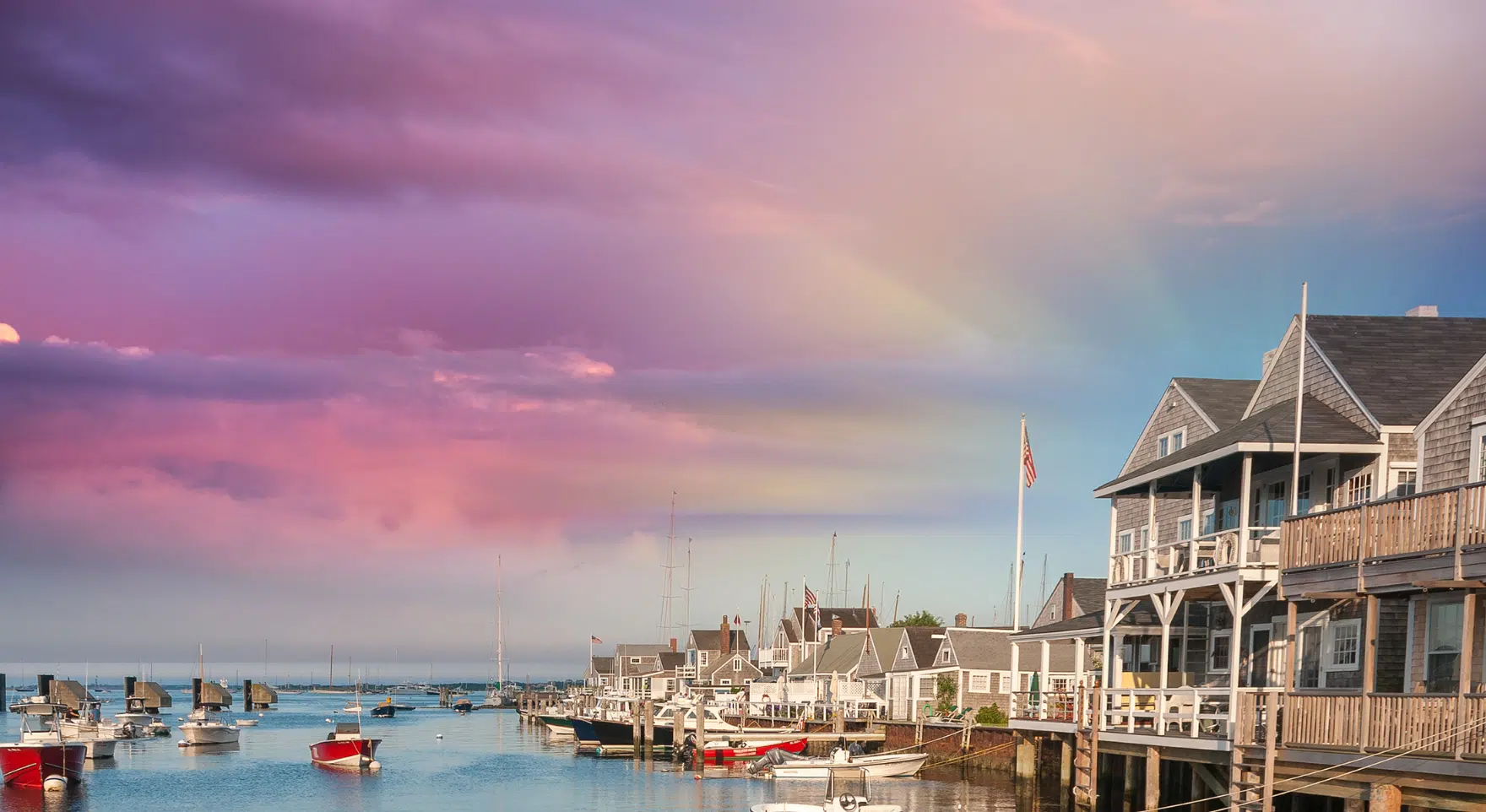
Once a major whaling hub, the island has retained its original structure, with strict preservation laws that shape everything from building materials to street layouts. The result is a place that feels cohesive and intentional, with grey shingle houses, cobblestone streets, and a harbour that still anchors daily life.
Summer is when Nantucket comes into its own. Homes open up, restaurants expand outdoors, and the island fills with returning visitors who treat it less like a destination and more like a seasonal residence. The appeal lies in continuity. It feels established, not constructed.
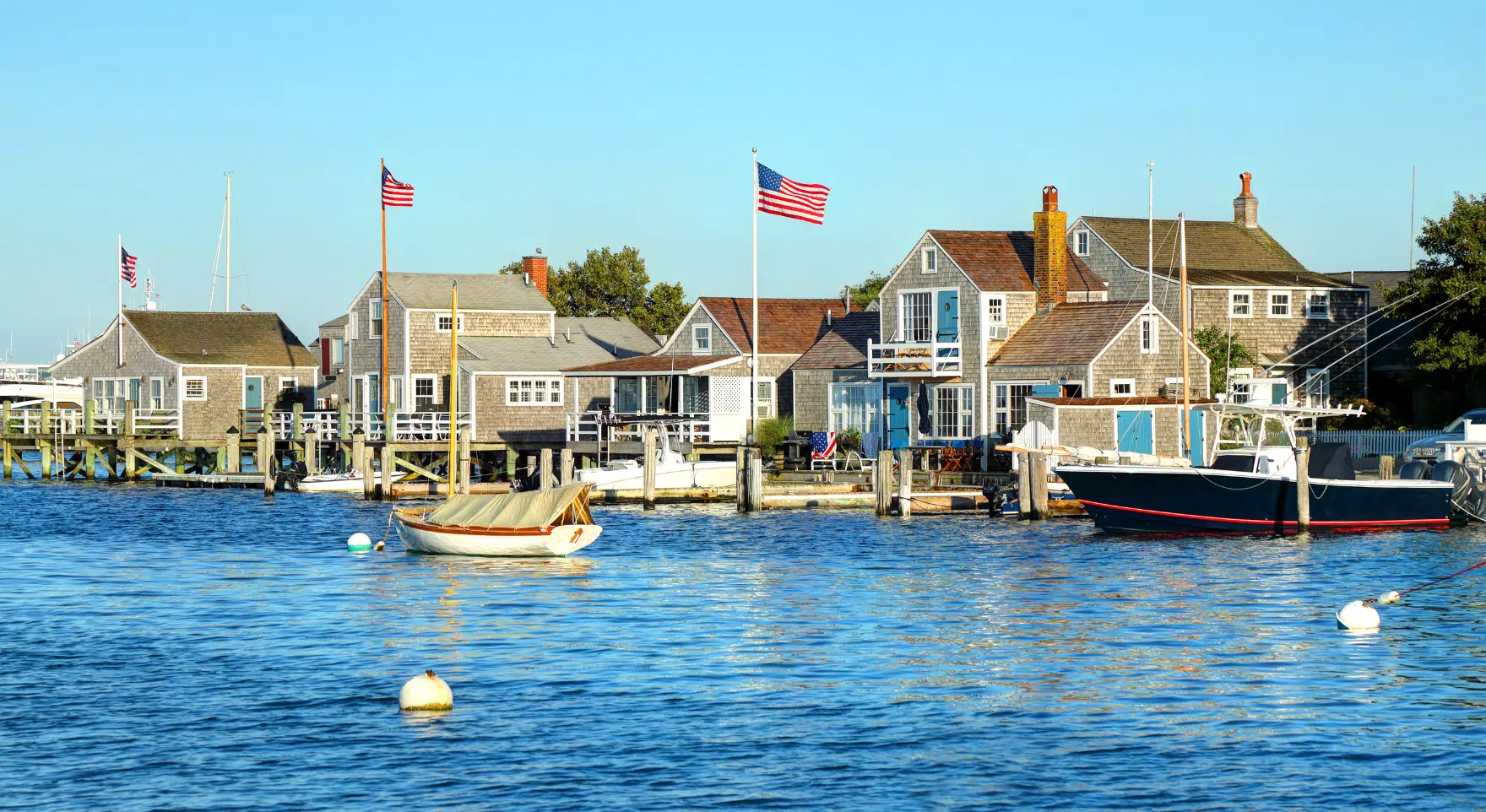
30A, Florida
Along Florida’s Gulf Coast, 30A represents a newer version of the same idea, one that has been carefully planned rather than gradually formed.
This stretch of coastline is defined by a series of small communities, including Seaside and Rosemary Beach, each with its own architectural rules and layout. Streets are walkable, buildings are low-rise, and the focus is on creating a cohesive visual identity across the entire area.
The beaches are a major draw, with white sand and clear water, but the experience extends beyond that. Cycling paths connect the towns, dining is built into the neighbourhoods, and the overall feel is structured yet relaxed. It is a version of coastal luxury that is more accessible, but still considered.
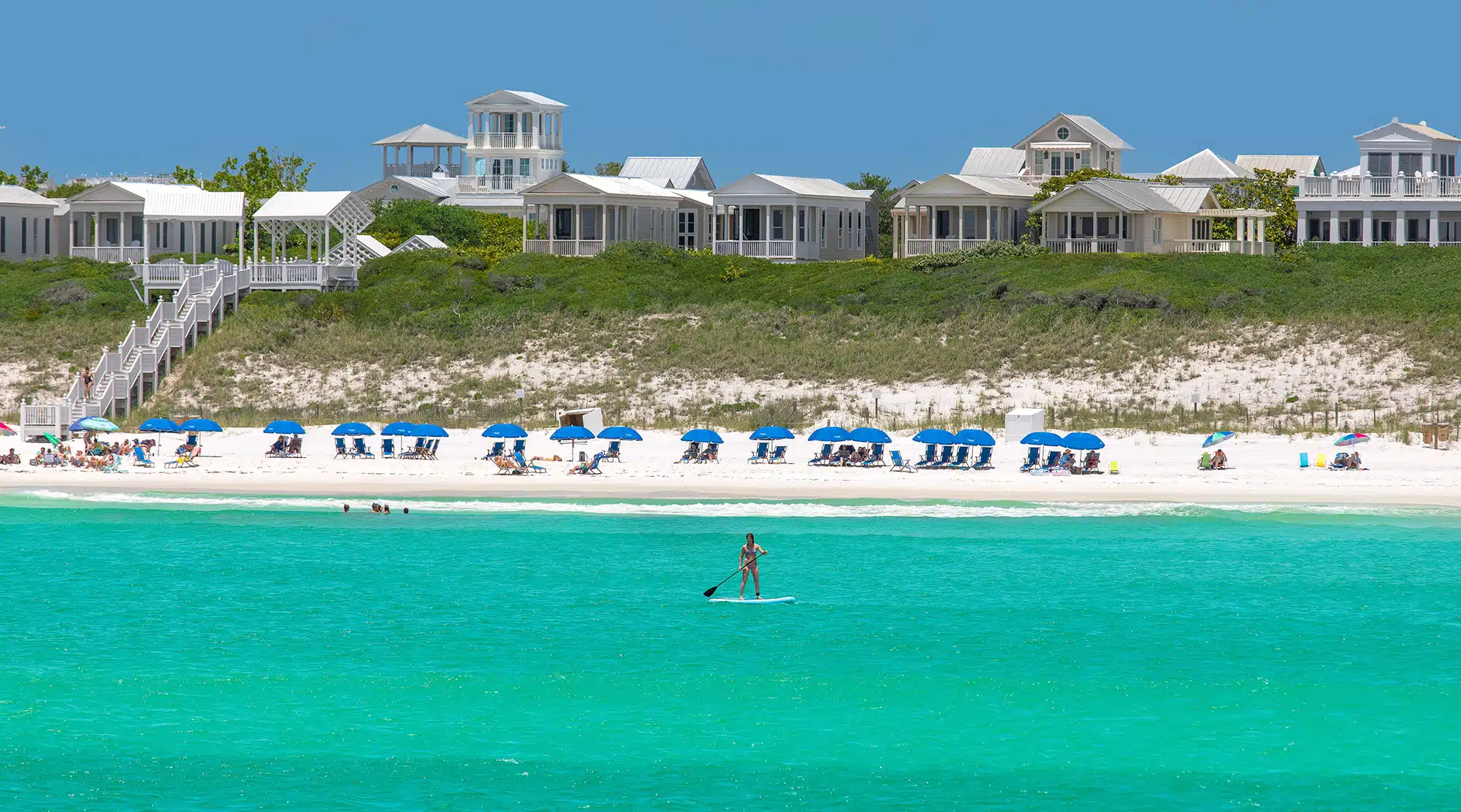
The Hamptons, New York
The Hamptons is not just a coastal escape, it is a long-standing extension of New York City itself. What happens here is less about holiday and more about migration. Every summer, a very specific crowd relocates east, bringing their routines, social circles, and expectations with them.
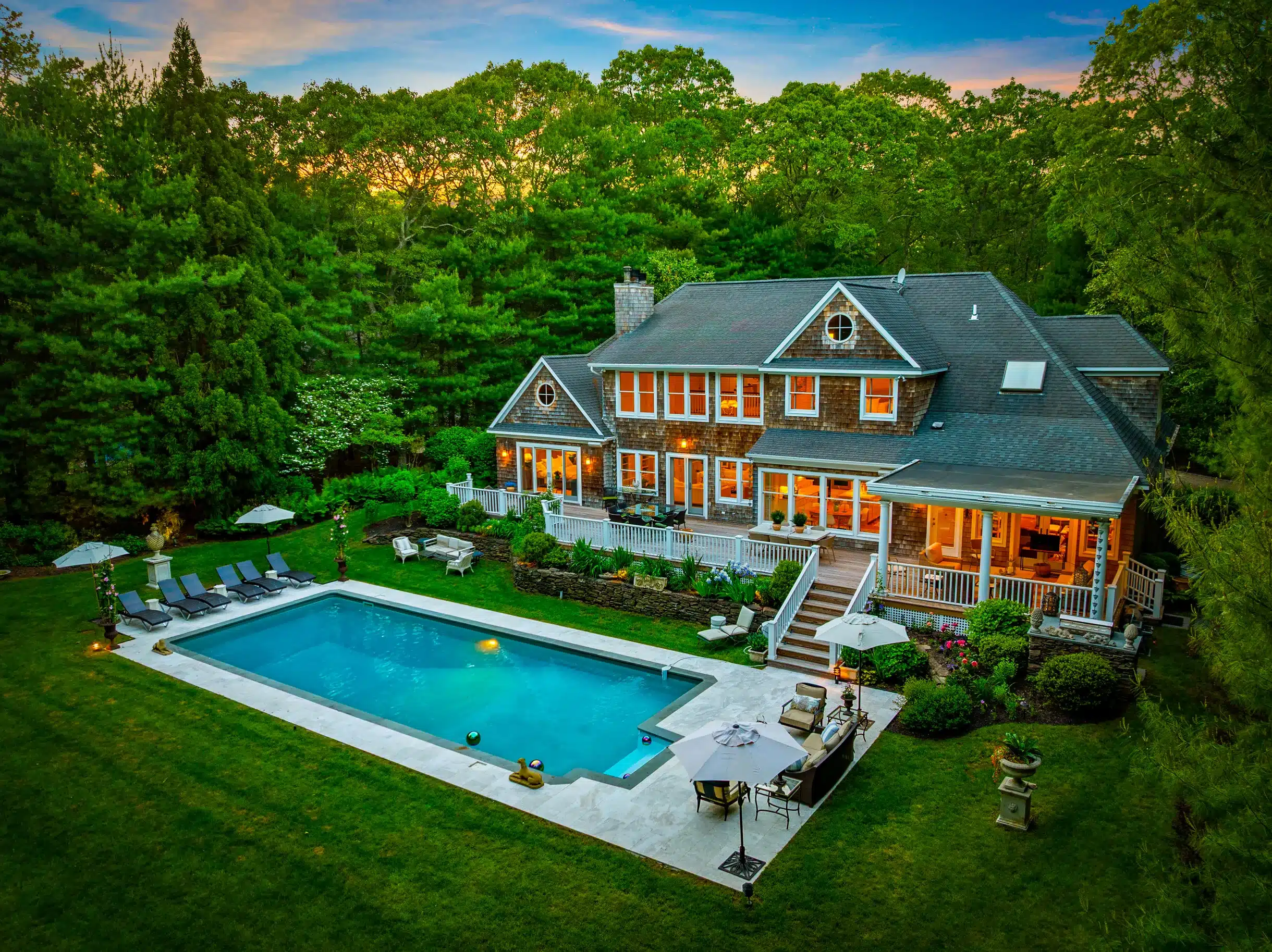
This is where the detail matters. The Hamptons is not one place. It is a chain of villages, each with its own identity and hierarchy. Southampton and East Hampton carry the weight of legacy, with large estates set back behind hedges and strict zoning that preserves space and privacy. Addresses matter here, and they have for decades.
Sag Harbour shifts the tone slightly. Historically a whaling port, it has evolved into something more relaxed, with a walkable centre, marinas, and a creative crowd that has long included writers, artists, and film industry regulars. It feels social, but still grounded.
Then there is Montauk, once the far edge of the map. It has transitioned from surf outpost to a more polished destination, though it still holds onto a sense of openness that the rest of the Hamptons has gradually lost. The appeal here is the coastline itself, with long beaches, cliffs, and a more direct relationship to the ocean.
What defines the Hamptons overall is not just wealth, but structure. There is a rhythm to the season. Weekends build, reservations stack, certain restaurants fill at predictable times, and beach access follows unwritten rules. It is a place where people return to the same houses, the same tables, the same routines year after year.
This is coastal luxury built on continuity and access, not discovery. You are either part of it, or you are passing through.
High Society, Seasonality, and Networking
What links these destinations is not just their coastline, but how they function socially.
Places like Montecito and The Hamptons have long been tied to American high society, where homes are held for generations and access is often by invite only.
Elsewhere, destinations like Nantucket follow a more defined seasonal rhythm. The island shifts noticeably between quiet off-season months and a tightly packed summer calendar, when returning visitors reoccupy the same houses, restaurants, and routines.
Even newer or more design-led regions such as 30A have adopted elements of this pattern. There is a clear peak season, a sense of repeat visitors, and an emerging social layer that builds over time, even if it is less formalized.