
A private early morning visit to the Grotte di Catullo at the first entry of the day, with a specialist guide covering one of the most significant Roman villa complexes in northern Italy, on the tip of the Sirmione peninsula above Lake Garda.
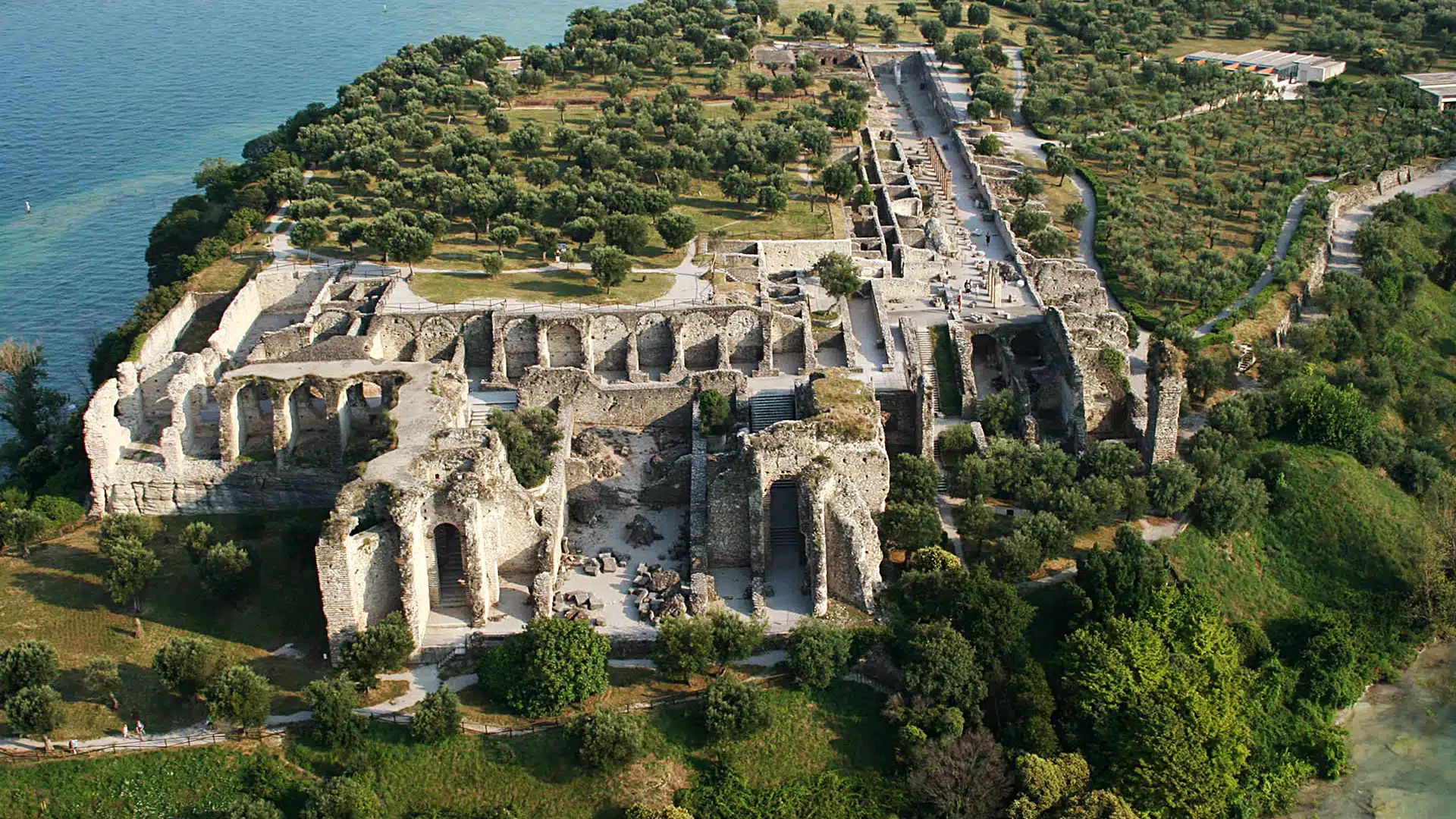
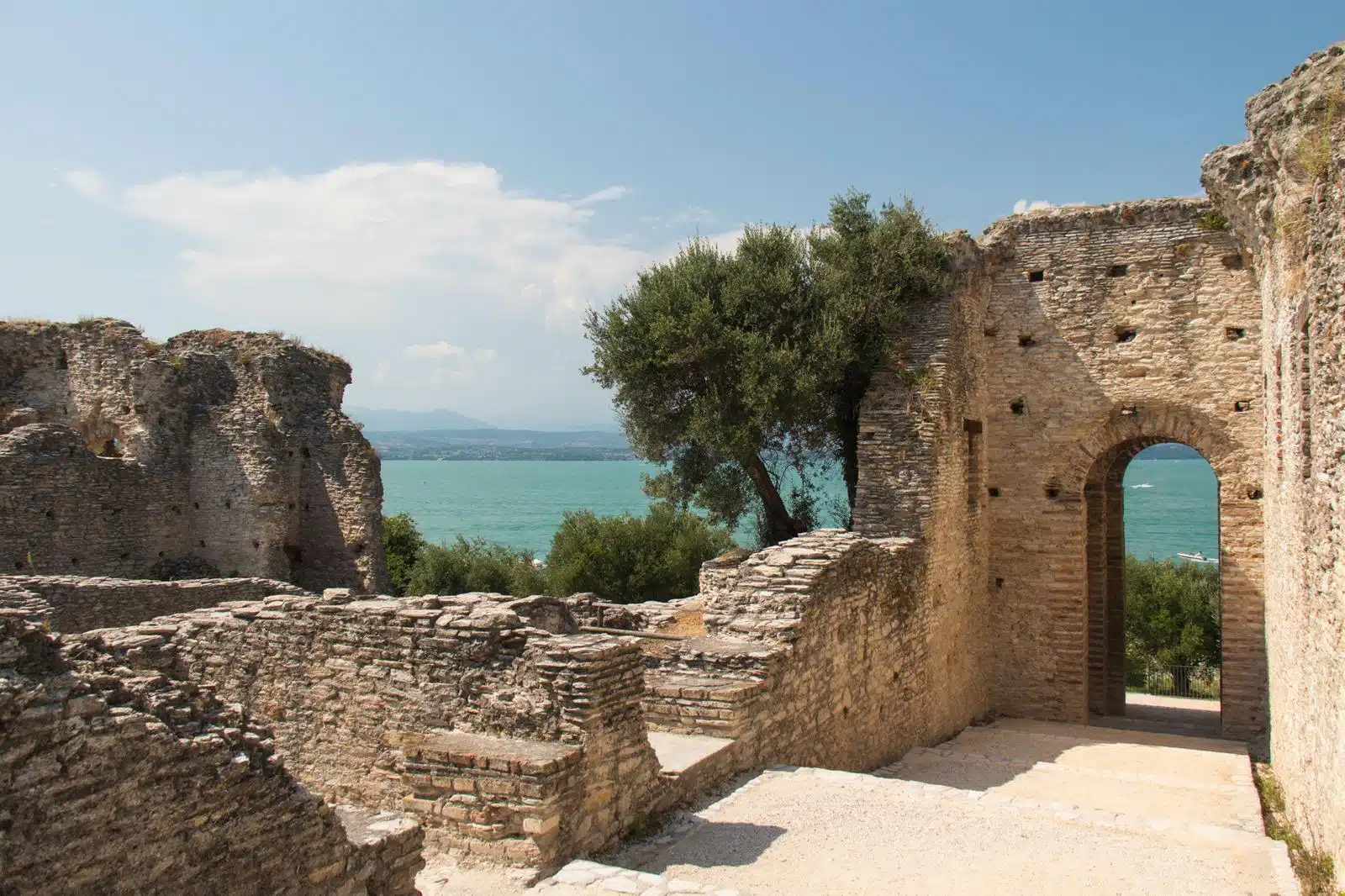
The Grotte di Catullo sit at the northern tip of the Sirmione peninsula, reached by a fifteen-minute walk from the Castello Scaligero to the entrance at Piazzale Orti Manara. The site covers two hectares above the lake, with the ruins of a Roman villa set among 1,500 olive trees and a view from the upper terraces across the full width of Lake Garda to the Alps.
The ruins are those of a villa built between the end of the 1st century BC and the beginning of the 1st century AD. The name dates to the 15th century, when the rediscovery of Catullus’s lyric poems, in which he describes his return to his house in Sirmione, inspired the connection with the site. The visible remains postdate the poet’s death and the villa is believed to have belonged to the Gens Valeria of Verona, but the association has persisted across six centuries of scholarship and the site carries the name and the poem as a single cultural fact.
The site opens at 8:30am Tuesday through Sunday in spring and summer. In the first hour, before the tour groups arrive from the town centre, the ruins hold a quality of quiet the midday visit does not produce. A specialist guide who can read the site’s layout and cover the scholarly debate around the Catullus connection produces a version of the Grotte di Catullo that the standard audio guide visit does not.
About Do Not Disturb
Do Not Disturb is a luxury travel company specializing in carefully designed journeys and considered experiences. Each itinerary we build for our clients is informed by real destination knowledge, offering insight into places, cultures, and moments that shape how a trip comes together.
If this destination has sparked ideas, the itinerary can be developed into a private journey tailored to your interests and travel style, with hand-picked stays, thoughtful routing, and experiences curated around what matters most to you.
Cultural and Historical Context
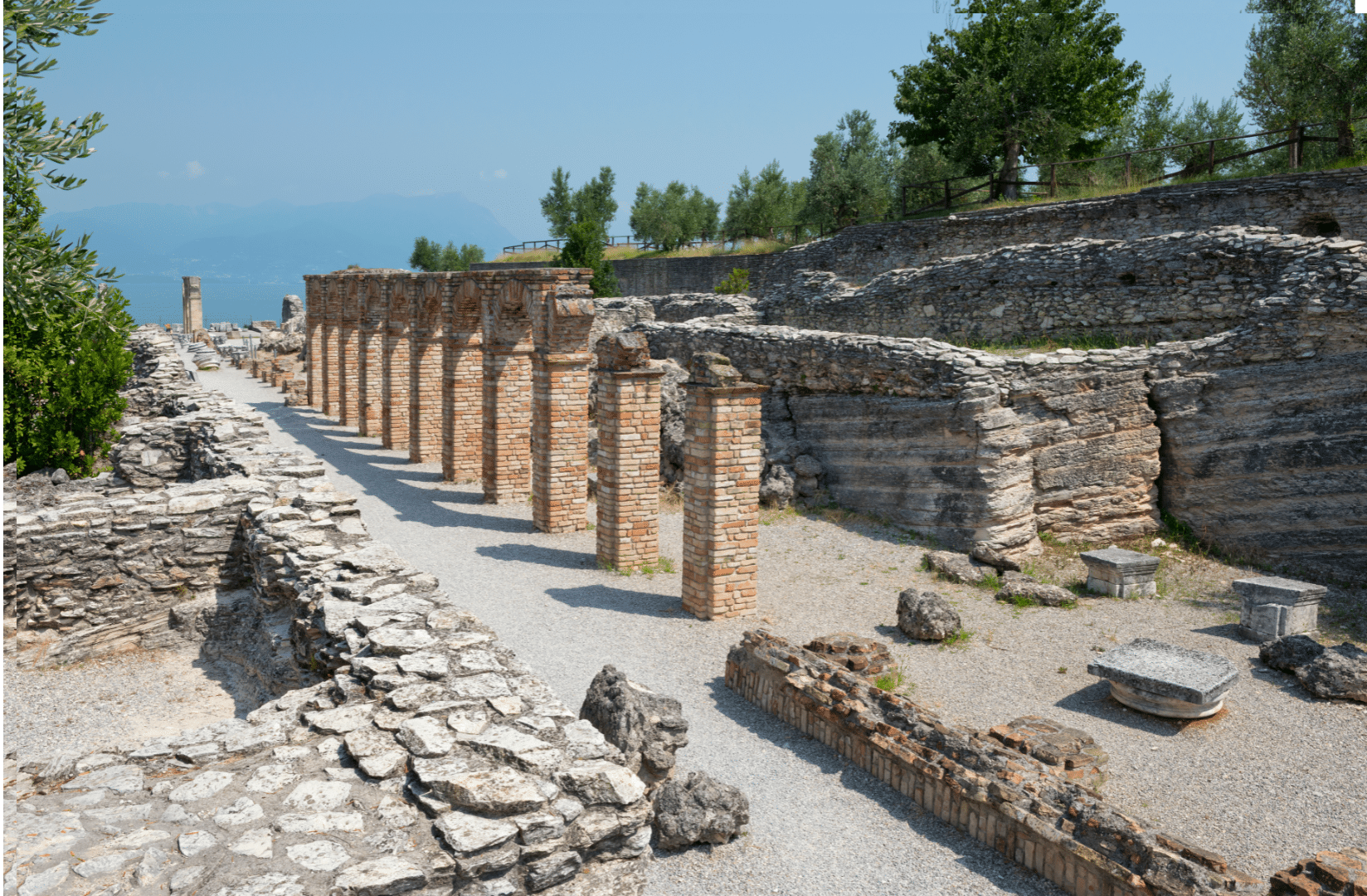
The villa covered over 20,000 square meters during the early Imperial period, with two residential areas divided by a colonnaded garden surrounded by porticos and terraces. The southern sector contains a thermal complex with multiple rooms and a pool, likely added in the early 2nd century CE.
The villa was abandoned in the 3rd century, its architectural decoration reused in another villa in Sirmione, and between the 4th and 5th centuries the surviving structures were incorporated into the peninsula’s defensive fortifications and used as a cemetery.
The ruins were rediscovered during the Renaissance, when scholars named the site after Catullus. Isabella d’Este visited in 1514 and 1535, and Andrea Palladio studied the villa’s construction techniques. Comprehensive excavations commenced in 1939 and the Italian state acquired the site in 1948.
Why Private or Small-Group Access Matters
The standard visit moves through the ruins on a designated path with an audio guide, at a pace determined by the visitor’s own knowledge rather than by a guide who can explain the relationship between what is visible above ground and what the original villa’s layout looked like at full scale.
The on-site archaeological museum preserves architectural fragments, mosaics, frescoes, and stucco decorations from the villa’s residential areas, alongside a fresco fragment tentatively identified as a portrait of Catullus. A specialist guide who can cover the museum’s collection in the context of the ruins above, explaining which fragments came from which rooms and what the quality of the decoration reveals about the villa’s owners, produces a visit the self-guided audio tour does not.
The first entry of the day also produces the site’s most complete version of what it looked like to the Renaissance scholars who first studied it. The olive grove that covers the ruins, the vegetation around the walls, and the light on the lake from the upper terraces change across the course of the morning.
What You See
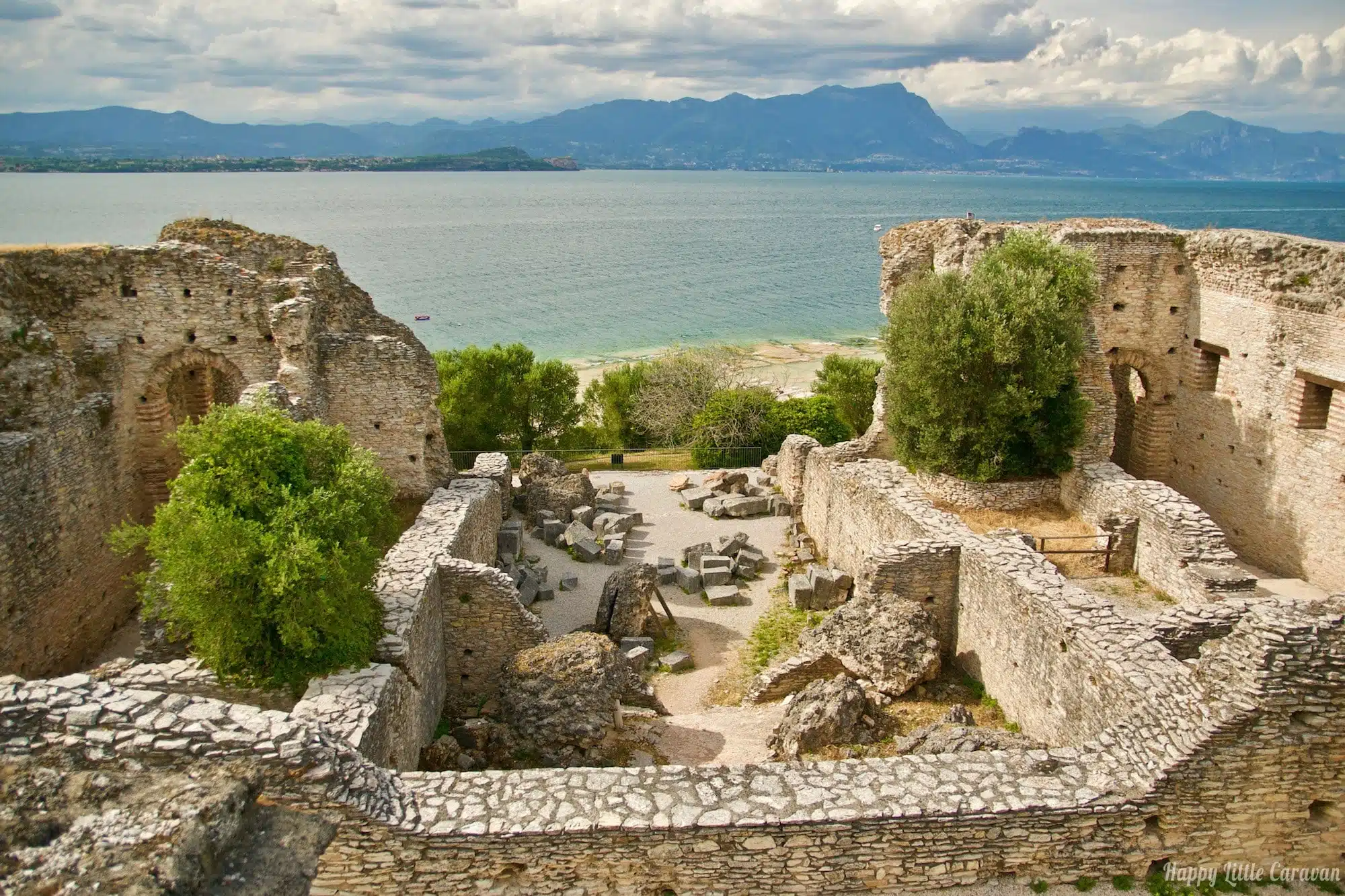
The entrance at Piazzale Orti Manara opens onto the lower level, where the service areas and storage rooms of the villa are most clearly visible. The walls rise to several meters in sections, and the scale of the construction becomes apparent within the first few minutes of the walk.
The olive grove covering the central section contains trees of the traditional Lake Garda varieties, with paths moving through their shade at the level of the original garden. The colonnaded garden that divided the two residential areas is one of the most legible spaces on the site, where the villa’s architectural logic and the landscape it occupies become most apparent.
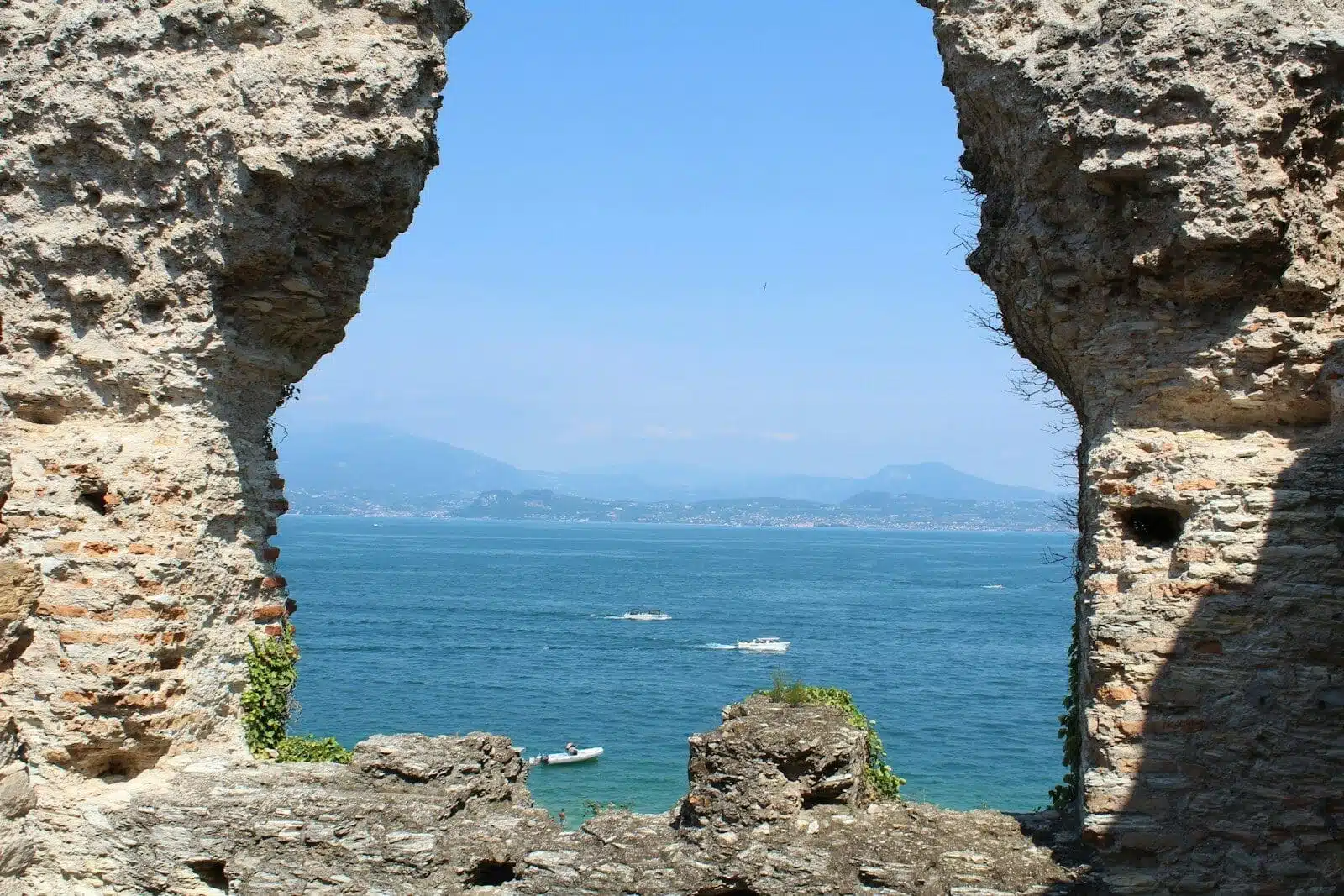
The Trifora del Paradiso, the triple-arched loggia on the lower level, frames the view of the lake to the south, and the thermal complex in the southern sector connects the site directly to the thermal tradition that the Aquaria spa complex a few minutes’ walk south continues today.
The archaeological museum at the exit covers the site’s finds in sequence, from pre-Roman pile-dwelling artifacts through the villa’s residential decoration to the medieval burials that followed its abandonment. The fresco fragment tentatively identified as a portrait of Catullus is among the most discussed objects in the collection.
How Do Not Disturb Makes This Possible
Do Not Disturb works with a small number of specialist guides whose knowledge of the Grotte di Catullo extends to the full archaeological, literary, and historical context of the site and the museum’s collection.
Entry tickets are arranged in advance through the official Musei Italiani portal, and the guide is briefed on the guest’s specific interests before arrival. The visit is timed for the first entry of the day, with the museum visit scheduled for the final part of the morning before the site fills.
Ready to plan your private early morning visit to the Grotte di Catullo and experience Lake Garda’s most significant Roman site at the hour it deserves? Speak with Do Not Disturb to begin your journey.
Plan your own version of this journey
Speak to Do Not Disturb’s luxury travel experts and turn this moment into something personal.
Related destinations
Suggested articles

Chianti’s Luxury Villas: Stay Like a Renaissance Noble

Romantic Florence: The Ideal Italian Honeymoon
Venice for Art Lovers: Palaces, Churches and Private Views

Experiencing Florence Without the Crowds

Lake Como vs Lake Garda: Which Italian Lake Is Right for You?

Venice Without the Crowds: Is It Possible?

Sardinia vs Sicily: Which Italian Island Is Right for You?

Portofino and the Italian Riviera: Italy’s Most Stylish Coastline

Beyond Rome: Italy’s Most Beautiful Cities

Beyond Amalfi: Contrasting Sorrento and Ravello

Positano vs Ravello: Where to Stay on the Amalfi Coast
The Amalfi Coast Without the Crowds: Is It Possible?

Can You Visit Rome Without the Crowds? The Honest Answer