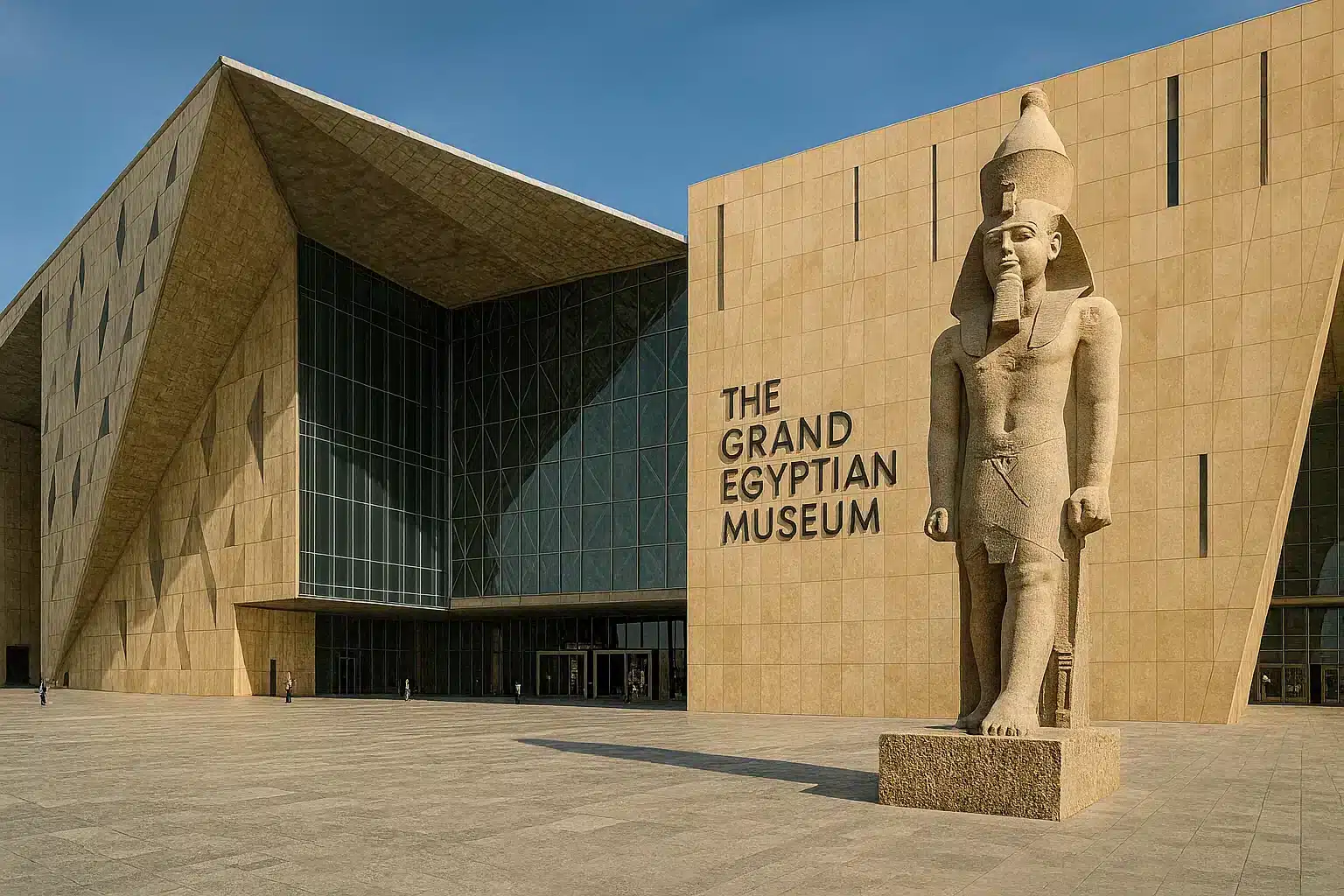

The GEM just opened with 100,000 artifacts. Here’s exactly what to see, when to go, and how to avoid the crowds. Includes timing, guides, and what actually deserves your time.
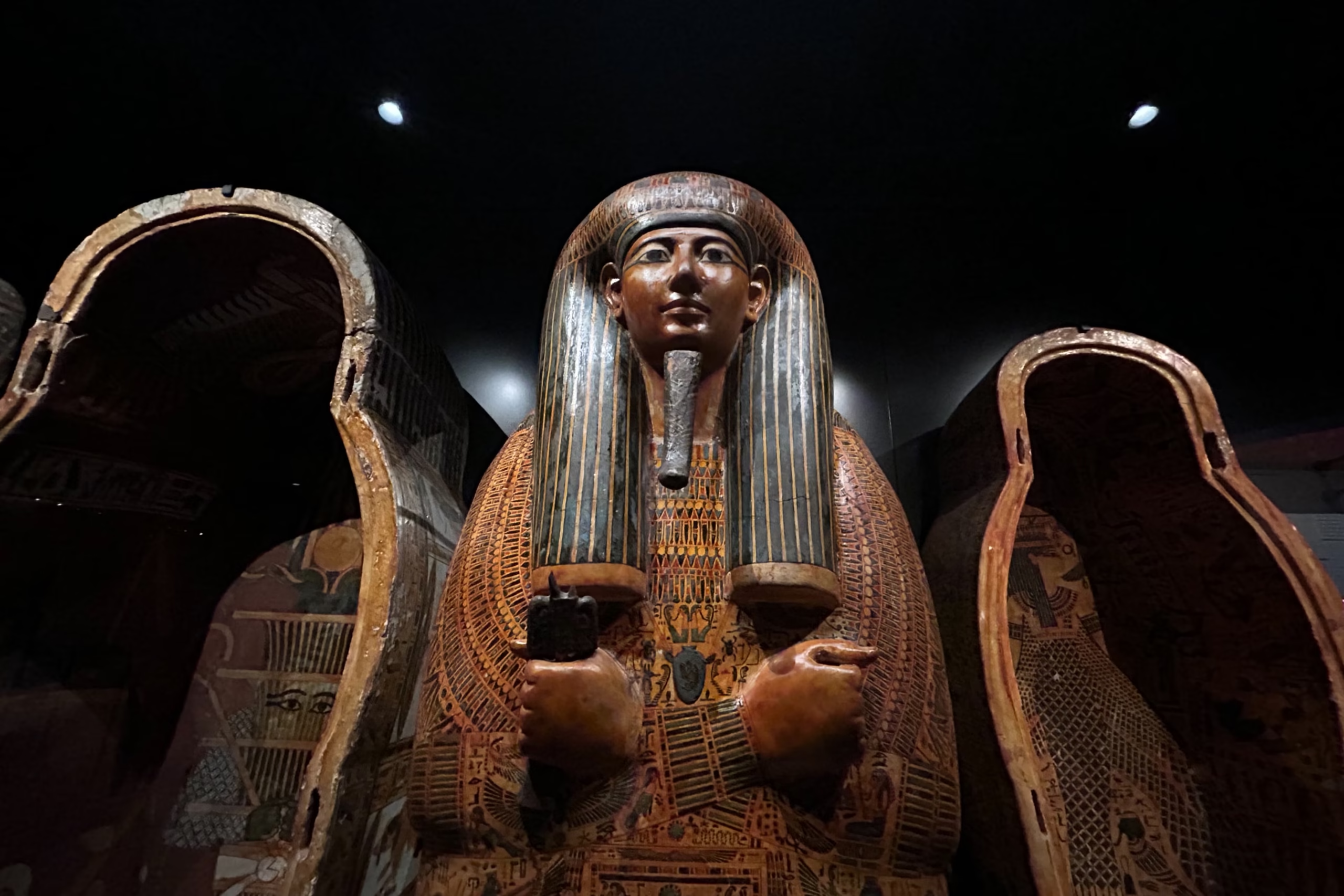
The Grand Egyptian Museum finally opened its doors in November 2025, which means one thing: everyone will try to visit at once. But here’s the real story. This is not a traditional museum experience. It’s a five-story building with 100,000 artifacts spread across 872,000 square feet, designed by an international architecture firm that spent years perfecting the visitor flow. Most people will get overwhelmed, exhaust themselves by hour three, and leave feeling like they missed something.
The truth is simpler. You don’t need to see everything. You need to see the right things, in the right order, without crowds. That’s the difference between a visit and an actual experience.
About Do Not Disturb
Do Not Disturb is a luxury travel company specializing in carefully designed journeys and considered experiences. Each itinerary we build for our clients is informed by real destination knowledge, offering insight into places, cultures, and moments that shape how a trip comes together.
If this destination has sparked ideas, the itinerary can be developed into a private journey tailored to your interests and travel style, with hand-picked stays, thoughtful routing, and experiences curated around what matters most to you.
The Highlights
The museum has twelve main galleries, each covering a period of Egyptian history from prehistoric times through the Greco-Roman period. But three sections will justify your time alone.
The Tutankhamun Galleries
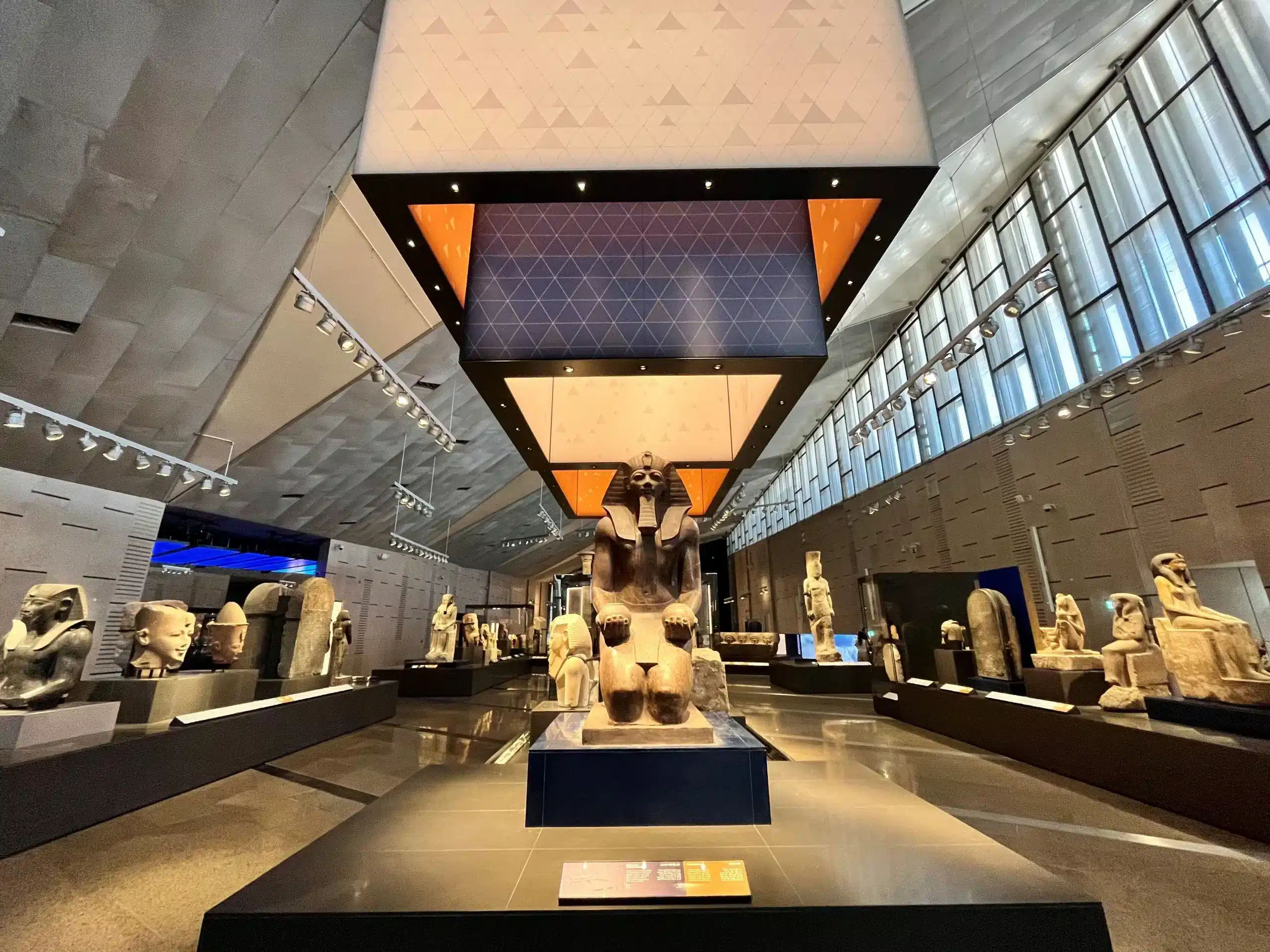
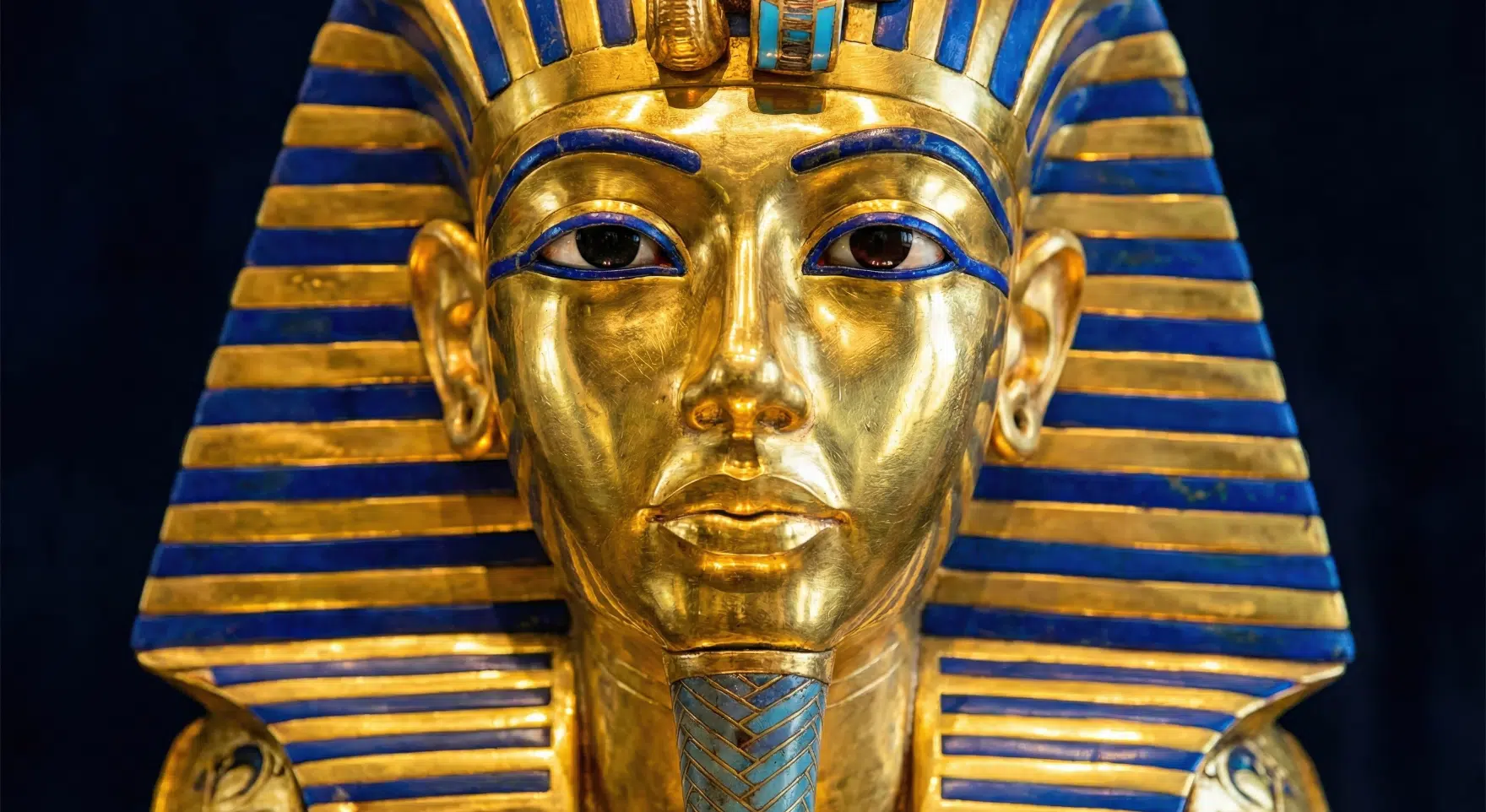
For the first time since his tomb was discovered in 1922, all 5,398 pieces from King Tutankhamun’s burial are on display in one place. The centerpiece is his gold death mask, but what hits harder is the context. You’ll see his gilded furniture, his ritual vessels, his sandals, the things that actually lived in his tomb. Most people spend forty minutes here and understand why archaeologists lost their minds in 1922. You need ninety minutes.
The Grand Staircase
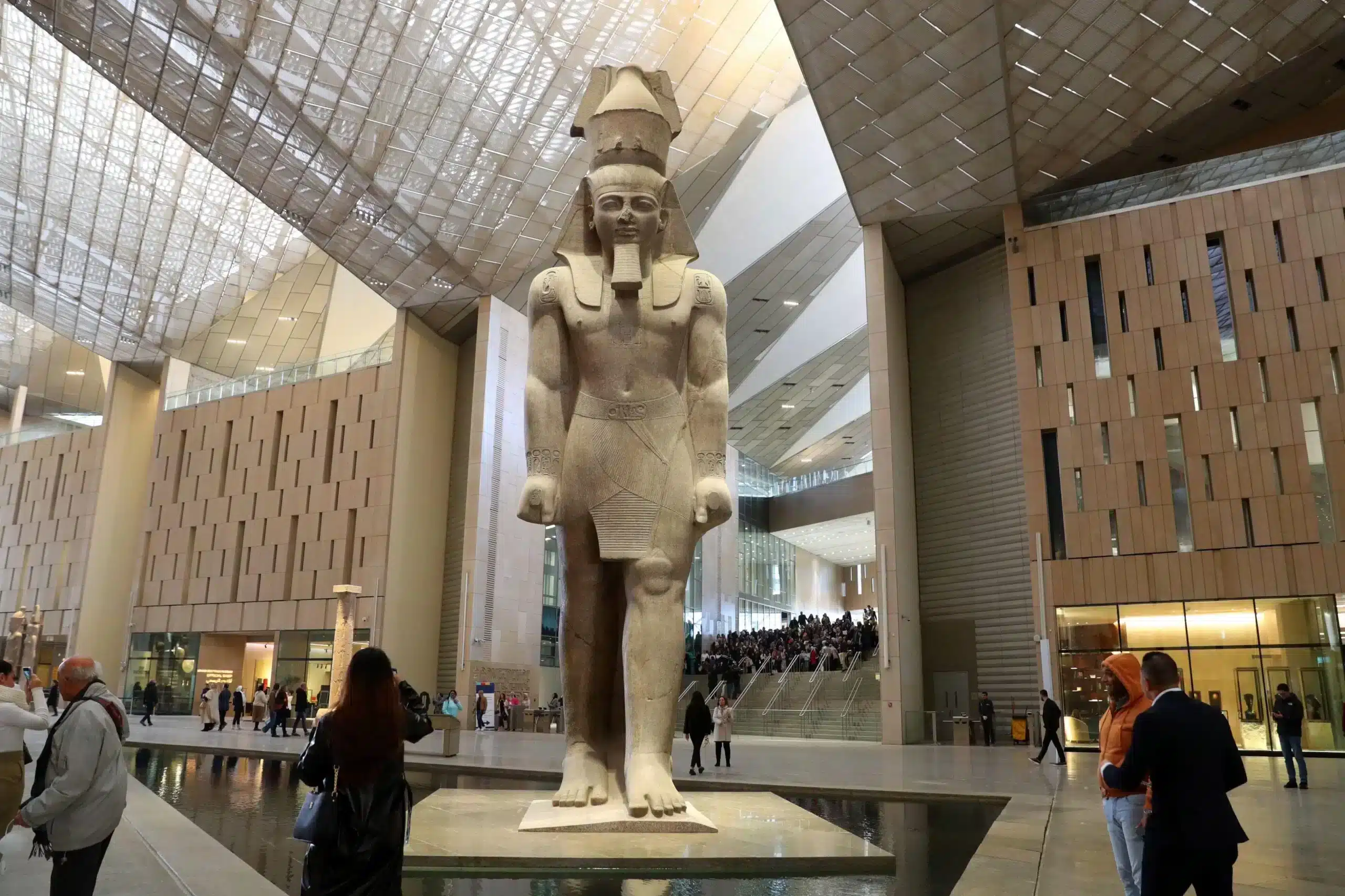
This isn’t filler. Before you reach the galleries, you move through a staircase framed by colossal statues, including a 3,200-year-old limestone sculpture of Ramses II that dominates the space. The architects positioned the stairs so that halfway up, you face south and see the Pyramids of Giza through floor-to-ceiling windows. That view isn’t accidental. Spend time here. It sets the right tone.
The Solar Barques
These are ancient ceremonial boats—massive wooden vessels buried near the pyramids for the pharaohs’ journey in the afterlife. The museum’s second solar ship of Khufu was just restored and is now on display. Seeing a 4,600-year-old boat that has never been shown before is the kind of moment that makes traveling to Cairo worthwhile.
The remaining galleries are excellent if you have time and genuine interest in Egyptian chronology. Most luxury travelers don’t. That’s not a criticism. It’s clarity.
The Best Time to Go
The museum is open 9 AM to 6 PM Sunday through Thursday, and 9 AM to 10 PM Friday and Saturday.
Visit Tuesday through Thursday mornings, ideally between 9 AM and 11 AM. Tuesday is best. You’ll move through the galleries with actual space to breathe, and the light hits the Grand Staircase perfectly. Winter (November through March) offers pleasant Cairo weather and a shorter tourism window before the seasonal surge.
Where It Fits in Cairo
The museum is ten kilometers from downtown Cairo, about twenty minutes by car. Many travelers stay at the Marriott Mena House or the Steigenberger Pyramids Cairo, both near Giza. This puts you close to the pyramids themselves, the Sphinx, and now, the museum.
You can do a full-day Giza experience: morning at the pyramids (with a guide, avoiding the obvious tour groups), lunch, a few hours at the museum, sunset from a vantage point in Giza that most tourists never see. This works. It’s also what everyone will try to do in 2026.
Better approach: Give yourself two half-days. Morning at the pyramids with a guide. Afternoon rest and museum research. Next morning, museum visit when it opens. Afternoon exploring a neighborhood in central Cairo that tourists usually skip. This spreads your time, reduces fatigue, and means you actually absorb what you’re seeing.
The Do Not Disturb Advantage
You could arrange this alone: research the museum’s hours, find a guide, book your tickets, navigate Cairo traffic. Or you could let us handle it. We know the guides who actually understand the museum’s architecture and why certain pieces matter. We know the timing that avoids crowds. We book your tickets before the peak season surge, handle the logistics of the guide meeting you on time, and position your visit as part of a Cairo experience that includes the neighborhoods, the food, the actual city, not just the obligatory monuments.
The museum is remarkable. Experiencing it well requires the kind of attention most travelers don’t have time for. That’s where we come in.
The Grand Egyptian Museum is finally open. Go see it. Just go with a plan.
Plan your own version of this journey
Speak to Do Not Disturb’s luxury travel experts and turn this moment into something personal.
Suggested articles

Best Honeymoon Destinations for Autumn

Italy vs Greece for Your Honeymoon – Which is Better?

48 Hours in Lima: Where to Eat, Stay and Explore

A Cultural Honeymoon in Peru: Machu Picchu, Cusco, the Sacred Valley and the Amazon

Peru or Mexico: Which Ancient Civilization Should You Visit First?

The Best Time to Visit Machu Picchu for Fewer Crowds

Why So Many Travelers Fall for Kanazawa

Kyoto or Kanazawa – Which Is Better for Traditional Japan?

What Is a Kissaten? Inside Japan’s Historic Coffee Shop Culture

Kruger or a Private Reserve? Where to Safari in Greater Kruger

The Best Time to Visit Kruger for Wildlife, Weather and Fewer Crowds

Kruger for First-Time Safari Travelers: What Nobody Tells You Before You Go

Beyond Wine Tastings: How to Spend Three Days in the Cape Winelands