




On this page
A September stay at Lake Tahoe avoids the summer crowds and winter rush, offering warm water, clear air, and a more balanced way to experience the lake.
Lake Tahoe is best known for summer lake days and winter skiing.
Early autumn offers the same setting with a more manageable pace.
The temperature holds, the water remains warm enough to swim, and the lake is easier to move through. What draws people here in peak season is still present, just with more space to enjoy it.

Lake Tahoe, at a glance
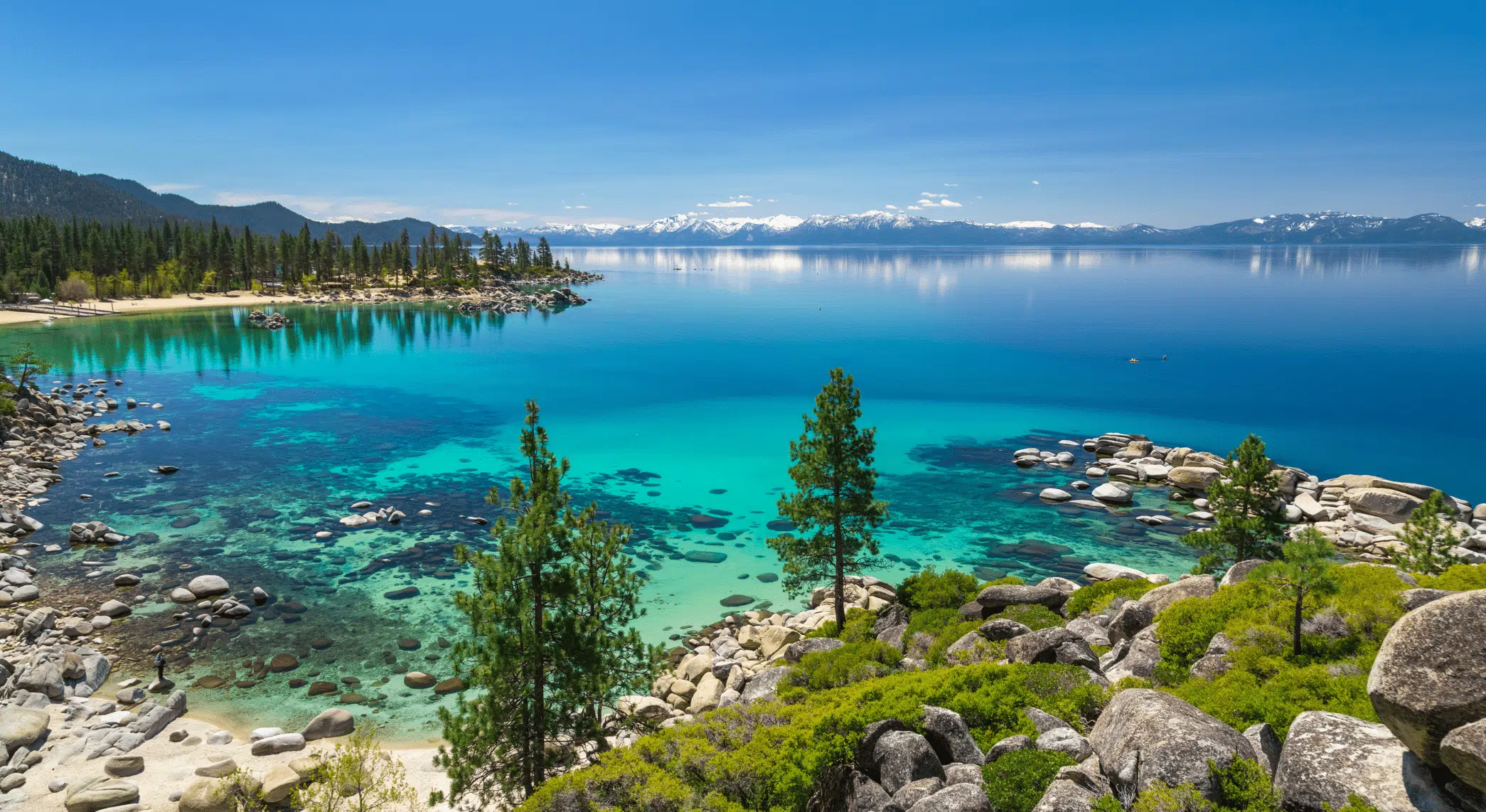
Straddling the California-Nevada state line at 6,200 feet above sea level, Lake Tahoe is one of the largest and deepest alpine lakes in North America, with water clear enough to see 70 feet down and a ring of Sierra Nevada peaks that make the setting quietly extraordinary in every season.
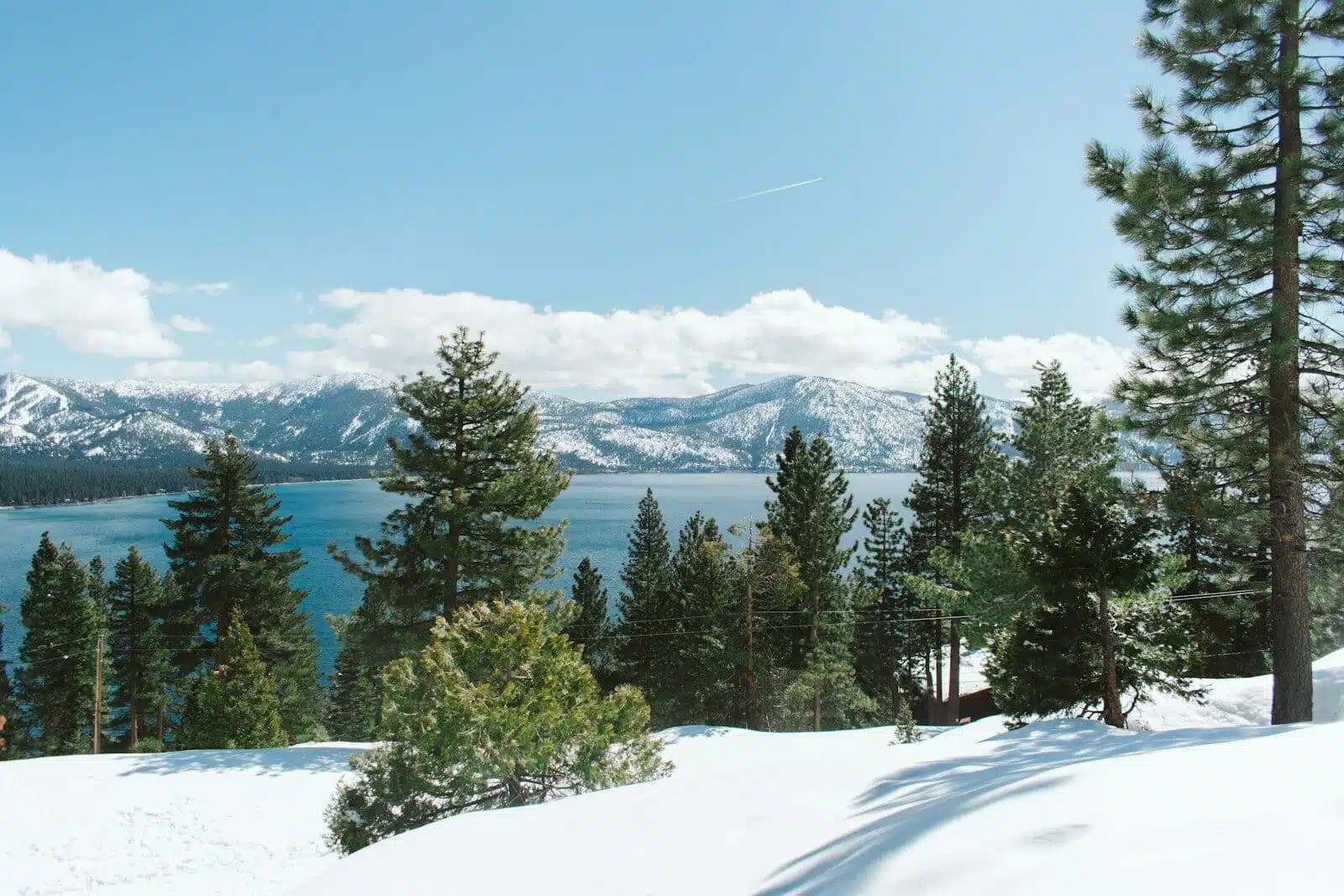
In winter it is one of the premier ski destinations in the country, with Palisades Tahoe and Heavenly between them covering more than 10,000 acres of terrain.
Reno-Tahoe International Airport puts the lake within reach of direct flights from most major US cities, and the drive from San Francisco, three and a half hours through the Sierra Nevada foothills, is worth doing at least once.
Why Early Autumn Works
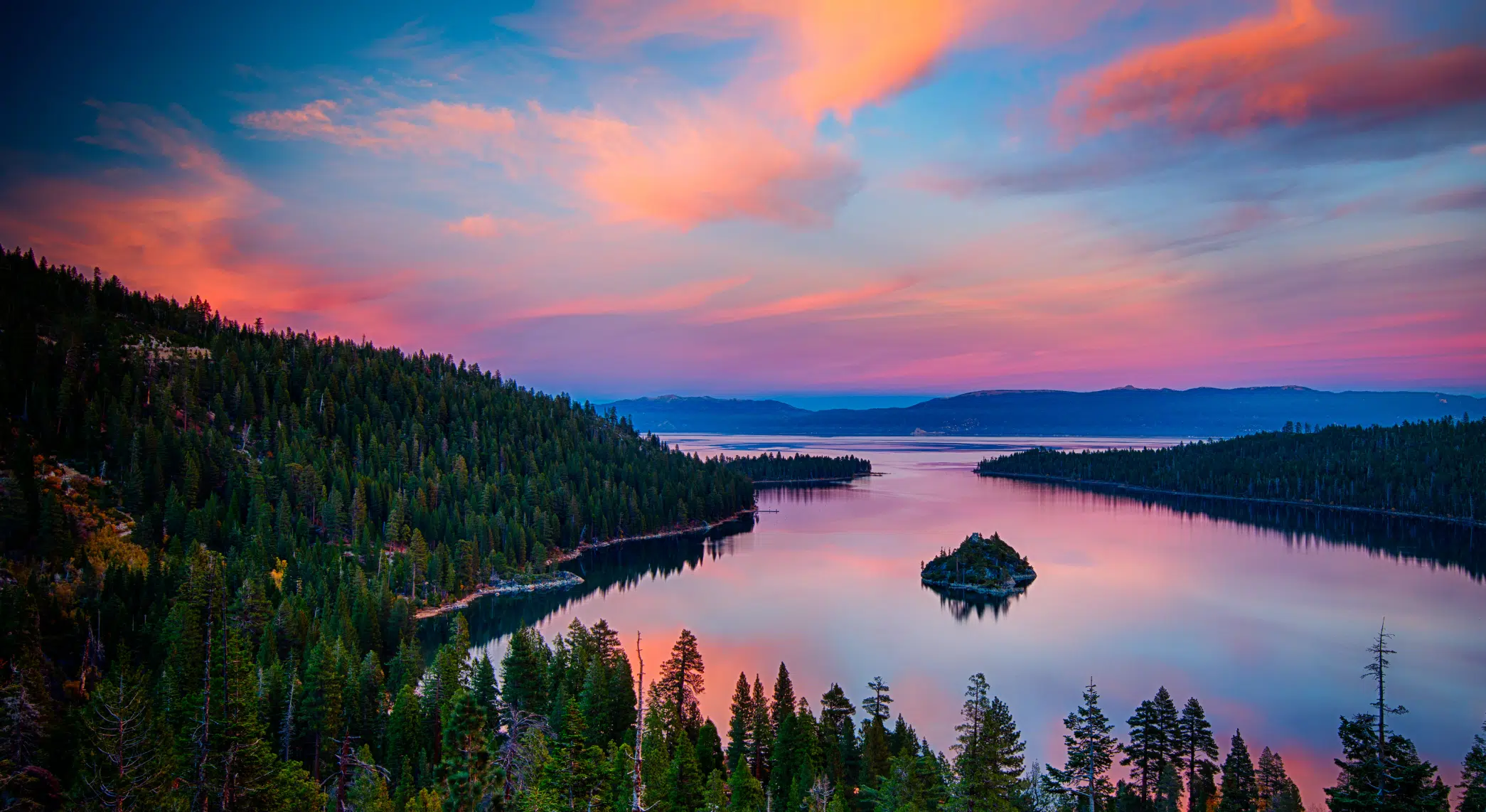
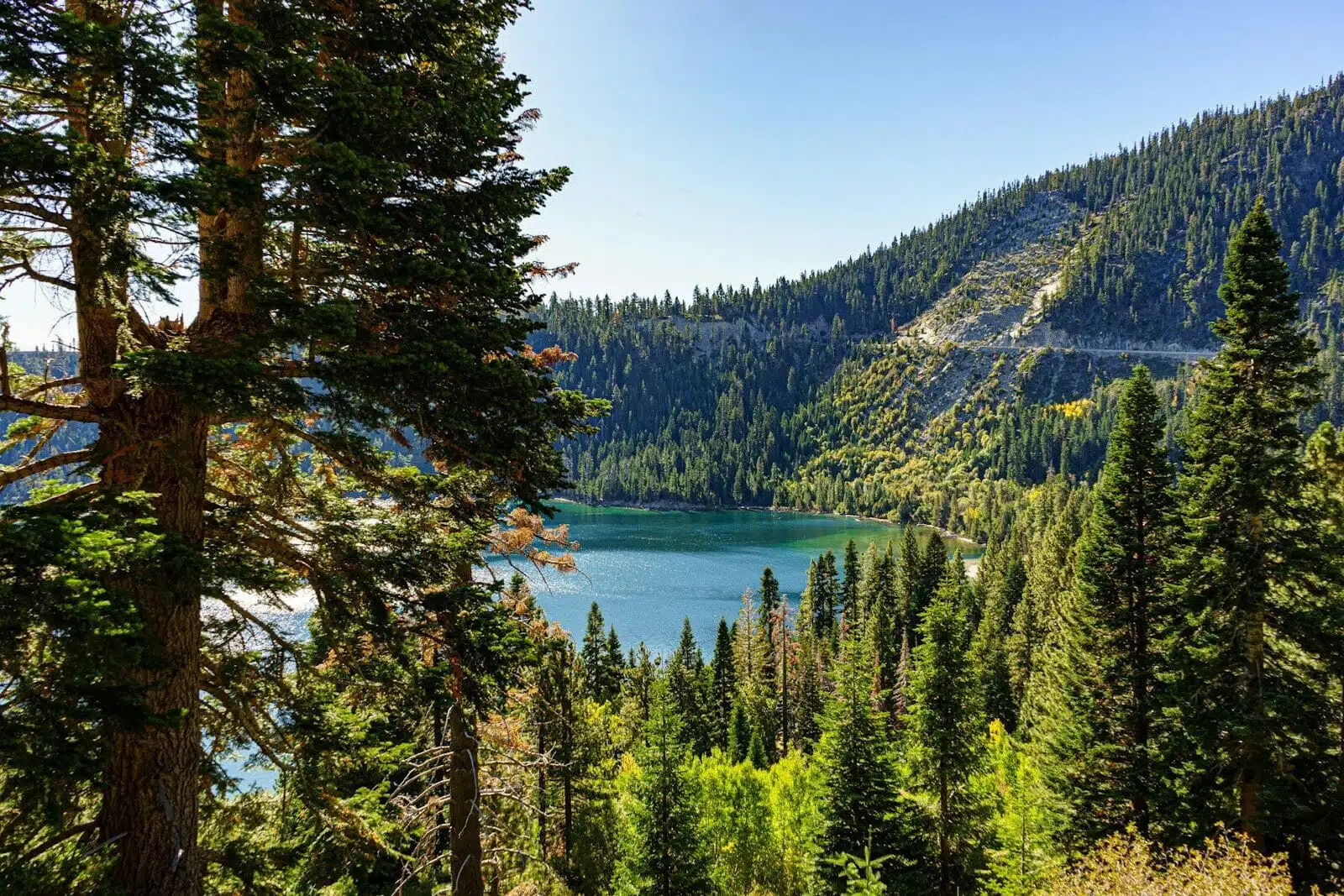
September and October are the argument for Tahoe that the ski brochures never make. The summer crowds have cleared, the hiking trails are quieter, and the aspen groves that run through the Sierra Nevada turn a particular shade of gold that peaks around mid-October and lasts, on a good year, for about three weeks.
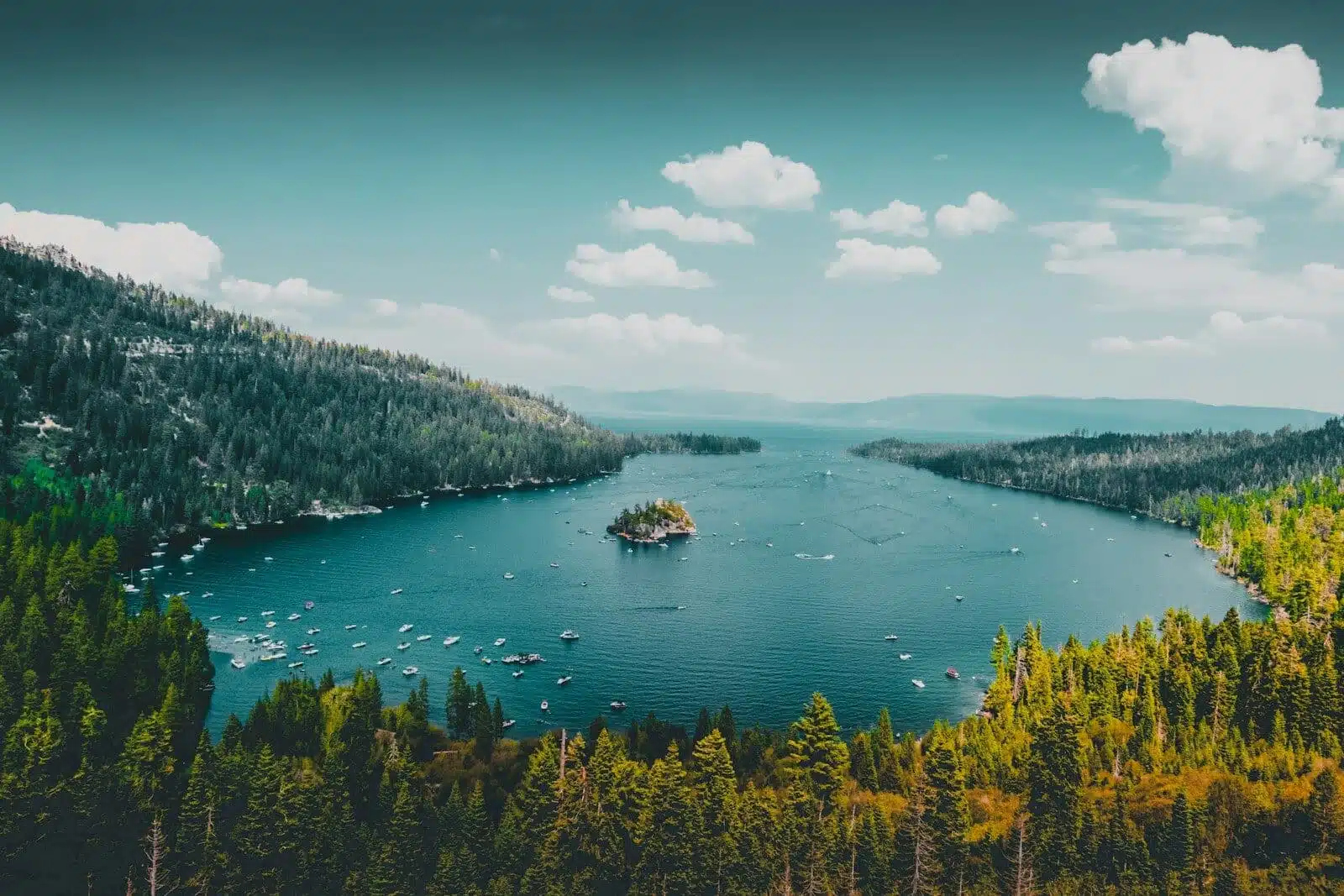
The lake itself holds its summer temperature into September, which means swimming, paddleboarding, and open-water kayaking in conditions that would have been identical in July but with a fraction of the boat traffic.
Daytime temperatures sit in the mid-sixties, evenings drop enough to justify a fire, and the light across the lake in the late afternoon is the kind that photographers plan trips around.
The Experience
Days begin early, while the water is at its clearest.
The surface holds stillness longer in the morning, before wind or boat movement picks up. This is the best time to swim or walk the shoreline while the light stays low across the lake.
A short drive to a quieter stretch of beach or a lightly used trail is enough. There is no need to cover distance. Tahoe works better when you stay put.
Midday remains open.
Time on the water, a short boat trip, or a walk through forest trails as early autumn begins to show. Plans stay loose. Conditions guide the day.
By late afternoon, the temperature drops slightly and the light softens again.
Evenings are simple. Early dinner, cooler air, and a return to stillness around the lake.
What You Notice
The clarity of the water stands out immediately.
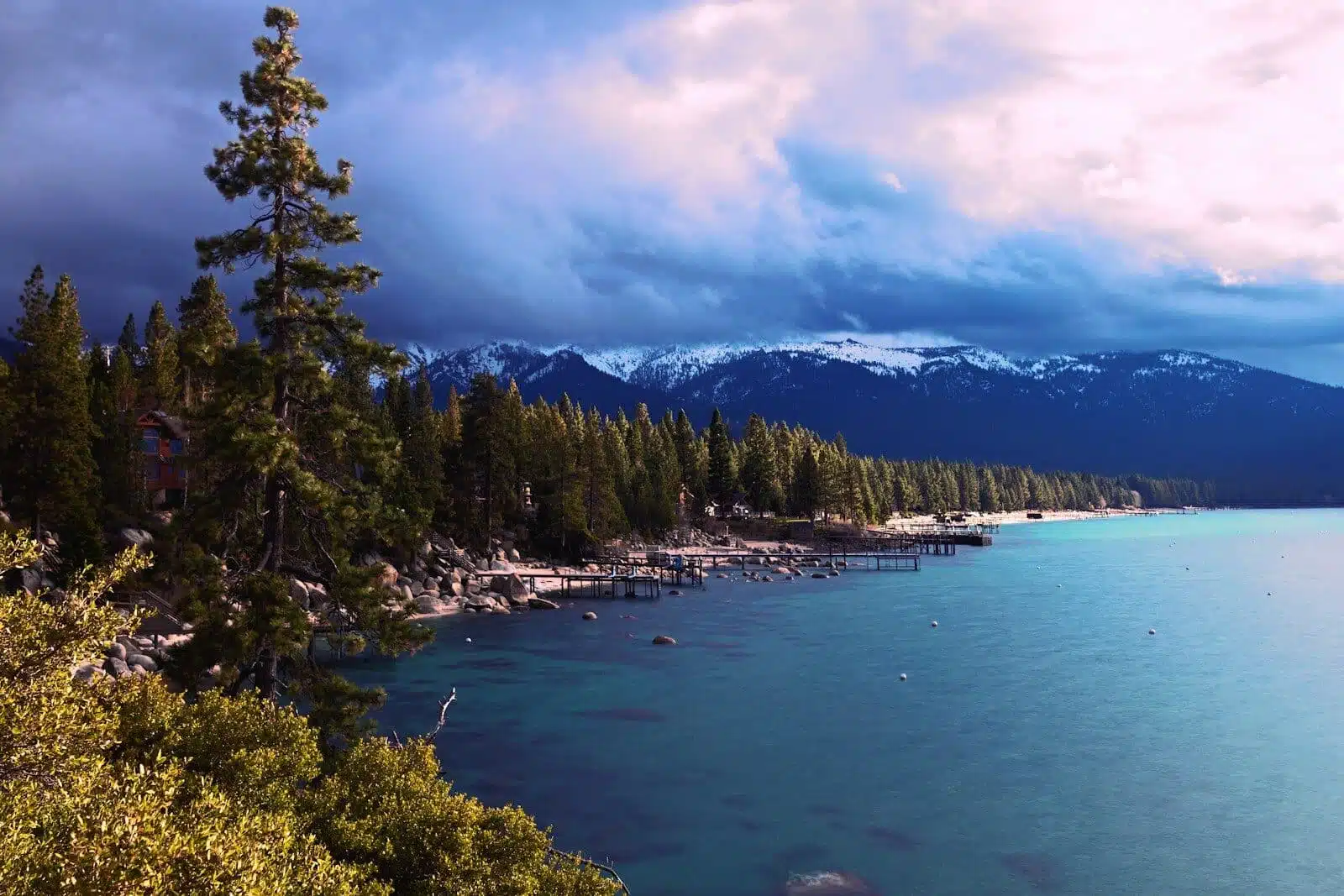
From the shoreline, depth is visible in a way that feels unusual for a lake of this size. Stones, shadows, and movement beneath the surface remain clear well beyond expectation.
Sound carries further.
With fewer boats and less traffic, the lake feels wider. Small details become more noticeable, water against wood, wind through trees, movement along the shoreline.
There is also a shift in season.
Early autumn brings subtle color into the forest. The green softens, and the light becomes sharper.
How This Differs from a Standard Visit
Most day trips to Tahoe try to cover too much. Multiple beaches, drives between the North and South Shore, a schedule built around availability rather than conditions. The result is a day spent in a car rather than at the lake.
This one takes a different approach. You stay in one area, you move when the light suggests it, and you leave with the sense of having actually been somewhere rather than passed through it.
How Do Not Disturb Makes This Possible
The difference comes down to selection and timing. Do Not Disturb identifies where to stay based on ease of access, light exposure, and how each area moves throughout the day.
The goal is not centrality but flow. Boat time, where included, is planned for when the lake is at its calmest.
Walks and shoreline access are chosen to avoid the busiest entry points. Restaurants are selected for consistency and ease rather than reputation alone. Everything is considered in advance so that the experience feels effortless when you arrive.
Considering Lake Tahoe in early autumn? Speak with Do Not Disturb to start planning a California itinerary that is timed well and easy to move through.