


On this page
Italy doesn’t produce wine so much as it accumulates it; centuries of regional obsession is layered into soils, dialects, and dinner tables that no single itinerary can fully contain. What it rewards, however, is a traveler willing to move slowly, drink deliberately, and let the landscape explain the glass.
Why Italy Resists the Single-Region Wine Trip
No other major wine-producing country asks this much of its traveler. Italy has more than 350 authorized grape varieties and 20 distinct wine regions, each shaped by geology, altitude, and centuries of agricultural tradition that developed in near-isolation from one another. Nebbiolo in Piedmont and Nero d’Avola in Sicily are not simply different wines; they are products of entirely different worlds, separated by 1,400 kilometers and a cultural divide that makes the country feel, in wine terms, less like a single nation and more like a federation of competing philosophies.
This is precisely what makes Italy so resistant to the kind of condensed wine itinerary that works elsewhere. A week in Bordeaux or Burgundy can yield genuine depth. A week in Italy yields a beginning. The regions that follow in this guide span the Alpine foothills of the north to the volcanic soils of the south, and they are sequenced not by prestige but by the logic of the landscape, because that is the only framework that makes sense here.
Tuscany: Where the Postcard Earns Its Reputation
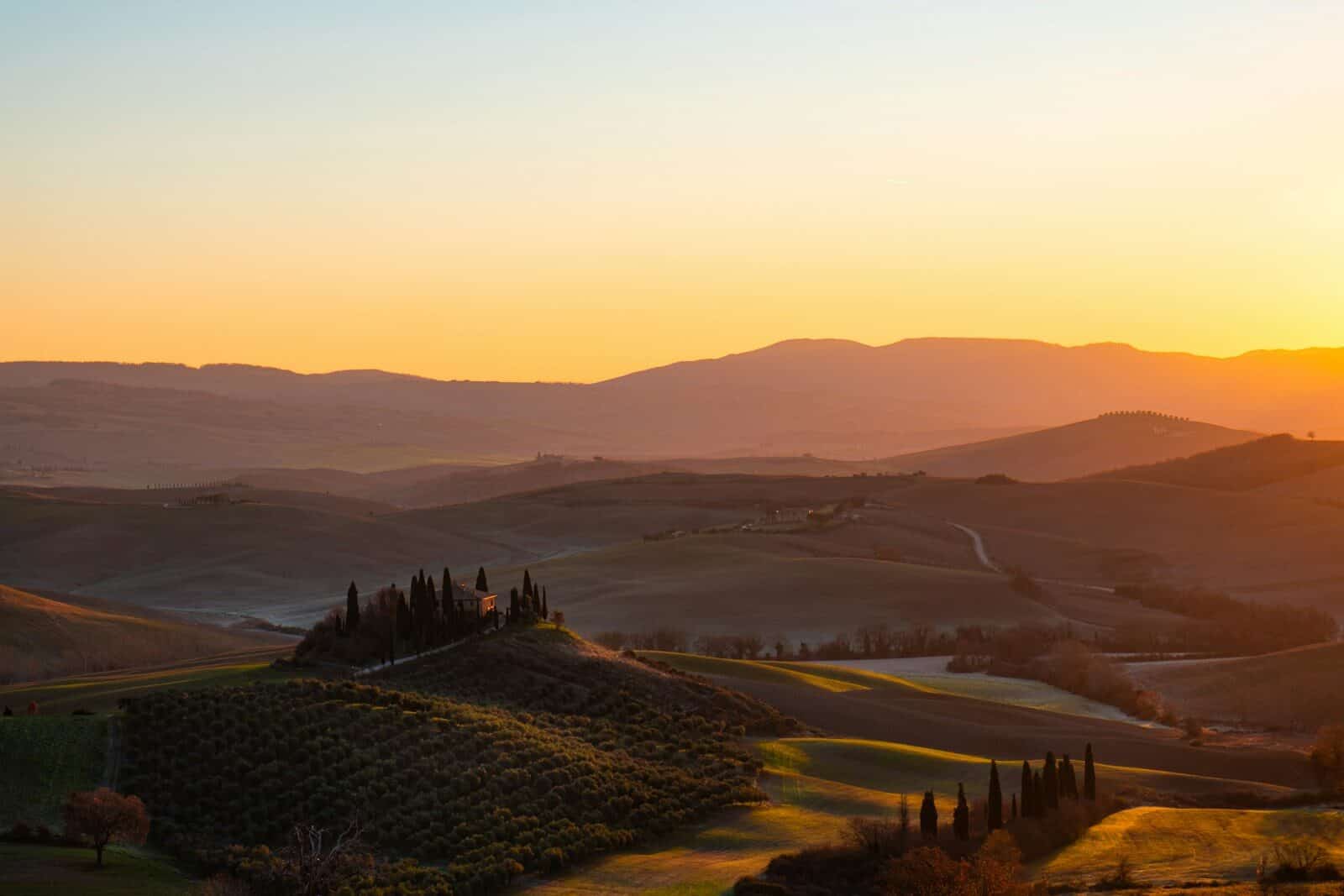
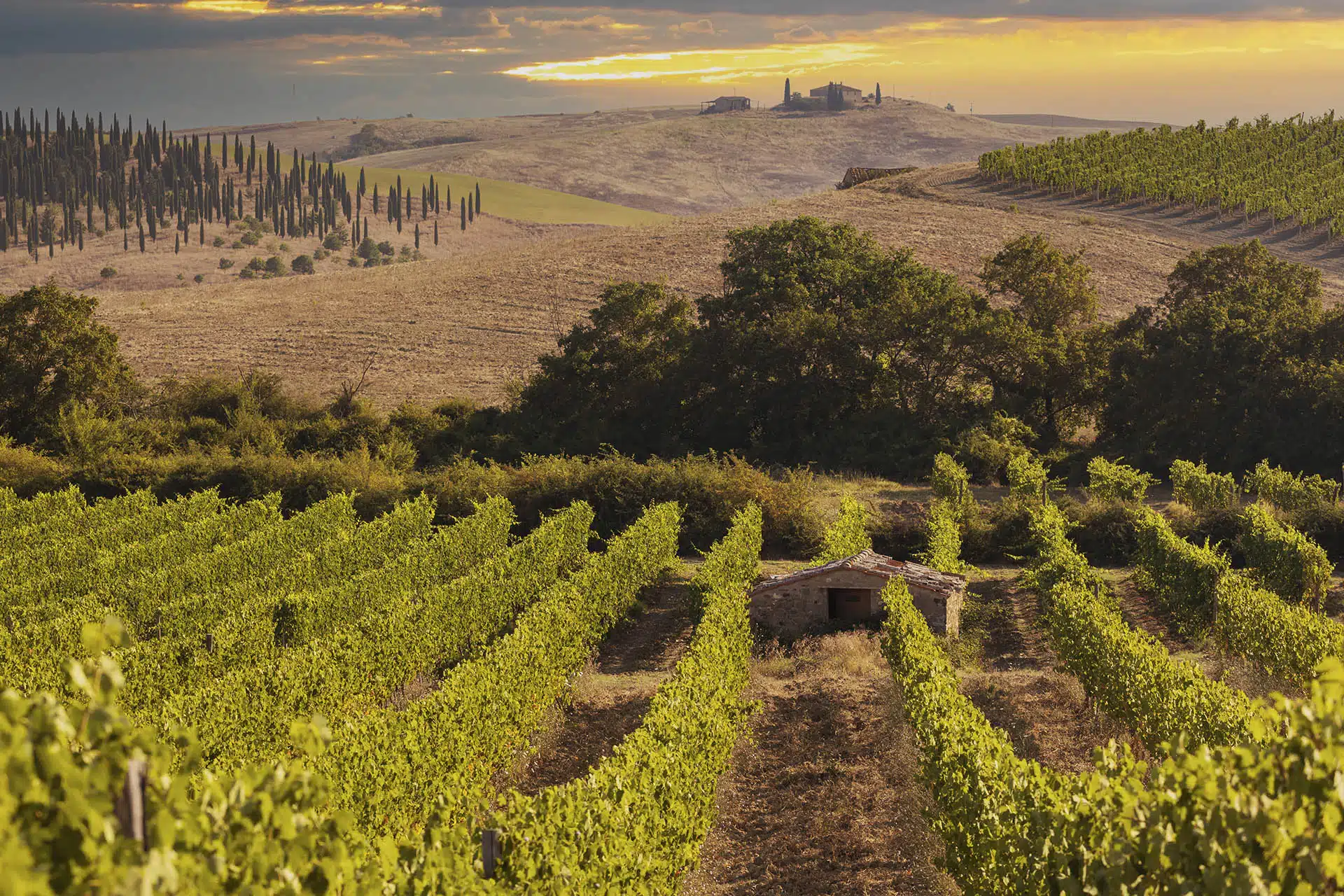
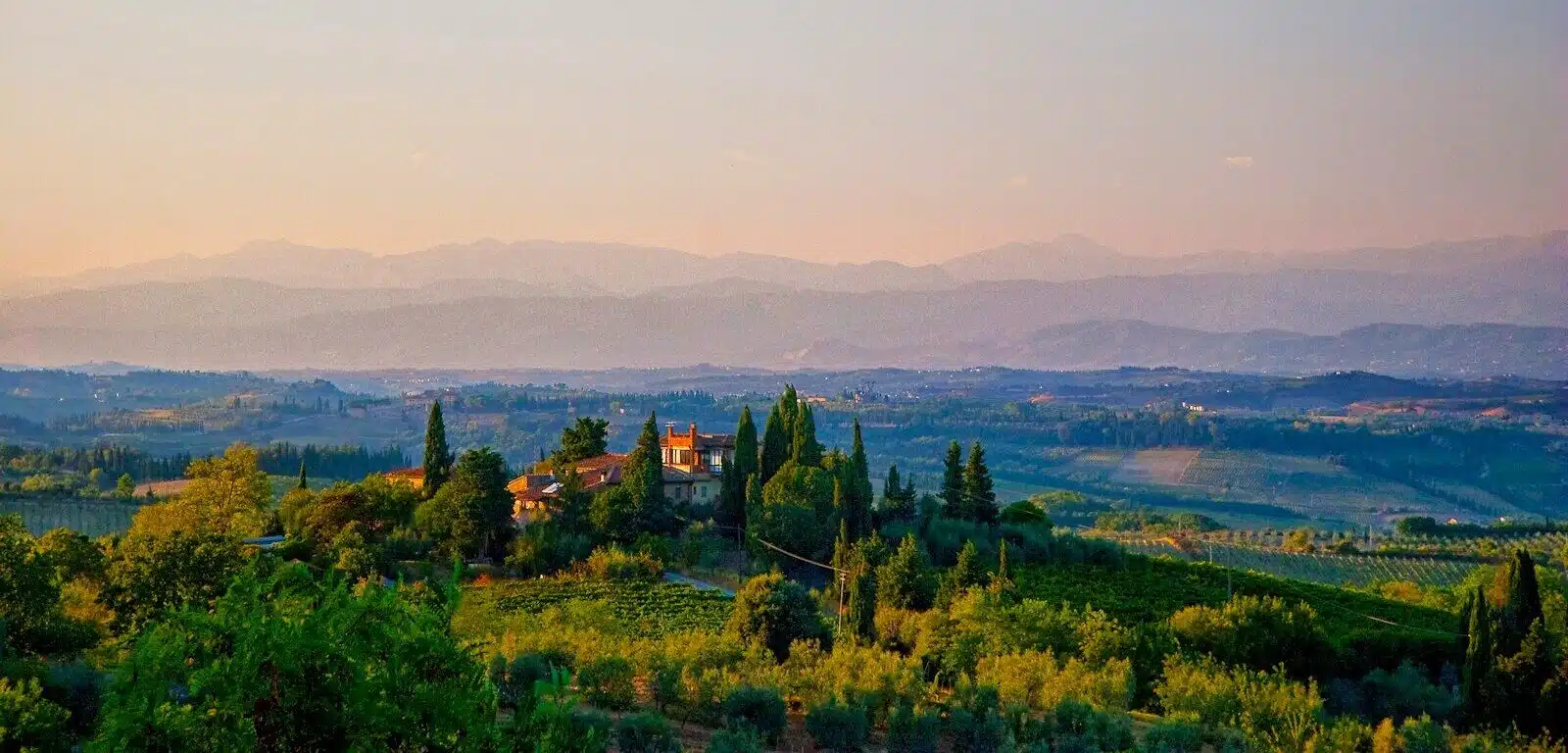
Few regions in Italy carry as much expectation as Tuscany, and fewer still manage to justify it. The key is understanding that Tuscany is not a single wine story but several distinct ones, each rooted in different soils, altitudes, and ambitions. Chianti Classico, produced between Florence and Siena from Sangiovese grown on galestro and alberese soils, rewards patience and food pairing in ways that its broader Chianti neighbors rarely match. Brunello di Montalcino, aged for years before release, is a different proposition entirely: structured, long-lived, and best understood through producers who have shaped the appellation across generations.
Then there is Bolgheri, on the Tyrrhenian coast, where the so-called Super Tuscans emerged in the 1970s as a deliberate departure from tradition, blending Cabernet Sauvignon and Merlot in a region that the established classification system had largely ignored. The wines that came from that experiment now command some of the highest prices in Italy. For travelers who want to move beyond the standard cellar tour, a considered Tuscany itinerary opens access to working estates where the conversation goes well beyond what is poured in the glass.
Piedmont: The North That Asks You to Wait
Nebbiolo is not a grape that flatters impatience. In the Langhe hills of northwestern Piedmont, it produces two of Italy’s most demanding wines, Barolo and Barbaresco, both of which require years of aging before they begin to articulate what the vintage was actually saying. That discipline is reflected in the region itself, where the pace is deliberate, the landscape rolls quietly between medieval hilltop villages, and the producers who matter most are rarely the ones with the largest signs on the road.
Many of the finest estates here receive visitors by appointment only, a condition that filters out the casual and rewards the committed. These are family operations where the winemaker is often also the person pouring the glass, which makes the conversation as instructive as the wine. Visiting outside the September and October harvest window also has a strong case: the cellars are quieter, the attention more focused, and the hills carry a particular clarity in winter that harvest crowds rarely allow.
Timing a Piedmont itinerary to coincide with white truffle season, which runs roughly from October through December in and around Alba, compounds the experience considerably. The truffle and the Nebbiolo grape share a regional logic, both shaped by the same clay-rich soils and cool autumn air, and together they make a northern Italy food and wine itinerary that is difficult to argue against.
The Regions Most Travelers Overlook - and Why That's Changing
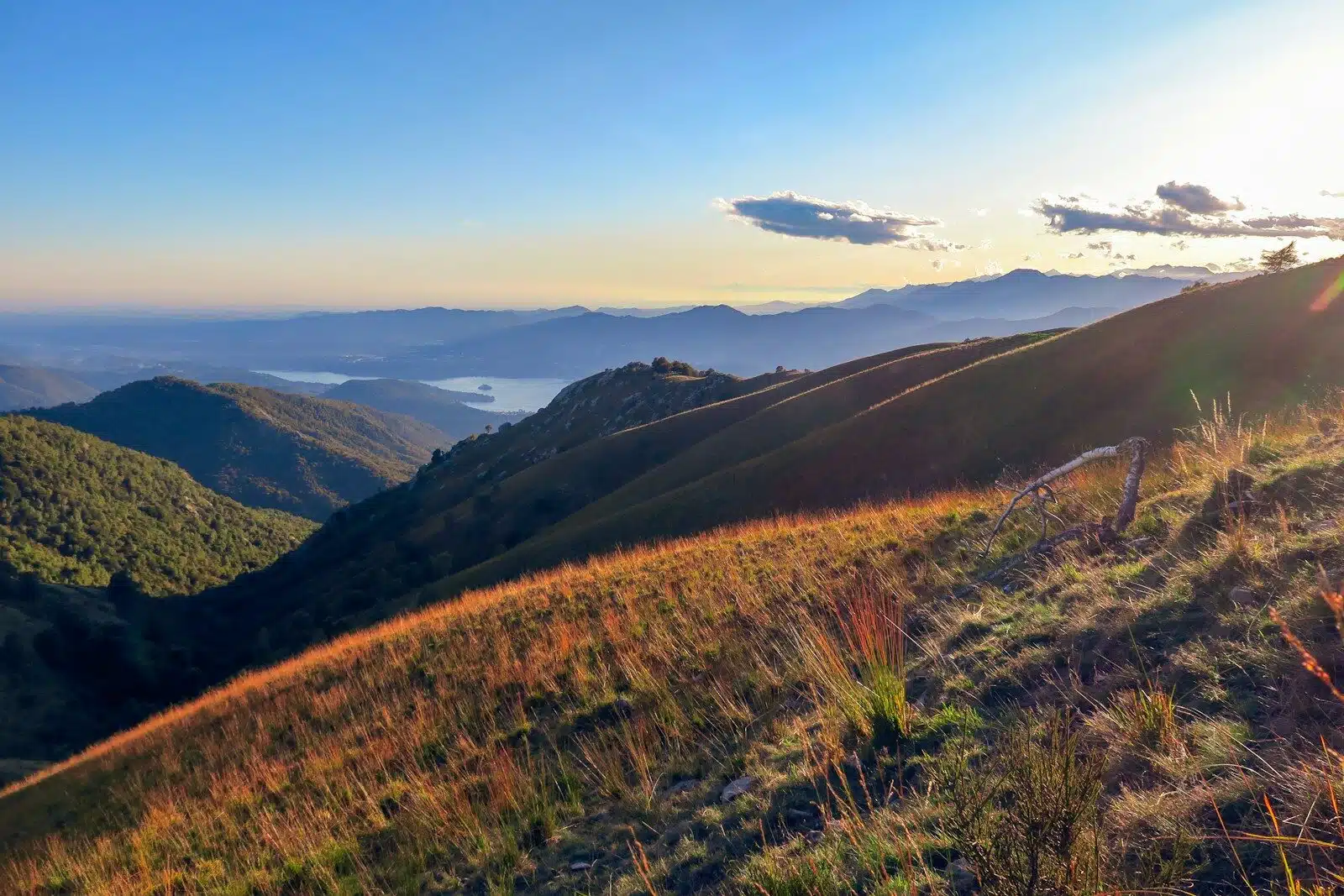
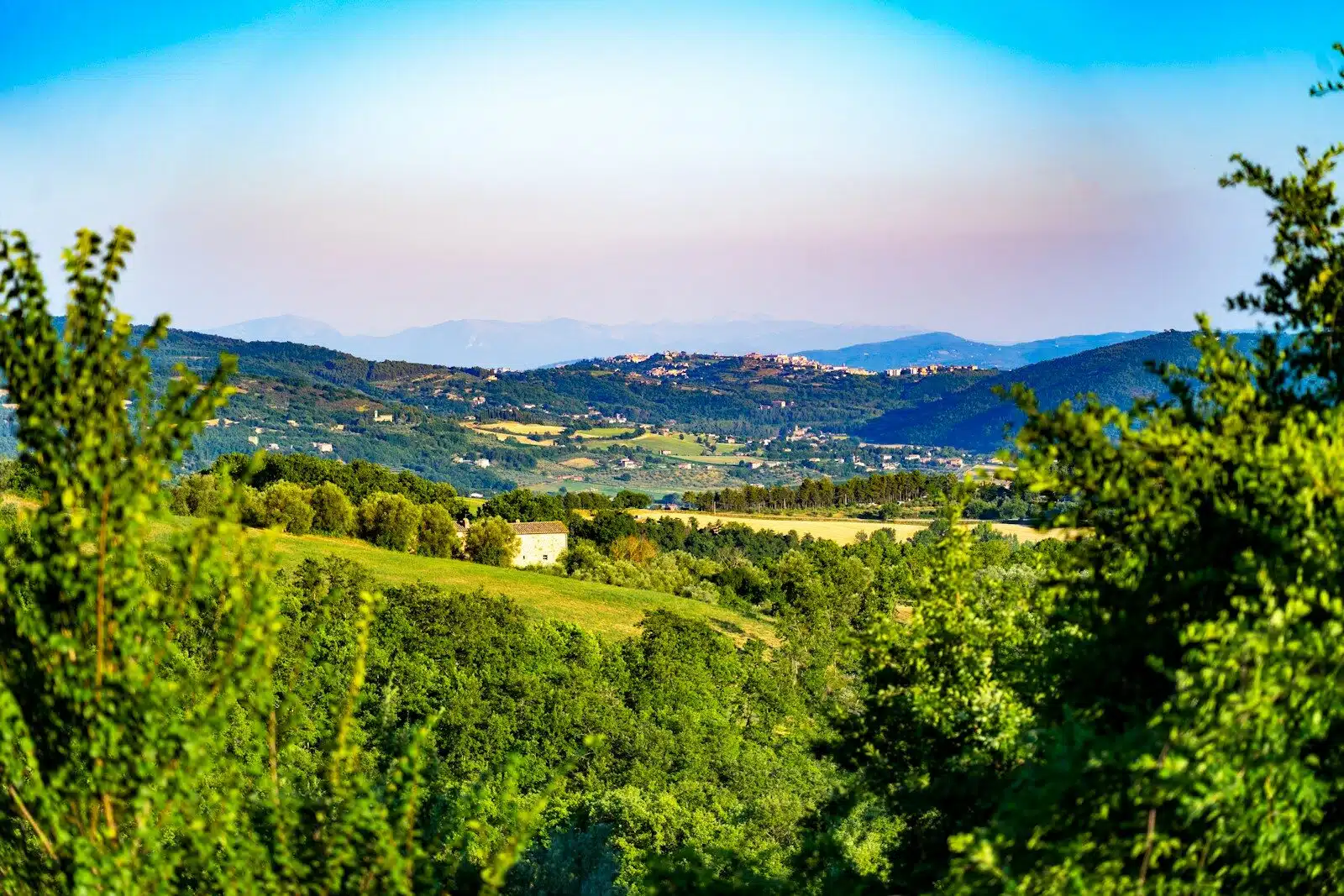
For travelers who have already traced Tuscany’s well-worn routes between Montalcino and Florence, Italy’s next chapter reads differently. Umbria, landlocked and largely unhurried, produces Sagrantino di Montefalco from one of the world’s most tannic indigenous grapes, a variety grown almost nowhere else and capable of extraordinary complexity with age. Campania, anchored by the ancient Aglianico grape in Taurasi and the volcanic whites of Greco di Tufo, draws on winemaking traditions that predate the Roman Empire, yet remains significantly underrepresented on international wine lists.
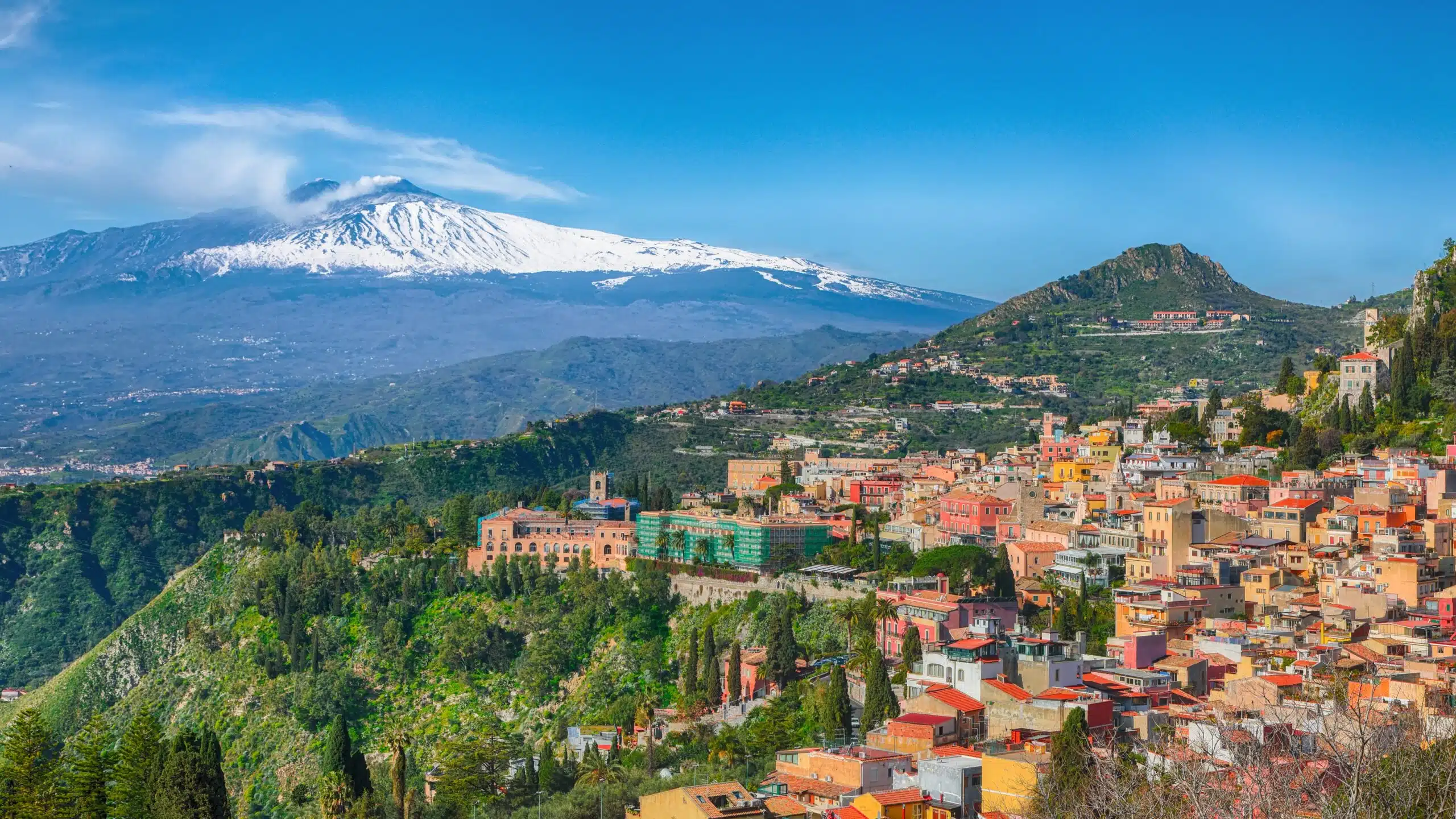
The most compelling shift, however, is happening on the slopes of Mount Etna, where altitude, volcanic soils, and pre-phylloxera vines have attracted serious winemakers from across Europe. Nerello Mascalese, grown at elevations above 600 meters, produces reds of genuine finesse that invite comparison with Burgundy, and the region’s luxury hospitality is beginning to match that ambition. For those planning a journey through southern Italy, extending the itinerary to Sicily’s northeastern corner now makes a compelling case on its own terms.
Sicily: Where the Journey Ends in the Heat
Few wine regions in Italy ask as much of the traveler as Sicily, and fewer reward the effort as completely. The island’s two most compelling red varieties tell the story of its geography: Nero d’Avola, grown in the sun-baked southeast, produces wines of density and dark fruit that reflect the heat of the interior; Nerello Mascalese, cultivated on the slopes of Mount Etna, is something else entirely, a wine of tension and minerality shaped by altitude, volcanic soil, and diurnal temperature swings that no other Italian region can replicate.
Tasting on Etna’s black lava terraces reframes what Sicilian wine can be. The vineyards here are old, in some cases pre-phylloxera, and the landscape is austere in a way that clarifies the wine rather than decorates it. Estates with genuine agricultural roots, where viticulture connects to broader land use and local food traditions, offer the most coherent experience of the island.
For those building a southern Italy itinerary that reaches the Mediterranean, Sicily belongs at the end, not as an afterthought, but as a conclusion the rest of the journey has been building toward.
How to Build an Italian Wine Journey Worth the Distance
The most coherent Italian wine journeys are built around contrast rather than comprehensiveness. Pairing Piedmont with Tuscany, for instance, gives a traveler two of the country’s most serious red wine traditions, separated by enough geographic and cultural distance to make each feel distinct. Adding Sicily extends that arc further, from the alpine-influenced structure of Barolo to the volcanic intensity of Etna, with the rolling Sienese countryside as a natural midpoint. Three regions across 10 to 14 days is a more honest commitment than trying to cover more ground with less depth.
Timing matters considerably. Harvest season, from late September through October, brings the most activity to the estates, but also the least availability for private access. Spring visits, particularly April and May, offer quieter cellars, more generous conversation with winemakers, and landscapes that read differently than the sun-bleached images most travelers carry in their heads.
What separates a memorable wine journey from a well-organized tasting itinerary is almost always the same thing: relationships. The estates that open their libraries, arrange meals in working cellars, or introduce travelers to the neighboring producer who doesn’t appear in any guide are rarely accessible through a standard booking. A curated journey through Piedmont and the Langhe reflects exactly that principle, where the experience is shaped by who you know as much as where you go.