
On this page
Peru and Mexico each hold one of the most recognized ancient sites on earth, Machu Picchu and Chichen Itza, and each pairs that landmark with a country’s worth of food, landscape, and history built around it.
Neither trip disappoints, but the two experiences pull in genuinely different directions, and the choice usually comes down to what kind of ancient world a traveler wants to stand inside.
The Ruins Themselves
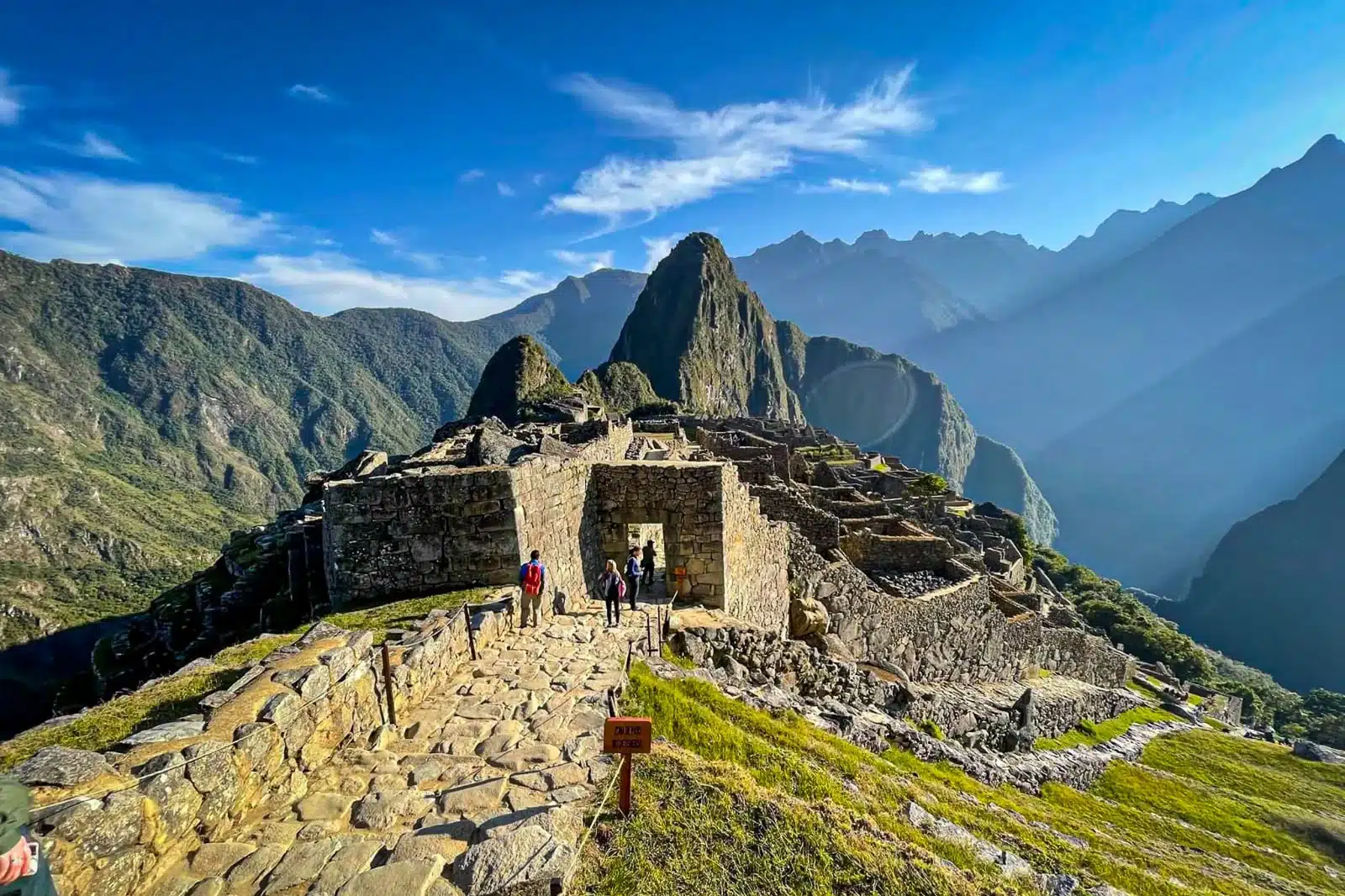
Machu Picchu sits above the cloud forest at 2,400 meters, reachable only by rail or on foot, a citadel that stood undiscovered by the outside world for four centuries.
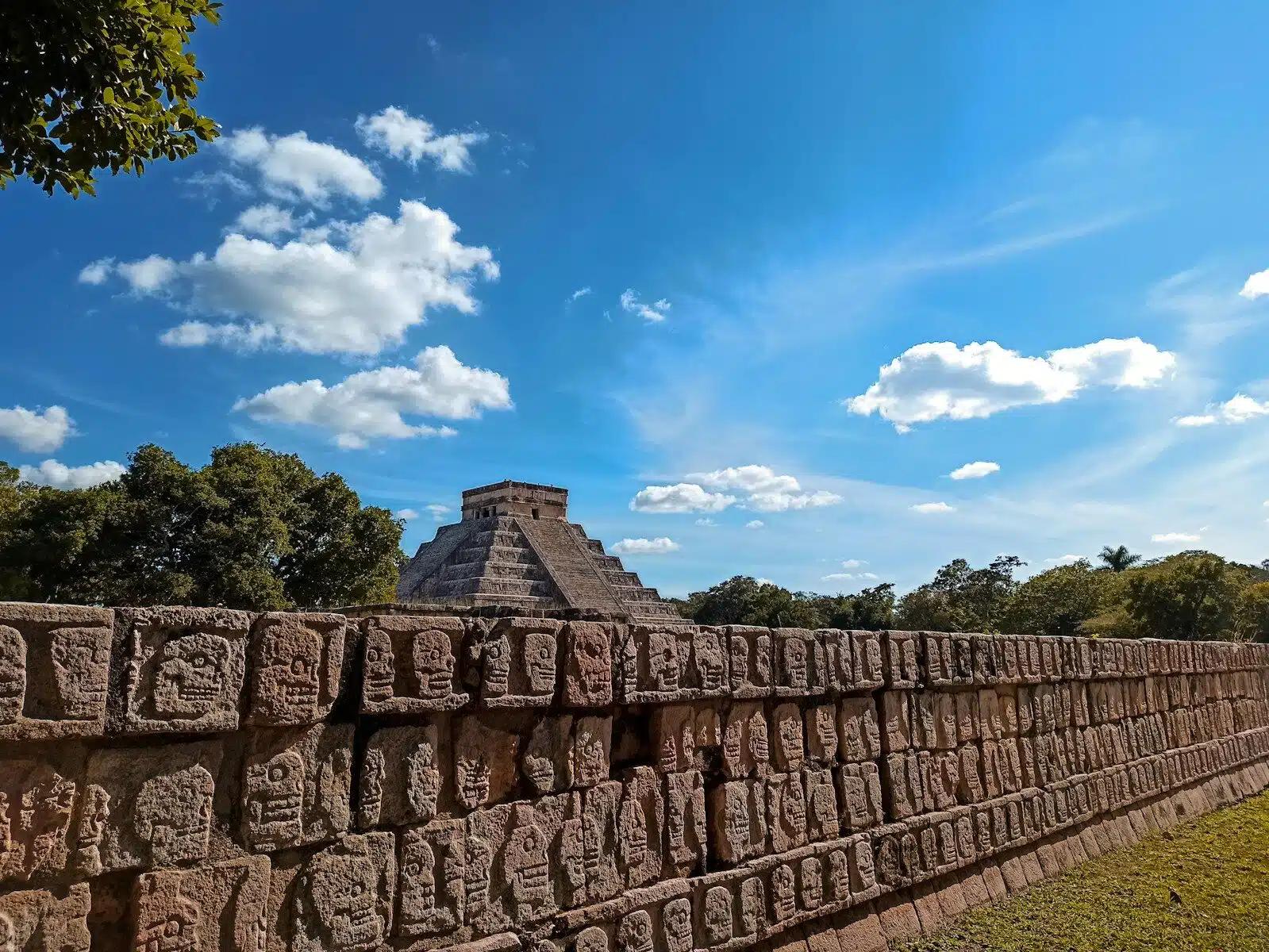
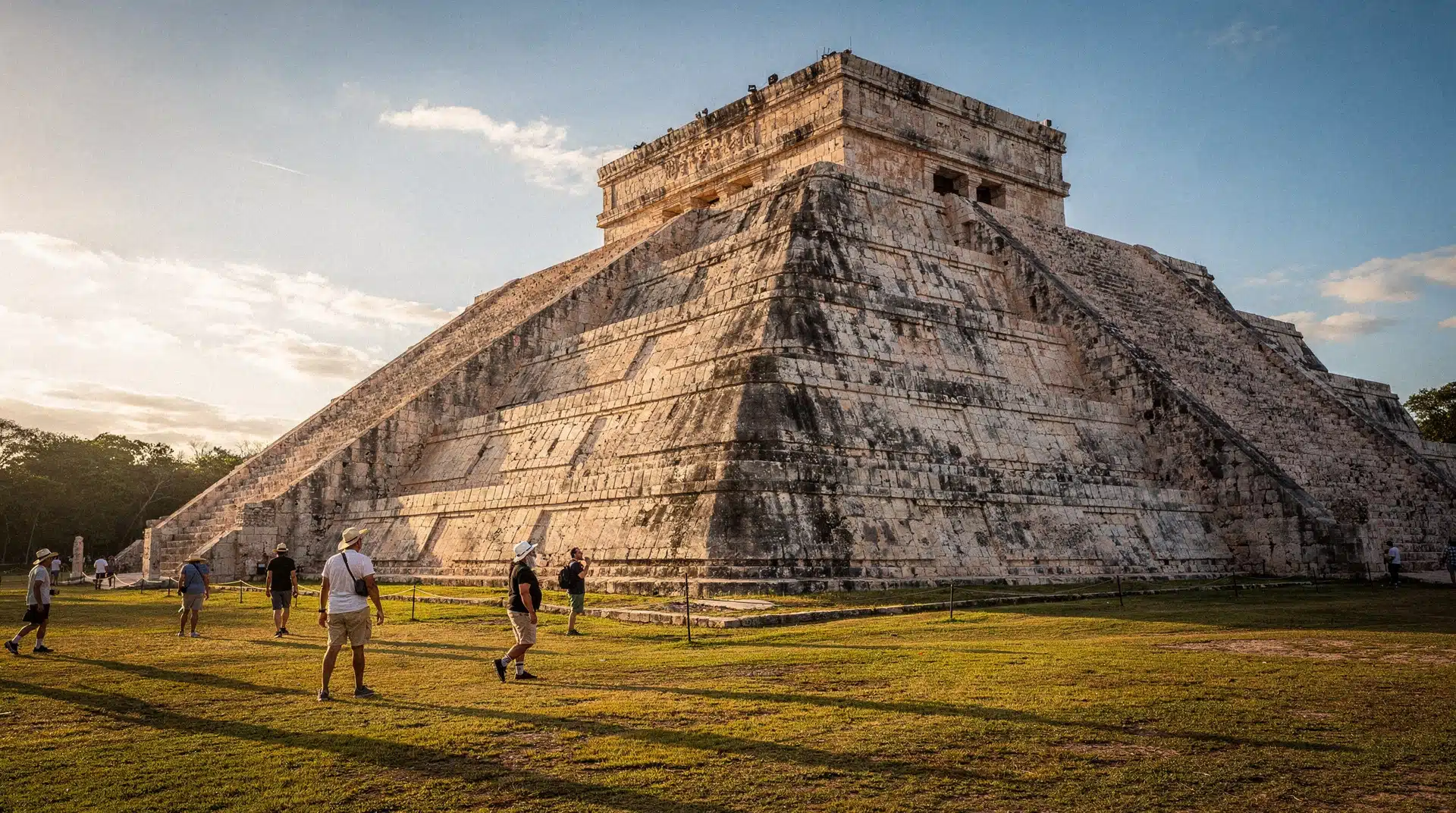
Chichen Itza sits on the flat scrubland of the Yucatan, more accessible and considerably larger in daily visitor numbers, its stepped pyramid one of the most photographed structures in the Americas.
Machu Picchu asks more of the traveler willing to work for the view; Chichen Itza gives the icon without the altitude.
Altitude and logistics
Peru’s itinerary moves through real elevation, Cusco at 3,400 meters, the Sacred Valley lower but still Andean, and altitude is a genuine planning consideration.
Mexico’s ancient sites sit at or near sea level, removing that variable entirely, which makes Mexico the more straightforward trip for travelers who want the history without the acclimatization.
Beyond the headline site
Peru extends naturally into the Amazon, a short flight from Cusco, and into the Sacred Valley’s living weaving traditions.
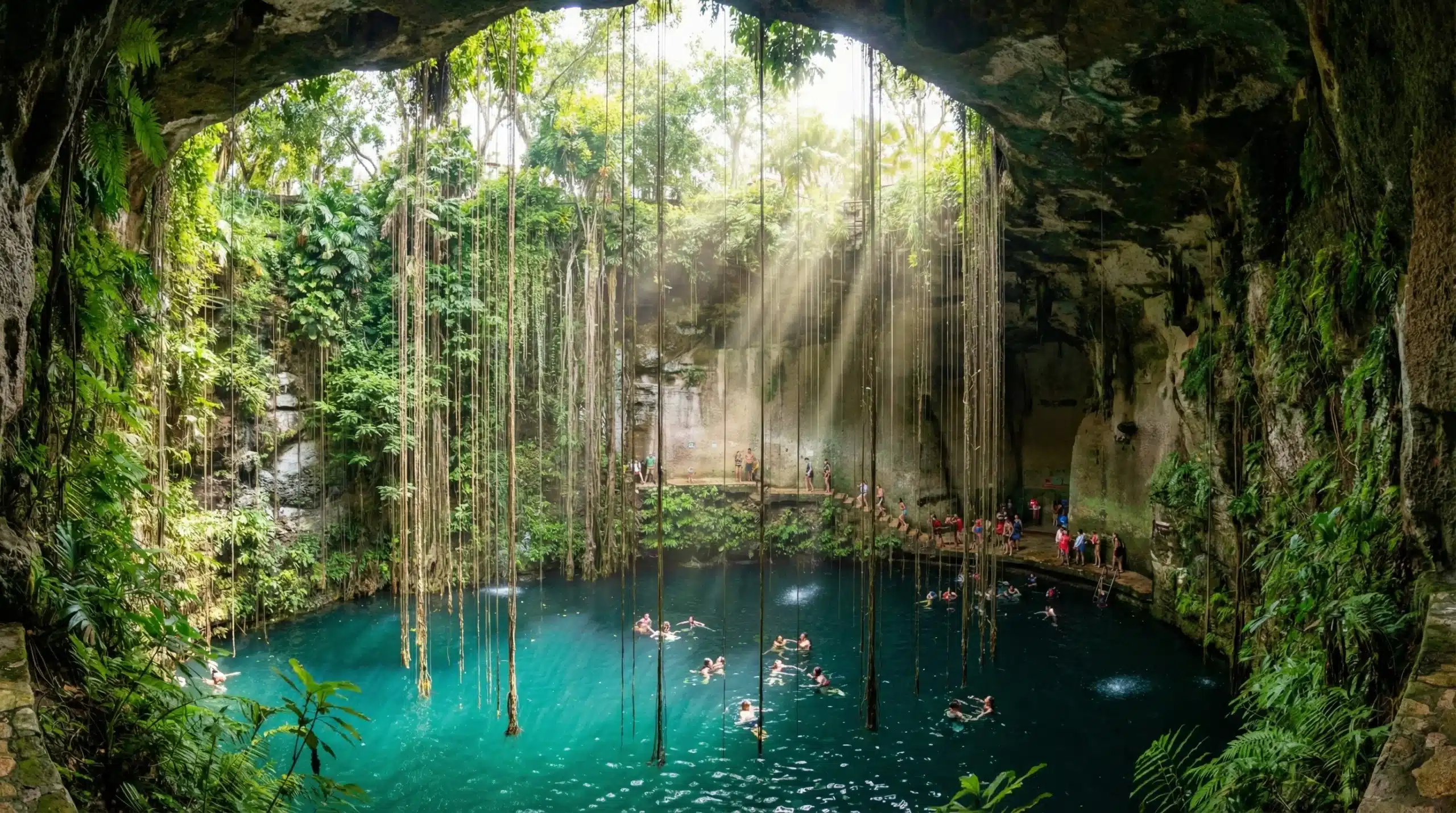
Mexico extends into the Caribbean coast and the cenotes that pool across the Yucatan near Chichen Itza itself, colonial cities like Oaxaca and San Miguel de Allende, and a food scene with its own claim to some of the best cooking in the Americas.
Both countries hold plenty past the ruins themselves; the direction that extension takes is simply different.
Which to visit first
Neither answer is wrong, and many travelers eventually do both.
For a first ancient-world trip built around one unmissable site and a slower, higher-altitude pace, Peru tends to come out ahead.
For a trip that adds beach time and colonial cities around the same historical weight, Mexico usually does.
See our Classic Peru itinerary here.