
Fiji doesn’t run on four seasons the way many trip-planning guides assume. It runs on two, and knowing the difference matters more here than in most destinations; the season you choose shapes everything from dive visibility to which parts of the country are easiest to reach. Here’s how to make sure you will make the most of your time in paradise.
The Dry Season
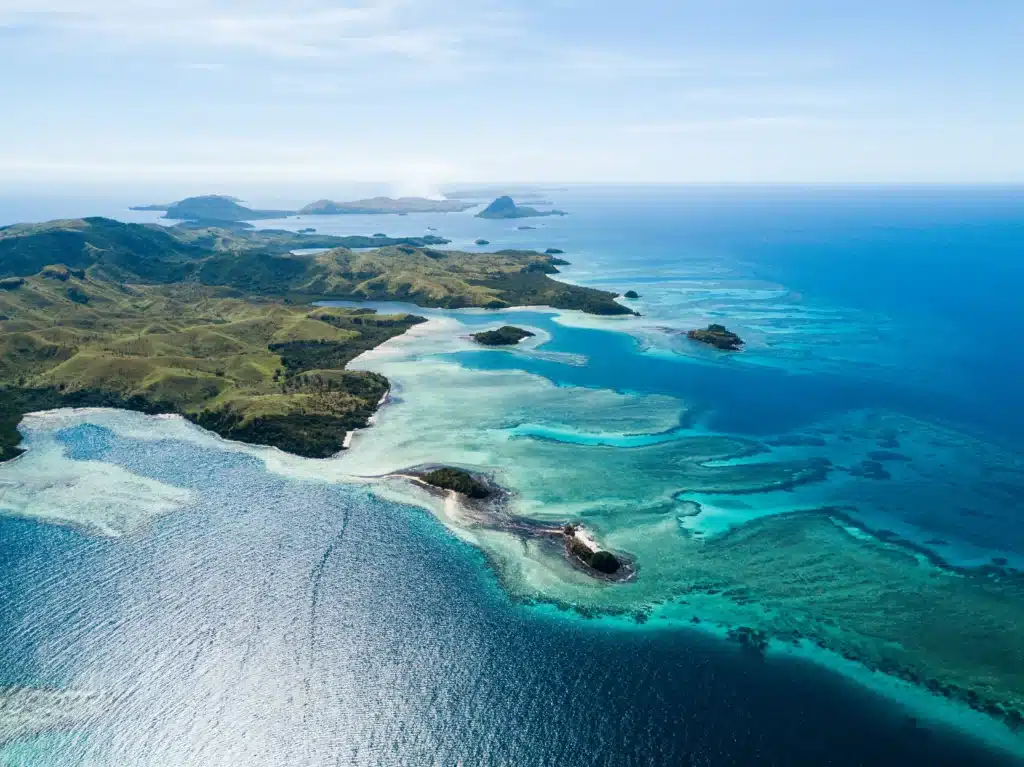
The dry season runs from May to October, and this is when Fiji sees the bulk of its visitors. Days sit comfortably around 60 to 80 degrees Fahrenheit, humidity drops noticeably from the wet months, and rainfall is rare enough that outdoor plans, a hike into Bouma’s waterfalls, and a sail through the Yasawas rarely need a backup plan. This is also the window with the clearest water, which matters considerably if diving is any part of the trip: visibility at sites like Rainbow Reef is generally at its best from June through September, before the wet season’s runoff starts clouding nearshore waters again.
The trade-off is straightforward. This is peak season: resorts fill up further in advance, prices climb, and the more popular properties in the Mamanucas can book out months ahead for the July and August school-holiday periods in particular.

About Do Not Disturb
Do Not Disturb is a luxury travel company specializing in carefully designed journeys and considered experiences. Each itinerary we build for our clients is informed by real destination knowledge, offering insight into places, cultures, and moments that shape how a trip comes together.
If this destination has sparked ideas, the itinerary can be developed into a private journey tailored to your interests and travel style, with hand-picked stays, thoughtful routing, and experiences curated around what matters most to you.
The Wet Season
November through April brings warmer, considerably more humid conditions, with the bulk of the country’s annual rainfall arriving in short, heavy bursts rather than settling in for the day. A wet-season afternoon might see an hour of heavy rain followed by clear skies again by evening, which surprises travelers who expect a monsoon-style washout.
Cyclone risk is real during this period and concentrated between January and March specifically. It’s worth building some flexibility into a trip during this window, particularly around outer-island transfers, since boats and seaplanes to Taveuni or the Yasawas are more easily delayed by weather than mainland connections. Most resorts monitor forecasts closely and will adjust itineraries around approaching systems, but a trip planned for this period benefits from a day or two of built-in slack rather than a schedule with no room to move.
In exchange for that flexibility, the wet season offers real advantages: resorts are quieter, rates drop meaningfully, and Fiji’s rainforest interior, Taveuni in particular, is at its most lush, waterfalls running fuller than they do later in the dry months.

The Shoulder Months
May and October tend to offer the best of both seasons: the dry season’s reliability without its peak crowds or peak prices. Late April and early November can also work well for travelers comfortable with slightly more variable weather in exchange for meaningfully better availability.

Matching the Season to the Trip
The right call depends on what the trip is actually built around. Divers chasing the clearest water lean toward June through September. Couples planning around a specific wedding date, or families working around school terms, often have less flexibility and should plan resort bookings well ahead regardless of season. Travelers more interested in privacy than predictability, comfortable adjusting a day around a passing storm, frequently find the wet season’s quieter resorts and lower rates worth the trade-off entirely.
Whichever window is under consideration, it’s worth discussing with someone who knows the calendar in detail rather than working from a generic weather chart, particularly if the trip involves more than one region of the country, since transfer reliability varies by season as much as the weather itself does.
Plan Your Own Fijian Escape
Plan your own version of this journey
Speak to Do Not Disturb’s luxury travel experts and turn this moment into something personal.
Related destinations
Suggested articles

Fiji’s Villages: What a Real Cultural Visit Looks Like

Diving Rainbow Reef: Taveuni in Luxury

Best Winter Sun Honeymoon Destinations in Europe
Portugal vs Spain for Your Honeymoon – Which Should You Choose?
One Island or Two? Splitting Your Maldives Honeymoon Between Resorts

Best Honeymoon Destinations for Autumn

Italy vs Greece for Your Honeymoon – Which is Better?
48 Hours in Lima: Where to Eat, Stay and Explore

A Cultural Honeymoon in Peru: Machu Picchu, Cusco, the Sacred Valley and the Amazon

Peru or Mexico: Which Ancient Civilization Should You Visit First?
The Best Time to Visit Machu Picchu for Fewer Crowds
Why So Many Travelers Fall for Kanazawa
Kyoto or Kanazawa – Which Is Better for Traditional Japan?