
On this page
Sardinia and Sicily occupy opposite ends of the Italian island experience, one defined by seclusion and clear water, the other by layered civilization and a food culture that may be the most compelling in the Mediterranean.
The Case for Each Island
Sardinia is structured around landscape and withdrawal. Its coastline, particularly along the northeast and the southwest, contains some of the most protected and least developed shoreline in the Mediterranean. The interior is sparsely populated, culturally distinct, and largely untouched by mass tourism. The island rewards those who want space, privacy, and natural environment as the primary experience.
Sicily operates on a different logic. It is one of the most historically layered places in Europe, shaped by Greek, Arab, Norman, and Spanish occupation, each of which left architecture, language, and culinary influence that remains legible today. Agrigento, Palermo, Syracuse, and the Aeolian Islands represent different registers of the same dense destination. Sicily returns more the more you bring to it.
The choice between them is a question of intent. Sardinia suits a trip built around environment and seclusion. Sicily suits one built around culture, history, and depth of place.
Beaches and Coastline
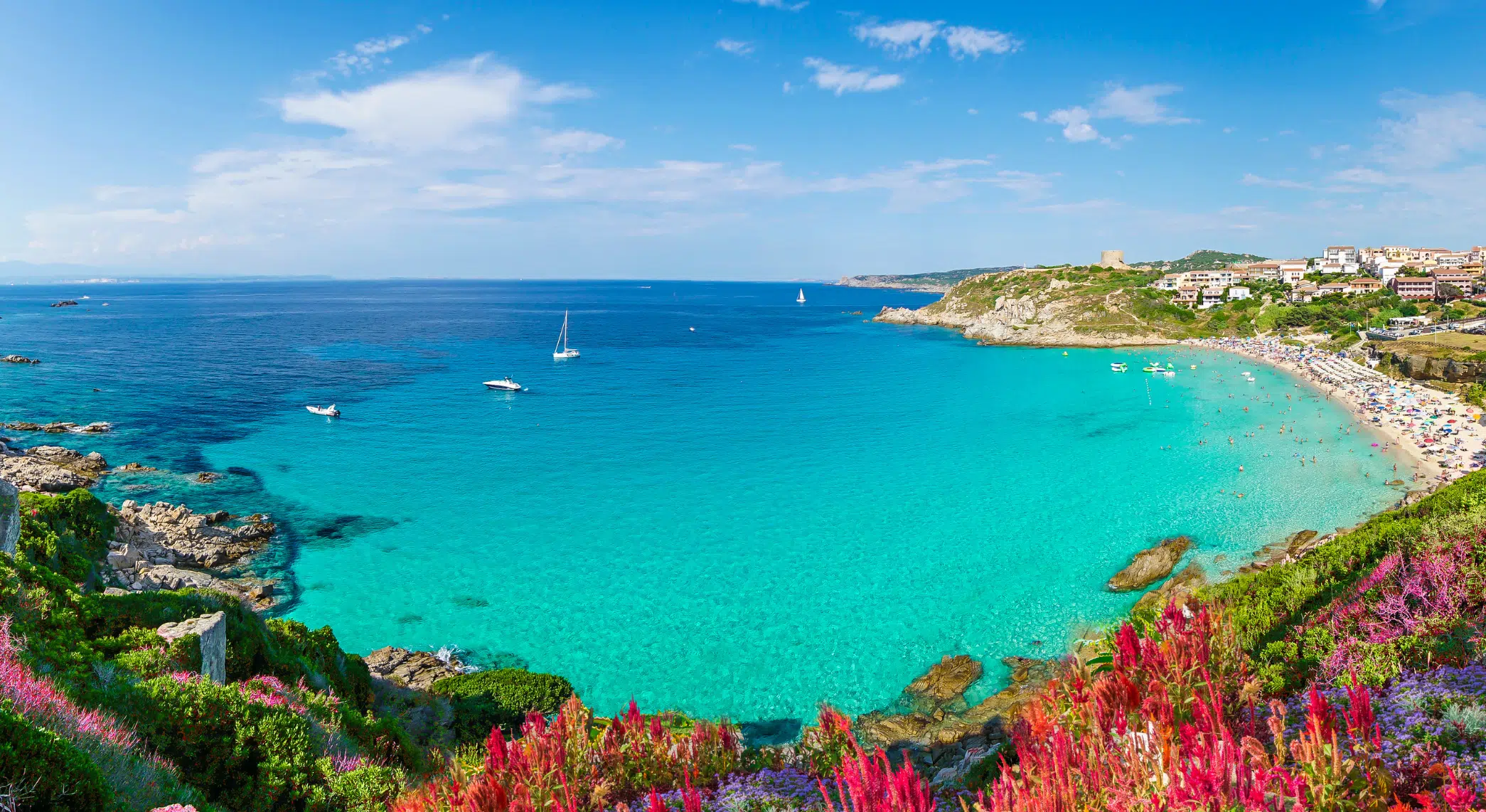
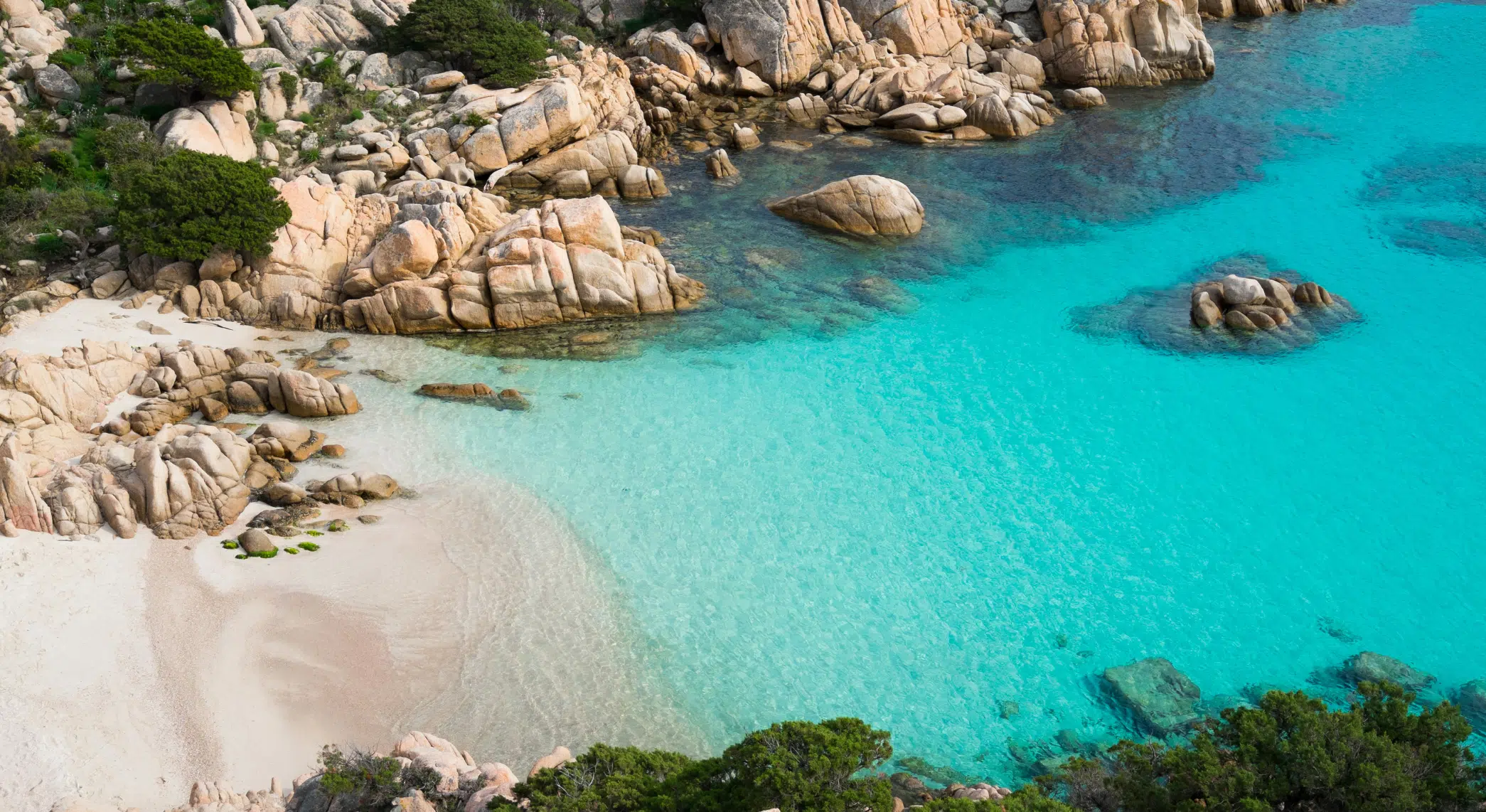
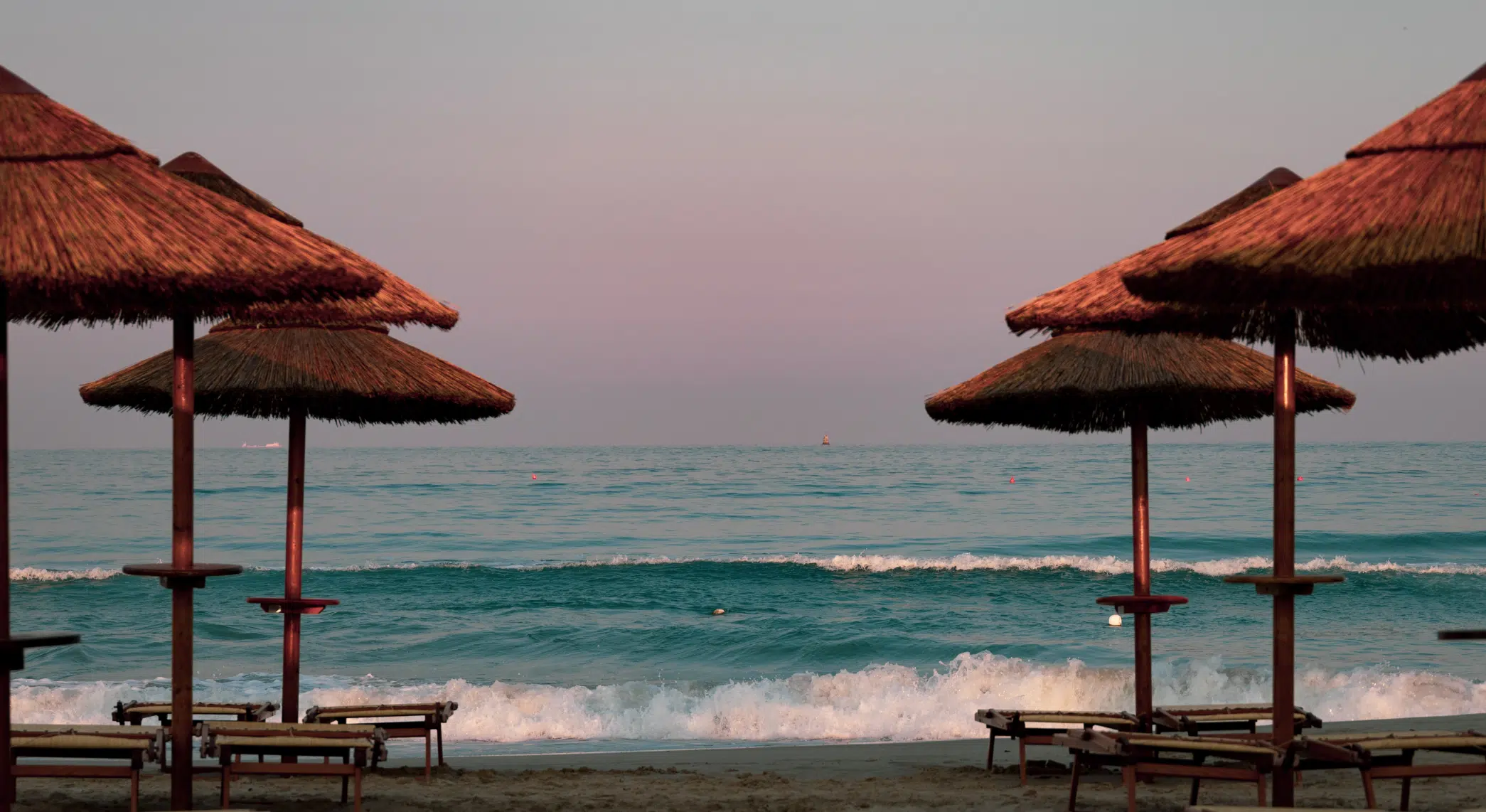
Sardinia’s coastline is its primary asset for the luxury traveler. The northern reaches, particularly around the Maddalena Archipelago and the less-trafficked stretches beyond Porto Cervo, offer protected coves with shallow, clear water and limited land access. Many of the most significant beaches are only reachable by boat, which functions as a natural filter on visitor numbers. The quality of the coastal experience here is directly tied to how it is accessed and arranged.
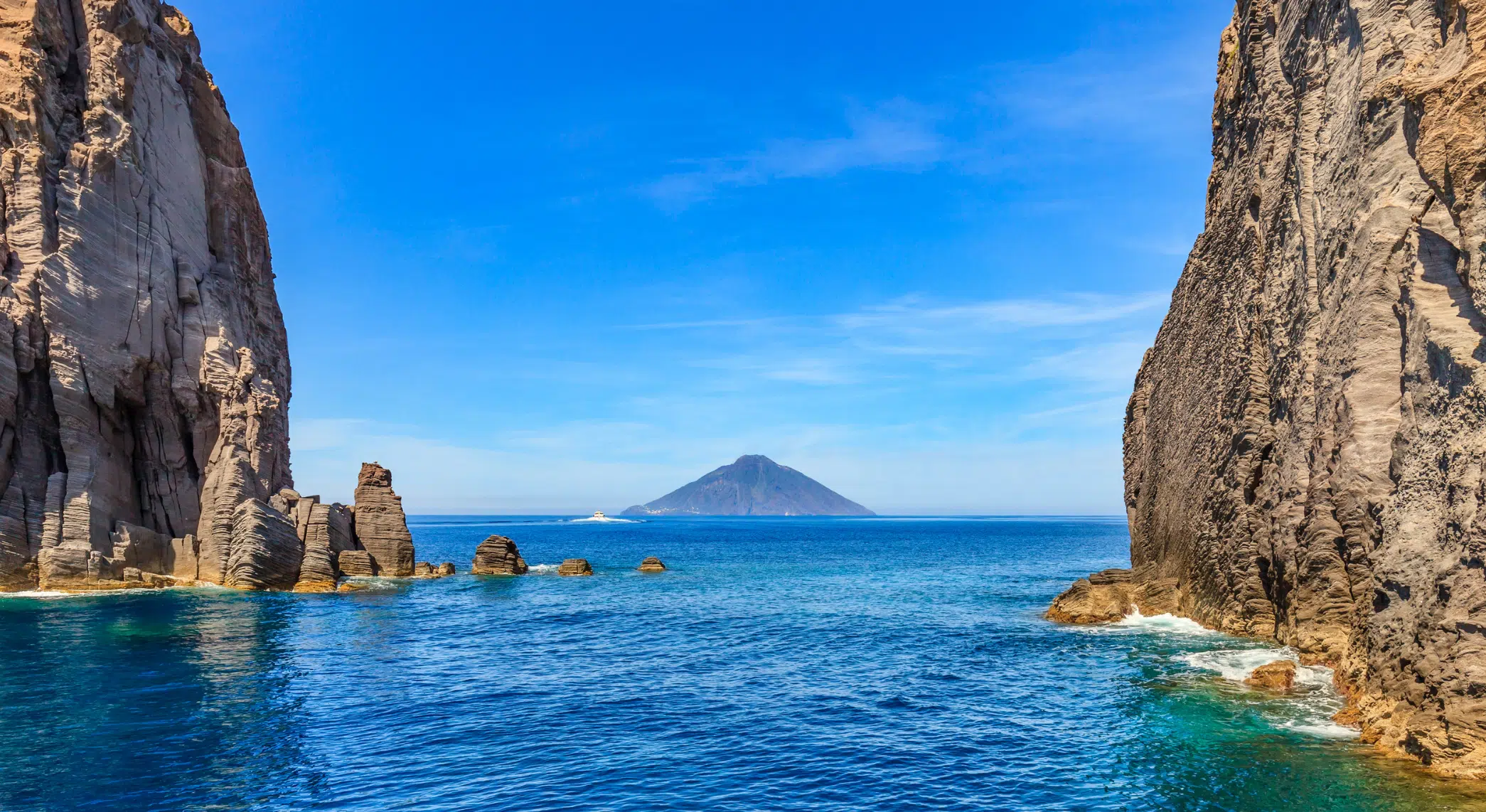
Sicily’s coastline is more varied and, in places, more accessible. The southwest, around Scala dei Turchi and the coast near Agrigento, offers limestone formations and quieter conditions outside peak months. The Aeolian Islands, reached by ferry or private transfer from Milazzo, include volcanic black sand beaches on Vulcano and Stromboli that have no equivalent elsewhere in Italian waters.
For exclusivity and seclusion, Sardinia holds the stronger position. Sicily’s coastal appeal lies in its geographic range and the distinctiveness of its volcanic formations.
Hotels and Where to Stay
Sardinia’s accommodation is concentrated and deliberate. The Costa Smeralda remains the primary reference point, home to a cluster of properties built around privacy, controlled design, and direct beach access. Alternatives exist further south, particularly around Chia and the Sulcis coast, where smaller, independently operated hotels offer comparable seclusion at a lower profile and, typically, a lower price point.
Sicily’s range is considerably broader. Palermo and its surroundings hold a number of historic palazzos converted into hotels, where the architecture and urban position are central to the proposition. The interior offers rural properties, often former agricultural estates, suited to itineraries built around food, wine, and landscape rather than coastline. The eastern coast, concentrated around Taormina and the Ionian shoreline, provides cliff-positioned retreats with proximity to Etna and the Aeolian Islands.
The two islands reward different approaches to accommodation. Sardinia suits those building a trip around a single, well-chosen base. Sicily justifies moving between properties as the itinerary develops.
Food, Culture, and History
Sicily carries one of the most layered cultural records in the Mediterranean. Arab, Norman, and Greek occupation each left structural traces in the architecture of Palermo, the mosaics of Monreale, and a culinary tradition built on saffron, almonds, citrus, and preserved fish. The island holds more UNESCO World Heritage Sites than any other region in Italy, concentrated largely in the southeast’s Baroque hill towns and the Valley of the Temples at Agrigento.
Sardinia’s cultural identity is older and more self-contained. The nuraghi, Bronze Age stone towers found across the interior, number in the thousands and remain only partially understood. The table here is pastoral in origin, roast meats, aged pecorino, pane carasau, and bottarga. Cannonau, the island’s dominant red grape, produces wines with a distinct character shaped by the terrain.
The distinction is one of orientation. Sicily rewards those drawn to cultural density and gastronomic complexity. Sardinia suits travelers whose interests run toward antiquity, landscape, and a more insular culinary tradition.
Landscapes, Nightlife, and Pace
Sardinia’s interior is less visited than its coast but significant to understanding the island. The Gennargentu massif reaches above 1,800 meters, and villages such as Orgosolo retain a cultural insularity that has little to do with tourism. Evenings tend to be self-contained, organized around local restaurants and slow dinners rather than late-night venues.
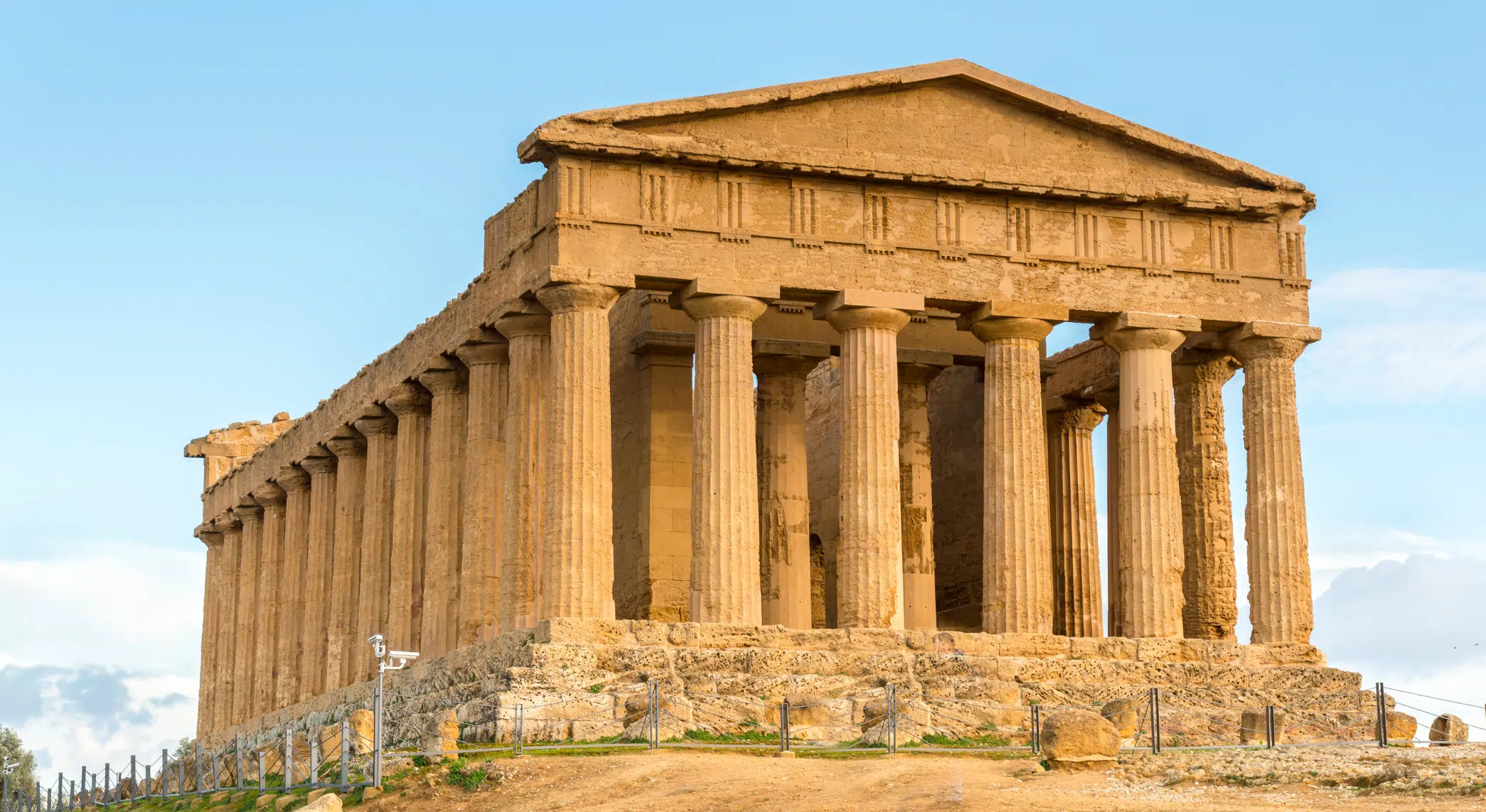
Sicily operates at a different register. Etna is an active stratovolcano and the largest in Europe, shaping the landscape of the entire eastern coast and supporting a distinct agricultural zone used for wine production and citrus cultivation. The Valley of the Temples at Agrigento contains some of the best-preserved ancient Greek structures outside Greece itself.
Palermo and Catania both sustain genuine nightlife cultures, with bars and music venues that remain active well past midnight and draw local rather than tourist-led crowds. This reflects how Sicilians organize their evenings as a matter of routine rather than a manufactured scene.
Which Island Is Right for You
Sardinia suits travelers who are building a trip around natural environment, physical space, and a degree of privacy that is difficult to find elsewhere in the Mediterranean. The coastline along the Costa Smeralda and the interior landscapes of Barbagia represent two distinct versions of that offer, and both require considered planning to access well.
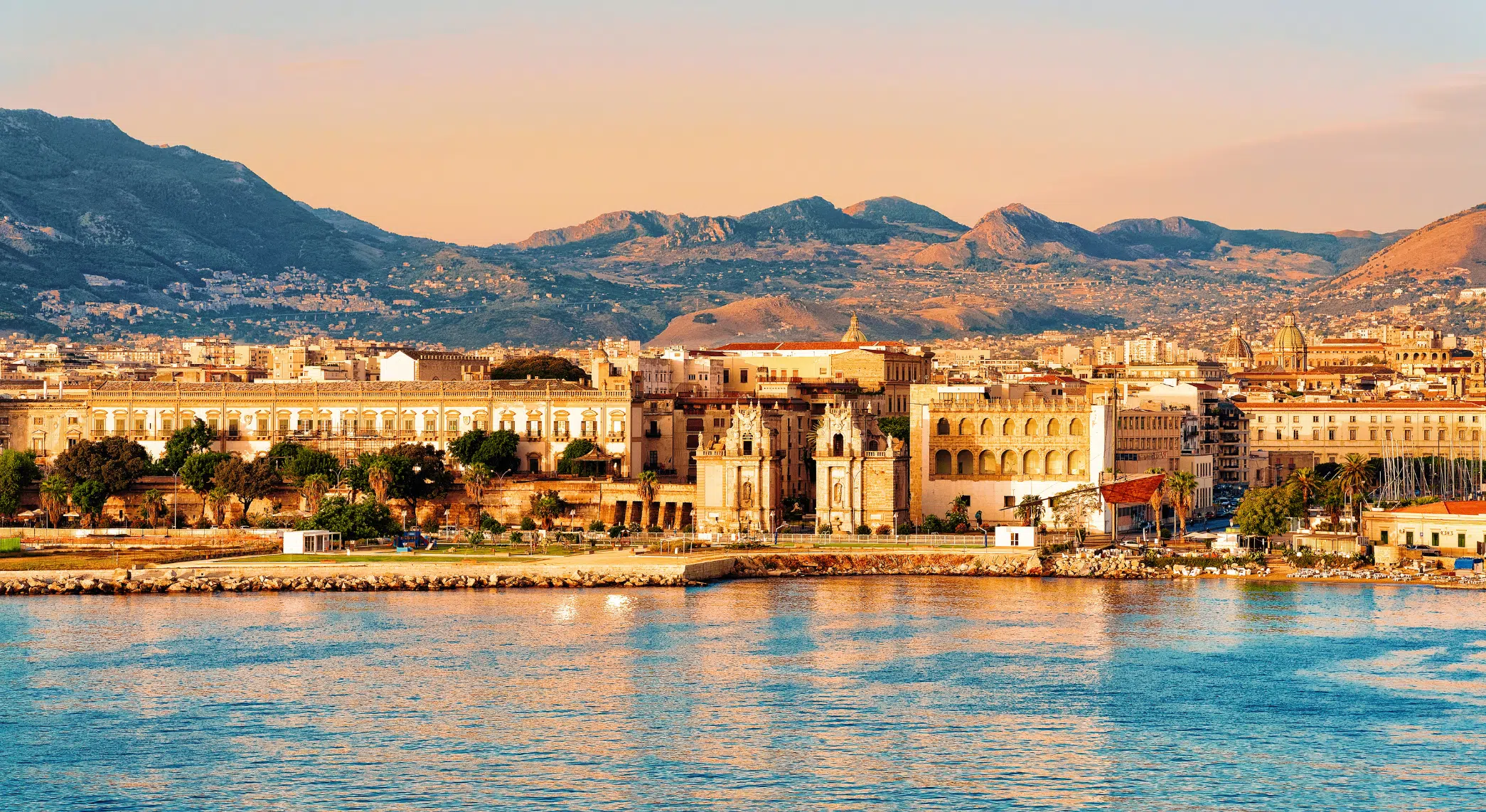
Sicily is the stronger choice for travelers who want historical and cultural depth alongside serious food. The concentration of Greek, Arab, Norman, and Baroque heritage across Palermo, Syracuse, and the Val di Noto is unmatched in the region, and the culinary tradition is rooted in that same layered history rather than in luxury positioning.
Both islands reward a return visit. Travelers who go to Sardinia for the coast often find the interior compelling on a second trip. Those who go to Sicily for culture frequently return for the Aeolian Islands or the western coastline, which operate at a different pace entirely.
Ready to plan your Italian island journey and determine whether Sardinia or Sicily belongs on your itinerary? Speak with Do Not Disturb to begin your journey.