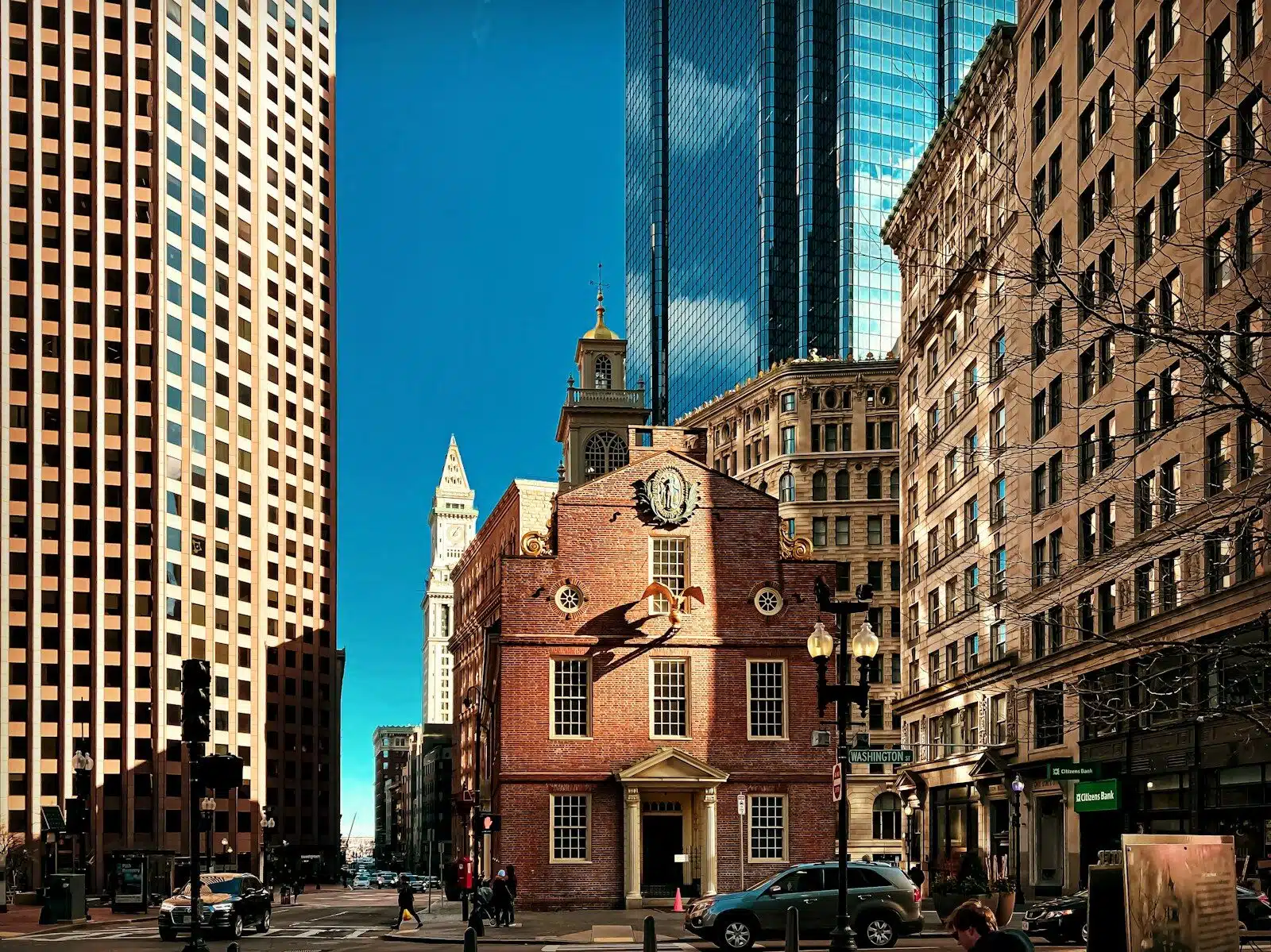
You start in Boston, a city that still feels tied to its origins. Streets in Beacon Hill remain narrow because they were never redesigned, and the harbor is still central to how the city moves. Walk early, before the pavements fill, past red brick townhouses and along the Charles where rowers cut through the water. The Freedom Trail runs straight through the city, not as a concept but as a physical route linking the sites where the Revolution took shape. A guide can add context, but much of Boston works best when you simply move through it at your own pace.
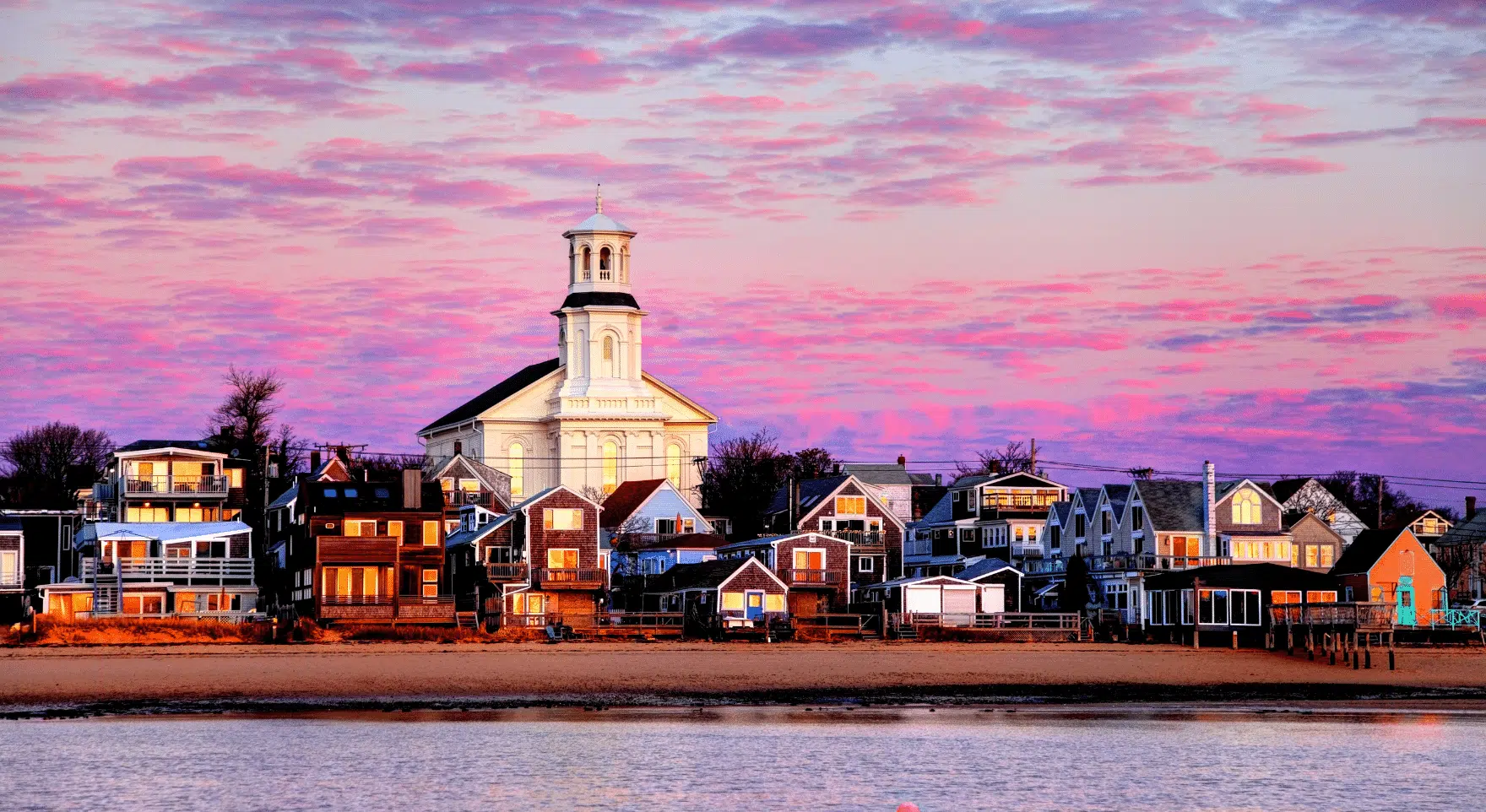
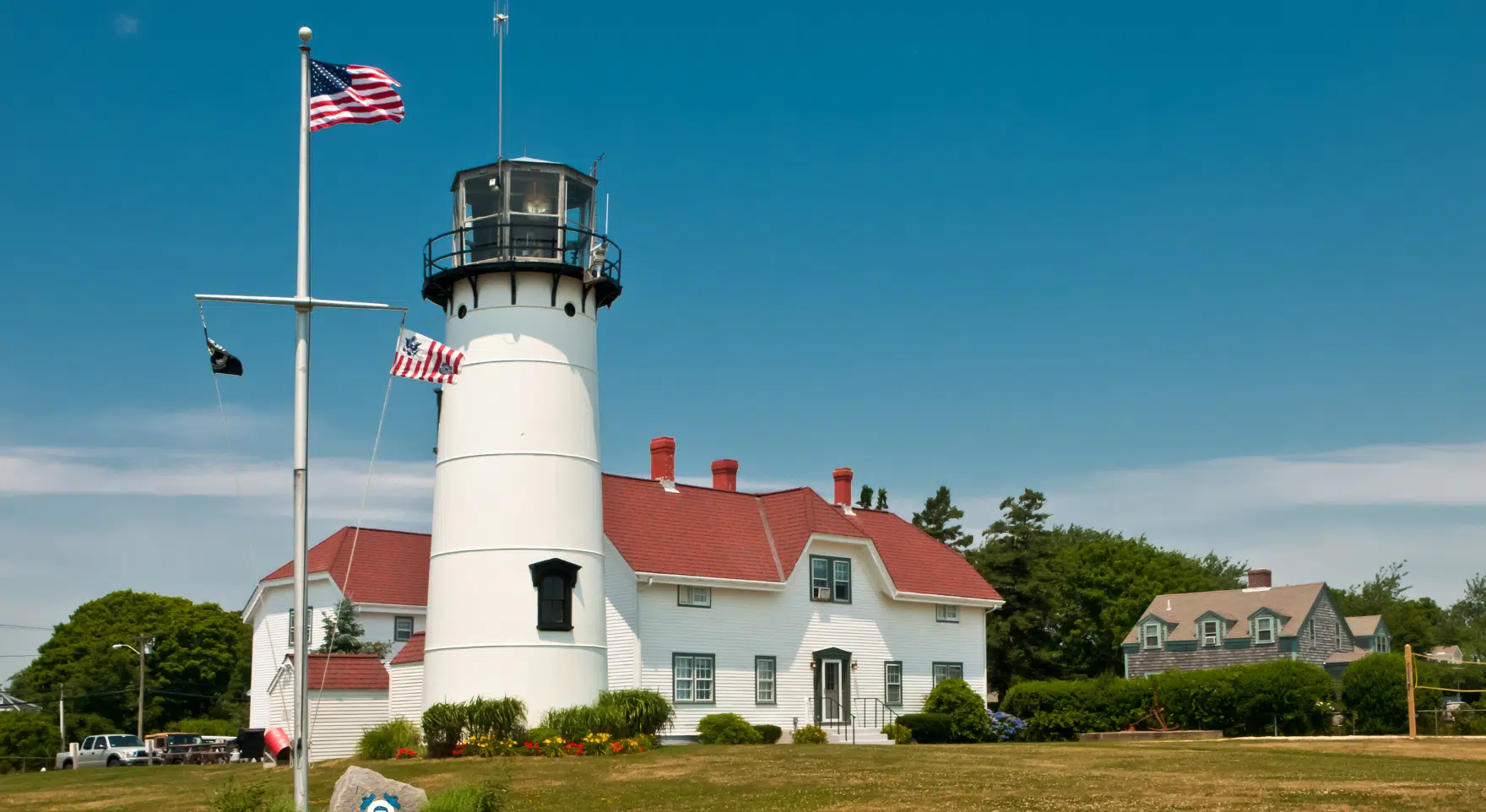
From here, you drive out to Cape Cod, where the landscape opens and everything slows. Chatham is still a working town, fishing boats unload their catch, and the wind off the Atlantic carries straight through the harbor. There is not much to organise. You walk the beach, watch the light change.
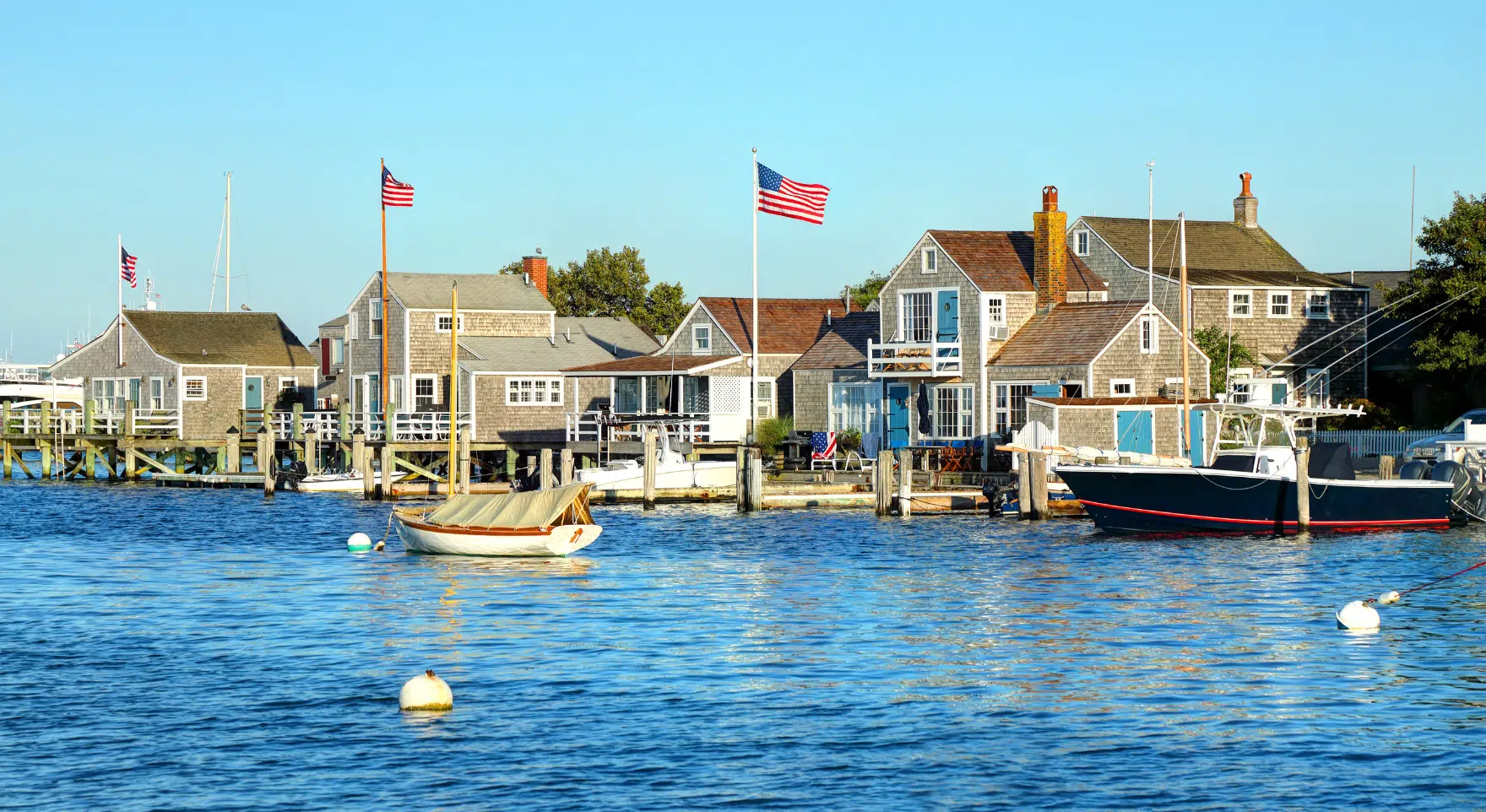
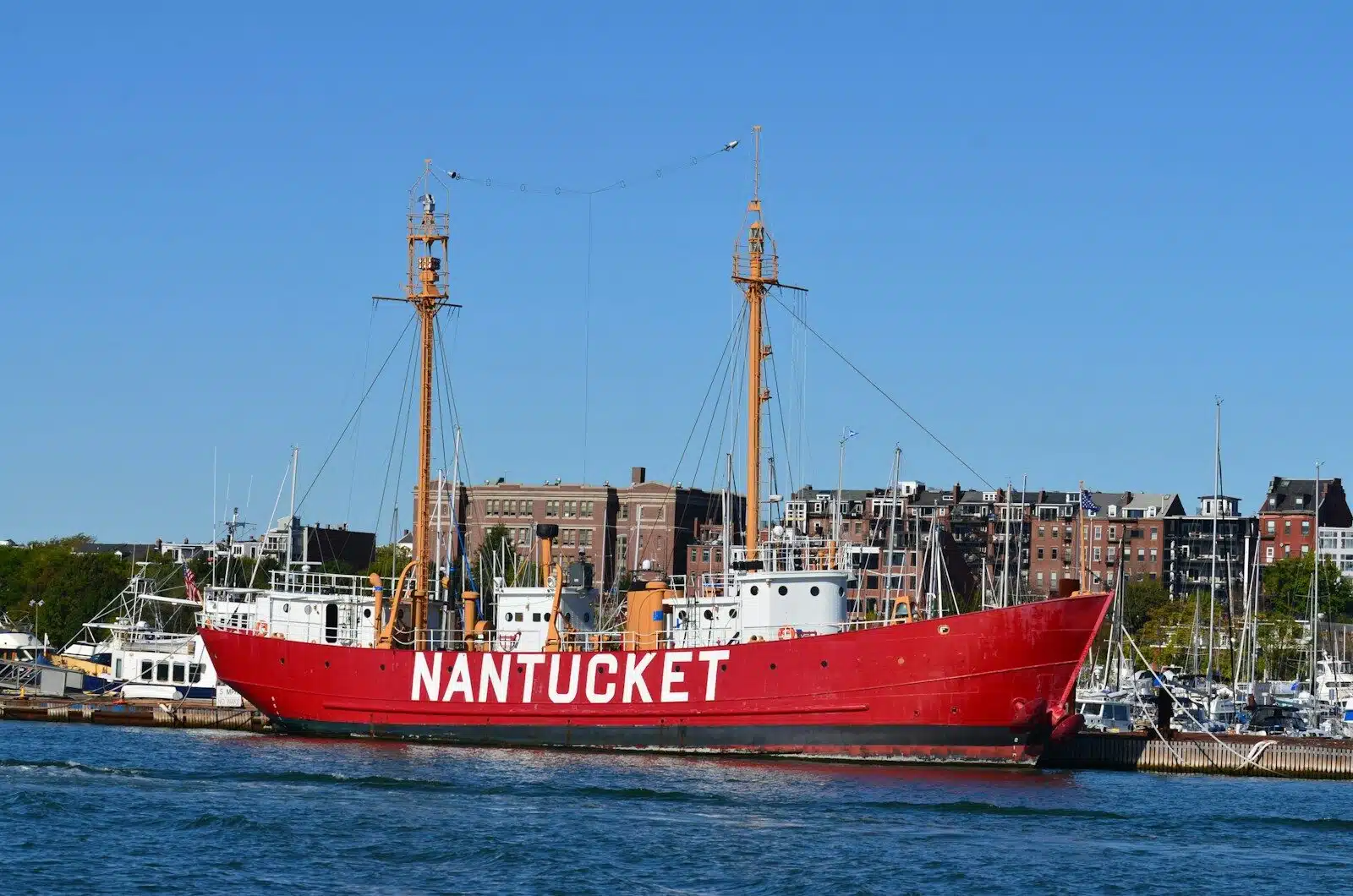
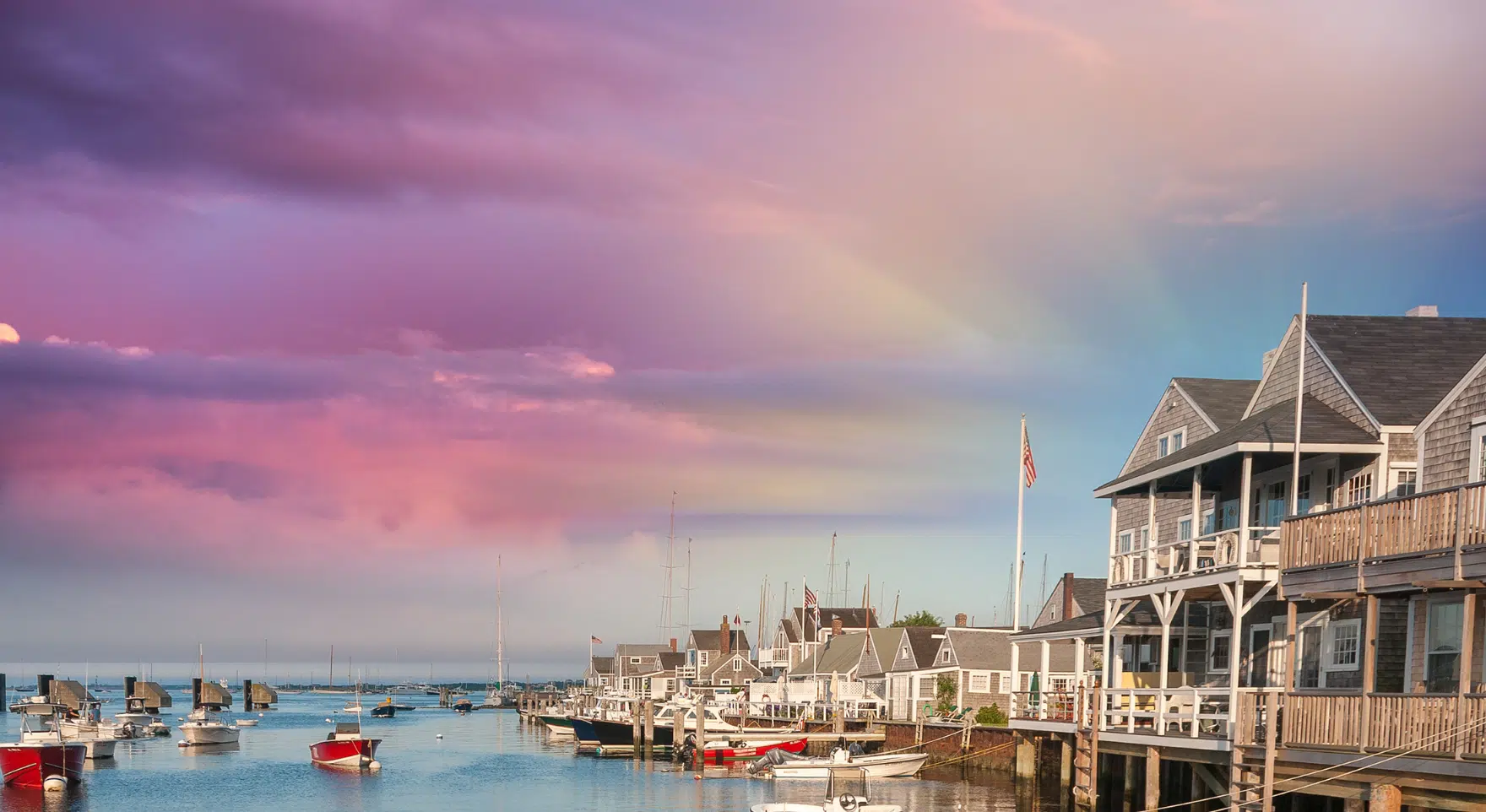
Nantucket is further removed. The ferry crossing creates distance, and once you arrive, the scale shifts again. The streets are smaller, the pace slower, and the island feels contained in a way the mainland does not. Time is unstructured. You move between the harbor, the beach, and quiet streets without needing to plan.