
Morne du Vitet stands at 286 metres in the eastern part of Saint Barthélemy, the island’s highest point and the only place from which the full shape of St Barts is visible at once. A guided sunrise ascent takes around 90 minutes from the trailhead near the Vitet reservoir, reaching the summit as the light comes up over the Atlantic and the island below is still quiet.
The trail starts in Vitet, the oldest settlement on the island, winding upward through mahogany trees and tropical vegetation. The path is uneven in sections, but the ascent is gradual. At this hour the air is cool and the birds are already moving before the light has fully arrived.
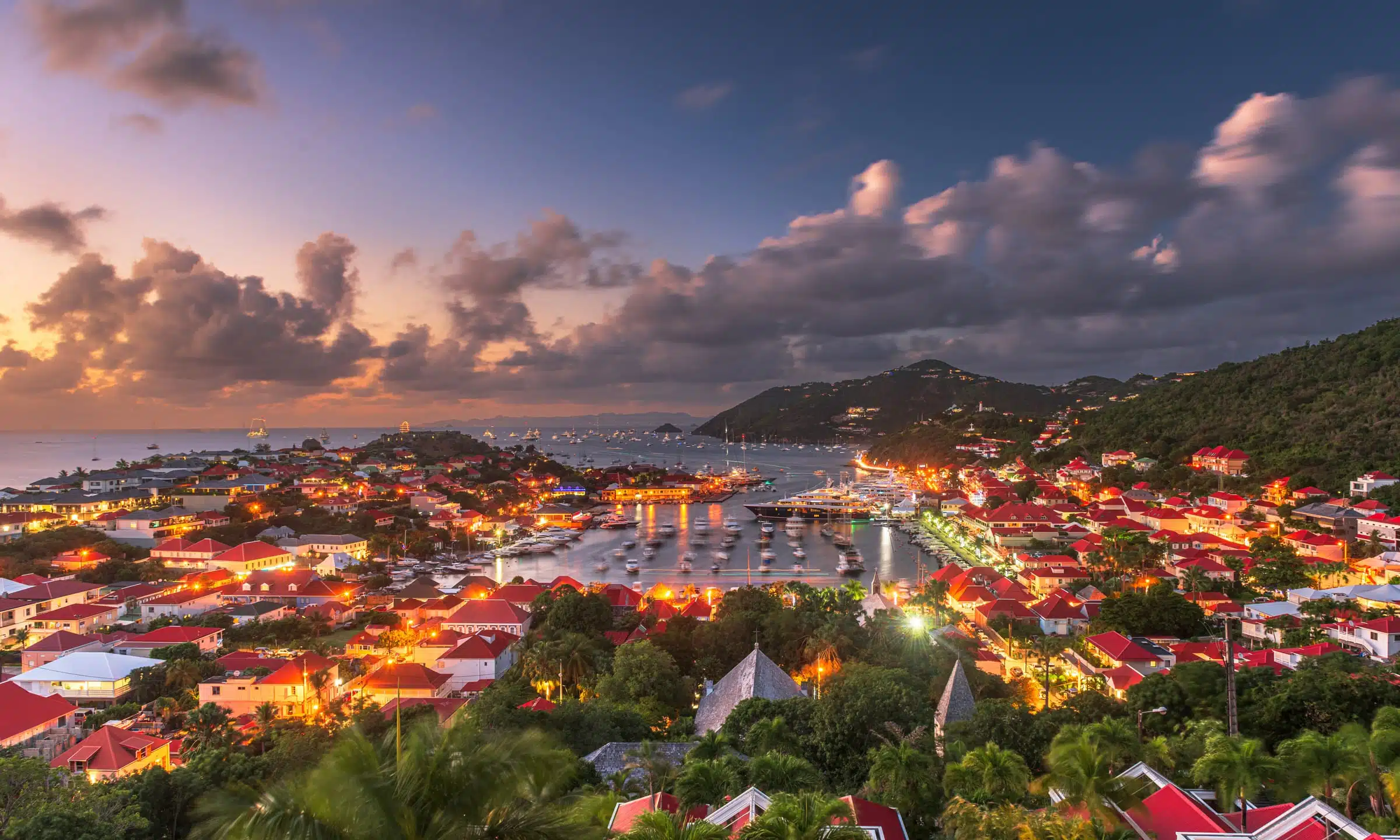
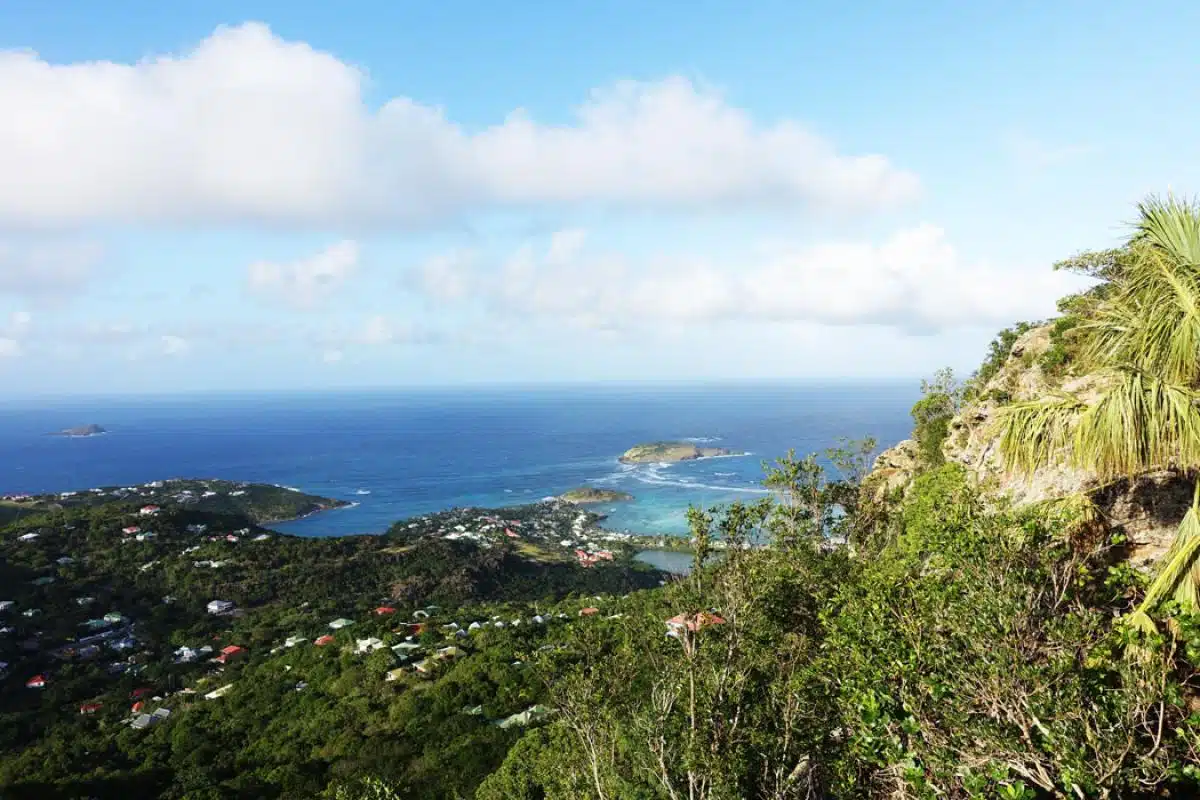
The summit opens up without much warning. From 286 metres, the full island is laid out in every direction: Gustavia and its harbor to the west, the Grand Cul de Sac lagoon to the northeast, the Atlantic coast to the east and the southern beaches below. On a clear morning, Saba is visible to the northwest.
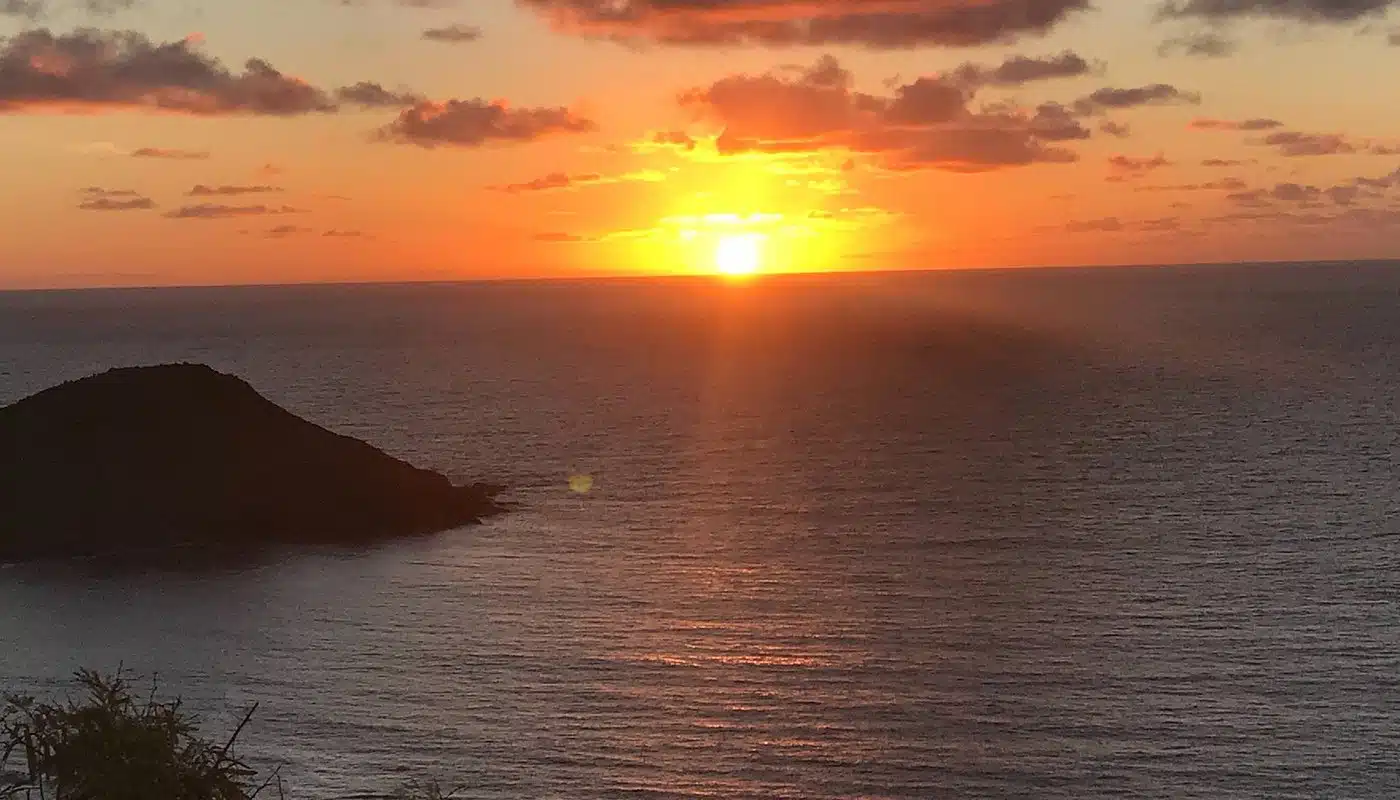
Sunrise comes up over the Atlantic side first, the light crossing the water before it reaches the Caribbean coast and the harbor below. There is no shade up here and nothing blocking the view in any direction. The island is quieter at this hour than it will be by mid-morning, and the place that feels substantial at sea level turns out to be a small volcanic island in the Caribbean.
About Do Not Disturb
Do Not Disturb is a luxury travel company specializing in carefully designed journeys and considered experiences. Each itinerary we build for our clients is informed by real destination knowledge, offering insight into places, cultures, and moments that shape how a trip comes together.
If this destination has sparked ideas, the itinerary can be developed into a private journey tailored to your interests and travel style, with hand-picked stays, thoughtful routing, and experiences curated around what matters most to you.
Cultural and Historical Context
Morne du Vitet is a volcanic formation, part of the same geological base that shapes the underwater terrain around the island’s dive sites and the rocky outcrops along its coastline. It sits in the eastern section of Saint Barthélemy, away from the main concentration of beaches and hotels on the western and southern coasts, in a part of the island that most visitors never reach.
The village of Vitet at the mountain’s base is the oldest settlement on Saint Barthélemy, predating the Swedish period that shaped Gustavia and carrying a different character from the rest of the island. The stone walls along the lower sections of the trail date from a time when the hillsides were cultivated, before the island’s economy shifted toward tourism entirely.
Sunrise arrives between around 6:00am and 6:30am depending on the season. A 4:30am departure from the hotel gets a guide and guests to the top with time to settle before the light comes.
Why Private or Small-Group Access Matters
The trail to Morne du Vitet has no markers in its upper sections, and navigating it in the dark without prior knowledge of the route is where most self-guided attempts run into difficulty. A guide who knows the path removes that problem entirely and sets the pace of the ascent to arrive at the summit at the right moment rather than before or after it.
A private guide also means the morning is built around whoever is making the climb. The departure time is set around the specific sunrise for that date, the pace on the trail adjusts to the group and the time spent at the summit is not governed by anyone else’s schedule. There is no group to keep up with and no fixed turnaround time.
The difference between a guided sunrise ascent and an unguided mid-morning hike is not simply the view. It is the hour, the temperature, the quiet on the trail and the experience of reaching the island’s highest point at the one time of day when St Barts below has not yet started.
What You See
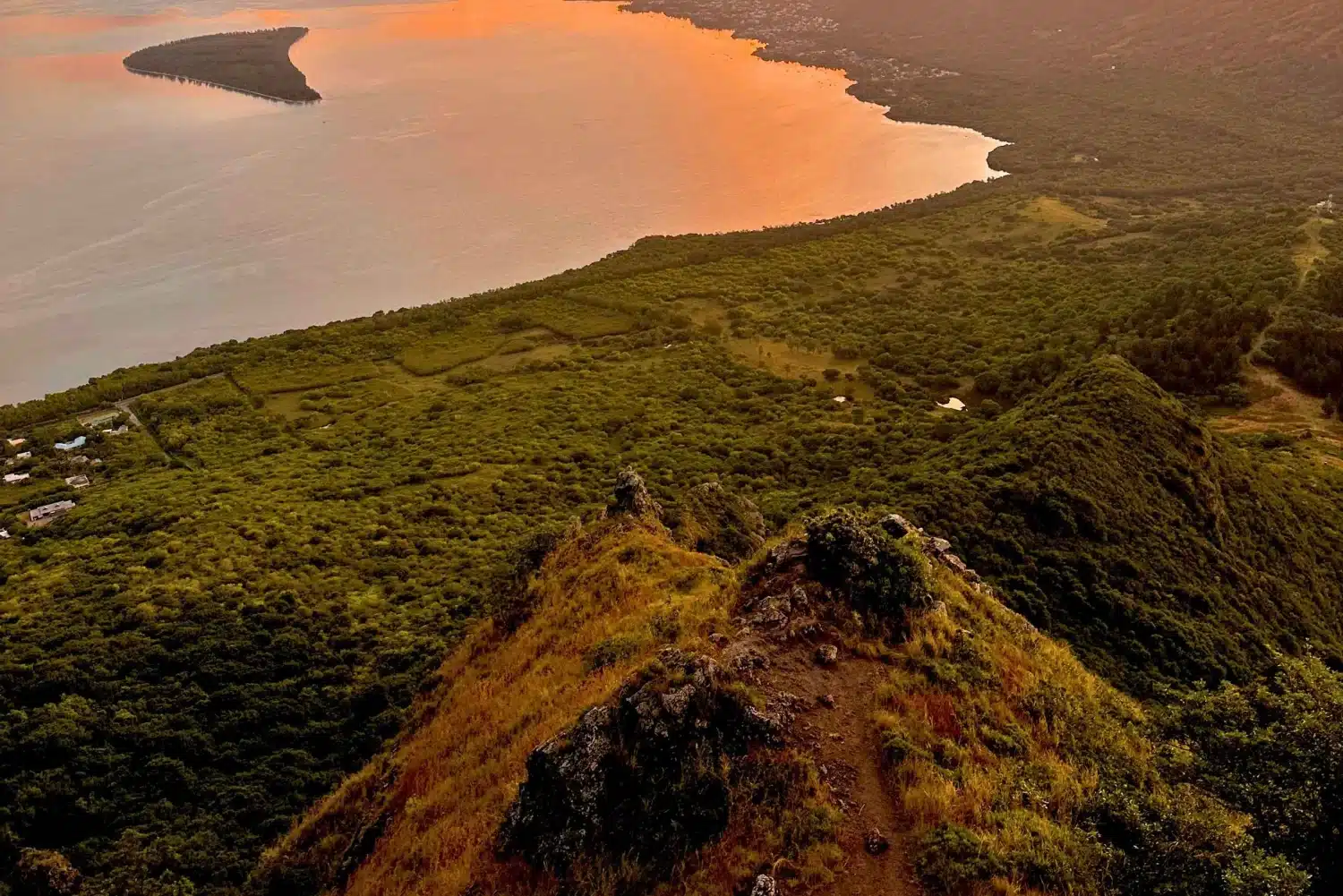
The path winds upward through tropical vegetation, passing mahogany trees, wild orchids and bougainvillea as it climbs. Frigatebirds are visible in the early light above the eastern coast, riding the thermals that build as the sun comes up. The path is well-maintained in its lower sections and becomes narrower and less defined higher up, where the vegetation closes in on either side.
The summit is open, with no trees to obstruct the view. The panorama takes in the northwestern bays of Colombier and Flamands, the harbor at Gustavia, the Grand Cul de Sac lagoon, the Atlantic coast and the southern beaches of Gouverneur and Saline. On a clear morning, Sint Maarten is visible to the north alongside Saba to the northwest.
The light at sunrise moves across the island from east to west, the Atlantic side catching it first before it reaches the Caribbean coast. The red rooftops of Gustavia appear in the light while the western bays are still in shade. The transition takes around twenty minutes and is the reason the timing of the ascent matters.
How Do Not Disturb Makes This Possible
Do Not Disturb works with guides in St Barts who know Morne du Vitet across all conditions and seasons.
Transfer from your hotel to the trailhead, timing around the sunrise and any arrangements for the morning after the hike are all handled in advance. The ascent is the experience.
Ready to plan your sunrise hike to Morne du Vitet in St Barts? Speak with Do Not Disturb to begin your journey.
Plan your own version of this journey
Speak to Do Not Disturb’s luxury travel experts and turn this moment into something personal.
Related destinations
Suggested articles
Plan Your Honeymoon in St Barths
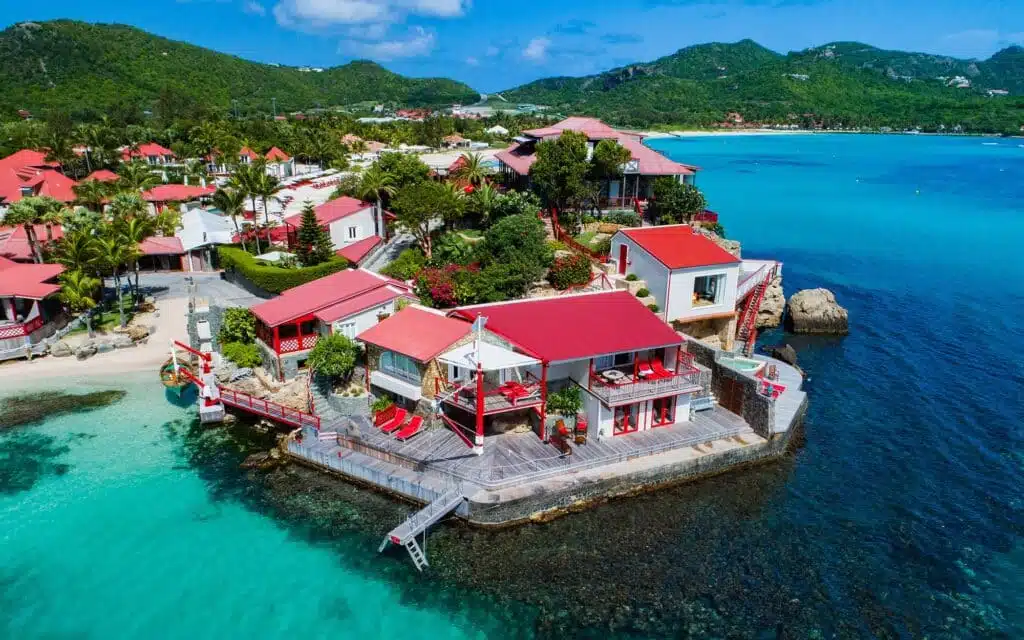
A Week in St Barths: The Perfect Luxury Experience

How St Barths Became the Benchmark for Caribbean Luxury

The Best Honeymoon Destinations for LGBTQ+ Couples

The Most Romantic Train Journeys for a Slow Honeymoon
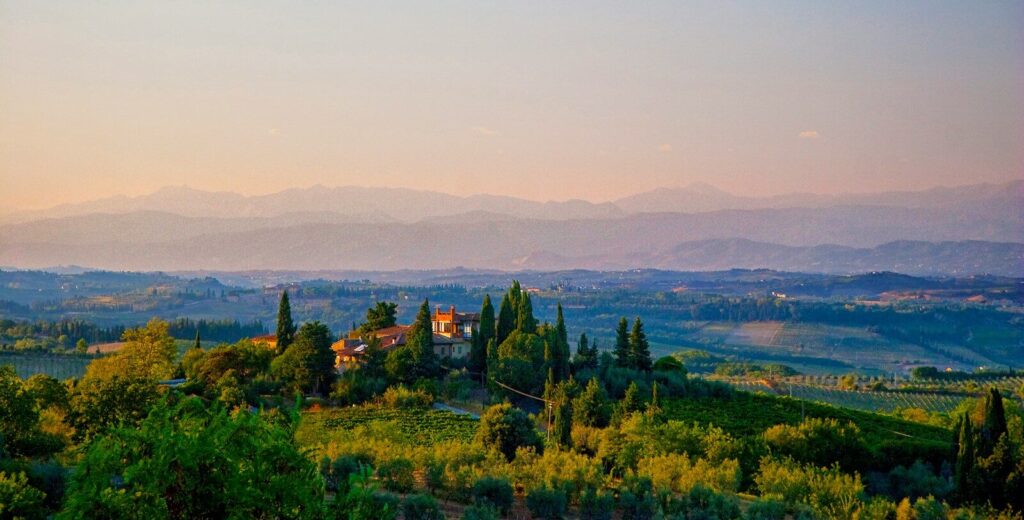
Chianti’s Luxury Villas: Stay Like a Renaissance Noble
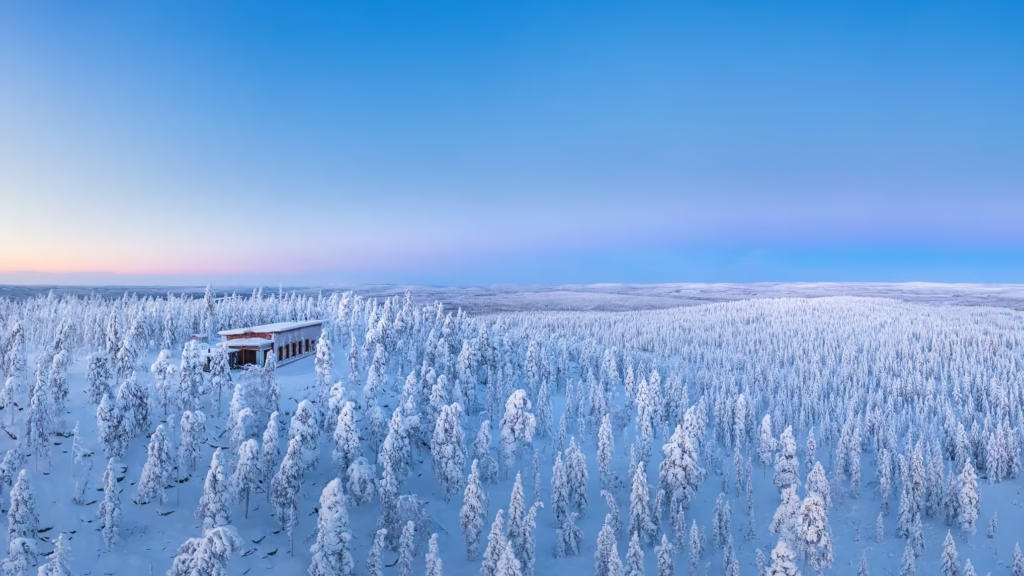
Best Luxury Hotels in Finnish Lapland
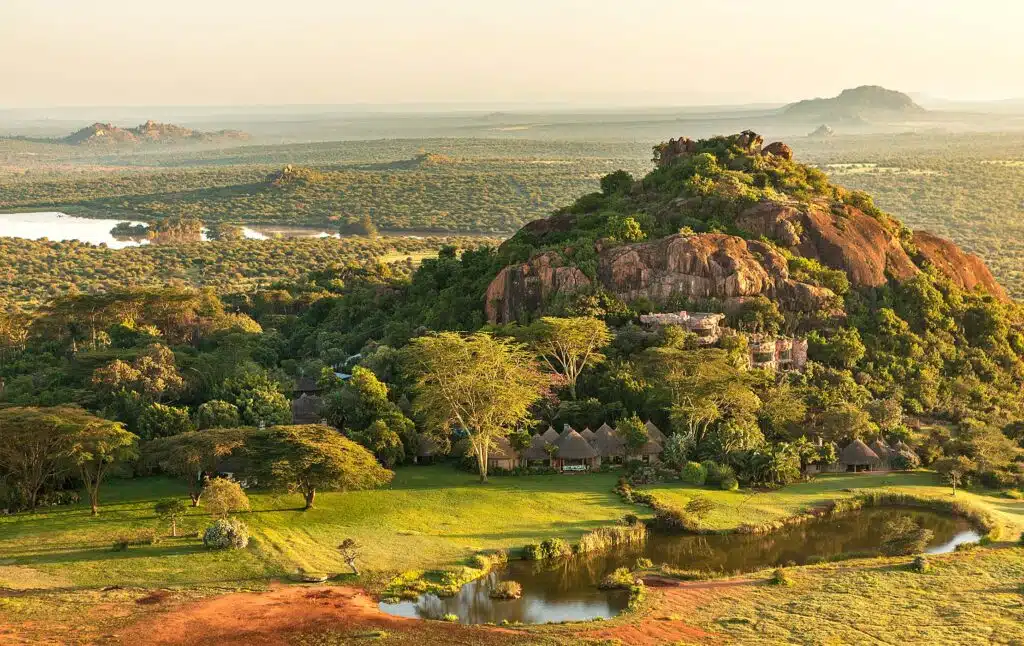
Luxury Safaris: Why Laikipia Is Kenya’s Best-Kept Secret
Tromsø: The Gateway to Arctic Norway
Where to Go On Honeymoon? A Guide to Help You Choose

Why Kenya Is Perfect for a Luxury Honeymoon

Lake Como vs Lake Garda: Which Italian Lake Is Right for You?
The Norwegian Fjords: A Luxury Traveler’s Guide