



On this page
On the outer Great Barrier Reef, before the dive boats arrive and the day tours load their passengers, a privately chartered superyacht is already underway, heading for a coral cay that belongs, for one morning, entirely to you. This is private Great Barrier Reef access at its most luxury: a sunrise expedition planned around the singular thrill of being first in the water.
Departure Before Dawn: The Logic of Leaving Early
The Great Barrier Reef operates on a predictable schedule. Commercial dive vessels and day-tour operators depart Cairns and Port Douglas from around 7 am, reaching mid-reef sites by mid-morning. A privately chartered superyacht, working without timetables, can leave before first light and reach outer reef locations some 60 to 90 kilometres offshore before that traffic arrives. The operational advantage is straightforward: first entry into undisturbed water.
On a working reef, early access is a noticeably different experience. Marine life behaviour is less disrupted in the hours before the busy part of the day begins. Coral cays and bommies that receive dozens of divers by noon are, at dawn, effectively private.
The Outer Reef Difference: Why the Coral Cay Matters
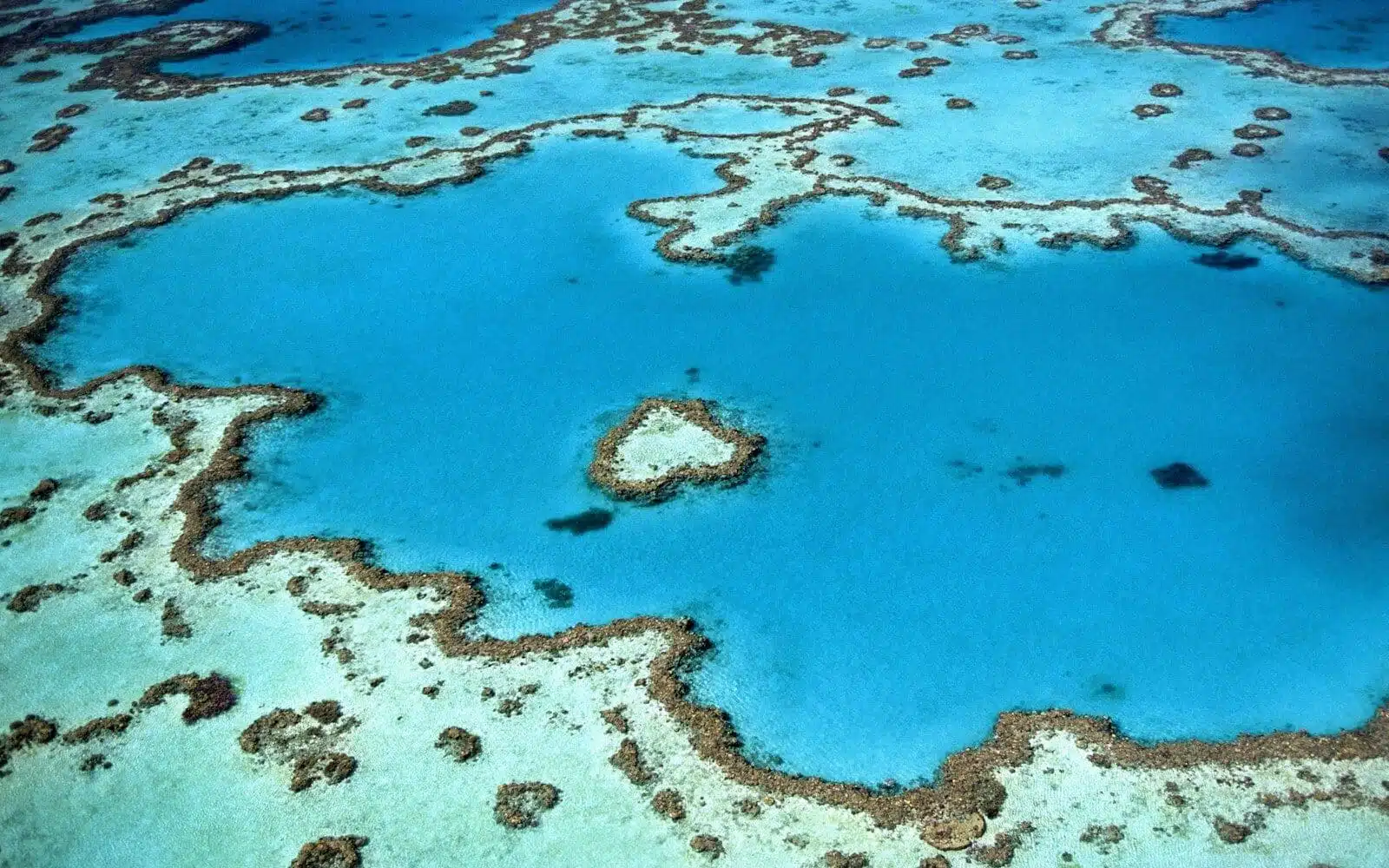
The Great Barrier Reef spans over 2,300 kilometres, but the majority of commercial dive tourism operates within the inner reef system, which is shallower, more accessible, and subject to significantly higher visitor rates. The outer reef, by contrast, sits 50 to 80 kilometres offshore and requires an extended transit time that excludes most day-trip operators. This distance is the primary difference.
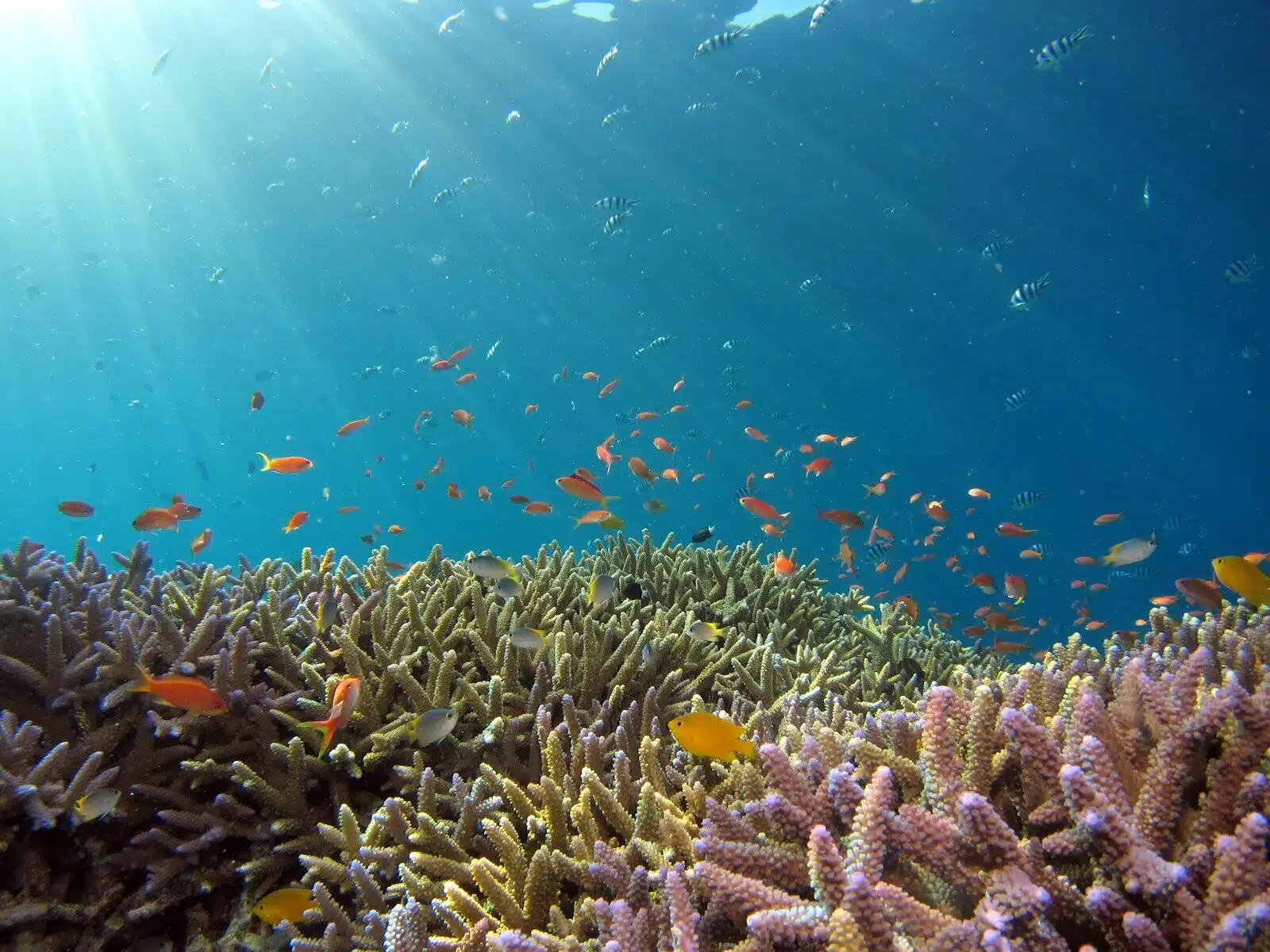
Coral cays on the outer reef are low-lying islands formed from accumulated coral debris, typically uninhabited and without permanent infrastructure. They sit within reef systems that experience stronger tidal movement, higher water clarity, and less sediment disturbance than inshore sites. These conditions support coral density and marine life diversity that inner reef locations rarely match.
Access to specific outer cays is not standard. Anchorage rights, proximity to protected zones, and navigational complexity mean that the quality of a given site depends heavily on the vessel, the crew’s local knowledge, and the permissions in place before departure.
First Entry: Submerging Into an Undisturbed Morning Reef
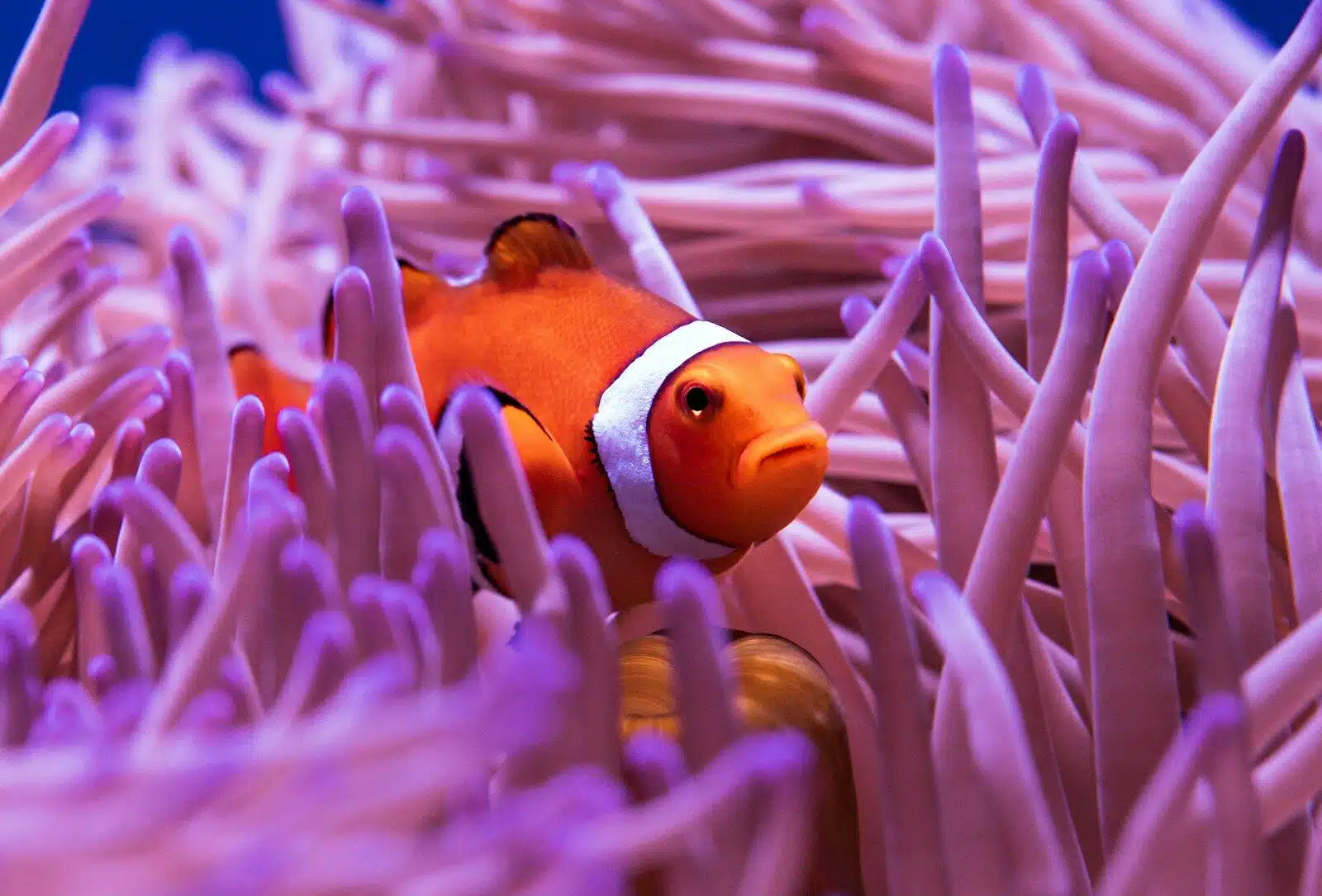
The outer reef at sunrise operates on a different ecological schedule than the reef most divers encounter. Coral polyps, which retract during the day in response to light and movement, remain extended in the early morning hours. Fish that shelter overnight in coral structures are still present in higher concentrations before dispersing across the reef flat. This is not a small difference.
First entry means entering that window before it closes. No preceding dive groups have disturbed the water column, redistributed sediment, or altered fish behaviour through proximity. The reef is functioning on its own terms, not in response to human presence.
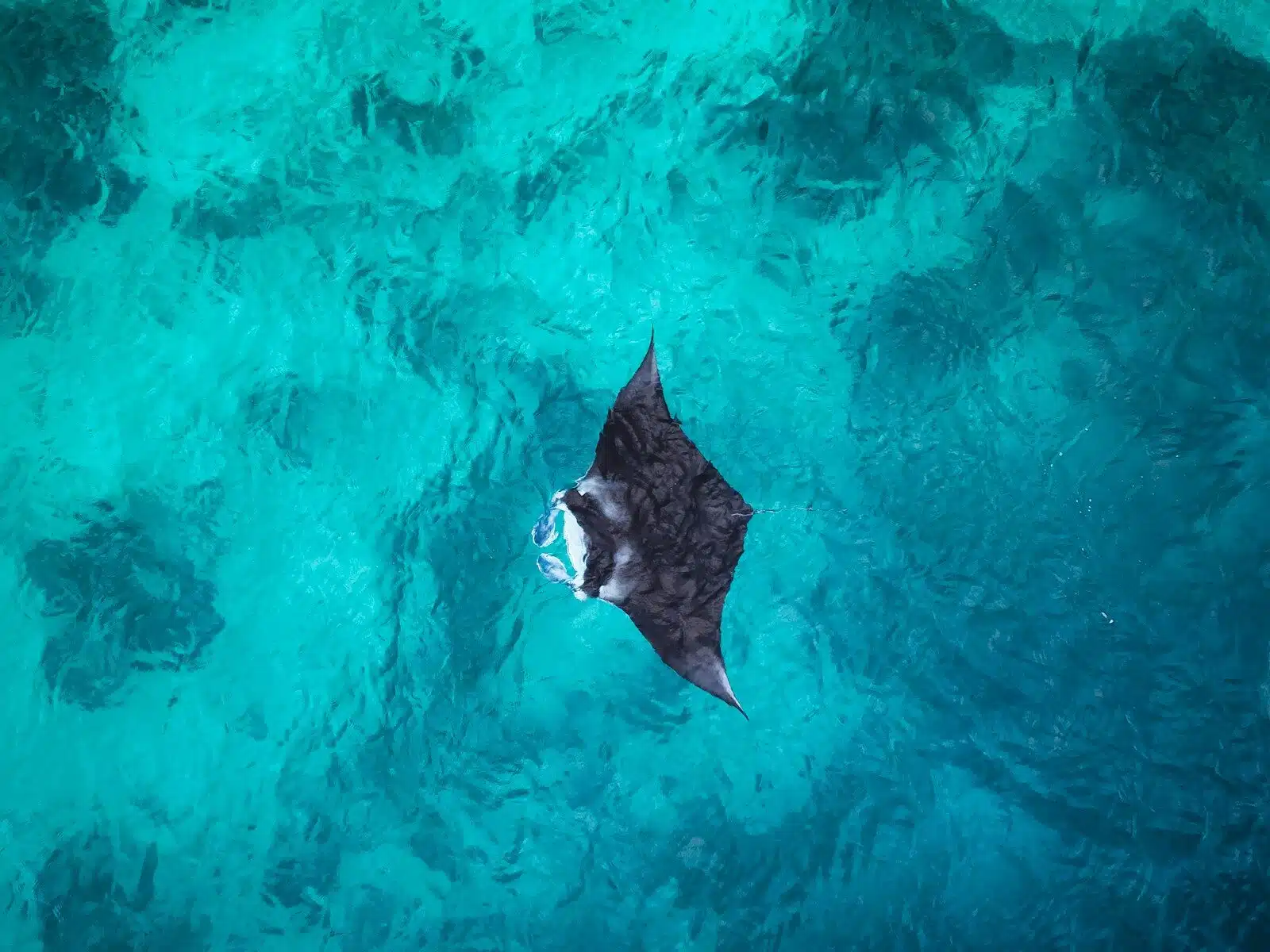
The species composition of the outer Great Barrier Reef adds further significance. Beyond the lagoon systems accessible to day tours, the reef wall environments host pelagic species — including reef sharks, large grouper, and manta rays — that require distance from high-traffic zones. First-entry access at these sites is not incidental. It is the condition that makes the encounter possible.
The Dive Itself: What Exclusive Scuba Diving in Queensland Delivers
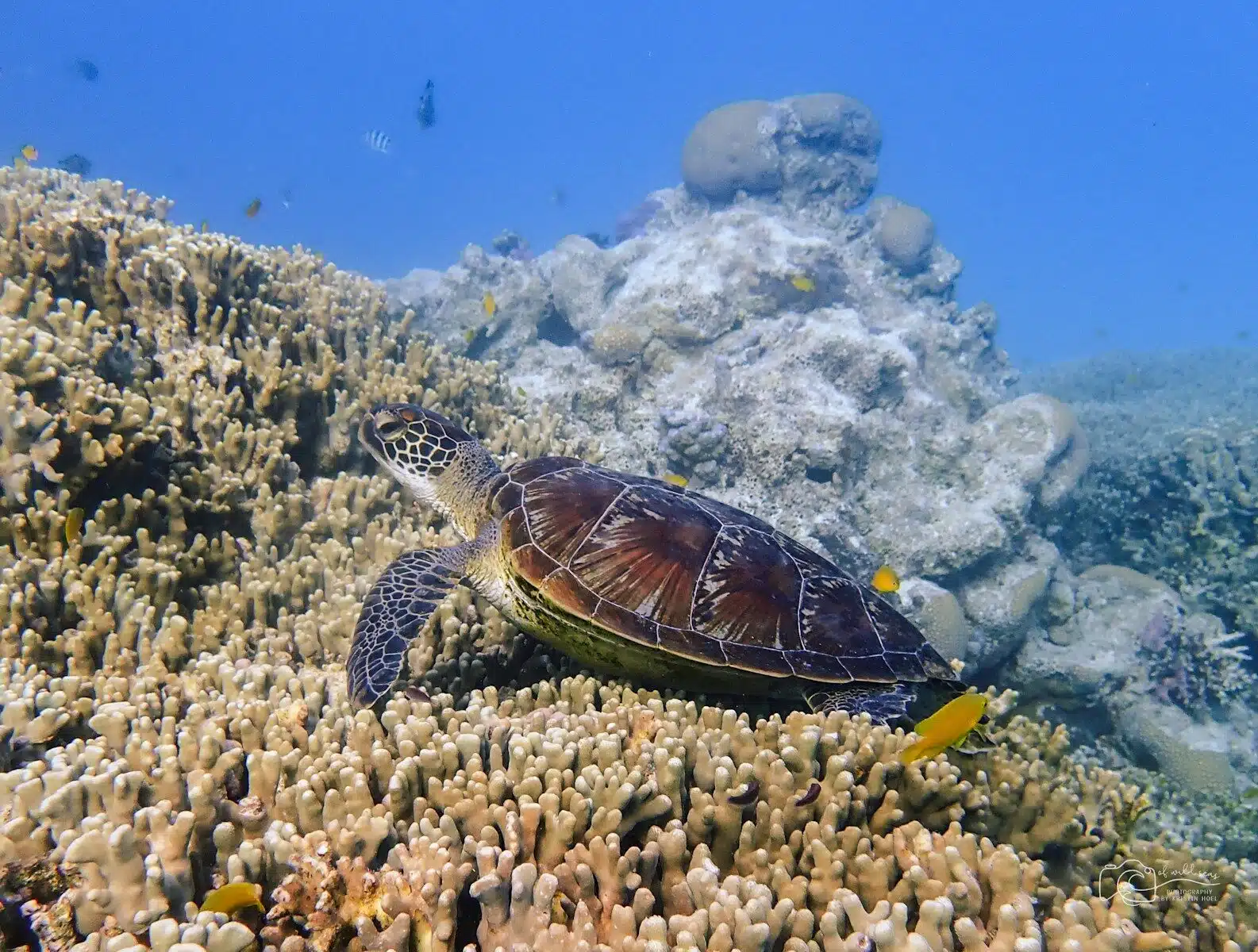
The outer reef differs structurally from inshore and mid-reef systems. Coral formations here are more complex, water clarity is higher due to reduced sediment and runoff, and marine density reflects an ecosystem largely undisturbed by daily dive traffic. Horizontal visibility on the outer reef regularly exceeds 20 metres, and in calm conditions can reach 30 metres or more.
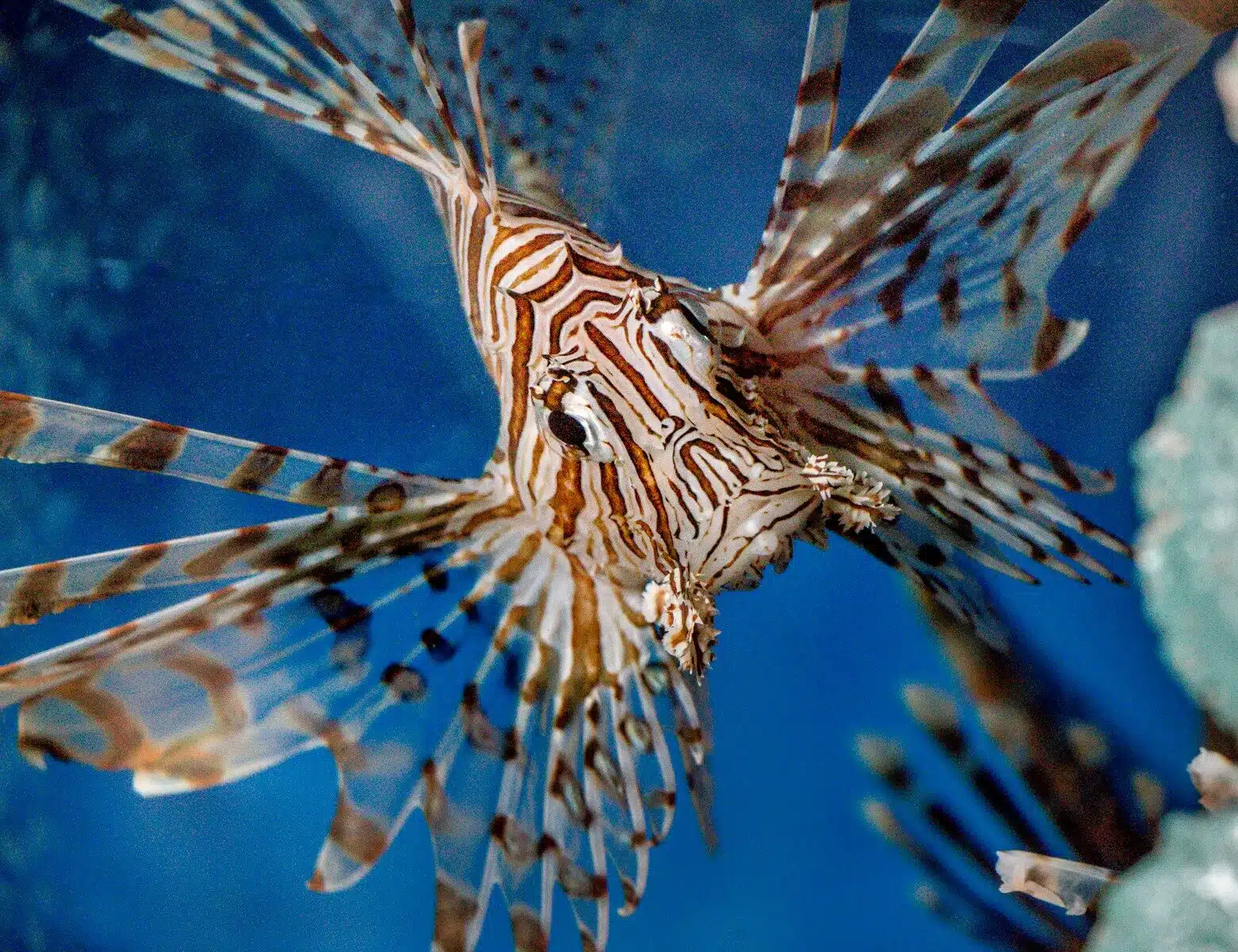
Dawn diving compounds these conditions. Nocturnal species — lionfish, moray eels, octopus — are still active in the early window before retreating. Reef sharks complete their morning patrol cycles. Pelagic species move through shallower water before light levels drive them deeper. These behavioural patterns are time-specific and not reliably replicated on afternoon or midday dives.
The absence of other divers is not incidental. Reef fish respond to diver presence cumulatively — each additional person in the water alters movement patterns and proximity. A private dive on an undisturbed site removes that variable entirely, producing encounters that group dive operations, by their structure, cannot replicate.
Returning to the Deck: Brunch, Stillness, and the Superyacht Advantage
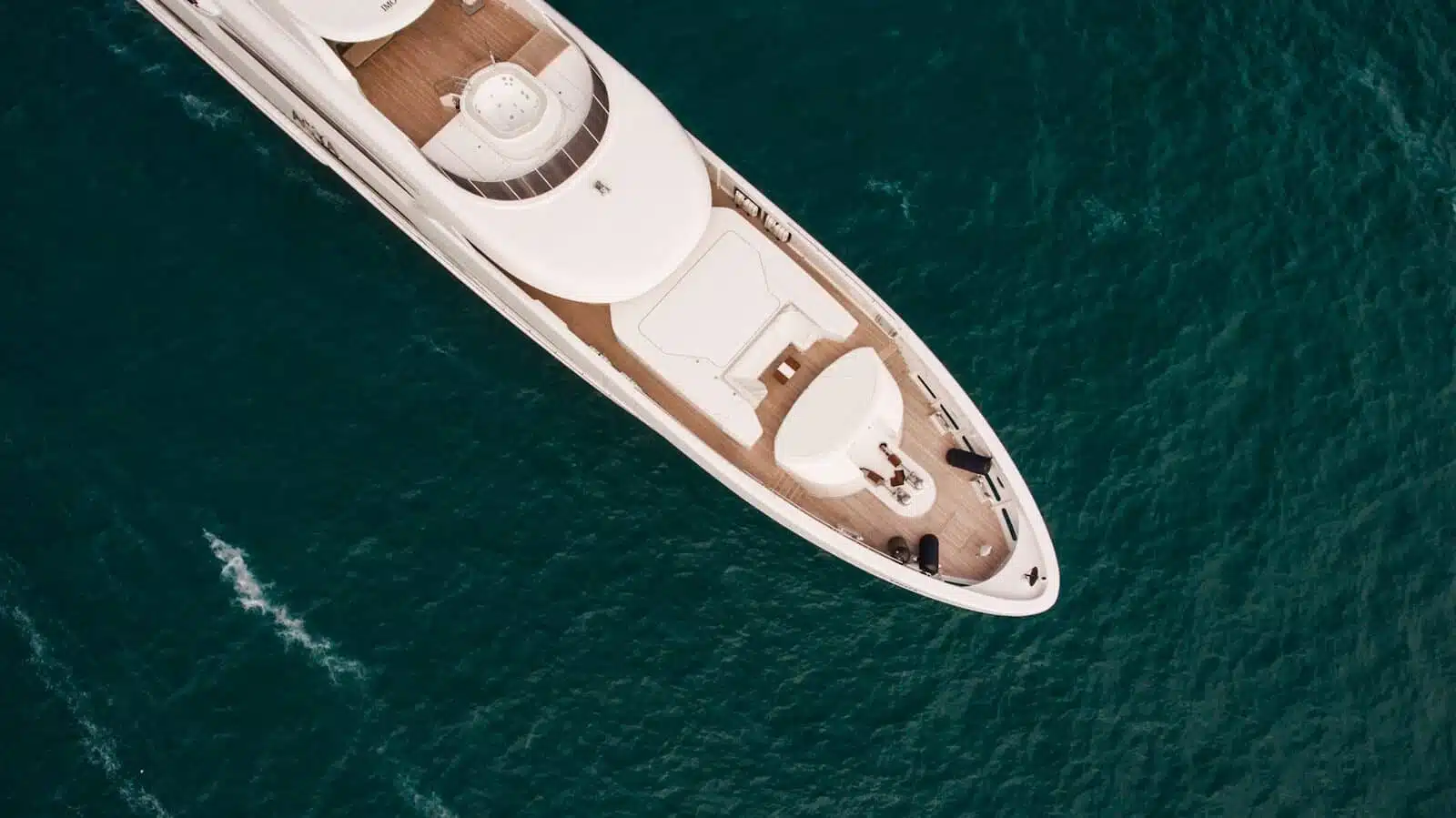
The return to the yacht marks a structural shift in the charter day. The dive is complete before most vessels have reached the outer reef, which means the remainder of the morning belongs to the deck rather than the water. A private chef prepares brunch on board, typically a menu developed in advance with the charter guests, drawing on fresh produce loaded at departure. The timing is perfect: the meal follows the dive rather than preceding it, and the pace of service reflects that.
This sequencing is one of the functional advantages of a crewed superyacht over a liveaboard or day-charter format. There is no shared dining schedule, no group turnaround, and no obligation to move on. The yacht holds position or repositions to a sheltered anchorage depending on conditions and the preferences of those on board.
What the superyacht provides, beyond the vessel itself, is discretion over time, how the day is structured, where it pauses, and when it continues.
Booking the Experience: What a Private Luxury Great Barrier Reef Charter Actually Requires
Legitimate private charters on the outer Great Barrier Reef operate under Marine Park Authority permits that govern vessel access, dive site use, and passenger limits. Not all operators hold the relevant permissions for outer reef corridors or sunrise departures, distinctions that are rarely disclosed upfront. Verifying permit scope and site-specific access rights is a prerequisite, not an afterthought.
Seasonal timing affects both access and conditions. The window between late April and early October offers the most stable visibility and sea state on the outer reef, with reduced risk of cyclone-related disruption. Liveaboard and day-charter schedules differ significantly in what they can reach and when.
What separates a genuinely private charter from a rebranded group product is operational structure: dedicated crew, exclusive site selection, and departure times set around tidal and dive conditions rather than commercial schedules. These arrangements depend on relationships with operators who hold the right permissions and understand how to use them, factors that are difficult to assess without prior knowledge of the market.
Book Now With Do Not Disturb
Speak to a Do Not Disturb travel designer to arrange your own private superyacht charter on the outer Great Barrier Reef. We schedule your dives around the tides and the empty morning window, secure the crew and dive guides, and build the days at sea around how you want to travel rather than a tour operator’s timetable.
Tell us when you want to go and we will handle the rest.