On this page
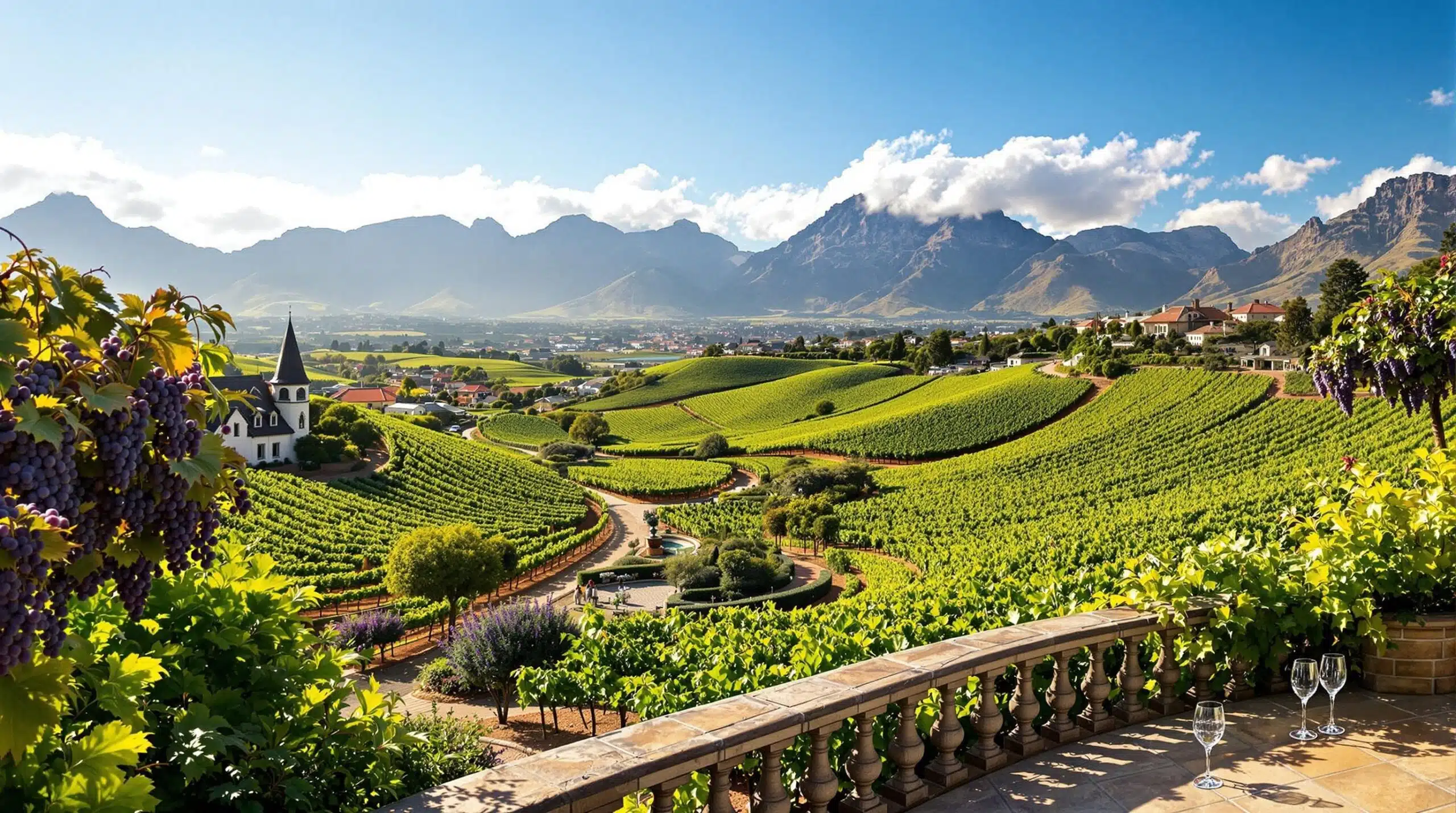
Spend an afternoon in the Cape Winelands at a single estate rather than moving between three or four, and a private tasting followed by a long, unhurried lunch overlooking vineyards and mountains becomes the only itinerary that makes sense.
The Case for Staying Put
The standard approach to a day in the Cape Winelands involves a loose itinerary of three or four estates, each offering a tasting flight and a view. The logic is understandable, but the result is rarely satisfying. Moving between properties compresses each experience into a transaction, and the cumulative effect is a day that covers ground without gaining depth.
The Winelands are better understood through a single estate than a survey of several. The region’s most serious producers, particularly those in Stellenbosch, Franschhoek, and Hemel-en-Aarde, structure their hospitality around extended engagement: a guided tasting that moves through the range with context, followed by a kitchen that treats lunch as the main event rather than an afterthought.
The decision to stay put is also a practical one. South Africa’s wine culture rewards conversation and access, and both are more available when you are not watching the clock. What you learn, eat, and drink is shaped directly by how the visit is arranged.
Choosing the Right Estate
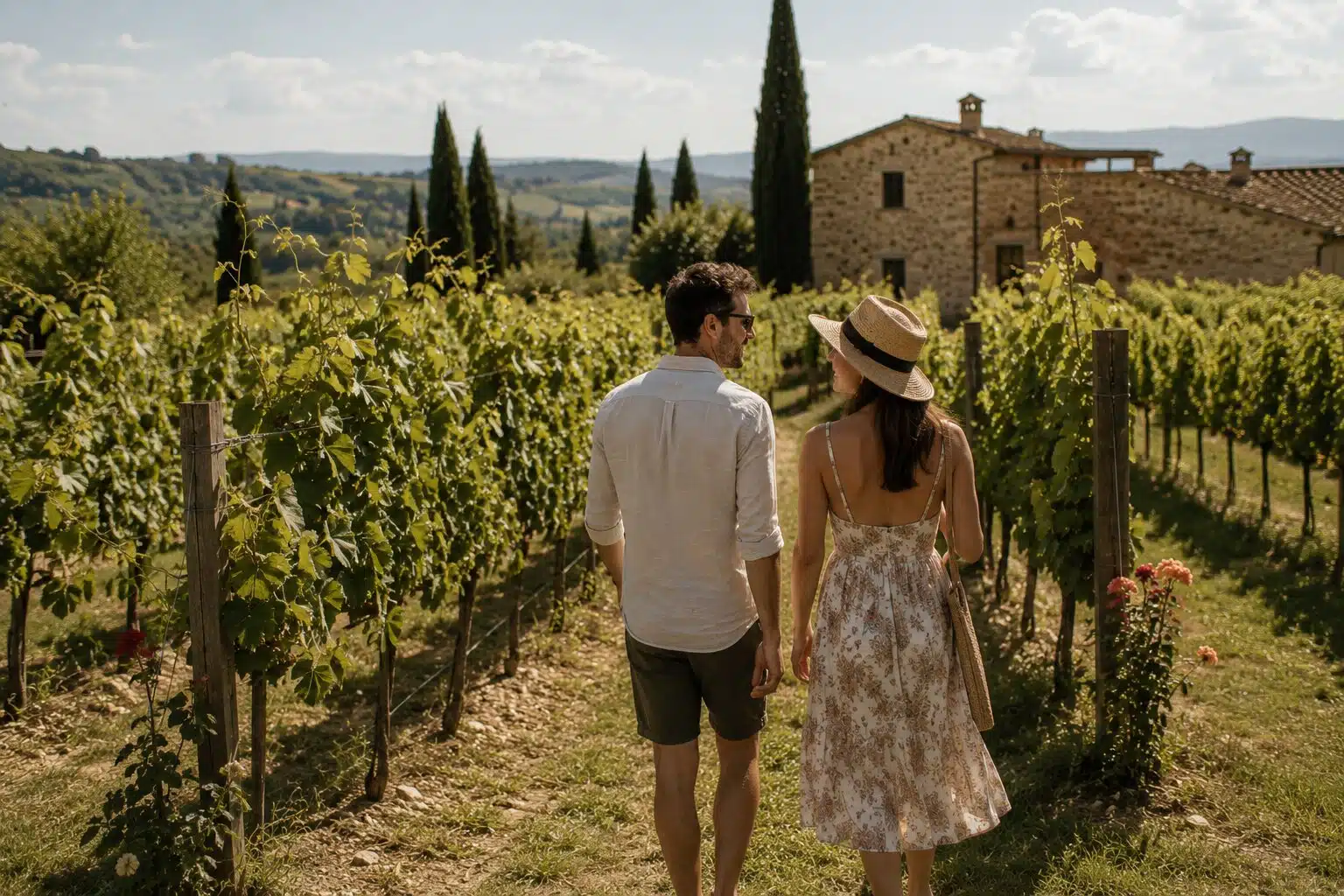
Not every estate in the Winelands is built to hold your attention for an entire afternoon. Those that are, share a specific combination: a winemaking program serious enough to sustain a structured tasting, a kitchen operating at restaurant level rather than serving accompanying snacks, and a setting where the relationship between vineyard and mountain is legible from the table.
The Stellenbosch and Franschhoek valleys boast the strongest examples; estates here tend to have longer histories of hospitality investment, which shows in the coherence between the cellar and the dining experience.
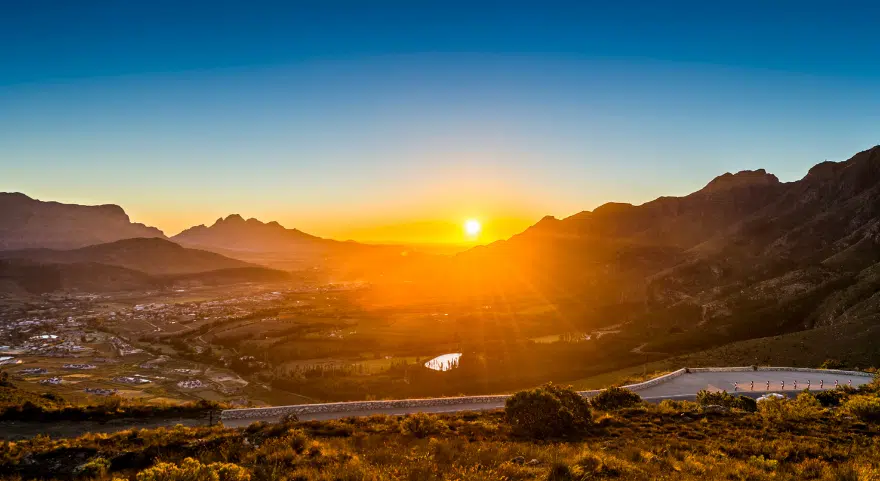
Physical setting matters in practical terms. An estate where the lunch terrace faces open vineyard rows with mountain ridgelines behind it provides a fixed point of orientation for the afternoon, part of what makes remaining in one place for several hours a considered choice rather than a compromise.
The Private Tasting
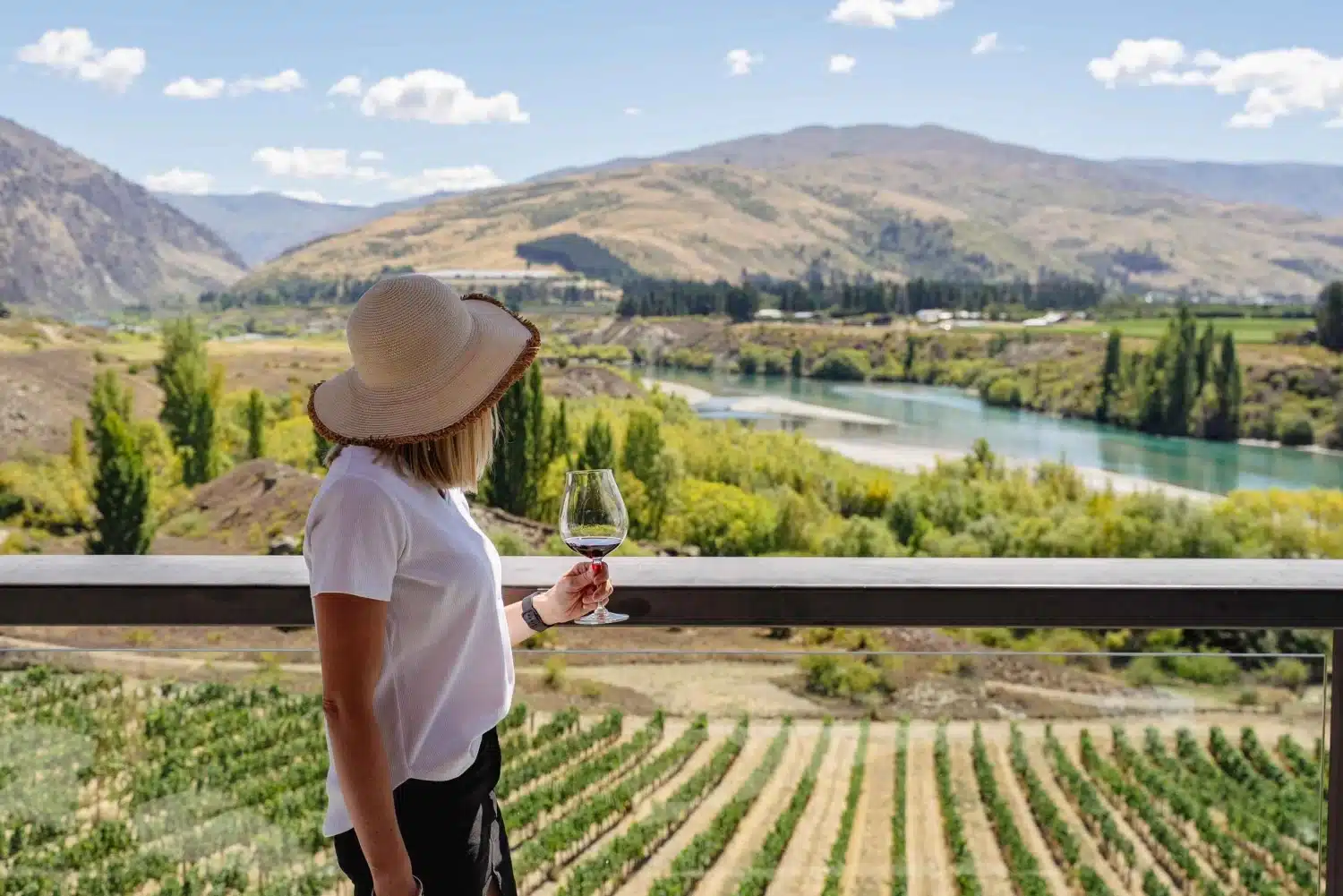
The private tasting typically takes place before lunch and is led by a host, cellar manager, or the winemaker directly. This format is not standard across the Winelands. It requires arrangement and is distinct from the walk-in tastings available at most estates. The difference is access: to the cellar itself, to the reasoning behind each wine, and to the decisions made across a given vintage.
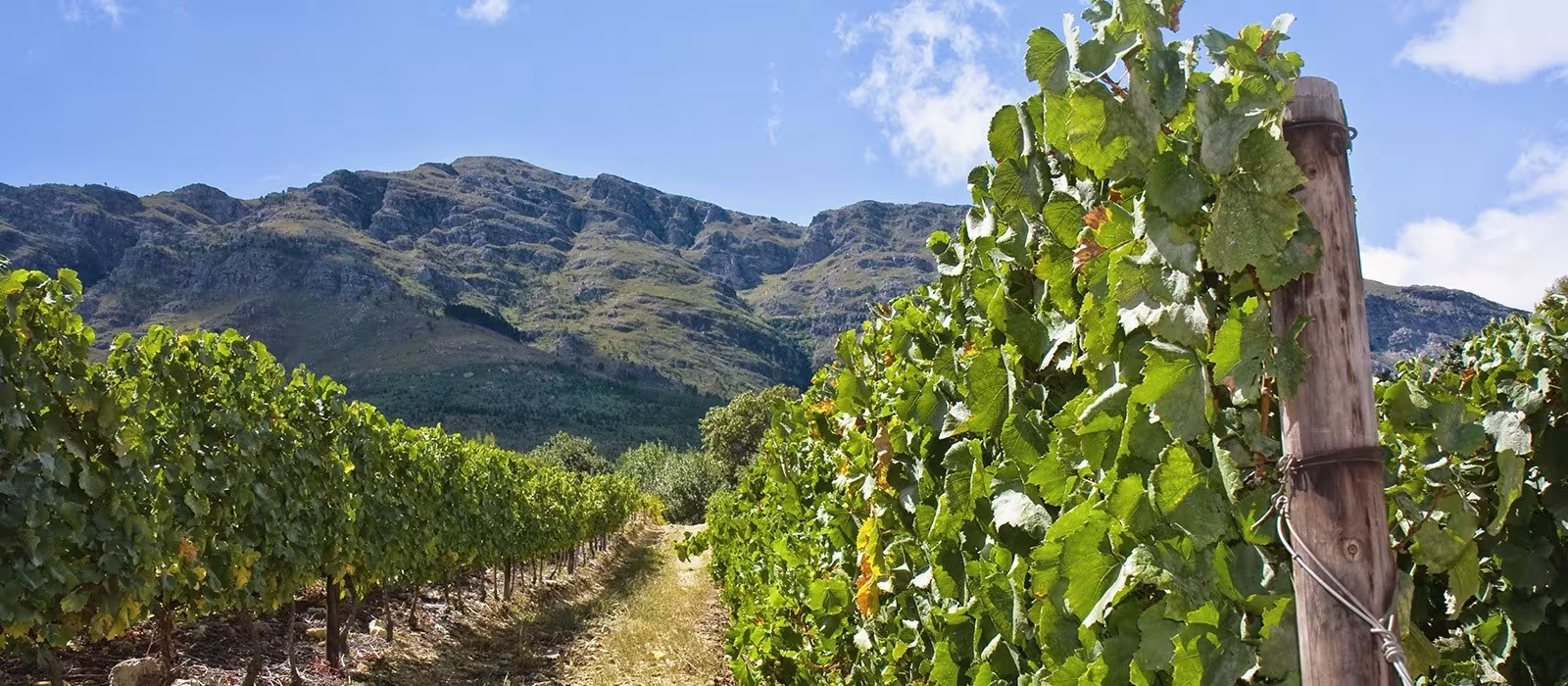
Most estates in the Stellenbosch, Franschhoek, and Hemel-en-Aarde regions produce wines that are inseparable from their terroir, and understanding the soil type, elevation, and microclimate of a specific block changes how the wine reads.
The tasting functions as a structured introduction to lunch. Arriving at the table with that context shifts the meal from a pleasant experience into an informed one, where the wines served carry meaning beyond the glass.
The Table and What's On It
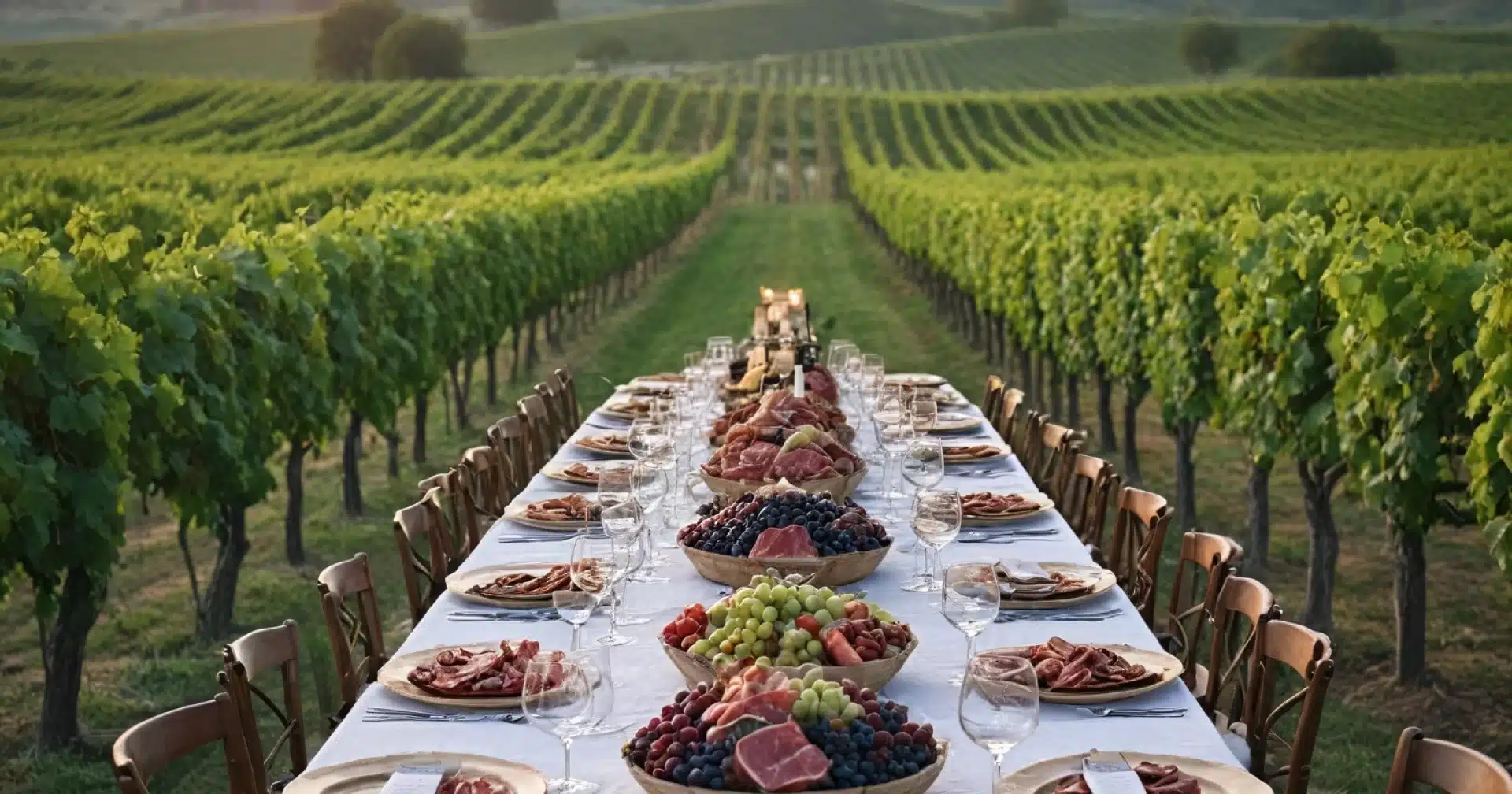
Lunch at the better Winelands estates is structured around the same wines introduced during the tasting, with each course selected to extend rather than reset that conversation. The menu draws on seasonal South African produce, typically built around local proteins such as Karoo lamb or line fish, with vegetables sourced from the estate’s own kitchen garden or nearby farms.
The format is usually a set menu with limited variation, which allows the kitchen to work at a standard that an à la carte offering would not support. Portions are considered rather than generous, consistent with a meal designed to last several hours without becoming heavy.
Wine service at the table continues in the same register as the tasting, often with the same person present to guide both. This continuity is what separates a well-arranged estate lunch from a restaurant meal that happens to have a vineyard view.
The Landscape as Context
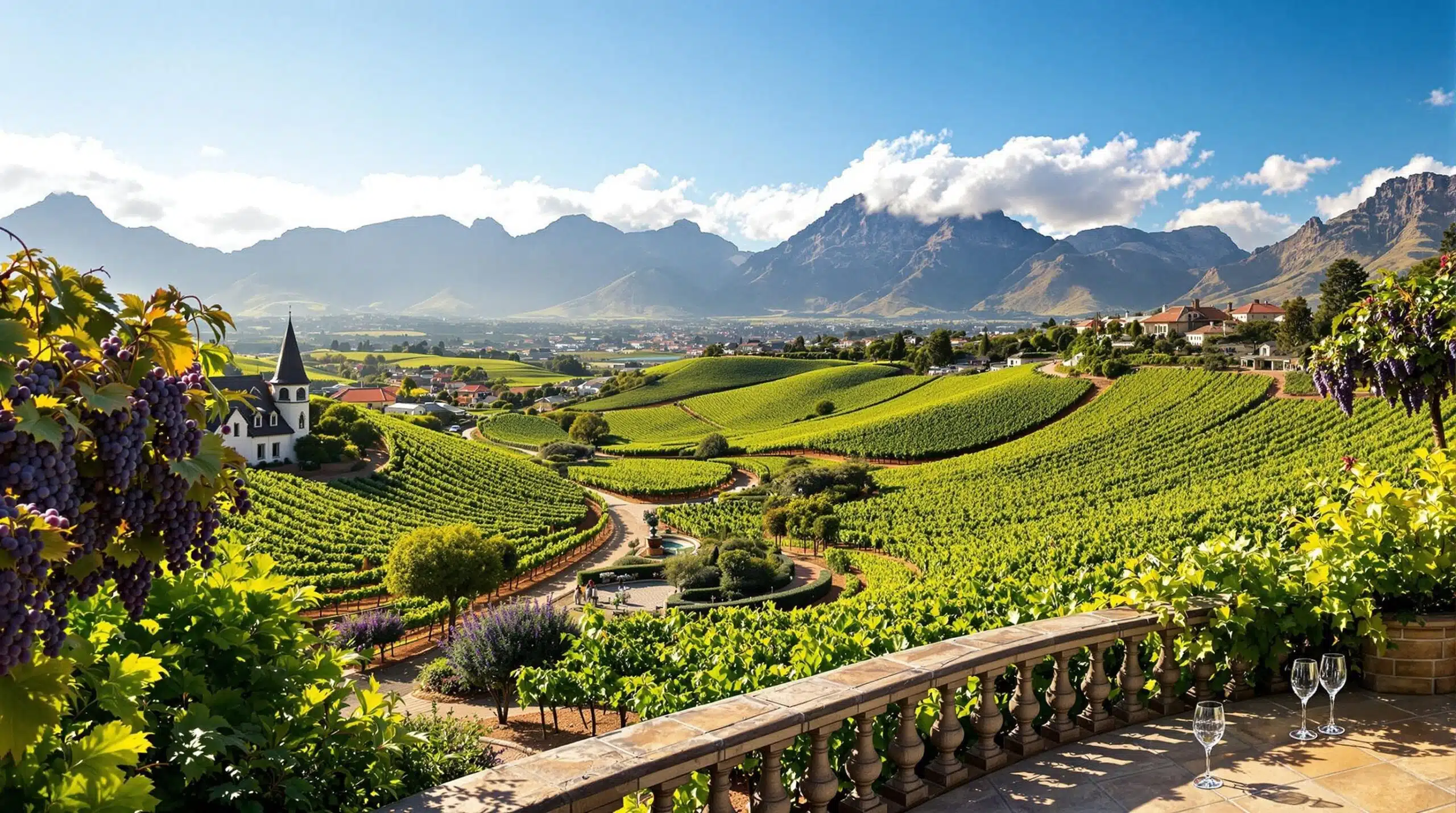
The Western Cape sits within one of the world’s six recognized biodiversity hotspots, the Cape Floristic Region, and the landscape around Stellenbosch and Franschhoek reflects this directly. The mountains that frame most estate views define the microclimates that determine which varieties are planted and how they perform.
The orientation of the vineyards matters in the same way. South-facing slopes in this hemisphere receive less direct sun, producing slower ripening and greater acidity. North-facing blocks behave differently. What appears to be a uniform landscape is, in practice, a series of distinct growing conditions arranged across a single sightline.
The quality of light in the Western Cape is a product of geography rather than season alone, and lunch service, typically running into the early afternoon, captures the period when the contrast between light and landscape is most pronounced.
Timing Your Visit
The Cape Winelands work best outside peak summer months. January and February bring heavy tourist traffic; April through June offers cooler conditions and quieter estates, with harvest activity still visible on some properties. Arrive mid-morning to allow time for a structured tasting before lunch service begins, typically around noon.
Private tastings at the better estates are not walk-in arrangements. They are allocated in limited numbers, often tied to specific hosts or winemakers, and the format varies depending on how the visit is arranged.
Lunch at the top estate restaurants runs long by design, often two to three hours, and the format is usually a set menu rather than à la carte. Resist the impulse to schedule anything afterward, as the afternoon is most certainly the main event.