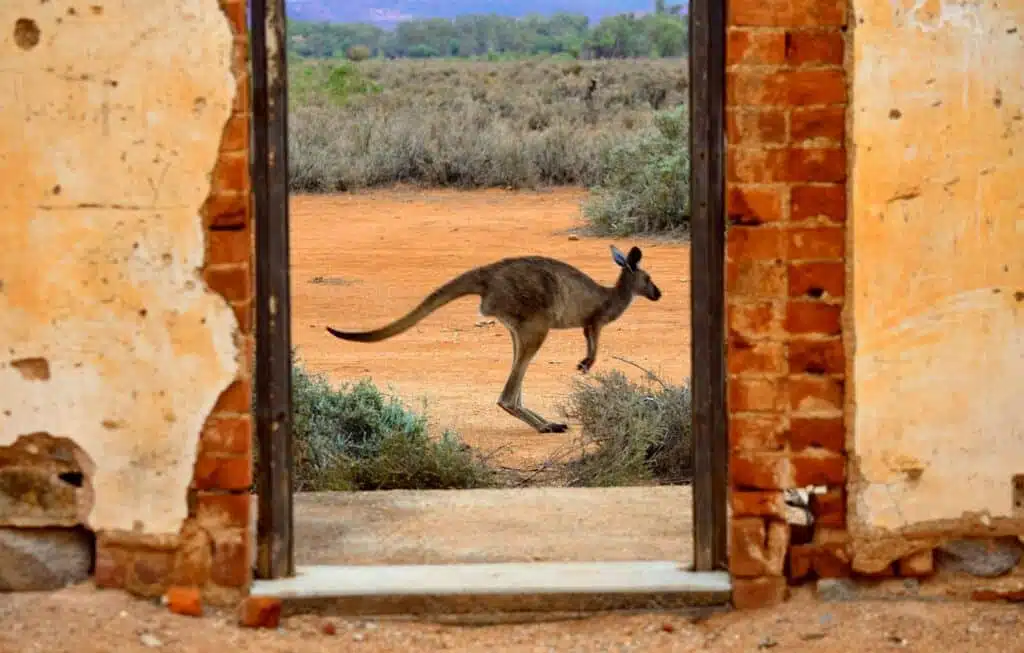
After dark, Kangaroo Island’s coastal wilderness transforms into one of Australia’s most extraordinary natural stages. This is where families trade screens for night-vision gear and step into a private, guided encounter with the island’s rarest nocturnal creatures.
When the Island Wakes
Kangaroo Island’s protected wilderness areas, including Flinders Chase National Park and the privately managed conservation zones along the south coast, shelter one of Australia’s most intact nocturnal ecosystems. The island’s isolation from the mainland has kept it free from foxes and significantly reduced the feral cat population, creating conditions where native species behave with unusual confidence after dark.
Tammar wallabies, southern brown bandicoots, short-beaked echidnas, and the island’s celebrated Ligurian bees are diurnal or crepuscular, but it is the nocturnal species, including brush-tailed possums, owlet nightjars, and the elusive little penguin, that define the island’s after-dark profile.
For families, this window between dusk and midnight represents the highest concentration of observable wildlife behaviour on the island. What makes it distinct is not simply the species present, but the density and accessibility of encounters within a relatively compact, well-managed landscape.
About Do Not Disturb
Do Not Disturb is a luxury travel company specializing in carefully designed journeys and considered experiences. Each itinerary we build for our clients is informed by real destination knowledge, offering insight into places, cultures, and moments that shape how a trip comes together.
If this destination has sparked ideas, the itinerary can be developed into a private journey tailored to your interests and travel style, with hand-picked stays, thoughtful routing, and experiences curated around what matters most to you.
The Private Naturalist Advantage
The private naturalist assigned to this experience is not a tour guide operating a standard itinerary. These are trained wildlife specialists, typically with backgrounds in ecology, conservation biology, or field research, whose knowledge of Kangaroo Island’s nocturnal species extends well beyond identification. They understand animal behaviour, seasonal movement patterns, and the specific habitat conditions that determine where species are likely to be active on a given night.
Group size is deliberately kept small, which changes the nature of the encounter. There is no pressure to move on, no compromise between the interests of twenty strangers. Observations can be extended, questions answered in depth, and the route adjusted in real time based on what the guide is reading in the environment.
This structure also matters for the animals. Smaller, quieter groups cause less disturbance, which means behaviour observed is more likely to be natural rather than reactive. The educational value of the experience is directly tied to how it is organised and who leads it.
Night-Vision, Real Wonder
Night-vision monoculars and handheld thermal devices allow children to scan vegetation and open ground independently, without torchlight that would disturb or scatter wildlife. The technology shifts the dynamic: rather than waiting for a guide to point something out, children are actively locating animals themselves.
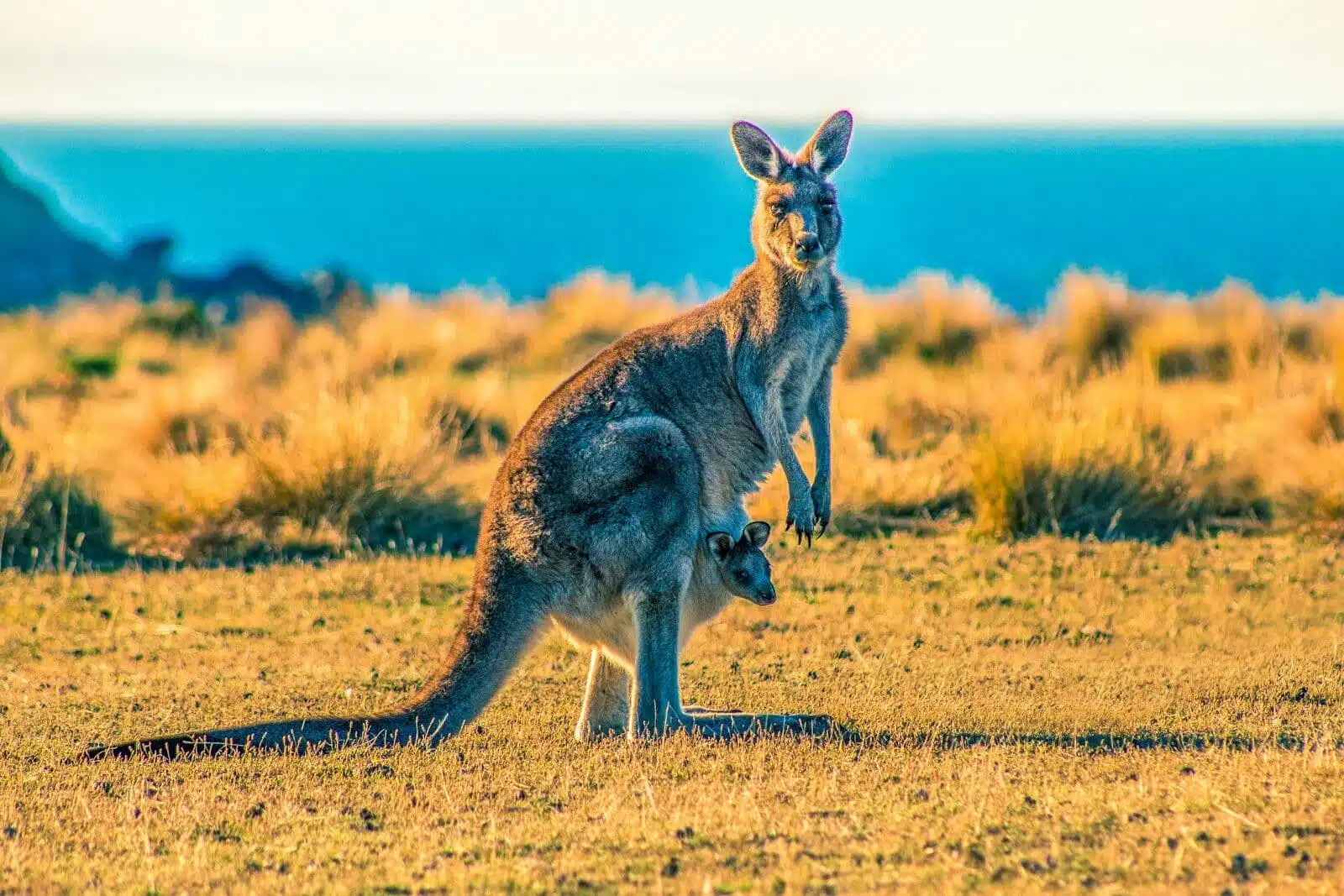
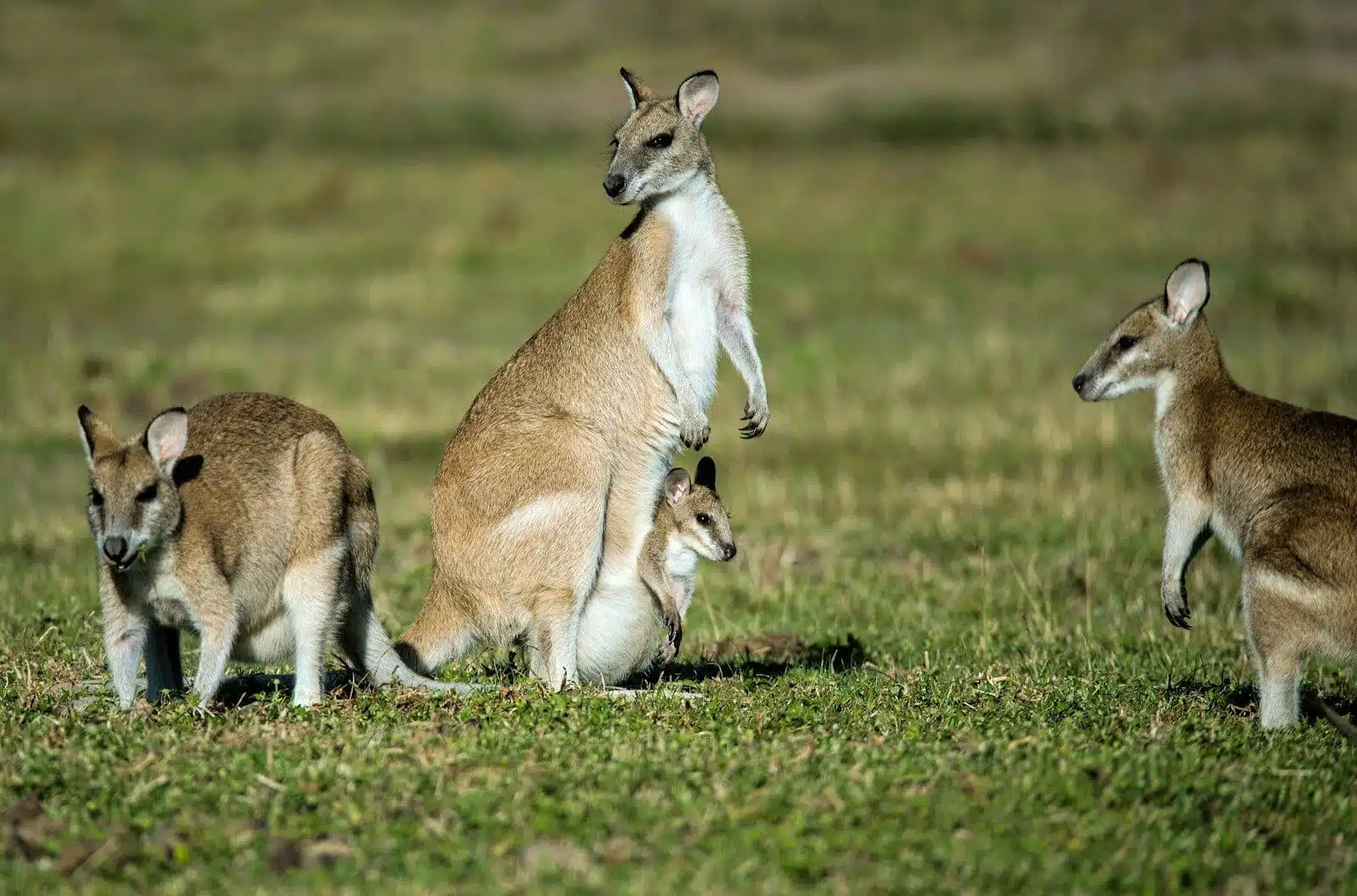
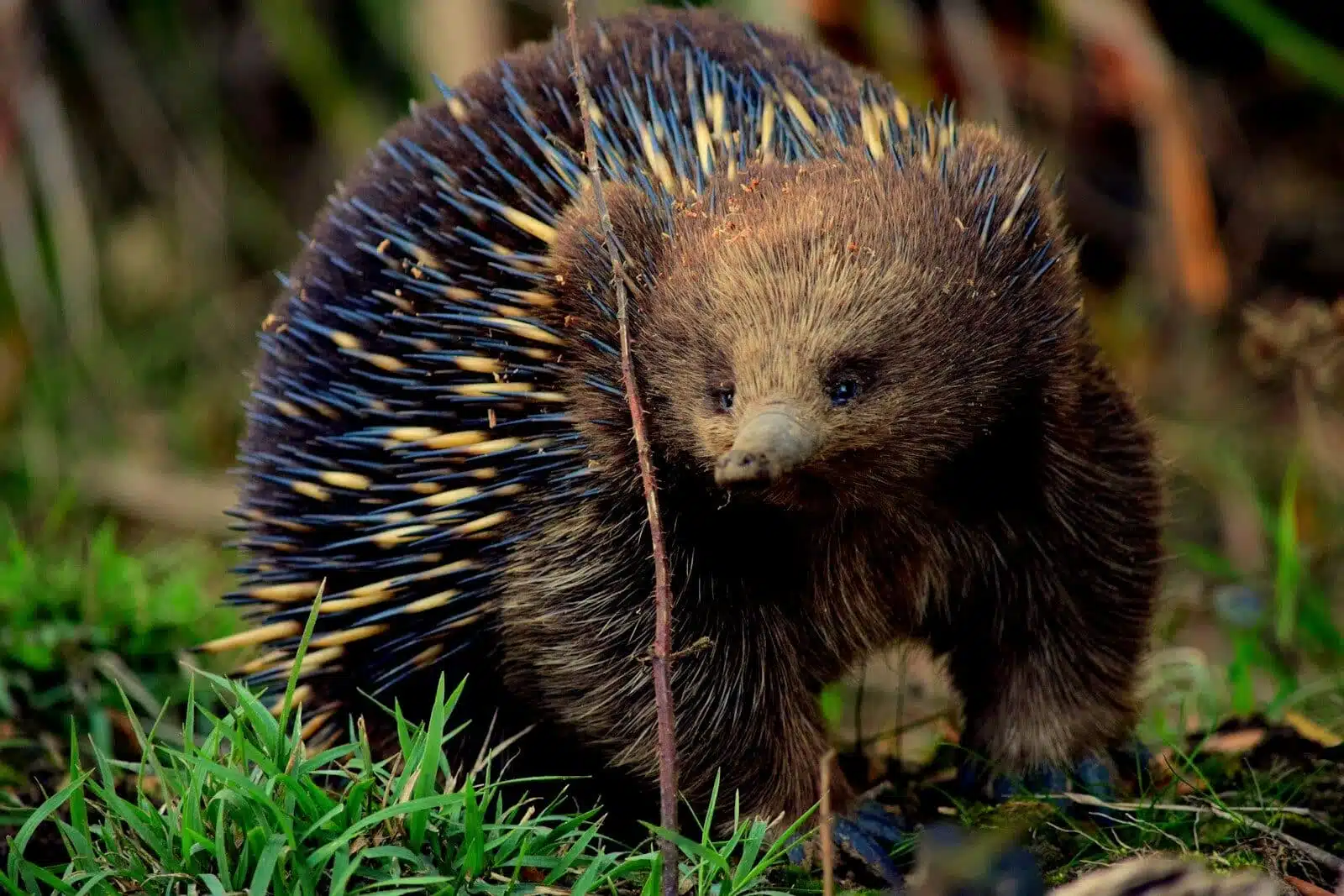
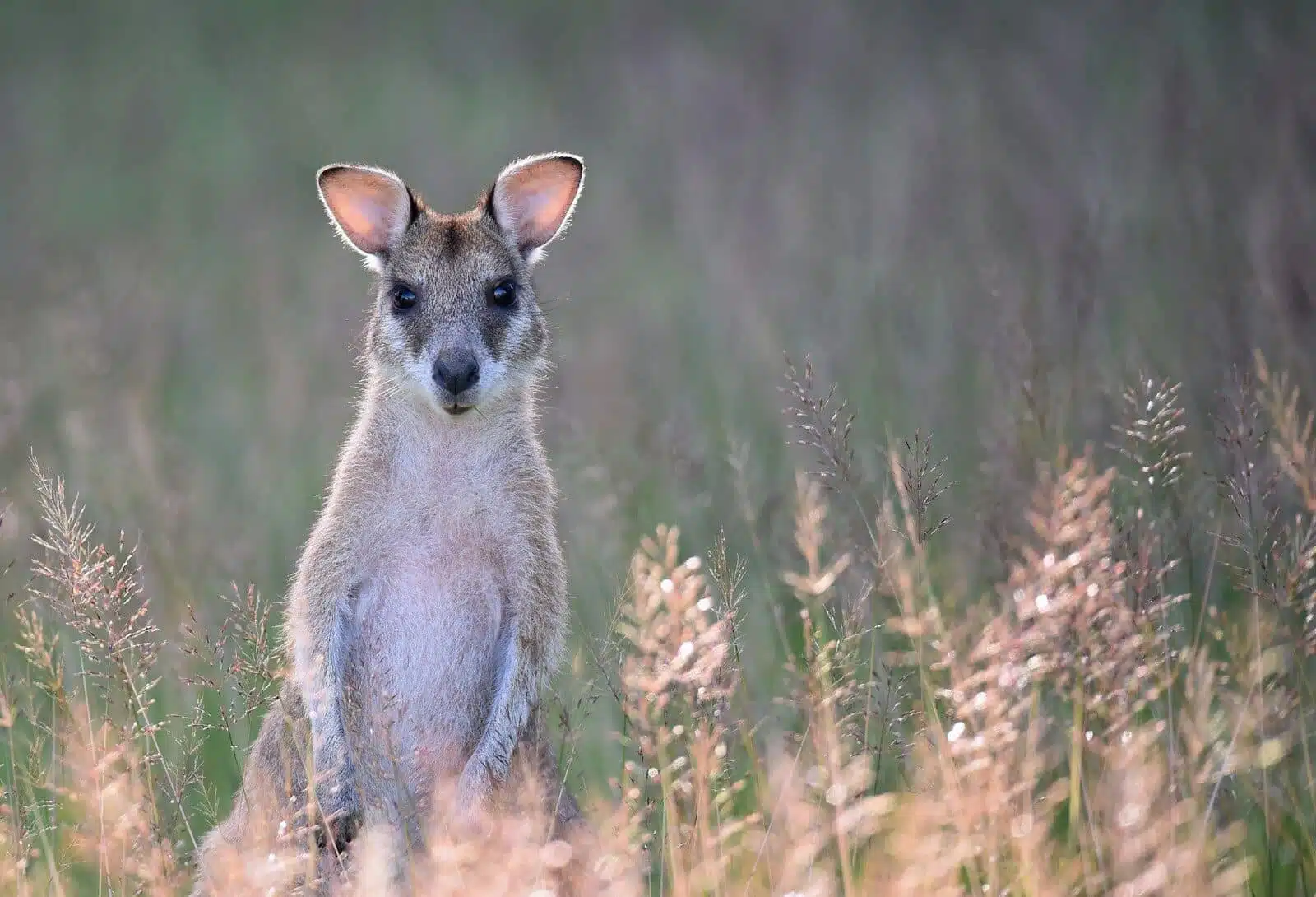
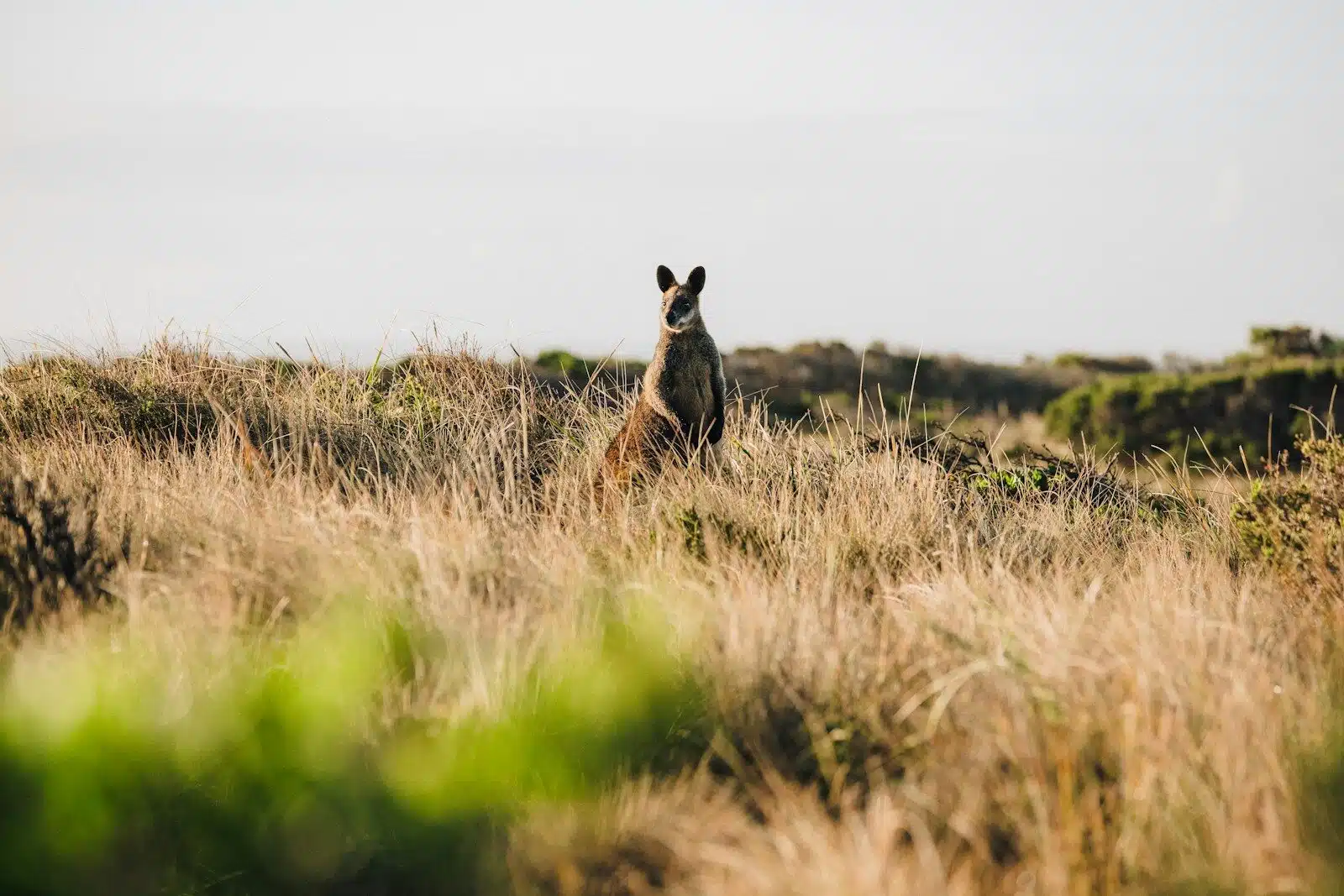
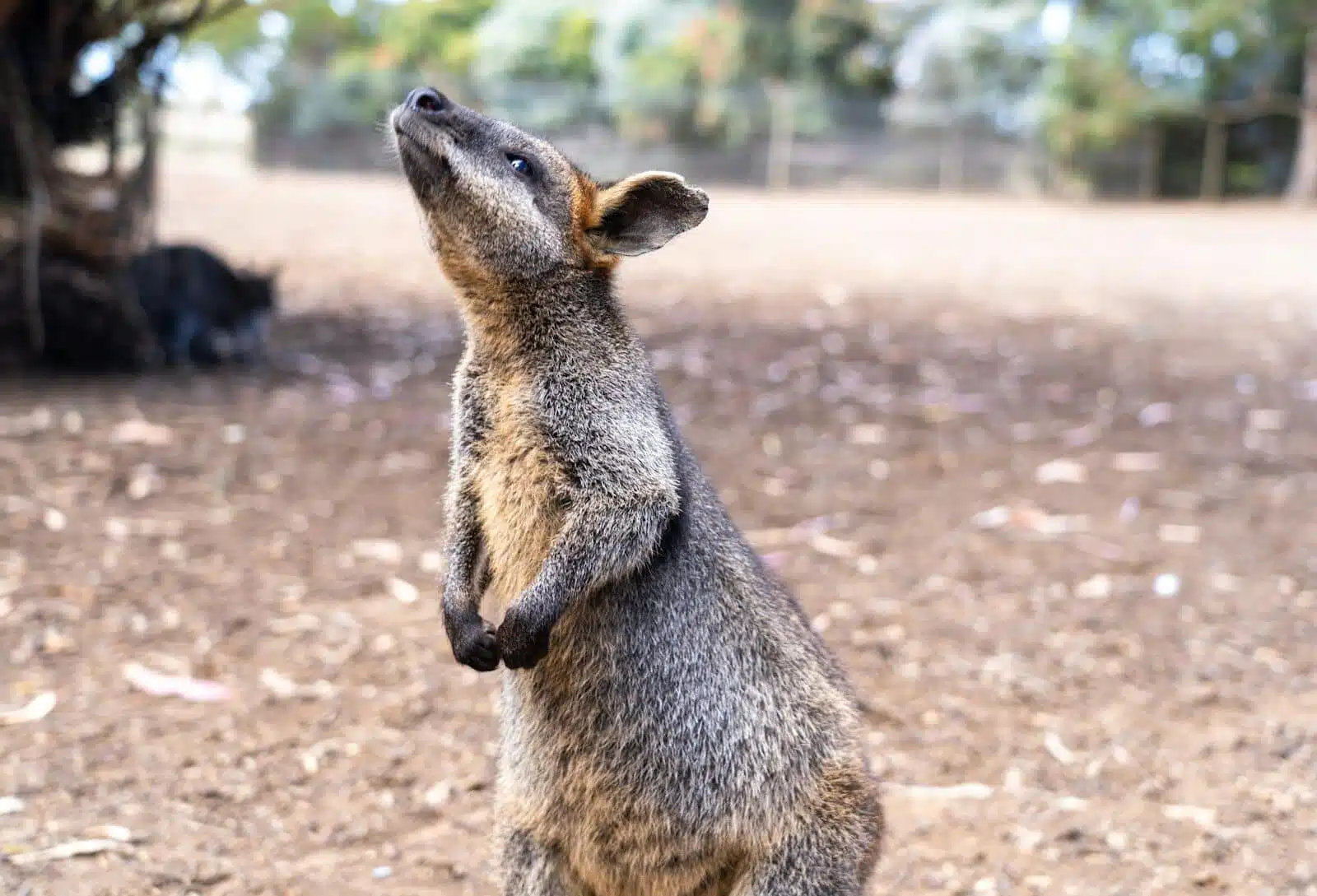
Tammar wallabies, one of the island’s most significant conservation recoveries, are reliably present in coastal scrub after dark. Echidnas, largely solitary and slow-moving, are among the easier subjects to observe at close range without disturbance. Wild kangaroos, active across open ground from dusk, are visible in numbers that reflect the island’s protected status.
The equipment does not mediate the encounter so much as enable it. Animals behave naturally because ambient light is absent and group movement is controlled. What children observe through the lens is unscripted; the value of the experience depends directly on the knowledge and positioning of whoever is leading it.
The Bush as Classroom
Kangaroo Island supports one of Australia’s most intact temperate ecosystems, in part because it has never had foxes or rabbits, the two introduced predators responsible for the collapse of small mammal populations across much of mainland Australia. This absence has allowed species such as the southern brown bandicoot, the tammar wallaby, and the short-beaked echidna to persist in densities rarely seen elsewhere. Guides use the nocturnal setting to make this distinction concrete, explaining how predator-free conditions shape behaviour, habitat use, and population structure.
Roughly one-third of the island falls within Flinders Chase National Park or other protected reserves, and guides draw on this context to explain how land tenure directly affects wildlife outcomes. Families gain a working understanding of why conservation boundaries matter, not as abstract policy, but as a visible factor in what they are observing.
The experience functions as applied ecology rather than passive wildlife viewing, with each sighting anchored to a broader explanation of why that animal is present, and what its presence indicates about the health of the surrounding habitat.
Disconnected
Kangaroo Island has no mobile coverage across much of its interior and southern coastline. This is not a policy or a retreat conceit; it is simply the condition of being here. For families accustomed to fragmented attention, that absence restructures how time is spent together.
In the field, the experience is organised around shared observation rather than individual activity. A single sighting, a southern brown bandicoot moving through scrub, or a little penguin navigating a beach return requires collective stillness and coordinated attention. Children and adults are oriented toward the same point of focus, responding to the same unpredictable sequence of events. That shared dependency is not engineered; it is a function of how nocturnal wildlife encounters work.
Kangaroo Island supports one of the highest densities of native wildlife remaining in Australia, in part because it has never had foxes and was largely spared the feral cat pressures that affected the mainland. The wildlife is present and active. The encounter is real.
Planning the Experience
Kangaroo Island’s nocturnal wildlife is most active between October and April, when warmer temperatures increase animal movement and breeding season brings species such as the southern brown bandicoot and short-beaked echidna into more accessible terrain. Avoiding school holiday peaks in December and January allows for smaller group sizes and more flexible scheduling across private conservation properties.
The island is accessible via a 45-minute flight from Adelaide or a 45-minute ferry crossing from Cape Jervis to Penneshaw. Neither option is complicated, but onward logistics, including access to private land, coordination with specialist naturalist guides, and equipment provision, require local knowledge that is not easily replicated through independent arrangements.
What separates a considered nocturnal experience from a standard wildlife tour is the calibre of the guide and the quality of access. The island has a small number of operators with genuine relationships with private landholders and conservation managers. Those relationships determine what is seen, where, and under what conditions.
A nocturnal wildlife outing only works when someone has already done the groundwork: the right private naturalist, a lodge that suits the family, and timing that fits the season the animals are most active. A Do Not Disturb travel designer arranges all of it and shapes the rest of your time on Kangaroo Island around it.
Get in touch when you are ready to plan.
Plan your own version of this journey
Speak to Do Not Disturb’s luxury travel experts and turn this moment into something personal.
Related destinations
Suggested articles
The Best Islands in Australia for a Luxury Beach Holiday
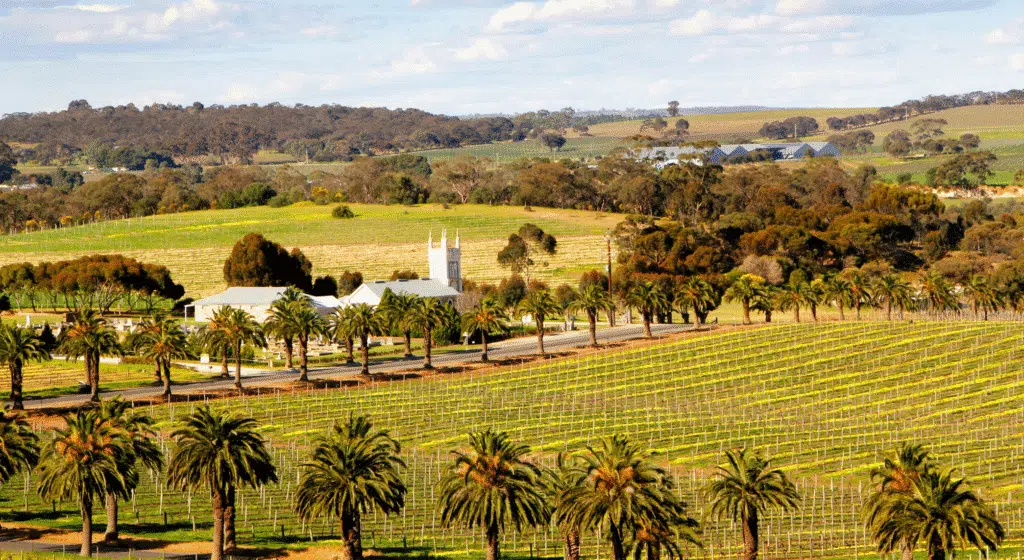
A Luxury Guide to Australia’s Wine Regions

How to Plan a Luxury Trip to Australia’s Great Barrier Reef
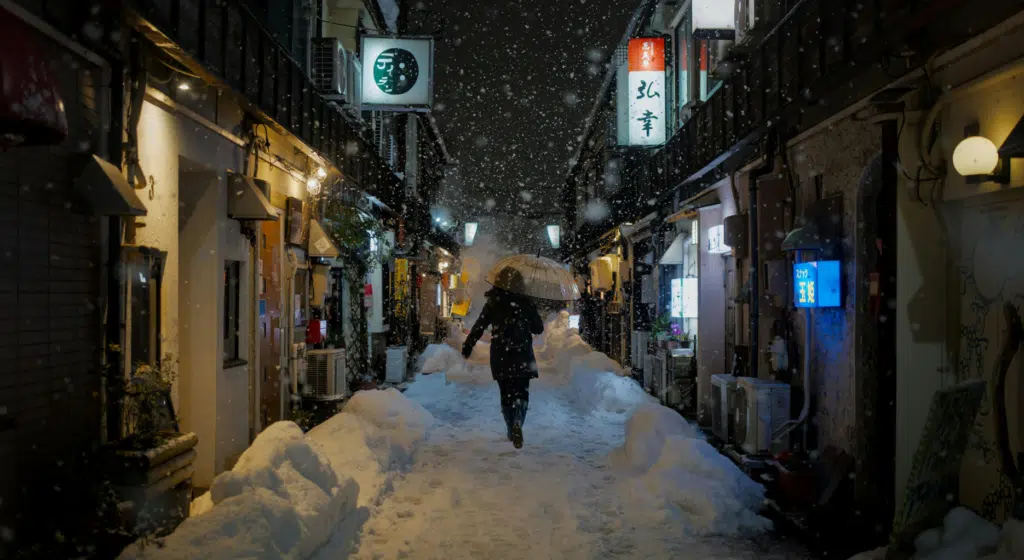
Why So Many Travellers Fall for Kanazawa
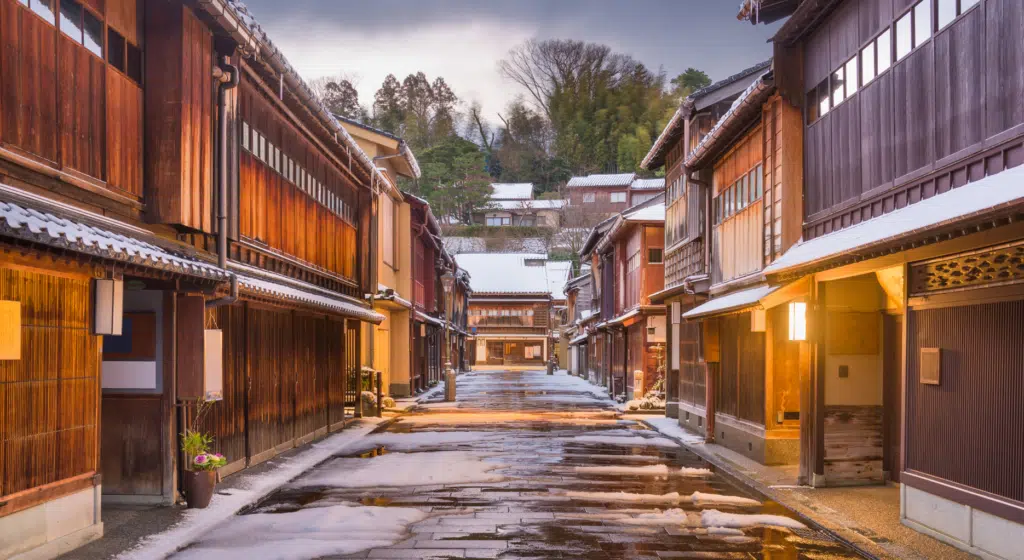
Kyoto or Kanazawa – Which Is Better for Traditional Japan?
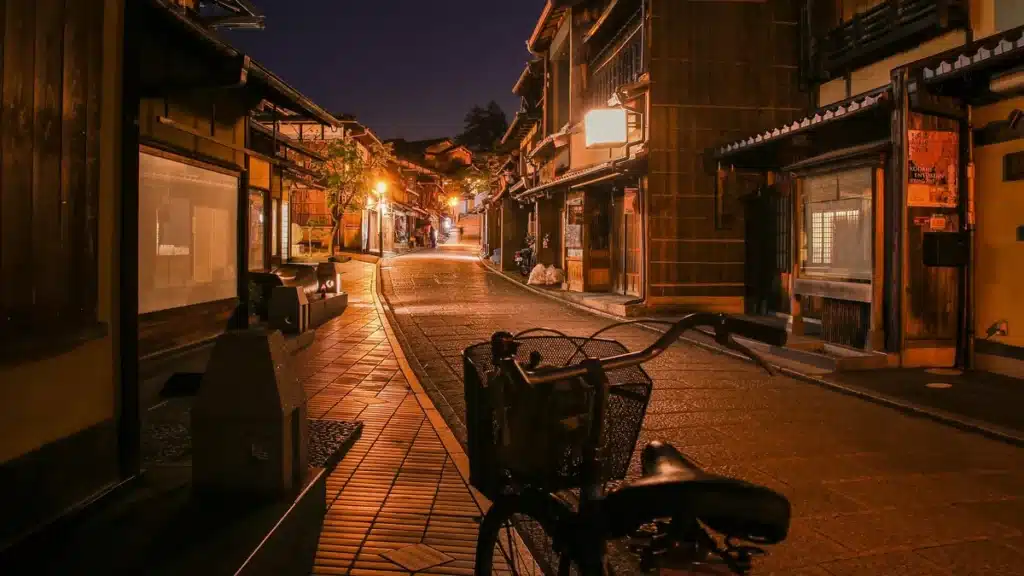
What Is a Kissaten? Inside Japan’s Historic Coffee Shop Culture
Kruger or a Private Reserve? Where to Safari in Greater Kruger
The Best Time to Visit Kruger for Wildlife, Weather and Fewer Crowds
Kruger for First-Time Safari Travellers: What Nobody Tells You Before You Go
Beyond Wine Tastings: How to Spend Three Days in the Cape Winelands
Stellenbosch or Franschhoek? Where to Stay in the Cape Winelands
Cairo for Luxury Travellers: Pyramids, Palaces & Grand Hotels
A Luxury Journey Through Ancient Egypt