
Watamu Marine National Park holds over 600 species of fish, three species of sea turtle, and one of the most intact reef systems in the Western Indian Ocean. A private guided dive with a specialist marine guide produces a quality of encounter that no group operation matches.
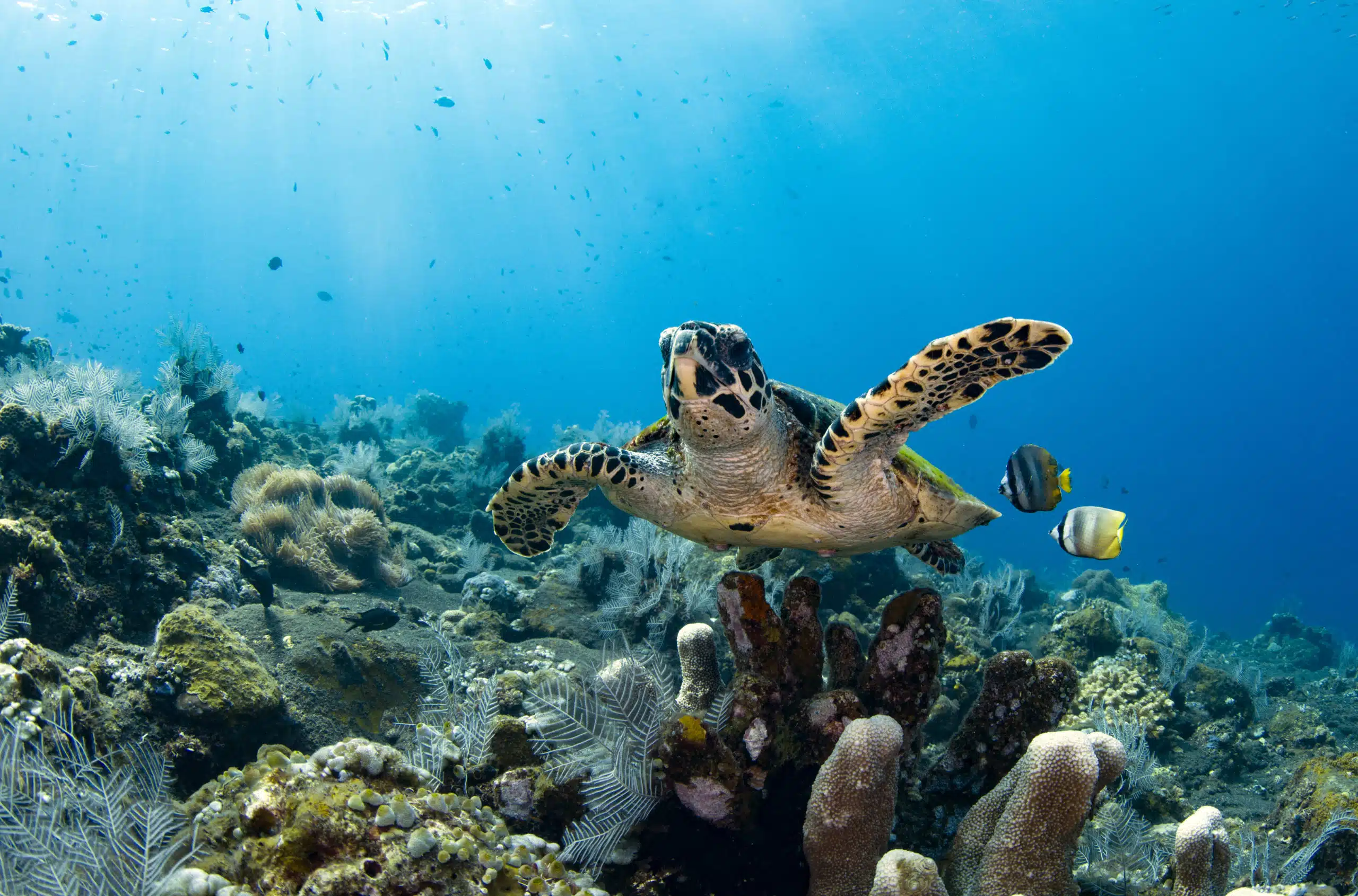
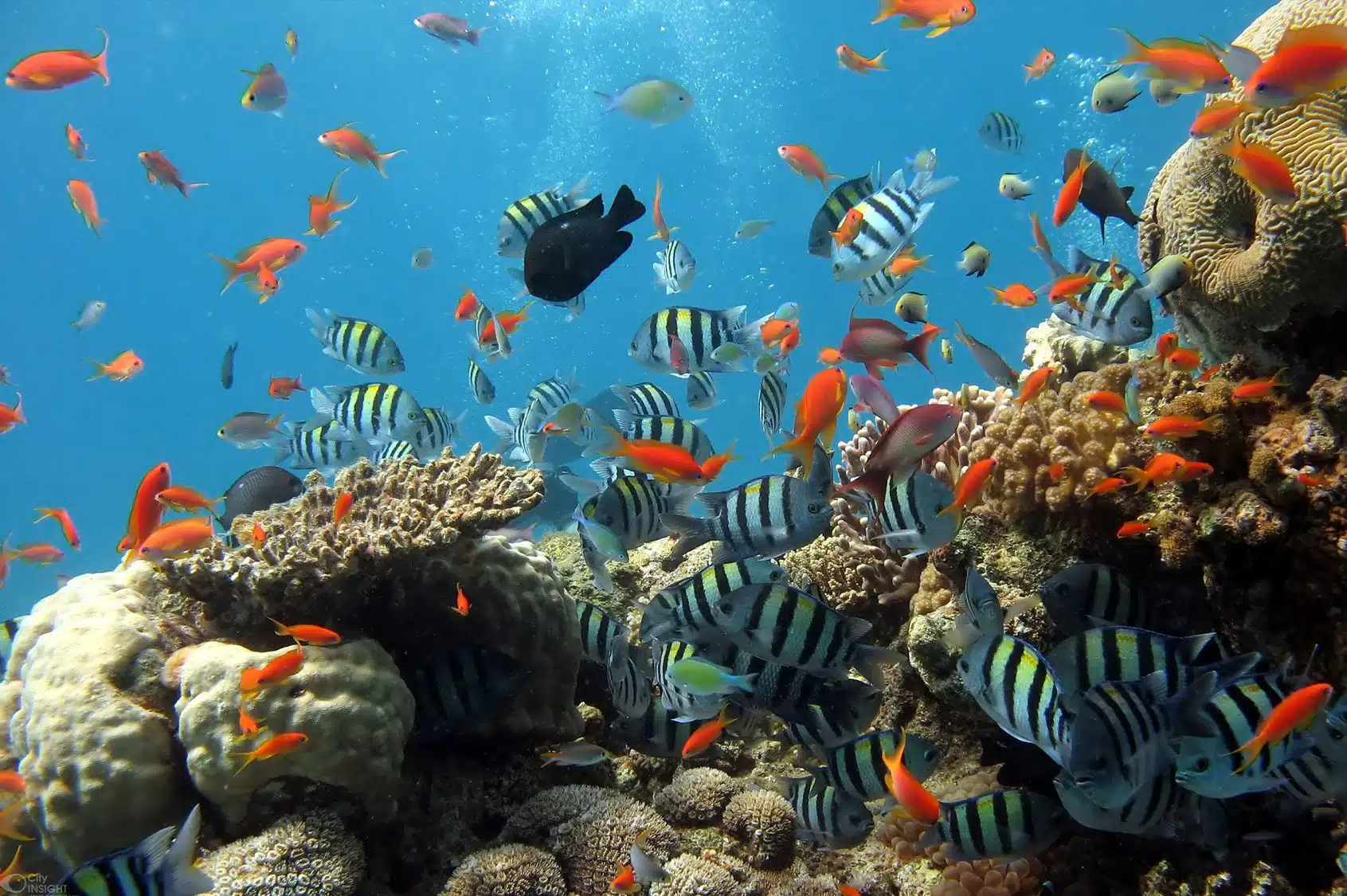
Watamu Marine National Park sits within a UNESCO Biosphere Reserve on the northern coast of Kenya, 120 kilometers north of Mombasa. The reef, 300 meters from shore, holds over 600 species of fish, more than 150 species of coral, three species of nesting sea turtle, whale sharks between October and March, and resident bottlenose dolphin year-round.
Established in 1968 as one of the first marine parks in Africa, the core park operates as a no-take zone where fishing has been prohibited since establishment, allowing the reef to maintain a health that comparable sites along the East African coast have not retained.
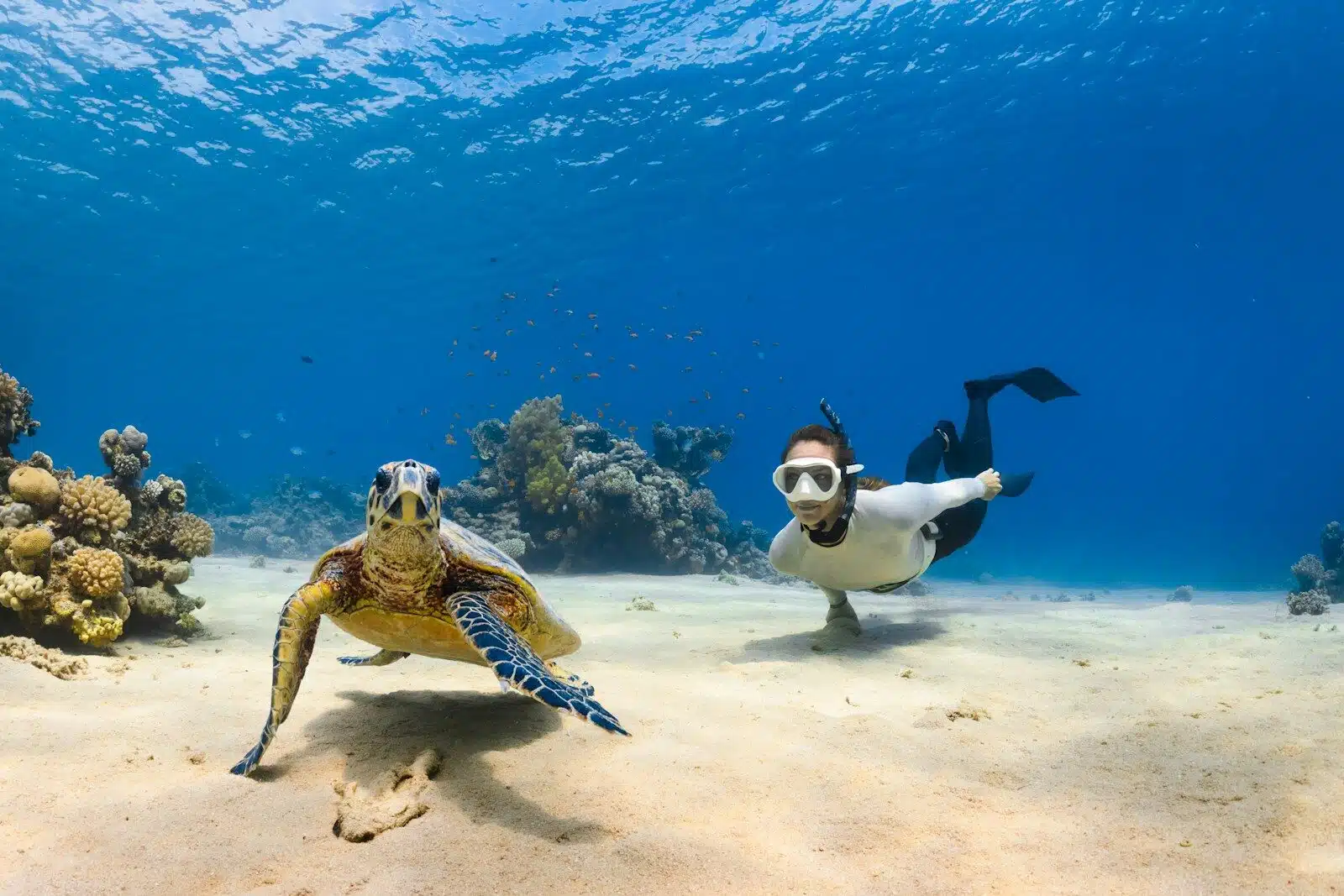
A private guided dive with a specialist marine guide who knows the specific dive sites, the seasonal movements of the larger species, and the locations of individual resident turtles produces an encounter with the reef that no group operation manages on the same terms.
About Do Not Disturb
Do Not Disturb is a luxury travel company specializing in carefully designed journeys and considered experiences. Each itinerary we build for our clients is informed by real destination knowledge, offering insight into places, cultures, and moments that shape how a trip comes together.
If this destination has sparked ideas, the itinerary can be developed into a private journey tailored to your interests and travel style, with hand-picked stays, thoughtful routing, and experiences curated around what matters most to you.
Cultural and Historical Context
The park is managed by Kenya Wildlife Service in partnership with the local Bajuni and Giriama communities, whose relationship with this coastline predates the park’s establishment by centuries.
Traditional fishing using ngalawa outrigger canoes and basket traps has coexisted with the reef for generations, with the reserve area surrounding the core park allowing controlled artisanal fishing alongside the no-take zone.
Watamu Turtle Watch was founded by local residents in 1997 to protect nesting sea turtles and has since expanded into Local Ocean Conservation, which now operates Kenya’s only sea turtle rehabilitation centre and works with over 1,000 local fishermen on bycatch release.
A bleaching event in 1997 and 1998 damaged sections of the coral, and recovery in some areas has been slow. The no-take zone designation has supported the reef’s resilience, and current reef health is considered among the best of any accessible marine protected area in Kenya.
Why Private or Small-Group Access Matters
A standard group dive in Watamu loads a boat to capacity, drops guests on the Coral Gardens, and manages the group around a fixed window of time in the water. The specific locations of resident turtles, the dive sites outside the main reef that hold larger pelagic species, and the timing of the tide that determines visibility are not accessible to a group being managed as a unit.
A private dive is built around what the guide knows about the reef at that specific time of year. Visibility at low tide, particularly spring low tide, exceeds 20 meters in good conditions and drops significantly at high tide, so departure time is set around the tide schedule rather than a standard morning slot.
The dive site is chosen based on what the guide has observed in the preceding days, which turtles are active, whether the outer reef or inner coral gardens are producing better conditions, and whether whale sharks have been sighted offshore. Time in the water is determined by what is happening on the reef, not by a group schedule.

What You See
The Coral Gardens form the core of the reef, with fan corals, brain corals, damselfish, butterflyfish, angelfish, moray eels, groupers, and parrotfish throughout. Green turtles graze on the seagrass beds and are regularly encountered at close range. Hawksbill turtles feed on sponges in the coral gardens.
Outside the fringe reef the character of the dive shifts. The Canyon is a deep channel where trevally and reef sharks move through the current. Barracuda Reef holds fish density the inner lagoon does not produce. The Mida Wreck, an 18-meter prawn trawler, has become an artificial reef. Drift diving through the channels carries divers past coral and fish concentrations that the calmer lagoon cannot match.
Whale sharks aggregate near the reef crest between October and March. Encounters are not guaranteed, and a private guide’s value is in knowing where to position and when to depart based on feeding activity. Humpback whales pass through between July and September. Spinner and bottlenose dolphins are present year-round in the deeper channels.

How Do Not Disturb Makes This Possible
Do Not Disturb works with a small number of specialist marine guides in Watamu whose knowledge of the reef, the tide schedule, and the seasonal movements of the larger species is built across years of daily time in the water.
The guide selected for a private dive is chosen for their specific expertise in the type of encounter the guest is most interested in, turtle behavior, whale shark positioning, or the deeper outer reef sites. The timing of the dive is planned around the tide and the season before arrival rather than defaulting to a standard morning departure.
Ready to plan your private guided dive on the Watamu Marine National Park reef and experience one of East Africa’s most intact marine ecosystems? Speak with Do Not Disturb to begin your journey.
Plan your own version of this journey
Speak to Do Not Disturb’s luxury travel experts and turn this moment into something personal.
Related destinations
Suggested articles
Where to Go On Honeymoon? A Guide to Help You Choose

Why Kenya Is Perfect for a Luxury Honeymoon
Wilderness to Waves: Luxury Honeymoons in Kenya

Kenya vs. South Africa for a First Safari

Serengeti vs. Maasai Mara: Which Luxury Safari Is Right for You?

Best Winter Sun Honeymoon Destinations in Europe
Portugal vs Spain for Your Honeymoon – Which Should You Choose?
One Island or Two? Splitting Your Maldives Honeymoon Between Resorts

Best Honeymoon Destinations for Autumn

Italy vs Greece for Your Honeymoon – Which is Better?
48 Hours in Lima: Where to Eat, Stay and Explore

A Cultural Honeymoon in Peru: Machu Picchu, Cusco, the Sacred Valley and the Amazon

Peru or Mexico: Which Ancient Civilisation Should You Visit First?