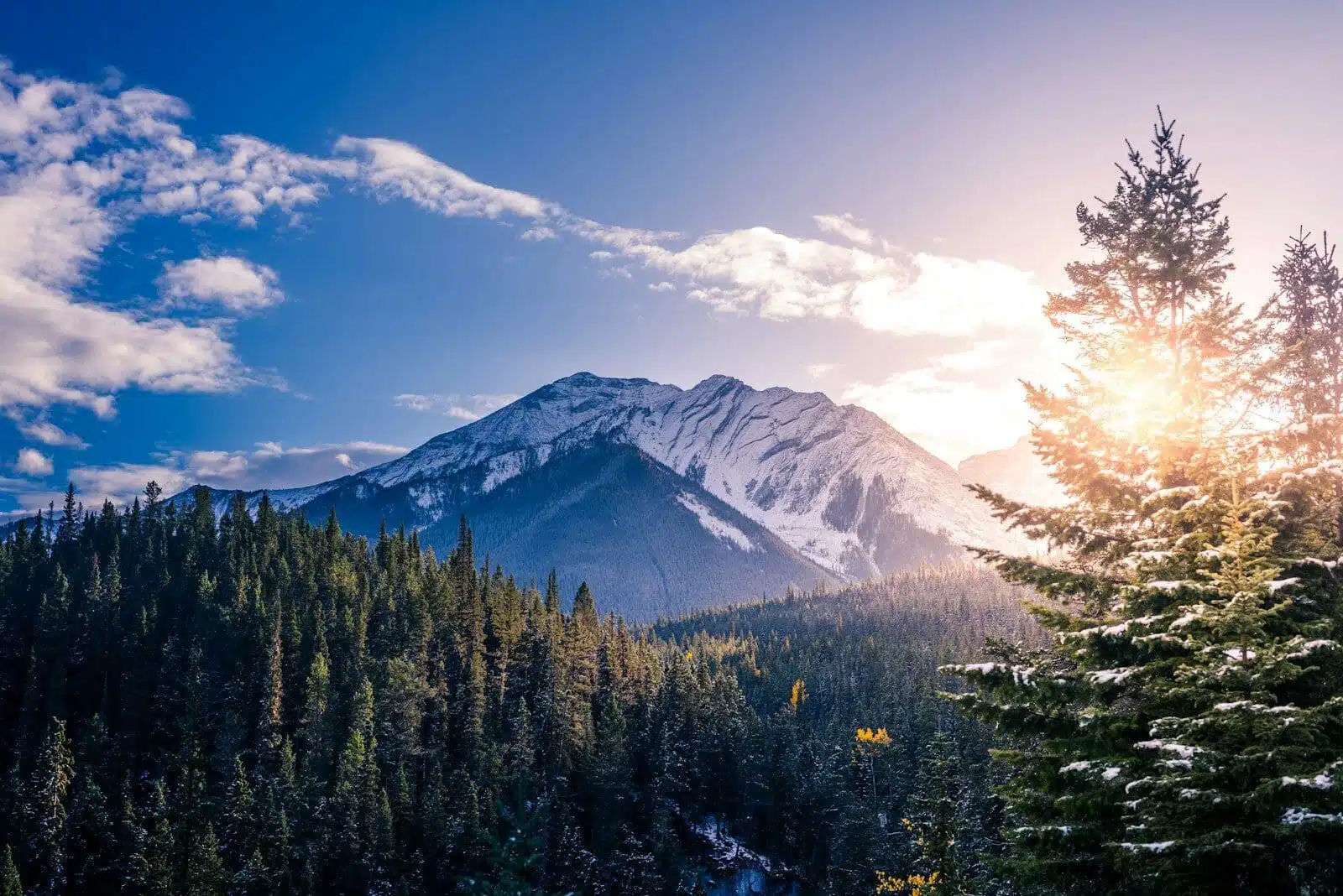

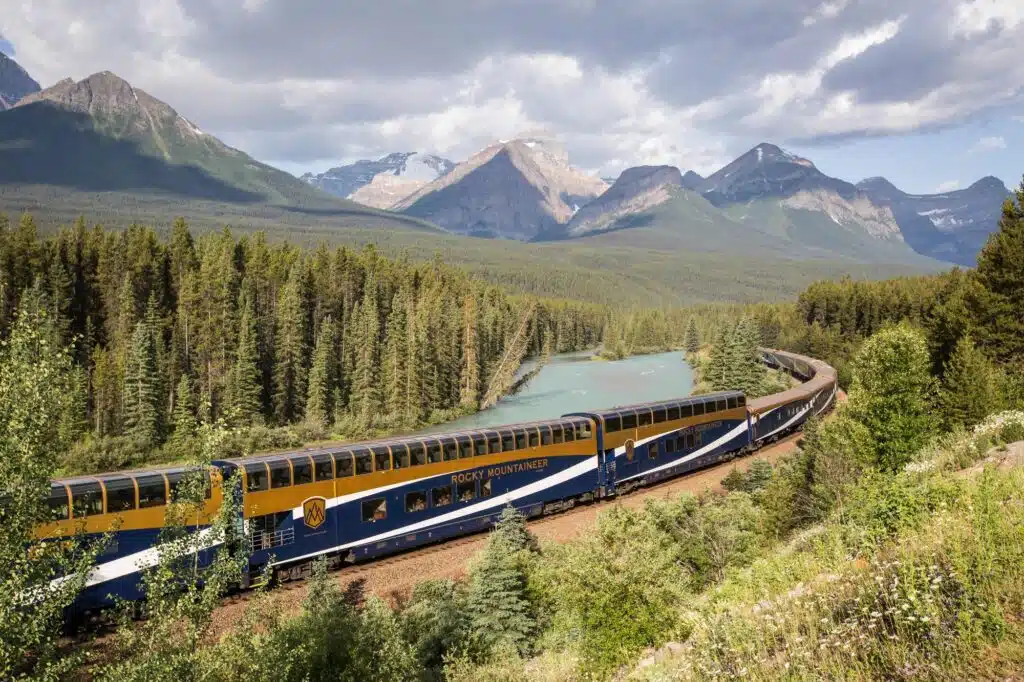
Canada makes an exceptional honeymoon for couples who want space, scenery, and a sense of escape, from the Rockies to remote lakes and coastal wilderness. Experience once-in-a-lifetime landscapes without the crowds of more typical honeymoon destinations.
Canada stands apart as a honeymoon destination for its sheer scale and variety, where you can combine luxury rail journeys, wilderness lodges, and cosmopolitan cities in one seamless trip. It is less about ticking off sights and more about the experience of moving through vast, ever-changing landscapes together.
Canada is a vast country with a relatively small population, so it invites a sense of adventure. There’s a sense of venturing into the unknown as you explore its vast landscapes, but you’ll find all the luxuries you could desire in the cities.
About Do Not Disturb
Do Not Disturb is a luxury travel company specializing in carefully designed journeys and considered experiences. Each itinerary we build for our clients is informed by real destination knowledge, offering insight into places, cultures, and moments that shape how a trip comes together.
If this destination has sparked ideas, the itinerary can be developed into a private journey tailored to your interests and travel style, with hand-picked stays, thoughtful routing, and experiences curated around what matters most to you.
British Columbia
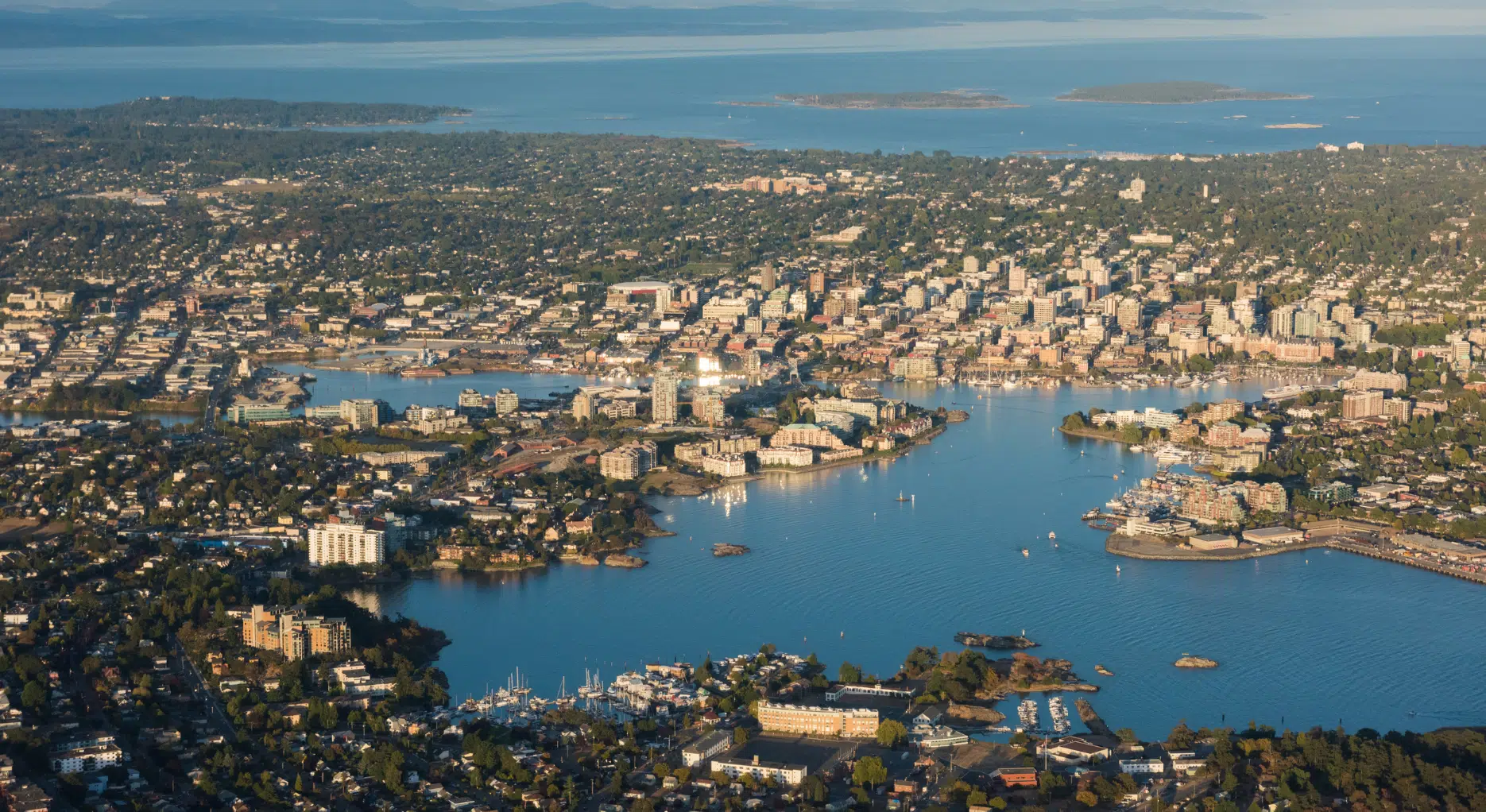
Start in Victoria, not Vancouver. Most itineraries get this the wrong way around, and it matters. Victoria is quieter, more manageable, and has a particular atmosphere in the early evening, with the Inner Harbour lit up and the Fairmont Empress across the water, that sets a tone for everything that follows.
The city is the right place to arrive jet-lagged and spend two nights adjusting. Walk the Dallas Road waterfront in the morning. Spend an afternoon at Butchart Gardens, which sounds like a tourist obligation and turns out to be extraordinary: 55 acres of sunken gardens built into a former limestone quarry, at their best in the long summer evenings when the crowds thin and the light goes warm.
For whale watching out of Victoria, the Gulf Islands corridor is reliable from April through October. A private charter rather than a group tour changes the experience considerably.
From Victoria, take the ferry to Vancouver. The crossing through the Gulf Islands takes around 90 minutes and is one of the more scenic transitions in North American travel. Vancouver itself is worth two nights: the Seawall walk from Stanley Park to Granville Island, dinner in Yaletown, and the kind of city energy that grounds you before the wilderness ahead.
Where to stay:
The Fairmont Empress in Victoria is the address that defines the city. Book a harbour-view suite and arrive in time for afternoon tea in the lobby, which is neither as touristy nor as expensive as you might expect. In Vancouver, the Rosewood Hotel Georgia in the downtown core is the most elegant option in the city, a 1927 heritage building with rooms that have been thoroughly restored without losing their character.
The Canadian Rockies
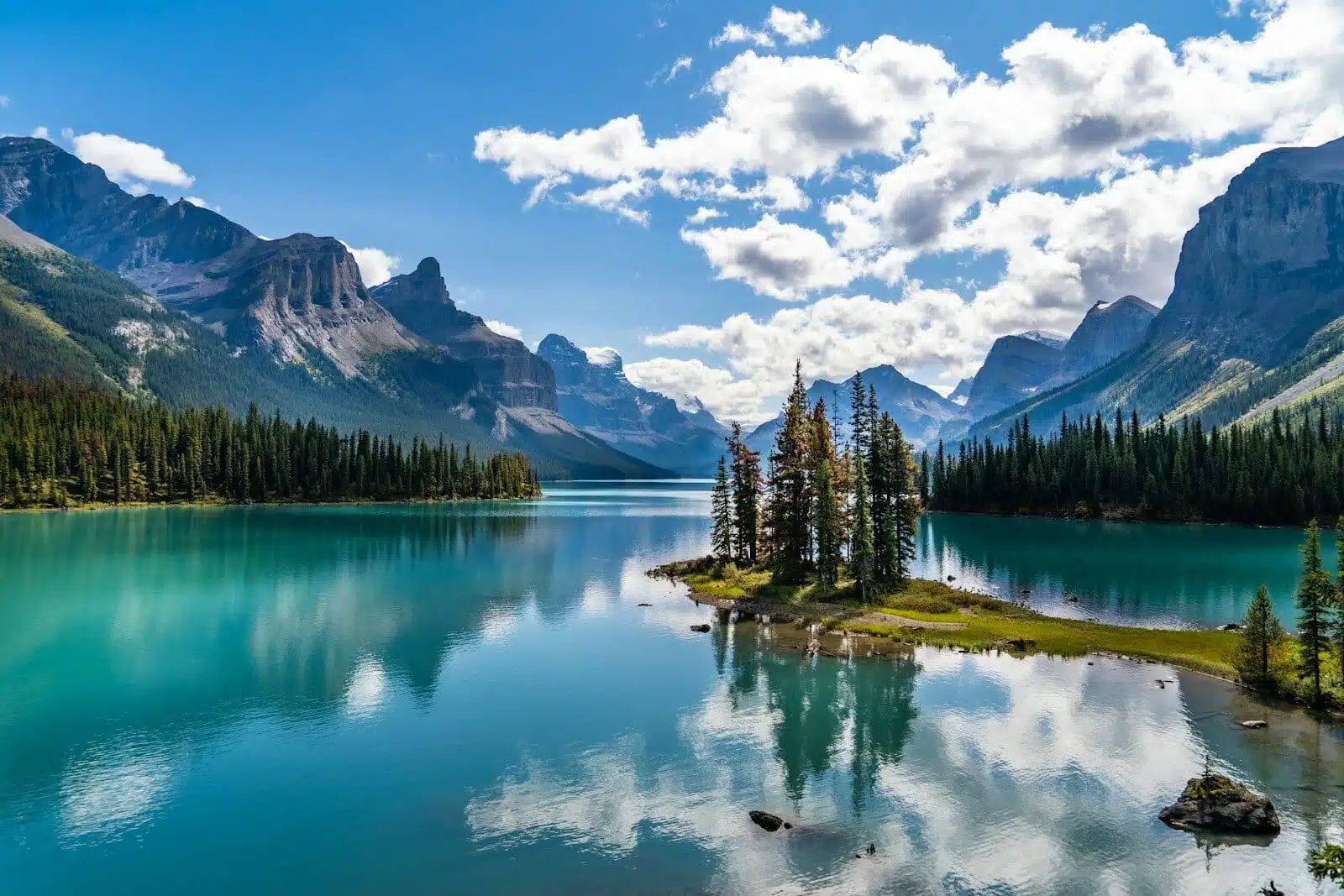
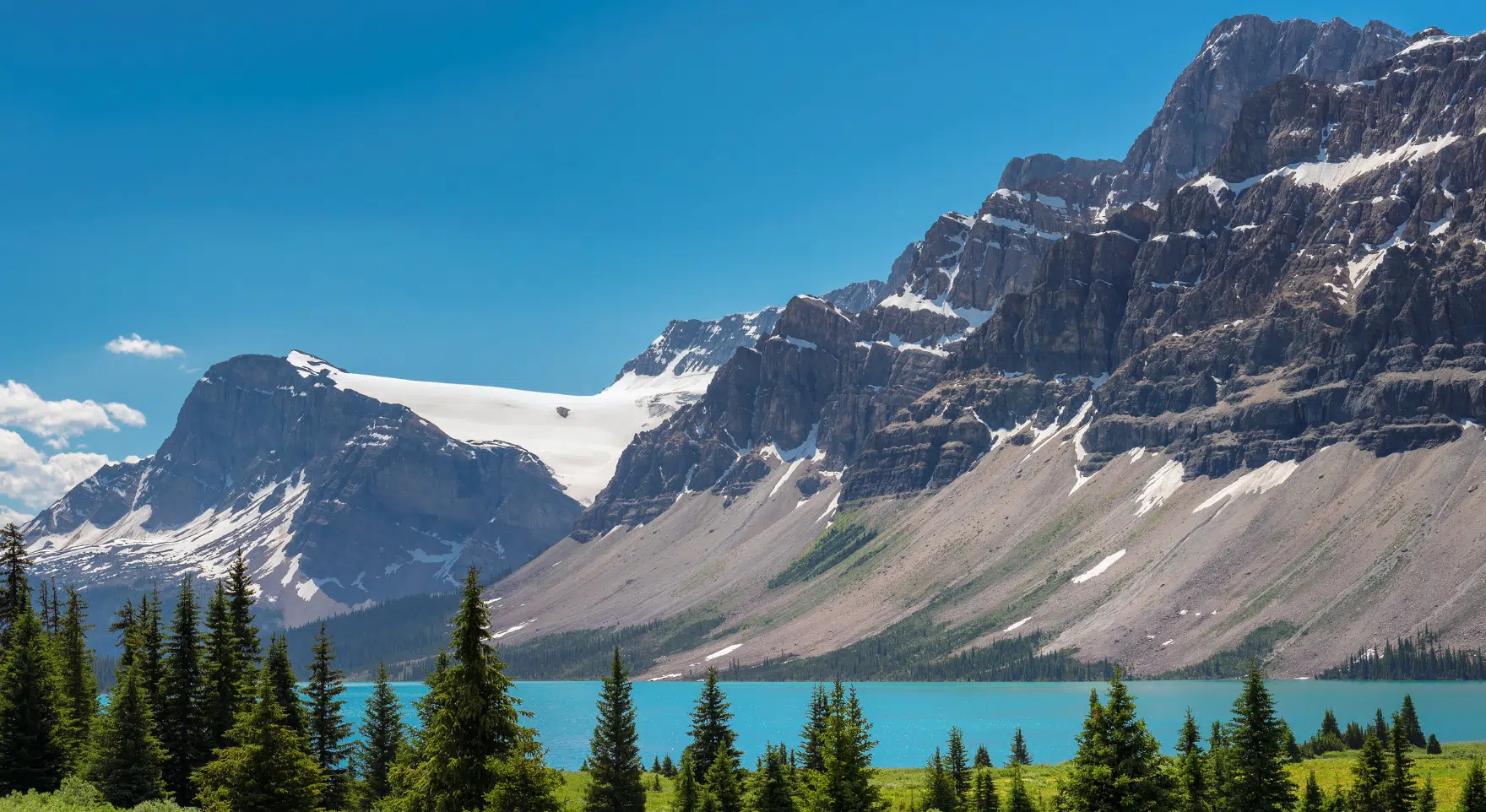
The Rockies are why most people come to Canada, and they deliver. Banff and Jasper form one of the largest protected mountain regions in the world, with glaciers, turquoise lakes, and a scale that photos never quite capture.
Fly into Calgary and drive west. The mountains rise slowly on the horizon, and that approach is part of the experience. Moraine Lake is the image everyone knows, and it lives up to it, especially early in the morning when the light hits the Ten Peaks and the crowds have not yet arrived.
The difference between a good trip and a great one comes down to how you experience it. Heli-hiking takes you into alpine terrain that cannot be reached on foot, while canoeing on lakes like Moraine or Louise offers a quieter, more immersive perspective.
The Icefields Parkway between Banff and Jasper is one of the world’s great drives and should not be rushed. Plan for a full day with stops along the way.
Where to stay:
The Post Hotel in Lake Louise is the standout, more intimate than the larger resorts, with an exceptional wine cellar and a quieter feel. The Fairmont Banff Springs offers something completely different, a historic, castle-like property built into the mountainside.
Quebec
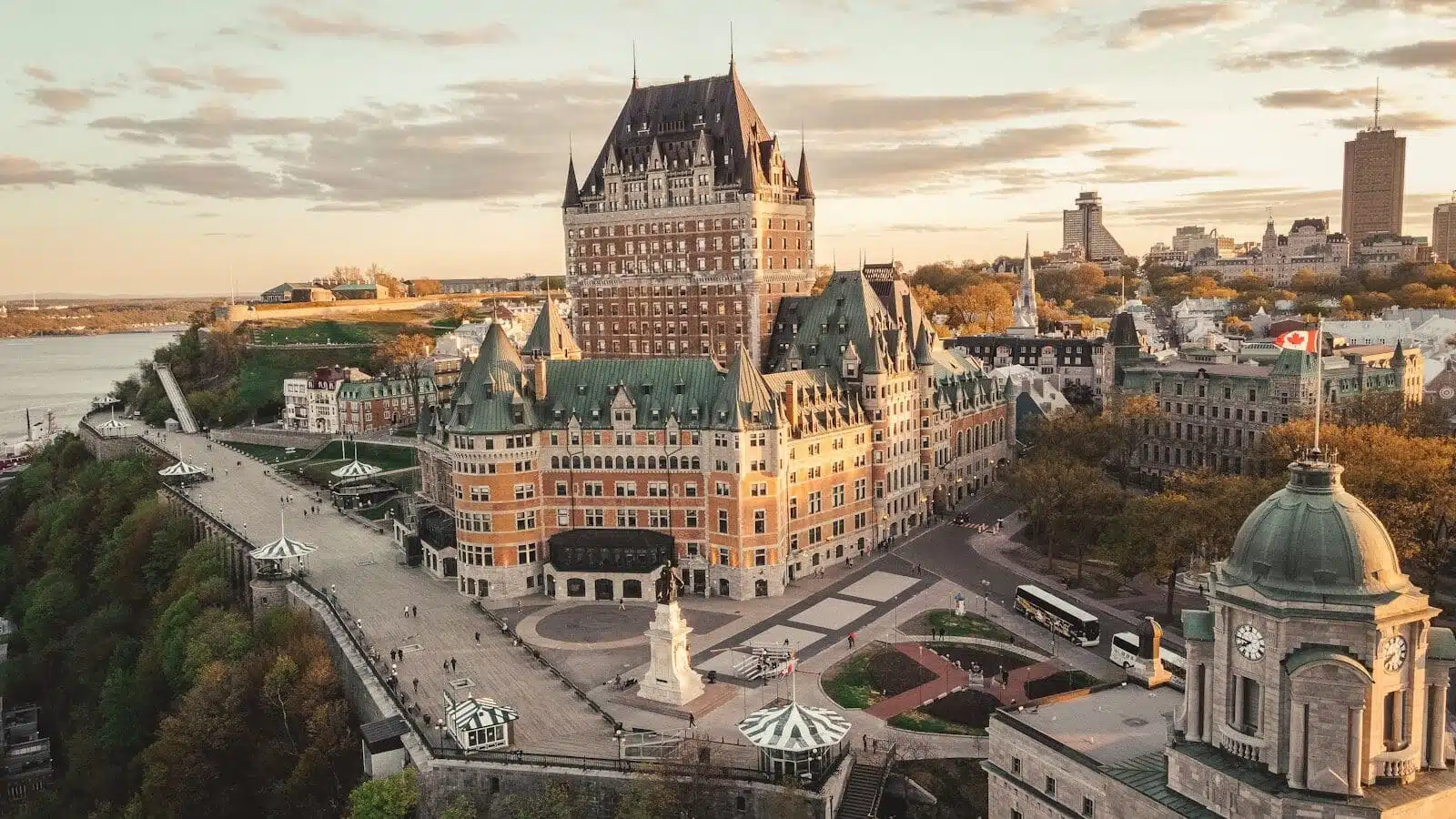
Quebec is where the trip shifts in tone. After the scale of the Rockies, arriving in Old Quebec City feels intimate and almost European, with cobbled streets, soft evening light, and the Chateau Frontenac overlooking the St. Lawrence.
The city is made for wandering together. Walk the Plains of Abraham at sunset, explore Petit-Champlain early before it fills, and settle into long, unhurried dinners in Saint-Roch. It is slower, more atmospheric, and naturally romantic.
For a night or two beyond the city, Charlevoix offers a quieter escape. Rolling countryside, river views, and small inns make it ideal for switching off completely, especially in late summer and fall.
Montreal adds contrast. It is livelier and more cosmopolitan, but still works well for couples, with great food, walkable neighbourhoods, and great nightlife.
Where to stay:
The Fairmont Le Chateau Frontenac is hard to beat for setting. Book a river-view room and plan time to enjoy it properly. In Montreal, Hotel Birks offers a more contemporary, design-led stay that still feels personal and well-suited to a couple’s trip.
On Time and Temperature
Canada operates on a different relationship with time than most honeymoon destinations, and the specific month of travel shapes the trip more here than almost anywhere else. The Rockies are at their best from June through September, with July and August peak season and June and September offering the better balance of weather and crowd levels. Quebec’s fall foliage season, late September through mid-October, is among the most spectacular natural events in the northern hemisphere and significantly underrated as a travel experience.
Winter travel in Canada requires different expectations and different itinerary logic. Banff in January is a different place than Banff in July: the lakes are frozen, the snowpack is deep, and the light on the mountains in the early afternoon is extraordinary. Ice skating on Lake Louise, a frozen outdoor rink at the foot of the chateau, is the kind of experience that exists nowhere else in the world. For couples who ski, the Rockies in February rival anything in the Alps.
The worst time to visit most of Canada is April and early May. The snow has left and the summer has not yet arrived. If the dates are fixed in that window, Quebec City and Montreal are the better choices.
How Do Not Disturb Designs a Canada Honeymoon
A Canada honeymoon that moves across British Columbia, the Rockies, and Quebec involves more logistical complexity than most, with internal flights, regional transfers, and properties that require early booking, particularly in peak summer and fall. The difference between an itinerary that flows and one that doesn’t is in the details of how it’s put together.
Do Not Disturb has established relationships with the key properties across all three regions, as well as with the operators who provide the experiences that aren’t available through standard booking channels: private heli-hiking, early access to Moraine Lake, private guides across the Rockies. The itinerary is built around what you want from the trip, whether that is wilderness and silence, cities and food, or a combination that uses each region for what it actually does best.
Ready to start planning your Canada honeymoon? Speak with Do Not Disturb and we’ll design an itinerary built around the Canada you want to see.
Plan your own version of this journey
Speak to Do Not Disturb’s luxury travel experts and turn this moment into something personal.
Related destinations
Suggested articles

Two Days in Montreal: Where to Eat, Stay and Explore
Cairo for Luxury Travellers: Pyramids, Palaces & Grand Hotels
A Luxury Journey Through Ancient Egypt

Cleopatra’s Egypt: Alexandria, Cairo & the Nile
Maldives Luxury Resorts: The Newest Openings
The Best Temples to Visit Beyond Angkor Wat
The Cardamom Mountains: Cambodia’s Wildest Luxury Escape
Two Seasons: When to Go to Fiji and Why It Matters
Plan your honeymoon in Switzerland
How to Travel Through a European Summer Heatwave

Finland’s Sauna Culture Explained
The Best Honeymoon Destinations for LGBTQ+ Couples
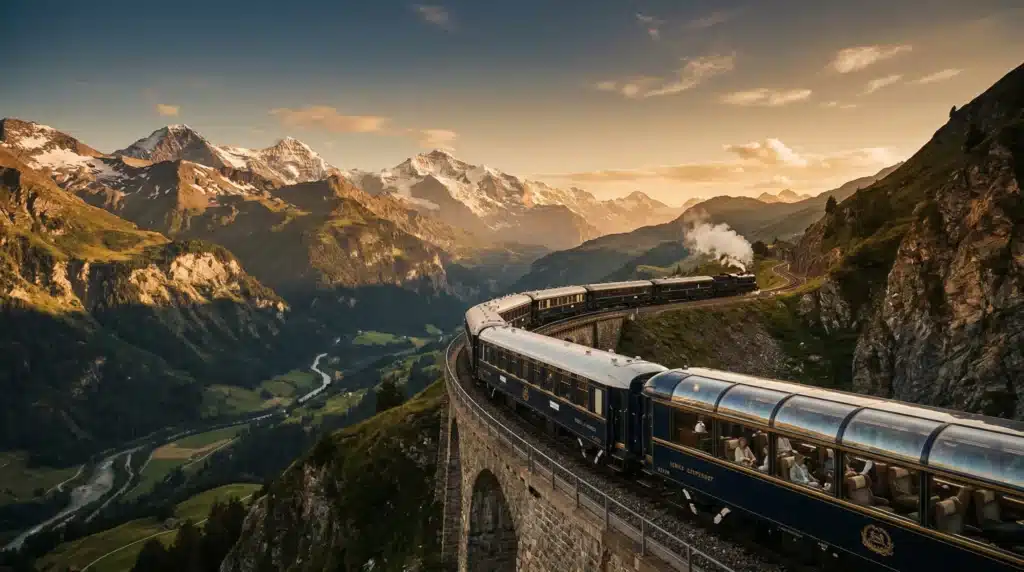
The Most Romantic Train Journeys for a Slow Honeymoon