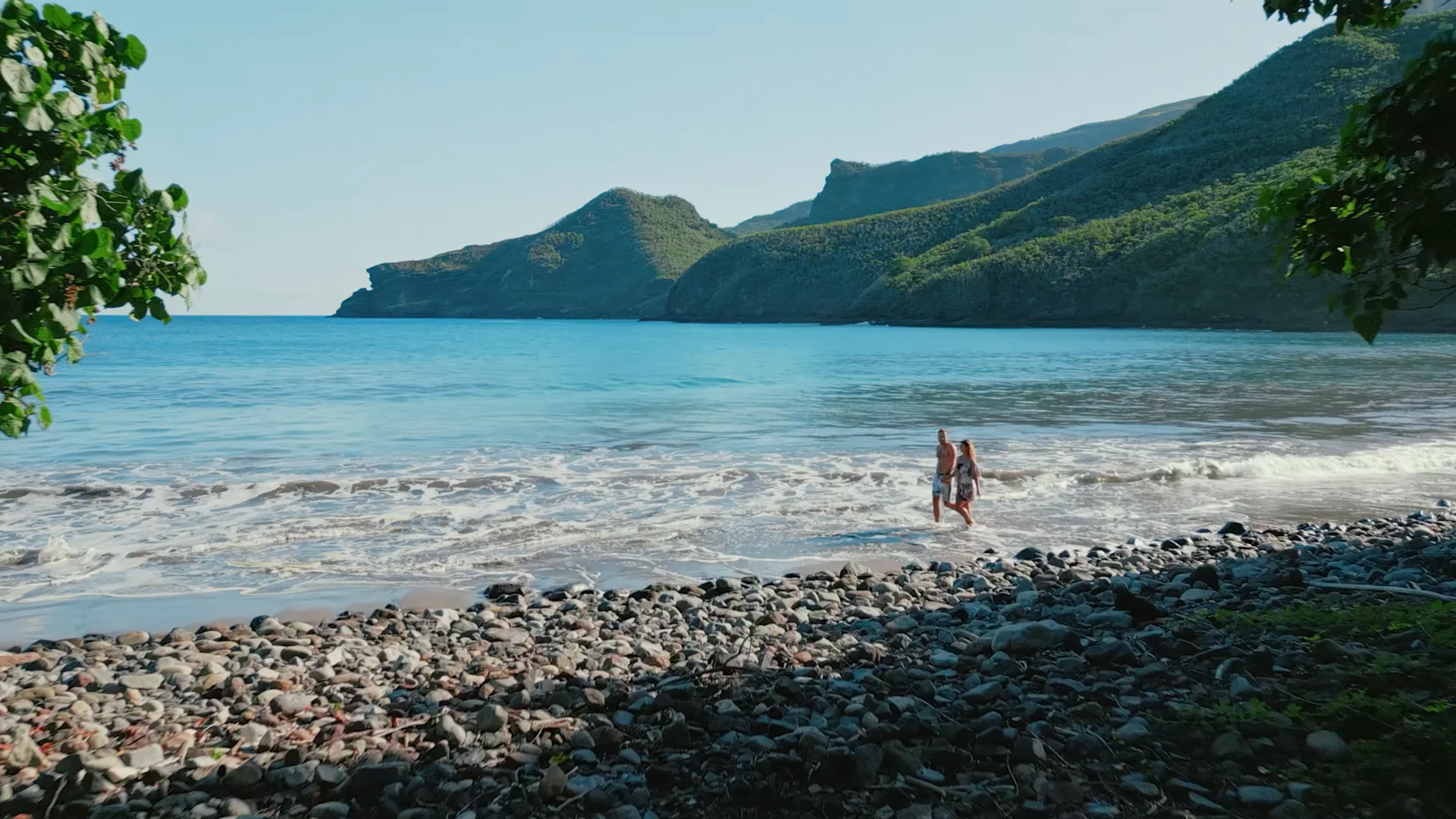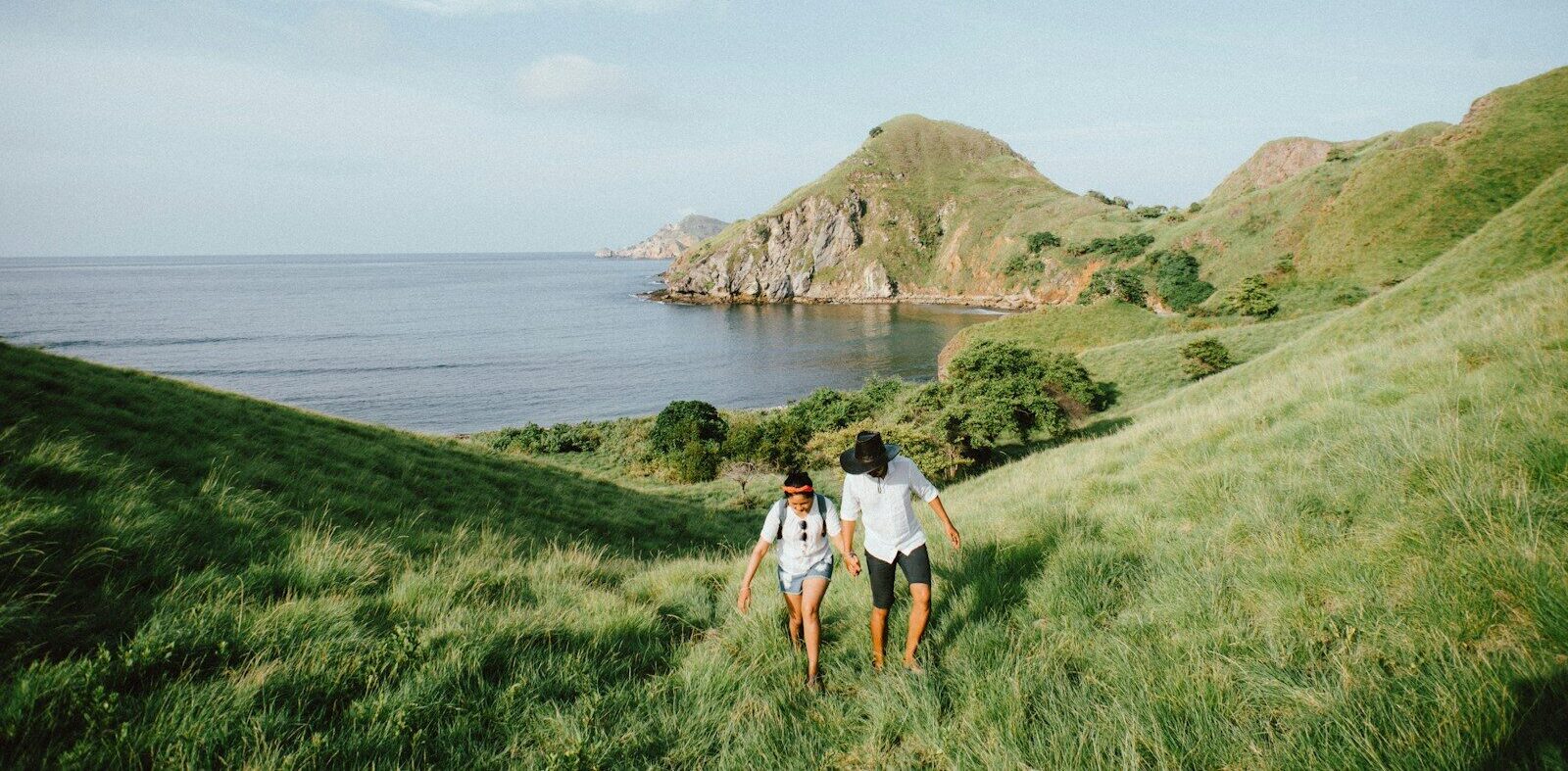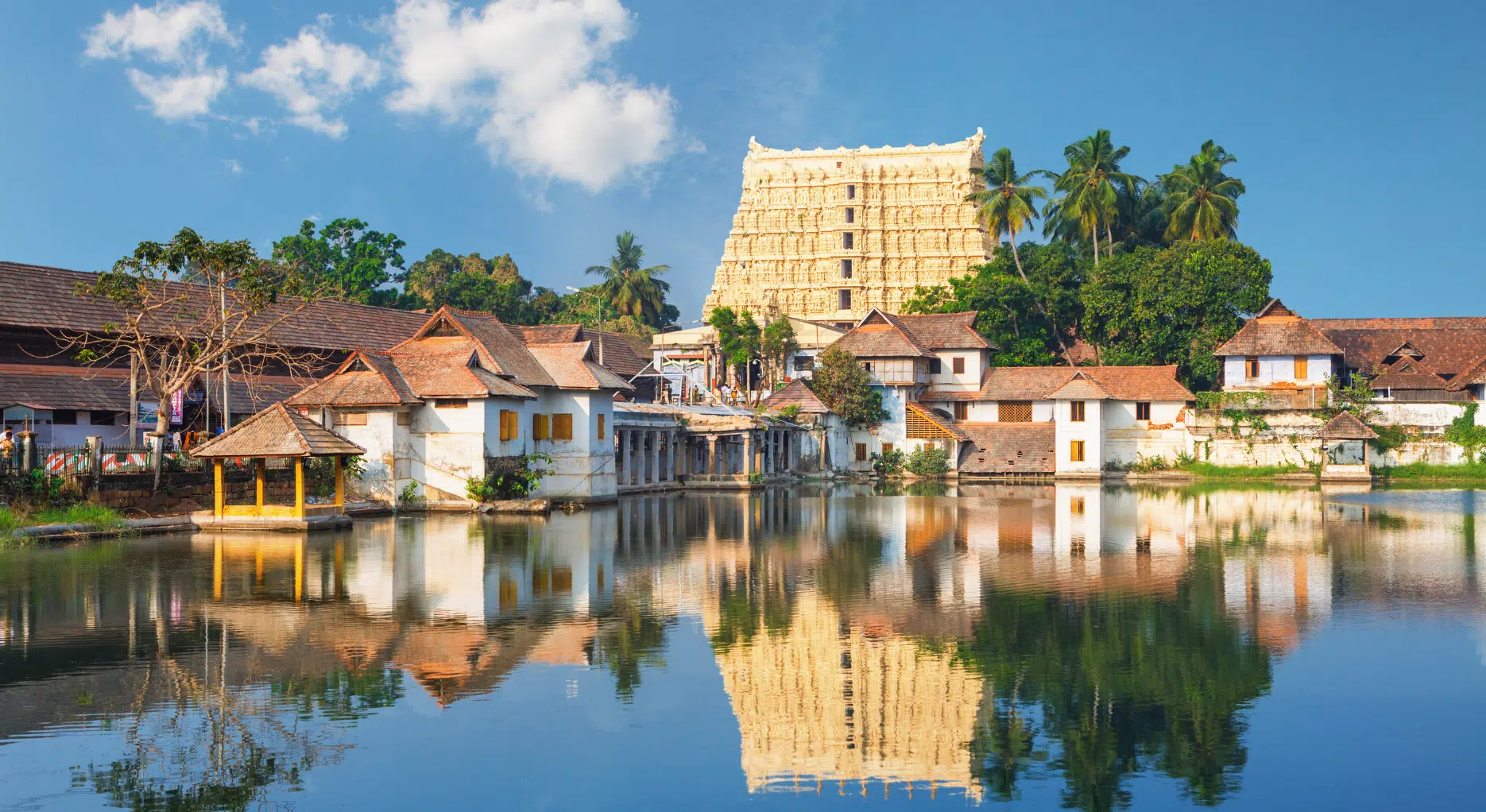

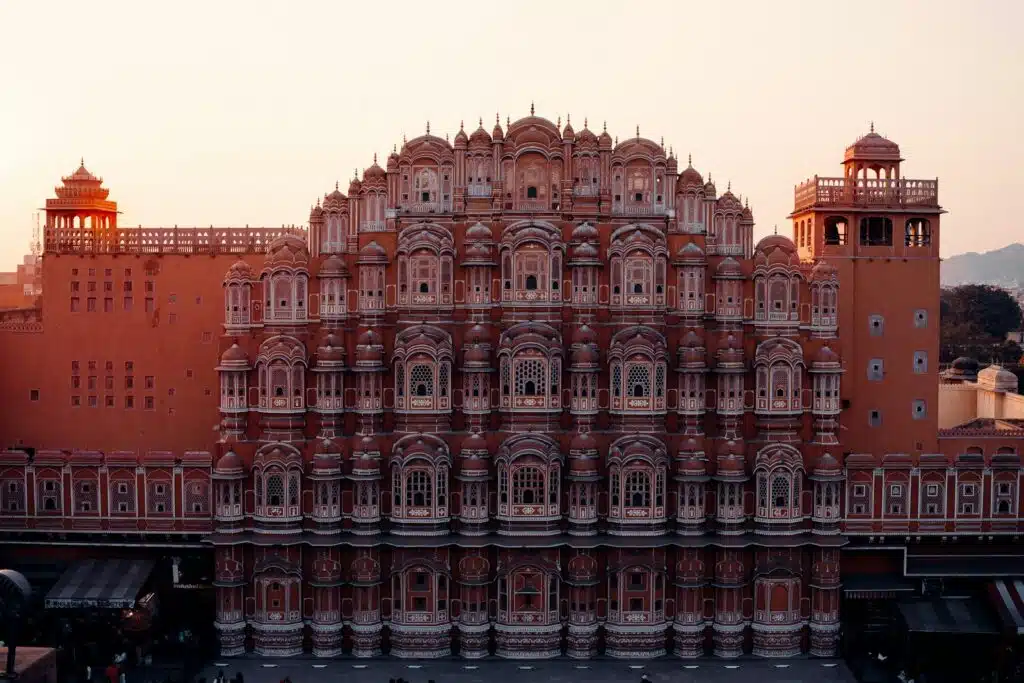
Kerala is India’s fundamentally different region. The landscape is tropical. The culture is distinctly its own (Hindu but expressed differently than north India). The pace is genuinely slower, by Indian standards. The food is exceptional and specific to the place. For travellers wanting India without the intensity of the north, or specifically seeking Ayurveda and water-based experiences, Kerala is a great choice.
What Makes Kerala Different
Kerala was never part of the Mughal empire, which means the history and culture developed separately from north India’s Islamic-influenced kingdoms. The result is a region that feels distinct: different architecture, different food, different cultural expression. The landscape is tropical (coconut palms, backwaters, monsoon forests) rather than desert or plains.
Kerala remains less crowded than Rajasthan or the Golden Triangle, which means you’re experiencing India without the vast crowds.
About Do Not Disturb
Do Not Disturb is a luxury travel company specializing in carefully designed journeys and considered experiences. Each itinerary we build for our clients is informed by real destination knowledge, offering insight into places, cultures, and moments that shape how a trip comes together.
If this destination has sparked ideas, the itinerary can be developed into a private journey tailored to your interests and travel style, with hand-picked stays, thoughtful routing, and experiences curated around what matters most to you.
The Backwaters
The backwaters are Kerala’s essential experience. These are a network of lagoons, lakes, and interconnected canals that run between the coast and higher ground. The ecosystem supports fishing villages, farming, coconut plantations, and a specific way of life that’s remained relatively unchanged for centuries.
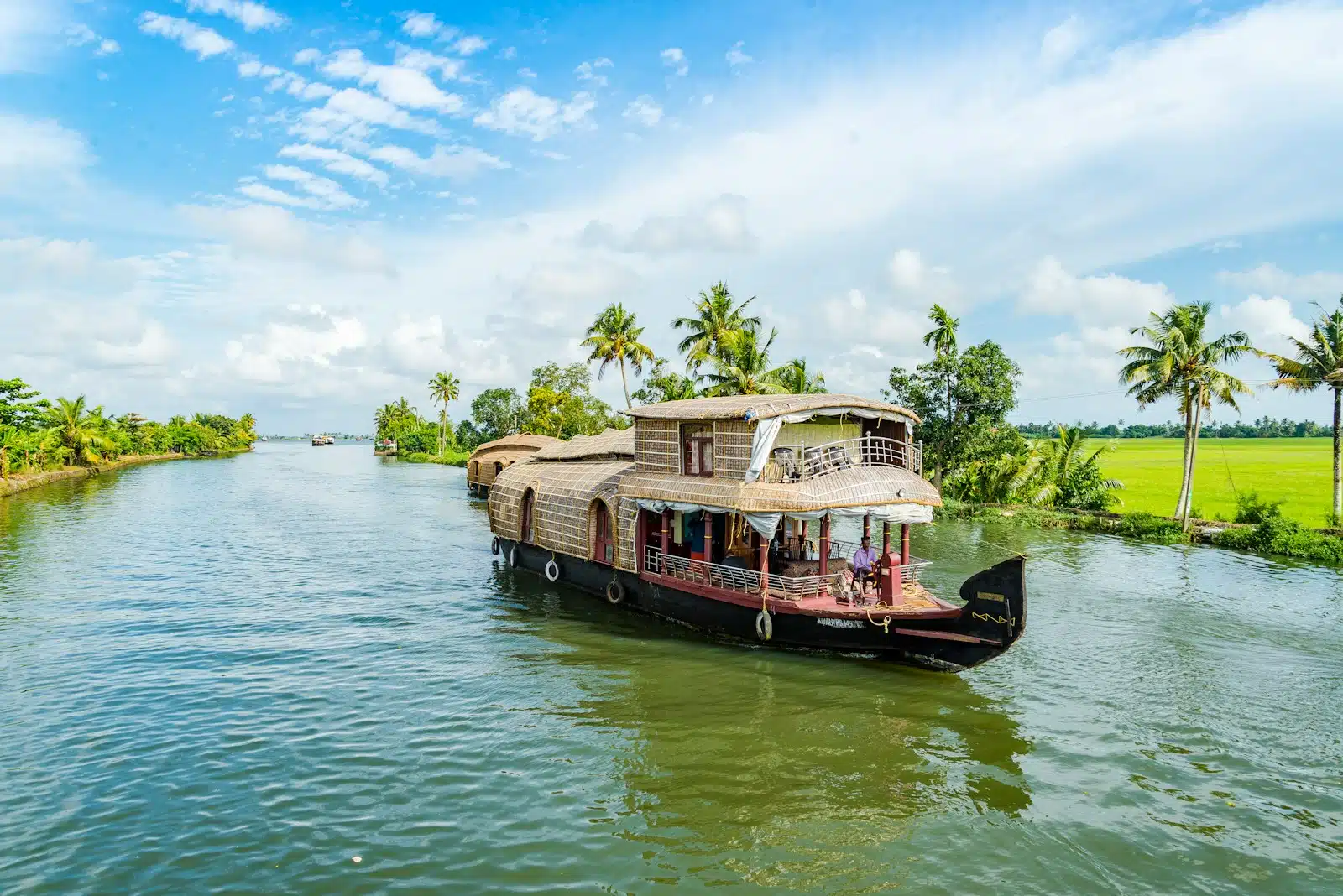
Houseboat stays have become the iconic Kerala experience. These are traditional wooden boats (built using Kerala-specific techniques, wood primarily from the region) that function as overnight accommodation. The boats are slow-moving, powered by pole or paddle, and navigate through narrow backwater channels.
The experience is fundamentally about slowness. You wake on the water. You watch fishermen using traditional casting nets (a genuinely beautiful gesture, circular nets cast from boats into water). You watch coconut farmers working. You move through villages where the primary transportation is water. You’re experiencing a way of life that’s largely unchanged despite tourism.
The best houseboat experiences position you on less-trafficked backwater routes. The heavily promoted routes have become crowded with houseboats packed together. The genuine experience is finding quieter waterways where you’re alone on the water with traditional ecosystem around you.

Kochi
Kochi (formerly Cochin) is Kerala’s primary city and worth substantial time. The city contains layers of history: Portuguese colonization, Dutch occupation, British rule, and contemporary Indian commerce all shaped the place. The architecture reflects these layers. The food is exceptional and specific to coastal Kerala.
Kochi’s old harbor area contains colonial buildings, Portuguese architecture, and the famous Chinese fishing nets (massive wooden structures suspended over water, still used for actual fishing despite tourism). The backwater canals run through the city.
Spending two days in Kochi allows genuine engagement: exploring neighbourhoods on foot, eating at local restaurants, understanding the city’s commercial life beyond tourism, visiting museums if interested, and simply moving through the place without rushing.
Ayurveda
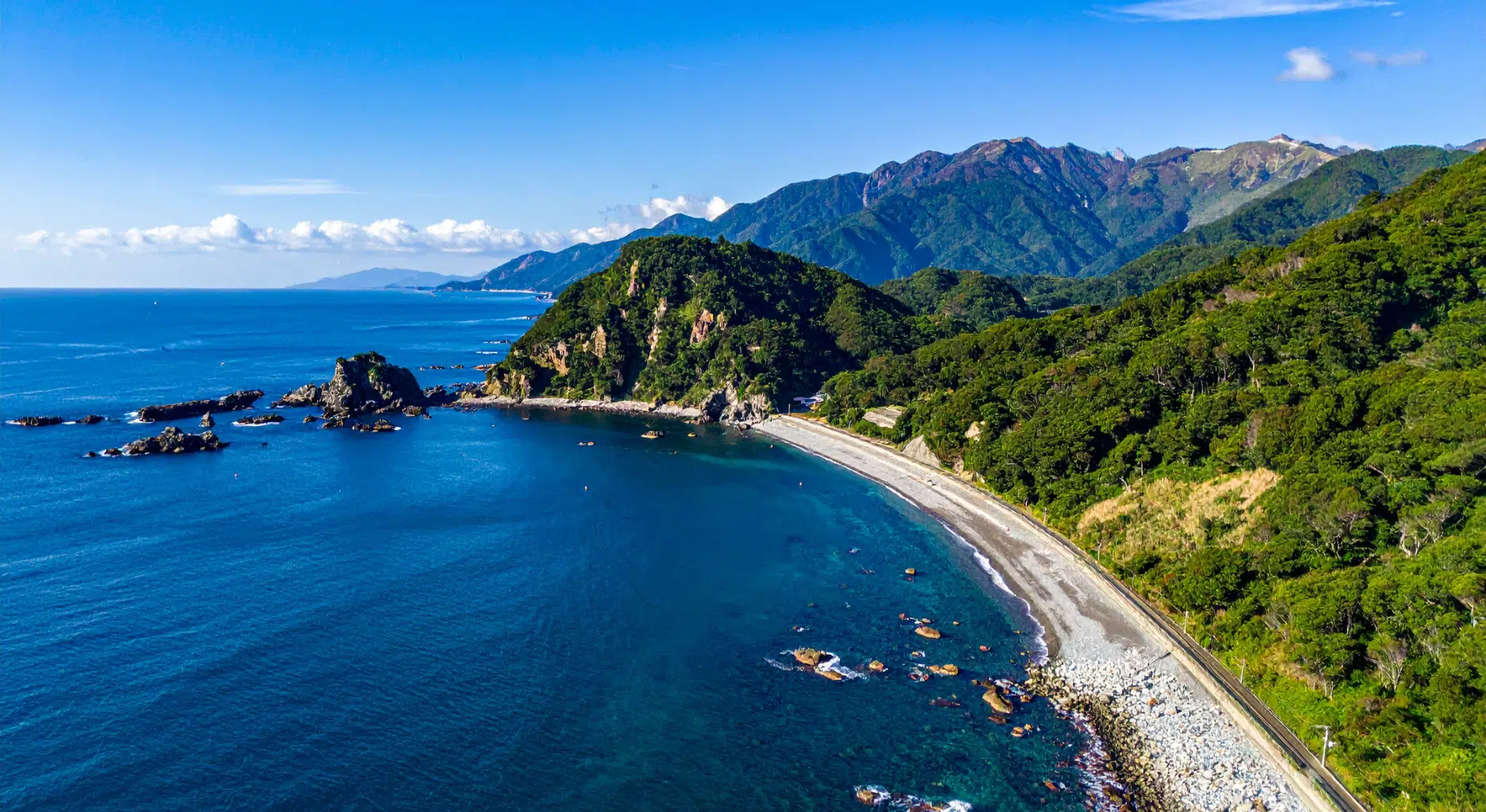
Ayurveda (traditional Indian medical and wellness system) is rooted in Kerala. The practice isn’t tourism performance but legitimate medical system with thousands of years of documented practice.
Many travellers spend time in Ayurveda retreats doing wellness protocols. These aren’t spa experiences but ancient healing practices: consultations determining your constitutional type (dosha), treatments prescribed based on consultation, dietary recommendations, and yoga or meditation practice. The treatments (particularly Abhyanga, which is oil massage) are therapeutic and transformative.
The best Ayurveda experiences position you with actual practitioners rather than resort spa departments applying Ayurvedic branding to standard spa services. Many luxury properties now offer Ayurveda consultation and treatment.
Kerala Cuisine
Kerala’s food is exceptional and specific to place. The cuisine emphasizes fish, coconut, spices (particularly pepper, which historically was Kerala’s primary export), and rice. The food reflects Portuguese influence (chili peppers, preserved fish), regional spice cultivation, and seafaring trade history.
Eating in Kerala is an experience worth planning around. Small family restaurants (often in neighbourhood houses rather than commercial spaces) serve authentic Kerala food. The meals are fresh and specific rather than generalized Indian restaurant food.
Spending meal time is essential to Kerala experience. The pacing should allow long lunches and dinners rather than rushing between sights.
Beaches and Coastal Living
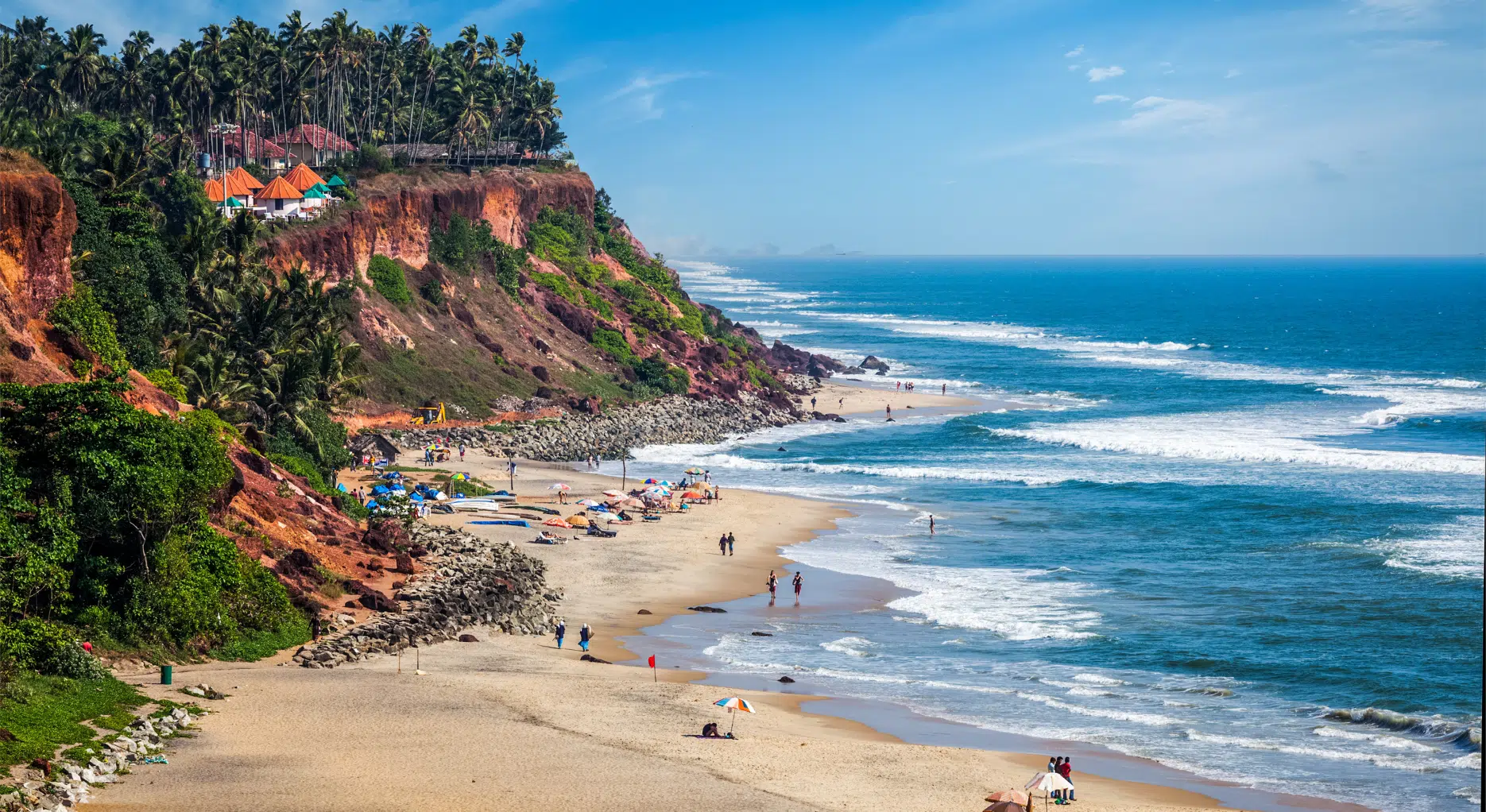
Kerala’s beaches are less dramatic than Goa or southern beaches but offer different appeal: quieter, less developed, genuinely coastal without resort performance. Varkala has cliffside beaches with village character. Kovalam is busier but accessible. The beaches work as slow experiences rather than beach resort destinations.
Sample Kerala Itinerary (8-10 Days)
Days 1-2: Kochi. Explore old harbor area, Chinese fishing nets, colonial neighbourhoods, museums if interested.
Days 3-4: Backwater houseboat experience. Early morning departure, full day on the water, overnight on the boat, return by morning. This is the essential Kerala experience.
Days 5-7: Ayurveda retreat or mixed experience. Three days allows genuine Ayurveda protocol (consultations, treatments, practices). Alternatively, combine beach time with Ayurveda.
Days 8-10: Additional backwater time, beach time, or return to Kochi for final days.
Where to Stay
Kochi has excellent hotels ranging from heritage properties in colonial buildings to contemporary luxury. The positioning should be in or near the old harbor area for better city engagement.
Backwater houseboats range from rustic and simple to quite luxurious. The luxury versions integrate modern amenities (proper bathrooms, quality bedding) while maintaining traditional boat design. Many can arrange private guides, cooking demonstrations, and genuine experiences beyond simple houseboat transit.
Ayurveda retreats range from serious medical facilities to resort wellness centres. The best combine genuine medical practice with retreat atmosphere. Many retreat properties position on backwater periphery or in smaller towns rather than major cities, creating genuinely immersive environment.
Beach accommodation ranges from simple guesthouses to small luxury properties. The positioning should prioritise genuine beach experience over resort infrastructure.

When to Visit
October through March is optimal (pleasant temperatures, stable weather, manageable humidity). Monsoon season (June to September) is less comfortable for tourism but creates genuine beauty (everything is lush and green). April to May is hot and can feel uncomfortable.
Ready to Experience Kerala?
Kerala offers genuinely different India experience. The landscape, culture, food, and pace are distinct from other regions. The infrastructure for luxury travel is excellent without being overwhelming. The experiences reward slowness and genuine engagement with place rather than sightseeing efficiency.
At Do Not Disturb, we build Kerala itineraries that prioritise pace, position you in properties with genuine character, arrange authentic Ayurveda experiences with real practitioners, coordinate backwater experiences on less-trafficked routes, and structure time that allows absorption rather than rushing.
Enquire with us to discuss your Kerala journey and how we can position it properly.
Plan your own version of this journey
Speak to Do Not Disturb’s luxury travel experts and turn this moment into something personal.
Related destinations
Suggested articles
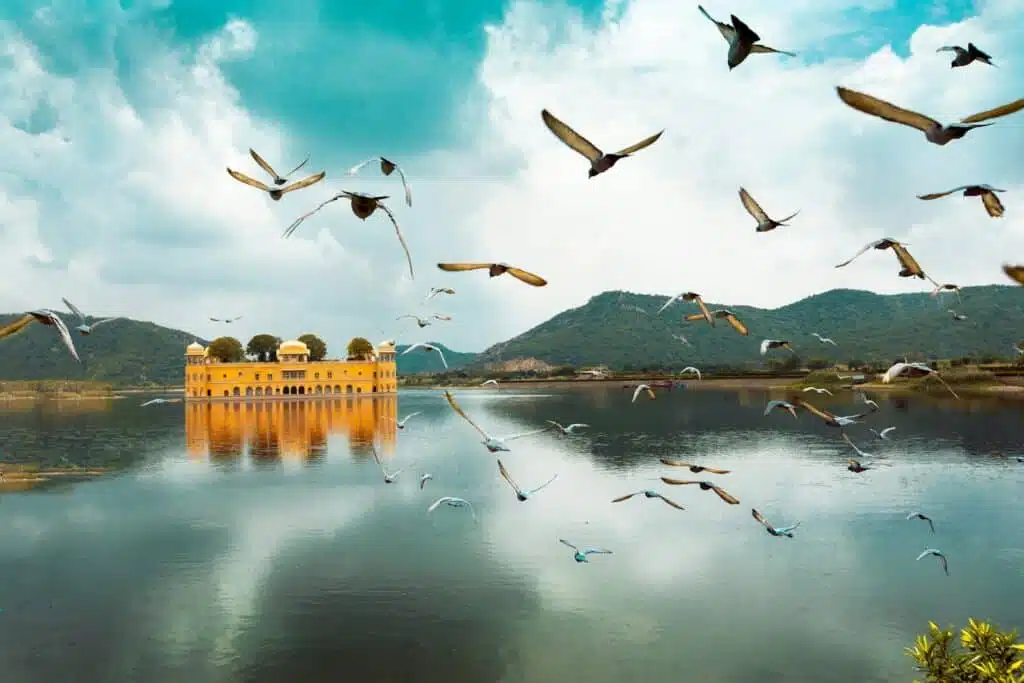
Rajasthan Luxury City Guide: Jaipur, Jodhpur, Udaipur

India’s Most Beautiful Palace Hotels and How to Experience Them
The Best Luxury Places to Visit in India for First-Time Travellers
Beyond the Maldives: Seven Islands for a Different Kind of Honeymoon
Multi-Destination Honeymoons: The Best Pairings for Two Distinct Locations
Where to Go On Honeymoon? A Guide to Help You Choose
Wilderness to Waves: Luxury Honeymoons in Kenya
Luxury Safaris: Why Laikipia Is Kenya’s Best-Kept Secret
Positano vs Ravello: Where to Stay on the Amalfi Coast
Chianti’s Luxury Villas: Stay Like a Renaissance Noble

Romantic Florence: The Ideal Italian Honeymoon
Venice for Art Lovers: Palaces, Churches and Private Views

Experiencing Florence Without the Crowds