
Discover Cairo in luxury, from the Pyramids of Giza and the Grand Egyptian Museum to Islamic Cairo, exceptional hotels, private guides, and expertly planned days.
Arriving in Cairo: First Impressions and How to Navigate Them Well
Cairo can feel overwhelming at first, so where you stay makes a real difference. Zamalek and Garden City are home to some of the city’s best luxury hotels, including properties such as the Four Seasons, with polished service, Nile views, and easy access to central Cairo.
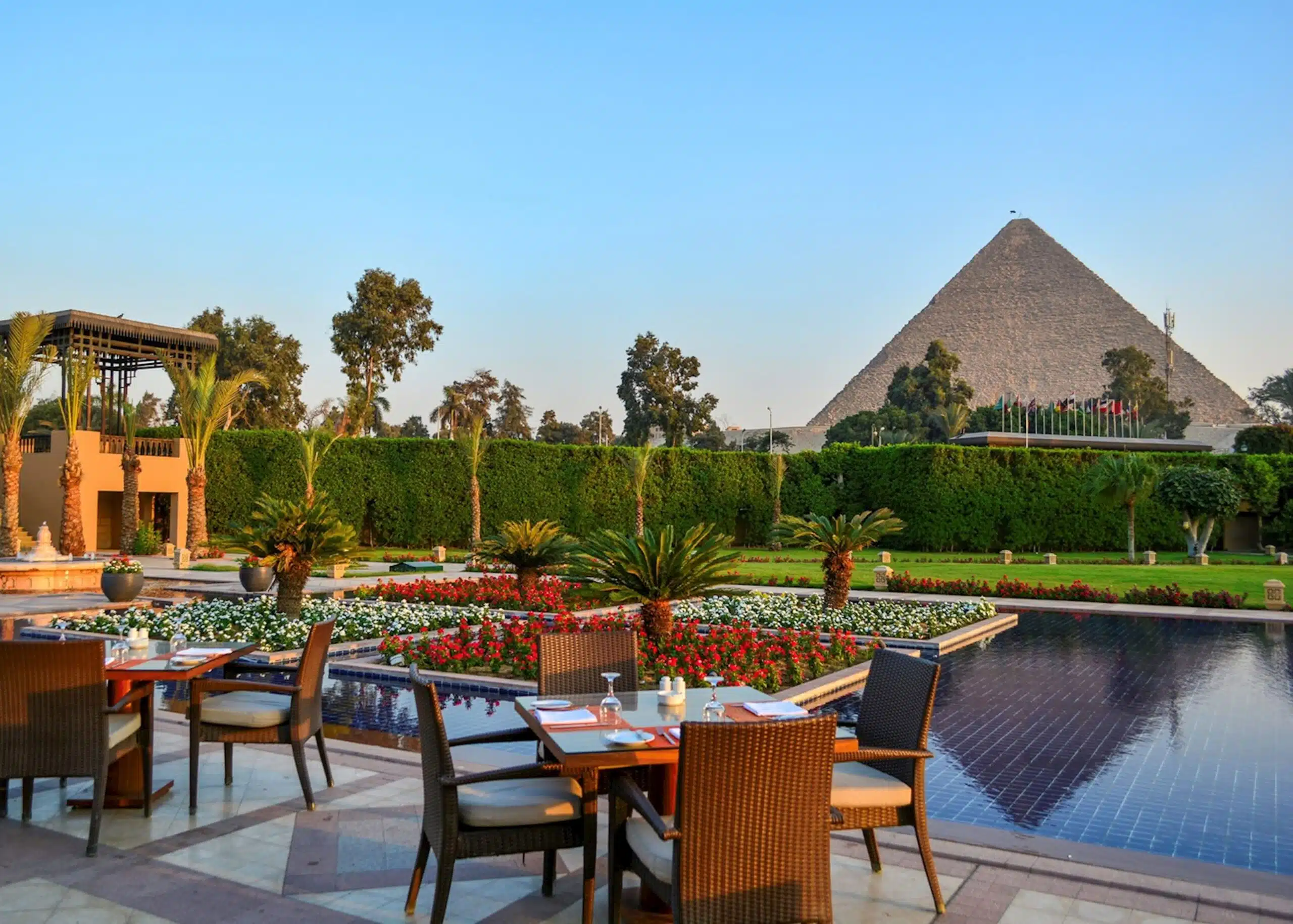
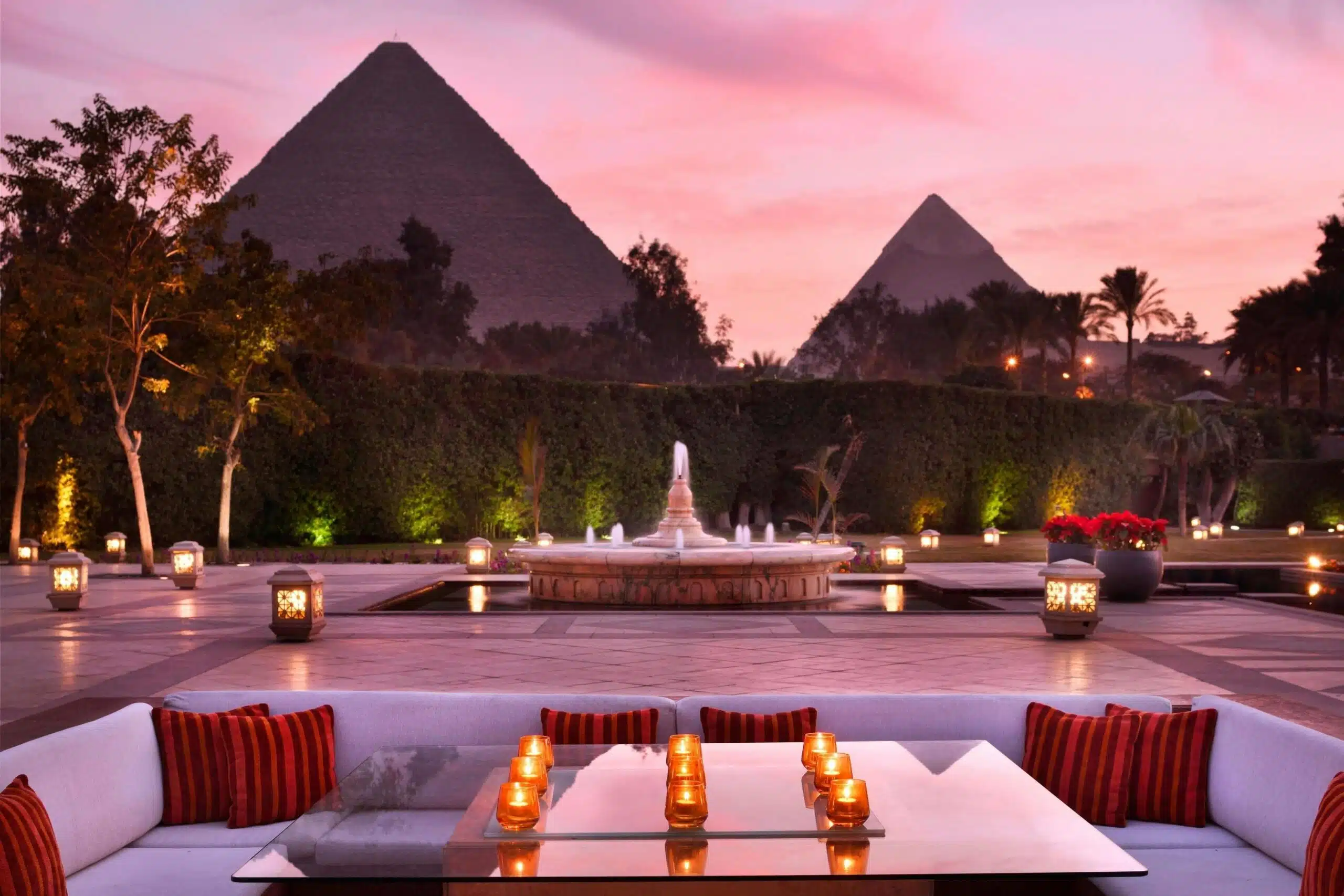
If the pyramids are the focus, though, it is hard to beat Marriott Mena House. Sitting right beside the Giza plateau, it offers something no central Cairo hotel can replicate: extraordinary pyramid views from the grounds and many rooms.
For luxury travellers, the best choice is less about picking the biggest name and more about matching the hotel to the trip. That could mean Nile-side sophistication in the city or waking up with the pyramids almost outside your window.
About Do Not Disturb
Do Not Disturb is a luxury travel company specializing in carefully designed journeys and considered experiences. Each itinerary we build for our clients is informed by real destination knowledge, offering insight into places, cultures, and moments that shape how a trip comes together.
If this destination has sparked ideas, the itinerary can be developed into a private journey tailored to your interests and travel style, with hand-picked stays, thoughtful routing, and experiences curated around what matters most to you.
Exploring Cairo Safely
Cairo is an extraordinary city to explore, but it is also vast, busy, and at times chaotic. For most luxury travellers, the easiest way to experience it is with a trusted private driver and guide rather than trying to navigate traffic, taxis, and site access independently. That gives you more control over timings, reduces unnecessary hassle, and makes it much easier to move between neighbourhoods and major sites comfortably.
As in any major city, it is sensible to stay aware of your surroundings, avoid displaying valuables unnecessarily, and use reputable transport, particularly at night. Security around major tourist sites is visible, and access procedures can change, so having someone local who understands current protocols is valuable.
The biggest practical advantage of travelling with an experienced local team is that they can adjust quickly when traffic, closures, demonstrations, or access restrictions affect the day. In Cairo, that kind of flexibility is often what turns a potentially stressful day into a smooth one.
The Pyramids, Done Properly
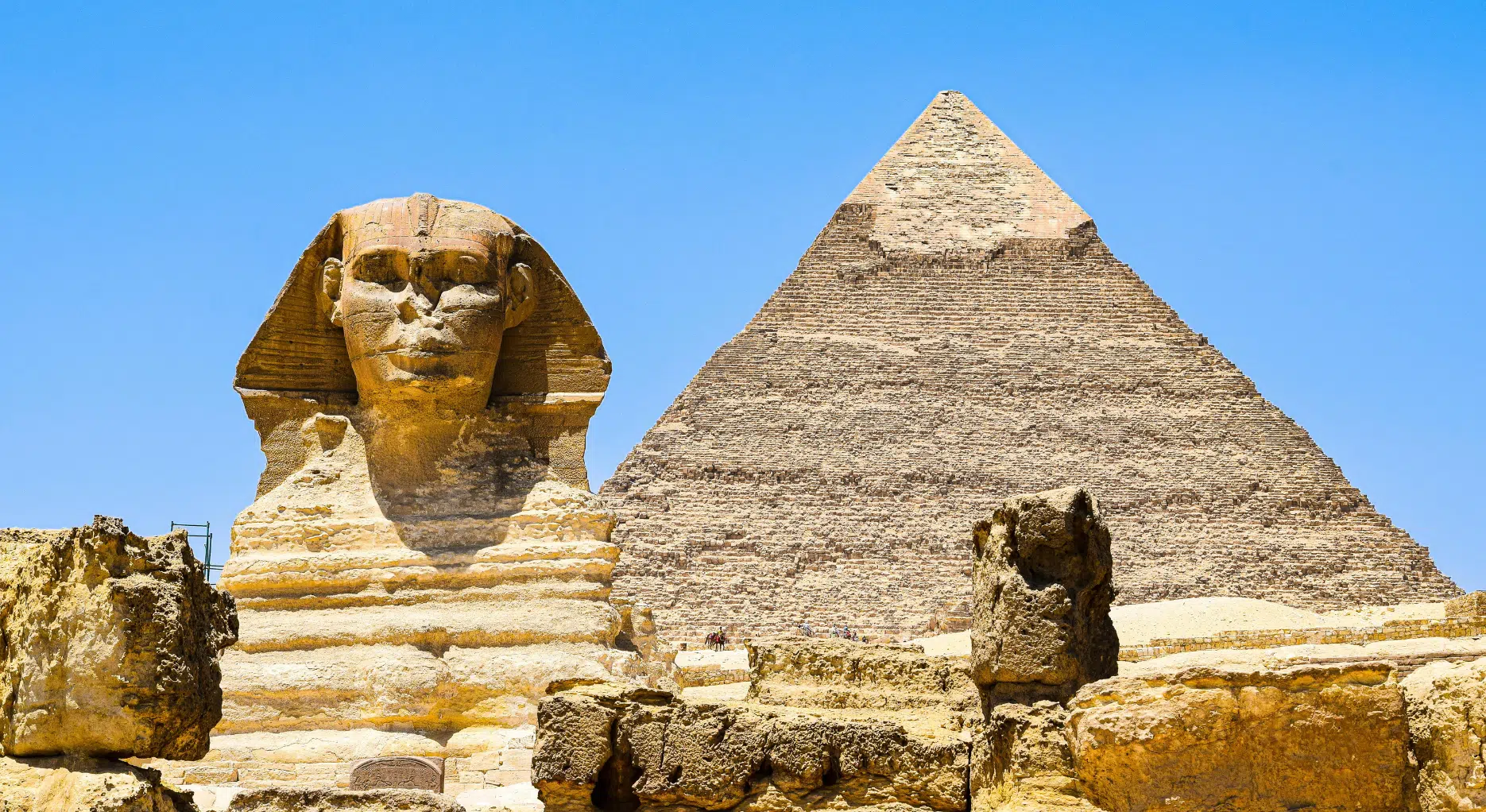
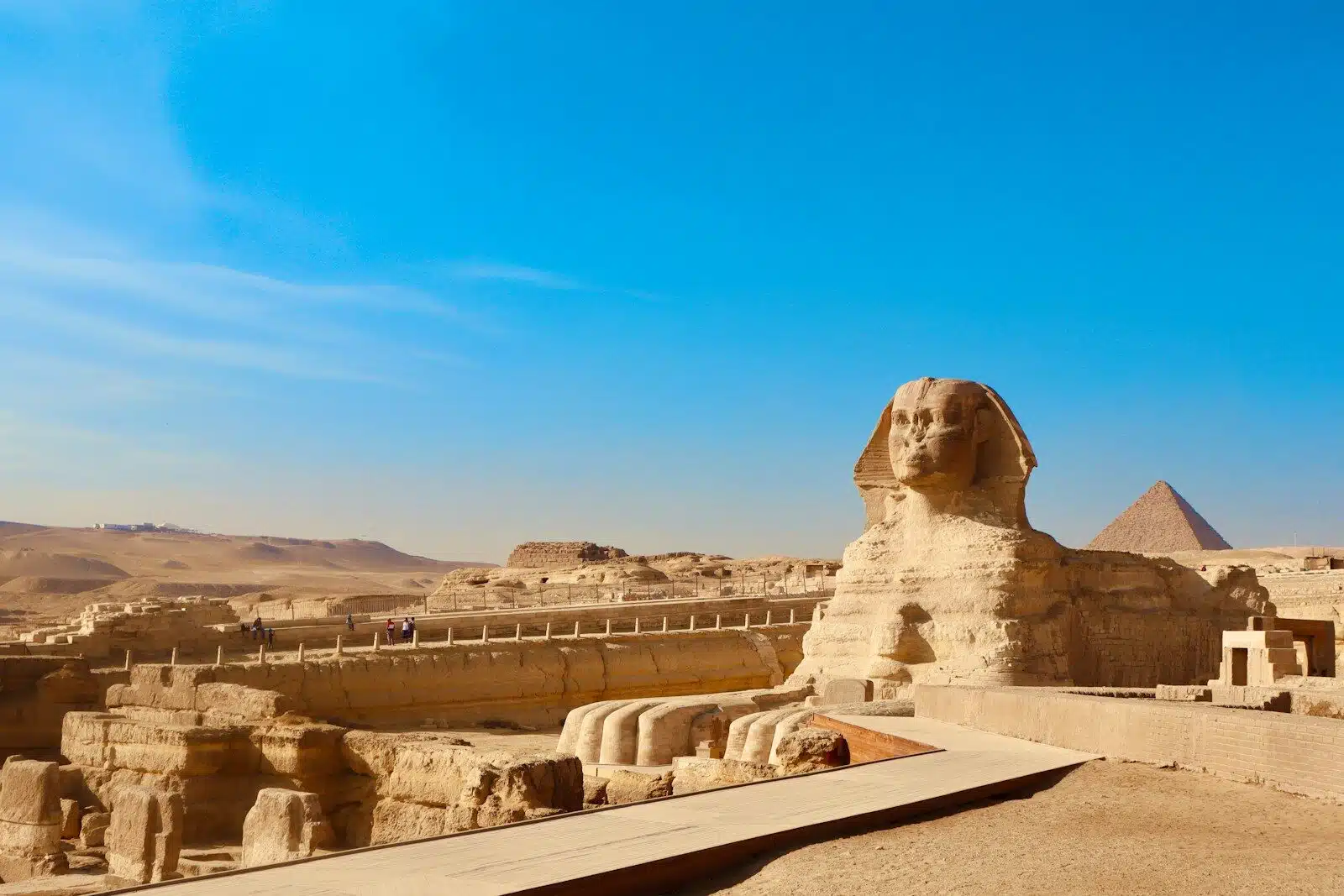
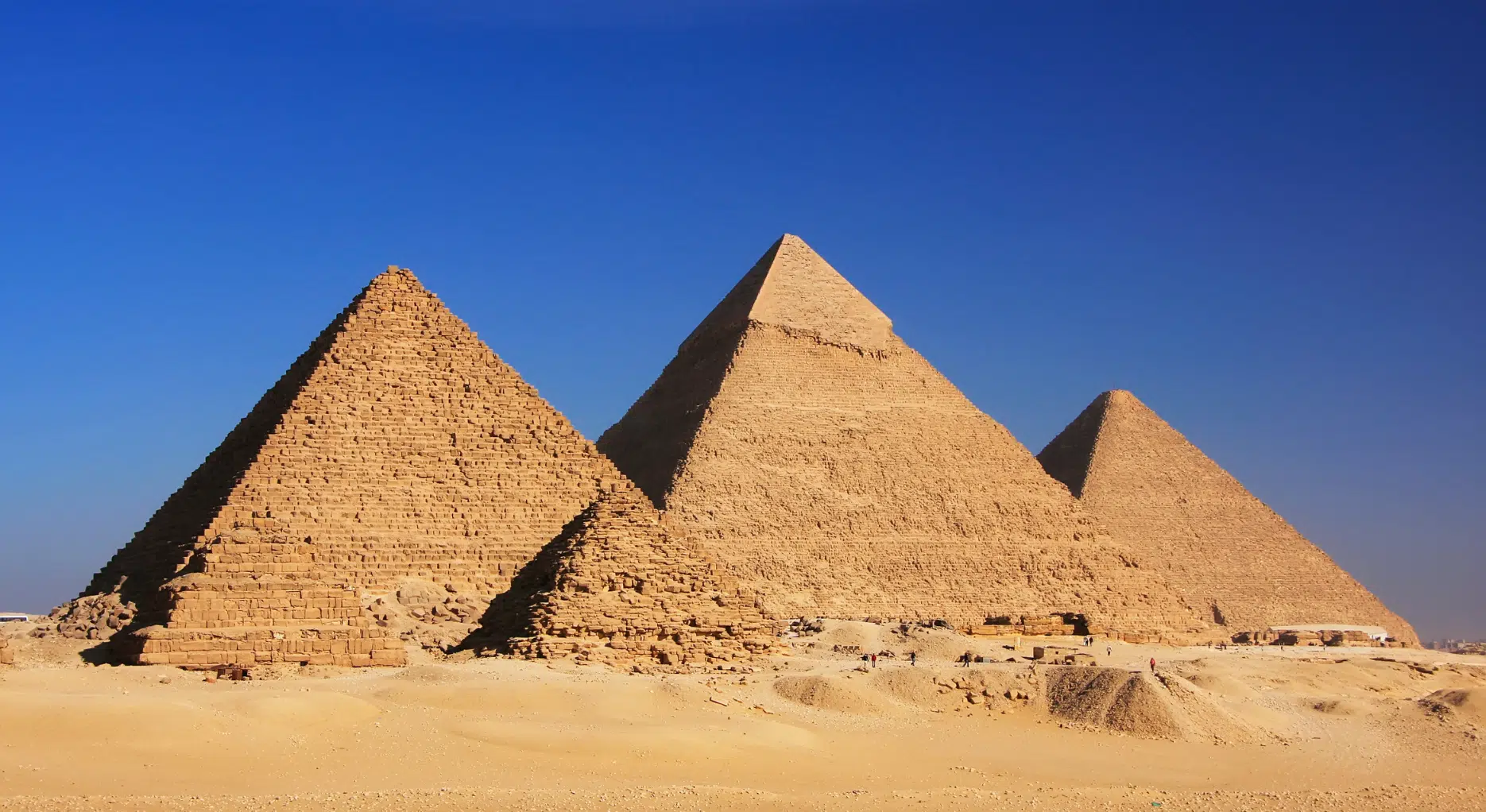
The Giza Plateau receives approximately 14,000 visitors on a typical day. The experience of arriving within that volume is categorically different from accessing the site before public hours begin or during the limited windows available outside standard operating times. Private early-access arrangements allow movement across the plateau without the constraints that govern general admission, including proximity to the structures themselves.
A licensed Egyptologist guide changes the nature of the visit in practical terms. The Egyptian government requires all guides operating at heritage sites to hold a licensed qualification, but the range within that category is wide. Guides with academic specialisations in Old Kingdom archaeology or specific monument histories provide a level of contextual depth that general-licensed guides do not.
The interior of the Great Pyramid is accessible under standard admission, but access to the Solar Boat Museum, the tomb complexes of the nobles, and certain restricted areas of the plateau requires coordination that sits outside what most visitors arrange independently.
Palaces, Museums, and the Weight of Egyptian Antiquity
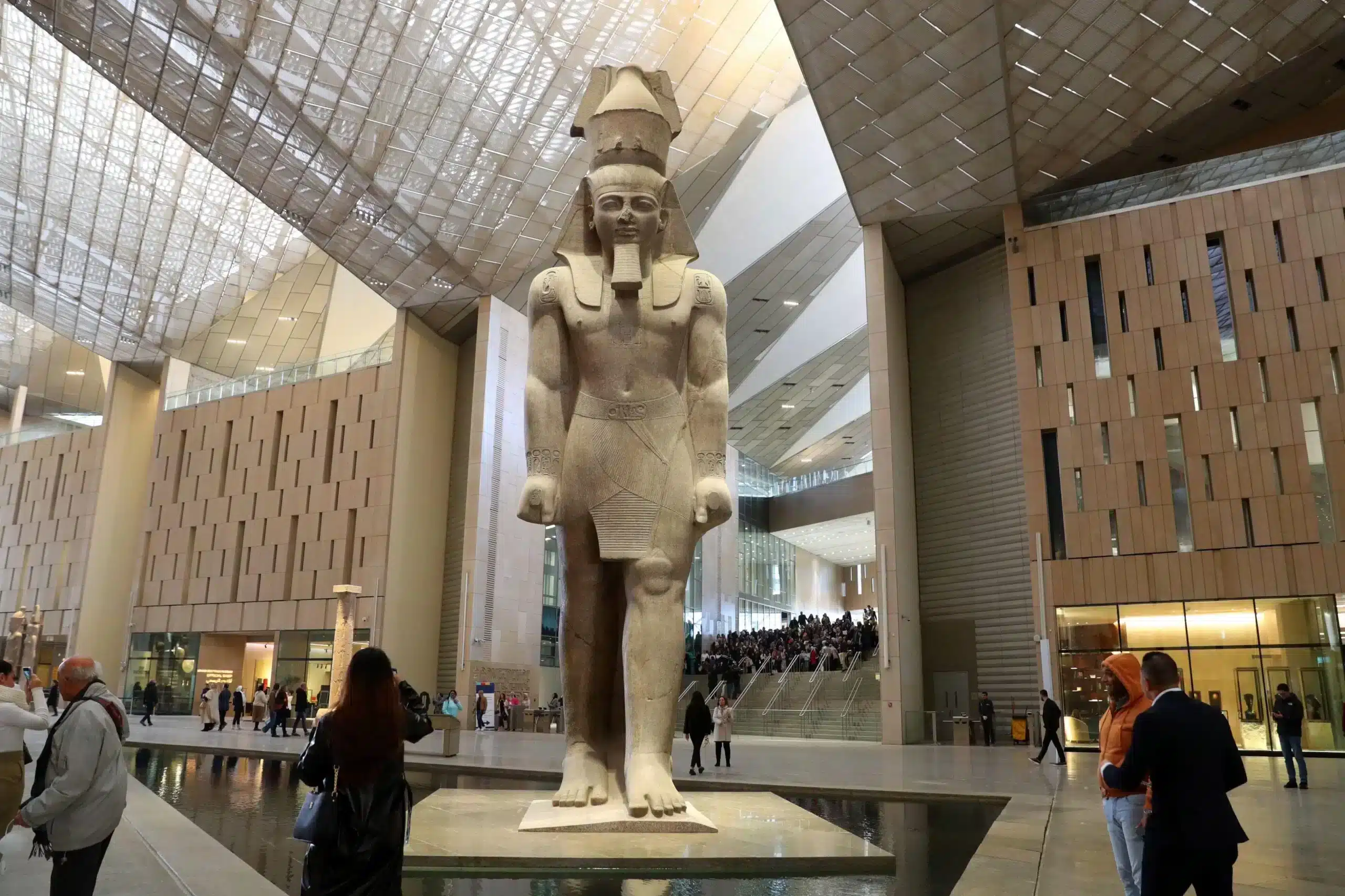
The Grand Egyptian Museum sits beside the Giza Plateau and is now one of the essential stops in Cairo. Its collection is enormous, with the treasures of Tutankhamun among the biggest draws, so it is worth exploring with a guide who can help you focus on the pieces that really matter rather than trying to take in everything at once.
Manial Palace, on Rhoda Island, is much quieter and feels completely different. Built for Prince Mohammed Ali in the early twentieth century, it mixes Ottoman, Moorish, Persian, and European influences across a series of richly decorated rooms, gardens, and pavilions. It is one of those Cairo sights that still feels a little under the radar.
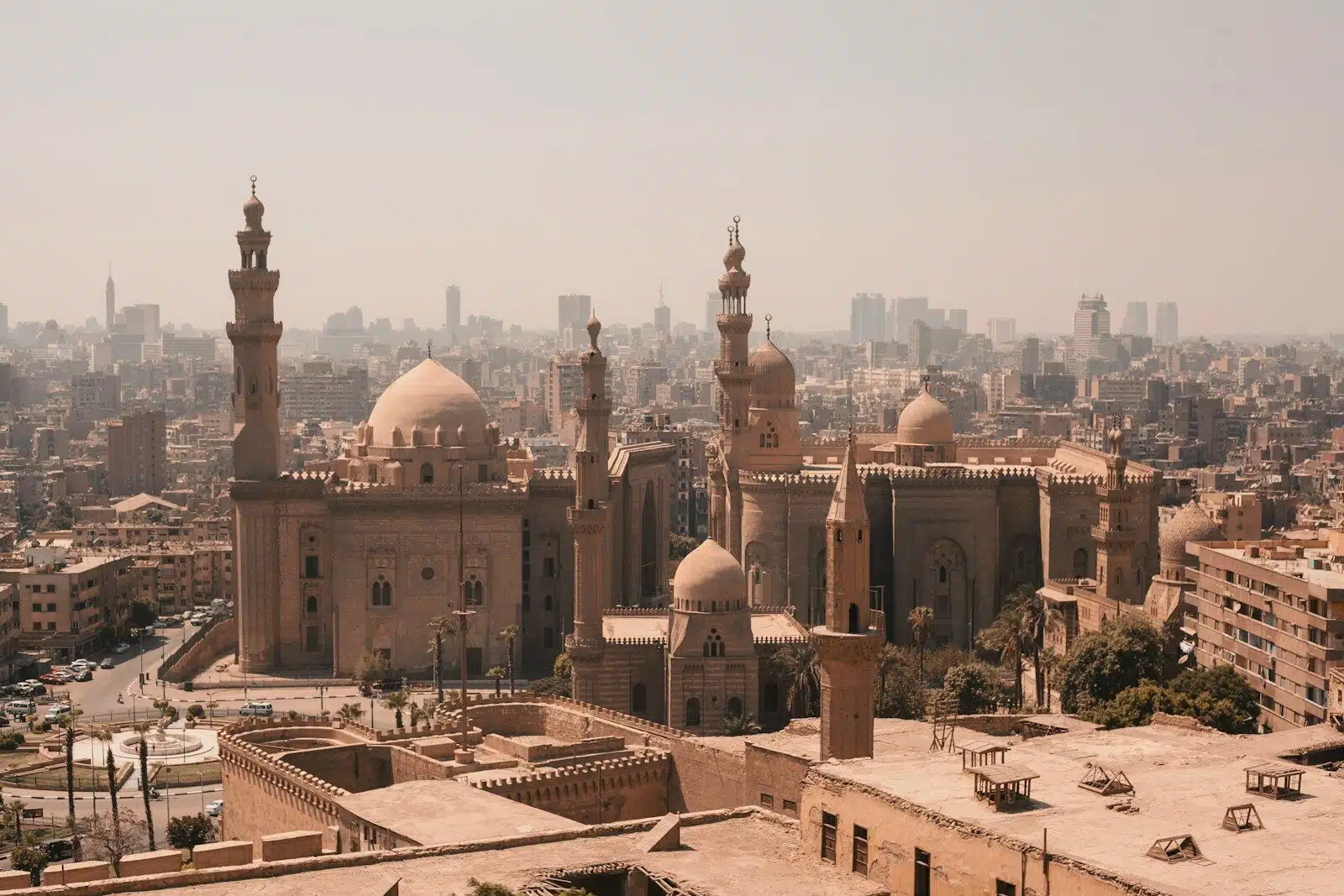
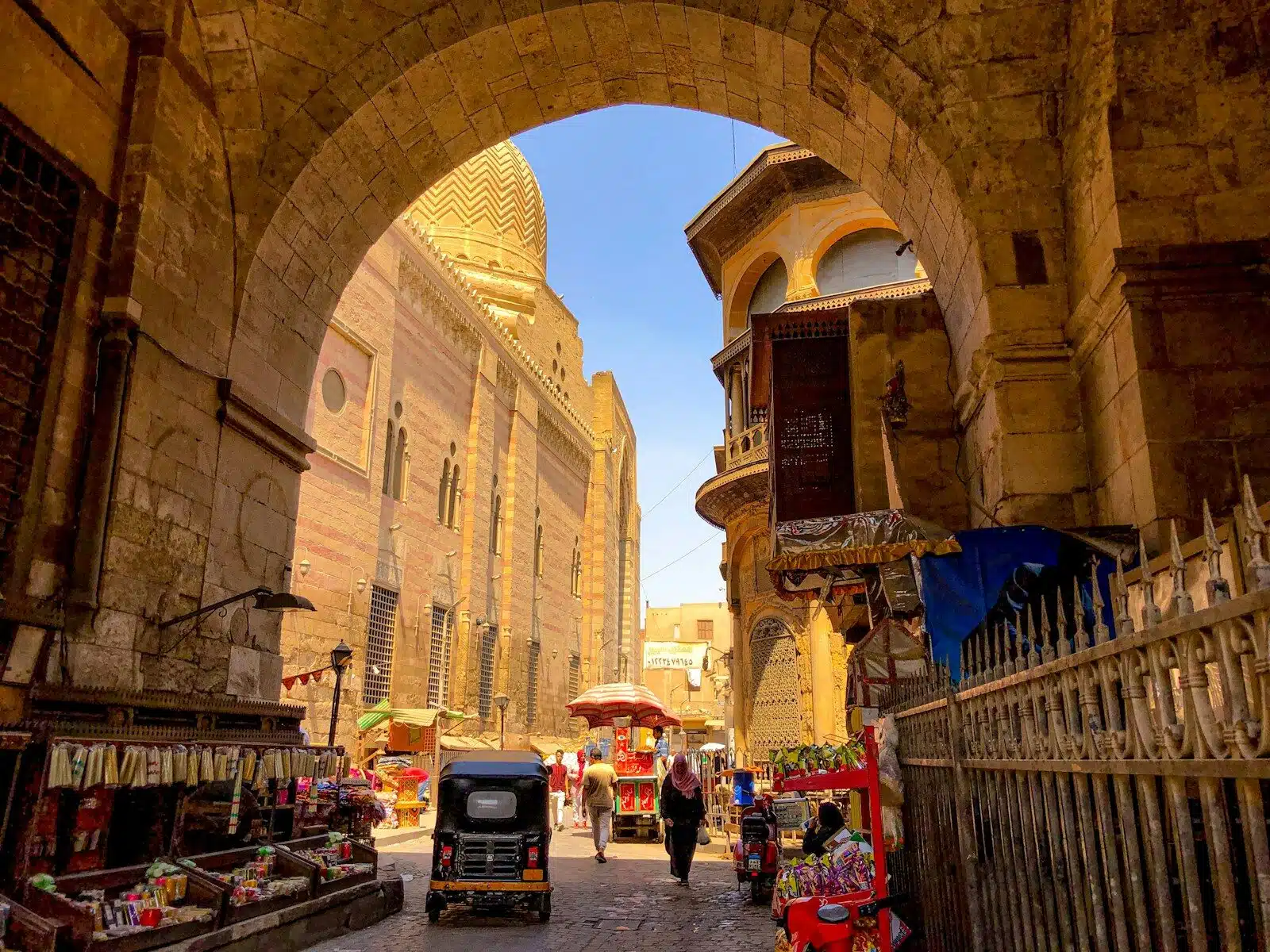
Islamic Cairo is best explored slowly. Around Al-Muizz Street, mosques, madrasas, palaces, and medieval houses sit almost on top of one another, with layers of history at every turn. A good local guide is especially useful here, not because the area is difficult to visit, but because so much of what makes it interesting is easy to miss without context.
Where and How to Eat in Cairo
Cairo’s best fine dining is still closely tied to its leading luxury hotels, where tourist-friendly kitchens, careful sourcing, and polished service make them reliable choices for travellers who want Egyptian and regional food at a high level. The Four Seasons Nile Plaza and Marriott Mena House are good examples, offering refined dining without losing sight of the flavors that make Egyptian cuisine distinctive.
For something less formal, Zamalek has one of the city’s strongest concentrations of independent restaurants. The best places here tend to feel more personal, with traditional dishes, contemporary presentation, and a better sense of what modern Cairo actually likes to eat. Expect slow-cooked meats, legumes, breads, spice, and dishes influenced by Egypt’s position between North Africa and the Levant.
The difficulty is knowing which restaurants are genuinely worth booking, because quality can vary and the strongest kitchens are not always the most visible online. That is where local knowledge matters, especially if you want a mix of polished hotel dining and more characterful independent places without wasting a meal.
How Long to Stay
Four nights is the minimum in Cairo if you want to experience it properly. The first two days can cover the Giza Plateau, the Grand Egyptian Museum, and Islamic Cairo, while days three and four create space for the city itself: a private collection, a particular neighbourhood, a long lunch, or an experience that is worth arranging in advance rather than rushing past.
Five to six nights is even better, especially if you want to include Coptic Cairo, Saqqara, or more specialist access. Cairo rewards having a little room in the schedule; the city becomes far more interesting once you are no longer simply moving from one headline sight to the next.
It also works beautifully as the beginning of a longer journey through Egypt. From Cairo, it is easy to continue south to Luxor and Aswan, where the Nile links temples, tombs, villages, and desert landscapes in a way that feels completely different from the capital. A ten- to twelve-night journey combining Cairo with Upper Egypt gives each part of the country enough time to feel distinct, while still creating one coherent trip.
That is the kind of journey we can shape for you from start to finish, with the right hotels, private transfers, expert Egyptologists, and the pacing that makes Egypt feel extraordinary rather than exhausting. If you are planning Cairo as part of a wider luxury trip through Egypt, we can build the entire journey around your interests.
Plan your own version of this journey
Speak to Do Not Disturb’s luxury travel experts and turn this moment into something personal.
Related destinations
Suggested articles

Cleopatra’s Egypt: Alexandria, Cairo & the Nile

Maldives Luxury Resorts: The Newest Openings

The Best Temples to Visit Beyond Angkor Wat

The Cardamom Mountains: Cambodia’s Wildest Luxury Escape

Two Seasons: When to Go to Fiji and Why It Matters

Plan your honeymoon in Switzerland

How to Travel Through a European Summer Heatwave

Finland’s Sauna Culture Explained

The Best Honeymoon Destinations for LGBTQ+ Couples

The Most Romantic Train Journeys for a Slow Honeymoon

Chianti’s Luxury Villas: Stay Like a Renaissance Noble

Best Luxury Hotels in Finnish Lapland

Luxury Safaris: Why Laikipia Is Kenya’s Best-Kept Secret