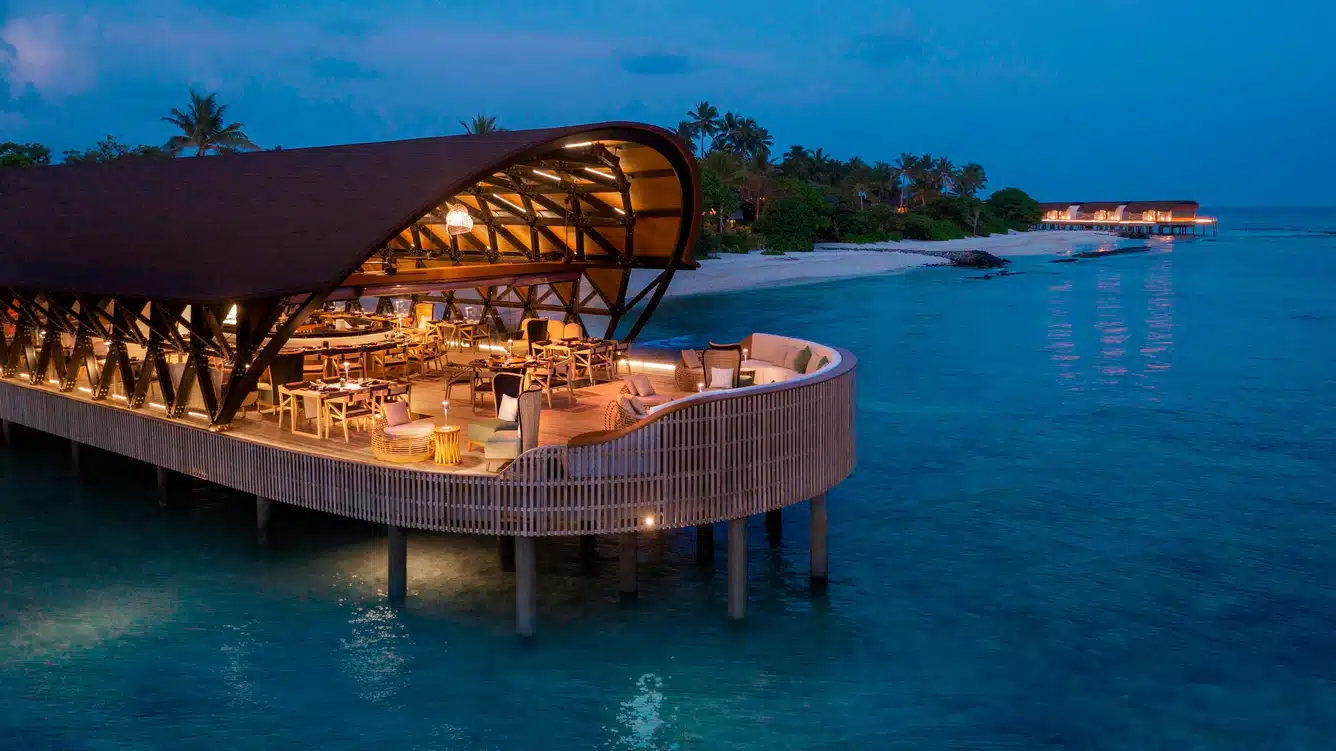


The Maldives is the closest thing to a fantasy that most travellers will ever book: turquoise water, total privacy, a horizon with nothing on it. But that fantasy depends on decisions made long before you land, none more so than how you choose to eat and drink once you’re there. Understanding the difference between all-inclusive, full-board, half-board, and breakfast-only arrangements is the most consequential decision you’ll make after choosing the resort itself.
Why Board Basis Matters More in the Maldives Than Anywhere Else
Most resorts in the Maldives occupy a private island, so there’s no village restaurant, no local market, and nowhere else to eat or drink. Every meal, every coffee, and every bottle of water is purchased from the resort itself. This removes the pricing competition you’d find in most other destinations and gives operators complete control over food and beverage costs.
The financial consequences of eating à la carte here are significant. While the meals may be reasonably priced considering the location, you can expect to pay twice or three times as much as a main for one bottle of wine. If you underestimate how much you’ll actually eat and drink, you may face an end-of-stay bill that substantially exceeds what it would have cost to upgrade your board basis before arrival.
Your board basis decision is, therefore, less about convenience and more about financial structure. The choice you make before arrival sets the ceiling on your daily expenditure and, in practical terms, how much freedom you have once you’re on the island.
About Do Not Disturb
Do Not Disturb is a luxury travel company specializing in carefully designed journeys and considered experiences. Each itinerary we build for our clients is informed by real destination knowledge, offering insight into places, cultures, and moments that shape how a trip comes together.
If this destination has sparked ideas, the itinerary can be developed into a private journey tailored to your interests and travel style, with hand-picked stays, thoughtful routing, and experiences curated around what matters most to you.
What All-Inclusive Actually Covers, and What It Doesn't
All-inclusive packages in the Maldives typically cover three meals a day at the main restaurant, house beverages including local spirits, beer, wine, and soft drinks, and non-motorized water sports such as snorkelling equipment, kayaks, and stand-up paddleboards. Some resorts extend this to one or two scheduled excursions, though this varies significantly by property.
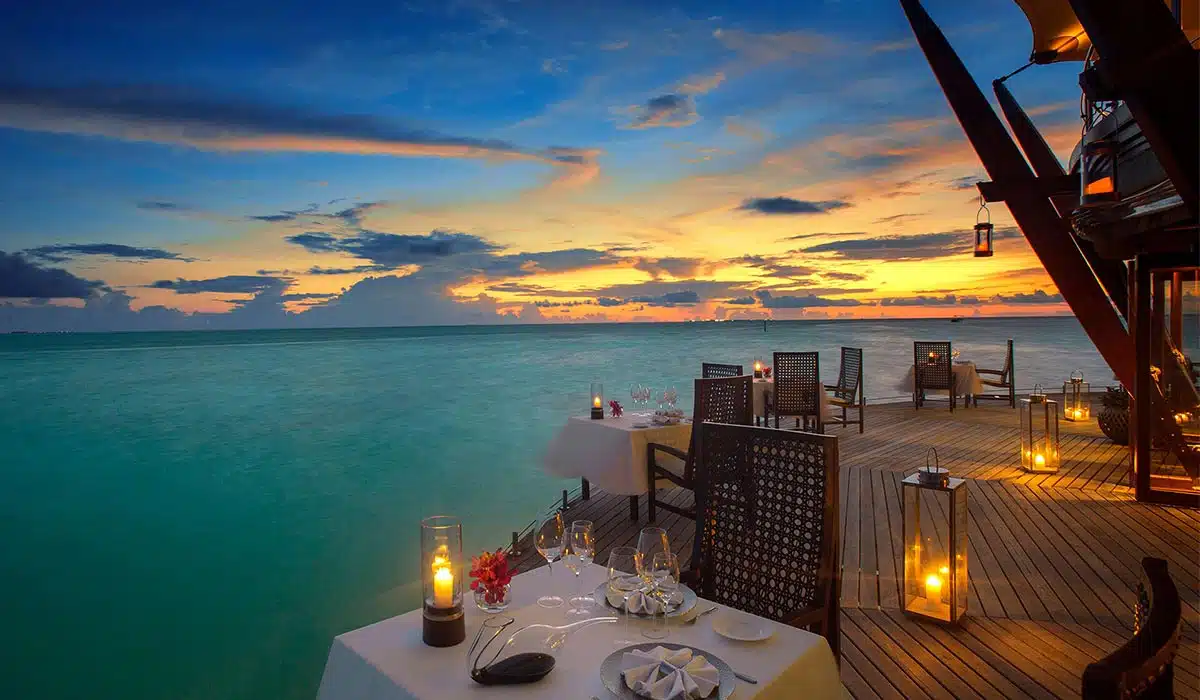
The exclusions are where the package loses ground. You’ll almost always pay separately for premium and imported spirits, as well as specialty or overwater restaurants, which at many resorts are the most compelling dining options on the property. Motorized water sports, including jet skis, diving, and boat excursions, sit outside standard coverage, and spa treatments are never included. At resorts where the culinary programme is a primary draw, choosing all-inclusive can mean effectively bypassing the experience the property is known for.
Whether an all-inclusive package is worth it depends heavily on which resort you’re applying it to. At properties where the included outlets represent the full range of what’s worth doing, the structure holds. At others, it functions more as a floor than a ceiling.

Full-Board and Half-Board: The Middle Ground Worth Considering
Full-board covers breakfast, lunch, and dinner at the resort’s main restaurant, while half-board typically includes breakfast and dinner. Both are suitable if you want predictable meal costs without paying for beverages, activities, or spa access you may not use. At most Maldivian resorts, these packages are priced per person per night and applied at a single designated venue, which limits your access to specialty restaurants unless you pay a supplement.
The practical limitation of both arrangements is that beverages sit entirely outside the package. Here, a glass of wine or a cocktail can get expensive, which can erode your apparent savings quickly if you drink regularly with meals.
Half-board works best if you prefer lighter lunches, plan to spend midday snorkelling or on excursions, or expect to eat occasionally at a second restaurant. Full-board is ideal if you want three structured meals covered but still want to direct remaining spend toward experiences rather than food and drink.
Breakfast-Only: The Case for Travelling Without a Plan
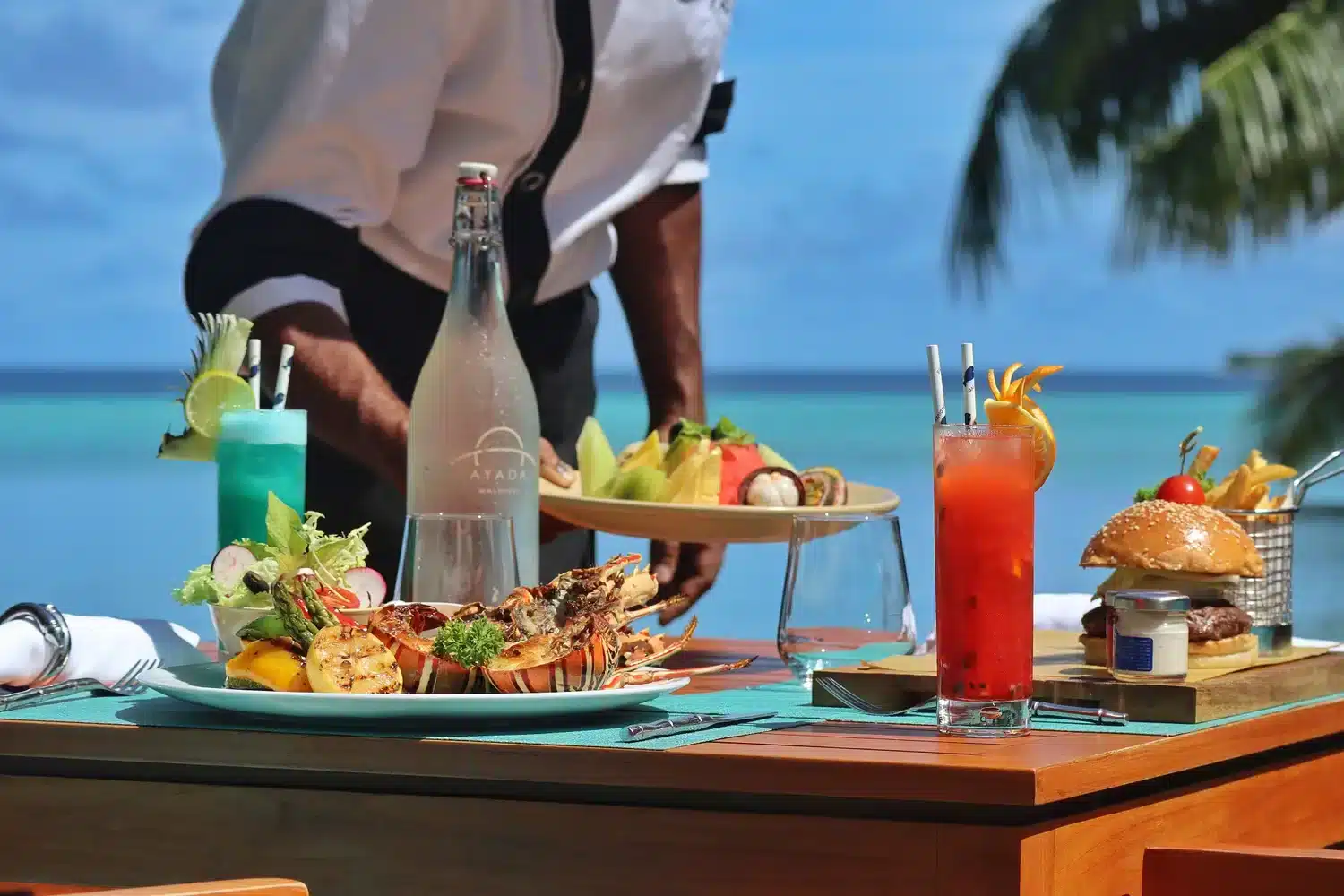
Breakfast-only works as a deliberate strategy, not a default. If you drink sparingly, eat lightly at lunch, or would rather put your budget toward diving, excursions, or spa treatments, you’ll likely find that a fixed meal package adds cost without adding value. On this board basis, the resort’s à la carte restaurants become an option rather than an afterthought, and you can control your per-meal spend with some precision.
The financial risk is real and worth calculating in advance. A main course at an overwater restaurant carries a premium price tag, and a bottle of wine at resort retail rarely comes cheap. If you’re eating two meals a day outside of breakfast as a couple, you can accumulate significant daily expenditure before you’ve even factored in drinks or sundries.
Breakfast-only will suit those who have a clear sense of how they want to spend, not those who are hoping to economize. Without that clarity, the open-ended cost structure can leave you with a final bill that exceeds what a structured package would have cost.
Matching Your Dining Habits to the Right Package
The most reliable indicator of which package suits you is alcohol consumption. All-inclusive becomes financially logical once you’re drinking regularly across lunch, dinner, and evenings. If you drink sparingly, or not at all, you’ll rarely recover the premium through food alone, particularly at resorts where à la carte pricing is moderate by Maldivian standards.
Your appetite for variety matters equally. All-inclusive packages are typically anchored to one or two designated restaurants, with surcharges applying to specialty dining. If you like moving between outlets or treat restaurant selection as part of the trip itself, you’ll likely find half-board or breakfast-only gives you more useful flexibility.
Your travel context shapes the calculation further. If you’re on a honeymoon, you may prefer the containment of all-inclusive, removing cost decisions from a trip where your attention should be elsewhere. If you’re a repeat visitor returning to a familiar property, you likely already know which outlets you prefer, and a more selective board basis is probably the more practical choice.
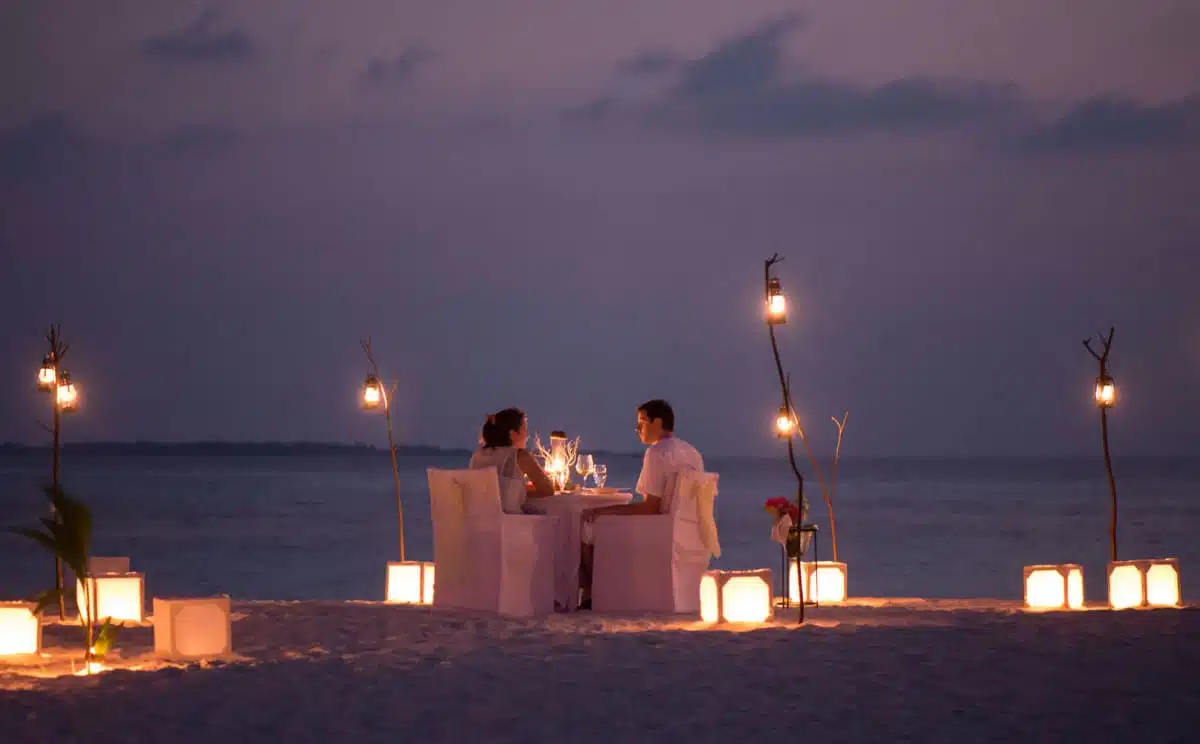
The True Cost Comparison: Weighing All-Inclusive Against Á La Carte
At a mid-to-luxury resort, breakfast-only rates already carry a meaningful daily cost before you’ve added a single meal or drink. Once you factor in three meals, wine, and casual beverages, realistic daily spend climbs substantially higher. All-inclusive packages at comparable properties are typically priced to sit somewhere between the two, covering meals, house beverages, and selected activities within a single rate.
The gap narrows considerably once you look at real dining patterns. A standard dinner at a resort restaurant, before drinks, can already approach what a portion of the all-inclusive rate was covering, and a bottle of mid-range wine adds further ground. If you drink consistently, dine at multiple outlets, or order outside set menus, you’ll often exceed what an all-inclusive package would have cost you.
The calculation shifts if you eat lightly, avoid alcohol, or plan extended excursions that take you away from the resort at mealtimes. In that case, half-board or breakfast-only will likely represent better value, provided you understand the resort’s à la carte pricing in advance.
Working out where you sit on that spectrum isn’t always straightforward from the outside, and it’s exactly the kind of detail the experts at Do Not Disturb talk through with every client, resort by resort, so your board basis is chosen with real numbers in hand rather than a guess.
Plan your own version of this journey
Speak to Do Not Disturb’s luxury travel experts and turn this moment into something personal.
Related destinations
Suggested articles

The Best Honeymoon Destinations for LGBTQ+ Couples

The Most Romantic Train Journeys for a Slow Honeymoon

Where to Go On Honeymoon? A Guide to Help You Choose
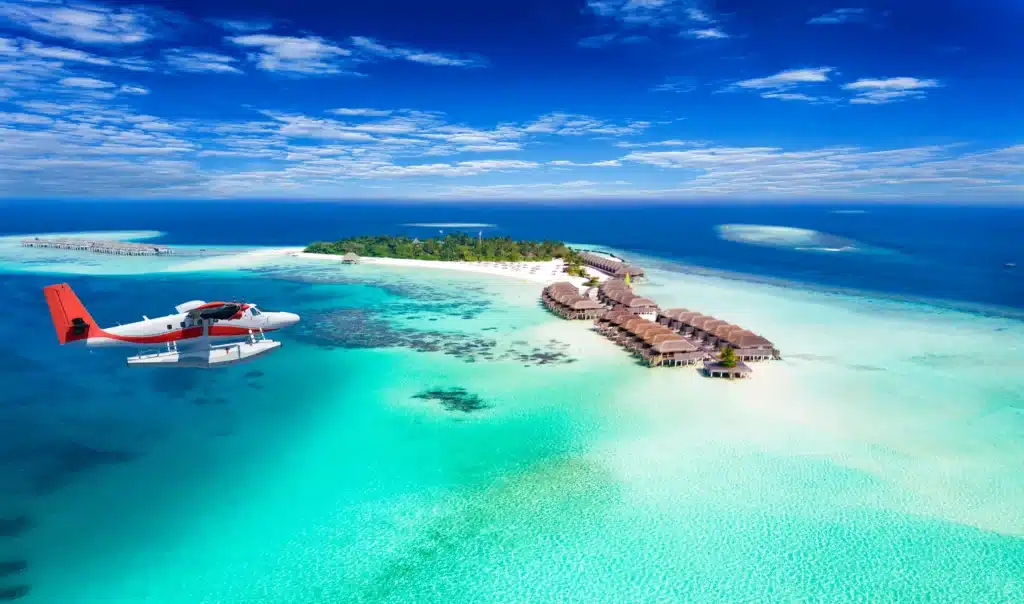
Seaplane, Speedboat or Domestic Flight? Maldives Transfers Explained

Multi-Destination Honeymoons: The Best Pairings for Two Distinct Locations
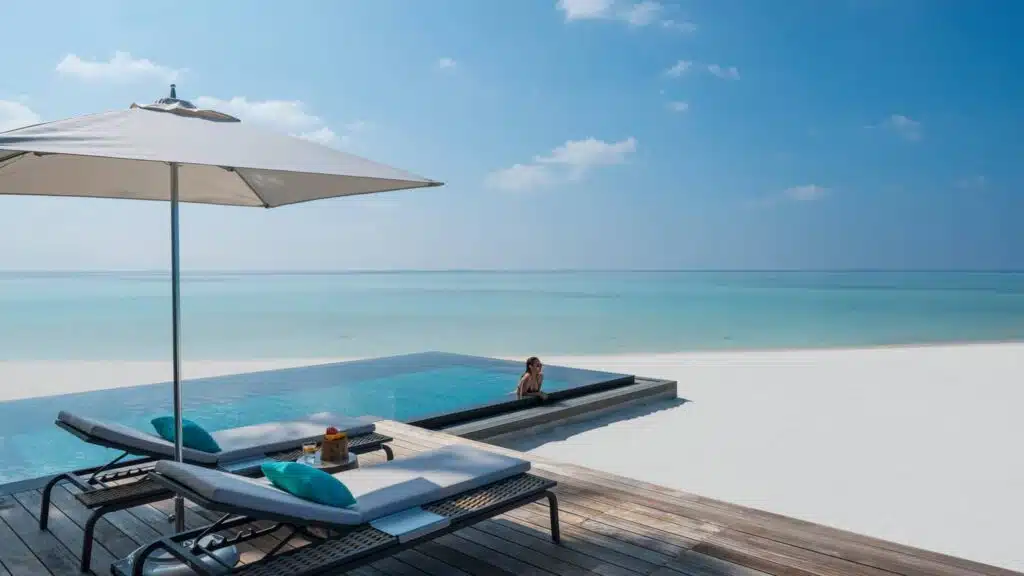
Maldives Villa Guide: Beach vs. Overwater

How to Choose the Right Maldives Resort For You
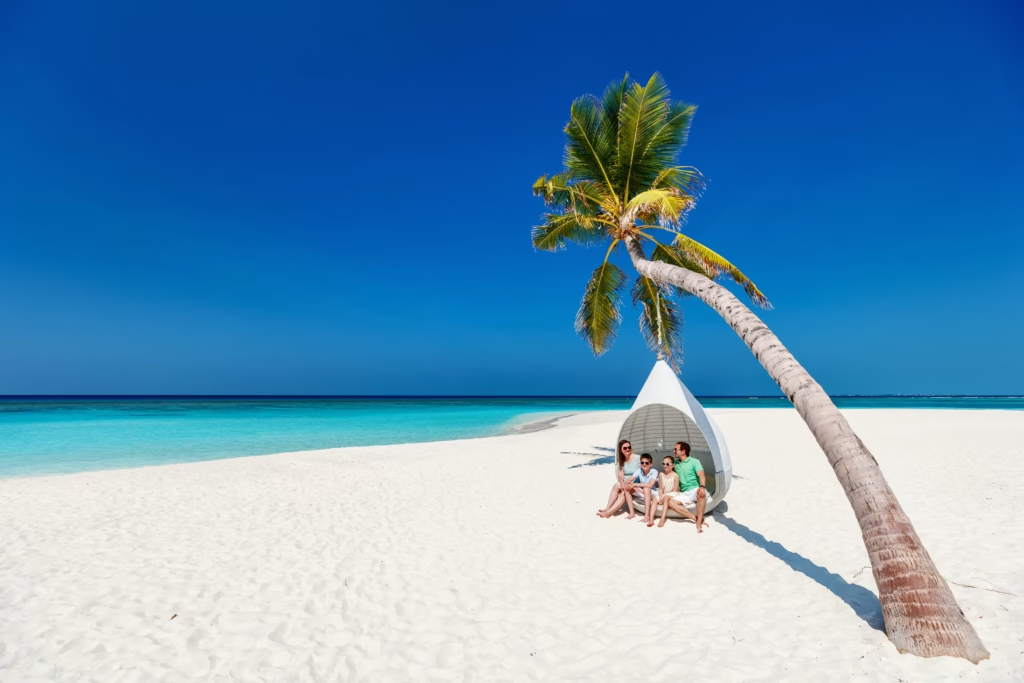
How to Choose a Family-Friendly Maldives Resort
Christmas in the Maldives: What to Expect and is it Worth It

The Best Maldives Resorts for Honeymoons

Maldives vs French Polynesia: Best Honeymoon Destination?

The Maldives Beyond the Villa: Best Activities

Maldives vs Bali for a luxury honeymoon